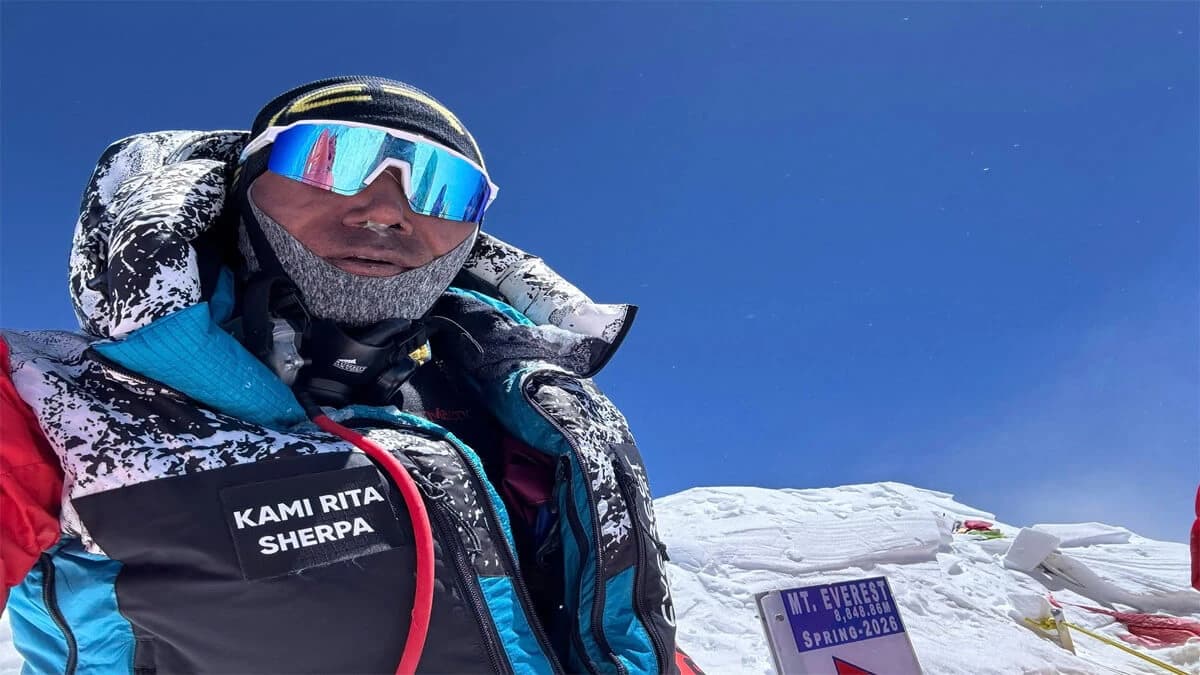
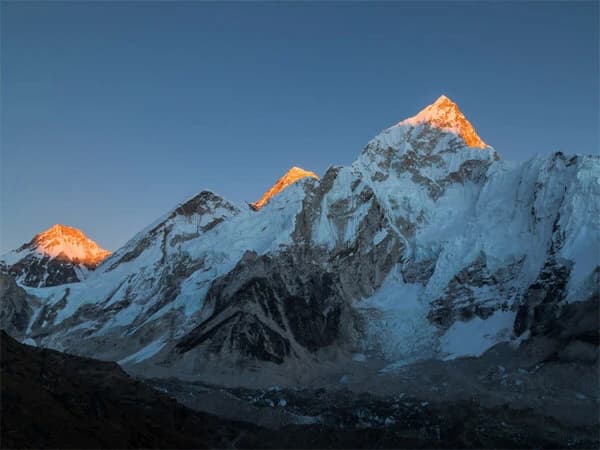
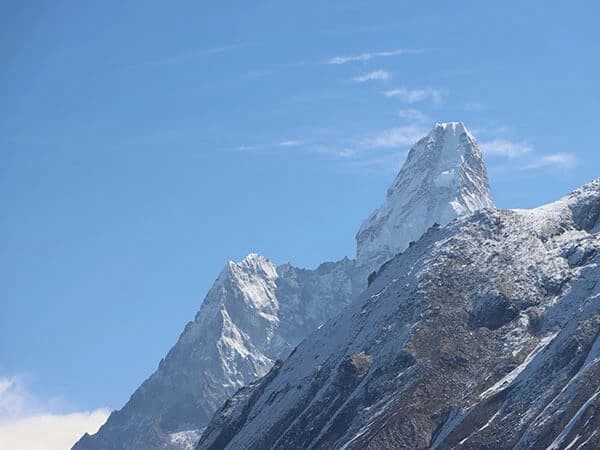
It’s curious enough for people to wonder why climbers turn back at 2 PM on Everest. The 2 PM Everest rule is the moment a summit dream either ends or survives. And trust us, we are not even exaggerating. Above 8,000 meters in the death zone, things start falling apart in the matter of seconds. Oxygen is so low that thinking slows down, legs feel heavy even when you are barely moving, and even basic choices start feeling harder than they should.
This rule is not some official thing carved into Everest. It is a simple line guides use because they know what happens if you stay up there too long. Most teams say if you are not near the summit by early afternoon, around 2 PM depending on conditions, you turn around. No arguing, no “just five more minutes.” You just go down.
And you might even think, is it that serious? This is the top question that comes up when somebody gets to know about the rule. Getting up is only half the job. The real problem starts after that. People run out of strength and determination, weather starts changing, and suddenly the way back feels longer than it actually is.
Most people think Everest is about standing on the top. It is not. It is about getting back down in one piece which many mountaineers fail to do. That is what the 2 PM rule is really about.
What exactly is the 2 PM Rule on Everest?
The 2 PM rule on Nepal Mount Everest is a turnaround time used on summit day. If climbers are not close to the top by early afternoon, mostly around 2 PM depending on the team and conditions, they stop the climb and start heading down.
Different expedition teams set their own cutoff based on weather, route conditions, and how fast the group is moving that season.
As climbers gain altitude, the route gets steeper and things slow down because of fixed ropes, narrow sections, and queues near key points. Even short stops can throw the whole timing off. A summit attempt that looks fine in the morning can end up running late without anyone really noticing until it becomes a problem.
Above 8,000 meters, there is very little room for delay. Staying up there into the late afternoon usually means starting the descent when energy is already low and conditions are getting worse.
What Happens If Climbers Miss the 2 PM Everest Rule?
If climbers miss the 2 PM turnaround, the summit attempt is over. There is no extra time or second chance. They turn back immediately.
From that point, the focus is only on getting down safely before conditions get worse. The climb up already takes a lot out of the body, but the descent still takes hours and has to be done with whatever energy is left.
Later in the day, everything feels heavier. People slow down, conversations get shorter, and staying together as a group becomes more important. On rope sections, even basic movement takes effort because focus and strength are already running low.
This is where a lot of problems start on Everest. Not from one big event, but from tired bodies trying to finish a long descent while still dealing with extreme altitude.
Why Does the 2 PM Rule Exist on Everest?
The 2 PM rule exists because Everest has a long history of punishing people who stay too high for too long.
Getting to the summit does not mean the climb is over. In fact, climbers still have to get back through the same terrain they just spent hours climbing, and they have to do it when they are at their most tired.
Many of the tragedies on Everest have happened after the summit, not before it. That is one of the main reasons guides take turnaround times so seriously. The longer someone stays near the top of the mountain, the longer they are exposed to extreme altitude, cold temperatures, and everything else that comes with being above 8,000 meters.
A late summit can look like a success at the moment. A few hours later, it can become a completely different story. That is the reality behind the 2 PM rule.
What Death Zone Does To The Human Body On Everest?
Above 8000 meters, the human body stops working the way people assume it should.
The air is so thin that each breath delivers only a small amount of oxygen, and that shortage affects everything happening inside the body at once.
Climbers start to feel changes in how they think and react. It is not something that shows up as a clear moment. It builds up quietly. Choices take longer, attention shifts more easily, and the brain does not process information at the same speed as it normally would. Most people do not notice how much this has changed until later.
Movement becomes harder as well because the muscles are not getting enough oxygen to perform normally. Steps feel heavier and slower, even when the terrain itself has not changed. The effort required for basic actions keeps increasing the longer someone stays at that altitude.
Rest does not bring the same recovery it would at lower elevations. Sleep is often interrupted and shallow because the body is constantly struggling with low oxygen levels. Even after resting, there is a lingering sense of fatigue that does not fully go away.
Over time, the body does not stabilize in this environment. It continues to decline as long as exposure continues, which is why this altitude is treated as a strict limit in high altitude climbing. The issue is not just difficulty or discomfort, but the lack of time the human body has before performance becomes unreliable.
How the 2 PM Rule on Everest Became a Standard Summit Day Practice
The 2 PM rule was never introduced as an official Everest regulation. It did not come from a single meeting or a written decision. It developed slowly from what expedition teams kept seeing on summit days over many years.
Guides running commercial Everest expeditions started noticing something consistent. Climbers who turned around earlier in the day usually had a safer descent. Those who stayed high into the afternoon often ended up pushing their return into worse conditions, with less energy and less margin for error.
That pattern repeated across different seasons and different teams. It was not tied to one expedition or one outcome. It was simply something that kept showing up in real summit attempts.
Because of that, guides began using time based turnaround decisions more strictly. It became a practical way to avoid late descents in the upper mountain where there is very little room for recovery or delay.
What is now known as the 2 PM rule is really just that repeated experience turned into routine which is now included in the Everest expedition guide. It is not written anywhere as law, but it is used widely because it keeps showing the same result in practice.
What Happens When a Climber Refuses the 2 PM Turnaround Decision?
Refusing the 2 PM turnaround means the climber keeps going even after guides expect the descent to begin. From that point, the day stops following the original plan and everything that comes after gets pushed later than it should.
Once that timing is lost, the descent has to be done with less daylight in hand, more fatigue in the body, and fewer chances to slow things down if needed.
Moving on steep sections and fixed ropes becomes harder to manage when the group is already behind schedule. Even short delays start to feel bigger because there is no spare time left to absorb them.
As the descent continues, focus also drops compared to earlier in the day. Climbers are still moving on the route, but decisions about speed and spacing are not as sharp as they were during the ascent.
This is the moment where conditions start to feel less controlled, mainly because the return is happening outside the window the guides planned around.
Everest Summit Day Timeline
Most Everest summit attempts begin late at night rather than during daylight hours.
Climbers typically leave Camp IV, also known as the South Col, sometime between 9 PM and 1 AM, depending on weather conditions, route traffic, and the plans of their expedition team. The goal is to reach the summit during the morning hours and begin the descent as early as possible.
The first part of the climb takes place in darkness, with climbers moving by headlamp through extremely cold temperatures. Progress is slow because the thin air makes every step very difficult, even for experienced mountaineers.
As the sun rises, teams continue toward key landmarks on the Southeast Ridge route, including the Balcony, the South Summit, and the Hillary Step area. Guides often use these points to assess whether climbers are still on schedule for a safe summit attempt.
Many successful summit bids reach the top between early morning and midday, although exact times vary from team to team and season to season. Climbers who arrive significantly later may face a more challenging descent, as fatigue builds, oxygen supplies become more limited, and weather conditions can begin to change.
This is one of the main reasons turnaround times are used on Everest. Every team must also leave enough time, energy, oxygen, and daylight to make a safe descent back toward camp.
Why the 2 PM Rule Saves More Lives Than Reaching the Summit
The rule matters because it takes the decision out of personal choice at a point where people are not always thinking clearly especially while on the Everest death zone. At that point of time it is very easy to start focusing on how close the summit feels instead of how much is still left in the day.
It also keeps everyone moving at the same time. Without that, each team or climber could start making their own calls, which makes things harder to manage high on the mountain.
In the end, it stops people from continuing just because they feel close. It sets a limit that is easier to follow when thinking is not at its best.
Conclusion: 2 PM Rule on Everest
The Everest 2 PM rule is a timing decision guides use to keep climbers safe in one of the harshest environments on Earth. If climbers are not close to the summit by early afternoon, they turn back so the descent can be done while there is still enough time and control left in the day.
The rule exists because conditions above 8,000 meters leave very little room for delay, and many of the most serious accidents happen during the descent or after a late summit attempt when fatigue and exposure have built up. In the end, the summit is never the final goal. Returning safely is what defines a successful climb.