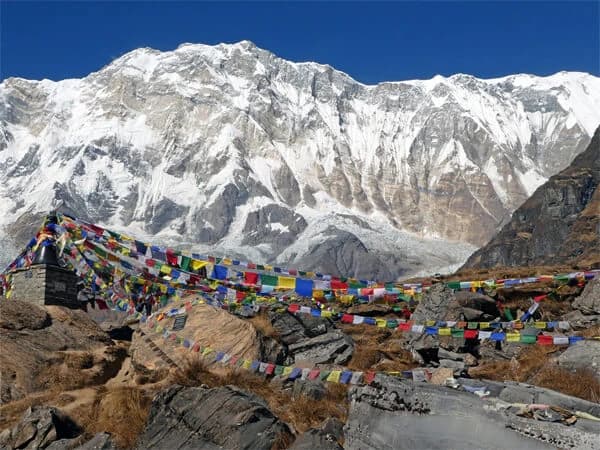
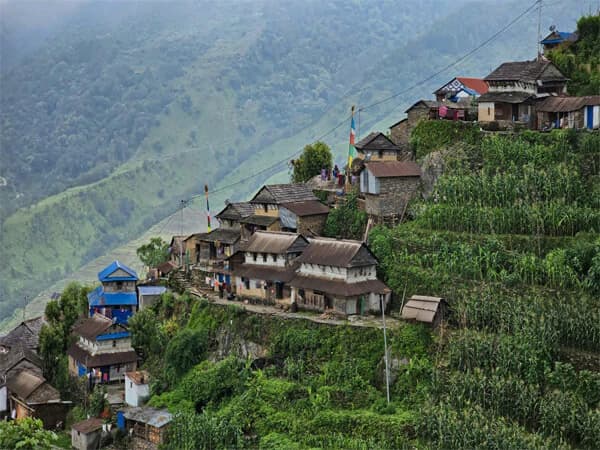
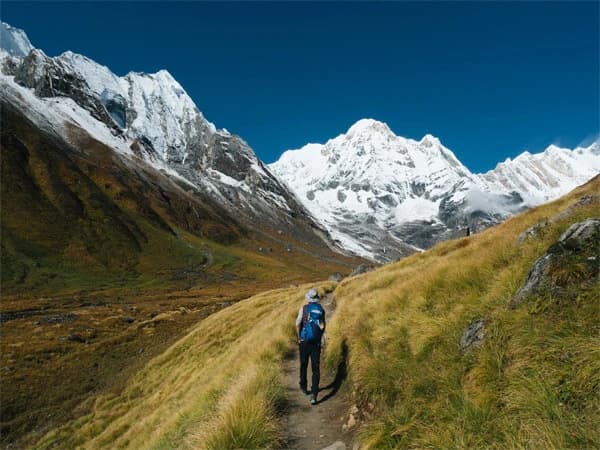
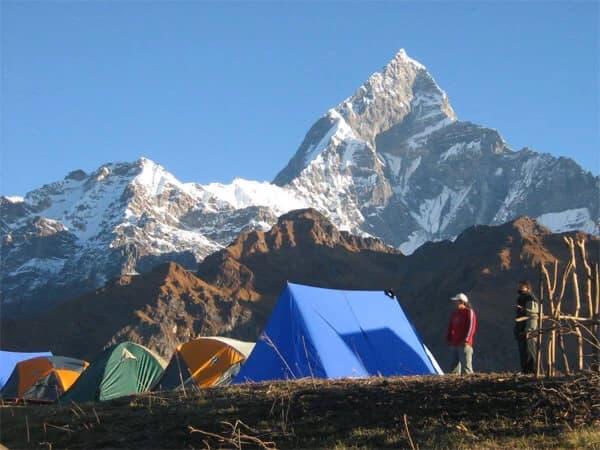
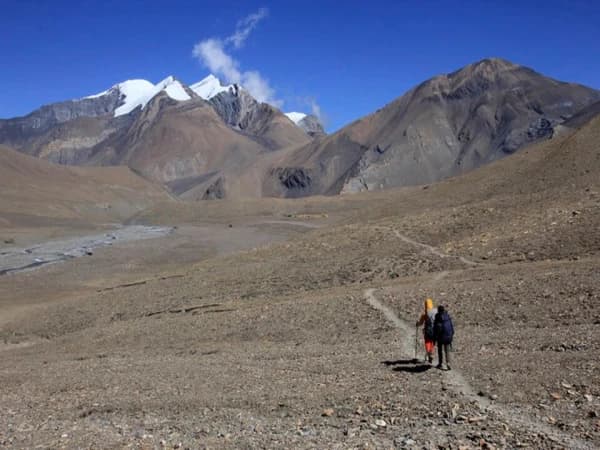
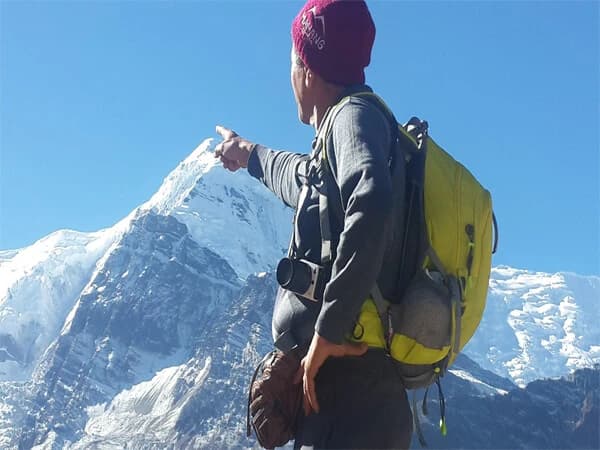
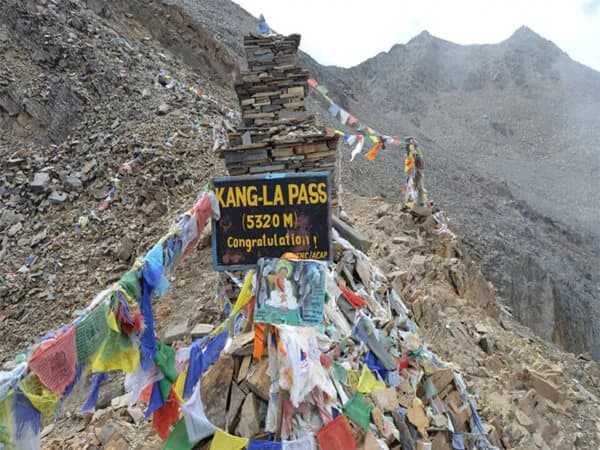
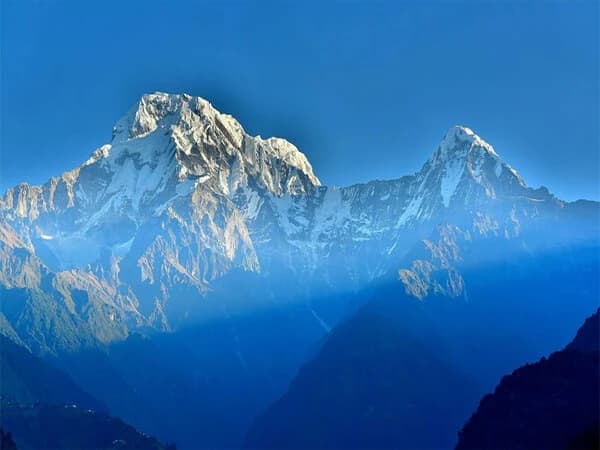
The Annapurna region trek is one of Nepal’s most established trekking destinations, located in the north central part of the country. The area has been a major trekking destination for decades, known for its access to the Annapurna mountain range and the communities that live throughout the region.
Much of the region falls within the Annapurna Conservation Area, Nepal’s largest protected area. The area covers a wide range of environments and settlements, making it one of the most visited trekking regions in Nepal.
Annapurna trekking attracts travelers because of the variety of routes available and the different ways to explore the region. Some routes are shorter and easier to fit into a limited schedule, while others take more time and go deeper into the mountains.
Popular Annapurna Region Trek Packages
Nepal Trekking Routes offers a range of Nepal trekking packages in the Annapurna region, including short treks, classic routes, and longer journeys. The routes differ in length, difficulty, and the areas they cover, allowing trekkers to choose an itinerary based on their available time and interests.
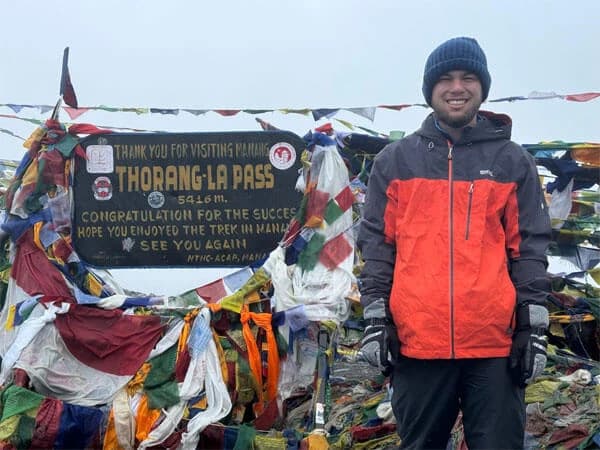
The traditional 2 to 3 week Annapurna Circuit Trek follows a route around the Annapurna massif and includes the crossing of Thorong La Pass. Trekking to Annapurna Base Camp takes you into the Annapurna Sanctuary, while the Annapurna Base Camp Trek with Helicopter Return combines the trekking route with a helicopter flight back to Kathmandu.
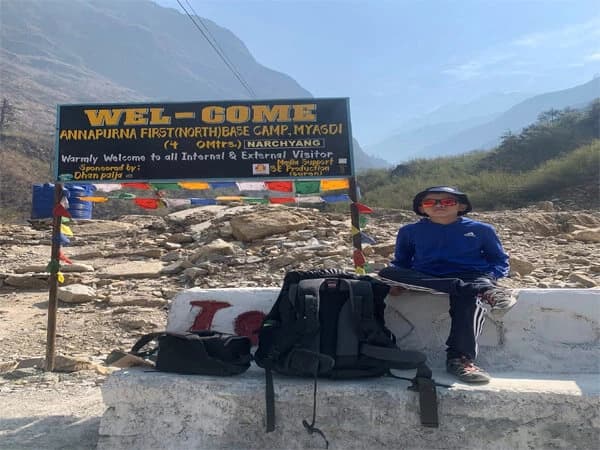
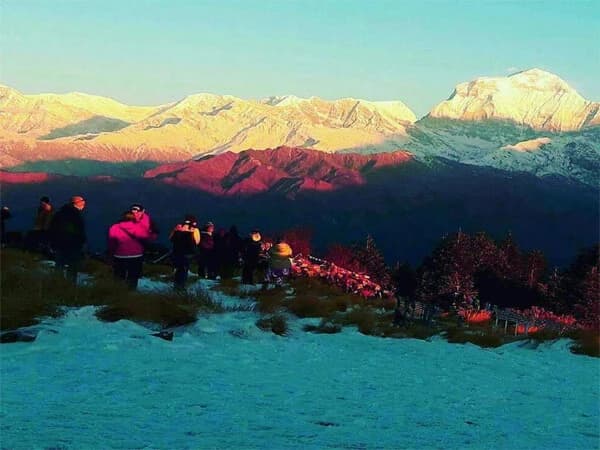
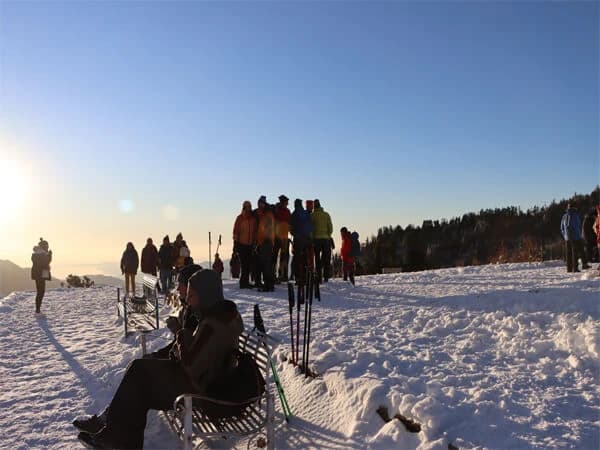
Trekking to Annapurna North Base Camp takes visitors toward the northern side of the Annapurna range. The Ghorepani Ghandruk Trek 5 days is a shorter route that focuses on local villages and mountain viewpoints, while the Annapurna Sunrise View Trek is centered around an early morning sunrise location.
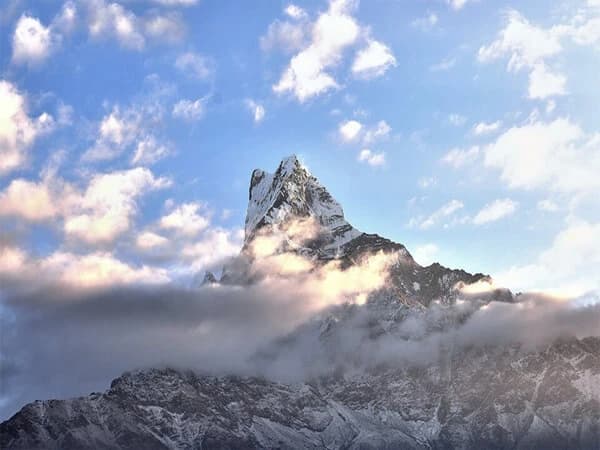
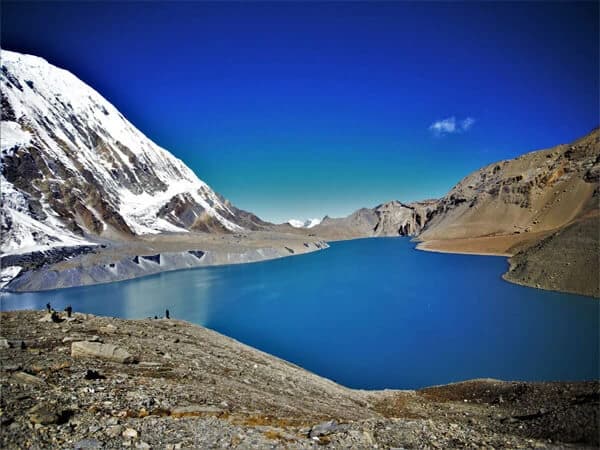
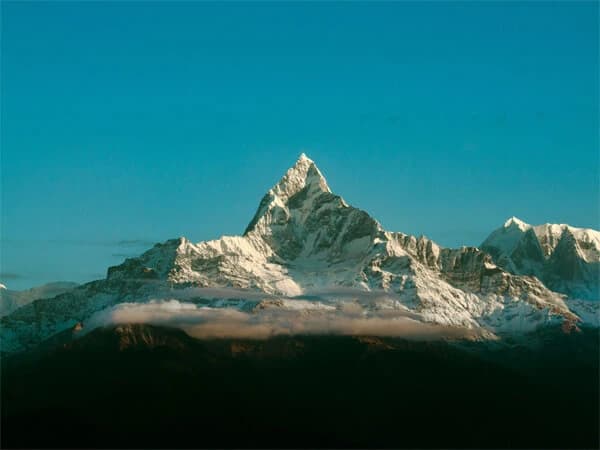
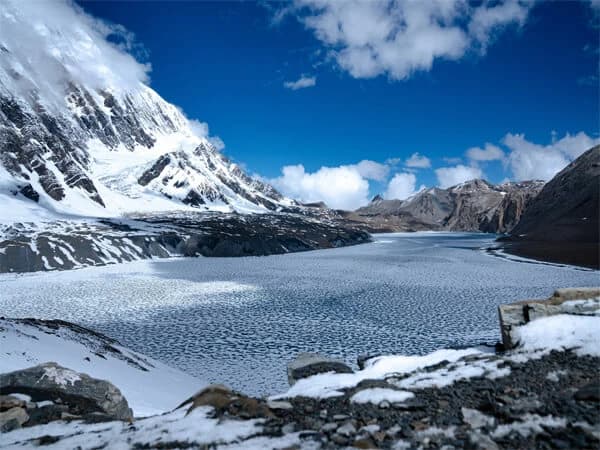
The ABC Mardi Himal Trek 15 days combines the Annapurna Base Camp and Mardi Himal routes in one itinerary. The Tilicho Lake Trek includes a visit to Tilicho Lake from the Annapurna Circuit area. The Mardi Himal Base Camp Trek is known for its route toward the base of Machapuchare and views of the surrounding peaks.
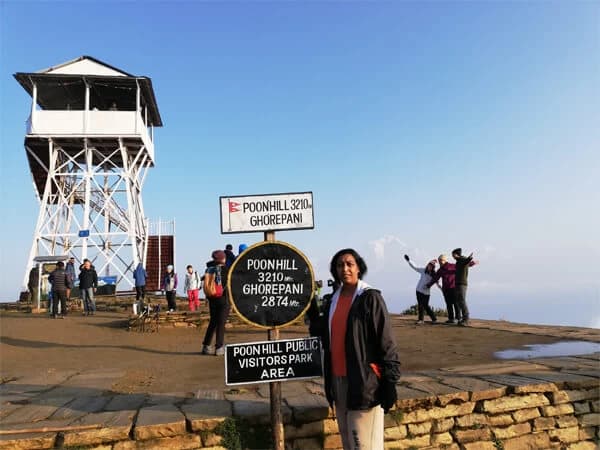
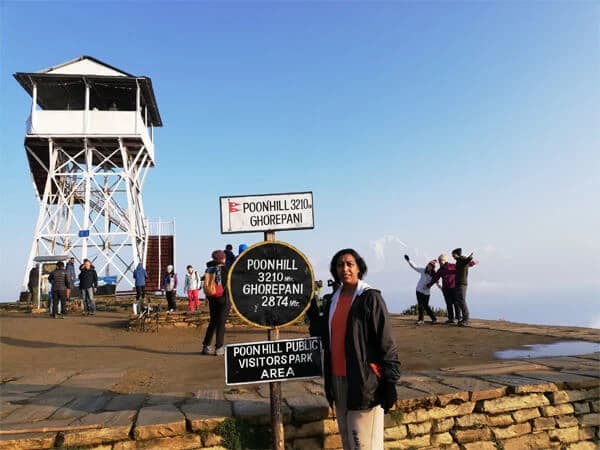
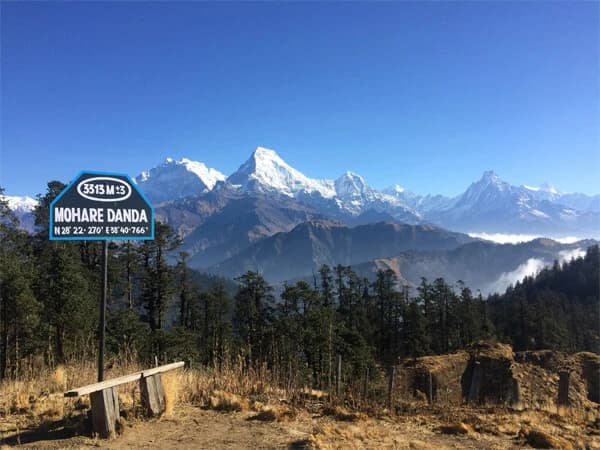
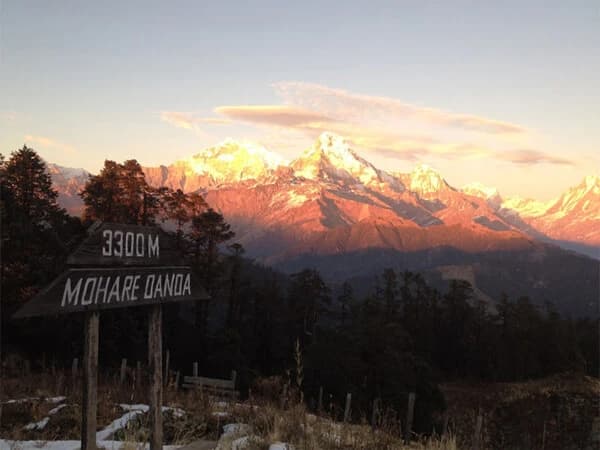
The Khopra Danda Trek follows a different route from the main Annapurna trails and includes community run lodges along the way. The Poon Hill Khopra Danda Trek combines the famous Poon Hill viewpoint with the Khopra Danda route.
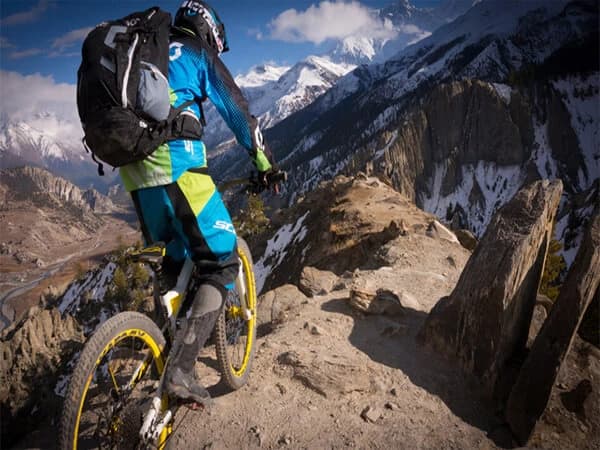
The Annapurna Circuit Mountain Biking Tour offers a cycling option on the Annapurna Circuit route. The Annapurna Circuit with Ghorepani Ghandruk Trek adds the Ghorepani and Ghandruk areas to the classic circuit itinerary. Panchase Trekking is a shorter trek near Pokhara that can be completed in fewer days.
The Jomsom Muktinath Trek includes visits to the Mustang region and the important pilgrimage site of Muktinath. The Lower Mustang Trek explores the lower Mustang area, known for its dry landscapes and Tibetan influenced culture. The 3 day Poon Hill Trek is a short itinerary focused on the Poon Hill sunrise viewpoint. The Nar Phu Valley Trek takes trekkers into a restricted area of the Annapurna region known for its traditional Tibetan influenced villages.
Best Time to Trek in the Annapurna Region
There is no fixed best month for every Annapurna trek. The right time depends on where you are going, how many days you have, and what kind of trail experience you prefer. A short trek around the lower parts of the region can be very different from a longer route that reaches higher areas.
Most trekkers choose spring from March to May and autumn from late September to November because these periods are the busiest trekking months in Nepal. The trails are more active, and arranging guides, accommodation, and transport is also easier. The downside is that popular routes can feel crowded, especially during peak weeks.
Winter is very underestimated whiletrekking in Nepal, but it can work well for lower altitude Annapurna treks. The trails have less movement, although higher parts require more preparation because cold temperatures and snowfall can affect the journey. Trekkers planning routes with high passes should pay closer attention to conditions before departure.
The monsoon season does not affect every part of the Annapurna region in the same way. Lower areas receive more rain, while the Mustang side of the region lies in a rain shadow and follows a much drier pattern. This is why some trekkers still consider Mustang routes during months when other Annapurna trails are less suitable.
For anyone planning Annapurna trekking, the route should come before the season. The best time is the one that fits the trek you actually want to do.
How Difficult are Annapurna Region Treks?
Annapurna region treks difficulty come with different levels of difficulty because every route has a different length, altitude, and walking schedule. A short trek can be completed with less time commitment, while longer journeys require more days of walking and more preparation before arrival.
For most trekkers, the main challenge is maintaining energy throughout the trip. Walking several days in a row, spending time at higher elevations, and following a fixed itinerary can feel demanding if you are not used to long walks.
The Annapurna Circuit Trek 11 days and other longer routes require more preparation because they involve more days on the trail and higher points along the journey. Shorter Annapurna trekking routes are chosen by visitors who want to experience the region without getting involved in a longer trip.
The best move is to choose an Annapurna trekking in Nepal that matches your available time, fitness, and travel plans. The region has options for different types of trekkers, but longer and higher routes naturally require more effort.
Annapurna Region Trek Permits
The main permit required for most Annapurna treks is the Annapurna Conservation Area Permit (ACAP), as many popular routes fall within the Annapurna Conservation Area. Trekkers visiting restricted areas such as Nar Phu Valley need additional permits before entering those sections.
However, the requirement of permit can change depending on the way you take and the latest regulations in Nepal, so it is important to confirm the requirements for your specific trek before starting the journey. Routes that include restricted areas or less common crossings may have different rules compared to the regular Annapurna trails.
If you are joining an organized Annapurna trek with us, we will handle the permit process before departure. Independent trekkers are responsible for arranging their own documents and should keep the permits with them throughout the trek, as they may be checked along the route.
Food and Accommodation During Annapurna Trekking Journey
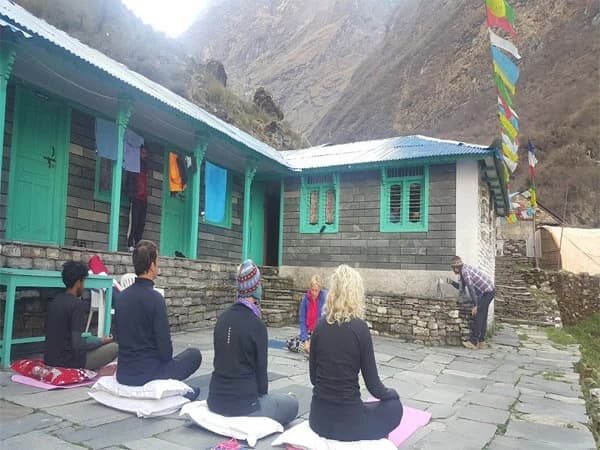
Staying in the Annapurna region is a different experience from staying in a regular hotel. Most trekkers spend their nights in teahouses, where the main purpose is to provide a place to rest before the next day’s walk. The facilities are practical, and the standard of accommodation can be different from one stop to another.
On well travelled routes, some teahouses have added facilities such as private rooms, hot showers, charging, and internet access. These services are not always included and may come with an extra cost. On longer or less busy routes, trekkers should expect fewer choices and plan their stops based on the route rather than expecting the same facilities every day.
Food along the Annapurna trekking trails is prepared mainly for trekkers and is available at most overnight stops. Menus include a small range of dishes that can be cooked quickly and served in mountain lodges, such as noodles, soups, rice dishes, eggs, potatoes, bread, and tea. The choice is not the same everywhere, but trekkers can usually find enough food for the journey throughout the main trekking areas.
One thing many first time trekkers do not expect is how much daily routine matters. Eating on time, keeping snacks for longer walking periods, and using available facilities when they are offered can make the trek more comfortable, especially on longer routes.
Annapurna Trekking Guides and Porters
A trekking guide for annapurna trek is not just there to lead the way. They help you understand the places you pass through, explain the local culture, and make it easier to connect with the people and the region in a way you might otherwise miss. For many trekkers, having someone local beside them makes the journey feel more personal and far less confusing.
If you would like a licensed guide, a porter, or both, we are happy to arrange everything for your Annapurna trek. Just get in touch with us, and we'll help you choose the option that best fits your route and travel plans.
Frequently Asked Questions
Can I leave my extra luggage before starting the trek?
Yes. Most trekkers leave the bags they do not need at their hotel in Pokhara or at our office before the trek begins. There is no reason to carry extra clothes or unnecessary items into the mountains if you will be returning to the same place after the trek.
What happens if I cannot continue the trek?
If you need to stop because of illness, injury, or any other reason, the plan depends on where you are and what transport is available. In some places you can walk back to the nearest road, while in others a helicopter flight may be the only practical option. This is one of the main reasons we recommend travel insurance that covers high altitude trekking andemergency evacuation.
Can I change my itinerary after the trek has started?
Sometimes, yes. If weather, your health, or your schedule changes, it may be possible to shorten or adjust the trek. It depends on your location, available transport, and accommodation. Small changes are easier than major changes once you are already on the trail.
Is it worth hiring a trekking porter if I can carry my own backpack?
That depends on the weight you plan to carry. Many trekkers start with the idea of carrying everything themselves but later find that a heavy backpack makes the trek much harder. Hiring a trekking porter definitely makes the trek comfortable.
Can I charge my phone and camera every day?
Not always. Many teahouses offer charging, but it should not be expected at every overnight stop or included in the room price. Carrying a power bank is still one of the smart things you can do before starting the trek.
Do I need to book my Annapurna trek months in advance?
Not necessarily. Outside the busiest trekking seasons, many trips can be arranged with decent notice. If you are travelling during spring or autumn, or planning a private trip with a specific guide, booking earlier gives you better choice of dates, so make sure to contact your agency way before the facilities get booked.
Can I customize an Annapurna trekking itinerary?
Yes. Many trekkers customize the number of days, add extra stops, combine routes, or include transport options that better fit their schedule. If you already have a plan in mind, we are happy to help build an itinerary that works for you instead of asking you to follow a fixed package. Contact Nepal Trekking Routes now.
.webp&w=1200&q=75&dpl=dpl_4U3CaZUV3Y5iKdBNPJmVMATJy3AB)