Panchase Trekking
Panchase Trekking
Panchase Trekking

Panchase Trekking

Duration13 Days
Trip GradeEasy
CountryNepal
Maximum Altitude1940 M
Group Size1-12
StartsKathmandu / Pokhara
EndsPokhara / Kathmandu
ActivitiesTrekking / Hiking
Best TimeMarch to May & Sep to Dec

Okay, so the Panchase trek in Nepal is kind of amazing without even trying. You start walking from Pokhara and suddenly you’re in tiny villages, locals waving from their fields, and the Himalayan views are just… there. No crowds, no noise, just you and the trail on this offbeat trek.

The people along the way are funny and friendly. Kids run past yelling hello, farmers glance up and nod, and if you stop for tea, it’s real talk, not some touristy thing. Mornings are quiet, evenings glow soft, and the walk itself? Totally chill.

Whether it’s your first trekking in Nepal or your fiftieth, the Panchase trek is easy to enjoy. You just walk, notice the small details of village life, and by the end of the day, you feel like you’ve really seen a different side of Nepal without it being a big deal.

Panchase Trek Overview

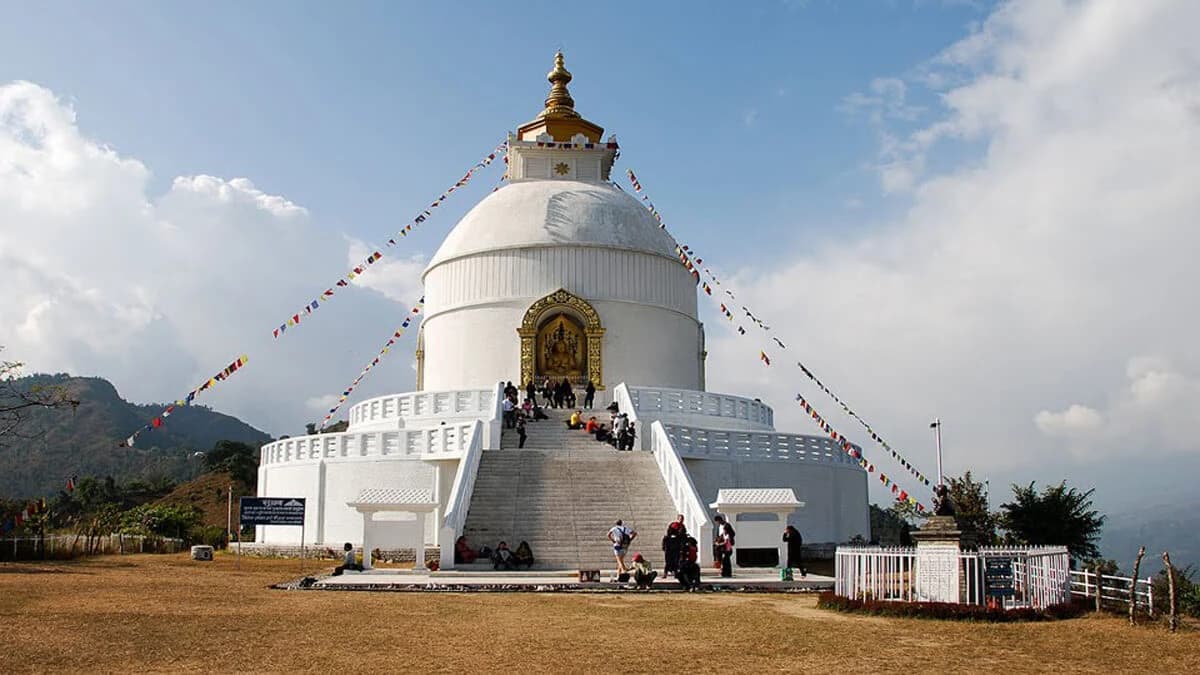
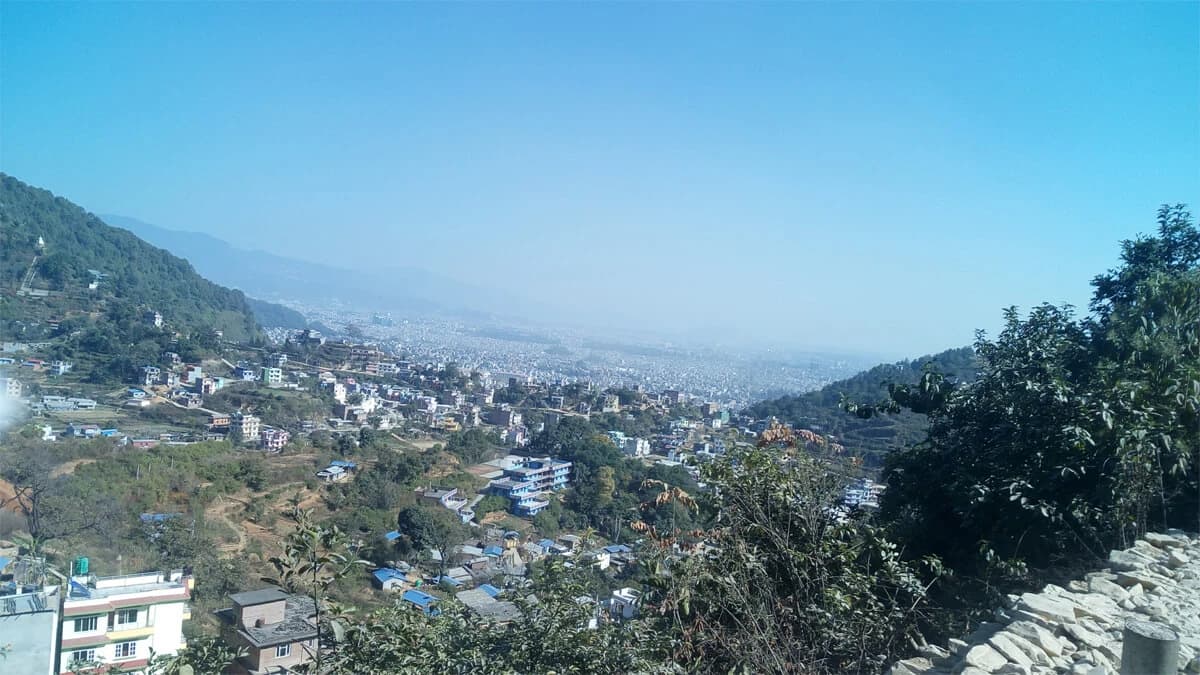
Panchase Trekking is one of the best spots to catch views of the Annapurna Himalayan range, especially from the Peace Pagoda. It’s also one of the easiest traditional trekking routes in western Nepal. The main destination is Panchase Village, home to the Gurung ethnic community, with Magars and Chhetris also living along the trail.

Panchase Hill, at 2,250 meters, is a perfect spot to relax and enjoy the scenery. The trek usually starts from Bhumdi after a short bus ride from Pokhara, making it a relatively easy and refreshing escape from city life.

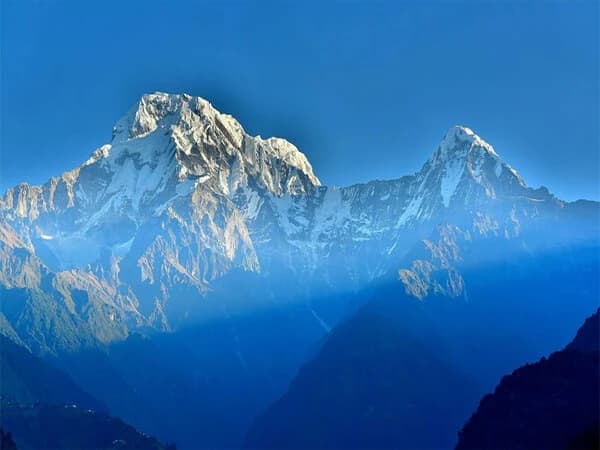
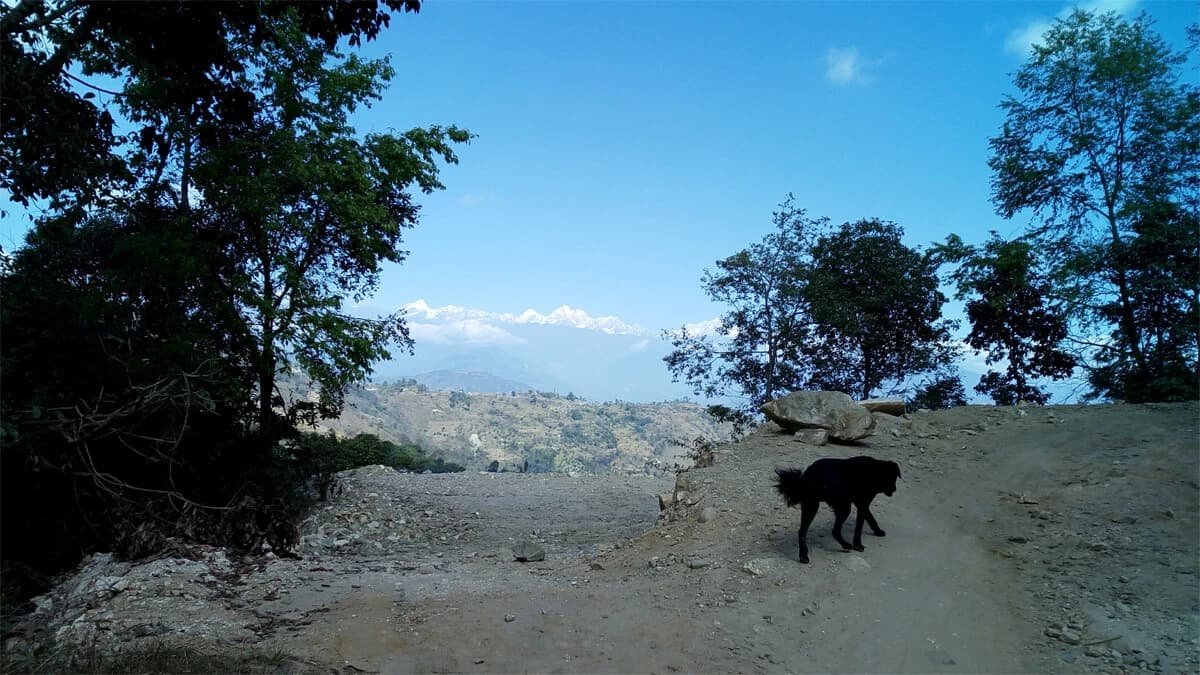
This trek offers amazing mountain views of Machhapuchhre, Annapurna South, Lamjung, and Himchuli from the Pokhara region. Along the way, you get a close look at local village life, culture, and traditions, which makes the experience unique. For those who want to go further, the trek can be extended to Karkinetta and then to Kusma, which lies along the highway toward Baglung or the lower Mustang region.

Panchase Trek Highlights

  • The mountains are amazing, including Annapurna South, Machhapuchhre, Lamjung, and Himchuli
  • You walk through small villages where Gurung, Magar, and Chhetri people live
  • The trek is easy, so anyone can do it without worrying
  • Peace Pagoda is a nice place to stop and relax
  • Panchase Hill is perfect for sitting and enjoying the view
  • You get to see how people live and experience their traditions
  • The trail is quiet and not crowded with tourists
  • You can continue on to Karkinetta or Kusma if you want
  • It starts with a short bus ride from Pokhara, which makes it easy to reach

Panchase Trek Cost

The Panchase trek is a short and relaxed adventure, and if you prefer everything to be organized for you, booking a package can make the whole trip much easier. At Nepal Trekking Routes, the Panchase trek costs USD 750 per person. This package covers permits, transportation, accommodation, and an experienced guide who knows the trail well.

The trek can also be customized to suit your preferences, and the budget can change accordingly. You can add extra days to explore villages, take it slower on the trail, or choose more comfortable places to stay.

Panchase Trek Package 

The Panchase Hiking package is a great short adventure from Pokhara. You can do a one-day Panchase trek to Panchase Ridge to catch the sunrise and return the same day. The two-day Panchase trek is the most popular. You spend a night in Panchase Village, enjoy the morning views, and explore the local Gurung villages along the trail.

If you want more time, the three-day Panchase trek lets you visit nearby villages like Ghandruk and Pothana while walking through forests and hills at a relaxed pace. There is also an extended cultural trek that adds extra days for exploring surrounding areas and even cultural tours in Kathmandu.

All these packages can be customized. Nepal Trekking Routes can take care of permits, guides, and homestays, so all you have to do is enjoy the walk, the sunrise, and the mountain views.

What Permits Required for the Panchase Hiking?

Even though the Panchase trek is short and pretty relaxed, you still need a couple of permits before heading out. The trail passes through the Annapurna Conservation Area, so trekkers need the Annapurna Conservation Area Permit, often called the ACAP. This permit helps protect the forests, wildlife, and the small villages that make this area so special.

You will also need a TIMS card, which stands for Trekkers’ Information Management System. It may sound a bit official, but it is simply a way for authorities to keep track of trekkers on the trail. If something unexpected happens, it helps them know where trekkers are and makes assistance easier.

Getting these permits is not difficult. Most people arrange them in Pokhara or Kathmandu before starting the trek. If you book your trip with Nepal Trekking Routes, the team will take care of all the permit arrangements for you. 

Panchase as the Sunrise Trek

If you want to catch a sunrise that will stay in your memory, Panchase is the place to go. The trek starts early through quiet forests at Panchase Bhanjyang, with birds singing and the hills waking up around you. As you climb toward Panchase Ridge, the sky slowly lights up and the view of Kusma Valley and the mountains is just amazing.

Most people stop at Panchase Village, but if you’re up for more, you can continue to the traditional Gurung village of Ghandruk. The trail is flexible, so you can take your time, enjoy the villages, and really soak in the scenery.

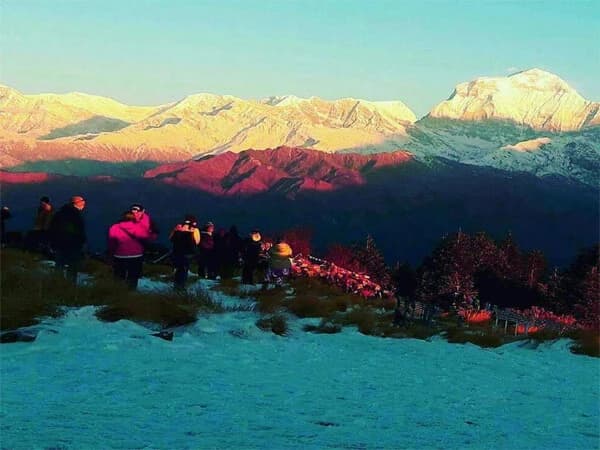
At 2,500 meters, Panchase gives you clear views of Annapurna, Dhaulagiri, Lamjung, and Machhapuchhre. Walking through terraced fields and small villages makes the sunrise feel even more special.

This trek is well suited if you want a short trek from Pokhara, a sunrise hike, or just a simple, scenic escape into the hills. It’s easy, fun, and one of the best ways to start the day in the Annapurna region.

Route Options to Panchase Hiking

There are a few ways to get to Panchase, and it really depends on what kind of trek you want. One option is to start from Kande near Pokhara and hike up through Bhadaure. Another popular route begins at the World Peace Stupa and goes through Pumdi Bhumdi. In our standard itinerary, we usually start from Bhumdi, which is simple and scenic.

Getting back from Panchase is flexible too. You can head down to Chitre and reach Parbat, or take the route through Kande and Ghatichhina. It all depends on how much energy you have and how fast you want to move. If you’re up for a little extra adventure, you can also extend the trek from Panchase to the Australian Base Camp for some more hills and great views.

Panchase Hill Station

The main highlight of the Panchase trek is Panchase Bhanjyang. Panchase means “five peaks” in the Gurung language, and the area is considered sacred for both Hindus and Buddhists. From here, you get amazing views of the mountains around Pokhara, including Annapurna, Dhaulagiri, Machhapuchhre, and Lamjung Himal.

Panchase is at the border of Kaski, Syangja, and Parbat districts. Local people include Gurung, Brahmin, and Chhetri communities, and you’ll see temples and shrines dedicated to Buddha, Lord Shiva, Siddha Baba, and Baraha. Festivals like Holi, Maha Shivaratri, Buddha Purnima, and Balachaturdashi are celebrated with great devotion. Local legends say sage Chawyan meditated here, and Hindu mythology says this is where Sati Devi’s five fingers fell while Lord Shiva carried her body.

Panchase Lake is nearby, but it is not part of the standard trek. You can visit it separately if you want. The real highlight of Panchase is the sunrise and sunset, which give you quiet, breathtaking views of the mountains and make the trek truly special.

Panchase: A kingdom of Orchids

Panchase is famous not just for its mountain views and temples, but also for its amazing biodiversity. People often call it the Kingdom of Orchids because you can find around 140 species, including a few rare ones. The Panchase Forest Conservation Committee protects these plants, and the Panchase Biodiversity Information Centre is a hub for students and researchers studying local agriculture and plant life.

As you walk from Pumdi, you will notice walnut, oak, and pine trees along the way. In spring, the forest comes alive with Nepal’s national flower, the rhododendron, in bright colors.

The forest is also home to wildlife such as leopard, fox, civet cat, barking deer, langur, wild boar, and spotted deer. You might not see all of them, but knowing they live here adds to the excitement. Bird watchers can spot woodpeckers, kingfishers, parrots, bee-eaters, warblers, and many other species.

Walking through Panchase feels like stepping into a living garden. Every corner is full of life, from the flowers and trees to the animals and birds, making the trek peaceful and full of small surprises.

Who will enjoy this trek the most?

If you like fresh air that doesn’t smell like the city, hills that make your legs a little sore but in a “yeah I earned this” kind of way, and villages where people smile at you like you just brought magic, this trek is for you. You don’t need to be a pro hiker. Seriously, if you can walk and breathe, you’re good.

It’s perfect for friends who want some laughs on the trail, solo travelers who like being the boss of their own pace, or families with kids who are old enough to not complain every five minutes. You’ll get mountain views that make you go “wow” a lot, forests that feel like a secret world, and little villages where you might end up eating more momo than you planned.

Basically, if you like mountains, good vibes, and a little adventure then Panchase is your jam. You might even leave with sore legs, a happy belly, and a big goofy grin on your face.

Panchase trek with an Experienced Guide

Another important factor that needs to be considered while trekking to Panchase is to take an experienced guide. An experienced guide is recommended regardless if you are in a solo or group. Because this trek has an off-the-beaten-path. It can create trouble if you meet with an accident. An experienced and local guide makes your journey joyful and helps you to escape from any uncertain events. The guide also informs you about the flora, fauna, and communities.

Why should Nepal Trekking Routes be the one for you?

We’re a local team who really know the area. We’ve walked the trails, stayed in the villages, and know all the best spots most visitors miss. Our trekking guides give authentic service, help you add extra stops or experiences, and always make sure you’re safe and looked after. We handle the boring stuff like permits and homestays, so you can just enjoy the mountains, the sunrise, and the village life without any stress. Book us now!

Itinerary

This is a 13-day trek in the Annapurna region of Nepal, where you get to enjoy mountains, forests, and village life all at once. You start in Kathmandu and Pokhara before heading into the hills. The trails are peaceful, and the villages are small and welcoming. This trek is all about taking your time, breathing in the fresh air, and enjoying the views around you.

The highlights are hard to forget. You will see Annapurna, Dhaulagiri, and Machapuchare up close, walk through rhododendron forests in spring, and meet villagers who are happy to smile and share a little of their life with you. The scenery is beautiful, and the experience is refreshing.

This trek can be shaped the way you want. You can take it slow, spend more time in the villages or at viewpoints, and enjoy every moment. Nepal trekking routes can help make your Panchase adventure feel just right for you. Book with us for the unforgettable Nepal Trekking experience. 

Trip PlanExpand All

Upon arrival at Kathmandu International Airport transfer to your hotel in Kathmandu or Bhaktapur. A short briefing will follow concerning the necessary formalities and your itinerary. Depending upon your arrival time you may spend free time visiting nearby sanctuaries or resting.

Half day sightseeing around UNESCO Bhaktapur / Kathmandu. Your guide will escort you on a tour of Buddhist and Hindu temples and shrines that reflect the ancient local traditions. There is time to explore the city’s many places of interest on your own or take a rest while trekking permits are finalised. In the evening sample a delicious traditional Nepali dinner. Overnight in Kathmandu.

Drive or fly to Pokhara. Overnight at hotel near Lake Phewa.

Start the day with a drive to Thado Khola, passing beautiful Davis Falls on the way. Trek to Bhumdi through lush forest teeming with interesting flora and fauna. The trail starts up a long staircase to a ridge before dropping down to Bhumdi. In Bhumdi you will have good views of Himalchuli, Manaslu, Ganesh Himal, Annapurna range and Fishtail. Overnight in Bhumdi. (3-4 hours walking)

If the weather is clear, you will have more opportunities to view the beautiful mountains along the trail. Today’s trek takes us up through forest and then on to Bhanjyang, a small settlement at the foot of Panchase. From here the views over Pokhara Valley and Phewa Lake are awesome. Overnight in Bhanjyang. (5-6 hours of walking)

Hike to the Panchase Hill summit (2500m) for a panoramic view of the Annapurna peaks, Dhaulagiri, and Manaslu. The ruins of the temple at the summit sometimes shelter a holy man. The trek continues uphill steeply through sparse forests and pastures to Chitre, where we overnight. (6-7 hours of walking)

Today’s trek takes us past scattered villages to the village of Matathanti, where we overnight.

An easy walk today before an ascent to Ghaundrung, the largest Gurung village in the region. Overnight in Ghaundrung.

Take the day in Ghaundrung to rest and enjoy the scenic beauty of the area and the town. Overnight in Ghaundrung.

Start off downhill to Modi Khola, crossing on a suspension bridge. The trail turns uphill to Landrung Village, where Machhapuchhre and Annapurna are visible from the trail. It’s an uphill walk through woodlands to Deurali, then a gradual downhill stretch to Pothana, where we overnight. (5-6 hours walking)

Walk to Damphus, then along the ridge to Phedi, passing rice fields and villages on the way. Then on to Pokhara. (3 hours walking); You’ll have time to relax or explore the Pokhara area. Overnight stay at hotel near Lake Phewa

Drive or fly back to Kathmandu. Overnight at hotel in the Kathmandu area.

Kathmandu Departure from Nepal or continuation on the next stage of your trip.

Plan An Amazing Private and Tailor-Made HolidaysNot satisficed with this itinerary? Share your idea with our travel Expert. We make your dream come true.
Customize Trip
Cost Details
Includes
  • Airport pick-up and drop off service ,
  • Trekking Guide and Trekking porter (Two participant=1 porter =Maximum 25 kg of luggage )
  • Breakfast,accommodation during the trekking and Kathmandu following itinerary
  • Sleeping bags, down jackets, duffel bags and trekking sticks if required,
  • Trekking permit of National park,
  • TIMS(Trekking Information Management System )
  • Insurance and equipment for the trekking staffs
  • First aid kit
  • Farewell dinner in Kathmandu with cultural program in typical Traditional Nepali resturant
Excludes
  • Personal expenses
  • Drinks, beverages, hot shower,
  • Travel insurance
  • Tips for Guide and porter (trekking staff)
  • Meals & hotel accommodation in Kathmandu (without itinerary 
Essential Information

Best Season for the Panchase Trek

When you think about trekking to the Annapurna Region's Panchase, picking the right season really changes the whole experience. If you go at the wrong time, you might get rain, fog, or muddy trails, and that can make the trek less fun. The right season means nice weather, clear mountain views, and an easier walk, so you can actually enjoy the villages, the hills, and all the little things along the way.

Panchase Trekking in Spring (March to May)

Spring is awesome. The weather is warm but not too hot, and the hills are full of flowers. The skies are mostly clear, so the mountains look amazing. You also get to see villages waking up after winter, with farmers working in the fields. It just feels alive.

Panchase Trekking in Autumn (September to November)

Autumn is probably the best time if you love clear skies. The mountains pop in the distance, the trails are dry, and evenings feel just right. Perfect for photos and just enjoying the walk without worrying about mud or rain.

Panchase Trek in Summer (June to August)

Summer can be messy because of the rain. The trails get muddy, and clouds sometimes hide the mountains. But everything is super green, waterfalls are flowing, and it’s much quieter on the trail. If you don’t mind a little wet weather, it’s kind of peaceful.

Panchase Trek in Winter (December to February)

Winter is cold, especially in the mornings and evenings. Some higher spots can get icy, but the skies are usually clear. If you can handle the cold, you’ll get crazy, clear mountain views and almost no other trekkers around.

Accommodation during the Panchase Trek

There are plenty of homestays along the Panchase trek. Most trekkers spend a night in Pumdi before reaching Panchase Village. Pumdi has only a few homestays, while Panchase has more options. The houses are built in a traditional style using mud and stone, but they still offer basic modern comforts.

You can usually get hot water, simple showers, and squat toilets. Staying in these homestays gives you a chance to experience village life and meet the friendly locals along the way.

Food during the Panchase Trek 

The food on the Panchase trek feels like a warm hug after a day of walking. Almost every homestay and tea house serves Dal Bhat which is rice with lentils, vegetables, and pickles. It is filling and gives you the energy to keep going up and down the trails. You can also find other dishes like potatoes, eggs, noodles, chapati, and momo. Sometimes you get lucky and the villagers offer homemade local wine or millet beer which is fun to try if you want something different.

One of the best parts is eating in the villages. You sit on low benches, sometimes right next to the kitchen, chatting with the family while the food is being cooked. You can see how they make everything from scratch and the smell of fresh spices just makes your stomach happy. Fun fact, in some places the tea houses will let you help stir the lentils or roll the chapati, which is kind of fun and makes you feel part of the daily life.

Meals are not fancy, but they are full of warmth, laughter, and the little surprises that make trekking through real villages so special. You will finish the meal feeling full, happy, and ready for the next hill.

Local Culture and Traditions in the Panchase Region

Walking the Panchase Trek, you will pass through small villages where people live close to nature and follow simple traditions. Most families belong to Gurung, Brahmin, Magar, or Chhetri communities. You can see them working in terraced fields, feeding their animals, and cooking meals the way their parents and grandparents did. People are friendly and usually greet trekkers with a warm “namaste.”

The villages also celebrate local festivals and religious rituals throughout the year. You might see colorful decorations, prayer flags, or small ceremonies at temples along the trail. Visiting these villages gives you a chance to experience daily life, traditional customs, and the warm hospitality of the hill communities while enjoying the beautiful mountain views around you.

Panchase Trekking difficulty

The Panchase trek is pretty easy and perfect if you’re new to trekking or just want a relaxed hike. Most of the trail is gentle, with slow, steady climbs, so you don’t need to be super fit. A little stamina helps on the uphill parts, but anyone in decent shape can manage it.

The highest point is around 2,500 meters, so altitude sickness is rarely an issue. The trail goes through villages and rice fields, so it’s more about enjoying the walk and the views than pushing yourself to the limit.

It’s a fun, safe, and peaceful trek that’s great for seeing mountains, villages, and catching sunrise spots without worrying about anything too hard.

Is travel insurance necessary for a short, easy trek like Panchase, or can I skip it?

Even though the Panchase trek is low-altitude and pretty easy, having travel insurance is still a good idea. You might think it is just hills and nothing can go wrong, but accidents can happen anywhere. You could slip on a muddy trail, get sick suddenly, or have some problem on the bus ride to the start. Travel insurance helps cover medical emergencies, getting evacuated if needed, or unexpected changes in your plan, and it gives you peace of mind.

Is there any risk of altitude sickness?

Honestly, you don’t really need to worry about altitude sickness on the Panchase Hiking. The highest point, Panchase Hill, is around 2,525 meters, which is still below the level where most people start having serious altitude problems.

That said, everyone’s body reacts differently. You might get a bit out of breath on some uphill parts or feel tired faster than usual, especially if you’re not used to walking in the hills. The trick is simple: take it slow, drink plenty of water, and pay attention to how your body feels.

So really, you can just enjoy the views, the villages, and the mountains without stressing about altitude sickness. That’s one of the reasons this trek is great for beginners or anyone who just wants a relaxed, scenic walk.

Money Management on the Panchase Trek

Since accommodation and meals are included in your package, you don’t need to worry about most expenses. You’ll only need cash for small things like snacks, drinks, or souvenirs along the way.

It’s a good idea to carry some small notes because shops and tea houses usually don’t have change for big bills, and cards don’t work on the trail.

With your package covering the big stuff, you can relax and just enjoy the mountains, the villages, and the sunrise without stressing about money. Nepal Trekking Routes can also help with any extra arrangements, so you can focus entirely on the trek.

Internet and Connectivity on the Panchase Trek in Nepal 

Internet and mobile connection on the Panchase Trek is available in most villages, but the signal can sometimes be weak. Networks from Nepal Telecom works slightly better in rural areas and villages along the trail than Ncell.

Some teahouses and homestays provide WiFi. It is usually slow but good enough to send messages or check a few apps, and sometimes there is a small fee.

As you get closer to Panchase Hill, the signal may become weaker or disappear for short periods. It is a good idea to download maps or important information before leaving Pokhara.

What to Pack for the Panchase Trek 

When you pack for the Panchase Trek, think layers and comfort. Bring light trekking pants and t-shirts for the day and a warm fleece or jacket for chilly mornings and evenings. A waterproof jacket is useful in case it rains and a hat or cap will protect you from the sun. Gloves and a warm hat are nice if you are trekking in spring or autumn when mornings are cold.

Wear sturdy trekking shoes and carry sandals or flip-flops to relax in after a long day. A small daypack with a rain cover is handy and trekking poles can make steeper sections easier if you want to use them.

For essentials, carry a water bottle and snacks like nuts or energy bars to keep your energy up. Sunscreen, lip balm, and basic toiletries will make the trek more comfortable. A small first-aid kit with plasters, painkillers, and blister pads is useful. Bring your phone, charger, and a power bank and pack a headlamp or small flashlight for the evenings.

Some teahouses have WiFi but it can be slow so downloading maps or important information before you leave Pokhara is a good idea. A small towel or notebook can come in handy. Most villages have little shops so you do not need to overpack, just bring what makes you comfortable and ready for the trail.

Things to remember before Panchase Trekking

The Panchase trek is pretty relaxed, but a few small things can make the whole trip a lot smoother and more fun. Think of these as little tips that make life easier once you are out on the trail.

  • Wear shoes you already trust. New shoes might look great in photos, but they can ruin your day with blisters.
  • Pack light. You really do not need half the stuff you think you do. A warm layer, rain jacket, water bottle, and a few basics will do the job.
  • Start walking early in the morning. The air feels fresh and the mountain views are usually clearer before clouds roll in.
  • Carry some cash. Small villages on the trail usually do not have ATMs, so it is good to have a little money with you.
  • Drink water even if you do not feel super thirsty. Walking up and down hills can sneakily drain your energy.
  • Say hello to people in the villages. A simple “Namaste” and a smile can start some really nice little conversations.
  • Take breaks when you want. This is not a race. Sit down, enjoy the view, and give your legs a rest.
  • Do not forget your camera or phone. There will be plenty of moments where you will want to stop and capture the view.

Book this amazing Nepal trekking from an experienced tour agency, Nepal Trekking Routes. The Panchase trekking trail is short and easy, but worthwhile in your Pokhara tour. Don’t forget to share your feedback with us and recommend your friends and family to trek to Nepal and visit Nepal. After Panchase Trekking, you can also hike other short treks like the Royal Annapurna trek and Ghorepani Ghandruk Trek, which is near Pokhara.

FAQs

It’s pretty easy to moderate. You will have some uphill walking, but nothing too serious. You can take your time and enjoy the trail. There are plenty of teahouses along the way to rest and recharge. Even first-time trekkers can do it comfortably.

Spring is beautiful with flowers and greenery everywhere. Autumn has the clearest mountain views. Summer can be a bit rainy, and winter is cold at night but quiet and peaceful. Choose what fits your mood and adventure style.

Most of the villages have small teahouses or homestays. They are simple but comfortable. You’ll get a bed, food, and sometimes a hot shower. Electricity and WiFi are limited, which is actually nice because it gives you a break from the city.

Yes, totally. You can go slower, spend more time in the villages, linger at viewpoints, or skip parts if you want. Nepal trekking routes can help plan it the way you like so it feels just right.

Yes, it is very safe. The trails are clear, and villages are welcoming. Just let someone know your route and follow basic safety, and you’ll have a great, worry free trek.

Most days are four to six hours of walking, which leaves plenty of time to stop, breathe, take photos, or chat with locals. No one is keeping score, so it is your pace.

Pack light and comfortable clothes for walking and a warm jacket for chilly mornings and evenings. Bring something to stay dry in case it rains. Good walking shoes are important, and a pair of sandals or flip flops is nice for relaxing after the walk. Carry water, sunscreen, lip balm, and a small first-aid kit. A camera is great for the views, and a small headlamp can be useful in the evenings.

Most teahouses have electricity, but it is not guaranteed all day. Some places might charge a small fee. Carrying a power bank is a smart idea, especially if you take lots of photos.

Not really. Panchase is still a quieter trek compared to the Annapurna or Everest areas. You’ll meet other trekkers now and then, but mostly it’s peaceful, and you get to enjoy nature without big crowds.

Not at all. The views keep changing, the villages are interesting, and you might meet locals or other trekkers along the way. There is always something to see or do.

The vibe is calm and welcoming. People are friendly and curious about visitors. Staying in homestays gives you a chance to eat with families, see their daily life, and enjoy real Nepalese hospitality.

20 years of Adventure
Why Travel with Nepal Trekking Routes?
We Care for Your Safety
Nepal Trekking Routes always focus on safety, and satisfaction of our valued clients. Our Trekking guides are highly experienced and trained to operate various group trekking trip in high Himalaya.
Provide Financial Protection
NTR prioritize healthy financial safety for clients, ensuring proactive safeguarding of client interest. Our commitment strengthens our role as trusted partners maintaining standards with dedication and Excellence.
100% Local Guide
100% Local Guide
Traveler looking for experience authentic insights through trekking in Nepal NTE offer your 100% local guide who help you to experience unique perspective ensuring and enriched journey customize to your interest.
Personalized Service
We always provide one guide and one porter to two guests in order to meet our standard of providing standard service. Impeccable hospitality and quality services are guaranteed while traveling with us.
Know More
You May Also Like
Trekkers witnessing sunrise over the Annapurna range
FromUS$600US$1090
Poon Hill Khopra Danda Trek
FromUS$950US$1230
3 Days Poon Hill Trek
FromUS$300US$500
Book Now