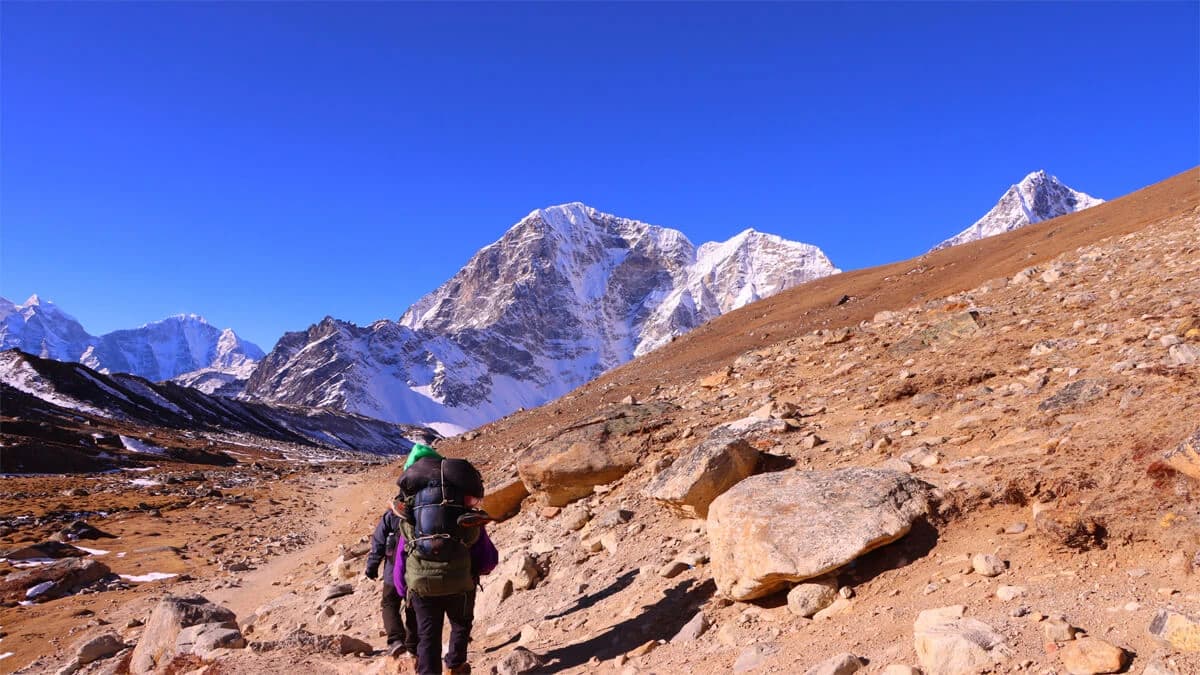
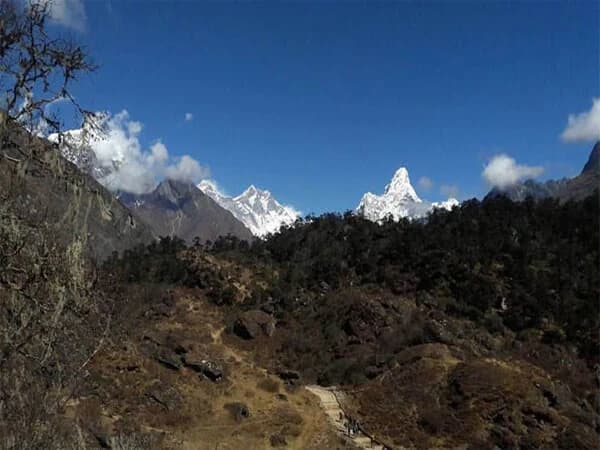
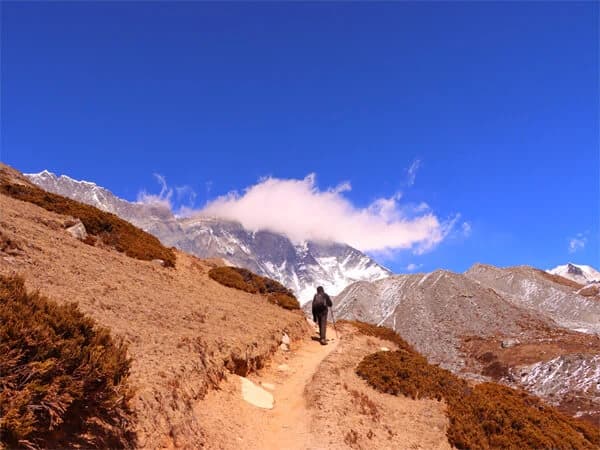
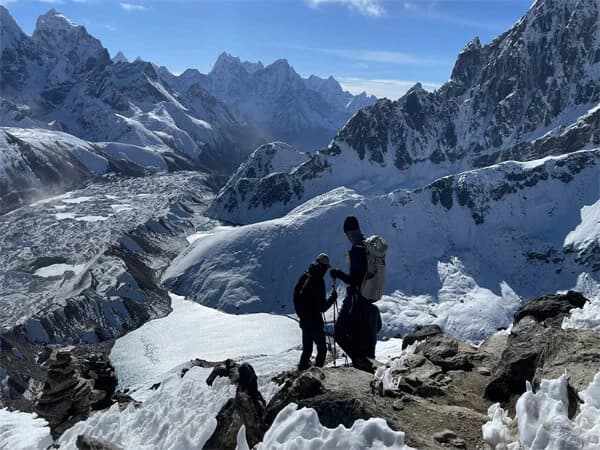
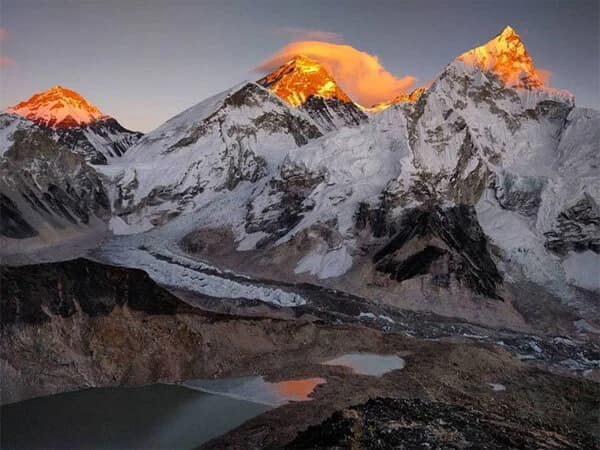
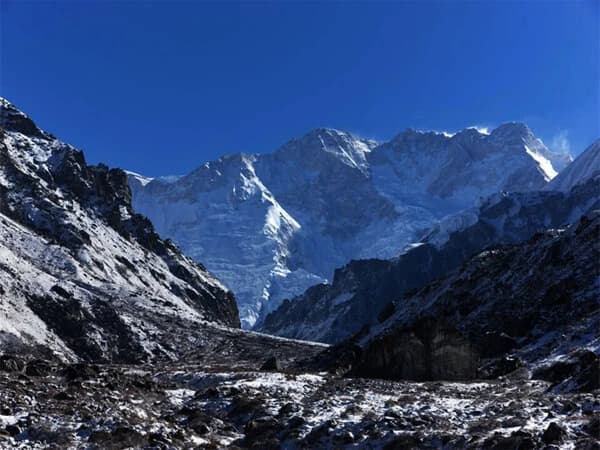
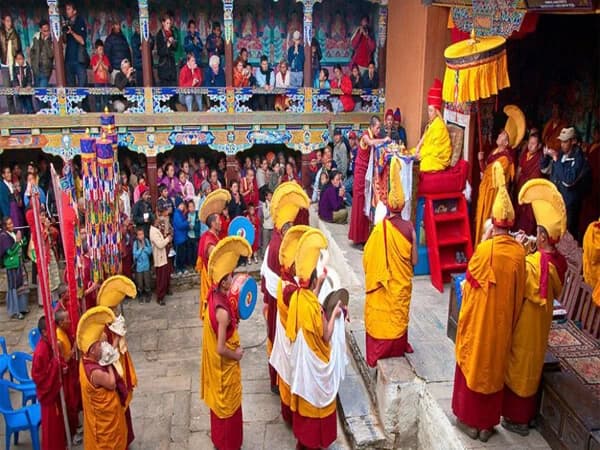
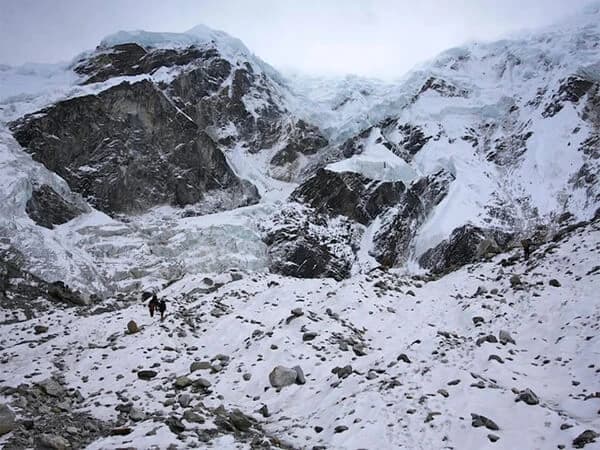
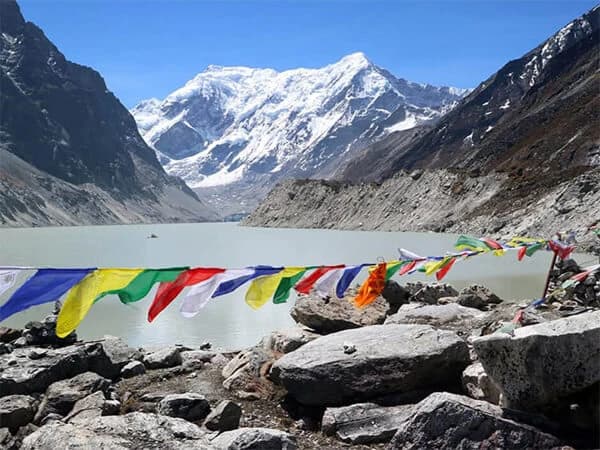
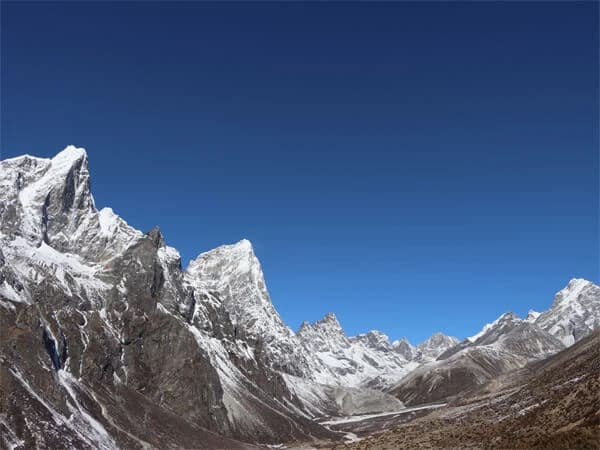
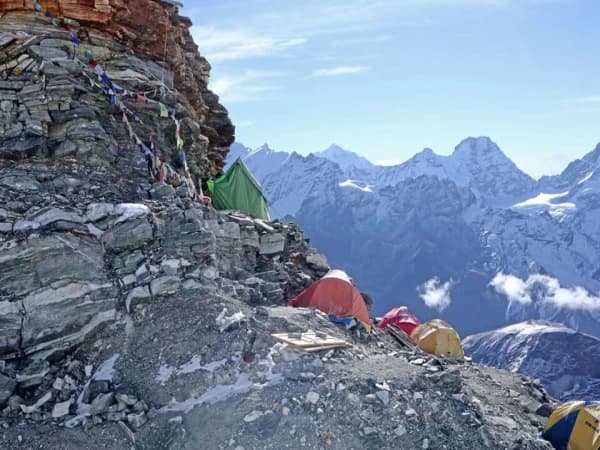
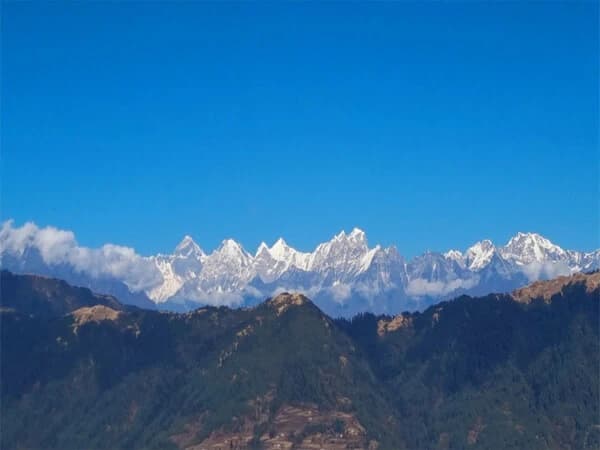
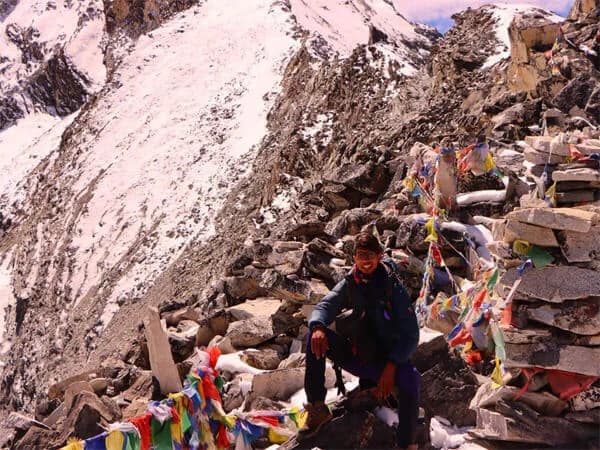
The Everest region is home to Mount Everest, the highest mountain in the world, and remains Nepal's best known trekking destination. Beyond Everest itself, the region is recognized for its Sherpa heritage, Buddhist monasteries, and villages that have served trekkers and climbers for decades. Much of the area lies within Sagarmatha National Park, a UNESCO World Heritage Site.
Everest region trekking in Nepal is about more than mountain views. Suspension bridges, glacial rivers, historic monasteries, and Sherpa villages are all part of the experience, while higher elevations reveal some of the world's tallest peaks rising above the Khumbu. Each route offers a different perspective of the region, shaped by its landscape, culture, and long mountaineering history.
Popular Trek Packages in the Everest Region
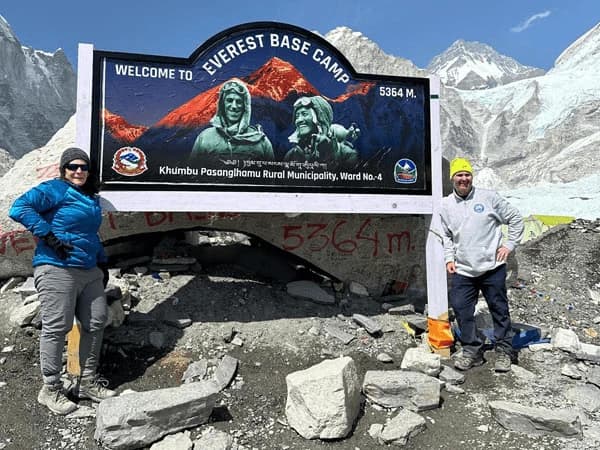
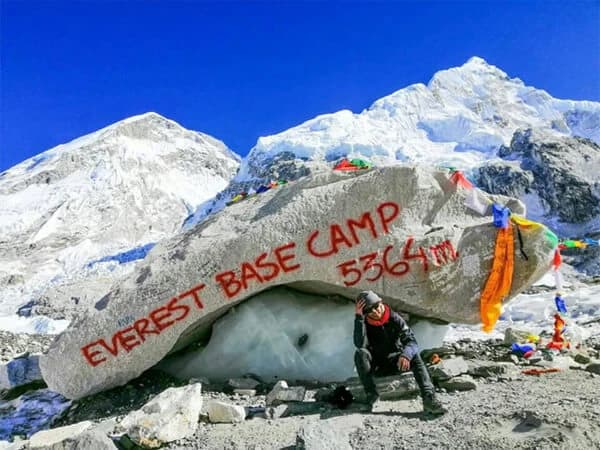
We offer numerous Everest trekking packages based on the Everest region to accommodate varying interests, schedules, and levels of fitness. Everest Base Camp Trek is the traditional route that leads to the base of Mount Everest. This 12 to 15 day journey includes vistas of the mountains, Sherpa communities, and glaciers.
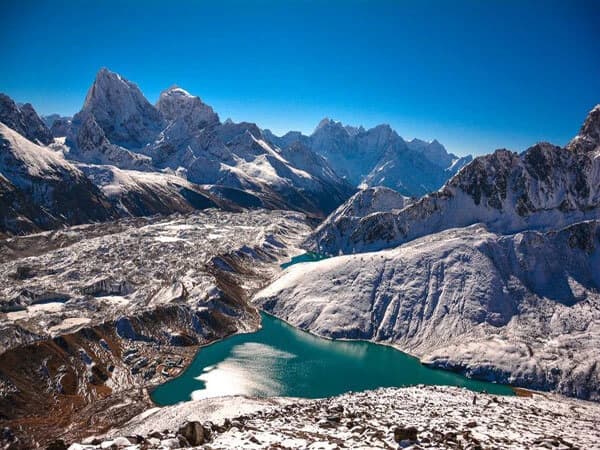
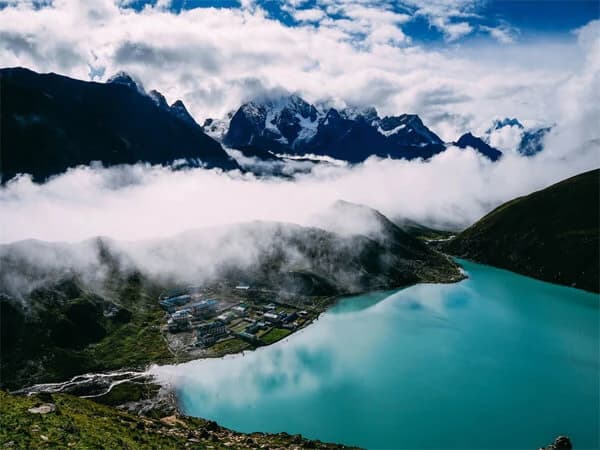
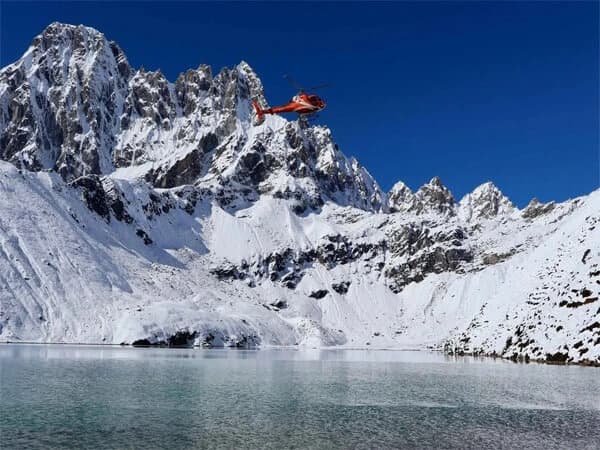
Gokyo Lake Trek explores the Gokyo Valley, its glacial lakes, and the summit of Gokyo Ri, one of the region's best known viewpoints. The Everest View Trek is a shorter itinerary that offers views of Everest and an introduction to the Khumbu without continuing to Base Camp.
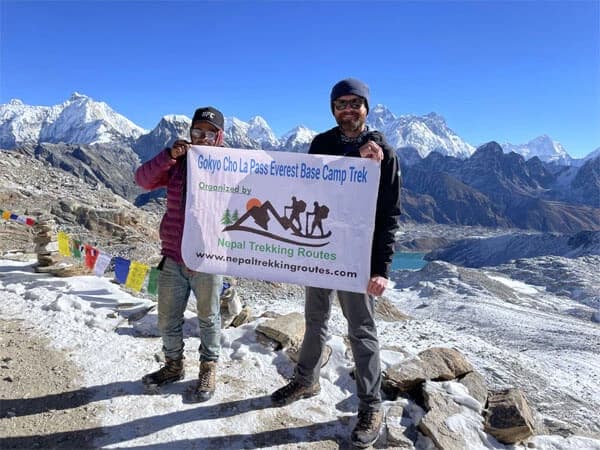
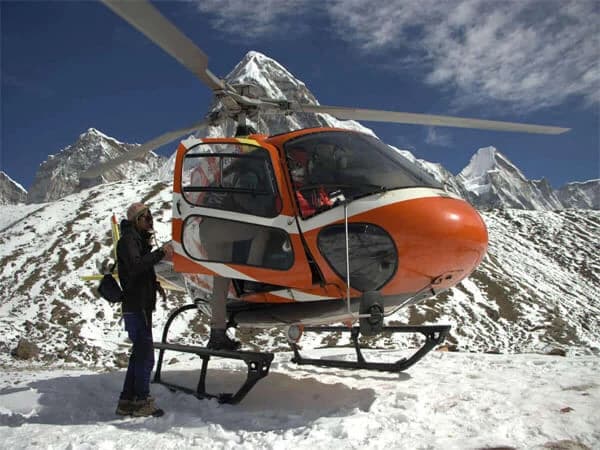
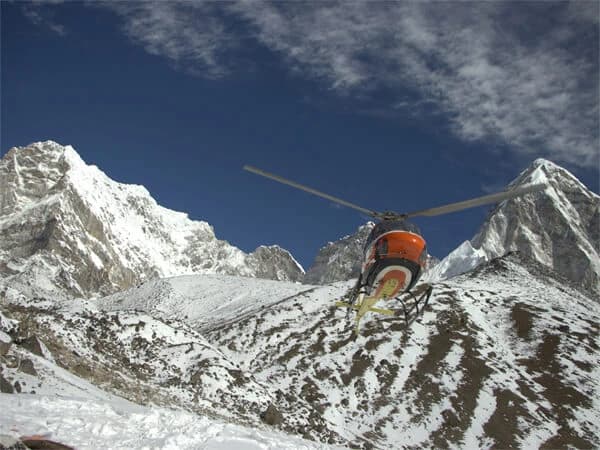
Trek to Everest Base Camp with Helicopter Return follows the standard trekking route before returning to Kathmandu by helicopter. Everest Gokyo Cho La Pass Trek links Everest Base Camp and the Gokyo Valley by crossing Cho La Pass.
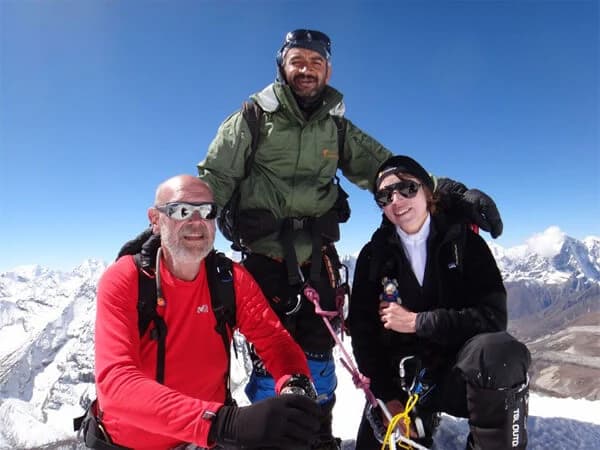
Everest Luxury Trek with Helicopter Tour combines comfortable lodge accommodation with a helicopter flight over the Himalayas. Adventurers who wish to combine trekking and peak climbing might consider the Everest Base Camp Trek with Island Peak Climbing.Everest Base Camp Sleeping Trek offers a once in a lifetime adventure as you can stay overnight at Everest Base Camp.
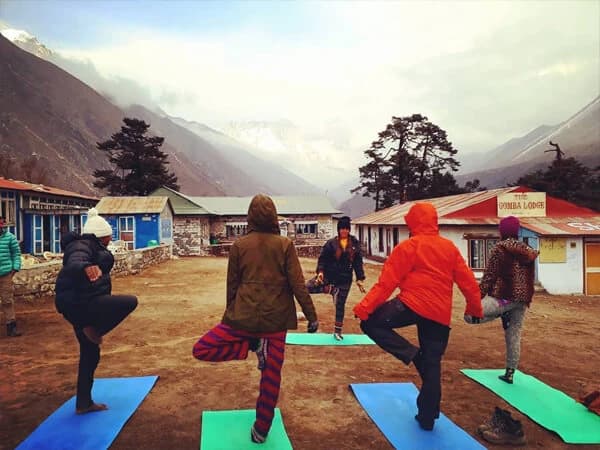
Everest Three High Passes Trek crosses Renjo La, Cho La, and Kongma La, making it one of the longest and most demanding trekking routes in Everest region. Trek from Jiri to Everest Base Camp is the longer, more authentic, and calmer route originally used by early climbers. Everest Base Camp Yoga Trek combines trekking with scheduled yoga and meditation sessions along the route.
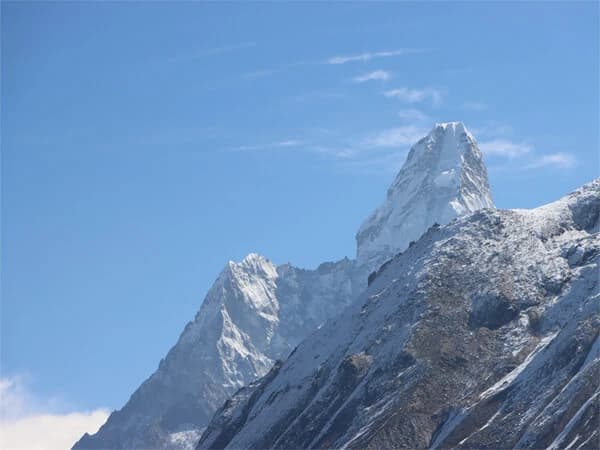
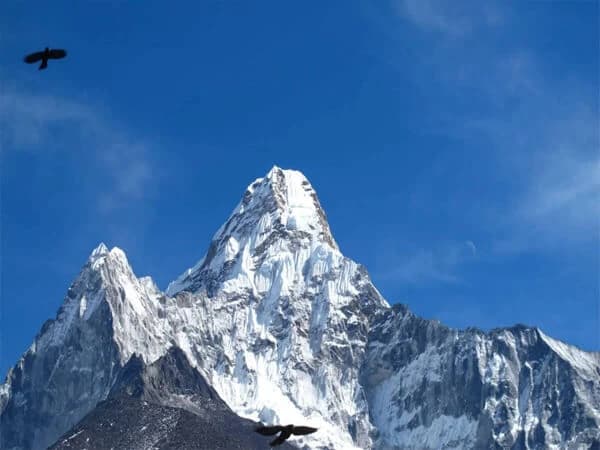
Rolwaling Tashi Lapcha Pass Trek connects the Rolwaling Valley with the Everest region by crossing the Tashi Lapcha Pass. Trek to Amadablam Base Camp reaches the base of Ama Dablam, one of Nepal's most distinctive Himalayan peaks. Everest Base Camp Trek with Jeep Drive replaces the flight to Lukla with an overland journey to the trek's starting point.
Why Choose the Everest Region Treks?
The Everest region has been one of Nepal's leading trekking destinations for decades. Its network of teahouses, established trekking trails, and wide choice of routes make it suitable for everything from short treks to longer high altitude journeys. Whether you're visiting the Khumbu for the first time or returning to explore a different route, the region offers plenty of options without following the same itinerary every time.
Best Season for Everest Region Trekking in Nepal
Many Khumbu region treks take place between March or May or from late September to November. These months see the highest number of trekkers, and most lodges, flights, and trekking services operate at full capacity.
That doesn't mean the rest of the year should be ignored. Winter is still possible on some lower routes, but snow, cold, and shorter days make it harder. The monsoon does not stop every trek, but rain, cloud, and delays on flights to and from Lukla are more common. Outside the main trekking months, the route matters more than the calendar, so the best time depends on where you are going and what conditions you are willing to deal with.How ever Autumn and Spring are the best season for Everest Region trekking.
How Difficult Are the Everest Region Treks?
Everest region treks also known as Khumbu Region trek cover a wide range of routes, from the Everest View Trek to longer journeys such as the Everest Base Camp hiking and the Three High Passes Trek. The number of trekking days, the highest point on the route, and the time available for acclimatization all affect how challenging the trek will be.
Most people who prepare well and choose an itinerary that matches their fitness level can complete an Everest trek. If you're new to high altitude trekking, starting with a shorter route is a better choice before taking on longer treks in the Khumbu region.
Accommodation and Food During the Everest Region Trek
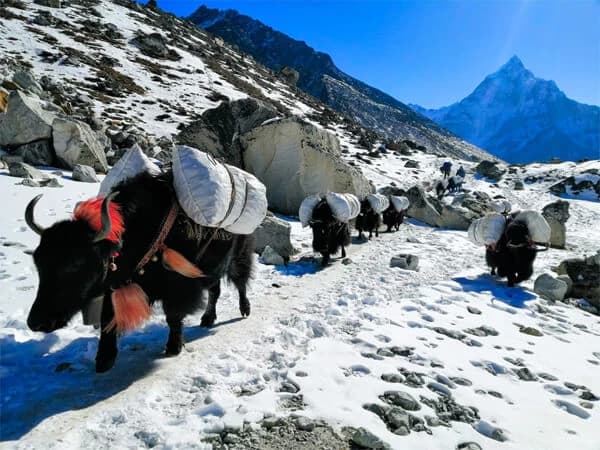
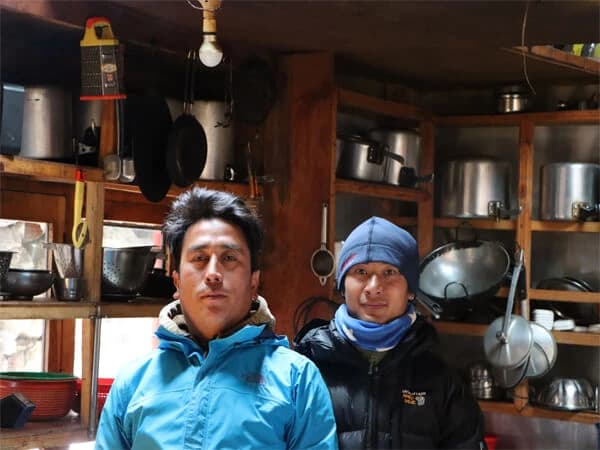
Most trekking routes are supported by teahouses run by local families in the Khumbu region. The food served along the trail is similar from one village to the next because nearly all supplies have to be brought into the region. Dal Bhat is the popular meal choice for many trekkers. Menus also include noodles, rice dishes, potatoes, soups, eggs, pancakes, and bread.
Accommodation depends on the village and the route. Larger places such as Namche Bazaar have more choice, while smaller villages have less lodges. During the busiest trekking months, rooms in popular villages can fill up early, which is one reason trekking guides confirm accommodation before the day's walk is over.
Everest Region Trekking Permits
Treks in the Khumbu region require the Sagarmatha National Park Entry Permit and the Khumbu Pasang Lhamu Rural Municipality Permit. Additional permits may be needed for routes that enter other protected areas or follow different trekking routes in Everest Region.
For organized treks, the required permits are arranged before departure and included in the Everest region trek package cost according to the itinerary. Trekkers should carry their permits during the trek, as they are checked at different points along the route.
Frequently Asked Questions
How much does an Everest region trek cost?
There is no single price for Everest region trek because the cost changes with the route, number of days, group size, and services included. A package includes items such as permits, accommodation, meals, guide and porter services, and domestic flights where required. Personal expenses like extra drinks, charging, Wi-Fi, and snacks are paid separately.
Do I need a trekking guide for Everest region trekking?
A trekking guide for Everest can be helpful for handling the practical side of the trek, including route decisions, accommodation arrangements, communication with local lodges, and changes caused by weather or other situations. Many trekkers choose a guide because they prefer having someone familiar with the area throughout the trek.
Do I need a trekking porter for an Everest trek?
A porter is useful if you do not want to carry a heavy backpack for many days. Most trekkers carry their daily essentials while a porter carries the main luggage. Whether you need one depends on the length of the trek, your personal preference, and how much weight you are comfortable carrying.
Can beginners do Everest region treks?
Many beginners complete Everest trekking every year. The important part is choosing a route that fits your available time and fitness level. Shorter routes require less time at higher elevations, while longer treks need more preparation because of the number of walking days and altitude.
What should I pack for an Everest region trek?
The packing list for Everest region trek depends on the route and season. Basic items include proper trekking shoes, warm layers, a waterproof jacket, personal medication, sun protection, a water bottle, and a small daypack. For longer and higher routes, having the right clothing and equipment becomes more important.
Are flights to Lukla reliable for Everest trekking?
Flights to Lukla operate regularly, especially during the main trekking seasons, but weather can affect schedules. Delays are not unusual, so it is better to keep some extra time before and after the trek instead of arranging tight connections.
How much cash should I carry during the Everest trek?
Cash is needed for many personal expenses because card facilities are limited along most trekking routes. The amount depends on the trek length and your spending habits, but extra money is commonly used for drinks, snacks, charging, showers, Wi-Fi, and other personal needs. You can carry up to NPR 35,000 excluding the Everest package cost, if you are a normal spender.
Is travel insurance required for Everest trekking?
Travel insurance is an important part of preparing for an Everest trek. The policy should cover trekking at the altitude of your chosen route, medical treatment, and emergency evacuation if needed.
Can I do an Everest trek solo?
Yes, you can do solo trekking in Everest, if you can handle everything on your own. Some popular routes have enough teahouses and information for independent trekkers, but travelling without a trekking guide means taking responsibility for planning, accommodation, route decisions, and dealing with unexpected situations during the trek.
How far in advance should I book an Everest Region trekking?
Booking time depends on the season and the type of trek. During the busiest months, flights, guides, and accommodation have higher demand, so arranging the trek few months earlier gives more options for dates and services.