

Have you ever wanted to walk for days without meeting other trekkers or hearing the noise of busy trails? The Saipal Himal Trek takes you deep into far western Nepal, far from popular trekkig routes and modern comforts.
This is a region where mountains shape everyday life and traditions remain strong, offering a journey that feels quiet, raw, and deeply personal. This is not a trek that you casually add to your bucket list, it is for those who wants distance from the crowds and a deeper connection with the land.
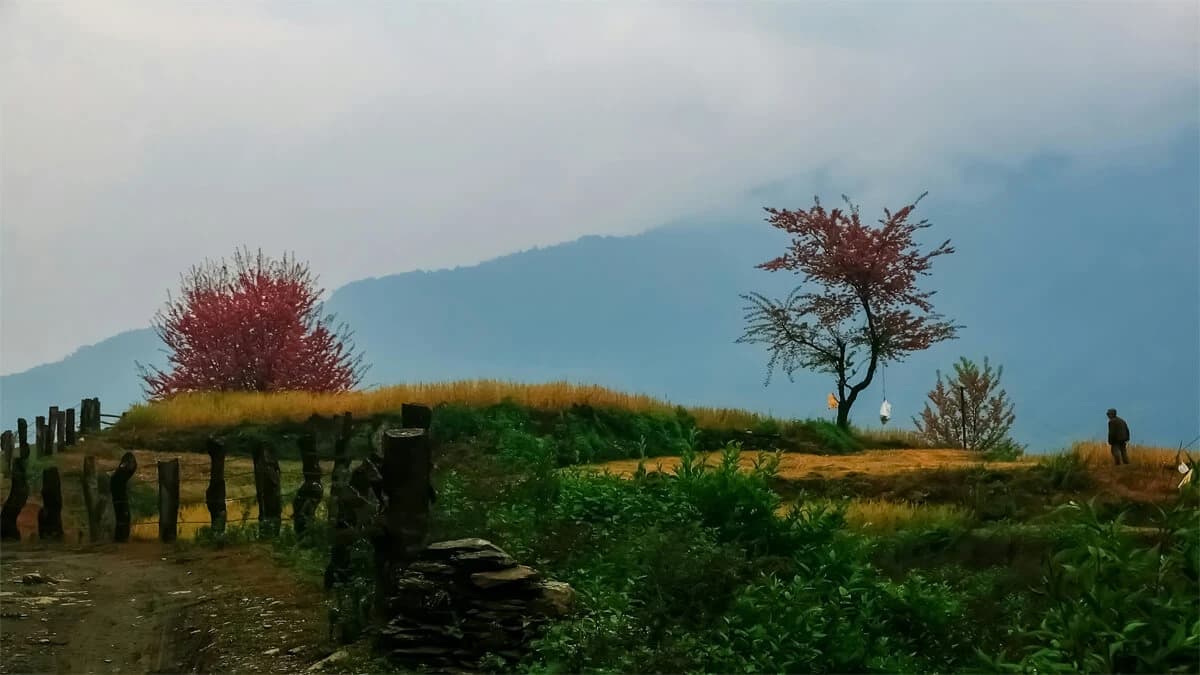
From the very first days, you sense that this is not a usual Himalayan trekking but a journey into a rarely visited corner of the country. The trail moves through deeper valleys, forested hills, and wide highland areas where herders still guide their animals as they have for generations.
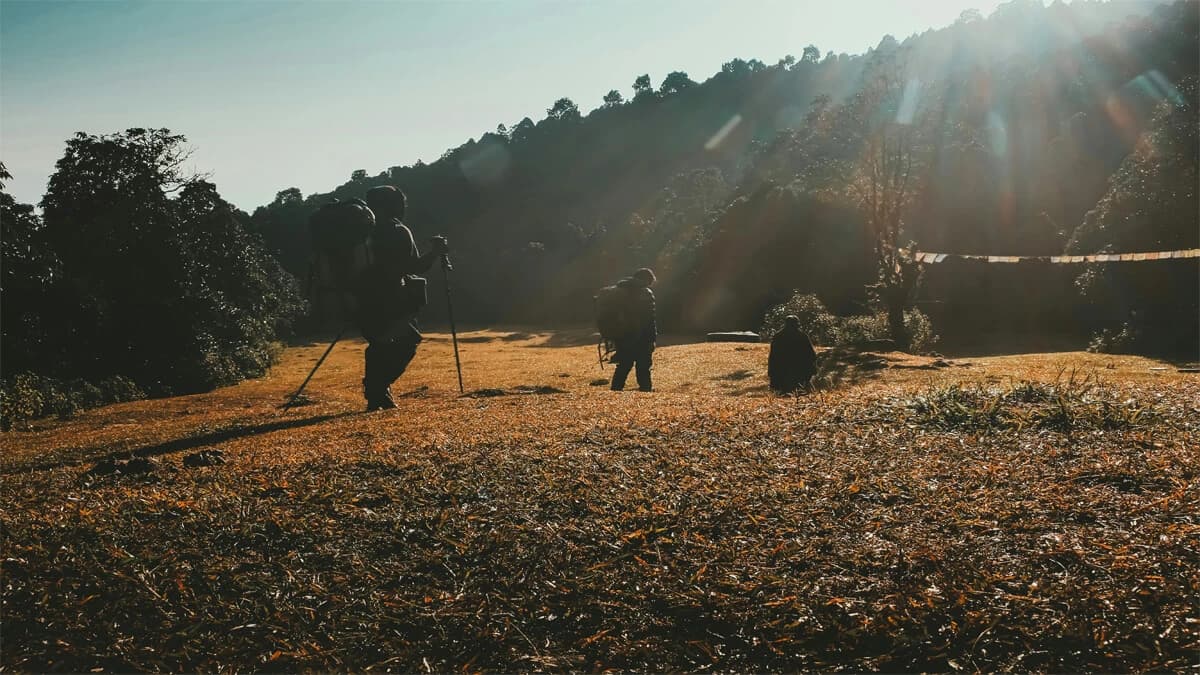
Villages are small and spread out, and life here follows the seasons rather than a schedule. You sleep in simple camps, eat what is locally available, and walk long hours each day. There are no busy lodges or souvenir stops, only open paths and growing feeling of distance from the modern world.
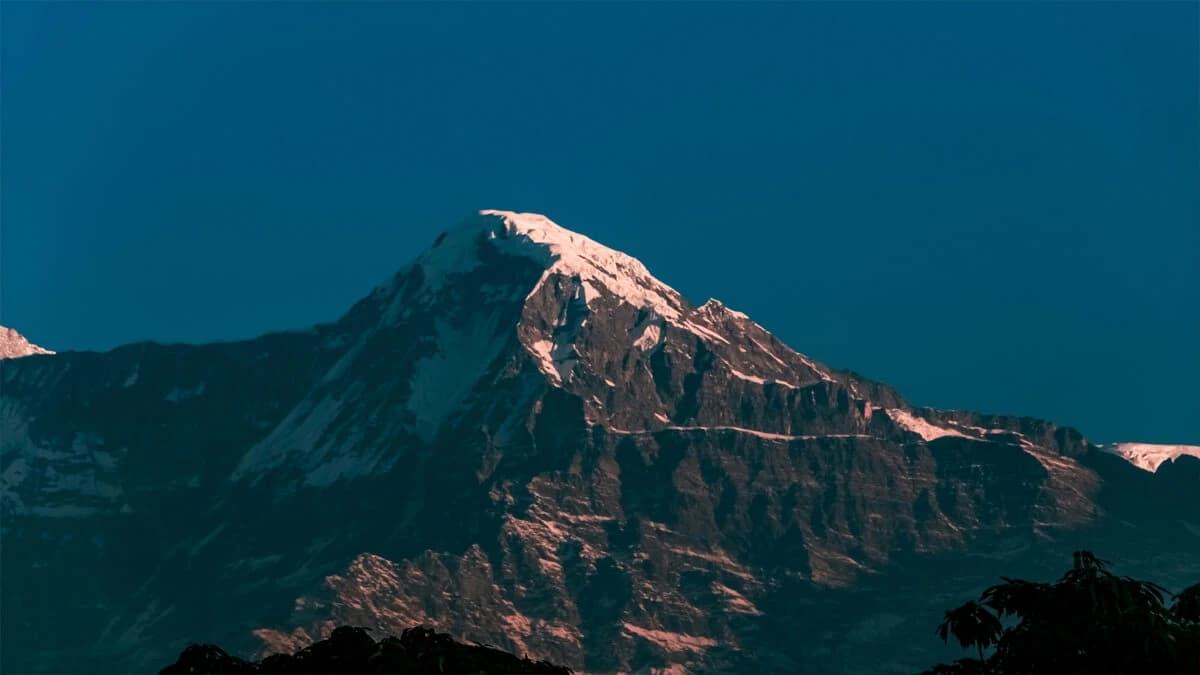
As the trek continues, Saipal Himal slowly dominates the skyline, rising powerful and silent above the land. Reaching the base camp area feels less like arriving at a destination and more like earning your place there. The quiet, the scale of the mountain, and the effort it takes to reach this point make the experience deeply satisfying.
The Saipal Himal trek is not for everyone, but for trekkers who want challenge, isolation, and a story worth telling, it is truly special. So book your place now for the ultimate mountain challenge with Nepal Trekking Routes.
Saipal Himal Base Camp Trek Overview
The Saipal Himal Trekking is a remote and demanding journey in Nepal's far western region, centered around Mount Saipal (7031 m) in Bajura-Bajhang border. While the peak is commonly listed under Bajhang district, the standard trekking routes and Saipal Base Camp access are through Bajura district.
This area lies well beyond Nepal's main trekking corridors, which is why it had remained largely untouched b tourism. The trek is defined by isolation, limited infrastructure, and long days of walking through landscapes shaped more by tradition than by modern development.
Access to the Saipal region itself is an adventure. Trekkers usually travel first to Nepalgunj and then continue by a short flight to Kolti, the main airstrip in Bajura, or by long overland journeys via far western hill roads. From here, the trail heads north through villags such as Chainpur, Nateshwori, and Dhuli, following river valleys, crossing forested ridges, and gradually entering high altitude grazing areas.
These routes are not commercial trekking highways but local trails used by villagers and herders, which means navigation, logistics, and experienced support staff are essential.
Life along the trail is simple and traditional. Most villages rely on farming and livestock, and outside influences are minimal. Accommodation is extremely basic, and in many sections there are no teahouses at all, making camping the primary mode of stay. Facilities such as electricity, internet, and medical services are either very limited or completely absent, reinforcing the need for careful planning and self sufficiency.
As the trek progresses, the terrain becomes more open and rugged. Forests give way to wide alpne zones and seasonal pasture lands for yaks and sheep. Unlike peaks in popular regions, Saipal feels dominant with no crowded viewpoints or busy base camps. The Saipal Base Camp Area, roughly between 4100 m and 4700 m, is usually a quiet campsite rather than a deveoped trekking stop.
Physically, the Saipal Himal Trek is challenging. The difficulty comes not only from altitude but also from long walking days, rough trails, river crossings, and the lack of rest day comforts. Weather can change quickly, and delays due to flights or road conditions are common. Because of this, the trek is best suited for experienced trekkers who are comfortable with uncertainty and basic conditions.
Overall, the Saipal Himal Trek is not about comfort, speed, or ticking off a famous route, It is about patience, endurance, and seeing a part of Nepal that very few trekkers ever reach. For those prepared for its demands, it offers a rare and honest Himalayan experience that feels closer to exploration than tourism.
Saipal Himal Trekking Highlights
- Explore one of the least visited trekking regions in far western Nepal, well away from commercial trekking routes like Everest or Annapurna.
- Close views of Saipal Himal (7031 m), a major peak that dominates the landscape through the upper part of the trek.
- Travel through Bajura district using traditional village trails that are still part of everyday local life.
- True camping based trek with limited facilities, offering a strong sense of independence and exploration.
- Reach a quiet and undeveloped base camp area with no crowds or permanent structures.
- Cultural insight into far western Nepal, a region rarely seen by international trekkers.
- Experience remote mountain villages where farming and livestock remain the main way of living.
Saipal Himal Trek Cost
The Saipal Himal trek usually costs around USD 2500 to 3000 per person, depending on group size and services included. This is a fully camping trek, so the cost is higher than popular teahouse routes. The price generally covers domestic flights via Nepalgunj to Simikot, all required permits, licensed guide and porters, full camping equipment, and three meals a day during the trek.
The cost does not include international flights, travel insurance, personal expenses, snacks, tips, or hotel stays in Kathmandu and Nepalgunj. The higher cost reflects remote location, multiple flights, and the logistics required for a fully supported camping trek.
Saipal Himal Trek Package
The Saipal Himal Trek can be approached in different ways depending on your experience, fitness level, and preference for adventure or comfort. It is one of the most remote treks in Nepal, so planning carefully is essential. Trekkers can choose a fully camping based route to experience the region's isolation, or take limited lodge sections for a bit more comfort.
Most trekkers rely on licensed guides and porters to navigate the trails, arrange permits, and manage logistics, but independent trekking is also possible for highly experienced trekkers who are confident in remote moutain navigation.
Camping Trek
This is the most common way to do the Saipal Himal Trek. Trekkers stay in tents at campsites, usually set up by guides and porters. All meals are prepared on site, and trekkers carry only personal gear while porters handle camping equipment.
This type allows you to experience the full remoteness of the region, moving through untouched landscapes, high pastures, and villages where tourism is minimal. It is ideal for those who want a pure adventure without relying on lodges or modern facilities.
Lodge Trek
Some sections of the trail pass through small villages where basic lodges or teahouses exist. Accommodation is simple, often with shared rooms, limited hot water, and local food. This option is suitable for trekkers who want slightly more comfort and a chance to interact with villagers, but it is still mostly remote. Meals are typically included, but trekking in very isolated stretches still requires some camping.
Guided Trek
Hiring a licensed guide and porters is highly recommended for this trek due to the region's lack of proper facilities, marked trails, and limited communication. Guides handle navigation, local arrangements, and permits, while porters carry heavy equipment. A guided trek ensures safety, smoother logistics, and better access to villages and resources, which is crucial in such a remote area.
Independent Trek
Highly experienced trekkers may attempt Saipal Himal without any guides or porters. This requires strong navigation skills, high fitness, and the ability to carry all camping gear and supplies. While it allows maximum freedom and self reliance, it is not recommended for first time visitors, as this is very limited access to emergency help, and trail conditions can change unexpectedly.
Permits required for the Saipal Himal Trek
Even though the Saipal Himal region is remote and less visited, having proper permits is very important. Permits help local authorities track trekkers in isolated areas, ensuring safety in case of emergencies or unexpected weather changes. They also allow the government to regulate access to sensitive mountain and border areas, protecting both the environment and local communities.
Trekking with the correct permits keeps your journey legal and smooth, especially in regions where roads are limited and communication is difficult. Working with licensed agency like us is highly recommended because we handle all the paperwork and make sure you meet local requirements.
TIMS card (Trekkers' Information Management System)
This card is required for all non restricted trekking regions in Nepal. It records your personal information, trekking route, and emergency contact details. The TIMS card can be obtained through a registered trekking agency like us or at designated offices in Kathmandu or other major cities before the trek.
Saipal Rural Municipality Permit
For the Saipal Himal Trek, trekkers need a Saipal Rural Municipality Trekking Permit, also called the Local Area Permit for Bajura district. This permit is required because the trek passes through remote villages and trails under Saipal Rural Municipality. Local authorities use this permit to track trekkers, ensure safety, and provide support in case of emergencies.
Don't worry, the permit is handled by our team as the offices are in remote locations and handling the paperwork can be difficult for the first time visitors. Along with the TIMS card, this permit ensures that your trek is legal, recognized by local authorities, and safe.
What can travelers expect from the Saipal Himal trek?
If you are looking to step far away from crowded trails, the Saipal Himal trek offers a journey into one of Nepal's most remote regions. The route takes you through dense forests, river valleys, and wide grazing lands, gradually climbing toward Saipal Base Camp at 4100 meters to 4700 meters, with Mount Saipal (7031 m) ruling the area. Along the way, trekkers pass through small villages where life has remained largely unchanged, offering a rare look at traditional rural lifestyles.
Most nights are spent in campsites or simple lodges, and meals are basic but sufficient. Trekkers should be ready for long walking days, rough trails, and limited facilities, and guides or porters are recommended to help with navigation, permits and supplies.
Overall, travelers can expect a quiet and authentic Himalayan adventure, combining dramatic mountain scenery, cultural experiences, and the challenge of trekking through one of Nepal's least visited regions.
Who the Saipal Himal Trek is best for?
The Saipal Himal Trek is best suited for travelers who are looking for a remote and adventurous Himalayan experience rather than comfort or easy trails. It is ideal for those who can handle very long trekking days, uneven trails or paths, and basic camping ad lodge accommodations.
This trek is perfect for trekkers with good fitness and some experience at higher altitudes, as the route climbs gradually to Saipal Base Camp at 4100 m-4700 m. It is also suited for travelers who enjoy exploring traditional villages, observing local life, and experiencing areas of Nepal rarely visited by tourists. Those seeking luxury or fully marked trails may find this trek challenging, but anyone looking for a challenge and authentic mountain landscapes, Saipal Himal is an excellent choice.
Preparation for the Saipal Himal Trek
Proper preparation is essential for the Saipal Himal Trek because it is one of the Nepal's most remote and challenging routes. Trekkers should focus on physical fitness, gear, permits, aand logistics well before the journey.
Physical preparation:
The trek involves long walking days on uneven trails and gradual altitude gain up to 4700 meters at the base camp. Refular cardio exercises, hiking practice with a backpack, strength training for legs and core will help handle the demanding terrain.
Gear and Equipment:
Since accommodation is mostly campsites or basic lodges, you need to bring warm clothing, a good sleeping bag, trekking boots, rain gear, and personal essentials. Trekking poles, a headlamp, and a water purification method are also recommended. (Sleeping bags, down jackets, trekking poles and duffel bags are provided by us).
Other preparations:
Carry sufficient cash, as ATMs are not available along the trail, and pack basic medical supplies and homely remedies of altitude sickness. It is also important to plan your travel and flights carefully, as reaching the trailhead involves long drives and sometimes domestic flights into far western region of Nepal.
As mentioned earlier, permits are a very important document so make sure you do not forget to carry them. The exact permits to be carried for the trek is mentioned above in the permits required section.
Why choose us for the Saipal Himal Trek?
At Nepal Trekking Routes, we make the Saipal Himal Trek a truly hassle free and memorable adventure. Our team of licensed guides and experienced porters knows the remote trails and local villages well, ensuring your trek is safe and well managed from the start to finish. We handle all permits, transportation, accommodation, and meals, so you can focus entirely on enjoying the journey.
To keep you comfortable, we provide essential trekking gear including sleeping bags, trekking poles, duffel bags, and down jackets, so you don't have to worry about carrying heavy equipment all the way from your starting point or missing key items.
We also tailor the trek to your fitness level and preferences, advising on pacing, acclimatization, and route options. Traveling with us means you experience the peaceful highlands, scenic mountain views, and authentic village life of Saipal Himal while having a reliable team to support every step of the way.


