Amadablam Base Camp Trek

Amadablam Base Camp Trek

Duration8 Days
Trip GradeEasy
CountryNepal
Maximum Altitude4700 M
Group Size1-12
StartsKathmandu
EndsKathmandu
ActivitiesTrekking/Hiking
Best TimeMarch to May & September to December

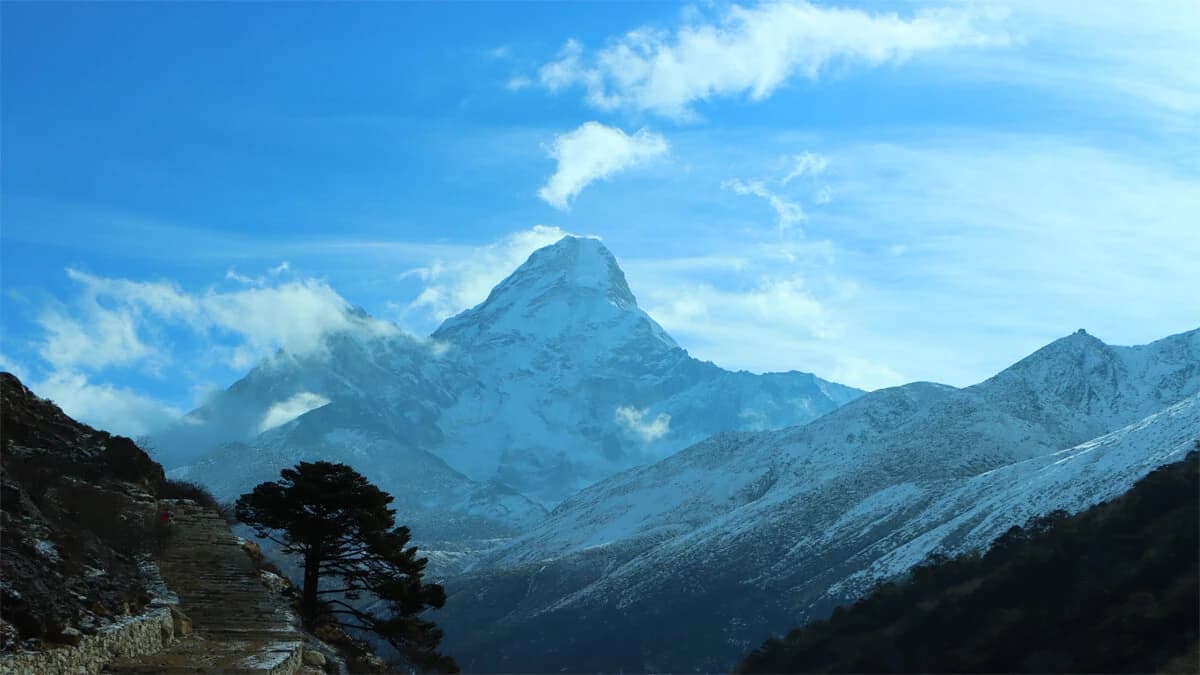
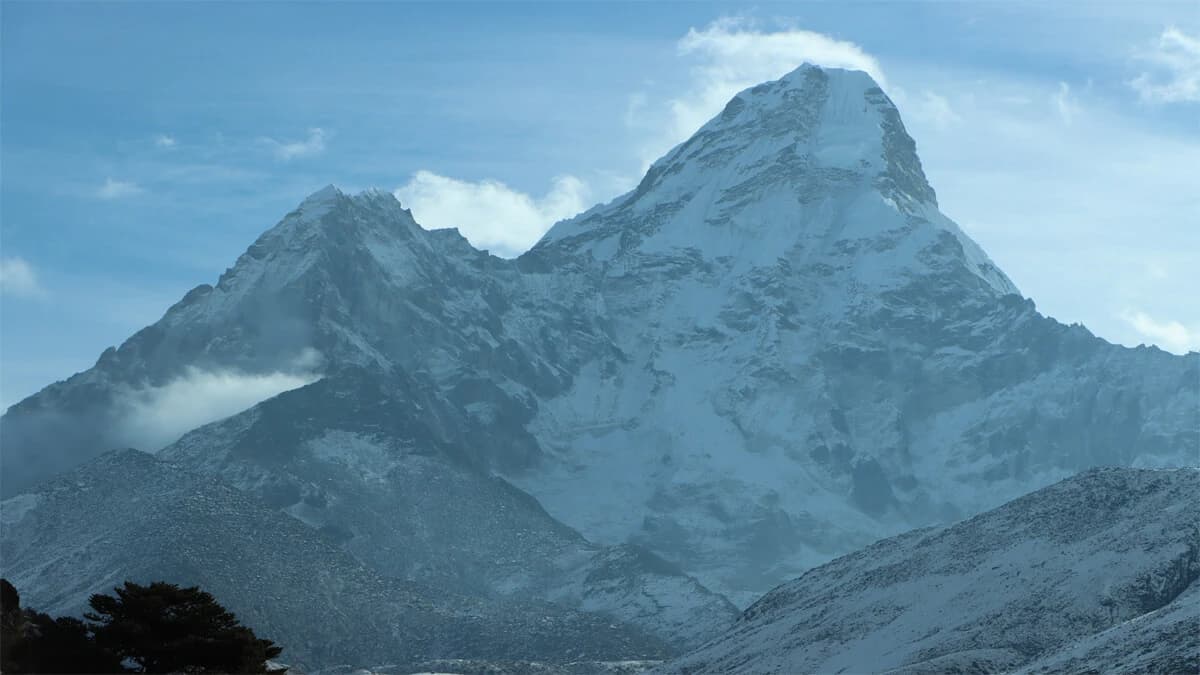
If you've walked in the Everest region before, there's a good chance Ama Dablam is the mountain you remember most. It stays in sight for much of the journey, changing its shape as you move through Namche Bazaar, Tengboche, and Pangboche. Most trekkers stop to photograph it. This trek keeps going until you're standing at its base.

The Ama Dablam Base Camp Trek is one of the best short treks in the Everest region of Nepal. The route follows the main trail as far as Pangboche, then turns towards Ama Dablam Base Camp at around 4,600 meters. In just a few days, you walk through Namche Bazaar, visit Tengboche Monastery, and stand beneath a mountain that most trekkers only admire from the main trekking trail.

Ama Dablam Base Camp Trek Highlights

  • Reach Ama Dablam Base Camp at around 4,600 meters
  • Walk through Sagarmatha National Park, a UNESCO World Heritage Site
  • Spend time in Namche Bazaar, the main Sherpa town in the Everest region
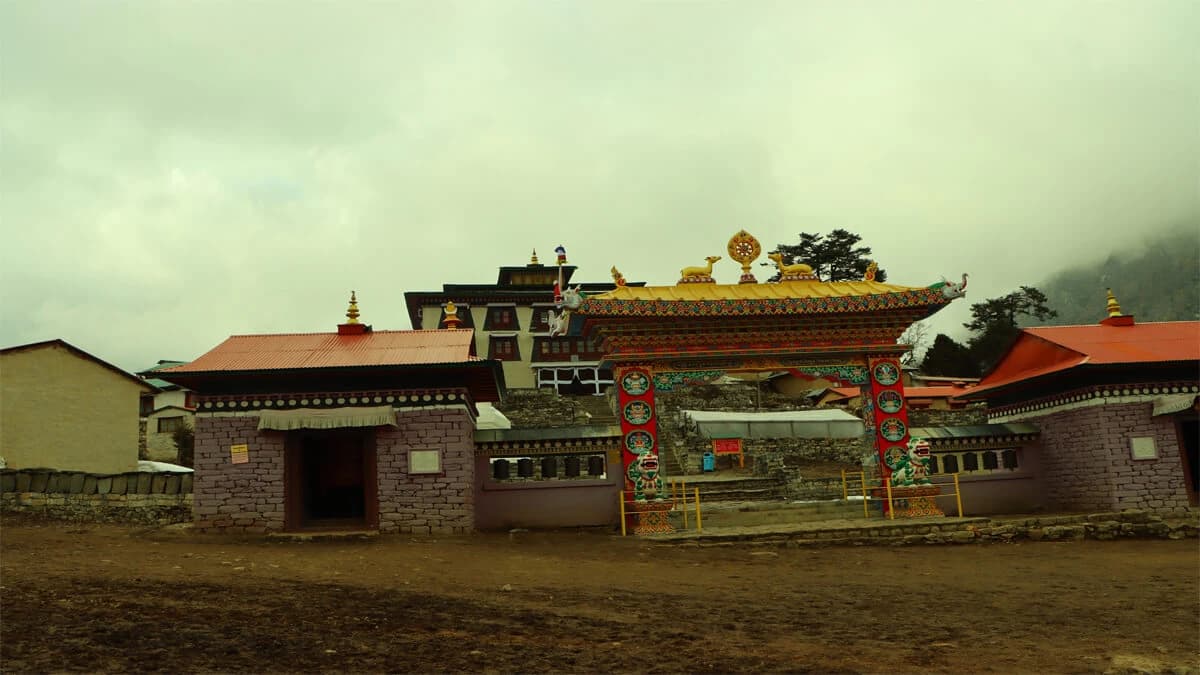
  • Visit Tengboche Monastery, an important spiritual centre in the Khumbu
  • Pass through Pangboche, one of the oldest Sherpa villages in the region
  • See Ama Dablam, Everest, Lhotse, Nuptse, Thamserku, Kangtega, and Taboche along the route
  • Watch climbing expeditions prepare at Ama Dablam Base Camp during the spring and autumn seasons
  • Stay in traditional tea houses throughout the trek
  • An 8 day trek that follows part of the classic Everest trekking route before turning towards Ama Dablam Base Camp

Ama Dablam Base Camp Trek Cost

The Ama Dablam Base Camp Trek cost with Nepal Trekking Routes is USD 1,190 per person. For an 8 days Ama Dablam Base Camp Trekking, that covers the main parts of the trip, including your Kathmandu to Lukla return flights, trekking permits, tea house accommodation, meals during the trek, a licensed guide, and porter service based on the group size.

When comparing the Ama Dablam Base Camp Trek price, we suggest you to look beyond the number. Some trekking packages only cover the trek itself, while others already include flights, permits, and support staff. That's why it's always worth checking what's included before deciding which package is better value.

A few things are paid separately, including travel insurance, drinks, snacks, WiFi, charging electronic devices, hot showers, tips for your guide and porter, and any extra nights in Kathmandu outside the itinerary.

Ama Dablam Base Camp Trek Itinerary

The 8 day Ama Dablam Base Camp Trek itinerary starts with a flight from Kathmandu to Lukla before following the classic trail through Phakding, Namche Bazaar, Tengboche, and Pangboche. An acclimatization day is spent in Namche Bazaar before the trail continues higher into the Khumbu.

From Pangboche, the route leaves the mainEverest Base Camp trailand heads towards Ama Dablam Base Camp, reaching an altitude of around 4,600 meters. After spending time at the base camp, the trek returns to Pangboche and follows the same route back to Lukla.

The walking is spread across 8 days, so there is enough time to gain altitude slowly without rushing from one stop to the next. An acclimatization day in Namche Bazaar also helps your body deal with the altitude before the trek continues to higher elevations.

What Makes the Ama Dablam Base Camp Trek Different?

The Ama Dablam Base Camp Trek is different because the destination itself has a different purpose. Ama Dablam Base Camp is where climbing expeditions set up before attempting the summit, so during the spring and autumn climbing seasons you may see tents, equipment, and support crews preparing for the climb. It gives you a chance to see a working expedition base camp rather than a destination created only for trekking.

The trail leaves the main Everest Base Camp route at Pangboche and continues towards the base of Ama Dablam. From there, the route becomes quieter, with most people either trekking to the base camp or working on climbing expeditions. By the time you arrive, you're standing beneath the mountain instead of looking at it from villages or viewpoints along the trail.

Ama Dablam Base Camp Trek Difficulty

The Ama Dablam Base Camp Trek difficulty mainly comes from the altitude and the days spent walking in the Everest region. The trek reaches Ama Dablam Base Camp at around 4,600 meters, and the higher you go, the more time your body needs to adjust to the mountain environment.

Altitude on the Ama Dablam Base Camp Trek

Altitude is the main factor that makes this trek different from lower elevation hikes. The route climbs from Namche Bazaar towards Tengboche, Pangboche, and then the final destination, Ama Dablam Base Camp. The rest day in Namche is there for this reason.

Walking Requirements

The 8 day Ama Dablam Base Camp Trek itinerary involves walking for several hours on most days. The distance may not look extreme online, but walking day after day while gaining height requires good stamina. The climb to Ama Dablam Base Camp is usually the part where trekkers notice the altitude the most.

Fitness Preparation

You do not need to be an experienced mountaineer for this trek. However, regular walking, hiking, or cardio training before arriving in Nepal will help you handle the daily effort better. Being comfortable with uphill walking is more important than having previous trekking history.

Weather and Conditions

The weather around Ama Dablam Base Camp can be much colder than the villages below. Temperatures drop significantly at night, and wind or snowfall can affect the experience, especially during the colder months. Spring and autumn provide the most reliable conditions for the trek.

Is Ama Dablam Base Camp Trek suitable for Beginners?

The Ama Dablam Base Camp Trekking in Nepal is a good option for beginners who want to experience trekking in Everest region with proper preparation. The route is not about speed, and most first time trekkers find that taking their time makes the journey much more comfortable.

For those searching for beginner friendly treks in Nepal, this trek offers a chance to walk through Sherpa villages, stay in tea houses, and explore the Khumbu region without needing previous Himalayan trekking experience.

The main thing beginners should keep in mind is the altitude. You should have enough days for acclimatization and should not hurry at all, to make the trek successfull. 

Best Time for Ama Dablam Base Camp Trek

There's no wrong season for the Ama Dablam Base Camp Trek, but there is a right season depending on what you want to see. Some trekkers come for uninterrupted mountain views, while others specifically want to visit when an Ama Dablam Expedition is based at the foot of the mountain. The trail stays the same, but the atmosphere can feel completely different from one season to another.

Ama Dablam Base Camp Trek in Spring Season

If your goal is to see Ama Dablam Base Camp at its liveliest, spring is hard to beat. This is when many Ama Dablam Expedition teams arrive to prepare for their summit attempts, so it's common to see rows of expedition tents, climbing equipment, and Sherpa crews moving supplies around base camp.

The forests below Tengboche also look different during these months, with rhododendrons adding colour to the trail. For many people planning their first trekking in Nepal experience, spring offers a good mix of mountain views and expedition activity.

Ama Dablam Base Camp Trek in Autumn Season

Ask local guides when they prefer to trek, and many will mention autumn without much hesitation. Once the summer rain has passed, the views of the mountains become very clear, and you get one of the best views of Ama Dablam, Everest, Lhotse, and neighbouring peaks.

Autumn is also another climbing season, so you may still find an active Ama Dablam Expedition at base camp. The only downside is that you will not have the trail to yourself. October and early November are among the busiest months for Nepal trekking, so flights, tea houses, and guides are in high demand.

Ama Dablam Base Camp Trek in Winter Season

Winter takes away much of the traffic found in other months. Beyond Pangboche, there are days when you may walk for quite a while before crossing paths with another trekking group. If that's the kind of mountain experience you're looking for, trekking in winter season in Nepal has a big advantage.

But get ready for the cold weather that you will experience. Nights at higher elevations drop well below freezing, and fresh snow can change the final walk to Ama Dablam Base Camp. Many trekkers still enjoy this season but only with the right expectation, and make sure you prepare a little more than what you would do in spring or autumn.

Ama Dablam Base Camp Trek in Monsoon Season

Monsoon trekking in Nepal is skipped by many people, largely because mountain views way play hide and seek with you. You might wake up to clear weather, only to find the peaks hidden behind cloud by the time you reach the next village. Flights to Lukla are also more susceptible to delays during this period.

There is one advantage, though. The Everest region becomes noticeably calmer. If sharing the trail with fewer people matters more than having perfect views every day, the monsoon offers a different side of trekking in Everest region that many visitors never experience. 

Ama Dablam Base Camp Trek Route

The Ama Dablam Base Camp Trek route begins with a flight from Kathmandu to Lukla. The trail passes through Phakding, Namche Bazaar, Tengboche, and Pangboche, following the same route as the Everest Base Camp trek during the first few days.

At Pangboche, trekkers going to Everest continue to Dingboche. If you're on the Ama Dablam Base Camp Trek, you'll continue on the trail to Ama Dablam Base Camp, which lies at about 4,600 metres.

Ama Dablam Base Camp Trek vs Everest Base Camp Trek

The Ama Dablam Trekking in Nepal and the Everest Base Camp Trek follow the same trail through Phakding, Namche Bazaar, Tengboche, and Pangboche. After Pangboche, the routes continue in different directions.

The Everest Base Camp Trek finishes at the base of Mount Everest after passing through Dingboche, Lobuche, and Gorak Shep. The Ama Dablam Base Camp Trekking in Nepal stays lower and finishes at Ama Dablam Base Camp at around 4,600 metres.

For someone visiting the Everest region for the first time, Everest Base Camp is usually the trek people have in mind. Many people choose the Ama Dablam Base Camp Trek 8 days after already completing Everest Base Camp or because they're looking for a shorter itinerary in the Khumbu.

What Permits Do you Need for the Ama Dablam Base Camp Trek?

The Ama Dablam Base Camp Trek requires two main permits: the Sagarmatha National Park Entry Permit and the Khumbu Pasang Lhamu Rural Municipality Permit.

These permits are needed for entering the Everest region and are checked along the trekking route. Your permit details are verified at checkpoints before moving into the Khumbu area. The permit cost and process can differentiate depending on how you arrange your trek, but these are the standard permits required for this route.

How Do You Reach the Starting Point of the Ama Dablam Base Camp Trek?

Most trekkers begin the Ama Dablam Trek with a flight from Kathmandu to Lukla. The flight is short and takes you directly into the Everest region, where the trek begins.

The only thing to keep in mind is that Lukla flights depend on the weather. If you are worried about Lukla flight cancellation, you can also reach the lower Everest region by jeep and start trekking from areas like Salleri or Thamdanda instead. The jeep option actually takes more time, but some trekkers choose it because it gives them another way to reach the trail when flights are not running.

Ama Dablam Base Camp Trek Map

The Ama Dablam Base Camp Trek map shows the full route from Lukla to Ama Dablam Base Camp with every major stop along the way, including Phakding, Namche Bazaar, Tengboche, and Pangboche. Up to Pangboche, the route follows the same trail used by trekkers heading to Everest Base Camp. From there, it turns towards Ama Dablam Base Camp, where climbing teams stay during the Ama Dablam expedition season.

If you're planning your Nepal trekking trip, the map gives you a clear picture of the route before you arrive. It's an easy way to see the villages, overnight stops, and how each day fits into the itinerary.

Itinerary

This is Ama Dablam Base Camp Trek 8 days itinerary starting and ending in Kathmandu. The trek includes Lukla, Phakding, Namche Bazaar, Tengboche, Pangboche, and Ama Dablam Base Camp before returning to Lukla for the flight back to Kathmandu.

The Ama Dablam Trek itinerary gives you a full acclimatization day in Namche Bazaar and follows a comfortable schedule without rushing to the base camp. You'll visit Tengboche Monastery, spend time in Pangboche, and reach Ama Dablam Base Camp before making your way back along the same trail.

If you have more time or want a different plan, Nepal Trekking Routes can create an itinerary that fits your travel dates and the kind of trek you're looking for. Whether you want extra days in the Everest region or another Nepal trekking route, everything can be planned before your trip begins.

Trip PlanExpand All

Your trek starts after landing in Lukla. Once everyone is ready, the trail heads towards Phakding where you will see small Sherpa villages and cross the Dudh Koshi River a few times before reaching the village.

The first day is kept short to give your body time to adjust before the climb to Namche Bazaar on the following day. After arriving in Phakding, you'll check into a tea house and have the rest of the day free to relax or look around the village.


Max Altitude: 2610 m Meals: B.L.DAccommodation: Tea HouseDuration: 4 Hrs
B= Breakfast, L= Lunch, and D= Dinner

The second day feels very different from the first. You'll pass through Monjo, where Sagarmatha National Park begins, then continue to Jorsalle before reaching the Hillary Suspension Bridge. From there, it's a long climb to Namche Bazaar with very few flat parts in between.

By the time you arrive in Namche, you'll understand why almost every itinerary keeps an extra day here. The altitude is higher, the village is much bigger than the places you've passed so far, and it's the last place with a wide choice of cafes, bakeries, gear shops, banks, and pharmacies before the trail continues towards Tengboche and Ama Dablam.

Max Altitude: 3440 m Meals: B.L.DAccommodation: Tea HouseDuration: 6 Hrs

The walk to Tengboche starts with a fairly gentle trail before dropping to Phunki Tenga. From there, it's all uphill until you reach Tengboche, so this is one of those days where you'll definitely feel the climb.

By the time you reach the monastery, Ama Dablam is much closer than it was around Namche. If the sky is clear, it's hard not to stop for a few minutes and look. After checking into the tea house, there's still enough time to walk around Tengboche before dinner.

Max Altitude: 3867 m Meals: B.L.DAccommodation: Tea HouseDuration: 7 Hrs

This is the biggest day of the trek. After leaving Tengboche, you'll walk to Pangboche before turning away from the main Everest Base Camp trail. From this point, the route becomes less crowded, and the only people you're likely to meet are climbers, guides, porters, and trekkers heading to Ama Dablam Base Camp.

Ama Dablam Base Camp is where climbing expeditions set up before making their summit attempt. During the climbing season, you'll see expedition tents, climbing equipment, and teams getting ready for the mountain. Outside the season, the base camp is much quieter, but the route and the mountain remain just as impressive. After spending some time there, you'll return to Pangboche because there aren't any tea houses or lodges at the base camp.

Max Altitude: 4600 m Meals: B.L.DAccommodation: Tea HouseDuration: 8 to 9 Hrs

The trail heads back through Tengboche before dropping to Phunki Tenga and climbing towards Kyangjuma. From there, it's the same route back into Namche Bazaar.

You'll already know most of this trail from a few days earlier, so the walk feels familiar. The difference is that you're heading back instead of going higher. By late afternoon, you'll be back in Namche, where you'll spend your last night before returning to Lukla.

Max Altitude: 3440 m Meals: B.L.DAccommodation: Tea HouseDuration: 7 Hrs

The walk back to Lukla takes most of the day, so it's an early start from Namche. You'll pass through Monjo and Phakding again before covering the final trail to Lukla. Even though you've already been on this trail, it doesn't feel exactly the same. You're no longer thinking about the days ahead or how high you'll be sleeping.

Once you arrive in Lukla, there's time to relax before tomorrow's flight to Kathmandu. Trekkers, guides, and porters spend the evening together, as this is where the trek comes to an end before everyone heads home the next morning. 

Max Altitude: 2860 m Meals: B.L.DAccommodation: Tea HouseDuration: 8 Hrs

After breakfast, you'll make your way to Lukla Airport for the flight back to Kathmandu. If the weather is clear, the flight takes around 35 to 40 minutes. Delays can happen in Lukla and the departure time isn't always fixed, so it is very important for you to prepare accordingly.

Once you arrive in Kathmandu, we'll transfer you to your hotel. The rest of the day is free, giving you time to relax after the trek or explore the city if you're staying a little longer. 

Max Altitude: 1400 m Meals: BAccommodation: Deluxe HotelDuration: 30 Minutes flight
Plan An Amazing Private and Tailor-Made HolidaysNot satisficed with this itinerary? Share your idea with our travel Expert. We make your dream come true.
Customize Trip
Cost Details
Includes

Transport Service

  • Round-trip airport transfer (Domestic and International)
  • Kathmandu sightseeing by Comfortable Private vehicle
  • Kathmandu to Ramechhap Round Trip Sharing Minibus service

Hotel Accommodation

  • Basic Tea House Accommodation during the Trek

Tour/Trekking Guide & Porter

  • Government certified Tour Guide during the Heritage Sightseeing in Kathmandu
  • Government certified Trekking Guide during the Trekking

Trekking Permits

  • All necessary trekking permits and documentation.
  • TIMS Card
  • Local buddy Entrance permits

Flight

  • Round Trip Domestic flight ticket from Kathmandu to Lukla & Lukla to Kathmandu or
  • Ramechhap to Lukla and Lukla to Ramechhap

Food

  • Three time meals during the trekking
  • Breakfast during the Kathmandu stay

Reward and other services

  • Achievement certificate provided by your travel company in Kathmandu
  • Arrangement of Emergency Helicopter service which will be paid by the Travel insurance company.
  • Medical supplies (first aid kit will be available
  • All government taxes and service charges.
Excludes
  • Personal expenses & Travel insurance
  • Heritage entry fee during the sightseeing in Kathmandu and other
  • All bar bills and personal expenses (phone calls, laundry service, battery recharge, bottles of water, hot water, etc.)
  • Extra hotel accommodation in Kathmandu other than mentioned in Itinerary
  • Tips for guide and porter
Essential Information

Things to Know Before the Ama Dablam Base Camp Trek

A little preparation before the Ama Dablam Base Camp Trek can save you a lot of trouble later. Preparing for your walk is important but focusing on other important things matters a lot too. Take a look at it:

  • Arrive in Kathmandu at least one day before your flight to Lukla.
  • Keep one or two extra days after the trek before booking your international flight. Weather delays in Lukla are part of trekking in the Everest region.
  • Buy any gear you still need in Kathmandu. You'll have more choice and better prices than on the trail.
  • Carry enough cash for personal expenses because card payments and ATMs become limited once the trek begins.
  • Download an offline map before leaving Kathmandu and carry a power bank if you plan to use your phone every day.

Tea Houses on the Ama Dablam Base Camp Trek in Nepal

If you've never been trekking in Nepal, don't picture a hotel. Tea houses are simple mountain lodges, and no two are exactly alike. Some are larger and busier, while others have only a handful of rooms. That's part of what makes teahouse trekking in Nepal different from staying in hotels or resorts.

  • Rooms are simple and mostly have two beds, a pillow, a blanket, and a mattress.
  • A sleeping bag is still a good idea, especially if you're trekking in spring, autumn, or winter.
  • Meals are prepared after you order, so food may take a little longer when the tea house is busy.
  • Carry a few small essentials such as toilet paper, toiletries, and a power bank instead of expecting every tea house to have them.

Food on the Ama Dablam Base Camp Trek

Meals on the Ama Dablam Trek follow the same tea house style found across the Everest region, with Nepali, Tibetan, and common trekking dishes available along the route. 

Breakfast options on the Ama Dablam Trek

  • Tibetan bread with eggs
  • Porridge
  • Muesli
  • Pancakes
  • Toast with jam, honey, or butter
  • Boiled or fried eggs
  • Chapati with eggs
  • Tea, coffee, milk tea, lemon tea, and hot chocolate

Lunch options on the Ama Dablam Base Camp Trek

  • Dal bhat (rice, lentils, and vegetable curry)
  • Vegetable noodles
  • Fried rice
  • Pasta
  • Thukpa (Tibetan noodle soup)
  • Sandwiches
  • Potatoes with eggs or vegetables
  • Soups

Dinner options on the Ama Dablam Base Camp Trek

  • Dal bhat
  • Noodles with vegetables or eggs
  • Pasta dishes
  • Rice and curry
  • Thukpa
  • Momo in some tea houses
  • Soup with bread or potatoes

Is Drinking Water Safe on the Ama Dablam Base Camp Trek?

You can get drinking water throughout the Ama Dablam Base Camp Trek from tea houses and villages along the route. It is better not to drink untreated tap, stream, or spring water directly.

Most trekkers carry a reusable bottle and use boiled water from tea houses, purification tablets, or a water filter. Bottled water is available in some places, but carrying and buying it throughout the trek is less practical.

Do You Need a Guide and Porter for the Ama Dablam Trekking?

You can complete the Ama Dablam Base Camp Trek with or without a trekking porter, depending on how much luggage you want to carry yourself. Most trekkers keep a small day bag and hire a porter to carry the heavier backpack.

A trekking guide is more about local knowledge than just showing the way. On this route, a guide can help with the arrangement of teahouses, communication in villages, and understanding the places you pass through, including Namche Bazaar, Tengboche, and Pangboche.

Many travellers choose experienced trekking guides in Nepal because local knowledge is useful when travelling through the Everest region. Someone familiar with the area can help manage the small things that are difficult to plan from home.

What Are the Must Have Items for the Ama Dablam Base Camp Trek in Nepal? 

The Ama Dablam Base Camp Trek packing list depends on the season and your personal needs, but there are a few items that are worth bringing from home because they are not easy to replace on the trail.

  • Trekking shoes you have already worn before. Avoid bringing brand new shoes for the trek. Foot problems can make walking much harder.
  • Warm layers and a good jacket. The mornings and evenings can be cold, even when the daytime weather feels comfortable.
  • A sleeping bag. Tea houses provide blankets, but a sleeping bag is useful during colder months.
  • A reusable water bottle with a purification method. Water is available at tea houses, but having your own bottle and treatment option is more convenient.
  • A comfortable daypack. This is where you carry water, snacks, camera, documents, sunscreen, and extra layers while walking.
  • Sunglasses, sunscreen, and a hat. The sunlight is stronger at higher elevations, and these are used regularly on the trail.
  • Personal medicines and blister care items. Bring the things you already know work for you.
  • A power bank. Charging is available at many tea houses, but a backup source is useful for phones and cameras.

How Much Extra Money Should You Carry for the Ama Dablam Trek?

Even after booking your trek package, you should carry some extra cash for personal expenses along the route. Most trekkers carry around NPR 20,000 to NPR 30,000 for things like drinks, snacks, charging, hot showers, WiFi, and small purchases.

Your spending depends on your habits. If you buy tea, coffee, snacks, and use extra services at tea houses, you will spend more.

Cash is still the easiest way to pay during Nepal trekking. ATMs are available in Namche Bazaar, but after that, cash withdrawal options become very limited in the Khumbu region of Nepal.

Can You Use Your Phone and Internet During Your Trek to Ama Dablam Base Camp?

You will not be completely offline during this trek. In villages like Namche Bazaar, Tengboche, and Pangboche, many trekkers are still able to use their phones, check messages, and connect to the internet when the service is available.

For a local SIM card, Nepal Telecom (NTC) is the better choice for trekking in Everest region because it has wider coverage in mountain areas. Ncell also works in some places, but many trekkers prefer NTC when heading into higher areas.

Most trekkers take care of important calls, downloads, and messages in Namche Bazaar before continuing further. Near Ama Dablam Base Camp, do not expect a stable connection throughout the day, so saving offline maps and important documents before the trek is a good idea. 

What Should You Check Before Buying Trekking Insurance for Nepal?

Before buying travel insurance for Nepal trekking, check if the policy covers high altitude trekking and the activities included in your trip. Regular travel insurance does not always cover mountain trekking, so the details of the policy matter.

The first thing to check is the altitude limit. Some insurance plans have a maximum elevation they cover, so make sure your policy includes the height you will be reaching during the trek.

Emergency helicopter evacuation is another important part to look for. In the Everest region, reaching medical facilities can be difficult from remote areas, and helicopter rescue may be required in serious situations.

Keep your insurance details, passport copy, and emergency contact information saved on your phone and available offline before starting the trek.

What Is a Typical Day Like on the Ama Dablam Base Camp Trek?

A normal day on the Ama Dablam Base Camp Trekking begins with breakfast at the tea house before starting the walk. Most trekkers head out in the morning, taking breaks along the trail for rest, photos, and short stops at tea houses or viewpoints.

After reaching the next village, trekkers have time to rest, organize their bags, charge devices, and prepare for the following day. You will spend your evening in the tea house dining area, having dinner and talking with other trekkers before an early night. This pretty much sums up how your day looks like while you are trekking to Ama Dablam

Best Alternatives to the Ama Dablam Base Camp Trek

If Ama Dablam Base Camp is not exactly what you are looking for, these treks can be good alternatives depending on what type of route you want.

Everest Base Camp Trek: The closest option in the same region. You will pass through many of the same Sherpa villages, but the main destination is Everest Base Camp.

Gokyo Lakes Trek 13 days: A good pick if you want the Everest region but prefer a route that focuses more on lakes, viewpoints, and a less crowded trail.

Everest View Trek: A shorter option that still includes the Khumbu scenery, Namche Bazaar, and views of Everest without spending as many days on the trail.

Annapurna Base Camp Trek: A popular alternative outside the Everest region, with a mix of villages, forests, and mountain views along the way.

Manaslu Circuit Trek: A route to consider if you want something more remote and away from the busier trekking areas.

FAQs

Many trekkers combine both routes in one trip. Since the trail follows the Everest region for several days, it's possible to take a detour to Ama Dablam Base Camp before continuing towards Everest Base Camp. It adds a few extra trekking days but saves you from having to return for a separate trip.

Yes, especially after leaving the main Everest trail. The route to Ama Dablam Base Camp has fewer trekkers, which makes the walk feel quieter than the busy Everest Base Camp route.

The highest point is Ama Dablam Base Camp, at approximately 4,600 metres above sea level. Although it is lower than Everest Base Camp, the altitude is still high enough that proper acclimatization is important.

You can see Mount Everest from several parts of the trek, including around Namche Bazaar and Tengboche on clear days. Once you leave the main trail for Ama Dablam Base Camp, the mountain that naturally draws most of the attention is Ama Dablam itself.

Helicopters can fly to Ama Dablam Base Camp when weather and landing conditions allow. They are mainly used for rescue operations, Ama Dablam expedition logistics, and private charter flights rather than regular transport for trekkers.

No. Everest Base Camp lies at about 5,364 metres, while Ama Dablam Base Camp is around 4,600 metres. Even so, the altitude on the Ama Dablam route should not be underestimated.

They are in the same region but on different trekking routes. There is no direct trail connecting the two base camps, so trekkers return to the main Everest trail before continuing towards Everest Base Camp if they plan to visit both.

During the main trekking seasons, daytime temperatures are often a few degrees above freezing, while nights commonly fall below 0°C. Winter temperatures can drop much lower, especially after sunset.

Yes. If Lukla flights are cancelled or you prefer to avoid flying, you can travel by road to Salleri or Thamdanda and join the trekking route from there. It takes longer, but many trekkers choose this option each year.

Yes, Most tea houses remain open during the main spring and autumn trekking seasons. In winter and during the monsoon, some smaller lodges may close or operate with limited services.

Many trekkers consider Pangboche one of the best places to see Ama Dablam. The mountain appears much closer here than it does from Namche Bazaar or Tengboche, especially on a clear morning.

Yes. Trekkers visiting Ama Dablam Base Camp reach the same base camp used by mountaineering expeditions during the climbing season.

Shailesh and his team are very reliable and had so great tours.

I think it is hard to find good tour guide in Nepal. However, Shailesh and his team are very reliable and had so great tours. At the Kathmandu tour, the...

read more +
shunshun - Japan
15 Sep, 2019
s
20 years of Adventure
Why Travel with Nepal Trekking Routes?
We Care for Your Safety
Nepal Trekking Routes always focus on safety, and satisfaction of our valued clients. Our Trekking guides are highly experienced and trained to operate various group trekking trip in high Himalaya.
Provide Financial Protection
NTR prioritize healthy financial safety for clients, ensuring proactive safeguarding of client interest. Our commitment strengthens our role as trusted partners maintaining standards with dedication and Excellence.
100% Local Guide
100% Local Guide
Traveler looking for experience authentic insights through trekking in Nepal NTE offer your 100% local guide who help you to experience unique perspective ensuring and enriched journey customize to your interest.
Personalized Service
We always provide one guide and one porter to two guests in order to meet our standard of providing standard service. Impeccable hospitality and quality services are guaranteed while traveling with us.
Know More
Book Now