Upper Mustang Tiji Festival Tour

The Upper Mustang Tiji Festival tour is not your typical Nepal trip, and it is not meant to be. This is not Everest, not Pokhara, not something you casually plan and enjoy in comfort. The Upper Mustang Tiji Festival tour in Nepal is expensive, restricted, and honestly, a bit of a struggle to reach with long jeep rides, dust everywhere, basic lodges, and high altitudes. You can't change it.

And you might be wondering what the Tiji Festival actually is, and why people go through so much trouble just to see it.

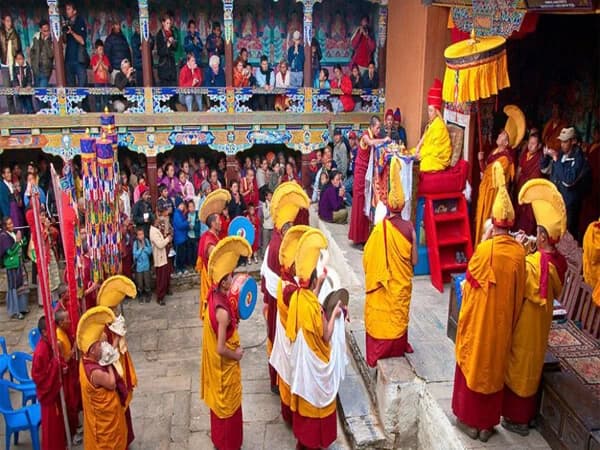
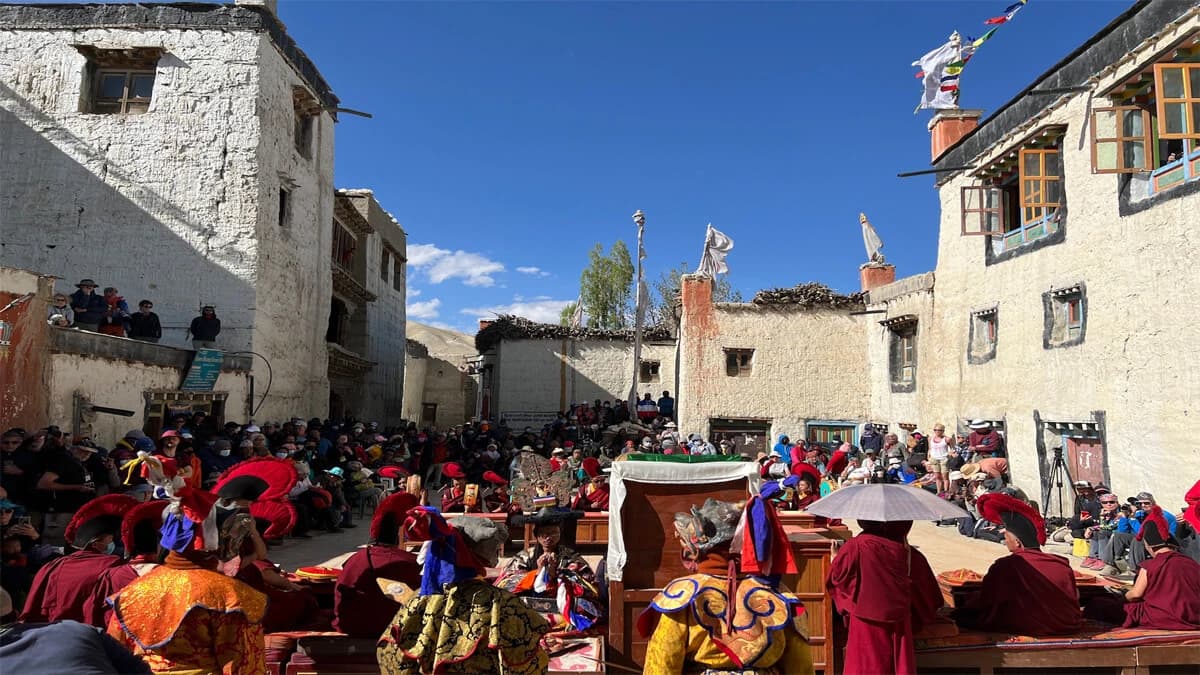
The Tiji Festival is a Buddhist ritual where monks wear masks, dance, and act out an old story about fighting off evil to save a kingdom. It sounds simple when you say it like that, but honestly, when you’re standing there watching it in Lo Manthang, it feels very different.

There is no tourist show feeling to it. No announcements, no nothing. It just happens the way it has been happening for generations. And that's what something draws people towards this restricted region tour of Nepal.

Where is Upper Mustang and why is it restricted?

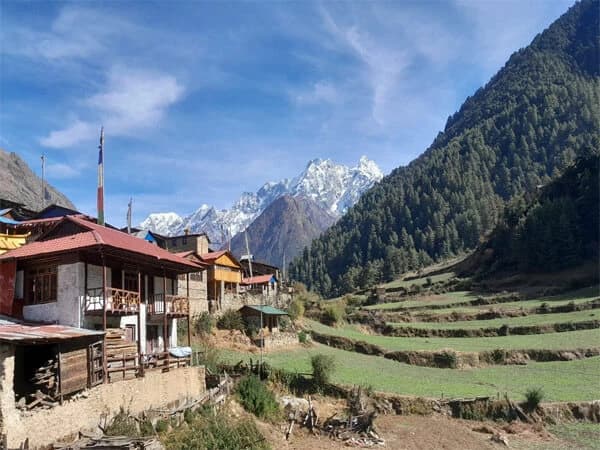
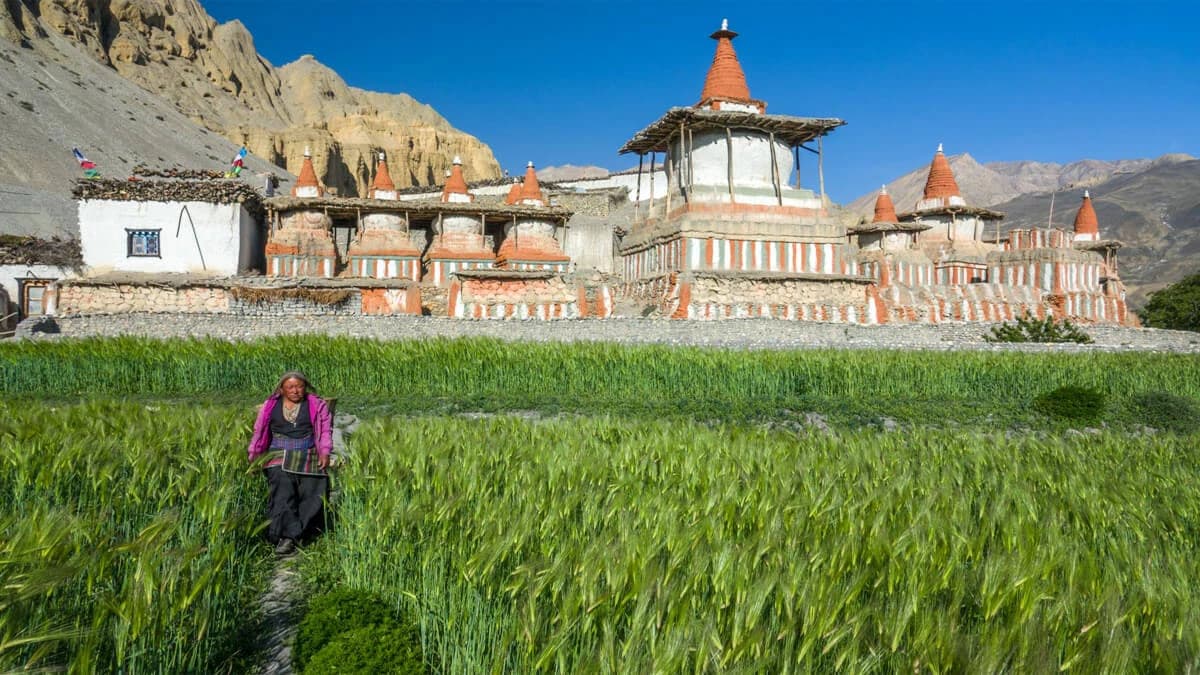
Upper Mustang is in the far north of Nepal, right next to Tibet. The landscape is dry and almost desert like, which surprises a lot of people because they expect greenery and mountains when they think of Nepal. The main place people visit here is Lo Manthang, a historic walled town with strong Tibetan culture.

This is exactly why the Upper Mustang tour is not a normal trip. It is a restricted area trekking and jeep tour destination, which means you cannot enter freely. The government requires a special permit and a licensed guide for all visitors.

The reason it is restricted is very obvious. It helps to protect the local culture, the unique environment, and also controls tourism as the region is very close to the border area. Because of these rules, the Upper Mustang tour cost is higher compared to other trekking routes in Nepal.

Hold on, don't get scared yet, while the cost might be more on the expensive side, you are guaranteed to have the most unique experience of your life.

About Tiji Festival in Upper Mustang

The Tiji Festival is a three day long Buddhist festival held every year in Lo Manthang, which is the main town in Upper Mustang. If you’re looking into an Upper Mustang Tiji Festival tour in Nepal, this is the main reason people plan their trip around this time.

The name “Tiji” comes from a Tibetan phrase Tenpa Chirim. In simple terms, it’s about prayers for peace, protection, and keeping balance in the region. The whole festival is based on the story of Dorje Jono, a figure who defeats a demon that causes drought and trouble. Because of that, locals see the festival as something important for the well being of their land and community, not just a yearly event.

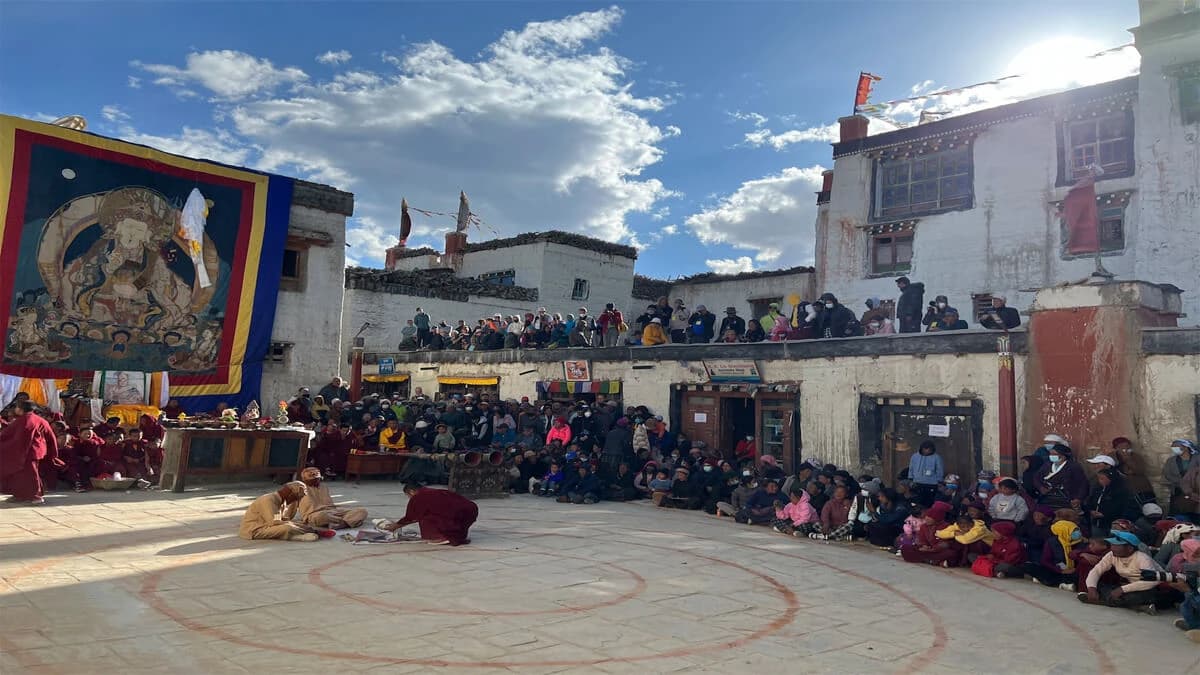
Even though the Upper Mustang Tiji Festival has become more popular with travelers, it hasn’t turned into a staged show. People still come from nearby villages to attend, sit around the courtyard, talk, watch the rituals, and be part of it in their own way. You will see visitors there, but the festival itself is still centered around local belief and tradition.

What Happens During the Three Days of Tiji Festival in Upper Mustang Nepal?

This three day festival is a Vajrayana Buddhist ceremony held in Lo Manthang, which is the centre of the Lo Manthang festival tradition in Upper Mustang. It is part of the wider Upper Mustang festivals and is performed by monks through masked Cham dances and prayers. People usually discover it while looking into Upper Mustang festival tour, but in reality it is a deeply rooted cultural practice that has been followed for generations by the locals.

Day 1 of Tiji Festival 

The first day is basically the start of everything. Monks begin with prayers and the opening part of the story. The masked dances introduce the main theme, which is the arrival of imbalance and the beginning of Dorje Jono’s role in dealing with it.

It feels more like an introduction day and the rituals slowly starts to begin.

Day 2 of Tiji Festival

The second day is usually the most active one. The story moves into the main conflict between Dorje Jono and the negative force. Monks perform longer Cham dances, and you see more movement, chanting, and ritual action.

If you’re on a Upper Mustang Tiji Festival tour itinerary, this is the day most people remember the most because there’s simply more happening throughout the day.

Day 3 of Tiji Festival

The last day wraps everything up. The ritual reaches its end with the symbolic defeat of the negative force. After that, the focus shifts to prayers for peace, protection, and good fortune for the coming year.

It’s basically the closing of the festival and the completion of the three day ritual cycle.

How to Get To Upper Mustang?

To reach the Tiji Festival in Lo Manthang, most travelers start from Kathmandu and go to Pokhara first by flight or road.

From Pokhara, your next stop will be Jomsom. You can take a short mountain flight if the weather is good, but you must be prepared for the delay that might happen, so some people also choose to go by jeep. Upper Mustang Jeep tour is also a popular choice of the travelers wanting to travel to Upper Mustang.

From Jomsom, the journey then moves forward by jeep into Upper Mustang. The road is rough and mostly off road, which passes through dry landscapes and small villages before reaching Lo Manthang.

Solo travel is now allowed in Upper Mustang, but a restricted area permit is still required to enter. Many travelers prefer joining a Lo Manthang cultural festival tour along with their Upper Mustang Restricted region trek as a part of their plan.

9 day Upper Mustang Tiji Festival Tour Itinerary (Starting and Ending in Pokhara)

Day 1: Fly / Drive to Pokhara (Elevation 820m)10th May 2026

Day 2: Drive to Tatopani (Elevation 1,190m) 11th May 2026

Day 3: Jeep drive to Kagbeni via Muktinath (Elevation 3,800m) 12th May 2026

Day 4: Drive to Charang (Elevation 3,570m) 13th May 2026

Day 5: Drive to Lo Manthang and first day of Tiji Festival (Festival Start) 14th May 2026

Day 6: Second day of Tiji Festival 15th May 2026

Day 7:  Third day of Tiji Festival (Festival End) 16th May 2026

Day 8: Drive back to Jomsom 17th May 2026

Day 9: Drive back to Pokhara 18th May 2026

Permits Required for Upper Mustang Tiji Festival Tour

The necessary permits are the Upper Mustang Restricted Area Permit and the Annapurna Conservation Area Permit (ACAP) to enter Upper Mustang and reach Tiji Festival in Lo Manthang.

The Restricted Area Permit is required for all foreign travelers, and ACAP is needed for the Annapurna region section of the route. These permits can also be arranged by us, Nepal Trekking Routes, as part of an Upper Mustang tour or Lo Manthang cultural festival trip.

What to Expect During the Upper Mustang Tiji Festival Trip

Reaching the Tiji Festival in Lo Manthang isn’t a smooth point A to B kind of trip. Once you’re heading into Upper Mustang, the road itself becomes part of the experience, and honestly, it’s not an easy one.

After Jomsom, the road gets rough in a proper way.  It’s mostly jeep travel on off road tracks, and timings don’t really stay fixed because road conditions and local movement can affect the route, especially around the Tiji Festival in Lo Manthang when more travelers are heading up.

There isn’t a tight travel system here like in normal tourist areas. Things run on local availability, whether it’s transport, stops, or where you end up staying each day.

For anyone on a Mustang jeep safari trip, the festival is really the main highlight, and everything else around it is just simple travel through a very remote part of Nepal. Be prepared for that.

Upper Mustang Tiji Festival Tour Cost

As we have mentioned above, the Upper Mustang Tiji Festival tour cost is slightly on the higher side than that of other treks in Nepal. A guided trip usually falls around USD 2,000 to 3,500 per person, depending on the itinerary, group size, and services included.

Most of the cost goes into permits, jeep transport from Kathmandu, guide service, and basic accommodation on the way to Lo Manthang in Upper Mustang. For the Tiji Festival, most travelers go with a Mustang jeep tour package since it is the most practical way to reach the region.

During the festival period, prices can go slightly higher because accommodation in Lo Manthang is limited and demand increases.

In simple terms, a Tiji Festival Nepal package is more expensive than many other Nepal treks, mainly due to the remoteness rather than comfort or luxury.

Who Should Go for the Upper Mustang Tiji Festival Tour?

The Tiji Festival in Lo Manthang is not really a comfort style holiday if you think throughly. It works better for people who don’t mind long hours on the road and simple conditions in Upper Mustang.

Honestly, it’s more for travellers who care about the experience itself, the culture, the old Tibetan influenced villages, the festival in the courtyard, and less about smooth travel or nice facilities. Most of it is jeep travel on rough roads, so you just have to be okay with that part.

This restricted region tour in Nepal suits people who are flexible with plans and don’t get too stressed if things shift a bit during the journey. So are you suitable for it?

Why Book with Nepal Trekking Routes?

We are a local company, so we know how travel really works in Nepal, especially in remote areas like Upper Mustang. Booking with Nepal Trekking Routes means you don’t have to deal with permits, transport, or route confusion for the Tiji Festival trip.

Everything is arranged in a simple way from Kathmandu to Lo Manthang, based on real road conditions and timing, so the journey stays practical yet fun.

Itinerary

This is an 11-day Upper Mustang Tiji Festival itinerary 2026 covering travel from Kathmandu to Upper Mustang and Lo Manthang.

The main part of the trip is the Tiji Festival in Lo Manthang along with a jeep journey through Mustang villages and landscapes, followed by the return to Kathmandu.

Nepal Trekking Routes can also arrange extra tours or customize the trip based on your requirements and interests.

Trip PlanExpand All

Welcome to Nepal. Upon your arrival at Tribhuvan International Airport in Kathmandu, a representative from Nepal Trekking Routes will be there to welcome you and assist with your transfer to the hotel.

After your check in, you will have time to rest after the journey. Later, a short briefing will be given about the Upper Mustang tour and the Tiji Festival in Lo Manthang. Overnight.

This day is set aside to sort out everything before heading toward Upper Mustang.

Permits for the Tiji Festival are finalized, and the team from Nepal Trekking Routes will go over the route, travel days, and basic conditions you will face on the way to Lo Manthang.

You’ll also go through your bags and gear properly. This is the practical checkpoint where you adjust what you’re carrying based on the actual route, not guesswork. No sightseeing is planned. The focus stays on getting ready for the journey ahead.

You leave Pokhara early and follow the road toward Tatopani. The first part of the drive is on a proper highway, but after a few hours the road starts to change, becoming narrower and uneven in parts.

The route follows the Kali Gandaki corridor, passing through small villages and roadside stops where vehicles usually take short breaks. The drive is not difficult, but it takes time because of road conditions and traffic along the way.

By the time you reach Tatopani, the surroundings start to feel a bit different as you move closer toward the Upper Mustang route.

You leave Tatopani and continue the drive toward Kagbeni, passing Muktinath on the way. The road starts to feel rough in many parts, and the drive becomes slower compared to the previous day.

As you go higher, the surroundings begin to change. There are fewer trees, and the area starts to look more dry and open. After Muktinath, you drive down to Kagbeni. This is the point where the Upper Mustang journey begins, and you stay here for the night.

You leave Kagbeni and continue further into Upper Mustang. Permits are checked at the entry point before moving ahead.

The road is mostly off road from here, with dry trails, loose stones, and some narrow sections along the way. The drive is not fast, and you will spend most of the day inside the jeep with a few short stops in between.

Charang is a quiet place compared to the lower areas, and you reach there by late afternoon for the overnight stay.

You leave Charang and continue the drive toward Lo Manthang. The distance is not very long, but the road is still rough, so it takes a few hours to reach.

After arriving, you check in and then head toward the main square where the Tiji Festival begins. Locals gather around the courtyard, and the first day of the festival starts with traditional performances and rituals.

You spend the rest of the day around the festival area before returning to your lodge in Lo Manthang.

The day is spent in Lo Manthang for the second day of the Tiji Festival.

The main courtyard becomes active again as monks continue the rituals and masked dances. Visitors and locals gather around the same area, and most of the time goes into watching the performances and moving around the town.

There is no travel planned today. You stay in Lo Manthang and attend the festival at your own speed and interest.

You spend the final day in Lo Manthang for the last part of the Tiji Festival.

The courtyard activity continues with the closing rituals and final masked dances. The atmosphere feels more settled compared to the earlier days, as the festival slowly comes to an end.

By the end of the day, the main events are completed and preparations for departure begin in the background.

You leave Lo Manthang after the Tiji Festival ends and begin the return journey toward Jomsom.

The drive follows the same Upper Mustang route back. It is a long day on the road with some rough sides of the road and short stops along the way for rest. By late afternoon or evening, you reach Jomsom and stay overnight.

Today you will leave Jomsom and travel back toward Pokhara.

The journey follows the same route down the Kali Gandaki valley. The road becomes easier in some parts, but it is still a full day of travel with stops along the way for rest.

By evening, you arrive in Pokhara and check into your hotel. Overnight.

Today you will leave Pokhara and return to Kathmandu. If you take a flight, it is a short trip and you reach Kathmandu quickly. If you travel by road, it takes most of the day with traffic and stops along the highway.

By the time you arrive in Kathmandu, the Tiji Festival journey is complete and the Upper Mustang trip comes to an end. Thank you for choosing us.

Plan An Amazing Private and Tailor-Made HolidaysNot satisficed with this itinerary? Share your idea with our travel Expert. We make your dream come true.
Customize Trip
Essential Information

Best Season for the Upper Mustang Tiji Festival Tour

The Tiji Festival in Lo Manthang takes place every year in May in Upper Mustang. The exact dates change slightly because it follows the Tibetan lunar calendar, but it always falls around May.

Upper Mustang Festival Trip in Spring

Spring is the main season because the Tiji Festival happens in May. This is when most travelers plan their Upper Mustang cultural tour. Routes from Jomsom to Upper Mustang are very active during this time.

Upper Mustang Cultural Tour in Summer

Summer comes right after the festival season. Some people still visit Upper Mustang, but the Tiji Festival is already over by this time. Travel is still possible, but it is not the festival period. So if you are traveling thinking you'll witness the famous festival then this is the wrong time. 

Upper Mustang Travel in Autumn

Autumn is not related to the Tiji Festival. It is more for general travel and a quiet Lo Manthang cultural tour without festival activities. But if you want to visit Upper Mustang normally, the weather favors for the best Upper Mustang Trek packages.

Upper Mustang Visit in Winter

Winter is not suitable for Upper Mustang travel. Most routes toward Lo Manthang are difficult, and Upper Mustang festival Nepal trips are not planned during this season. It gets really cold in this region so much restricted region treks also don't take place during this time.

Accommodation during the Upper Mustang Tour 

During the Tiji Festival in Lo Manthang, places to stay inside Upper Mustang are limited to small local lodges and family run guesthouses. There is no hotel system here like in bigger cities.

Inside these lodges, rooms are very basic with twin beds and simple bedding. In Lo Manthang especially, facilities stay minimal and can feel tight during the festival period because of the number of visitors coming for the Lo Manthang festival.

You also don’t really pick from options on the spot in many cases. If you’re late, you just take what’s available, which is why Upper Mustang cultural tour bookings are usually sorted ahead of time.

Once you’re back in Kathmandu or Pokhara, it’s the opposite situation. There you’ll find proper hotels, more comfort, and plenty of options before or after heading into Upper Mustang.

Food and Local Dishes in Upper Mustang Tour

During your Upper Mustang stay, small lodges and local kitchens just cook what they normally cook for everyone in the village.

Dal bhat is the main meal almost everywhere. After that, you’ll keep seeing thukpa, momo, Tibetan bread (tingmo), and simple potato dishes. In some places, especially older style homes, you might also come across butter tea or tsampa, but it depends on the household and what’s available.

During the Lo Manthang festival days, there isn’t a special festival menu or anything like that. It’s just more people eating the same simple food, and kitchens trying to keep up with demand.

If you’re coming for an Upper Mustang cultural tour, the food won’t really change much day to day, so it’s better to just expect simple village style meals throughout the trip.

How Difficult is the Upper Mustang Trip?

The trip to Upper Mustang is not difficult in terms of trekking, but it does take time and patience. Most of the journey is done by jeep, and the road from Pokhara and Jomsom to Lo Manthang is long and rough in many places.

When people talk about Upper Mustang jeep tour difficulty they are mainly talking about the long time they spend on the road. You can be inside a jeep for most of the day and the ride can feel tiring and your body might start to ache because the road keeps changing from normal tracks to off road paths.

Lo Manthang is also at high altitude around 3,800 meters. It is not that extreme in terms of altitude but some people may feel a bit tired or slightly uncomfortable at first.

You do not need trekking experience for an Upper Mustang cultural tour. Normal fitness is enough, but you should be ready for long travel days for sure.

What to Pack for the Tiji Festival in Upper Mustang?

When you think about packing, don’t imagine light clothes like you’d wear in a city or see in movies. In Upper Mustang, especially during the Tiji Festival in Lo Manthang, it’s more practical than that.

A warm jacket ends up being used more than you expect. Even in May, mornings and evenings can feel quite different, so people usually just layer up instead of planning outfits.

Shoes don’t need to be anything special, but they should be sturdy in which you can walk comfortably on dusty paths around villages and the festival area. That’s basically most of the walking you’ll do.

A small day bag becomes the thing you carry around all day during the Upper Mustang tour route. It just makes life easier instead of opening your main bag again and again.

A power bank is useful too because charging in some lodges on the Tiji Festival Nepal route isn’t always steady.

Most people end up using the same few things every day anyway, and half the stuff they packed just stays untouched in the bag.

How should I manage money during the Upper Mustang Tiji Festival trip?

It’s best to carry enough cash before entering Upper Mustang because ATMs and card payments are not reliable in most areas.

For the Tiji Festival trip, keep small amounts for daily use since expenses like food, water, and basic services are usually paid in cash in places like Lo Manthang.

Also keep money safely split in different places, so you don’t depend on one wallet during the journey.

Do I really need a guide for the Upper Mustang Tiji Festival trip?

Yes, you do. You can’t go into Upper Mustang on your own anyway because it’s a restricted area, and permits only work through a registered guide and agency like us.

For the Tiji Festival in Lo Manthang, a guide also helps keep things simple. The roads are rough, timings can change, and it’s not a place where you can easily manage things on your own.

So it’s not really optional. That’s just how travel works in Upper Mustang.

Can I do the Upper Mustang trip without experience?

Yes, you can. This isn’t the kind of trip where you need trekking skills or mountain experience. In Upper Mustang most of the journey happens in a jeep not on foot so it’s more about sitting through long drives and adjusting to the landscape slowly changing outside your window.

For the Tiji Festival in Lo Manthang what really matters is patience. Roads get rough days feel long and things are simple once you are inside the region. But that is also the point it is not polished travel it is real and a bit raw and even first timers handle it fine if they just go with the flow.

Travel Tips for Upper Mustang Tiji Festival Tour

As you get closer to the Tiji Festival in Lo Manthang, travel inside Upper Mustang becomes more simple and basic, so if possible, plan a little.

  • The drive from Jomsom to Lo Manthang can take longer than expected because of road conditions and jeep traffic during festival time.
  • Flights to Jomsom from Pokhara may get delayed or cancelled, so some travelers switch to jeep travel if needed.
  • Accommodation in Lo Manthang is limited, so it is better to book early during the festival period. Some people may need to stay in nearby villages if rooms are full.
  • Once you are in Upper Mustang, there are no nearby towns with more hotel options, so everything depends on local availability.
  • Carry cash for small expenses like tea, snacks, and local services, as card payment is not common in the region.
FAQs

The Tiji Festival is held in Lo Manthang, which lies inside the restricted region of Upper Mustang. It is a three day Buddhist festival performed in the main courtyard of the town monastery.

The journey usually starts from Kathmandu to Pokhara, then either a flight or drive to Jomsom. From Jomsom, you continue by jeep through Kagbeni, Chele, and other Mustang villages until you reach Lo Manthang. It is a full road based journey once you enter the Mustang region.

Yes, Upper Mustang is a restricted area, so you need a special restricted area permit along with ACAP (Annapurna Conservation Area Permit). These are arranged before entering the region and are checked at different points during the trip.

The festival usually takes place in May and lasts for three days in Lo Manthang. In 2026, it is expected around mid-May, and most travel itineraries are planned around these dates.

Yes, Nepal Trekking Routes can customize the Upper Mustang itinerary based on your time, travel style, or group size. Extra stops, shorter drives, or additional cultural tours in Nepal can also be arranged if needed.

Some parts of the journey go above 3,500 meters, including Lo Manthang. Most people may feel mild effects like tiredness or shortness of breath, especially at first. Taking it slow and staying hydrated usually helps.

The entire Upper Mustang journey is mainly done by jeep after Jomsom. Roads are rough in many sections, so 4WD jeeps are used for safety and practicality.

No trekking experience is needed because this is mostly a jeep based tour. The trip is more about long travel hours and adjusting to remote conditions rather than physical trekking.

The Tiji Festival is a traditional Buddhist celebration that includes masked dances and rituals performed by monks. It is one of the most important cultural events in Upper Mustang and reflects centuries old Tibetan Buddhist traditions.

20 years of Adventure
Why Travel with Nepal Trekking Routes?
We Care for Your Safety
Nepal Trekking Routes always focus on safety, and satisfaction of our valued clients. Our Trekking guides are highly experienced and trained to operate various group trekking trip in high Himalaya.
Provide Financial Protection
NTR prioritize healthy financial safety for clients, ensuring proactive safeguarding of client interest. Our commitment strengthens our role as trusted partners maintaining standards with dedication and Excellence.
100% Local Guide
100% Local Guide
Traveler looking for experience authentic insights through trekking in Nepal NTE offer your 100% local guide who help you to experience unique perspective ensuring and enriched journey customize to your interest.
Personalized Service
We always provide one guide and one porter to two guests in order to meet our standard of providing standard service. Impeccable hospitality and quality services are guaranteed while traveling with us.
Know More
Book Now