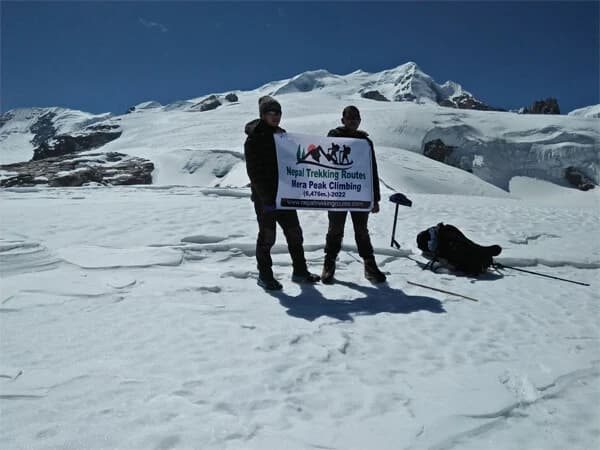
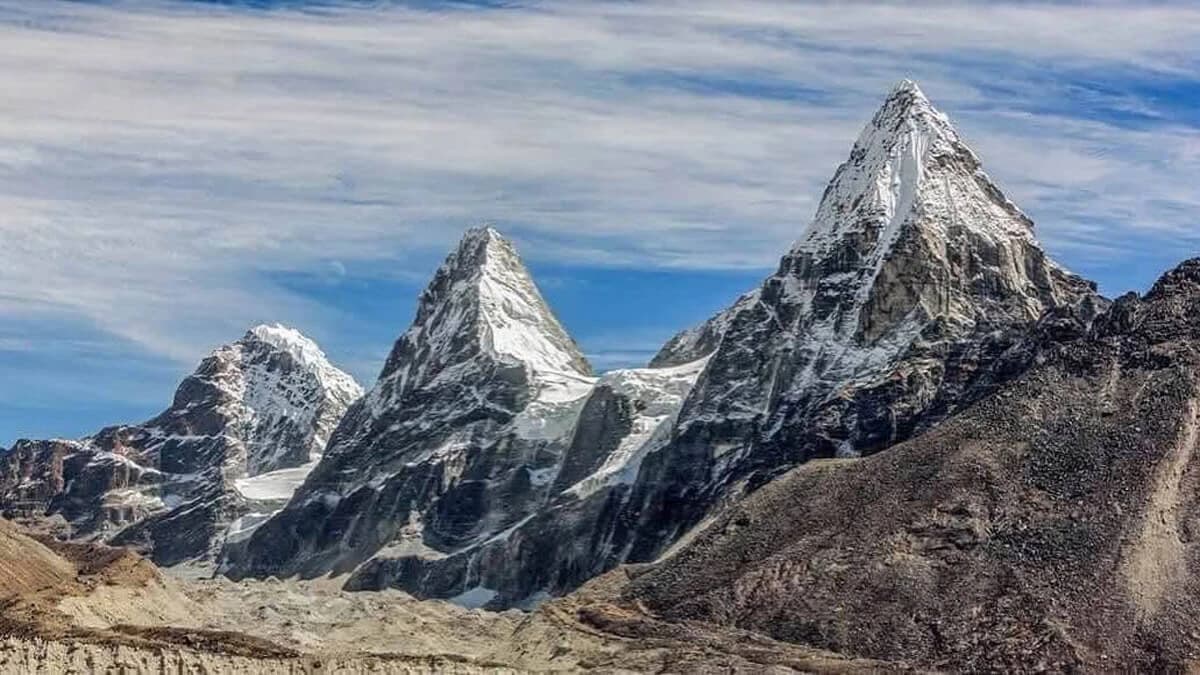
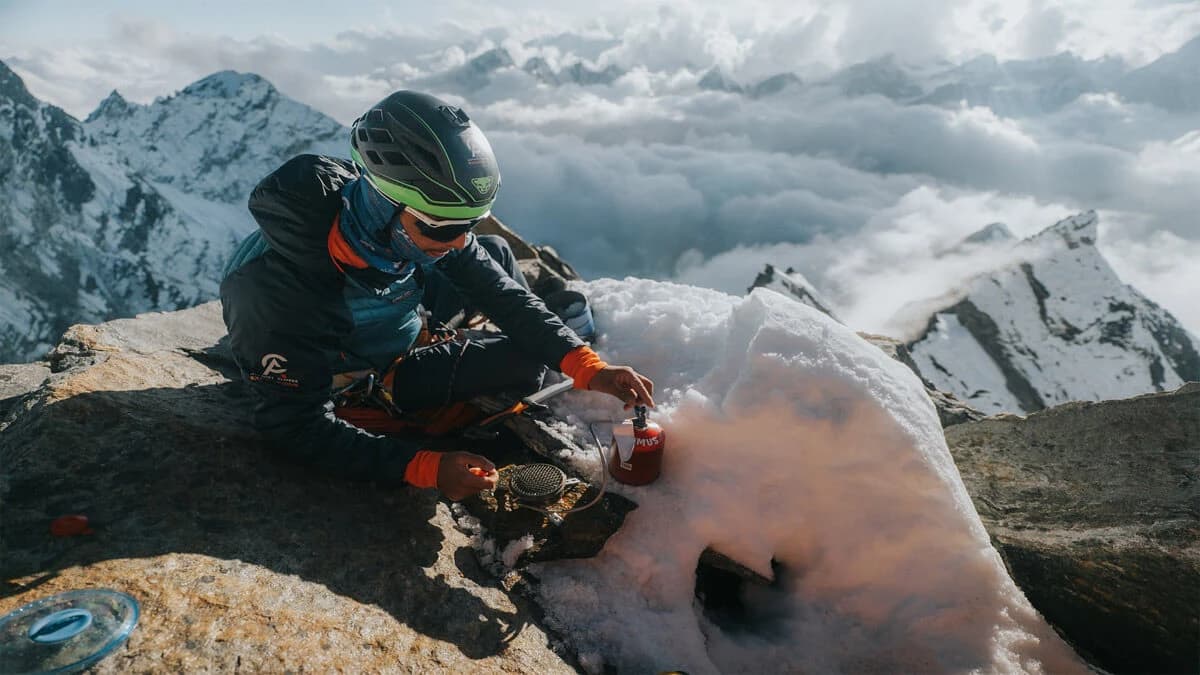
Mount Nirekha Peak Climbing is a lesser-known trekking peak in Nepal standing at 6,159 meters. It is ideal for trekkers seeking a real Himalayan adventure with snow slopes, ice sections, and breathtaking mountain views. Unlike easy walk-up peaks, Nirekha is moderately challenging which provides a true climbing experience.
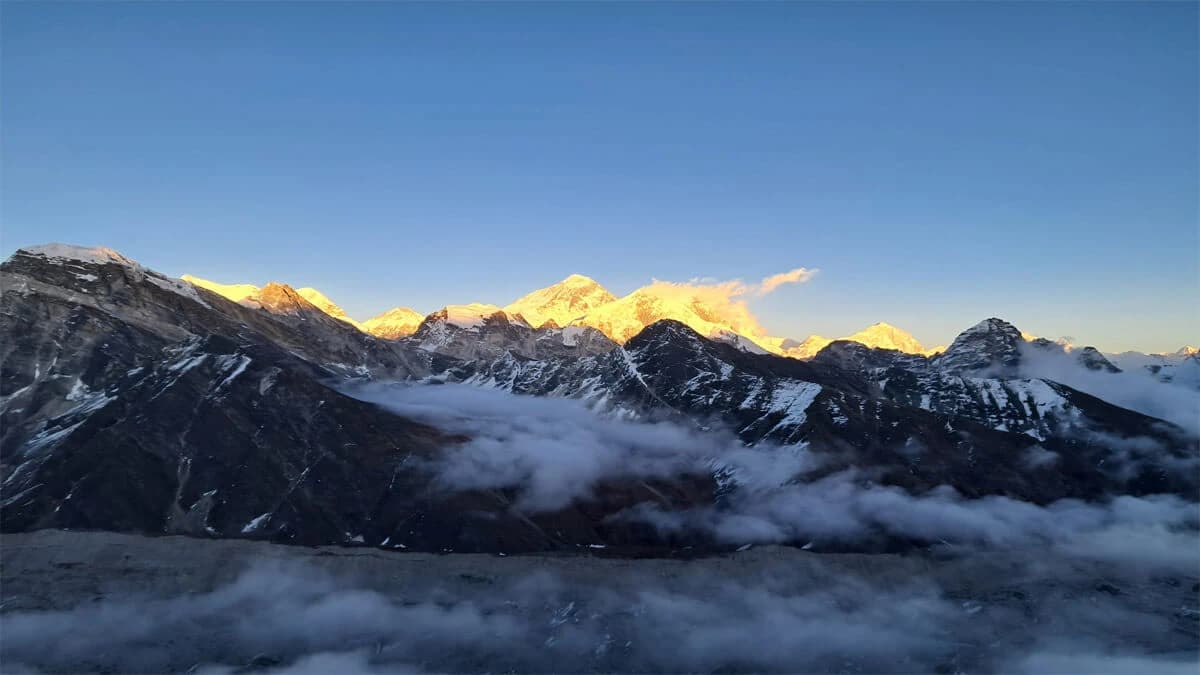
The journey starts with taking a scenic flight to Lukla and continues by trekking through the beautiful Khumbu Valley. Along the way, you pass through Namche Bazaar to adjust to the altitude. Then the trail continues through Dole and Machhermo before reaching the peaceful Gokyo Valley. From here, you can enjoy amazing views of Everest, Lhotse, Makalu, and Cho Oyu.
Nirekha Peak attracts fewer climbers than popular peaks likeIsland Peak or Lobuche, so that you can enjoy more peace and solitude. During the trek, you’ll experience Sherpa culture in traditional villages, cross glaciers, walk through alpine landscapes, and explore pristine forests and serene lakes. You need to move over snow and ice to reach the Nirekha Peak but still manageable for people with some experience. After reaching the top and enjoying panoramic views, you descend along the same route. This journey combines adventure, culture, and stunning scenery making it a truly unforgettable Himalayan experience.
Major highlights of Mount Nirekha Peak Climbing
Mount Nirekha Peak provides an exciting adventure for those who want to explore the Everest region while avoiding heavy crowds. The climb combines high-altitude trekking with technical mountaineering and allows climbers to gain experience on snow and ice in a quiet and remote setting.
The journey to Nirekha Peak goes through stunning alpine scenery, glaciers, and traditional Sherpa villages, adding cultural richness to the trek. With breathtaking mountain views and a well-balanced level of difficulty, the climb gives both a physical challenge and amazing sights.
- Climb Mount Nirekha Peak (6,159 m) and enjoy amazing views of the Himalayas.
- See breathtaking mountains like Everest, Lhotse, Makalu, Cho Oyu, and nearby peaks
- Take a less crowded route than Island Peak and Lobuche Peak
- Perfect mix of adventure and climbing challenge for adventure.
- Trek through the beautiful Everest (Khumbu) region
- Walk on snow, ice, and glaciers during the climb
- Visit traditional Sherpa villages and learn about local culture
- Reach the peak via classic Everest Base Camp or Gokyo trekking routes
- Enjoy a quiet alpine environment with stunning glaciers and mountain landscapes
Why Choose Mount Nirekha Peak Climbing?
Climbing Mount Nirekha Peak is a great choice for those who want a quieter and more real Himalayan experience. Compared to other popular trekking peaks in the Everest region, Nirekha Peak has fewer climbers which allows you to enjoy the mountains in peace. The route has a steady ascent, giving you a good chance to adjust to the altitude before reaching the summit.
One of the main features of Nirekha Peak is the amazing mountain scenery. From the summit and along the route, climbers can see spectacular views of Everest, Lhotse, Makalu, Cho Oyu, and Ama Dablam. The climb suits people with basic mountaineering experience. It combines high-altitude trekking with some technical sections on snow and ice which provides both challenge and skill improvement.
The journey to Nirekha Peak also allows visitors to experience local culture. Along the route, you will pass through traditional Sherpa villages, see ancient monasteries, and observe daily life in the high mountains. The mix of natural beauty and cultural experience makes this climb a memorable adventure in the Himalayas.
Best Season for Nirekha Peak Climbing
The best time for Nirekha Peak climbing is during the spring season (March to May), when the weather is generally stable and the mountain conditions are ideal, Clear skies, moderate temperatures make spring a popular season for successful summit attempts. Autumn (September to November) is another favorable time which has crisp weather, excellent visibility, and less snowfall on the climbing route.
During winter, extremely cold temperatures and heavy snow can make climbing more challenging, while the monsoon season brings rainfall, cloud cover, and slippery trail conditions. Although off-season climbing is possible for experienced climbers, spring and autumn remain the safest and most enjoyable seasons for a Mount Nirekha Peak expedition.
Difficulty Level and Technical Requirements
Mount Nirekha Peak (6,159 m) is considered a moderately challenging peak that combines high-altitude trekking with basic technical climbing. While it is less technical than peaks such as Lobuche East, climbers will still encounter challenges including thin air, glacier travel, snow-covered slopes, and variable mountain conditions.
Nirekha Peak is well suited for climbers who have some prior mountaineering or high-altitude trekking experience and are looking to build technical skills while enjoying a rewarding Himalayan adventure without extreme technical difficulty.
Glacier travel and crevasse (crack) crossing
During the climb of Nirekha Peak, you will need to travel across glaciers. Glaciers are large rivers of ice that slowly move and can have deep cracks called crevasses. These cracks may be hidden under snow, so careful movement is very important.
You will travel on the glacier while roped together with your guide and team. This helps keep everyone safe and allows quick rescue if someone slips. Your guide will show you how to walk properly on ice using crampons and how to keep the rope tight and balanced.
For crevasse crossing, your guide will first check the area to find the safest place to cross. In some sections, ladders or fixed ropes may be used to cross wider crevasses. You will learn how to step carefully, maintain balance, and follow your guide’s instructions closely.
Fixed rope sections
Certain sections near the summit involve fixed rope climbing. In these areas, fixed ropes are set on steep snow or ice slopes to improve safety and stability during the ascent. Climbers will use a climbing harness, safety carabiners, and ascenders (jumars) to move securely along the rope.
Your guide will instruct you on proper rope-handling techniques, including how to clip in, move safely, and maintain balance while ascending or descending. These sections require careful movement, focus, and confidence, but the fixed ropes provide strong support and added security on exposed terrain.
Training on the use of harnesses and ascenders will be provided at base camp before summit day to ensure you are comfortable and prepared for these protected climbing sections.
Ice and snow climbing
The climb includes sections of ice and snow climbing, particularly above High Camp on the way to the summit. In these areas, climbers must use ice axes and crampons effectively to maintain balance and stability on steep slopes.
Proper posture, steady foot placement, and controlled movements are essential, as snow conditions can vary from hard ice to soft or powdery snow. Climbers must stay focused and follow the guide’s instructions closely while moving at a steady pace.
This part of the climb is physically demanding and requires good endurance, basic technical skills, and confidence in high-altitude, cold-weather conditions. Prior training and practice at base camp help ensure climbers are well prepared for these challenging sections.
Required prior experience
Prior climbing or mountaineering experience is important for safety and overall success on Nirekha Peak. Climbers who have previously completed trekking peaks, glacier travel, or basic mountaineering courses will find the ascent more manageable and enjoyable.
People without prior experience may find the technical sections, fixed rope climbing, and high-altitude conditions challenging. Therefore, prior preparation through guided training, mountaineering courses, or earlier high-altitude expeditions is strongly recommended before attempting Nirekha Peak.
Physical fitness expectations
A strong level of physical fitness is required for the Nirekha Peak expedition. Participants should be able to hike long distances for multiple days while carrying personal gear and remain active at high altitude. The ability to cope with altitude stress and recover well at higher camps is essential.
Good cardiovascular endurance, strong leg muscles, and overall stamina are critical, as the route involves long ascents, icy and uneven terrain, and changing mountain weather conditions. Proper physical conditioning not only increases safety but also ensures a more comfortable and enjoyable experience throughout the expedition.
Permits and Documents for Nirekha Peak Climbing
Mount Nirekha Peak climbing (6,159 m) requires several official permits to follow the rules, stay safe, and protect the environment in the Everest region. These permits are mandatory before starting the trek. Guides and trekking agencies usually help arrange all permits, making the process easier. Having all permits ready before the climb is important. Arranging them in advance prevents delays and ensures a safe, legal, and smooth expedition.
Nirekha Peak Climbing Permit
The Nirekha Peak Climbing Permit is issued by the Nepal Mountaineering Association (NMA) or the relevant local authority. This permit allows climbers legal authorization to ascend the peak and confirms that the journey follows Nepalese mountaineering regulations.
Securing this permit is an essential step for any Mount Nirekha expedition. It ensures that climbers are recognized by official authorities and that the ascent is recorded, which is important for both safety and legal compliance.
Sagarmatha National Park Permit
The Sagarmatha National Park Permit is required to enter the protected Everest region. This permit is part of Nepal’s conservation area to preserve the Himalayan environment, including flora, fauna, and glacial landscapes.
Holding this permit ensures that climbers contribute to environmental protection and follow park regulations. Rangers may check permits along the trail, and it is mandatory for trekking through areas like Namche Bazaar, Dole, Machhermo, and the Gokyo Valley.
Khumbu Pasang Lhamu Rural Municipality Permit
You will also need a Khumbu Pasang Lhamu Rural Municipality Permit, issued by the local government for trekking and climbing activities within its jurisdiction. This permit supports local communities and allows authorities to monitor trekking activities in the region.
It is required for all expeditions passing through villages and trekking routes in the Khumbu area. The permit also helps ensure that climbers respect local customs, settlements, and cultural heritage sites along the way.
TIMS (Trekking Information Management System)
The TIMS Card is applicable for trekkers and serves as a registration system for safety and tracking purposes. It allows authorities to monitor trekkers in the Everest region and assist in emergencies.
Having a TIMS card is strongly recommended for safety and regulatory compliance. It adds an additional layer of protection and ensures that trekkers are officially registered with the Nepalese trekking authorities.
Equipment and Packing List
It’s also important to pack strategically, balancing weight and necessity. Avoid overpacking by prioritizing essential gear and clothing first, and only bring extra items if they genuinely add value to your safety or comfort. Organizing your gear in waterproof bags can protect it from snow, rain, or accidental spills which keeps everything in good condition throughout the climb.
Additionally, double-checking and testing your equipment before the expedition can save a lot of trouble on the mountain. Make sure boots fit well, crampons are secure, and climbing ropes and harnesses are in good condition. Practicing setting up tents, stoves, and other group gear ahead of time ensures everyone knows how to use them efficiently, which reduces stress and keeps the team safe during the climb.
Personal Climbing Gear
Having your own reliable climbing gear is essential for Mount Nirekha. Key items include a climbing harness, helmet, carabiners, ropes, crampons, and ice axes. A sturdy backpack will help you carry your personal items comfortably, making your climb safer and more efficient.
Group Climbing Equipment
Some equipment can be shared with your team to reduce weight and cost. Items like tents, cooking stoves, ropes, and first-aid kits are often shared among climbers. Planning and coordinating with your group ensures nothing important is left behind and everyone stays safe during the climb.
Trekking Gear
Good trekking gear is a must for long approaches and high-altitude trails. Invest in durable trekking boots, trekking poles, and a waterproof daypack. Additional essentials such as a headlamp, water bottles, and navigation tools will make your journey smoother and more enjoyable.
Clothing for High Altitude
Layering is key when dealing with unpredictable mountain weather. Thermal base layers, insulating mid-layers, waterproof jackets, gloves, and hats will help you stay warm and dry. Don’t forget sunglasses to protect your eyes from snow glare and strong sunlight at high elevations.
Optional Gear Recommendations
Certain items can make your trek more comfortable or convenient. Gaiters protect your legs from snow and debris, portable chargers keep your devices powered, and extra snacks provide energy on long days. A camera is optional, but capturing the stunning views is always rewarding.
Training and Preparation Tips
Climbers should also pay attention to nutrition and hydration during their preparation. Eating a balanced diet rich in proteins, complex carbohydrates, and healthy fats helps build strength and endurance, while staying properly hydrated ensures your body can cope with the stress of high altitudes. Practicing good nutrition habits during training and smaller treks can make a noticeable difference in energy levels and recovery during the actual climb.
Another important aspect is acclimatization. Spending time at higher altitudes before attempting Nirekha allows your body to adjust gradually to lower oxygen levels, reducing the risk of altitude sickness. Planning rest days, short acclimatization hikes, and listening to your body are all essential steps to stay healthy, safe, and ready to enjoy the climb to the fullest.
Physical Training Recommendations
To tackle Mount Nirekha, building your physical fitness is essential. Focus on stamina, leg strength, and core stability. Cardio exercises like running, cycling, and stair climbing will improve endurance for long treks, while squats, lunges, and core workouts strengthen the muscles used for climbing steep slopes. Regular training gradually increases your fitness and reduces the risk of fatigue or injury at high altitudes.
Technical Skills to Practice
Even if you’re new to climbing, practicing basic technical skills will make a huge difference. Learn rope handling, belaying, and ice-axe techniques before your climb, and try them on smaller peaks or in climbing gyms. This hands-on practice builds confidence, improves safety, and helps you react calmly in challenging situations on the mountain.
Mental Preparation
High-altitude climbing challenges more than just your body, it tests your mind too. Cultivate patience, focus, and resilience, and use techniques like visualization or mindfulness to manage stress, fear, and fatigue. Being mentally prepared helps you stay calm in difficult conditions and makes the climb more enjoyable, even when the weather or terrain gets tough.
Previous Climbs or Treks Recommended
Experience on smaller peaks or multi-day treks is highly valuable before attempting Nirekha. Completing moderate Himalayan climbs or challenging treks builds endurance, teaches important skills, and prepares you for high-altitude conditions. This prior experience makes the climb safer, more comfortable, and more rewarding, giving you confidence as you tackle your first technical summit.
Who Is Mount Nirekha Peak Climbing Suitable For?
Mount Nirekha Peak is ideal for beginner climbers who are ready to step into technical peaks. It provides a manageable yet challenging experience for those looking to move beyond regular trekking routes. At the same time, it’s perfect for experienced trekkers aiming for their first summit, providing a sense of accomplishment without the extreme crowds.
The peak also appeals to climbers who prefer quieter, less crowded routes, giving adventurers a more personal and peaceful experience in the Himalayas. For thrill-seekers exploring the Everest region, Nirekha combines high-altitude trekking with technical climbing, making it an exciting choice for those wanting both challenge and adventure in one journey.
Cost Details of Mount Nirekha Peak Climbing
The cost of Mount Nirekha Peak Climbing varies depending on the season, group size, level of support, and customization of the itinerary. On average, the total cost for this expedition ranges between USD 3,000 to USD 5,000 per person. This price generally covers permits, domestic flights, accommodation, meals during the trek, climbing guides, porter support, and essential group climbing equipment. Spring and autumn seasons may have slightly higher costs due to peak demand and permit fees. The final cost may increase or decrease based on additional acclimatization days, private climbing Sherpa support, or personal service preferences.
Conclusion: Mount Nirekha Peak Climbing
Mount Nirekha Peak provides a unique Himalayan adventure that perfectly balances challenge, beauty, and solitude. Standing at 6,159 meters, it provides climbers with the opportunity to experience high-altitude trekking, snow and ice climbing, and glacier travel without the crowds of more popular peaks like Island or Lobuche. The journey combines breathtaking mountain vistas, cultural encounters in Sherpa villages, and the satisfaction of developing climbing skills in a safe and well-structured environment.
Whether you are a beginner stepping or an experienced trekker seeking your first summit, Nirekha Peak delivers a rewarding and memorable experience. Proper preparation through physical training, technical practice, acclimatization, and careful equipment planning ensures that climbers can fully enjoy both the adventure and the spectacular Himalayan scenery. For anyone looking for a quieter, authentic Everest-region expedition with a mix of challenge, culture, and natural beauty, Mount Nirekha Peak is an ideal choice.