Monastery Circuit Trek

The Monastery Circuit Trek is a hidden gem that takes you deep into the solitary beauty of the Himalayas lies in lower solukhumbu districts of Everest region. Far from the crowded trails of popular trekking routes, this journey winds through remote villages, lush forests, and peaceful valleys, offering travelers a chance to experience the Himalayas in their purest form. From the moment you leave the bustling streets of Kathmandu, you are greeted with tranquil landscapes, flowing rivers, and panoramic mountain views that set the stage for an unforgettable adventure.

The trek is a cultural and spiritual exploration at its heart. Along the way, you’ll visit ancient monasteries, colorful prayer flags, and sacred meditation sites, immersing yourself in the Tibetan Buddhist heritage of the region. Friendly villagers welcome trekkers into their homes, providing a glimpse into traditional lifestyles that have remained unchanged for centuries. Every step of the trail reveals hidden Himalayan beauty and spiritual serenity, making it much more than just a trekking route, it’s a journey of the mind and soul.

Designed for travelers seeking moderate trekking with cultural immersion, the Monastery Circuit Trek is suitable for both beginners and experienced hikers. The trail includes rest and acclimatization days to ensure safety while allowing ample time to enjoy the scenery. From the quiet villages of Solukhumbu to the remote monasteries perched on hillsides, this trek promises a unique adventure filled with stunning Himalayan vistas, rich cultural encounters, and a peaceful escape into one of Nepal’s most enchanting regions.

Highlights of Monastery Circuit Trek

The Monastery Circuit Trek provides a unique experience that combines peaceful Himalayan landscapes with rich cultural and spiritual elements. Trekkers can enjoy beautiful mountain views, quiet trails, and visits to traditional monasteries along the route. The journey also passes through charming villages and scenic natural surroundings, making it a memorable trek for those who want to experience both the beauty of the mountains and the cultural heritage of the region.

  • Visit peaceful mountain monasteries and experience the calm spiritual atmosphere.
  • Walk along trails filled with colorful prayer flags, chortens, and mani walls.
  • Enjoy quiet trekking routes far from the busy and crowded trails.
  • See beautiful Himalayan mountain views and remote valleys.
  • Explore traditional villages where Tibetan-influenced culture is still preserved.
  • Hear the sound of prayers and witness daily rituals in ancient monasteries.
  • Experience a unique journey that combines nature, culture, and spirituality.

Monastery Circuit Trek Cost

The cost of the Monastery Circuit Trek generally depends on the length of the itinerary, services included, and the level of comfort chosen for the trip. On average, the trekking package ranges from USD 1,200 to USD 1,500 per person, which typically covers accommodation during the trek, daily meals, trekking permits, transportation, and the services of an experienced trekking guide.

The final price can vary based on factors such as group size, transportation choices, and additional support like porters or private vehicles. Some trekking packages may also include hotel accommodation in Kathmandu and sightseeing tours before or after the trek. However, personal expenses such as drinks, Wi-Fi, hot showers, travel insurance, and tips for guides and porters are usually not included in the package price.

Overall, the Monastery Circuit Trek offers a great balance of cultural experiences, monastery visits, and scenic Himalayan landscapes at a reasonable cost. Compared to many other long treks in Nepal, it provides an affordable opportunity to explore remote villages, spiritual sites, and beautiful mountain trails.

Monastery Circuit Trek Itinerary Overview

The Monastery Circuit Trek itinerary begins with your arrival in Kathmandu, where trekkers spend a day exploring the cultural landmarks and spiritual heritage of the valley. After sightseeing, the journey continues with a drive to Halesi, an important pilgrimage site known for its sacred caves and religious significance to both Hindus and Buddhists. 

A rest day here will allow trekkers to explore the temple area and prepare for the trekking journey ahead. From Halesi, the trek gradually moves through a series of remote villages and scenic landscapes, including Kharpa, Dumre, Harishe, Kurima, Chitre and Dimbul. The trail passes through forests, terraced hillsides and traditional settlements which provides a peaceful trekking experience away from crowded routes. Trekkers also take a rest day at Nirkum to relax and adjust to the trekking pace before continuing the journey through Shyara, Bung, Khiraule and Cherem while enjoying the natural beauty of the region.

As the trek continues, the route reaches culturally rich areas such as Kharikhola and Takshindu before visiting important Buddhist sites like Thupten Chholing Monastery. The trail then leads through Phaplu, Ngwar, Kilkurdding Gompa, and Tolu Gompa, where trekkers experience the spiritual side of Himalayan life. The final part of the journey passes through Patale and Rumjatar before returning to Kathmandu, bringing the Monastery Circuit Trek to a meaningful conclusion with both cultural and scenic memories of the Himalayas.

Required Permit for Monastery Circuit Trek

Trekking in this region of Nepal requires certain permits to ensure safety, conservation, and proper management of the trails. Trekkers typically need a Trekking Permit issued by the Department of Immigration and a Restricted Area Permit if the route passes through protected or restricted zones.

In addition, some areas may require a Local Conservation or Monastery Entry Permit, especially when visiting ancient monasteries or sacred sites along the trail. These permits help preserve the cultural and natural heritage of the region and support local communities. Permits can usually be arranged through trekking agencies or obtained in Kathmandu before the trek begins. It’s important to carry copies of all permits during the trek, as authorities may check them at various points along the trail.

Monastery Circuit Trek – Daily Distance, Duration, and Altitude

The Monastery Circuit Trek follows a well-paced route through the lower Solukhumbu region, with daily walking distances generally ranging from 8 to 12 kilometers and trekking hours of about 4 to 6 hours per day. The journey gradually moves through hills, forests, and traditional villages, allowing trekkers to adapt comfortably to changing elevations. Altitudes along the route range from around 1,400 meters in Kathmandu to approximately 3,100 meters at the highest points, making it a moderate trek suitable for many travelers.

Day Route Daily Distance Walking Duration Altitude
1 Arrive in Kathmandu - - 1,400 m
2 Sightseeing in Kathmandu - - 1,400 m
3 Kathmandu to halesi 220 km 8 - 9 hours 1,550 m
4 Halesi - Rest Day - - 1,550 m
5 Halesi to Kharpa      


What Travelers can Expect from Monastery Circuit Trek?

On the Monastery Circuit Trek, travelers can expect a unique blend of adventure, culture, and spirituality. Each day offers scenic mountain views, peaceful valleys, and quiet forest trails that make the journey both refreshing and inspiring. Along the way, trekkers will experience traditional village life, interact with friendly local communities, and see centuries-old monasteries where monks perform daily rituals.

The trek is designed to balance physical activity with cultural immersion. While moderate climbs and descents provide a rewarding trekking experience, plenty of rest days and scenic stops ensure travelers can enjoy the surroundings without feeling rushed. Expect to witness Himalayan peaks, colorful prayer flags, and serene landscapes that create a sense of calm and connection with nature.

Travelers can also look forward to authentic Nepalese hospitality, staying in local teahouses, sampling traditional foods, and learning about regional customs and traditions. Overall, the Monastery Circuit Trek offers an unforgettable journey for those seeking both adventure and cultural insight in the heart of the Himalayas.

Who the Monastery Circuit Trek is Suitable For?

The Monastery Circuit Trek is ideal for travelers who enjoy a combination of cultural exploration, spiritual experiences, and moderate trekking. It’s suitable for those who want to experience the Himalayan landscapes without taking on extremely strenuous high-altitude climbs, making it perfect for beginners to intermediate trekkers with a reasonable level of fitness.

This trek is also great for travelers who are interested in Tibetan Buddhist culture, monasteries, and remote villages, as much of the route passes through spiritual and traditional communities. Those who enjoy peaceful trails, nature, and photography will find the serene valleys, forests, and mountain views especially rewarding.

Families, solo travelers, and small groups who want a well-paced journey with rest days, cultural immersion, and moderate trekking distances will find this trek highly suitable. It offers a balanced mix of adventure, culture, and spiritual reflection in one of Nepal’s quieter Himalayan regions.

Why Choose the NTR Team for the Monastery Circuit Trek

Choosing the NTR (Nepal Trekking Routes) team for the Monastery Circuit Trek ensures a safe, well-organized, and memorable experience. Our team has extensive experience in the region, offering local knowledge, expert guidance, and logistical support that make every part of the trek smooth and enjoyable.

With NTR, travelers benefit from personalized itineraries, allowing you to adjust pace, rest days, and sightseeing to suit your preferences. Our guides are trained to provide insights into local culture, traditions, and monasteries, helping you connect more deeply with the spiritual and cultural aspects of the trek.

We also prioritize comfort and safety, arranging reliable accommodations, quality meals, and proper trekking equipment. From start to finish, the NTR team handles permits, transport, and on-trail support, so trekkers can focus on immersing themselves in the Himalayan scenery, villages, and monasteries without stress. Choosing NTR guarantees a professional, authentic, and unforgettable Monastery Circuit Trek experience.

Itinerary

This 26 days itinerary for the Monastery Circuit Trek is all about experiencing the best of Nepal’s mountains, culture, and spiritual sites at a comfortable pace. Each day brings something new to see, explore, and enjoy.

On the trek, you’ll pass through peaceful villages, quiet valleys, and beautiful forested trails. You’ll also visit ancient monasteries, witness daily rituals, and enjoy stunning views of the Himalayas. Every day offers a mix of natural beauty, local culture, and unique experiences that make the journey truly memorable.

Trip PlanExpand All

You arrive at Tribhuvan International Airport in Kathmandu and transfer to the hotel. After checking in, you can take some time to rest and recover from the flight while enjoying the lively atmosphere of the city. In the evening, you’ll meet a trekking guide for a short briefing about the Monastery Circuit Trek, review gear, and prepare for the journey ahead. If time allows, you can explore nearby streets, markets, and restaurants.

Today we explore the cultural and spiritual highlights of Kathmandu Valley. We visit famous heritage sites such as Swayambhunath Stupa, Boudhanath Stupa, and Pashupatinath Temple while learning about Nepal’s history, architecture, and Buddhist traditions. Walking through ancient courtyards, temples, and local markets gives us a deeper understanding of the culture we will encounter during the trek.

Today we begin our journey toward the eastern hills by driving to Halesi. The road passes through beautiful countryside landscapes with terraced fields, small rivers, and traditional villages. Along the way we enjoy views of rolling hills and rural life. By evening we reach Halesi, a sacred pilgrimage site known for the Halesi Mahadev cave temple, where both Hindus and Buddhists come to worship.

We spent the day exploring the spiritual surroundings of Halesi. Visiting the sacred caves and temples allows us to witness pilgrims performing rituals and prayers. We walk through the village, observe the peaceful environment, and take time to adjust to the local climate and elevation before beginning the trekking portion of the journey.

Today we begin our trek with a gentle walk through forested hills and farmland terraces. The trail leads us through quiet countryside paths and traditional settlements where local farmers work in their fields. Along the way we enjoy peaceful scenery and interact with villagers before arriving at the small village of Kharpa for our overnight stay.

We continue trekking through beautiful pine and rhododendron forests. The trail crosses small streams and gradual hills, offering views of the surrounding valleys. Walking through remote landscapes and scattered settlements gives us a sense of the peaceful Himalayan lifestyle before reaching Dumre, a quiet village surrounded by hills.

Today we follow a scenic trail through forests, farmland, and traditional villages. The peaceful environment and fresh mountain air make the trek relaxing and enjoyable. As we walk along narrow paths, we may see farmers tending crops and livestock grazing in the fields before arriving in Harishe.

We continue trekking through terraced farmland and hillside trails. Along the way we pass small settlements where villagers carry out their daily activities such as farming and animal herding. The gradual ascent offers occasional viewpoints of distant mountains before we reach Kurima.

Today’s trail leads us through forested paths and quiet rural landscapes. We walk along narrow mountain trails surrounded by green hills and peaceful valleys. Chitre is a small settlement where we spend the night while enjoying beautiful scenery and a calm mountain atmosphere.

We continue trekking through remote forest trails and small hamlets. The path is less traveled, allowing us to experience the untouched beauty of the region. It is surrounded by nature and occasional bird calls, and we reach the peaceful settlement of Dimbul.

Today we reached Nirkum and spent the day resting and acclimatizing. We explore the village and interact with local residents to learn about their culture and lifestyle. This rest day helps us relax and prepare for the upcoming days of trekking.

We resume trekking through scenic valleys and terraced hillsides. The route passes small rivers, forests, and traditional settlements. Along the trail we may see prayer flags and small shrines that reflect the spiritual traditions of the region before arriving in Shyara.

Today we trek toward Bung village along peaceful mountain trails. Bung is known for its Tibetan-influenced culture and traditional architecture. We observe colorful prayer flags, chortens, and local homes that give the village a unique cultural character.

We walk through pine forests and rural hillsides as we continue our journey. The trail offers beautiful natural scenery and quiet landscapes away from busy trekking routes. Khiraule is a peaceful village where we rest for the night.

Today’s trek passes terraced farmland, streams, and forest paths. Along the way we stop to observe local farming activities and village life. The surrounding hills and valleys create beautiful scenery as we reach Cherem.

We follow scenic trails through forests and villages until we arrive at Kharikhola. This is a larger settlement where we can see small markets, tea houses, and local shops. The lively environment offers a chance to interact with local residents and other travelers.

Today we walk along quiet forest trails and farmland paths toward Takshindu. The route offers peaceful views of surrounding hills and occasional mountain panoramas. Takshindu is known for its monastery, which reflects the spiritual culture of the region.

We continue trekking to the famous Thupten Chholing Monastery. This monastery is an important spiritual center where monks live and perform daily rituals. We explore the monastery complex, observe prayer ceremonies, and enjoy the peaceful atmosphere surrounded by mountains.

Today we descended along scenic trails toward Phaplu. The route passes villages, forests, and small rivers, offering pleasant walking conditions. Phaplu is a lively town where we can enjoy comfortable accommodation and interact with locals.

We continue trekking through quiet valleys and forested trails. Along the path we see farmland, small shrines, and traditional settlements. Ngwar is a peaceful village that offers a calm and relaxing overnight stop.

Today’s trek takes us to Kilkurdding Gompa, a remote monastery located on a hillside. The trail offers scenic views of valleys and distant mountains. Upon arrival we explore the monastery and enjoy the peaceful spiritual environment.

We continue walking through forests and open hillsides toward Tolu Gompa. The trail is quiet and scenic, allowing us to fully appreciate the natural beauty of the region. The monastery provides a peaceful setting for reflection and exploration.

Today we descend through forest trails and traditional villages toward Patale. Along the route we observe terraced farmland and local homes scattered across the hillsides. The scenery remains beautiful with green landscapes and distant mountain views.

We walk through gentle hills and farmland as we approach Rumjatar. The trail passes several villages and agricultural areas, marking the gradual end of the trekking route. Rumjatar is a small town connected to the lower region by road.

Today we return to Kathmandu by flight or road journey. After arriving in the city, we check into our hotel and relax after the long adventure. In the evening we celebrate the successful completion of the trek and enjoy local food or explore the city.

Our memorable journey comes to an end today. We transfer to the airport for our onward flight. As we leave Nepal, we carry unforgettable memories of Himalayan landscapes, peaceful monasteries, and the rich culture we experienced during the trek.

Plan An Amazing Private and Tailor-Made HolidaysNot satisficed with this itinerary? Share your idea with our travel Expert. We make your dream come true.
Customize Trip
Essential Information

Best Season, Time, and Month for the Monastery Circuit Trek

The Monastery Circuit Trek can be done throughout the year, but the best seasons are spring (March to May) and autumn (September to November). During these months, the weather is generally clear and stable, offering excellent mountain views, moderate temperatures, and dry trails.

In spring, the trail is especially beautiful with blooming rhododendrons and colorful flowers along the valleys and forests. Autumn provides crisp air, clear skies, and stunning visibility of Himalayan peaks, making it a favorite time for photographers and trekkers who want panoramic mountain views.

Winter months (December to February) can be cold, especially at higher altitudes, with possible snow on the trail, while summer (June to August) is the monsoon season, bringing heavy rains, slippery trails, and limited visibility. For the best trekking experience, plan your journey in spring or autumn, when conditions are ideal for both trekking and sightseeing.

Food and Meals During the Monastery Circuit Trek

During the Monastery Circuit Trek, trekkers can enjoy a mix of local Nepali cuisine and simple trekking meals at teahouses and lodges along the trail. Most villages offer freshly cooked meals, including dal bhat (rice and lentils), vegetable curries, noodles, soups, and momos (dumplings). Breakfasts typically include porridge, eggs, bread, and tea, while dinner is usually a hearty meal to refuel after a day of trekking.

Hot drinks like tea, coffee, and hot chocolate are widely available and perfect for warming up in the cooler mountain air. Many teahouses also serve snacks such as biscuits, chocolate, or fresh fruit, providing energy between meals. Water should always be filtered or boiled, and carrying a reusable water bottle is recommended.

For travelers with dietary preferences, vegetarian and limited vegan options are generally available, while some remote lodges may have fewer choices. Meals are usually included in the trekking package, and guides can help suggest the best options along the way, ensuring a comfortable and nourishing experience throughout the trek.

Accommodation During the Monastery Circuit Trek

On the Monastery Circuit Trek, accommodation is mostly in teahouses and small lodges along the trail. These provide basic but comfortable rooms, usually with beds, blankets, and shared bathrooms. Some teahouses offer hot showers and charging facilities, though availability can vary in more remote villages.

Staying in teahouses allows trekkers to experience local hospitality, enjoy home-cooked meals, and interact with villagers, giving a glimpse into traditional Himalayan life. Rooms are generally simple and clean, focusing on comfort and warmth rather than luxury, making them ideal for a trekking environment.

For travelers seeking more comfort, some lodges in larger villages offer private rooms with better amenities, but in remote areas, facilities remain basic yet cozy. Booking through a trekking agency like NTR ensures accommodation is arranged and reliable, allowing trekkers to focus on enjoying the scenery, culture, and spiritual experiences along the trail.

Difficulty of the Monastery Circuit Trek

The Monastery Circuit Trek is considered moderate in difficulty which makes it suitable for both beginners with a reasonable level of fitness and experienced trekkers. The trails are mostly well-marked and gradual, but some sections involve long uphill walks, uneven paths, and river crossings, which require endurance and careful footing.

Daily trekking distance usually ranges between 10 to 14 km, with trekking hours of 5 to 6 hours per day, allowing time for rest and acclimatization. Altitudes gradually rise up to around 3,350 meters, reducing the risk of severe altitude sickness, though proper acclimatization is still important.

Overall, the trek offers a balanced mix of physical challenge and cultural exploration. It’s ideal for travelers who want moderate trekking with scenic mountain views, peaceful valleys, and spiritual experiences without the extreme demands of high-altitude expeditions.

Cultural Experience in Monastery Circuit Trek

The Monastery Circuit Trek offers a rich cultural experience as the trail passes through traditional Himalayan villages and spiritual sites in the lower Solukhumbu region. Trekkers can observe the daily lifestyle of local communities, where people still follow centuries-old traditions, farming practices, and mountain lifestyles. Friendly villagers, stone houses, and terraced fields give visitors a genuine glimpse into rural life in the Himalayas.

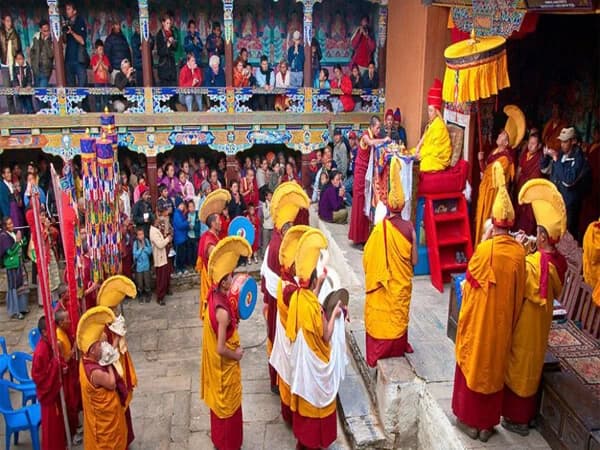
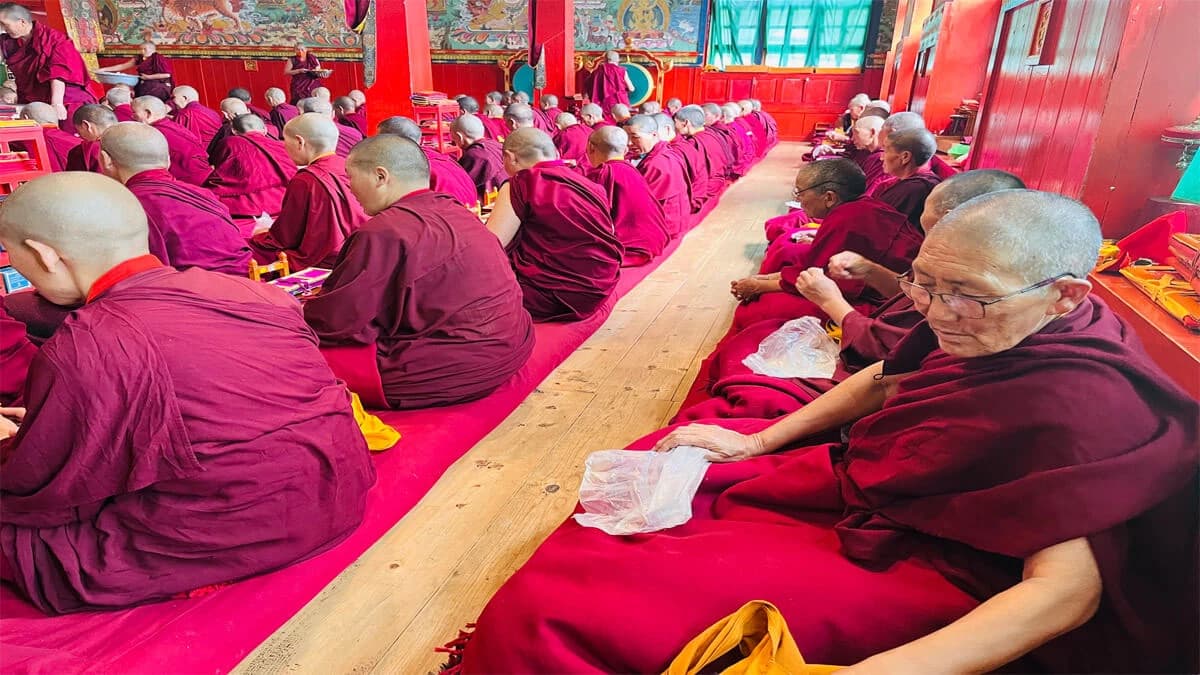
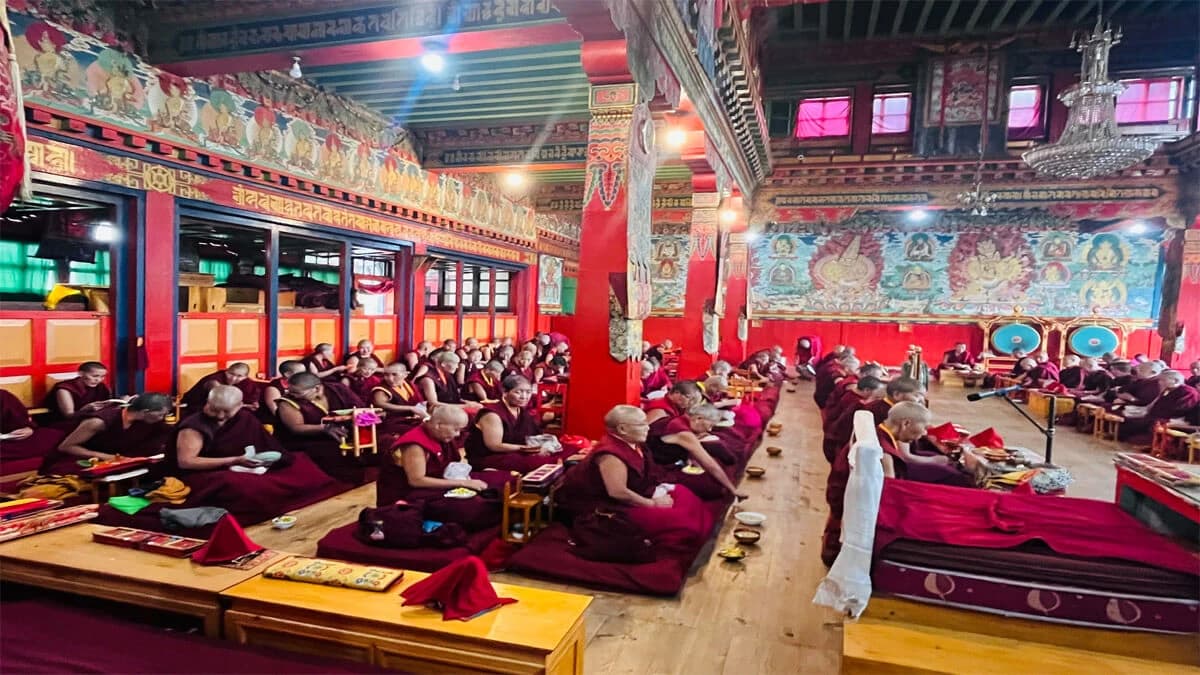
One of the most special parts of the journey is the opportunity to visit ancient Buddhist monasteries, where colorful prayer flags, mani walls, and prayer wheels line the trails. Trekkers may see monks performing daily prayers and rituals, creating a peaceful and spiritual atmosphere throughout the trek. These monasteries are not only religious centers but also important places for learning, meditation, and community gatherings.

Throughout the trek, travelers can experience local hospitality, traditional food, festivals, and customs that reflect the strong Tibetan Buddhist influence in the region. This cultural connection makes the trek more than just a mountain adventure, it becomes a meaningful journey into the traditions, spirituality, and heritage of the Himalayan people.

Travel Insurance for the Monastery Circuit Trek

Travel insurance is strongly recommended for the Monastery Circuit Trek to ensure safety and peace of mind during the journey. Since the trek takes place in remote Himalayan regions where medical facilities are limited, insurance can help cover unexpected situations such as illness, injury, or trip delays. Having the right insurance policy allows trekkers to travel with confidence while exploring the mountains and villages along the trail.

Before starting the trek, it is important to choose a policy that covers high-altitude trekking, emergency medical treatment, and helicopter evacuation. In case of serious health issues or accidents in remote areas, helicopter rescue may be necessary to reach proper medical care. A good travel insurance plan may also include coverage for trip cancellations, lost baggage, and other travel-related issues, ensuring a safe and secure trekking experience.

Altitude Sickness and Remedies During the Monastery Circuit Trek

While the Monastery Circuit Trek reaches moderate elevations, trekkers may still experience mild altitude sickness as they move to higher areas. Common symptoms can include headache, tiredness, dizziness, or shortness of breath. These symptoms usually occur when the body needs time to adjust to the thinner air at higher altitudes. Walking at a steady pace and allowing time for acclimatization can help reduce the risk.

To prevent altitude sickness, trekkers should stay well hydrated, eat nutritious meals, and avoid rushing the trek. Taking rest days when needed and listening to your body are important for a safe journey. If symptoms become stronger, the best remedy is to rest or descend to a lower altitude. Traveling with an experienced guide and following proper acclimatization practices helps ensure a safer and more enjoyable trekking experience.

Monastery Circuit Trek Packing List, Gear, and Equipment

Packing the right gear is important for a comfortable and safe Monastery Circuit Trek. Since the trek passes through different elevations and weather conditions, trekkers should bring layered clothing, essential trekking gear, and personal items. Lightweight but warm clothing is recommended, including thermal wear, a fleece jacket, a waterproof jacket, trekking pants, and comfortable hiking boots. A warm hat, gloves, sunglasses, and sunscreen are also useful for protection from cold winds and strong mountain sunlight.

For trekking gear, items such as a backpack, sleeping bag, trekking poles, headlamp, water bottle, and basic first-aid kit are highly recommended. Personal items like toiletries, quick-dry towels, snacks, and a power bank can also make the journey more comfortable. Packing light but bringing essential equipment will help trekkers stay prepared while enjoying the beautiful trails, villages, and monasteries along the route.

Monastery Circuit Trek Guide and Safety Measures

Hiring a professional guide for the Monastery Circuit Trek is highly recommended. An experienced guide not only helps with navigation and route planning, but also shares valuable knowledge about the local culture, monasteries, and villages along the trail. Guides can assist with communication with locals, manage accommodations, and ensure that the trek runs smoothly from start to finish. Their experience is especially helpful in remote areas where trails may be less crowded and facilities are limited.

Safety is an important part of any trekking adventure. Trekkers should follow a steady walking pace, stay hydrated, and take proper rest days to avoid fatigue and altitude-related problems. It is also important to carry basic medical supplies, wear suitable trekking gear, and listen to the advice of your guide. With proper preparation, awareness, and guidance from an experienced team, the Monastery Circuit Trek can be a safe, enjoyable, and rewarding Himalayan journey.

20 years of Adventure
Why Travel with Nepal Trekking Routes?
We Care for Your Safety
Nepal Trekking Routes always focus on safety, and satisfaction of our valued clients. Our Trekking guides are highly experienced and trained to operate various group trekking trip in high Himalaya.
Provide Financial Protection
NTR prioritize healthy financial safety for clients, ensuring proactive safeguarding of client interest. Our commitment strengthens our role as trusted partners maintaining standards with dedication and Excellence.
100% Local Guide
100% Local Guide
Traveler looking for experience authentic insights through trekking in Nepal NTE offer your 100% local guide who help you to experience unique perspective ensuring and enriched journey customize to your interest.
Personalized Service
We always provide one guide and one porter to two guests in order to meet our standard of providing standard service. Impeccable hospitality and quality services are guaranteed while traveling with us.
Know More
You May Also Like
Everest base camp
FromUS$1300US$1550
Mardi Himal Trek
FromUS$690US$890
Sherpa Festival Trek
FromUS$1550US$1790
Book Now