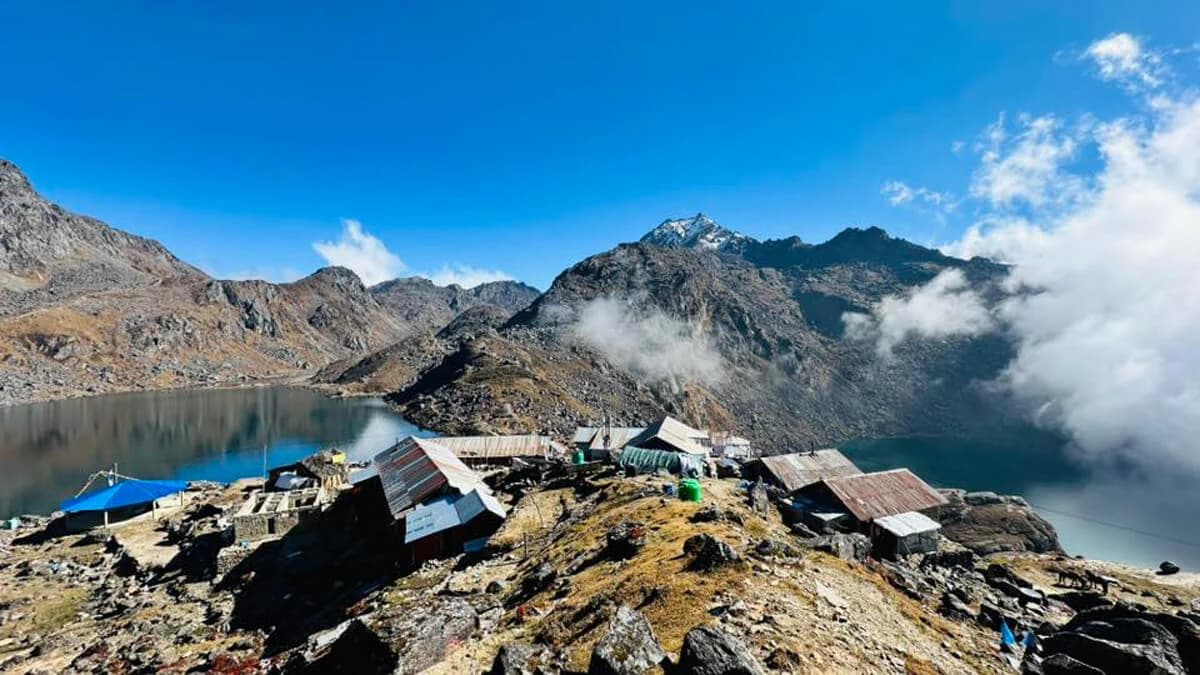
Gosaikunda Short Trek

The Gosaikunda short trek is one of those trips from Kathmandu that doesn’t really feel like a plan once you’re actually on the road. You leave the city, drive up to Dhunche, and from there it just turns into walking with no warm up and buildup.

The trail cuts through Langtang National Park and moves up towards Gosaikunda Lake at around 4380 meters. Most people finish the Gosaikunda trek in about four to five days. It’s not a long route, but the higher you go, the more it stops feeling short in the way people describe it online.

Where is the Gosaikunda Trek located?

The Gosaikunda trek is in Rasuwa District, in the north of Nepal near the Tibet border. You will reach the trail after a drive from Kathmandu to Dhunche, and from there the road ends and the walking starts. The route goes through Langtang National Park before climbing higher into open mountain land.

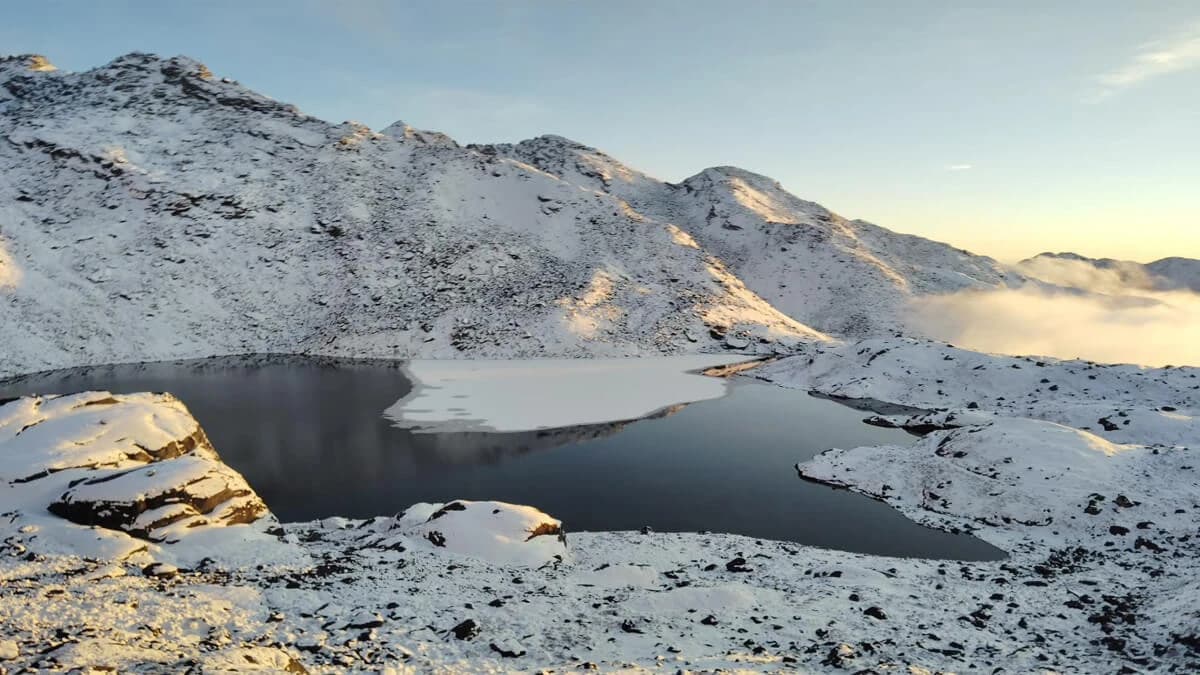
At the end of the trek you reach Gosaikunda Lake, which sits at about 4380 meters above sea level.

Gosaikunda Trek Route

So the Gosaikunda trek route starts with that long drive from Kathmandu to Dhunche in Rasuwa. No as such thing as special there, just a long road day. But once you get off the vehicle, it immediately turns into walking and you’re already moving towards the Langtang National Park.

From there, you will go to Chandanbari and then Lauribina. First all you'll see is forest and normal trail, and then it starts feeling more open and colder as you go higher. That’s usually how trekking in Nepal goes in this area, it doesn’t hit you at once, it builds up slowly.

After Lauribina, the moment you have been waiting for comes true and you reach the holy Gosaikunda Lake. Most people just go back the same way to Kathmandu after that.

Gosaikunda Trek Cost

The gosaikunda trek cost is usually somewhere around $350 to $600 USD for a 4 to 5 day trip. However, you need to understand that it’s not fixed, it really depends on how you move around and how basic you keep things.

Most of the money goes into the Kathmandu to Dhunche drive, permits for Langtang National Park, and your food plus sleep on the trail. Once you start going higher toward Gosaikunda Lake, you’ll notice prices slowly going up because everything is carried up from below.

This range basically covers the normal stuff like transport, permits, food, and a simple place to stay. If you start adding extras like snacks, drinks, hot showers, charging, or better rooms, that part adds on top.

Permits for the Gosaikunda Trek

Gosaikunda is not any peak climbing or expedition in Nepal kind of adventure so you don't need to show numerous documents. For the gosaikunda short trek, you only need two basic permits, nothing more.

One is the entry permit for Langtang National Park. The trek goes inside this area after Dhunche, so this permit is checked at the entry point. The second is the TIMS card, which is required for trekking in Nepal. It’s just a simple trekking record that includes your details and route.

Once you have these, you can do the full gosaikunda trek route up to Gosaikunda Lake without needing anything else.

7-Day Gosaikunda Trek Itinerary 

Day 1: Drive Kathmandu to Dhunche (1,960m)

Day 2: Trek Dhunche to Chandanbari/Sing Gompa (3,330m)

Day 3: Trek Sing Gompa to Gosaikunda Lake (4,380m)

Day 4: Gosaikunda to Ghopte (3,530m) via Lauribina Pass (4,610m)

Day 5: Trek Ghopte to Kutumsang (2,470m) 

Day 6: Trek Kutumsang to Chisapani (2,215m) 

Day 7: Trek Chisapani to Sundarijal (1,460m) & Drive to Kathmandu 

Gosaikunda Trek during Janai Purnima

Short answer? It is not a peaceful trek during that time. It turns into a full pilgrimage route with heavy foot traffic and a very different atmosphere.

During Janai Purnima, Gosaikunda becomes one of the busiest high altitude destinations in Nepal. Thousands of people head up, most of them there for religious reasons, not trekking.

Here is what it actually feels like on the ground:

Crowds take over the trail

From the lower sections all the way up, there are long lines of people moving together. In narrow parts, especially near Lauribina, the pace slows down a lot because everyone is stuck behind each other. There is no real space to walk freely or overtake easily.

Accommodation becomes a gamble

Teahouses fill up early in the day. Arriving late often means no proper bed. People end up sleeping in dining halls, kitchen areas, or anywhere floor space opens up. Comfort is not part of the experience at this point.

Trail condition gets worse than usual

Constant foot traffic turns the path dusty when it is dry and slippery when it rains. It feels more worn down compared to normal trekking seasons because there is no break as such during this time.

Noise and movement never stop

Even at higher camps where things are usually quiet, there is constant talking, chanting, and movement. Rest feels interrupted rather than being a peaceful trek.

Basic facilities struggle

Toilets are overused and not in good condition during peak days. Water points get crowded and there is often a wait.

The lake is crowded but still powerful

At Gosaikunda, there is not much empty space during this time. The shore of the lake stays full of people. Some are bathing, some are praying, and some are doing rituals. It is not a quiet place at all and yet it still feels very meaningful and important for many people who reach there.

Why people actually go there?

Gosaikunda is not only a trekking spot. It is one of the holiest lakes in Nepal and is often known as the best religious destination in Nepal. During Janai Purnima, it becomes a major pilgrimage site. Many people believe the lake is sacred and has spiritual power, so reaching it is seen as a religious goal, not just a hike.

The positive side of trekking to Gosaikunda during Janai Purnima

Even with the crowds, the atmosphere is something different. There is a strong feeling of faith and energy everywhere which you can feel once you are there. It is more about the meaning and belief behind the place and that is what pulls trekkers from various parts of the world to Gosaikunda. 

So should you go to Gosaikunda during Janai Purnima?

If your goal is peace, nature, and a quiet trek, then no, this is honestly the worst time to go.But if your goal is to see Gosaikunda at its most significant, with real cultural and religious energy, then this is exactly when it matters most.

Same place, completely different experience depending on what is expected.

Is Gosaikunda Trek Worth It?

Yeah, it is. The gosaikunda short trek is one of those trips where you feel a bit tired while doing it, but once you reach Gosaikunda Lake, it just clicks why people actually come here.

It’s not only about the lake though. Your walk through Langtang National Park, the silent parts of the gosaikunda trek route, and the small places you pass on the way make the whole journey feel real. It’s just a solid trekking in Nepal experience without too much planning stress.

If you are looking for the best short trek near Kathmandu or a moderate Himalayan trek that doesn’t take many days, this one fits well.

Who is the short Gosaikunda trek actually for?

It is for people who are okay with long uphill walking at altitude and not much luxury along the way. The trail keeps going up, the air gets thinner pretty early, and the teahouses are basic. It is not technical, just tiring in a way that stays with you most of the time.

Gosaikunda sits inside Langtang National Park and during Janai Purnima the whole area gets packed. The lake turns into a pilgrimage spot with crowds, bathing, and prayers, making it the best Nepal trekking destination in August.

However, this trek is not a fit for anyone expecting comfort, easy walking, or a chill kind of trip. So are you the perfect fit for this Langtang region trek in Nepal?

Gosaikunda Helicopter Tour | Luxury Trek Alternative for Easy Access to Gosaikunda

We know not everyone wants to walk for several days just to reach Gosaikunda. Some people just want a simpler way to get there without the long uphill trek, tired legs, and basic trail conditions. For that, there is the option of a luxury Gosaikunda helicopter tour as a trekking alternative. 

The flight goes directlly into the Gosaikunda area inside Langtang National Park, giving you the less seen views of the region and  takes a very short time compared to trekking. 

This helicopter tour in Nepal is mainly for people who want to see Gosaikunda without doing the trek, or for those who are short on time but still want to reach the lake in a direct way.

Why book with Nepal Trekking Routes?

We are a local company in Nepal, so we know the gosaikunda short trek from actual experience on the trail, not just from planning it on paper.

We take care of the basics like permits, route planning, and guide support on the gosaikunda trek route inside Langtang National Park, all the way up to Gosaikunda Lake.  Since we are based here in Nepal, we also stay flexible if plans need to change on the trail, so your trekking in Nepal experience feels easier and more supported from start to finish.

Itinerary

This is a 5 day gosaikunda short trek itinerary starting from Kathmandu and going up to Gosaikunda Lake, then coming back the same way through Dhunche and Chandanbari inside Langtang National Park.

Main highlights are the drive from Kathmandu, walking through forest trails, reaching Chandanbari, and the final climb to Gosaikunda at 4380m. The return is mostly downhill and feels different from the way up.

Nepal Trekking Routes can also customize this Gosaikunda trek itinerary based on your time and comfort, whether you want it shorter or a bit more breathable.

Trip PlanExpand All

Today you will leave Kathmandu early, usually after a quick morning start, and move towards Dhunche. The drive takes around 6 to 7 hours, and honestly, most of it is just you sitting back and watching the view change gradually.

As you get out of the city, you will pass small roadside stops where people are having tea, kids playing outside, and life just going on normally. The road keeps moving the whole way, so you kind of just adjust into it.

By the time you reach Dhunche, it feels like you’ve actually left everything behind. Most people just check in somewhere, grab a simple meal, and call it a day before starting the gosaikunda trek route inside Langtang National Park the next morning. 

You leave Dhunche after breakfast and just start walking uphill. No rush, you’ll get there anyway.

The trail takes you through quiet sections inside Langtang National Park, mostly trees and open patches in between. Sometimes you walk alone for a bit, then you run into other trekkers, then it goes quiet again.

You’ll probably stop here and there without even planning it, just to catch your breath or drink water. That’s normal. By the time you reach Chandanbari, you’ll feel a bit tired and a little out of breath, but nothing unusual. Overnight in Chandanbari.

You leave Chandanbari fairly early and just keep going up. There’s no real break in the climb today, it just keeps pulling you higher inside Langtang National Park. At some point you’ll notice the trees are gone and it feels more open and quiet. You’re walking slower without really deciding to, just because the air feels different.

Then Gosaikunda shows up. It’s not loud or dramatic, you just arrive and realize you’re there. People usually just sit near the lake for a while, not doing much, just taking it all in. You stay the night nearby, and it’s cold, so everyone kind of goes quiet early on the gosaikunda trek route.

You start moving down after breakfast. It feels easier on your breathing but your legs start reminding you they worked hard the day before.You pass the same spots again, but everything feels different going the other way inside Langtang National Park. People coming up look tired, you feel a bit relieved.

It’s a long walk back, and most of the time you’re just focused on placing your steps and getting lower bit by bit. When you finally reach Dhunche, you don’t really think much, you just sit down and order whatever food comes first. Overnight.

You will leave Dhunche in the morning and get into the jeep or bus for Kathmandu. The road feels longer on the way back in a different way. You’re not rushing anymore, just watching everything pass by slowly, same hills, same bends, same stops.

By the time you reach Kathmandu, it feels like you’ve switched back into normal life without really noticing it happening. Your Gosaikunda trek journey ends here.

Plan An Amazing Private and Tailor-Made HolidaysNot satisficed with this itinerary? Share your idea with our travel Expert. We make your dream come true.
Customize Trip
Essential Information

Gosaikunda Trek Difficulty

The gosaikunda short trek difficulty is kind of mid level. It’s not a technical climb or anything like that, but it does wear you out because you are walking up for a few days and the air gets thinner the higher you go.

You should trek to Gosaikunda if you:

  • are okay walking for a few hours every day without needing it to be easy
  • can deal with feeling a bit short of breath when you go above 4000 meters
  • don’t mind basic trails and simple tea house stays

The Gosaikunda trek difficulty really shows up when you get closer to Gosaikunda Lake at 4380 meters. The trail itself is simple to follow, but you naturally slow down without even trying, and even small walk starts to feel longer than it should.

Best time for Gosaikunda trek

There isn’t one perfect time for the Gosaikunda short trek, it really depends on what kind of experience you want. Most people go in autumn because things just feel easier overall. The weather stays steady, and trekking in Nepal around that time usually gives you clearer views inside Langtang National Park.

Gosaikunda Trek in Spring

Spring is a decent time to go if you want the trail to feel a bit more active again after winter. You don’t get extreme conditions, and walking is generally comfortable.

Pros of trekking to Gosaikunda in Spring:

  • Weather is fairly good for trekking in Nepal
  • Trail feels alive again after winter
  • Lower parts are easy to walk

Cons of Trekking to Gosaikunda in Spring:

  • You’ll meet more people on the trail
  • It can still get cold at higher spots
  • Busy stops during peak weeks

Gosaikunda Trek in Autumn (best season for Gosaikunda short trek)

Autumn is the season most people pick without thinking too much. Everything just works better in this period, especially if you are aiming for Gosaikunda Lake.

Pros of Gosaikunda Short Trek in Autumn:

  • Best time to trek to Gosaikunda
  • Stable weather most days
  • Clear views and good visibility

Cons of Gosaikunda Short Trek in Autumn:

  • Trail gets crowded
  • Lodges fill up fast
  • Not much quiet time

Gosaikunda Trek in Monsoon

Monsoon is very different. The lower trail looks really green, but the rain makes things unpredictable and slows you down a bit.

Pros of Gosaikunda Trek in Monsoon:

  • Very few trekkers
  • Green forest everywhere
  • Peaceful walking

Cons of Gosaikunda Trek in Monsoon:

  • Rain affects the walk
  • Muddy and slippery sections
  • Views often disappear in clouds
  • Leeches in lower areas

Gosaikunda Trek in Winter

Winter is the quietest time, but it’s not the easiest. Once you start going higher toward Gosaikunda Lake, the cold becomes the main thing you notice.

Pros of Gosaikunda trek in Nepal in Winter:

  • Almost no crowds
  • Very calm atmosphere
  • Some clear days in lower parts

Cons of Gosaikunda trek in Nepal in Winter:

  • Really cold at higher altitude
  • Snow can slow the route
  • Some tea houses close
  • Walking feels tougher overall

Packing List for Gosaikunda Trek

You might not believe when we tell you that you don't really need much for this short trek in Nepal. But, but, but what you carry should actually help you on the way up to Gosaikunda Lake.

Good trekking shoes first. The gosaikunda trek route inside Langtang National Park is full of stone steps and uneven paths, and normal shoes just make it more annoying than it needs to be.

Clothes wise, just layer whatever you already use for cold weather. A warm jacket, a couple of normal warm tops, and something light to block wind or rain is enough. You’ll feel the temperature drop as you go higher, so nothing fancy needed, just enough to stay warm.

In your bag, keep a water bottle, basic medicine you normally use, sunscreen, lip balm, and a headlamp. Gloves and a cap or beanie also help once it gets colder higher up.

That’s pretty much it. If your bag feels heavy before you start the gosaikunda short trek, you’re probably carrying things you won’t even touch on the trail.

Accommodation on the Gosaikunda Short Trek

Honestly, don’t expect anything like a hotel on this route. Local families run the teahouses here like most of the treks in Nepal. 

In places like Chandanbari and Lauribina, rooms come with just twin beds with blankets. During busy trekking in Nepal seasons, you might need to share a room if the lodge is full. On low season, you may get a room on your own.

As you go towards Gosaikunda Lake, it gets colder and options become fewer. Most people spend time in the dining area in the evening because that’s the warmest place.

Hot showers, charging, and other small comforts are not always available, and if they are, you usually pay extra. It’s mainly just a place to sleep and continue the gosaikunda trek route the next day.

Food on the Gosaikunda Short Trek

You’ll see dal bhat everywhere and most people just stick with it after a while. It fills you up and you don’t really feel like trying different things after walking all day. There are other options like noodles, fried rice, eggs, garlic soup, and sometimes potatoes, but the menu doesn’t really change much as you move along the gosaikunda trek route.

Breakfast is usually quick. Tea, eggs, maybe porridge, and you’re out.

As you get closer to Gosaikunda Lake, the choices get fewer and prices go up since everything is carried up through Langtang National Park.

After a couple of days, you kind of stop thinking about food. You just eat what’s there and move on.

What if I need emergency evacuation on the Gosaikunda trek?

If something feels seriously wrong on the gosaikunda short trek, don’t stay and wait it out, start going down right away. People usually head back toward lower areas of Langtang National Park because up near Gosaikunda Lake there are no roads and help takes time to reach.

Most smaller issues settle once you drop to lower altitude, but anything serious should never be ignored.

If you are trekking with Nepal Trekking Routes, we stay connected during the trek and help coordinate support or rescue in Nepal when needed, so you’re not dealing with it alone.

What if I get altitude sickness on the Gosaikunda trek?

Altitude Sickness can happen on the gosaikunda short trek because you go up to Gosaikunda Lake at 4380 meters. The symptom commonly starts with a headache, feeling tired, or not feeling like eating much. Some people also feel weak or slow while walking on the gosaikunda trek route.

If it gets worse, the only real option is to stop going higher or go back down. You can’t really push yourself and pretend like everything is fine.

However, it doesn’t mean it happens to everyone, but it’s common enough that you should be aware of it during trek in Nepal.

Travel Insurance for the Short Gosaikunda Trek in Nepal 

Inside Langtang National Park, everything is far away. If someone gets sick from altitude, slips, or cannot walk because of weather, there is no quick road or hospital nearby. Getting out often means a helicopter, and that is very expensive.

So the insurance needs to clearly include high altitude trekking and emergency rescue. Many normal policies do not cover that, so it has to be checked properly before starting your journey in Nepal. Speaking from the experience, do not ignore the travel insurance and make sure it's a good one.

Travel Tips for Gosaikunda Trek

Look at these travel tips to make your trek even better:

  • Walk slow after chandanbari, there's no point rushing the gosaikunda trek route, your legs will decide the pace anyway
  • Drink water even when you forget, especially once you’re heading up toward Gosaikunda Lake
  • Start early most days, afternoons inside Langtang National Park can turn cold or cloudy pretty quickly
  • Carry cash from kathmandu, nothing up there really takes anything else
  • Don’t follow someone else’s speed, around lauribina everyone slows down at some point during trekking in nepal
  • Rooms in places like chandanbari can just fill up in busy season, sometimes you just take whatever is free
  • Weather flips fast near gosaikunda, one moment it’s fine, next moment you’re pulling your jacket tighter so be prepared for that
FAQs

No, it is not easy. It is short, which makes people assume it is simple, but the climb is steep, and the altitude gain is fast. You go from relatively low elevation to over 4,000 meters in a short time, and that catches people off guard.

Most people take around 3 to 5 days. You can do it faster, but that usually means long exhausting days and a higher chance of altitude sickness. A slower speed is much safer.

It depends on timing. During Janai Purnima it gets extremely busy, with a lot of pilgrims on the trail. Outside that period, it is much quieter and more enjoyable.

Not strictly. The trail is generally clear and well used. That said, in bad weather or snow it becomes harder to follow, and if you have no trekking experience, going alone is not the best idea.

Yes, beginners can do it, but they should expect it to be tough. You will likely be out of breath often and walking slower than planned. It can be done but it's just not comfortable.

Food is available throughout the route. You will mostly find dal bhat, noodles, fried rice, and soups. It is very filling. Carrying snacks is still a good idea.

You might get signal in lower areas, but it becomes unreliable as you go higher. Do not depend on having internet or consistent phone service.

It is moderately priced. Costs add up through transport, permits, food, and accommodation. Prices increase as you go higher, especially for food and drinks. Contact us for the best Gosaikunda Trek cost while trekking in Nepal.

No, it is not safe to drink directly. You should boil it or use purification tablets. Even clear mountain water can carry bacteria.

Dhunche is shorter but steeper right from the start. Syabrubesi is longer but the climb is a bit more gradual. Neither option is easy, just different in how the effort feels.

It depends on what you want. If you are short on time and want a quick high altitude experience, it is a good option. If you want a more gradual journey with various landscapes, longer treks in Nepal are usually better.

20 years of Adventure
Why Travel with Nepal Trekking Routes?
We Care for Your Safety
Nepal Trekking Routes always focus on safety, and satisfaction of our valued clients. Our Trekking guides are highly experienced and trained to operate various group trekking trip in high Himalaya.
Provide Financial Protection
NTR prioritize healthy financial safety for clients, ensuring proactive safeguarding of client interest. Our commitment strengthens our role as trusted partners maintaining standards with dedication and Excellence.
100% Local Guide
100% Local Guide
Traveler looking for experience authentic insights through trekking in Nepal NTE offer your 100% local guide who help you to experience unique perspective ensuring and enriched journey customize to your interest.
Personalized Service
We always provide one guide and one porter to two guests in order to meet our standard of providing standard service. Impeccable hospitality and quality services are guaranteed while traveling with us.
Know More
Book Now