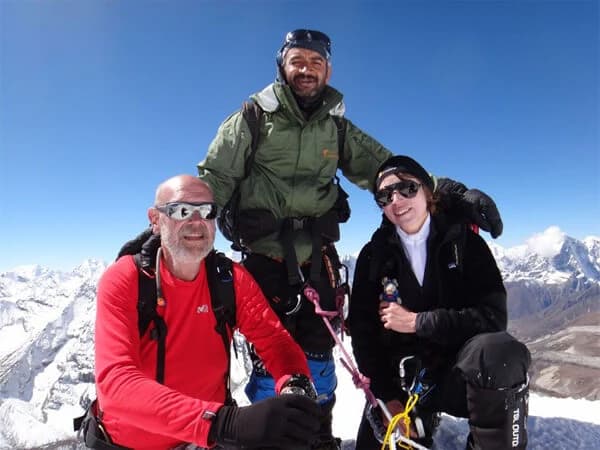
What does the top feel like after hours of crawling, climbing, and freezing your fingers off? You’ll only truly know once you’ve completed Cholatse Peak climbing. This 6,440-meter giant in Nepal is one of the most challenging Himalayan peaks. The snow is slippery, the ridges are sharp, and sometimes the mountain seems to have its own plans.
You step carefully, you slide a little, and somehow you keep moving up and even wonder if this was a good idea. With all these thoughts in your mind, Cholatse Peak climb proves that every step you took was worth it.
A Cholatse Peak expedition is full of moments that make you proud and moments that make you shake your head. Pulling yourself up icy walls, slipping a little, freezing your fingers while trying to eat, and still taking a tiny victory dance on the top. That’s the reality of climbing this Himalayan peak.
All that slipping, icy climbing, and frozen fingers aside, this is one adventure you don’t want to miss. Cholatse Peak climbing waits for no one, so what are you waiting for? Go make your own story.
Cholatse Climbing Overview
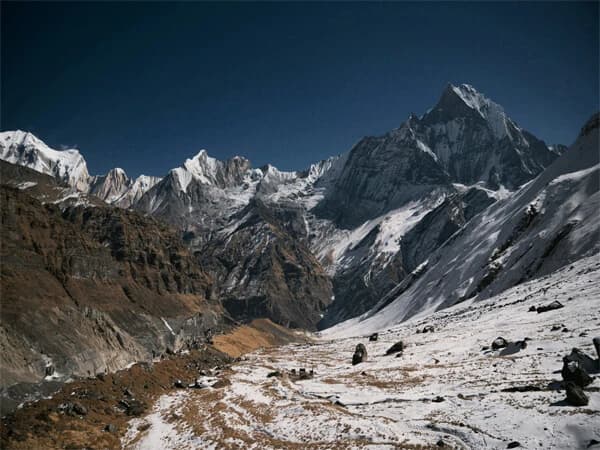
Climbing Cholatse Peak is an experience you won’t forget. This 6,440 meter Himalayan peak in Nepal is famous for its steep ridges and icy walls. Most climbers start by trekking through Sherpa villages, crossing rivers, and walking past glaciers. By the time you reach base camp, you already feel like you are in a completely different world.
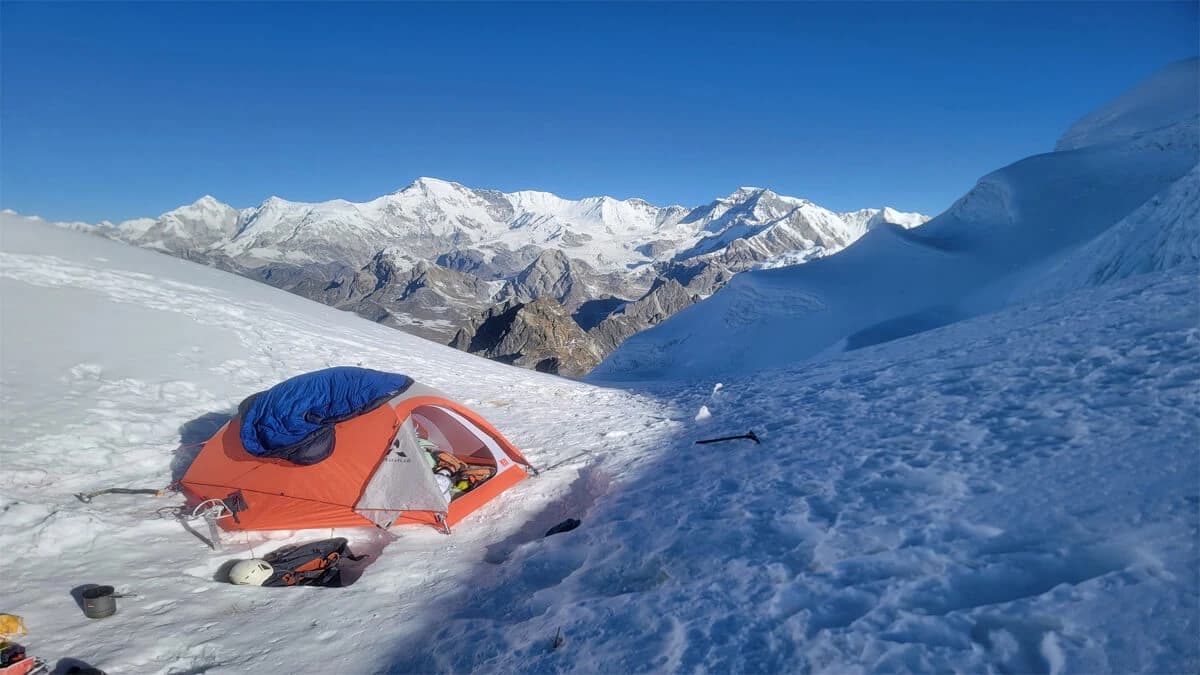
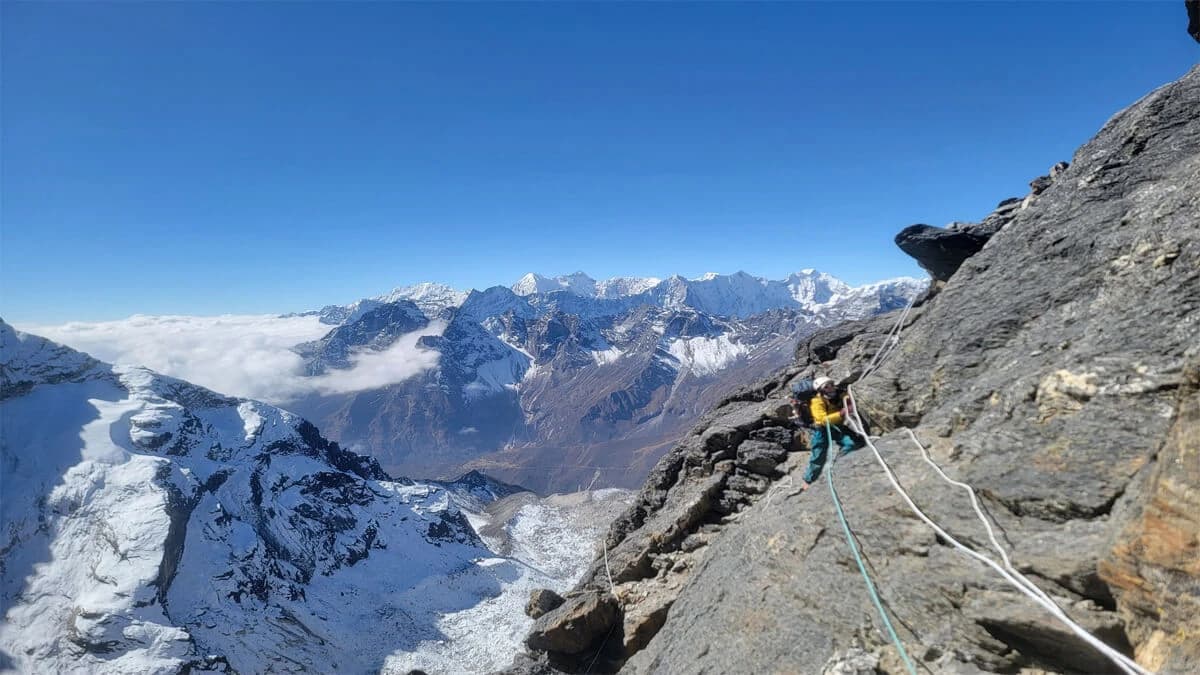
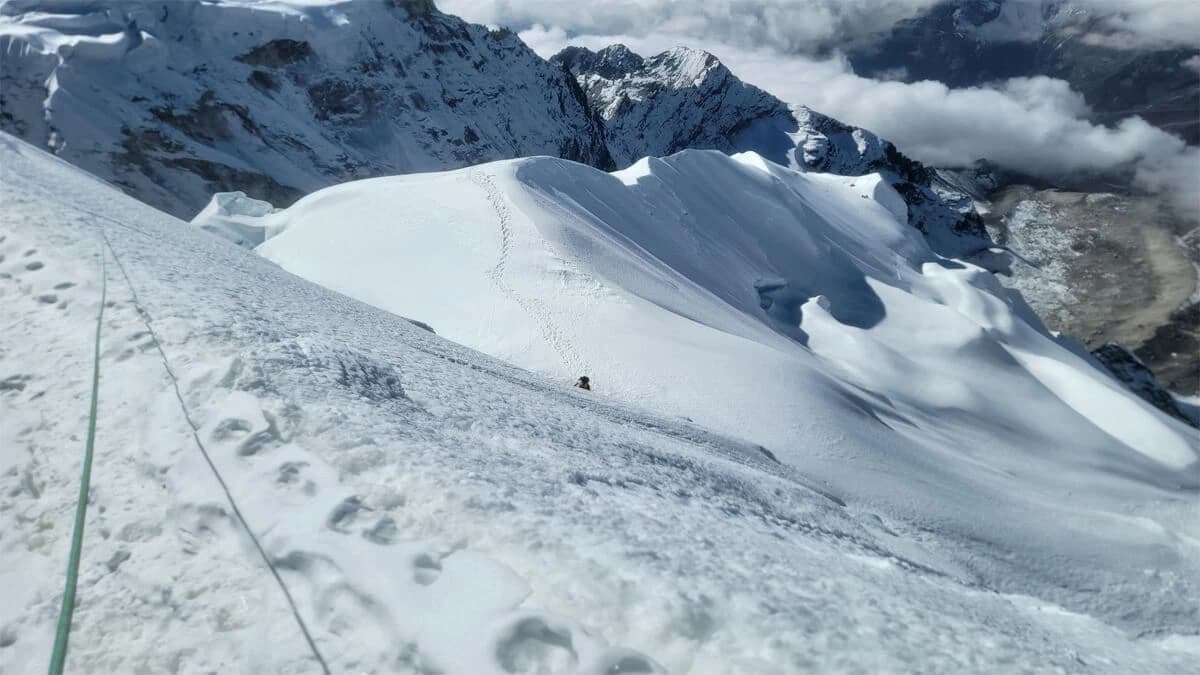
A Cholatse Peak expedition is challenging but also exciting. You walk over snow, ice, and rocks, using crampons and ice axes. Some parts are narrow and tricky, so you have to watch every step. The weather can change fast, and cold winds or sudden snow can show up anytime. Spending a few days to get used to the altitude is very important.
The climb is not just about strength. It is about focus, patience, and sometimes laughing at yourself. You will get tired, your fingers might freeze while trying to eat, and some moments will make you shake your head and smile. A successful Cholatse Peak climbing in Nepal gives you memories, stories, and a feeling of achievement you will always remember. If you are looking for Himalayan climbing peaks or Nepal mountaineeringpeaks, this one is definitely worth it.
Cholatse Peak Climbing Highlights
- Cholatse Peak is 6,440 meters high with steep ridges and icy walls that make the climb exciting
- The trek to base camp goes through Sherpa villages and passes glaciers with amazing scenery
- The climb includes snow, ice, and rocks where you need crampons and ice axes to stay safe
- Weather can change quickly so it is important to move carefully and get used to the altitude
- The climb is not just about strength, you also need focus, patience, and a team you can rely on
- Reaching the top gives amazing views and a feeling that makes all the hard work worth it
What Exactly is the Cholatse Peak Climb?
Cholatse Peak climbing is a tough Himalayan climb in Nepal, located in the Khumbu region near Mount Everest. The peak is 6,440 meters high and has steep snow slopes, icy walls, and sharp ridges that test both your strength and nerves. It is not for beginners, so experience with high altitude trekking or Himalayan mountaineering is important.
The trek to base camp helps your body adjust to the altitude, but once the climb starts, every step is challenging. The cold, the altitude, and the technical sections push you, but the views from the top are unreal. Standing on Cholatse Peak fels like a real achievement that makes all the effort worth it. If you are thinking of doing this climb then you are on a right track. You will have one of your best times here in Nepal.
Cholatse Peak Climbing Cost
Climbing Cholatse Peak in Nepal is an incredible Everest region trek, but it’s not cheap. For an 18 to 20 day guided trip, most people spend around USD 5,000 to USD 7,500 per person. That usually covers domestic flights from Kathmandu to Lukla, hotels, tea houses, and tents along the trek, all meals, climbing guides, porters, and cooks, plus permits, Sagarmatha National Park fees, and safety gear like ropes and ice screws.
Some things you’ll pay for yourself, like international flights to Nepal, your visa, personal travel and climbing insurance, your own climbing gear, and tips for the team. If you want extra comfort, private guides, or smaller groups, the cost can go a bit higher.
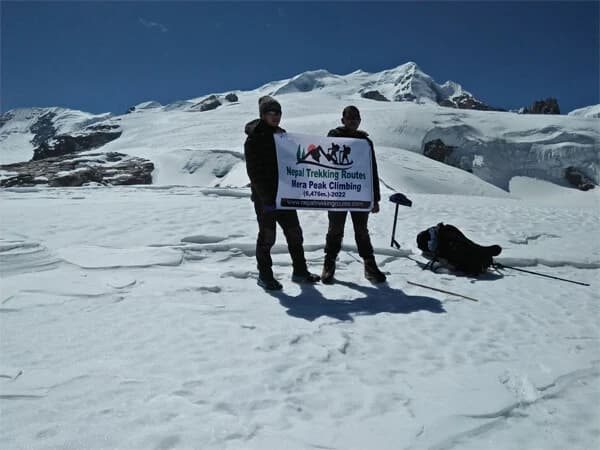
All in all, a realistic Cholatse Peak climbing cost is around USD 6,000 per person, depending on your group size and the services you choose. Contact Nepal Trekking Routes to get more personalized details.
Cholatse Peak Climbing Packages
Cholatse Peak climbing packages come in a few options depending on how much time you have and how you like to climb. The most popular is a 20-day Cholatse Peak expedition. It usually includes trekking to base camp, getting used to the altitude, and the final push to the summit, with guides, porters, meals, and climbing permits all taken care of.
If you want a slower pace or a bit more adventure, there are 23–24 day Cholatse Peak climbing packages. These give extra rest days or include nearby trekking routes like Gokyo Valley. It’s a great way to enjoy the Himalayan scenery and prepare your body for the climb.
Nepal Trekking Routes can also create a custom package just for you. You can adjust rest days, add cultural stops, or get extra support with gear. No matter which package you choose, Cholatse Peak climbing gives fun challenges, amazing views, and a story you’ll remember for life.
18 Day Cholatse Peak Climbing itinerary
Okay, so this 18-day Cholatse Peak climbing trip in the Everest region is seriously awesome. You start in Kathmandu, fly to Lukla, and then hike through villages like Namche Bazaar and Phortse. There are suspension bridges that make your legs wobble, yaks everywhere staring at you, and the views of Everest, Ama Dablam, and Lhotse are just insane.
You’ll hang out at Base Camp and High Camp to get ready for the summit, which honestly feels like the most epic part of the whole Himalaya adventure. The trek is long, a bit tiring, but every step is worth it. We at, Nepal Trekking Routes can customize the plan so you can add rest days, extra hikes, or little stops basically make it whatever kind of adventure you want.
By the time you’re done, you feel proud, a little sore, and totally blown away by the mountains. Trust me, it’s one of those trips you’ll never forget.
Major Attractions Along the Cholatse Climb
Climbing Cholatse Peak is a total rollercoaster on the Everest region trek. The villages along the Everest trekking route like Namche Bazaar and Phortse are tiny but full of life. You’ll see yaks everywhere, some staring at you like you stole their lunch, and little kids waving like you’re a rockstar. The suspension bridges make your legs wobble and your heart jump but honestly it’s kind of hilarious.
The mountains are just insane on this Himalaya adventure. Everest, Lhotse, and Ama Dablam are huge and make you feel tiny in the best way. Glaciers and ice everywhere on the Cholatse Peak climb make you go wow and also please do not slip at the same time. Base Camp and High Camp are quiet, a little cold, and totally epic.
And the summit oh man the summit. You’re tired, frozen, probably muttering things you shouldn’t, but then you look around at all the peaks on this Nepal trekking journey and it hits you. You actually did it. You’re on top of Cholatse, alive, and laughing at how exhausted you feel. That feeling doesn’t go away.
Permits required for climbing the Cholaste Peak
If you’re planning to climb Cholatse Peak, you have to sort out a few permits before you even leave Kathmandu. First is the Sagarmatha National Park entry permit. You can’t enter the park without it, so checkpoints along the trail will stop you if you don’t have it. Then there’s the Khumbu Pasang Lhamu Rural Municipality permit. The locals check it while you trek, and it’s just their way of keeping track of who’s moving through the area.
The big one is the Cholatse Peak climbing permit issued by NMA. This is the one that officially lets you try for the summit. The fee changes with the season, with spring usually being the most expensive. You can’t grab it on the mountain, so it has to be arranged before the trip. Most climbers have their operator handle it because doing it yourself is a headache. So leave it on Nepal Trekking Routes and enjoy your climb.
You carry the permits in your bag, show them at checkpoints, and they are the only reason the climb is allowed. Without them, you are not getting up the mountain, no questions asked. It sounds boring, but keeping them safe is one of the first real steps to actually standing on top of Cholatse Peak.
Who is Cholatse Peak Climbing Suited For?
Cholatse Peak climbing in Nepal is for people who are fit and have some experience with high altitude trekking or Himalayan mountaineering. It’s not a beginner climb because you deal with snow, ice, and tricky sections where you need ropes and crampons. You also need to handle long, tiring days and the altitude. If you’ve done tough Himalayan treks or climbs and are ready to push yourself, Cholatse Peak is the one for you.
Why Travelers Prefer Nepal Trekking Routes for Cholatse Peak Adventure
We are a local trekking company with years of experience handling treks and Peak Climbing in Nepal. We focus on giving our guests real, authentic experiences while taking care of our team and everyone on the trip. We respect the mountains and nature and make sure every decision is careful and responsible. We also value your money, so we plan trips that are fair, transparent, and worth every penny. You can make your climb your own by adding extra stops, choosing activities you like, or adjusting the plan to match what you want.