Short Manaslu Circuit Trek

Short Manaslu Circuit Trek

Duration9 Days
Trip GradeModerate
CountryNepal
Maximum Altitude5106 m
Group Size2-12
StartsKathmandu
EndsKathmandu
ActivitiesTrekking / hiking
Best TimeSep to Dec & March to May

The Short Manaslu Circuit Trek is a shorter and well-planned trek in the Manaslu region of Nepal. It is designed for travelers who want a real Himalayan trekking experience but have limited time. The trek usually takes around 8 to 10 days, depending on the itinerary and walking pace. Even in a shorter duration, it covers the most scenic and culturally rich parts of the Manaslu area.

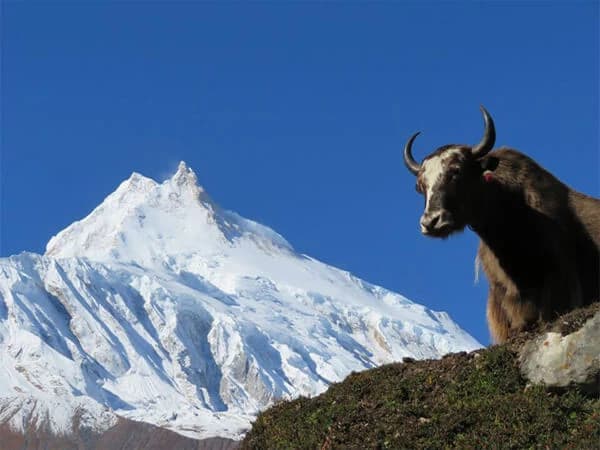
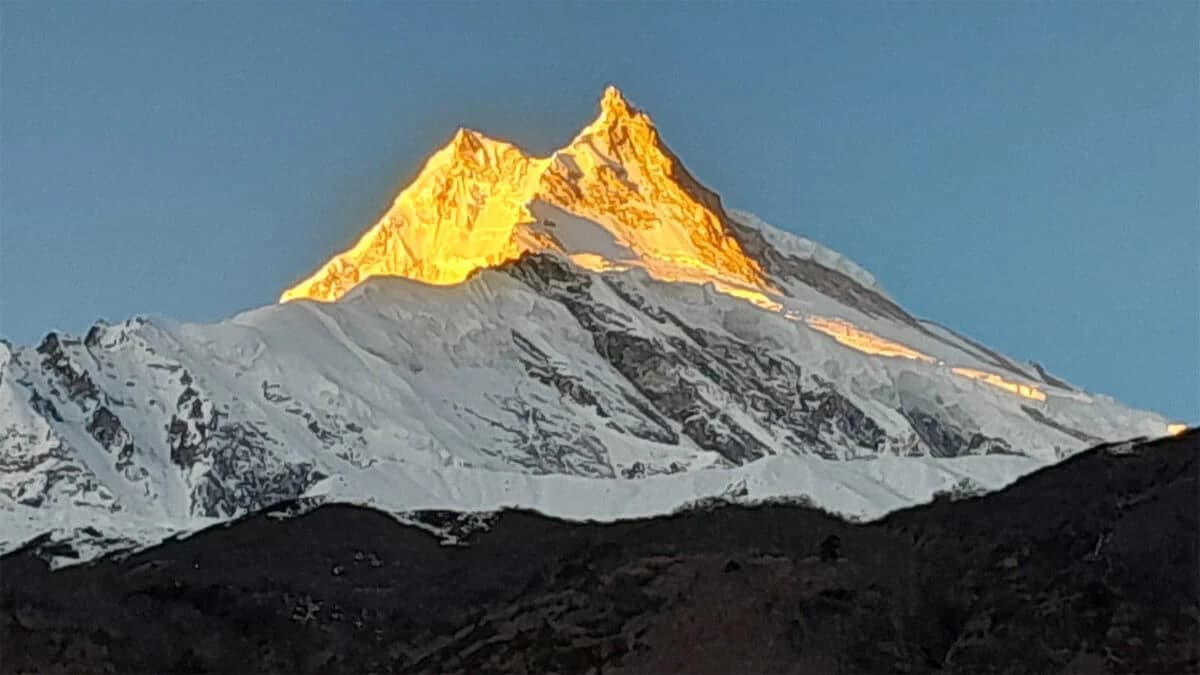
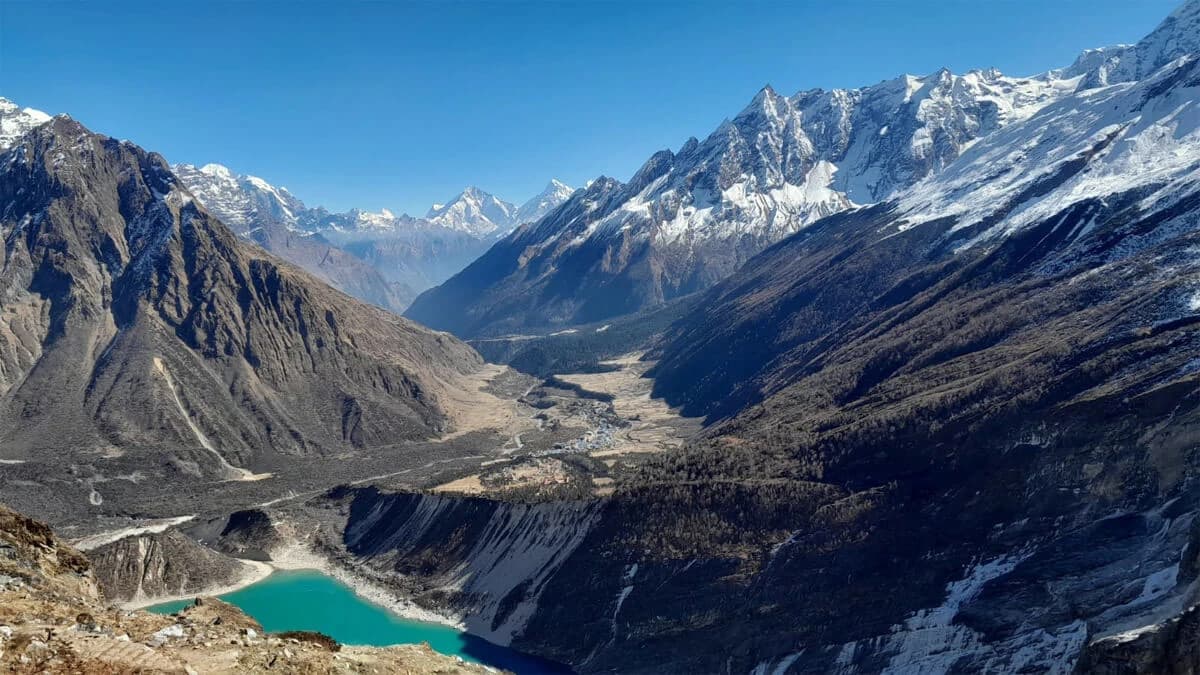
During the trek, you will walk through remote villages, river valleys, forests, and mountain trails. Along the way, you’ll see beautiful views of Mount Manaslu, 8th highest mountain in the world and surrounding peaks. The main highlights include traditional villages, suspension bridges, waterfalls, and peaceful Himalayan landscapes. The trail is less crowded than some other popular treks, so the journey is calm and enjoyable.

The Manaslu region is rich in cultural values with strong Tibetan and Buddhist influence. You will see monasteries, mani walls, prayer flags, and chortens along the way. Local people still follow traditional lifestyles, and staying in teahouses allows you to experience their daily life, food, and warm hospitality.

The trekking route usually starts from the lower Manaslu area and gradually follows the Budhi Gandaki River, passing through remote villages such as Jagat, Deng, and Namrung. As you move higher, the landscape changes to alpine terrain with wider mountain views. This route is carefully selected to include the most beautiful and culturally important sections while keeping the trek shorter and comfortable.

The trek has a moderate difficulty level and is suitable for trekkers with good fitness. Since the area is a restricted region, special permits are required, which are usually arranged through trekking agencies. Overall, the Short Manaslu Circuit Trek is a perfect mix of nature, culture, adventure, and comfort, providing everything you want to experience for Himalayan trekking.

Highlights of the Short Manaslu Circuit Trek

TheShort Manaslu Circuit Trek provides breathtaking views of Mount Manaslu and other towering Himalayan peaks along a peaceful route. Trekkers walk through remote villages, terraced farmlands, river valleys, and lush forests, experiencing the natural beauty of the region. The trek combines adventure with comfort, as most nights are spent in local teahouses where you can enjoy simple meals and warm hospitality.

This trek is also rich in cultural experiences, reflecting the strong Tibetan and Buddhist influences in the region. You will encounter monasteries, mani walls, prayer flags, and local festivals, giving insight into the traditional lifestyle of the mountain communities. The journey provides an authentic Himalayan experience while keeping the trekking days manageable for travelers with limited time.

  • Stunning views of Mount Manaslu (8,163 m), Himalchuli, Ganesh Himal, and many more.
  • Traditional Tibetan-influenced villages and local culture.
  • Comfortable stays in teahouses with local meals.
  • Walks through forests, rivers, and terraced farmlands.
  • Comfortable stays in local teahouses with warm hospitality.
  • Moderate trekking difficulty, suitable for trekkers with limited time.

Short Manaslu Circuit Trek Itinerary

The Short Manaslu Circuit Trek itinerary is designed for travelers with limited time who want to experience the highlights of the Manaslu region. The trek typically starts from Kathmandu or Pokhara, followed by a drive to Arughat and the first village, Philim. From there, trekkers follow the Budhi Gandaki River valley, passing through scenic villages such as Ghap, Shyala, and Samagaon. Along the way, trekkers enjoy a mix of lush forests, terraced fields, alpine landscapes, and traditional villages with a balance of nature and culture. The main highlights include Samdo near the Tibetan border and the high-altitude Larkya La Pass. From there, you can witness stunning views of Mount Manaslu and other surrounding peaks. The descent from Bimthang to Tilche and finally Dharapani leads back to the road for the drive to Kathmandu or Pokhara.

The trek usually lasts 8–10 days, with each day carefully planned to allow for rest and moderate walking distances. Accommodation is mostly in local teahouses, offering basic meals and warm hospitality. Overall, the Short Manaslu Circuit Trek offers a manageable yet rewarding Himalayan adventure, combining mountain scenery, cultural experiences, and a glimpse of remote Himalayan life.

Best Time for Short Manaslu Circuit Trek

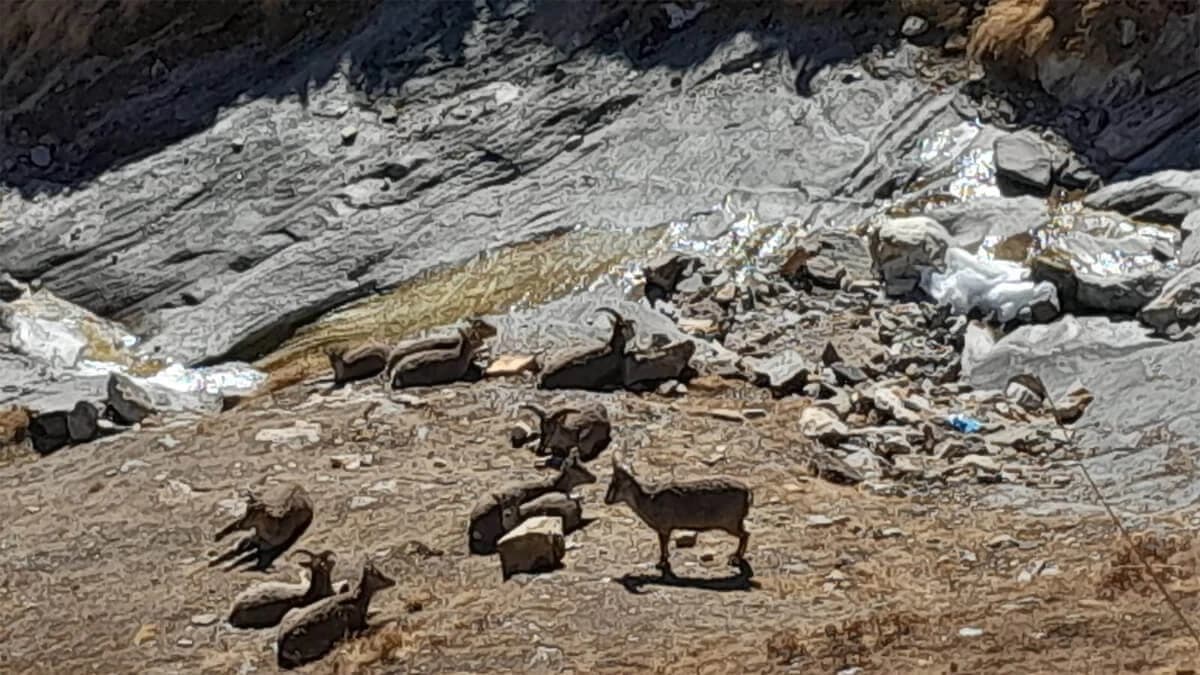
The best time to do the Short Manaslu Circuit Trek is during spring (March to May) and autumn (September to November). In spring, the trail is covered with colorful rhododendron forests, and you can see blooming flowers along the mountainsides. The weather is generally clear which gives you spectacular views of Manaslu, Himalchuli, and Ganesh Himal. The rivers and waterfalls along the trail look vibrant and full of life. This season is also great for spotting wildlife such as mountain goats, marmots, and various birds.

Autumn is another perfect time for trekking, as the skies are usually crisp and clear which provides some of the best panoramic Himalayan views. During this season, you can enjoy the golden hues of terraced fields, traditional villages, and alpine meadows, making every photo stop truly memorable. The weather is stable, and the trails are less muddy, which makes trekking easier and more comfortable.

No matter the season, you will experience the cultural richness of mountain villages, cross suspension bridges, and hike through forests and high-altitude valleys. The highlight of the trek remains the sunrise at Larkya La Pass, offering breathtaking 360° views of the surrounding peaks, a moment you will never forget. Both spring and autumn give you the best chance to enjoy nature, adventure, and stunning Himalayan landscapes on this short yet rewarding circuit.

Short Manaslu Circuit trek vs Manaslu Circuit Trek

The Short Manaslu Circuit Trek is designed for travelers with limited time who want to experience the main highlights of the region. It usually takes 8–10 days and focuses on scenic villages, high mountain views, and cultural experiences without covering the entire circuit. The trail is less demanding, and daily walking hours are shorter compared to the full trek. It is ideal for first-time trekkers or those who want a moderate adventure with comfort.

The Full Manaslu Circuit Trek, on the other hand, is a longer and more challenging route, typically taking 14–18 days. It covers the entire circuit around Mount Manaslu, including remote valleys, diverse landscapes, and the famous Larkya La Pass (5,106 m). Trekkers experience a wider variety of villages, cultural sites, and high-altitude terrain. This trek requires good fitness, prior trekking experience, and careful acclimatization due to higher altitudes and longer daily walking hours.

Trek Difficulty and Fitness Level of Short Manaslu Circuit Trek

The Short Manaslu Circuit Trek is considered to have a moderate to challenging difficulty level. Although it is shorter than the full Manaslu Circuit, trekkers still face long walking days, high altitudes, and varying terrain. The trail passes through forests, rivers, villages, and rugged mountain paths, gradually ascending to high-altitude areas like Samagaon, Samdo, and the Larkya La Pass (5,106 m / 16,748 ft).

Daily walking hours typically range around 5 hours, depending on the section of the trek and your pace. Some days involve steady uphill climbs, while others include steep descents or rocky trails. Proper acclimatization is necessary to avoid altitude sickness, especially on the high-pass day, which is the most physically demanding part of the trek.

A good level of fitness is required to enjoy the trek comfortably. Trekkers should have prior trekking experience, or at least be accustomed to walking long hours on hilly or mountainous terrain. Regular cardio, hiking practice, and strength training before the trek can help make the journey safer and more enjoyable. With preparation and a steady pace, most fit trekkers can complete the Short Manaslu Circuit successfully.

Cost of Short Manaslu Circuit Trek

The cost of the Short Manaslu Trek depends on several factors, including the type of trek (guided or independent), the number of days, accommodation style, meals, and whether you hire a trekking agency or do it on your own. On average, a budget trek can cost around $700–$900 USD per person, while a mid-range guided trek with a package including permits, meals, teahouse accommodation, guide, and porter can range from $1,000–$1,400 USD per person.

The main expenses include trekking permits such as the Manaslu Restricted Area Permit (RAP), Manaslu Conservation Area Permit (MCAP), and the TIMS card, which are usually included in a trek package. Other costs include transportation to and from Kathmandu, meals, tea or coffee, tips for guides and porters, and personal gear.

Independent trekkers may spend less but need to arrange permits, accommodation, and meals on their own, which can be challenging in remote areas. Hiring a guide and porter is highly recommended, especially for the first-time trekkers, as it ensures safety, support with high-altitude trekking, and smoother access to remote villages. Overall, the Short Manaslu Trek offers great value for experiencing stunning Himalayan landscapes, rich culture, and a less crowded route.

Why Choose a Short Manaslu Circuit Trek?

The Short Manaslu Trek is an excellent choice for travelers who want to experience the beauty of the Himalayas without committing to a long and challenging journey. One of the biggest advantages is the support of experienced local guides and porters, who not only help carry luggage but also provide valuable knowledge about the region, culture, and mountains. Their expertise makes the trek safer and more enjoyable, especially in remote and high-altitude areas.

Another benefit is the flexible and customizable itinerary. The short trek can be tailored to your available time, fitness level, and personal preferences. Whether you want a slightly faster pace or more time for sightseeing, your trek can be adjusted without missing the main highlights of the Manaslu region.

Additionally, a guided short trek ensures that all permits, safety, and logistical arrangements are handled smoothly. Trekking in the Manaslu region requires special permits for restricted areas, and local agencies can arrange these, along with accommodation and meals, saving time and avoiding complications. Overall, choosing a Short Manaslu Trek provides a balance of adventure, culture, comfort, and safety, making it an ideal option for first-time trekkers and those with limited time.

Itinerary
Trip PlanExpand All

You’ll start your journey early from Kathmandu (or Pokhara) in a jeep/van bus heading toward Arughat Bazaar. The drive takes around 8–10 hours with scenic views of hills, rivers, and terraced fields. Once you reach Arughat, your porter/guide will organize your trekking permits (ACAP & MCAP), and you’ll continue by local vehicle to Philim, your first village in the Manaslu region. Philim is a beautiful Gurung village where you can relax, stretch your legs, and enjoy your first mountain atmosphere.

In the evening, you can take a short walk around Philim to explore the village and observe local life. You’ll notice traditional stone houses, prayer flags, and terraced fields, giving a gentle introduction to the culture and lifestyle of the Manaslu region. This day also helps your body adjust to starting the trek, preparing you for the journey ahead.

Next day, you’ll trek along the Budhi Gandaki River toward Ghap, walking on stone paths and crossing suspension bridges surrounded by lush forests and rolling hills. The peaceful riverside trail and small village sights make this a perfect introduction to the Manaslu region.

Along the way, you’ll have opportunities to interact with locals, see small farmsteads, and enjoy the sound of flowing rivers. Ghap itself is a scenic village with cozy lodges and a chance to relax while soaking in the first real Himalayan views. This is also a good day to observe traditional farming practices and get used to walking longer hours on hilly terrain.

As you continue through rhododendron forests and remote villages, you reach Shyala.You can enjoy quiet village life while catching your first glimpses of high Himalayan peaks. The combination of forested trails and mountain views gives a serene and refreshing trekking experience. In Shyala, you can explore nearby trails or small side paths that provide panoramic views of surrounding peaks. You can get  insight into the Tibetan-influenced culture of the area, with prayer flags and mani walls scattered along the paths. It’s a calm spot to acclimatize and enjoy the natural surroundings.

Today, you’ll hike up to Pungyen for panoramic views of Manaslu, Himalchuli, and Ganesh Himal, letting your body acclimatize to the higher altitude. After soaking in the spectacular mountain scenery, you descend to Samagaon, a larger village with comfortable lodges, making it ideal for rest and photography.
Samagaon is a culturally rich village where you can explore local monasteries, mani walls, and prayer flags. In the evening, the clear sky provides excellent stargazing opportunities. This day also allows you to experience the warmth and hospitality of local teahouses, while preparing your body for higher altitudes in the coming days.

The trail takes you to Samdo, near the Tibetan border, through alpine landscapes where you might spot wildlife such as marmots and mountain goats. The rugged scenery, high-altitude environment, and traditional villages make this day a perfect combination of adventure and cultural experience. Samdo is one of the last villages before the high Larkya La Pass, giving trekkers a sense of remoteness and adventure. You can take short walks around the village to observe local customs, visit small prayer halls, and enjoy the crisp mountain air while preparing for the more challenging sections ahead.

You trek deeper into alpine terrain, following glacial streams and rocky paths to Dharamsala, the last stop before the Larkya La Pass. The dramatic scenery, including snow-capped peaks and glacial rivers, prepares you for the challenging high-altitude pass ahead. At Dharmashala, the atmosphere is serene and isolated, surrounded by towering peaks. This day allows trekkers to rest and acclimatize at a higher altitude. It’s also a great opportunity to enjoy the quiet beauty of the alpine landscape, photograph glaciers and nearby mountains, and mentally prepare for the toughest day of the trek.

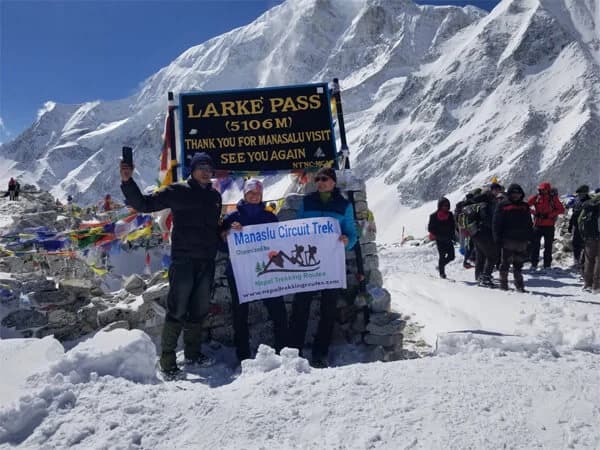
This is the most challenging but rewarding day. You cross Larkya La Pass (5,106 m) surrounded by breathtaking Himalayan vistas. After celebrating your achievement at the top, you descend to Bimthang, passing lush meadows and enjoying the contrast of alpine terrain and green valleys. Crossing Larkya La Pass is not only physically rewarding but also a moment of achievement and awe, with panoramic views of Mount Manaslu, Himalchuli, and Cheo Himal. Bimthang provides cozy teahouses where you can rest and recover, and the descent allows you to enjoy the changing landscapes, from stark alpine zones to green valleys.

Today’s descent takes you through scenic valleys to Tilche, following rivers and passing waterfalls. The trail is dotted with wildflowers and offers beautiful valley scenery, providing a relaxing and picturesque trekking experience after the high pass. Along the way, you’ll see a variety of alpine flora, small villages, and riverside settlements. It’s a gentle day that allows you to reflect on your trek so far. You can take photos, and enjoy the serene mountain environment before the final day of trekking.

Your final trekking day leads to Dharapani, a historic trailhead village. From here, a vehicle takes you back to Kathmandu or Pokhara, giving you time to reflect on the stunning landscapes, rivers, alpine meadows, and Himalayan peaks you experienced throughout the Manaslu Circuit.

On the drive back, you can enjoy the changing scenery from mountains to hills to the plains, capturing the final moments of your adventure. This day also gives trekkers a sense of accomplishment and the chance to appreciate the culture, villages, and natural beauty encountered throughout the Short Manaslu Circuit Trek.

Plan An Amazing Private and Tailor-Made HolidaysNot satisficed with this itinerary? Share your idea with our travel Expert. We make your dream come true.
Customize Trip
Essential Information

Permits Required for Manaslu Region Trek

Trekking in the Manaslu region requires several special permits because it is a restricted area. These permits help protect the environment, local culture, and ensure safety for trekkers. All trekkers must carry valid permits, and they are usually arranged through trekking agencies to make the process easier. Without these permits, trekkers are not allowed to enter the restricted areas, so it’s essential to arrange them before starting the trek.

Manaslu Restricted Area Permit (MRAP)

This is the most important permit for trekking in the Manaslu region. The RAP is issued by the Nepal government and allows entry into the restricted areas around Mount Manaslu. Trekkers must carry a passport copy, trekking details, and pay a fee. The number of trekkers allowed per week is limited to help preserve the natural and cultural environment.

Manaslu Conservation Area Permit (MCAP)

This permit is required to enter the Manaslu Conservation Area, which protects wildlife, forests, rivers, and alpine landscapes. It supports conservation efforts and local communities while maintaining eco-friendly trekking practices. The MCAP fee contributes to park management, trail maintenance, and community development.

Annapurna Conservation Area Permit (ACAP)

Some Short Manaslu routes pass through the Annapurna Conservation Area for connecting trails or access roads. This permit is necessary if your trek briefly enters this area. ACAP ensures protection of forests, biodiversity, and cultural sites in western Nepal.

TIMS Card

The TIMS card is mandatory for all trekkers in Nepal, including those in restricted areas. It is a tracking and safety system issued by the Nepal Tourism Board. The card contains your personal information, trek itinerary, and emergency contact details, helping authorities monitor trekkers’ movements and respond quickly in case of emergencies.

Accommodation and Meals for Short Manaslu Circuit Trek

On the Short Manaslu Circuit Trek, most trekkers stay in local teahouses and lodges along the trail. These teahouses are simple but comfortable, offering basic rooms with beds, blankets, and shared or private bathrooms in some places. The higher you go, the more basic the facilities become, but the warmth and hospitality of the local people make up for the simplicity.

Meals on the trek are mostly provided by the teahouses. You can expect Nepali dishes like dal bhat (rice and lentils), vegetable curries, noodles, and momos (dumplings). Breakfast usually includes eggs, or toast. Hot drinks like tea, coffee are widely available to help you stay warm. Some teahouses may also offer limited Western-style meals, especially in popular villages like Samagaon and Samdo.

It is recommended to carry extra snacks and energy bars, as options may be limited in smaller villages. Drinking water should be boiled or filtered, and most teahouses sell bottled water at a reasonable price. Overall, staying in teahouses allows trekkers to experience local culture and hospitality, making meals and accommodation an enjoyable part of the trekking experience.

Water and Medical facility in Manaslu Circuit

During the short Manaslu circuit trek, clean drinking water is available in most teahouses, but it is recommended to treat water before drinking. To avoid stomach problems, you should use a purification tablet, boil or filter the water. Bottled water is also available for purchase at lodges, especially in larger villages like Samagaon and Samdo, though prices are higher at higher altitudes. You can carry a reusable water bottle and purification system to stay hydrated throughout the trek.

Medical facilities in Manslu Region are limited, especially in remote villages. Basic first-aid supplies and minor medical assistance may be available in larger villages such as Samagaon, Samdo, or Bimthang. For more serious medical needs, you may require evacuation to a hospital in Kathmandu or Pokhara. You should carry a personal first-aid kit for basic injuries, altitude sickness, headaches, diarrhea and so on.

It’s also recommended to travel with an experienced guide or porter, who can assist in emergencies and help coordinate evacuation if needed. For trekkers, maintaining hydration, proper acclimatization, and awareness of altitude sickness symptoms are essential for a safe journey. Overall, while basic water and medical facilities exist, careful preparation and personal supplies are necessary for a comfortable and safe Manaslu trek.

Note: The Manaslu Circuit Trek passes through remote and restricted areas where ATM facilities are not available beyond the starting points. Trekkers may face a financial crisis if they do not carry enough cash for the entire journey. All expenses such as accommodation, meals, hot drinks, charging devices, hot showers, and emergency needs must be paid in cash.

Prices increase with altitude, and unexpected costs may arise due to weather delays, route changes, or health issues. In emergency situations like illness or evacuation, immediate cash may be required before any assistance can be arranged. Limited mobile networks and internet access make digital payments unreliable.

To avoid financial difficulties, trekkers should carry sufficient Nepalese currency from Kathmandu or Pokhara, including extra money for emergencies. Hiring a guide or booking a trek package helps manage costs better, as most major expenses like permits, accommodation, and logistics are handled in advance.]

Packing List for Short Manaslu Circuit Trek

Packing for the Short Manaslu Circuit trek doesn’t need to be complicated, but it’s important to be prepared. Since the trek goes through remote areas, it’s best to carry all the basic trekking gear you'll need., along with comfortable walking shoes and a warm sleeping bag. Having a comfortable backpack and a few useful items like a water bottle and headlamp will make the journey easier.

The weather can change as you go higher, so carry clothes according to the weather conditions. Along with that, keep your personal essentials, documents, permits, and some cash handy. Packing simple and smart will help you enjoy the trek without unnecessary stress.

Essential Trekking Gear

  • Sturdy trekking boots with good ankle support
  • Backpack or daypack with rain cover
  • Trekking poles
  • Sleeping bag (suitable for cold temperatures)
  • Headlamp or flashlight with extra batteries
  • Reusable water bottle or hydration bladder
  • Water purification tablets or filter
  • Sunglasses and sun protection

Clothing for High-Altitude Conditions

  • Moisture-wicking base layers (top and bottom)
  • Warm fleece or insulated down jacket
  • Waterproof and windproof jacket
  • Trekking pants and comfortable hiking shirts
  • Thermal wear for cold mornings and nights
  • Warm gloves and woolen socks
  • Warm hat or beanie and sun hat

Personal Items and Documents

  • Toiletries and quick-dry towel
  • Sunscreen and lip balm with SPF
  • Personal medications and basic first-aid kit
  • Passport and photocopies
  • Trekking permits (RAP, MCAP, ACAP, TIMS)
  • Travel insurance documents
  • Cash in Nepalese currency
  • Power bank and charging cables
FAQs

The Short Manaslu Circuit Trek usually takes 8 to 10 days to complete, depending on your route, walking pace, and weather conditions. This shortened itinerary is ideal for trekkers who have limited time but still want to experience the remote landscapes, mountain views, and cultural villages of the Manaslu region. Although it is shorter than the classic Manaslu Circuit Trek, it still includes key highlights such as Samagaon, Samdo, and the Larkya La Pass. With proper acclimatization days included, the trek offers a rewarding Himalayan adventure without feeling rushed.

Yes, a licensed guide is compulsory for the Short Manaslu Circuit Trek because the region is a restricted area. Independent trekking is not allowed, and having a guide ensures that all permits are in order. In addition, guides provide safety support, help with navigation, and share valuable local knowledge about the villages, culture, and mountains, making the trek safer and more enjoyable.

The Short Manaslu Circuit Trek is considered moderate to challenging. It involves long walking days, steep trails, and high-altitude sections, including areas near the Larkya La Pass. While it can be physically demanding, trekkers with good fitness, some trekking experience, and proper acclimatization can complete it safely and enjoy the stunning Himalayan landscapes along the way.

Yes, teahouse accommodations are available along the entire Short Manaslu Trek. These are simple local lodges that provide basic rooms, meals, and warm hospitality, allowing trekkers to rest comfortably even in remote villages. Staying in teahouses also offers a chance to experience local culture and lifestyle, making the trek more enjoyable.

The best time for the Short Manaslu Trek is during spring (March to May) and autumn (September to November). During these seasons, the weather is stable, trails are clear, and the mountain views are at their most spectacular, providing ideal conditions for trekking and photography.

Trekkers on the Short Manaslu Circuit Trek need several permits, including the Manaslu Restricted Area Permit (RAP), Manaslu Conservation Area Permit (MCAP), Annapurna Conservation Area Permit (ACAP), and a TIMS card. These permits are mandatory to enter the restricted areas and are usually arranged through a trekking agency, making the process easier and ensuring a smooth trek.

Crossing the Larkya La Pass (5,106 m) is the most challenging section of the trek because of its high altitude and long walking hours. With proper acclimatization, a steady pace, and guidance from an experienced guide, most fit trekkers can cross it safely. The effort is rewarded with breathtaking panoramic views of Mount Manaslu, Himalchuli, and surrounding peaks at the top.

20 years of Adventure
Why Travel with Nepal Trekking Routes?
We Care for Your Safety
Nepal Trekking Routes always focus on safety, and satisfaction of our valued clients. Our Trekking guides are highly experienced and trained to operate various group trekking trip in high Himalaya.
Provide Financial Protection
NTR prioritize healthy financial safety for clients, ensuring proactive safeguarding of client interest. Our commitment strengthens our role as trusted partners maintaining standards with dedication and Excellence.
100% Local Guide
100% Local Guide
Traveler looking for experience authentic insights through trekking in Nepal NTE offer your 100% local guide who help you to experience unique perspective ensuring and enriched journey customize to your interest.
Personalized Service
We always provide one guide and one porter to two guests in order to meet our standard of providing standard service. Impeccable hospitality and quality services are guaranteed while traveling with us.
Know More
You May Also Like
Manaslu Circuit Trek
15% OFF
FromUS$950US$1520
Manaslu Tsum Valley Trek
15% OFF
FromUS$1890US$1890
Manaslu Base Camp Trek
15% OFF
FromUS$1290US$1520
Book Now