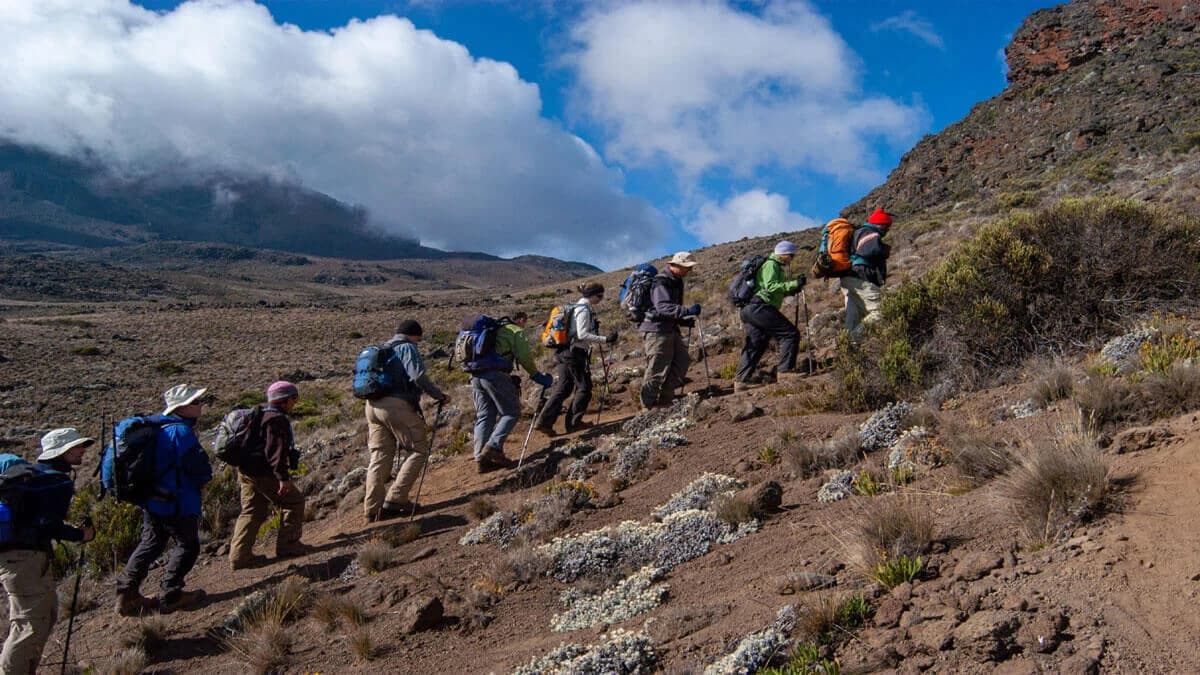
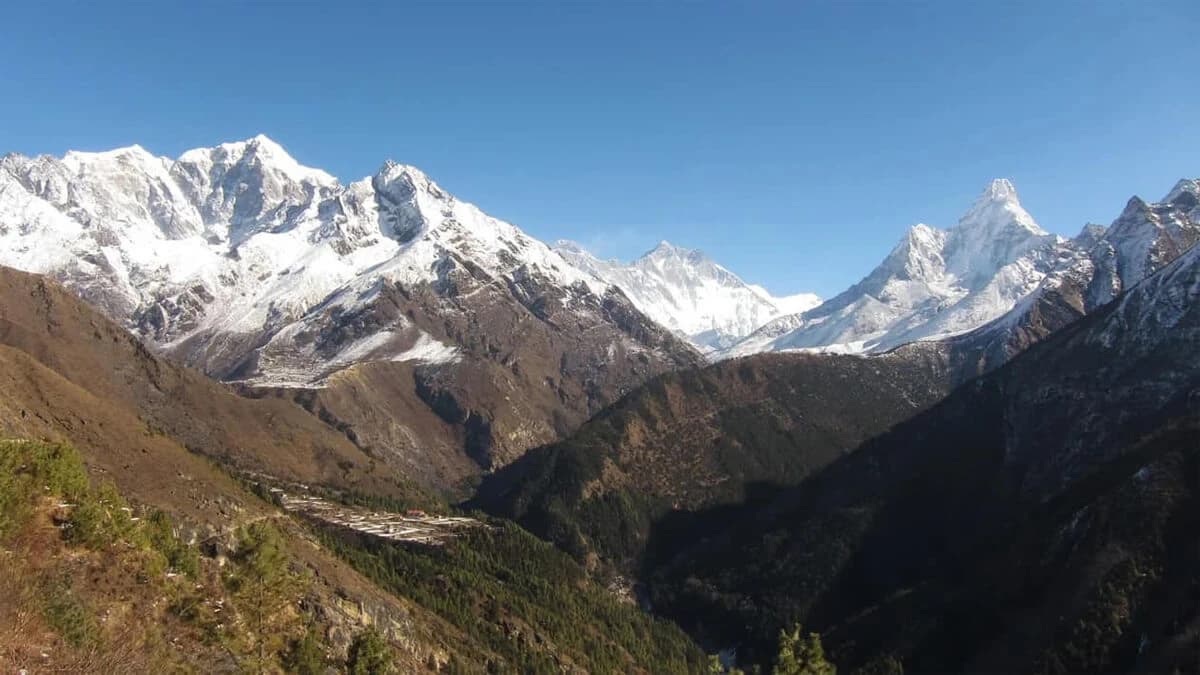
Jiri Everest Base Camp Trek

Jiri Everest Base Camp Trek

Duration21 Days
Trip GradeModerate
CountryNepal
Maximum Altitude5545 M
Group Size1-12
StartsKathmandu
EndsKathmandu
ActivitiesTrekking/Hiking
Best TimeSeptember to December & March to May

The Jiri Everest Base Camp trek is the longest and most traditional way to reach Everest Base Camp without starting from Lukla. It is not the route most people choose today, and that is exactly why some trekkers prefer it. 

While most trekkers now begin their journey with a short flight, this route follows the older idea that was commonly used before Lukla became the main gateway to the Everest region. It adds almost a week of walking before the trail meets the standard Everest Base Camp route at Chiplung, which is why it suits trekkers with more time than those following a tighter schedule. The extra days offer a different introduction to the journey, well before the crowds become part of the experience.

Jiri to Everest Base Camp Trek Overview

This is the longer Everest Base Camp trekking that starts from Jiri instead of flying straight to Lukla. It is slower, more physical, and follows the old approach route into the Everest region trek.

This Everest Base Camp trek via Jiri connects rural villages before joining the main Everest Base Camp trek route in Chiplung village. From there, the journey continues on the standard EBC itinerary through Namche Bazaar, Tengboche, Dingboche, Lobuche, Gorak Shep, and finally Everest Base Camp.

Compared to the regular Lukla start, this Everest Base Camp trek route feels longer and slower and the early days give a more local side of Nepal trekking before entering the busy Everest region trek.

It is a full Everest Base Camp trek package from lower hills to high Himalaya, following the complete EBC trek itinerary without skipping the lesser used part of the trail that most trekkers miss when flying directly to Lukla.

Jiri Everest Base Camp Trek Highlights

  • Jiri to Everest Base Camp trek is the classic overland route before Lukla flights. It is a longer and more traditional Everest Base Camp trek
  • It is more budget friendly trek since it avoids the domestic flight to Lukla at the start
  • The trail takes you through small hill villages with mixed ethnic communities, showing real Nepal trekking life in the Everest region
  • The route is less crowded than the standard Everest Base Camp trek from Lukla
  • You pass monasteries and experience Tibetan Buddhist culture, especially as you get closer to the Everest Base Camp trek route
  • The trek goes through forest zones, rivers, suspension bridges and Sagarmatha National Park in the higher section
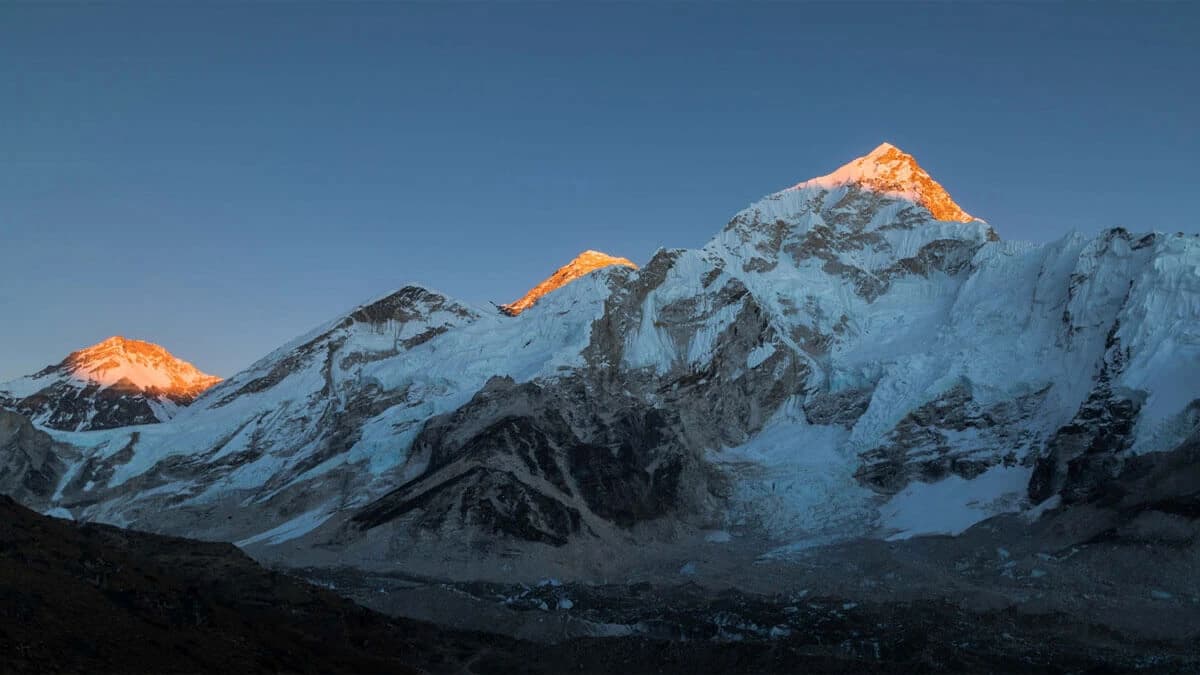
  • Mountain views include Everest, Lhotse, Cho Oyu, Ama Dablam and Pumori during the Everest region trek
  • The journey ends with a scenic flight from Lukla back to Kathmandu

How Much Does the Jiri Everest Base Camp Trek Cost in 2026?

The Jiri Everest Base Camp trek cost is different from the standard Everest Base Camp trek cost from Lukla because the journey starts by road instead of a flight. You drive from Kathmandu to Jiri and then continue the Everest Base Camp trek itinerary on foot.

Kathmandu to Lukla EBC trek requires two permits while Jiri EBC trek needs three legal documents. Gaurishankar Conservation Area Project (GCAP) Entry Permit is an added obligation for this trek and hence that increases the cost.

Since this Everest Base Camp trek via Jiri adds extra trekking days before joining the main EBC route, the overall plan becomes longer compared to the regular Lukla trek, which is why the cost structure is different. With Nepal Trekking Routes, the total cost for Jiri Everest Base Camp trek is USD 1995.

Jiri Everest Base Camp Trek Itinerary

Everest Base Camp trek is everyone’s dream trek in Nepal. They all want to reach the closest place of the world’s highest peak, Mount Everest (8,848.86 m). However, it is not everyone’s cup of tea. Jiri Everest Base Camp trek itinerary ranges from 9 days to 21 days depending upon a few things. The route you follow and the rest days you want to play a vital role in sizing the itinerary.

If you begin the Everest Base Camp trek from Kathmandu by flying to Lukla, you can do it in around 9 days. On the other hand, if you make it from Jiri, Dolakha, the itinerary changes. Similarly, you have two days of acclimatization in Namche Bazar and Dingboche in Everest region. If you cut off these days, you can minimize the proposed itinerary.

Similarly, you can extend this itinerary by connecting to other popular treks in the Everest regionEverest Gokyo Lakes trekEverest Three High Passes TrekEverest Cho La Pass trek, etc. are some packages, which can be connected with this trek. 

Jiri Everest Base Camp Trek Difficulty

There are certain responsible factors that contribute in the Jiri Everest Base Camp trek difficulty like trekking hours every day, condition of the trails, altitude gain, and availability of food and accommodation facilities. If you take our the altitude gain, the Jiri Everest Base Camp trek is a moderate type of trek. Even if you are a beginner, you can do this trek if you prepare yourself a little more. In case you have previous trekking experience, it will be an added benefit.

However, you have to walk for 6 to 7 hours along different trails every day. You don’t have to cross high passes but do not underestimate the altitude either. As the teahouses, hotels and lodges are in enough numbers along the route, you don’t have to worry about food and accommodation. The condition of the Nepal trekking trails is good as thousands of trekkers travel to this region. The altitude is the main challenge during this trek as you have to spend most of the days above 2,500 m.

As soon as you reach above 2,500 m, you have the threat of Acute Mountain Sickness (AMS). You need to follow some precautions to avoid this challenge. Walking slow, having enough rest, food and drinking water can be really to help us cope with this. Similarly, keeping first aid kit box with you, it can also keep you away from AMS. Moreover, as soon as you feel any of the symptoms like shortness of breath or extreme fatigue or dehydration, you need to consult with the trekking guide.

Jiri Everest Base Camp Trek Permits

You don’t need any restricted trekking permit for your Everest trek via Jiri. Here are the permit requirements for your trek:

  • Gaurishankar Conservation Area Project Entry Permit
  • Khumbu Pasang Lhamu Rural Municipality Permit
  • Sagarmatha National Park Entry Permit

Best Season for Jiri Everest Base Camp Trek

The Jiri Everest Base Camp trek can be done most of the year. The best season for Jiri EBC trekking in Nepal depends on how stable you want the trail to be and how easy you want the journey to feel. Weather and conditions change between the lower Jiri section and the higher Everest region.

Jiri Everest Base Camp Trek in Spring Season (March to May)

Spring is one of the best times to trek in Nepal. The lower trail is active and most tea houses are open and walking seems to be smooth with no major weather problems on most days. Visibility is also good for mountain views with blooming flowers and stunning wildlife.

Jiri Everest Base Camp Trek in Autumn Season (September to November)

Autumn is the most popular time for Jiri Everest route. The weather is more certain, so the journey is easier to plan from start to finish. This is the main season for trekkers taking the long traditional route to Everest Base Camp as the mountain views can be seen almost perfectly.

Jiri Everest Base Camp Trek in Monsoon Season(June to August)

Monsoon is one of the less visited season in Nepal as the lower part from Jiri gets heavy rain and muddy paths. Some areas can also be affected by landslides. The higher Everest region is less wet, but reaching it takes more effort during this season.

Jiri Everest Base Camp Trek in Winter Season (December to February)

Fewer trekkers use the Jiri trail in winter and the villages feel empty. It is still possible to trek, but it gets cold as you go higher. Some tea houses may close or reduce services. Clear days still happen and mountain views can be very good.

Why Choose the Jiri Everest Base Camp Trek?

The Jiri to Everest Base Camp trek takes longer than starting from Lukla, so it isn't the right choice for everyone. If your schedule is tight, the standard EBC Trek itinerary from Lukla is the better option. But if you have the time, Jiri offers a very different start to the journey before the trail meets the main Everest Base Camp trek at Chiplung.

  • The trek begins with a drive from Kathmandu to Bhandar via Jiri which means you don't have to take a flight to Lukla.
  • The first week is much quieter than the main Everest trail, with fewer trekking groups before reaching Phakding.
  • Villages like Sete, Junbesi, Nunthala, Buspa, and Surke are only visited by trekkers following this itinerary.
  • You reach Namche Bazaar after several days of trekking instead of on the second day after flying into Lukla.
  • The itinerary gives you more time on the trail before heading into the higher part of the Everest region, although the acclimatization days at Namche and Dingboche are still just as important.
  • If reaching Everest Base Camp is your only goal, Lukla is the faster option. If you also want to enjoy the journey getting there, Jiri is well worth considering.
Itinerary

The Jiri Everest Base Camp trek 21 day itinerary starting from Kathmandu and driving to Bhandar via Jiri. The trek continues through villages like Sete, Junbesi, Nunthala, Buspa, and Surke before joining the main Everest Base Camp trail at Chiplung and continuing to Everest Base Camp and Kala Patthar. The return is via Lukla with a flight back to Kathmandu.

The main highlights of this trek are the long days of walking before Phakding, the experience of both the Jiri route and the standard Everest Base Camp trail, and reaching Everest Base Camp and Kala Patthar.

If you would like to make any changes to this Jiri to Everest Base Camp trek itinerary, Nepal Trekking Routes will be happy to assist you. Just contact us for customization.

Trip PlanExpand All

On your arrival day, the representative of NTR receives you at the Kathmandu Airport. Then, you will be transferred to the hotel. When you become fresh, you can visit Thamel on your own.

Max Altitude: 1350 M Accommodation: Deluxe Hotel

The tour guide of our agency takes you out for Kathmandu Valley guided tour. You will explore the art and architecture of the World Heritage Sites. You will go around The Monkey Temple, Patan Durbar Square, Pashupatinath Temple and Bouddhanath Stupa.

When you come back to the hotel, the team leader tells you all about Jiri Everest Base Camp trek itinerary. Now, you can collect the trekking gears as advised by the trekking guide.

Meals: BreakfastAccommodation: Deluxe Hotel

You begin the roadway travel along the Araniko Highway across Dhulikhel up to Khadichaur. Moving along the zigzagging road across the Bhote Koshi River, you reach Mude. From here, the one-lane road runs through the dense forests and reaches Jiri.

Jiri is a small  town of Dolakha district and is also called the Switzerland of Nepal. Before the construction of the off-road track up to Bhandara, Jiri used to be the starting point of Everest Base Camp trek via Jiri.

You drive alongside the dusty road to Bhandara by enjoying the alluring view of the Himalayas and amazing terrains.

Max Altitude: 2190 M Meals: B.L.DAccommodation: Tea House/LodgeDuration: 9 Hrs
B= Breakfast, L= Lunch, and D= Dinner

Ascending along the banks of the Likhu Khola, the trail goes across a suspension bridge and reaches Kinja Village. Walking further alongside the terraced farmlands and small huts, you reach Sete. It is a small Sherpa village situated on the edge of a cliff nearby the dense rhododendron forests.

Max Altitude: 2575 M Meals: B.L.DAccommodation: Tea HouseDuration: 6 Hrs

After having breakfast, you climb up towards Lamjura La Pass (3,530m) by walking along the path amidst the rhododendron forests. From this pass, you descend to a beautiful valley named Junbesi (the Moon Basin).

As the name suggests, people believe that the moon comes down to this plain to take a short rest. After reaching in this village, you can take side trips to the local monasteries situated here.

Junbesi Monastery built in 1635 AD is one of the oldest Buddhist shrines of the whole Solukhumbu region. It is popular for the 6-feet statue of Lord Buddha and Dumji Festival.

This is celebrated in the last week of May or the first week of June at the monastery premises. If you make Jiri EBC trek in the this time, you can observe and even participate the masked dances!

Max Altitude: 2670 M Meals: B.L. DAccommodation: Tea HouseDuration: 6 Hrs

Having the first glimpse of Mt. Everest (8,0848m) and the astounding landscapes, you walk past Salleri. It is another main trading hub of this district. Following the banks of the Ringmo Khola, you reach Nunthala Village by crossing Thanksindo La Pass (3,100m).

It is a beautiful villages resided by the people of Sherpa, Rai and Tamang ethnic people. It is situated on the bottom of Karyolung Peak (6,511m) and has stone paved paths and typical houses.

Max Altitude: 2220 M Meals: B.L.DAccommodation: Tea HouseDuration: 7 Hrs

Today’s destination is Buspa Village to reach where you have to walk about 5/6 hours. Walking along the rugged trail across the Dudh Koshi River, terraced fields and small cottages, you reach Jubing Village. In this Rai village, you see the women dressed in their cultural dress and traditional jewelry, especially the nose ring.

Moving onwards, you reach Khari Khola (2,000m) where you can visit the local monastery. You can talk with the monks of this monastery to know more about the Tibetan Buddhist culture and tradition. Finally, crossing the Dudh Koshi River, you reach Buspa to spend the night.

Max Altitude: 2360 M Meals: B.L.DAccommodation: Tea HouseDuration: 6-8 Hrs

Moving along the dense rhododendron forests, you move towards Khari La Pass (3,081m). You will have the enchanting sight of Kusum Kangaru (6,367m), Gyachung Kang (7,952m), Khumbila (5,761m) and many more.

Going across a large mani wall and a few teahouses, you reach Pyuyan. It is a popular stop during Arun Valley Everest trekking or Makalu Base Camp trek. By traversing through the alpine and  rain forests, you ascend towards Surke Village.


Max Altitude: 2290 M Meals: B.L.DAccommodation: Tea HouseDuration: 6-8 Hrs

Walking along the Dudh Koshi River banks, you move ahead to meet the traditional trail to Lukla Namche Bazaar trek. On the way, you go across Chaurikharka which is a mountain village having scattered houses.

Then, moving across few Buddhist shrines largely beautified by prayer flags and chortens, you reach Phakding. Enjoy the breathtaking veiw of Mt. Nupla (5,885m), Kusum Kangaru and Kwangde Ri (6,011m).

Max Altitude: 2610 M Meals: B.L.DAccommodation: Tea HouseDuration: 4-5 Hrs

Walking along the pine and rhododendron forests of Sagarmatha National Park, you move upwards to Namche Bazar. After that, you walk past Monjo and Jorsalle villages. Thereafter, a suspension bridge over the confluence of the Bhote Koshi River and the Dudh Koshi River.

On the way, you will watch the enthralling view of Kusum Kangaru, Thamserku (6,623m), Everest, Lhotse (8,516m), Nuptse (7,861m), Tawache (6,542m) and many more. At the end of the day, you reach Namche Bazaar.

Nanche Bazaar is the main trading center of the entire Solukhumbu region. You get all the modern facilities like ATM booths, cafes, restaurants, hotels, etc. Most of the trekkers take an acclimatization day in Namche Bazaar.

Max Altitude: 3440 M Meals: B.L.DAccommodation: Tea HouseDuration: 6 Hrs

You have a few things to do in Namche Bazar for acclimatization purpose. Hike to Everest View Hotel (3,880m) for the 360-degree panoramic view of Mt. Everest and other peaks. It is one of the highest altitude hotels in the world.

There is the Sherpa Museum to get more knowledge about the Sherpa lifestyle, culture and tradition. The Hall of Fame has preserved the photos of Hillary and Tenzing from the 1953 Everest expedition.

You can also go to Thami Village, Khumjung Village or Khunde Village. There is the Sagarmatha National Park Office at Monjo that gives you information about the biodiversity of this highest altitude conservation area.

Max Altitude: 3440 M Meals: B.L.DAccommodation: Tea HouseDuration: Rest Day

Relishing the breathtaking view of Mount Everest (8,848m) and other peaks, you walk along Sagarmatha National Park. The trail takes you further along the dense forests of pine, oak, fir, birch and rhododendron. You might see birds like pheasant, the national bird of Nepal and animals like musk deer and Himalayan thar.

Finally, you reach Tengboche Monastery from where you can have the astounding view of the Himalayas. Some of the prominent peaks are Mt. Ama Dablam (6,812m), Mt. Khumbila (5,761m) and Mt. Thamserku (6,608m). It is the largest monastery of the Everest region, which is famous for Mani Rimdu Festival.

This is the most colourful festival of the Sherpa people living in the Everest region. It is celebrated for 19 days between October and November at the premises of Tengboche Monastery. The monks and nuns perform mask dances in the traditional songs of the Sherpa community.

Max Altitude: 3878 M Meals: B.L.DAccommodation: Tea HouseDuration: 6-7 Hrs

Crossing a bridge over the Imja River and then following the rhododendron forests, you reach Dobuche Village. Then, the route crosses some Sherpa ethnic villages like Pangboche, Milingo and Somare. At Pangboche, you observe the oldest monastery of the Khumbu region. Finally, you end up the trek at Dingboche.

Max Altitude: 4410 M Meals: B.L.DAccommodation: Tea HouseDuration: 6 Hrs

This is another rest day in the Everest region. You can walk around the valley to pass the time. In case, you love some challenges, you have two things to do. Hike to Chhukung Ri (5,550m) for the lifelong memory of Mt. Everest, Ama Dablam, Lhotse and Nuptse.

Alternatively, hike to the Nagarjun Hill (5,100m) to have the 360-degree view of Lobuche East (6,119m), Lobuche West (6,145m), Taboche Peak (6,367m), Thamserku, Kangtega (6,685m) and Ama Dablam. From the top, the scenery of Periche Valley is beyond description!

Max Altitude: 4410 M Meals: B.L.DAccommodation: Tea HouseDuration: Rest Day

At first, you cross the moraine of the Khumbu Glacier, the largest of this type in this region. You walk past the memorials of the climbers who lost their lives during Everest trekking and expedition.

Moving a few miles ahead, you reach Lobuche Village. It is a traditional Sherpa village having well maintained tracks and helpful people. You can have the clear vistas of Lobuche Far East and Lobuche East from here.

Max Altitude: 4910 M Meals: B.L.DAccommodation: Tea HouseDuration: 6-7 Hrs

Today is the most remarkable day of the whole Jiri Everest Base Camp trek. You reach Gorakshep, the base camp of Mount Everest until the 1953 Everest expedition made by Hillary and Tenzing.

By witnessing the mesmerizing view of the Khumbu Glacier and the Khumbu Icefall, you move to Gorakshep. And then,by keeping the backpack at the hotel,  you move towards Everest Base Camp.

From the highest possible place of the world’s highest peak, you have the alluring view of the Great Himalayas. Except Mt. Everest itself, you see the welcoming view of the snowcapped peaks from here.

Then, you climb down to Gorakshep for the night station. In this way, you make the Everest dream come true!

Max Altitude: 5170 M via 5364 M Meals: B.L.DAccommodation: Tea HouseDuration: 8 Hrs

Get up as early as you can so that you will reach Kalapatthar, the best vantage point of Everest region. By walking for about 2 hours along the icy trail, you reach Kalapatthar (5,550m).

From here, you have the 360-degree view of the Everest Summit and other gorgeous mountains. The first rays of the sun striking the looming snowcapped peaks are really amazing!

After getting the lifelong memories of the astounding view of the three 8,000m plus and other peaks, you climb down to Gorakshep. After having breakfast, you move downhill to Periche.

Periche is the windiest town, which is famous for wonderful sight of Cholatse and Tawache Peaks. You can visit the Himalayan Rescue Association Aid Post. It provides medical treatment to trekkers and local people by the foreign volunteer doctors.

Max Altitude: 4240 M via 5545 M Meals: B.L.DAccommodation: Tea HouseDuration: 8 Hrs

Encountering with hundreds of trekkers going up towards Everest Base Camp (5,364m) and other fauna of Sagarmatha National Park, you continue the retreat trip. By crossing Pangboche, Tengboche and other villages, you arrive in Namche Bazar.


Max Altitude: 3440 M Meals: B.L.DAccommodation: Tea HouseDuration: 8 Hrs

Walking along the same trail and enjoying the views of the Himalayas and landscapes, you arrive Lukla after 7 hours of trekking. This is the last day trekking of Jiri Everest Base Camp trek, so, make it as memorable as you can.

Max Altitude: 2860 M Meals: B.L.DAccommodation: Tea HouseDuration: 8 Hrs

You have breakfast while enjoying the sunrise view of the gorgeous mountains of the Khumbu region. Then, you catch morning flight to Kathmandu by enjoying the aerial view of the snowcapped peaks, lush valleys and green forests.

After landing at the Kathmandu Airport, you will be relocated at the hotel. In the leisure time, you can takes a short walk around Thamel for shopping relics and garment items. In the evening, the agency organizes farewell dinner party at a cultural restaurant around Thamel.

Max Altitude: 1350 M Meals: B.L.DAccommodation: Deluxe HotelDuration: 30 Minutes Flight

The member staff of NTR takes you to the Tribhuvan International Airport to catch up with your flight.

Meals: Breakfast
Plan An Amazing Private and Tailor-Made HolidaysNot satisficed with this itinerary? Share your idea with our travel Expert. We make your dream come true.
Customize Trip
Cost Details
Includes

Transport Service

  • Round-trip airport transfer (Domestic and International)
  • Kathmandu sightseeing by Comfortable Private vehicle
  • Kathmandu to Jiri Private Vehicle transfer

Hotel Accommodation 

  • Hotel Kailash Kutee in Kathmandu 3 nights with twin sharing basis in BB plan
  • Basic Tea House Accommodation during the Trek

Tour/Trekking Guide & Porter

  • Government certified Tour Guide during the Heritage Sightseeing in Kathmandu
  • Government certified Trekking Guide during the Trekking
  • Trekking porter who can help you to carry your luggage (2 Traveler =1 Porter and Porter carried Maximum 25kg)

Trekking Permits

  • All necessary trekking permits and documentation.
  • TIMS Card
  • Local Buddy Intrance Permits

Flight 

  • Lukla to Kathmandu Flight fare

Food

  • Three Time meals During the Trek
  • Breakfast during the Kathmandu Stay

Reward and other service

  • Achievement certificate provided by your travel company in Kathmandu
  • Arrangement of Emergency Helicopter service which will be paid by the Travel insurance company.
  • Medical supplies (first aid kit will be available
  • All government taxes and service charges.
Excludes
  • Personal expenses & Travel insurance
  • Heritage entry fee during the sightseeing in Kathmandu and other
  • All bar bills and personal expenses (phone calls, laundry service, battery recharge, bottles of water, hot water, etc.)
  • Extra hotel accommodation in Kathmandu other than mentioned in Itinerary
  • Tips for guide and porter
Route Map
Jiri Everest Base Camp Trek Map
Essential Information

How the Jiri Route Connects to the Everest Base Camp Trek

The Jiri Everest Base Camp trekking 21 days begins with a drive from Kathmandu to Bhandar via Jiri. From Bhandar, the route goes through Sete, Junbesi, Nunthala, Buspa, Surke, and reaches Phakding. Unlike the standard Everest Base Camp trekking, you spend several days on this route before meeting the main trail.

At Chiplung, the Jiri route joins the regular Everest Base Camp trek itinerary. From there, both routes follow the same trail through Namche Bazaar, Tengboche, Dingboche, Lobuche, Gorak Shep, Everest Base Camp, and Kala Patthar before returning to Lukla.

Daily Walking Hours on the Everest Base Camp Itinerary

Most days on the Jiri Everest Base Camp Kalapatthar trek involve around 6 to 7 hours of walking. Some days are shorter, while others can take longer depending on the distance, weather, trail condition, and how often the group stops during the day. The walking hours listed in the EBC Kallapatthar trekking itinerary should be taken as a general guide rather than an exact schedule.

Everyone walks at a different speed, so everyone finishes at different times even within the same group. Some trekkers like to stop for photos more often, while others prefer to keep moving. By the end of the day, everyone arrives at the same teahouse, just at different times.

Why Do Some Trekkers Choose Jiri instead of Lukla?

Many trekkers choose the Jiri to Everest Base Camp trek because they prefer to begin from the lower hills instead of flying straight to Lukla. The journey starts with a drive from Kathmandu to Bhandar via Jiri, then follows the trail through villages such as Sete, Junbesi, Nunthala, Buspa, and Surke before joining the main Everest Base Camp trek route at Chiplung. It is a longer EBC Kalapatthar trek itinerary, but it shows a larger part of the route than the Lukla option.

The Lukla flight is another reason some people choose this route. Flights to and from Lukla are weather dependent, so delays and cancellations are very common. Starting the Everest Base Camp trek by road avoids that part of the journey, but it also adds several extra days to the itinerary.If your priority is reaching Everest Base Camp in the shortest time, the Lukla route makes more sense. If you have extra time and want a longer trek, the Jiri route is a good alternative.

Is the Jiri to Everest Base Camp Trek Less Crowded?

The Jiri Everest Base Camp trek has fewer trekkers before reaching Phakding. Villages like Bhandar, Sete, Junbesi, Nunthala, Buspa, and Surke receive much less foot traffic than the Lukla route, so you will almost spend long parts of the day without seeing many trekking groups.

Everything changes at Phakding, where the Jiri route joins the main Everest Base Camp trail. From there, you share the route with everyone coming from Lukla through Namche Bazaar, Tengboche, Dingboche, Lobuche, Gorak Shep, and Everest Base Camp. If your only reason for choosing Jiri is to avoid crowds, don't expect that to continue for the whole trek.

Can beginners do the Everest Base Camp trek from Jiri?

Yes, beginners can complete the Jiri Everest trek route, but it is not the best choice if you have never done a long hike before. This is a 21 day Everest Base Camp itinerary where you need to walk for several days, so it is very important to know how your body handles that kind of routine before committing to the long EBC trek.

Previous trekking experience is not required, but good fitness and preparation are. If you arrive expecting the trek to feel like a weekend hike, you will probably find it much harder than expected. If you train beforehand and understand what the itinerary involves, there is no reason a beginner cannot complete this trek.

Is Travel Insurance Necessary for the Jiri to Everest Base Camp trek?

Travel insurance for Jiri to Everest Base Camp trek is highly recommended. Choose a policy that clearly includes high altitude trekking up to 5,545 meters and emergency helicopter evacuation, as these are not included in every plan.

If you need medical treatment or an emergency evacuation in the Everest region, the cost can be very high without insurance. Reading the policy carefully before your trip is a small step that can prevent expensive surprises later.

Teahouse Accommodation on the Jiri Everest Base Camp Trek

The Jiri Everest Base Camp trekking in Nepal follows the traditional teahouse trekking in Nepal style, so you do not need to book lodges yourself along the way. Each day ends at a village with a teahouse where you have dinner, spend the night, and leave again after breakfast the next morning. It becomes a daily routine throughout the trek.

As you get closer to Everest Base Camp, don't expect every stop to offer the same level of comfort you had a few days earlier. The villages become smaller, supplies are harder to bring in, and the choice of teahouses becomes more limited. Most trekkers find that a good night's sleep and a hot meal matter far more than extra facilities by that stage of the trek.

Food on the Everest Base Camp Trek

We know you’ve probably heard a lot about food in the Everest region, and most of it is either exaggerated or outdated. In reality, the meals in teahouses are simple but reliable, and they stay consistent for most of the route once you join the main trail at Phakding.

Dal bhat is the main meal almost everywhere because it is mostly served with refills in many places. It is also the national dish of Nepal so it's definitely worth the try. Alongside that, you will find fried rice, noodles, pasta, potatoes, soups, eggs, pancakes, chapati, and Tibetan bread. The menu doesn’t change much, but the variety is enough for a long trek. It is not like something you find in the restaurant, but it is cooked fresh and does the job after long walking days.

Hidden Costs of Trekking in the Everest Region 

Even with a full trekking package from Nepal Trekking Routes, there are still small daily expenses on the trekking trail that are not included in teahouse stays or meals.

Bottled water becomes expensive as altitude increases, so many trekkers move to boiled water or refill options instead. Charging phones and cameras is paid from Namche onwards. Hot showers also cost extra, and WiFi in a few villages is slow enough that most people don’t use it much after a while. These are not big payments, but they appear every day and slowly build up over the trek.

How Many Kilometers is the Jiri to Everest Base Camp Trek?

There is no official distance for the Jiri to Everest Base Camp trek because the total varies slightly between itineraries and any optional side hikes completed along the way. Most routes that begin from Bhandar cover approximately 185 to 195 kilometers before reaching Everest Base Camp.

Rather than measuring the trek by distance, most trekking companies describe it by the itinerary. The number of kilometers covered each day changes throughout the route, and a shorter stage can still take longer than a longer one because of the terrain and altitude.

Everest Base Camp Packing List

The Jiri to Everest Base Camp trek takes more than three weeks from arrival in Kathmandu to departure, so your equipment should be suitable for changing temperatures, long walking days, and basic teahouse accommodation.

  • Clothing: Down jacket, thermal clothing, waterproof jacket, rain trousers, trekking trousers, trekking shirts, gloves, warm hat, sun hat, and several pairs of trekking socks.
  • Footwear: Waterproof trekking boots that are already broken in, lightweight sandals for the teahouse, and gaiters if you are trekking during snowy conditions.
  • Trekking Gear: Sleeping bag, backpack, trekking poles, headlamp, backpack rain cover, dry bags, reusable water bottles, power bank, and charging cables.
  • Personal Items: Sunglasses, sunscreen, lip balm, toilet paper, hand sanitizer, wet wipes, personal medication, blister treatment, water purification tablets or a water filter, and a basic first aid kit.
  • Documents: Passport, trekking permits, travel insurance documents, passport size photographs, and enough Nepali cash for personal expenses along the trail.

This is a general packing list covering the essentials for the trek. If you want a more detailed checklist with recommended clothing, equipment, and optional items, you can find our complete Nepal trekking packing list on our website before your trip.

How Much Cash Do You Need for the Everest Base Camp Trek?

If your Everest Base Camp trek package already includes accommodation, meals, and all the major trek expenses , carrying around NPR 30,000 to 40,000 in Nepali Rupees is mostly enough to cover personal expenses during the trek.

Withdraw your cash in Kathmandu or, at the latest, Namche Bazaar. Although ATMs have occasionally been available farther along the trail, they are not reliable enough to plan around. For most trekkers, Namche Bazaar is the last dependable place to withdraw cash before continuing towards the hike to Kalapatthar.

Most teahouses and small shops accept cash only. The money you carry is mainly used for bottled or boiled drinking water, snacks, hot showers, WiFi, charging electronic devices, and other personal purchases. If accommodation or meals are not included in your package, your Everest Base Camp trek cost will be considerably higher, so you should budget more accordingly.

Everest Base Camp Trek Tips

  • Leave Kathmandu with everything you need. Once you start walking from Bhandar, the choice oftrekking gear for EBC is much more limited than on the main Everest trail.
  • Start each morning as early as possible. The lower part of the route becomes warmer during the afternoon, especially outside the spring and autumn trekking seasons.
  • Keep small denomination Nepali Rupees with you. They are far more useful than large notes when paying for tea, snacks, or other small purchases at village teahouses.
  • Bring a power bank even if you plan to pay for charging your devices. Power cuts and busy charging stations are not unusual in some villages.
  • Do not expect mobile data to work consistently throughout the journey. Download maps, travel documents, and anything else you may need before leaving Kathmandu.
  • If you enjoy photography, carry spare camera batteries inside your jacket during colder days. Batteries lose charge more quickly at higher elevations.
  • The Jiri section passes through villages where daily life is part of the experience. Ask before taking close up photographs of local people, especially older residents and monks.
  • Keep one complete set of clean clothes packed away for the journey home. After several weeks on the trail, you'll probably be glad you did.

Best Alternatives of Trekking in the Everest Region

  • If you prefer a shorter trek, consider the Everest Base Camp Trek from Lukla (12 to 14 days). 
  • For fewer crowds, try the Everest Three Passes Trek or Gokyo Lakes Trek 13 days
  • If looking for easier options, Everest View Trek is a good alternative for stunning Everest views without high altitude challenges.
FAQs

A trekking guide is not compulsory, but it is helpful on the Jiri route because the trail includes passing through less crowded villages before joining the main Everest Base Camp route at Chiplung. Many trekkers go there with their own personal guide who handles everything. We recommend the same. 

Yes, there are teahouses in all main villages such as Junbesi, Nunthala, Buspa and Surke. The facilities are basic, but they provide food and a place to sleep each night.

Lukla is the more common choice because it saves time. Jiri is longer and suits trekkers who want to start lower and spend more days walking before joining the main Everest Base Camp trail. So it really depends on you, about which route or way of transportation you enjoy the most.

Yes, but not as much as before. Most trekkers now fly to Lukla because it saves a lot of time. The Jiri route is still open and used by people who want a longer trekking start or want to avoid flying in at the beginning. You will see far fewer trekkers on this part of the trail compared to the Lukla side.

Mount Everest (8,848.86 m) is located in Solukhumbu District of northeastern Nepal, on the border with the Tibetan Autonomous Region of China. It lies in the Khumbu region of the Himalayas and is part of the same mountain range that includes peaks like Lhotse (8,516 m) and Cho Oyu (8,188 m).

There isn’t one place on the Jiri to Everest Base Camp trek that stands out for everyone.

Some people talk about Junbesi because you actually stop there, and it feels like a proper village. Others remember Lamjura La Pass more because it is a long climb through forests before you drop down. After that, Phakding is where things change because you join the main Everest Base Camp trail, and suddenly, there are more trekkers around.

From Jiri to Everest Base Camp, it is roughly 180 to 200 km of trekking. It takes about 3 weeks, joining the main trail at Phakding before continuing to Everest Base Camp. Most trekkers now skip this route and fly to Lukla because it is much shorter.

No, you can’t drive to Everest Base Camp. The road only reaches as far as places like Salleri or Thamdanda, depending on the season and the condition of the road. From there, it is all walking. To reach Everest Base Camp, you still have to trek the rest of the way, either from Lukla or after joining the trail from the Jiri route.

Yes. You’re basically adding a full week before Phakding. That means more walking early on and more time going up and down before the main Everest trekking trail even starts.

The highest point most trekkers reach is Kala Patthar (5,545 m). It is climbed after Everest Base Camp and is the best viewpoint for Everest. EBC itself is a bit lower at 5,364 m.

Yes, if they’re fit enough for long days. This trek doesn't demand any technicality, but it's just a long trek, and the early days can wear you out. First timers can do it if they’re used to walking for hours and don’t mind a full trekking schedule.

Sara and Jo Jiri to EBC

We cannot recommend this company highly enough. From pick up at the airport to being dropped back there. The manager was professional, corresponding immediately to our every message. He made...

read more +
Jo Thomas - United Kingdom
26 Mar, 2024
J
Jiri To EBC WOW !!!

Our journey started in Kathmandu with a bus to Jiri/Bhandar. Our guide and porter travelled with us. From there we walked to EBC, back over the Chola pass and back...

read more +
Sara - United Kingdom
20 Mar, 2024
S
20 years of Adventure
Why Travel with Nepal Trekking Routes?
We Care for Your Safety
Nepal Trekking Routes always focus on safety, and satisfaction of our valued clients. Our Trekking guides are highly experienced and trained to operate various group trekking trip in high Himalaya.
Provide Financial Protection
NTR prioritize healthy financial safety for clients, ensuring proactive safeguarding of client interest. Our commitment strengthens our role as trusted partners maintaining standards with dedication and Excellence.
100% Local Guide
100% Local Guide
Traveler looking for experience authentic insights through trekking in Nepal NTE offer your 100% local guide who help you to experience unique perspective ensuring and enriched journey customize to your interest.
Personalized Service
We always provide one guide and one porter to two guests in order to meet our standard of providing standard service. Impeccable hospitality and quality services are guaranteed while traveling with us.
Know More
You May Also Like
Everest Base Camp Trek With Island Peak Climbing
13% OFF
FromUS$2500US$2950
Tilicho Mesokanta Pass Trek
13% OFF
FromUS$1365US$1365
Arun Valley Everest Base Camp Trek
13% OFF
FromUS$2690US$3100
Book Now