Pikey Peak Trek
Pikey Peak Trek
Pikey Peak Trek

Pikey Peak Trek

Duration9 Days
Trip GradeEasy
CountryNepal
Maximum Altitude4065 M
Group Size1-12
StartsKathmandu
EndsKathmandu
ActivitiesTrekking/Hiking
Best TimeMarch to May & Sept to Dec

The Pikey Peak Trek is one of those routes that surprises people. It doesn't have the name recognition of Everest Base Camp or Annapurna, yet many trekkers finish the journey wondering why they hadn't heard of it sooner. In less than a week, the trail takes you through the quieter side of Solukhumbu, where Sherpa villages, Buddhist monasteries, and forested hills lead to Pikey Peak at 4,065 m.

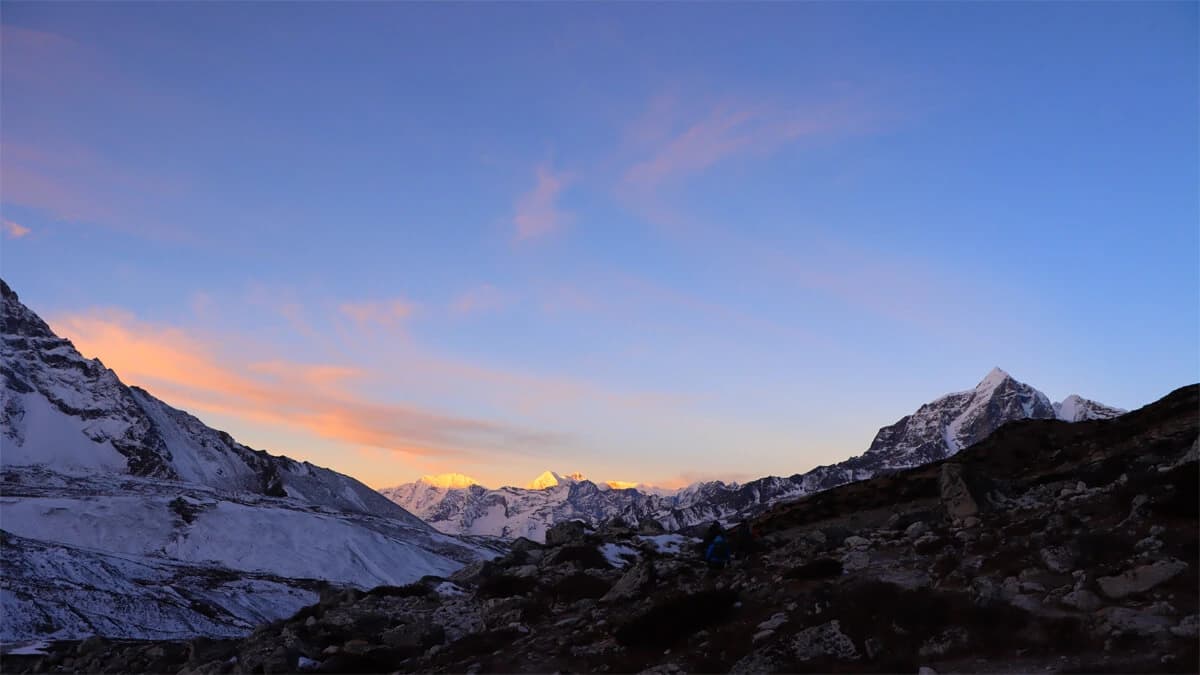
The sunrise from the pikey peak summit is what draws most people here, but it isn't the only reason to choose this trek. The route feels less commercial than Nepal's popular trekking trails and gives you more time to experience local life while still enjoying outstanding views of Mount Everest and the surrounding Himalayan peaks on clear days.

Pikey Peak Trek Overview

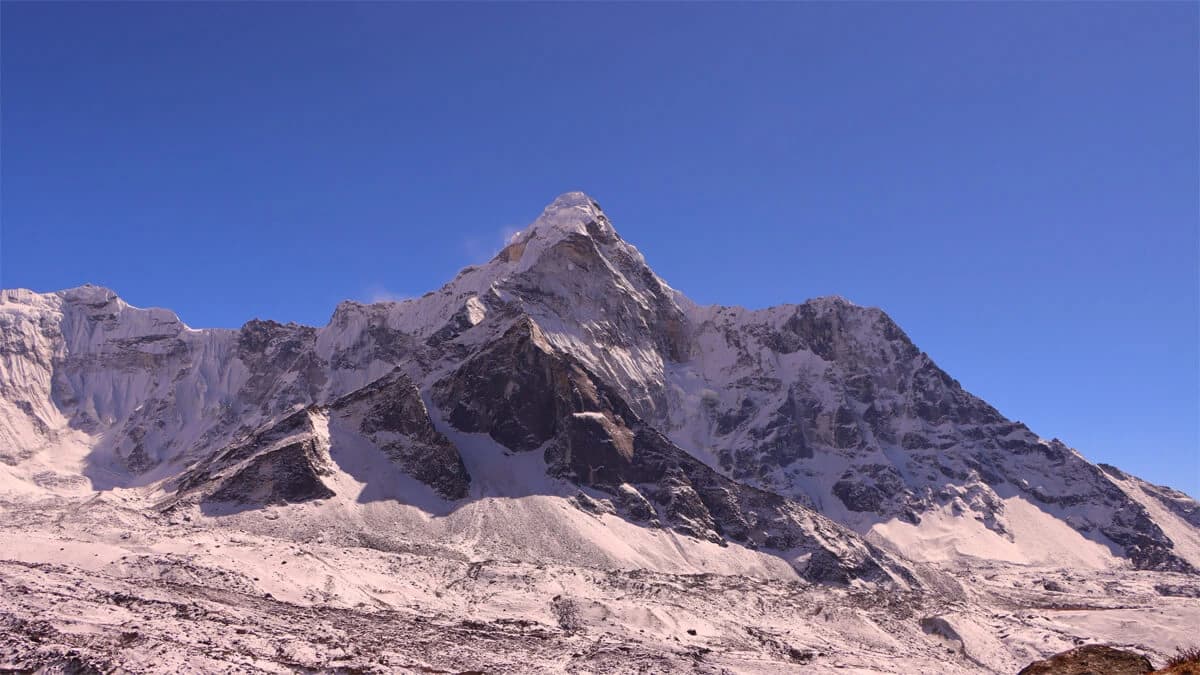
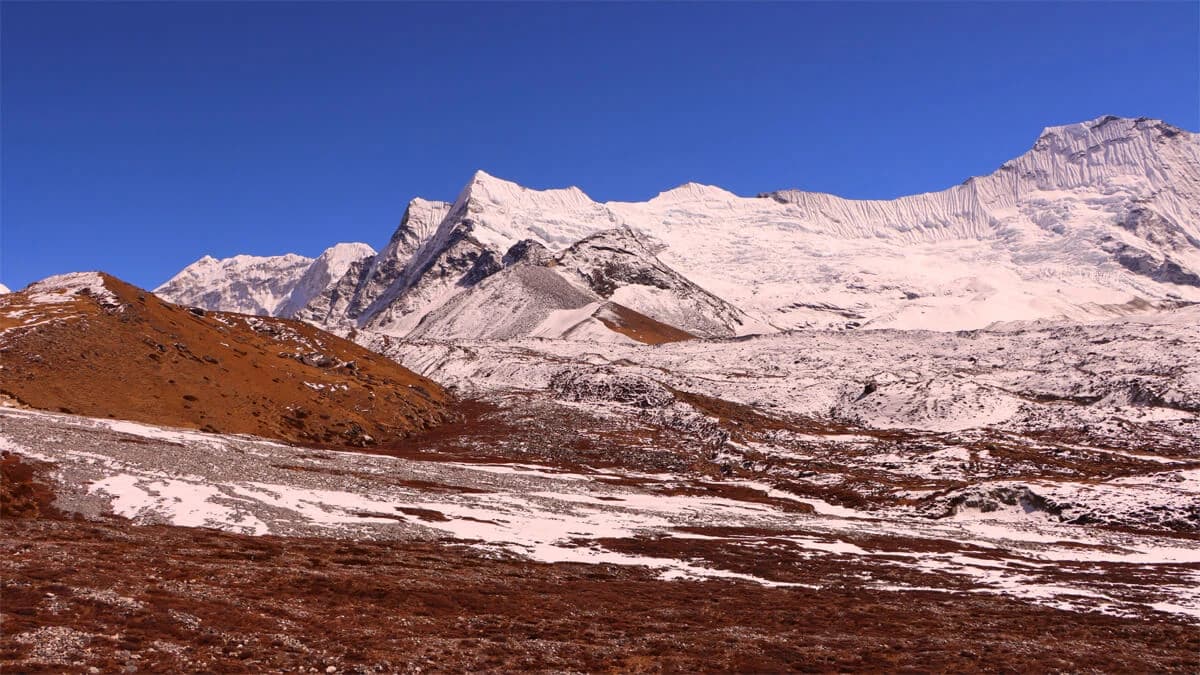
The Pikey Peak Trek takes you into the Lower Solu region of Solukhumbu, a part of the Everest region that receives far fewer trekkers than the Everest Base Camp trail. The route connects Sherpa villages, Buddhist monasteries, forested hills, and family run tea houses, giving you a different perspective of trekking in Nepal without spending weeks in the mountains.

At 4,065 m, Pikey Peak is the highest point of the trek and the reason many people choose this route. Trekkers leave before dawn to reach the summit in time for sunrise, when the mountain views are often at their clearest. On a clear day, the panorama includes Mount Everest, Lhotse, Makalu, Numbur, Gaurishankar, Kanchenjunga, and many other Himalayan peaks. Pikey Peak is also widely associated with a quote attributed to Sir Edmund Hillary praising the Everest view, although no original published source has confirmed the statement.

The Pikey Peak Trekking in Nepal is also recognized as a community trek in Nepal because tourism here is largely supported by local families. Many of the tea houses, guides, porters, and small businesses are locally owned, helping tourism income remain within the villages rather than outside the region. That local connection is one of the reasons this trek feels different from Nepal's busiest trekking routes.

Pikey Peak Trek Highlights

  • Sunrise from Pikey Peak (4,065 m), when Mount Everest, Lhotse, Makalu, and Kanchenjunga are visible on clear mornings.
  • A Pikey Peak Trek route that can start from either Dhap or Phaplu, with multiple itinerary options depending on the number of trekking days.
  • Junbesi, one of the oldest Sherpa settlements in the Lower Solu region, known for its monastery and traditional stone houses.
  • Pike Danda, where long ridgelines replace forest and the Himalayan skyline begins to open up.
  • A Pikey Peak Trek package suitable for 5, 6, or 7 day itineraries without needing to spend two weeks in the Everest region.
  • Rhododendron blooms during spring, clear mountain skies in autumn, and snow covered ridges through much of winter.
  • A hidden trekking route in Nepal that receives far fewer trekkers than the Everest Base Camp trail.
  • An excellent option for travelers searching for the best short trek in Nepal or an offbeat Nepal trek with easy access from Kathmandu.

Pikey Peak Trek Itinerary

The Pikey Peak Trek 9 days itinerary follows the route from Dhap to Phaplu, with overnight stays in Jhapre, Pikey Base Camp, Junbesi, and Phaplu. The Pikey Peak Trek map shows the complete route, while the daily itinerary lists the walking time, elevation, and overnight stop for each day. It follows the same schedule used for this package, from your arrival in Kathmandu to your departure after the trek.

Pikey Peak Trek Cost

At Nepal Trekking Routes, our 9 day Pikey Peak Trek package starts from USD 850 per person, with the regular price set at USD 900. You can confirm your booking with a 10% deposit, and free cancellation is available under our booking policy.

The current package prices are:

  • 1 traveler: USD 1,100 per person
  • 2 to 5 travelers: USD 960 per person
  • 6 to 12 travelers: USD 850 per person

The trekking package includes the services listed in the Cost Includes section. If you would like a private departure, extra nights in Kathmandu, or changes to the itinerary, our team can prepare a quotation based on your travel plans.

If you are traveling with a group, the price per person is lower because the transportation and guide expenses are shared among all participants. For the latest Pikey Peak Trek price, available departure dates, or group bookings, you can contact Nepal Trekking Routes before confirming your trip.

Pikey Peak Trek Permits

The Pikey Peak Trek permits depend on the itinerary you choose. For the standard Dhap to Pikey Peak to Junbesi to Phaplu route, the Sagarmatha National Park Entry Permit is not required because the trek remains in the Lower Solu region and does not enter the national park.

If your trek begins from Jiri or Shivalaya, a Gaurishankar Conservation Area Permit (GCAP) may also be required because that route passes through the conservation area before joining the Pikey Peak route. The Dhap itinerary normally does not follow this approach.

Permit regulations in Nepal are occasionally updated, so requirements should always be confirmed before departure. When you book a Pikey Peak Trekking package with a registered trekking company in Nepal, the necessary permits are arranged in advance, and you can easily begin your Nepal trekking journey.

How Difficult Is the Pikey Peak Trek?

The Pikey Peak Trek difficulty is moderate, with the highest point at 4,065 m. Most days involve around 4 to 6 hours of walking, while the day to Pikey Peak starts early in the morning to catch the sunrise before heading down to Junbesi.

The night at Pikey Base Camp is at 3,640 m, and altitude is the main thing to keep in mind on this trek. The highest point comes after several days of trekking, so proper preparation before the journey is important.

The trek is a good fit for people who are used to regular hiking in Nepal and want an off the beaten path trek in Nepal. Compared with longer Everest region treks, the Pikey Peak Trek altitude is lower and the overall trekking days are shorter.

Starting and Ending Pikey Peak Trek

You can start and end this Nepal trekking from a couple of places. You can drive in a private jeep along the dusty and bumpy road. Alternatively, you can also take a domestic flight to begin the trek formally. Whatever mode of transportation you use, you begin the trek from Solukhumbu district.

There are four major points to start this trek. You can drive to Dhap Bazaar which takes around 7 hours from Kathmandu. Similarly, by driving along the off-road for about 7 hours, you reach Junbesi. It is the most beautiful village of this region to start the Pikey Peak trek.

You can take domestic flights to two of the four airports in the Solukhumbu district. From the Kathmandu Airport, you can fly to Salleri Airport in about 30 minutes. Besides, you can directly fly to Phaplu Airport in about 35 minutes to begin this trek formally.

To end this trek, you can fly from Phaplu Airport to Salleri Airport in about 35 minutes. Alternatively, you can drive to Kathmandu from Dhap Bazaar of Solukhumbu. And the other ending point of the Pikey Peak trek is the Jiri Bazaar of Dolakha district. Jiri Everest Base Camp trek starts from this picturesque town of the Himalayas.

Pikey Peak Trek Altitude

The highest point of the Pikey Peak Trek is Pikey Peak at 4,065 meters (13,336 feet). Trekkers spend the previous night at Pikey Base Camp (3,640 meters) before walking to the summit early the next morning. After sunrise, the trail descends to Junbesi, so you do not spend the night at the highest elevation.

For many people planning trekking in Nepal, this gradual itinerary is one reason Pikey Peak has become a popular short trek in Nepal.

Pikey Peak Sunrise

The sunrise view from Pikey Peak is the highlight of the trek. Most groups leave Pikey Base Camp before dawn to reach the summit in time for first light. On a clear day, the panorama stretches across Everest, Lhotse, Makalu, Kanchenjunga, Manaslu, Dhaulagiri, Gaurishankar, Numbur Himal, Thamserku, Kangtega, and Dorje Lakpa. The best visibility is usually during the autumn and spring trekking seasons, although mountain weather can change at any time. 

Is Pikey Peak Trek Worth It?

If you want a real Everest view without turning it into a long, challenging expedition in Nepal, then yes Pikey Peak surprises people in a good way. In about nine days, you walk through quiet ridgelines, small Sherpa villages, forest trails, and open viewpoints where the Himalayas appear closer than expected. The route is much less crowded than other trekking in Nepal routes in the Everest region.

What makes this trek special is the simple village life along the way. Places like Jhapre, Junbesi, and Phaplu are real working communities where you see farming, yak grazing, and monasteries that are still part of daily life. It feels calm and more natural compared to busy trekking areas. 

For first time visitors to Nepal trekking, this route is a good choice because the altitude gain is gradual and the walking days are not that harsh. You still get wide Himalayan views, Sherpa culture, and a real mountain experience without feeling overwhelmed.

Itinerary

This is a Pikey Peak Trek 9 day itinerary that starts in Kathmandu and follows the route through Dhap, Jhapre, Pikey Base Camp, Junbesi, and Phaplu before returning to Kathmandu by flight. Each day is planned to give you enough time to enjoy the trek and the places you visit along the way.

The trek takes you to Pikey Peak (4,065 m) for sunrise, passes through traditional Sherpa villages, includes a visit to Thupten Chholing Monastery, and ends with a scenic flight from Phaplu. It is a great way to experience the quieter side of the Everest region in a short time.

If you would like to know more about this Pikey Peak Trek or plan your trip, our team at Nepal Trekking Routes is here to help. Feel free to contact us anytime for more information or to book your trek.

Trip PlanExpand All

Upon your arrival at Tribhuvan International Airport in Kathmandu, a representative from Nepal Trekking Routes will be there to welcome you and transfer you to your hotel in Thamel. After check in and some time to rest, you can explore the lively streets of Thamel, visit nearby cafés and shops, or simply relax before your trek begins.

After breakfast, we leave Kathmandu and drive towards Dhap, the starting point of the Pikey Peak Trek. The journey takes you away from the busy city and into the hills of the Solukhumbu region. Along the way, you pass through countryside roads, small settlements, and mountain landscapes before reaching Dhap.

Dhap is located at around 2,850 meters and is the first overnight stop of the trek. After arriving, you can rest and prepare for the walking days ahead.

After breakfast, the trek begins from Dhap towards Jhapre. The trail gradually climbs through local villages and hillside landscapes with views of the surrounding mountains on clear days.

Jhapre is a small Sherpa settlement located at around 2,815 meters. The village has a monastery and offers a first look into the local lifestyle of the Solukhumbu region. After reaching Jhapre, you can explore the village and enjoy the peaceful mountain surroundings.

Today, the trail continues towards Pikey Base Camp. The walk takes you through quiet sections of the Lower Solu region with views of hills, forests, and distant Himalayan peaks.

As you gain altitude, the landscape changes and the mountains become more visible. After reaching Pikey Base Camp at around 3,640 meters, you can rest and prepare for the early morning hike to Pikey Peak the next day.

Long before the sun rises, you begin the trek towards Pikey Peak by following the rugged trails. Once you reach the top (4,065m), you can have the breathtaking sunrise view of the snowy peaks of the region.

From the Pikey Peak Summit, you see Mt. Everest (8848m), Number Chuli (6959m), Thamserku (6608m), Kangtega (6685m), Khatang (6853m), Kanchenjunga (8586m), Manaslu (8163m), Dhaulagiri (8167m), Gaurishankar (7134m), Dorje Lakpa (6966m), Langtang and many more.

After storing the lifelong moment in your camera and the brain, you move downwards to Junbesi. On the way, you walk past Lamjura Pass followed by many mani walls and chortens decorated by the prayer flags and wheels.In Junbesi, you can visit the old monasteries by enjoying the alluring view of Numbur Himal.

This is Junbesi exploration day, so, you don’t have to worry much about covering a long distance. You will walk around the popular landmarks of this beautiful village. Actually, the name of this village means “the moon coming down to the earth for rest”. It is the most beautiful village of this region having all types of modern amenities.

In the day time, you will hike to Thupten Cholling Gompa, which is located at a foothill. It takes nearly 3 hours to reach this monastery established in the 19th century. It is one of the oldest monasteries of the entire Solukhumbu region.

The gompa offers the true insight of the influence of Tibetan Buddhist culture and tradition in the lifestyle of the people here. You can have the majestic view of the Junbesi Valley and the snowy peaks far and wide.

After enjoying the enchanting scenery from the hilltop, you descend to Junbesi along the Junbesi Khola. You can celebrate the time with your colleagues for the successful accomplishment of historical Pikey Peak trek.

After breakfast, the trail continues from Junbesi towards Phaplu. The walk follows local trails through villages and hillside landscapes before reaching Beni Ghat and continuing towards Phaplu.

Phaplu is an important town in the Solukhumbu region and the final stop of the trekking section. After reaching Phaplu, you can explore the local market area and rest before the flight back to Kathmandu.

After having breakfast, you catch a morning flight to Kathmandu. While flying for about 35 minutes, you can have the aerial view of the snowcapped peaks of the Great Himalayas. You can see the mountains from Dhaulagiri (8,167m) Massif to Kanchenjunga (8,586m) region.

After the plane lands at the Kathmandu Airport, the staff of  NTR relocates you to the hotel. In the free time, you can explore the UNESCO World Heritage Sites located in the Capital City. Some of the sites you must not miss are Patan Durbar Square, Swayambhunath Stupa (the Monkey Temple), Pashupatinath Temple and Bouddhanath Stupa.

In the evening, our agency organizes farewell dinner as a part of hospitality. You  will enjoy the typical Nepali cuisines at a cultural restaurant around Thamel.

Your Pikey Peak Trek comes to an end today. According to your flight schedule, our representative will transfer you to Tribhuvan International Airport for your departure.

We hope you return home with memorable experiences from the Himalayas and the time spent exploring the villages and landscapes of the Solukhumbu region.

Plan An Amazing Private and Tailor-Made HolidaysNot satisficed with this itinerary? Share your idea with our travel Expert. We make your dream come true.
Customize Trip
Cost Details
Includes
  • Round-trip airport transfer
  • Hotel in Kathmandu: 2 nights, twin sharing basis in BB plan
  • Kathmandu World Heritage sightseeing tour guide and transport
  • All necessary trekking permits and documentation .
  • Domestic flight ticket from Phaplu to Kathmandu
  • Kathmandu to Dhap Private Jeep Drive
  • Trekking Guide: English speaking, helpful and professional
  • Trekking Porter (One porter for 2 members)
  • Meals: (8 breakfasts, 7 lunches & 7 dinners)
  • 8 Night twin sharing lodge to lodge accommodations during trekking
  • Achievement certificate provided by your travel company in Kathmandu
  • Arrangement of Emergency Helicopter service which will be paid by Travel insurance company.
  • Medical supplies (first aid kit will be available
  • Adventure Certificate.
  • All government taxes and service charge.
Excludes
  • International flights.
  • Nepal entry visa fee.
  • Travel and rescue insurance. Insurance should be cover rescue evacuation
  • International airfare
  • Lunch and dinner in Kathmandu
  • All bar bills and personal expenses (phone calls, laundry service, battery recharge, bottles of water, hot water, etc.)
  • Tips for the guide and porter
Essential Information

Best Time for Pikey Peak Trek

The best time for Pikey Peak Trek is from March to May and September to November. These months are preferred because the weather is more suitable for trekking and the chances of seeing the Himalayan range from Pikey Peak are higher.

Pikey Peak Trek in Spring Season (March to May)

Pikey Peak Trek in Spring season brings rhododendron blooms to the forests around the Pikey Peak route, especially in April and May. The lower areas become greener, while the higher parts near Pikey Base Camp remain cold. Many trekkers choose spring for Pikey Peak Trek photography because the route combines forest landscapes, Sherpa villages, and mountain views.

Pikey Peak Trek in Autumn Season (September to November)

Pikey Peak Trek in Autumn season is the busiest period for Nepal trekking and one of the most requested seasons for Pikey Peak. October and November are especially popular because the post monsoon period in Nepal brings better visibility.

This season is preferred by trekkers who mainly want the Everest view from Pikey Peak and the sunrise from the viewpoint.

Pikey Peak Trek in Winter Season (December to February)

Pikey Peak Trek in Winter seaon is possible, but temperatures are much colder around Pikey Base Camp and Pikey Peak. Snowfall can happen at higher elevations, and mornings near the viewpoint can be freezing. The quieter route and snowy landscapes attract trekkers interested in Pikey Peak photography during winter.

Pikey Peak Trek in Monsoon Season (June to August)

Pikey Peak Trek  in Monsoon seaon is the least popular time for the trek. Rain can affect the drive to Dhap, while clouds mostly block mountain views from Pikey Peak. The trek can still be done during this period, but most trekkers plan their Pikey Peak Trek outside the monsoon months.

Pikey Peak Trek Accommodation

Accommodation changes as you move deeper into the Pikey Peak Trek route. The first night in Kathmandu is in a hotel, but after reaching Dhap, the overnight stays are in local tea houses operated by families from the Solukhumbu region.

Jhapre and Junbesi have more developed lodges because they are established villages with regular visitors. The stay near Pikey Base Camp is more basic due to the remote location. Rooms usually have twin beds, and facilities depend on the lodge available during the trek.

The Pikey Peak Trek tea houses provide meals, sleeping arrangements, and basic services, but facilities such as hot showers, charging, and Wi-Fi are not the same at every stop. It is better to be prepared for simple mountain accommodation rather than expecting city level facilities.

Junbesi is one of the better places for accommodation on this itinerary. The village has a stronger Sherpa presence, older monasteries, and more interaction with local communities compared to smaller settlements along the route.

Food During Pikey Peak Trek

Meals during the trek are prepared by local tea houses. Dal Bhat is the most common option because it is widely available and provides a filling meal after several hours of walking.

Breakfast usually includes eggs, bread, pancakes, porridge, noodles, or tea and coffee. Lunch and dinner options become fewer in higher areas, with simple dishes such as rice, vegetables, noodles, and soups being common.

The Lower Solu region is also known for local cheese production. Some places around the Pikey area serve locally made cheese, which is one of the local food experiences trekkers can try during this tea house trekking journey. Make sure you carry small snacks as they are very useful, especially for the early morning walk to Pikey Peak when there are limited food stops before reaching the viewpoint.

Pikey Peak Trek Packing List

The Pikey Peak Trek packing list changes depending on the season. Spring and autumn require different preparation compared with winter because temperatures near Pikey Base Camp can drop significantly after sunset.

Important items for this trek are: 

  • Warm jacket
  • Good trekking shoes
  • Gloves
  • A hat
  • Sunglasses
  • Sunscreen 
  • A Head Lamp
  • Power bank  

The headlamp is useful for the early morning departure from Pikey Base Camp to catch the Pikey Peak sunrise.

Travelers carrying cameras should plan their battery use carefully. Charging facilities are available in some tea houses, but access becomes less reliable in higher areas. Cash is a very important item to carry because there are no ATMs available throughout the trekking route.

Travel Insurance for Pikey Peak Trek

Travel insurance is an important part of preparing for Pikey Peak Trek. Your policy should cover trekking activities in Nepal and include emergency medical treatment and evacuation coverage if required.

Although Pikey Peak is a shorter trek compared to some high altitude routes in Nepal, the trail reaches 4,065 meters, and weather or health conditions can change during the journey. Having proper insurance gives you extra support in case of unexpected situations.

Before starting the trek, check that your insurance covers the altitude of Pikey Peak and any emergency arrangements you may need during your time in the Himalayas.

Do You Need a Trekking Guide for the Pikey Peak Trek?

The Pikey peak trek without guide option is possible for experienced trekkers who are comfortable traveling in rural mountain areas. However, this trek is less crowded compared with popular Everest routes, so support services are more limited.

A local trekking guide for Pikey Peak Trek can help with accommodation, communication with lodge owners, and understanding the Sherpa villages along the route. They also know local conditions and can help adjust plans if weather or other situations affect the itinerary.

For solo travelers, the main consideration is not only the walking distance but also managing daily arrangements in a less commercial trekking area.

Pikey Peak Trek From Kathmandu

The Pikey Peak Trek from Kathmandu usually starts with a jeep drive to Dhap. This is a long journey and one of the practical parts of the trip that trekkers should be aware of before booking.

The road becomes rougher after leaving the main highways, especially closer to Dhap. Travel time depends on road conditions, traffic, and weather.

Some trekkers also choose Phaplu or Salleri as starting points, but the Dhap route is commonly used for shorter itineraries that include Jhapre, Pikey Base Camp, Pikey Peak, and Junbesi.

Money, Mobile Network, and Charging on the Pikey Peak Trek in Nepal

Carrying enough Nepalese Rupees is important for the Pikey Peak Trek. Once the trek begins, ATM access is not available in most places, so withdrawing money before leaving Kathmandu or nearby towns is recommended.

Small amounts of cash are useful for extra expenses such as charging phones, hot showers, snacks, and drinks.

Mobile network coverage changes depending on location. Some villages have connectivity, while higher areas around Pikey Base Camp may have limited service. Downloading offline maps and saving important travel information before starting the trek is a practical step.

Local Food to Try During the Pikey Peak Trek

The Pikey Peak Trek is also a chance to try food that has been part of Sherpa households for generations. In villages such as Jhapre and Junbesi, some tea houses prepare Sherpa stew, a filling soup made with potatoes, vegetables, handmade dough, and local herbs. It is especially popular on cold evenings after a day of walking.

Fresh Tibetan bread is commonly served at breakfast with honey, jam, or homemade fruit preserves, while butter tea remains a traditional drink in many Sherpa homes and monasteries. Its salty taste is different from regular milk tea and is worth trying at least once during the trek.

Another local specialty is chhurpi, a traditional Himalayan cheese made from yak or cow milk, depending on the village and the season. Soft chhurpi is often served fresh, while the hard variety is slowly chewed as a snack during long walks. If you visit Junbesi, you may also find locally produced cheese from nearby dairy farms, which have been part of the area's farming tradition for many years.

Alternatives to the Pikey Peak Trek

If you are looking at other Nepal trekking routes, there are several treks that are often compared with the Pikey Peak Trek.

Everest Base Camp Trekking in Nepal 15 days is the longest of the four and follows the main Everest trail through Namche Bazaar before reaching Everest Base Camp. It suits travelers who have more time and want to explore the upper Khumbu region.

Ghorepani Poon Hill Trek is a shorter trek in the Annapurna region. It is known for its sunrise viewpoint and can usually be completed in four to five days.

Mardi Himal Trek is another short trek in the Annapurna region. The route climbs to Mardi Himal Base Camp and is popular with trekkers who want close mountain views within a shorter itinerary.

Langtang Valley Trek in Nepal begins north of Kathmandu and passes through Tamang villages before reaching Kyanjin Gompa. It is a good choice for travelers interested in combining mountain scenery with local culture.

If your plan is to enjoy an Everest view trek without spending two weeks on the trail, the Pikey Peak Trek remains one of the shortest options in the Everest region.

FAQs

Yes. Many solo travelers choose the Pikey Peak Trek Nepal because the route has tea houses in the main villages. If you prefer company on the trail, you can also join a group departure or arrange a private trek.

Yes. Some trekking companies offer shorter itineraries by adjusting the transport or daily walking schedule. If you are interested in a shorter trip, ask what places are included before booking.

Yes. Pikey Peak photography is especially popular at sunrise, when the Himalayan range is often at its clearest. Junbesi, traditional monasteries, prayer flags, and everyday village life also provide excellent photography opportunities throughout the trek.

Yes. Most hotels in Kathmandu can store your suitcase or other belongings while you are on the trek. This allows you to carry only the equipment you need for the journey.

Yes. A private Pikey Peak Trek lets you choose your own travel date and trek with your own group instead of joining a fixed departure. Many trekking companies can also adjust the itinerary if you would like to spend extra time in Kathmandu or elsewhere in Nepal.

Yes. Domestic airlines in Nepal have baggage limits for flights between Phaplu and Kathmandu. The exact allowance depends on the airline operating your flight, so it is best to confirm the current limit before departure.

Most trekking companies provide a Pikey Peak Trek map before departure, and printed trekking maps are also available in Kathmandu. Reviewing the route before you begin helps you understand the locations of Dhap, Jhapre, Pikey Base Camp, Junbesi, and Phaplu.

Pikey Peak lies in Solukhumbu district of Eastern Nepal. It is also known as the Lower Everest region trek. It gives you the best view of Mt. Everest and other peaks from Dhaulagiri (8,167m) to Kanchenjunga (8,586m) region. To start this trek, you can take domestic flights or drive along the dusty and bumpy road.

The cost of any trek or tour depends upon many factors. Some of the major factors are duration, the vacation you have, the facilities you want to have, and the acclimatization days you require. Nepal Trekking Routes provides you with the best tour and trekking package at the most reasonable price. We highly value every penny you pay for lifelong memories. For more details, click on our website.

Pikey Peak trek is one of the best short treks in Nepal. It is most appropriate for those having limited vacation, yet want to reach the Everest region. This easy trek is accessible for everyone having good physical condition and a habit of regular walking. The shortest Pikey Peak trek itinerary is of 7 days. If you want to extend it to other regions, the duration becomes longer.

20 years of Adventure
Why Travel with Nepal Trekking Routes?
We Care for Your Safety
Nepal Trekking Routes always focus on safety, and satisfaction of our valued clients. Our Trekking guides are highly experienced and trained to operate various group trekking trip in high Himalaya.
Provide Financial Protection
NTR prioritize healthy financial safety for clients, ensuring proactive safeguarding of client interest. Our commitment strengthens our role as trusted partners maintaining standards with dedication and Excellence.
100% Local Guide
100% Local Guide
Traveler looking for experience authentic insights through trekking in Nepal NTE offer your 100% local guide who help you to experience unique perspective ensuring and enriched journey customize to your interest.
Personalized Service
We always provide one guide and one porter to two guests in order to meet our standard of providing standard service. Impeccable hospitality and quality services are guaranteed while traveling with us.
Know More
Book Now