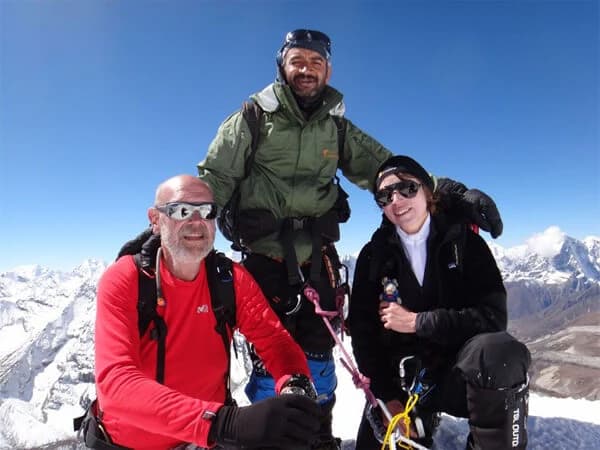
Not all heroes wear capes, some wear crampons. Mera Peak climbing is for anyone who has dreamed of standing on a real Himalayan summit without needing to be a professional mountaineer. At 6,476 meters, it is the highest trekking peak in Nepal, which sounds intense, but with good preparation and a steady pace, it is absolutely achievable for fit and determined trekkers.
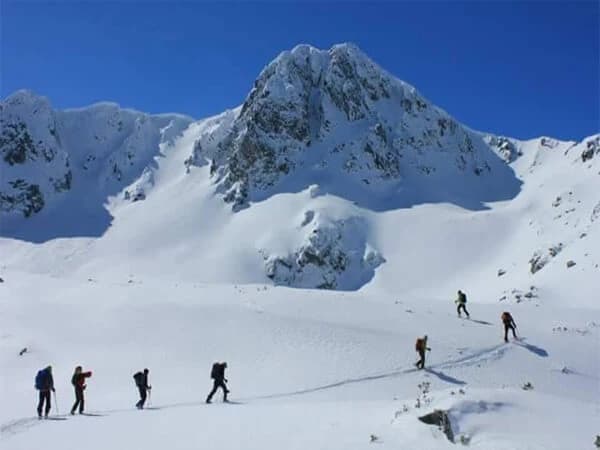
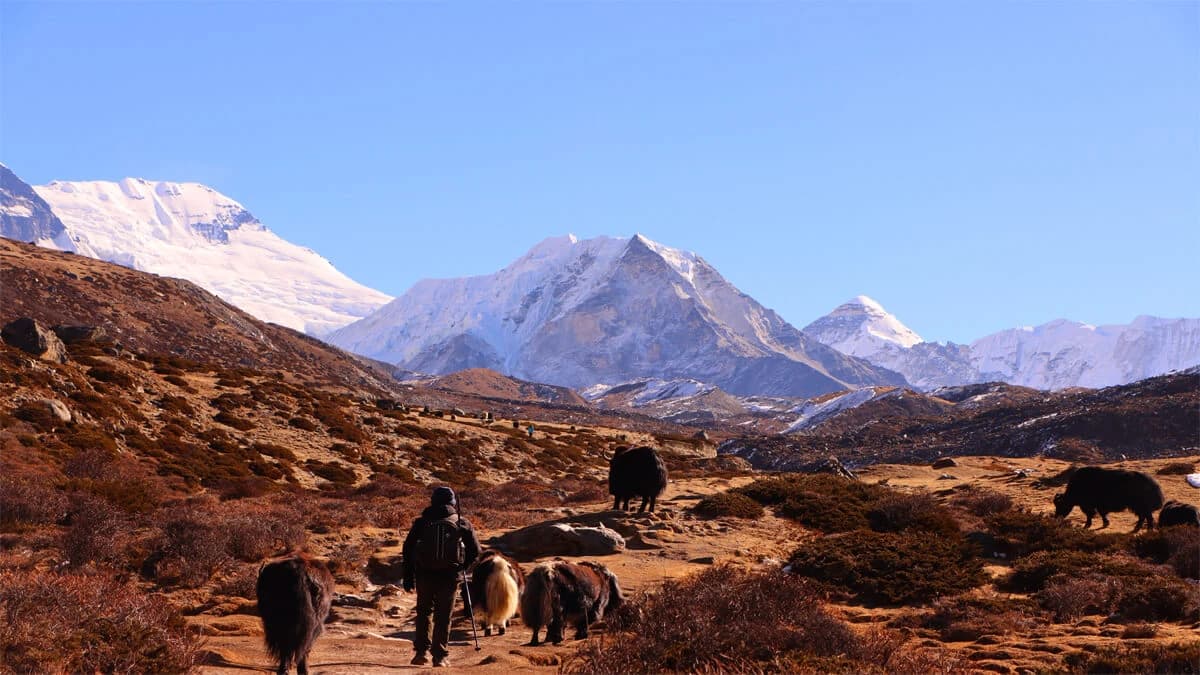
The trek to Mera Peak feels a bit more off the beaten path compared to the busy Everest trekking trails. You walk through forests, cross swinging bridges, pass small villages, and slowly gain altitude before stepping onto snow and ice near the top. By the time you’re roped up and walking toward the summit, you’ll feel like a proper climber.
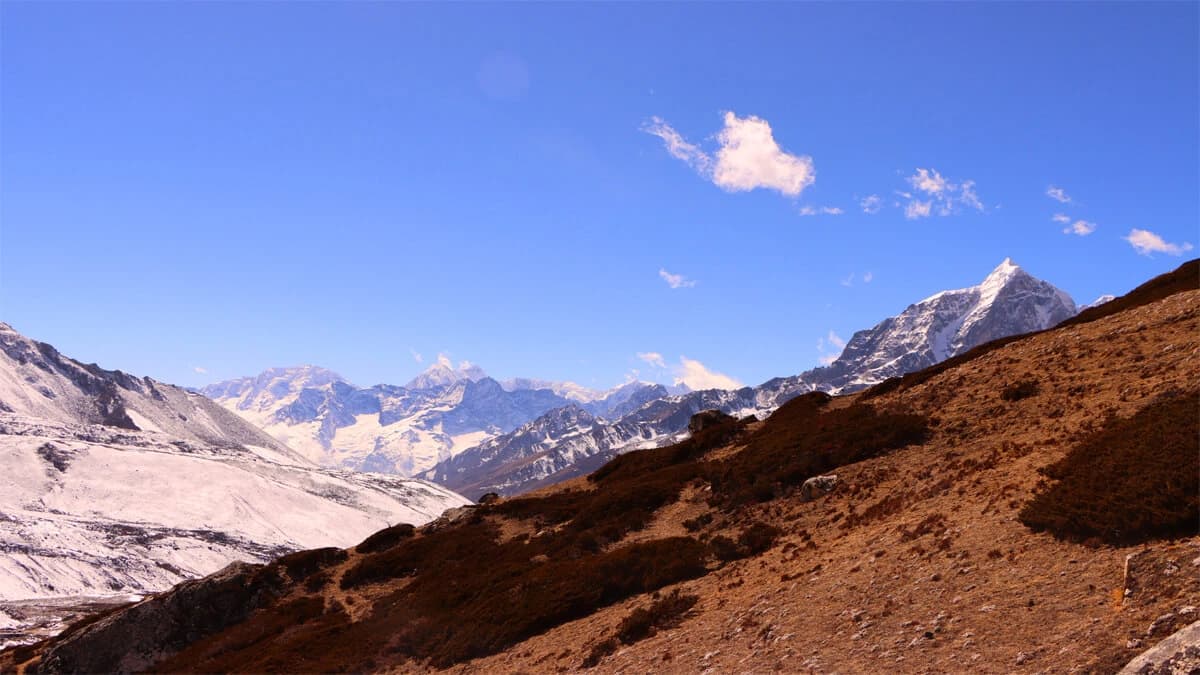
And the best part? The views from the top are worth every step. On a clear day, you can see five of the world’s highest mountains lined up in the distance. It’s the kind of moment where you forget your tired legs and just stand there thinking, wow, I really did this.
Mera Peak Climbing Overview
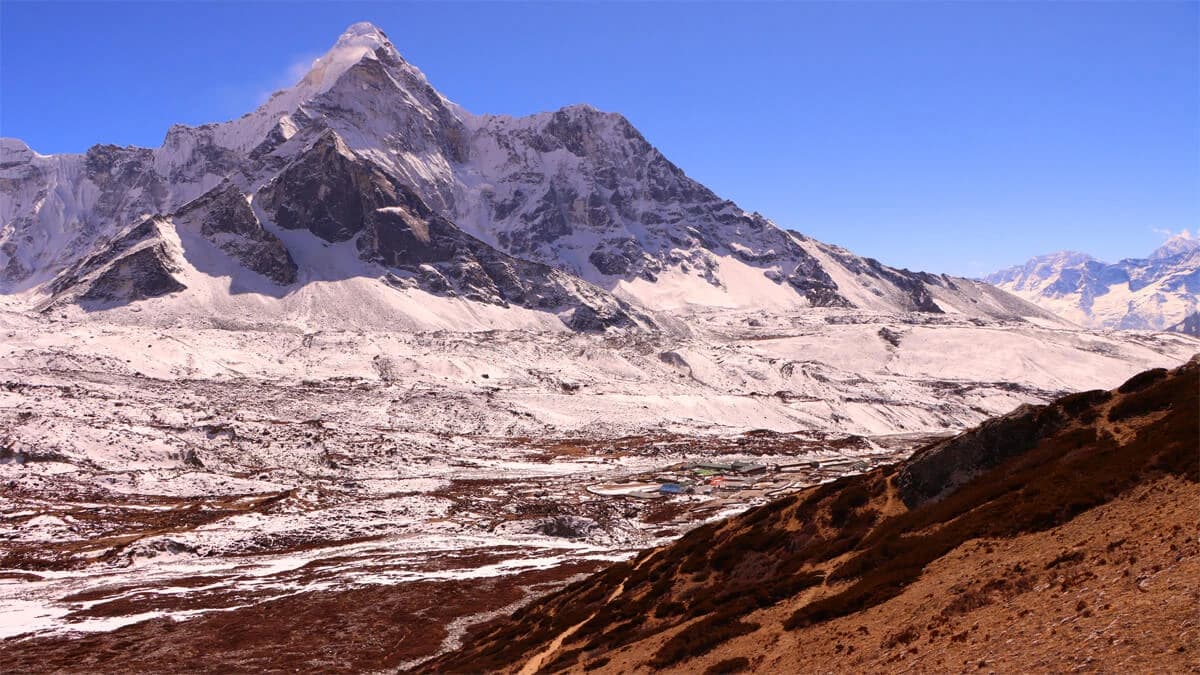
Climbing Mera Peak is a choice for every trekker who loves a bit more challenging journey along with trekking in Nepal. Mera Peak is located in Southwest of Island Peak (6,189 m) in the Khumbu region. It is a group of three peaks: Mera North (6,476 m), Mera Central (6,461 m), and Mera South (6,055 m). Mera Central (6,461 m) is the peak that is most chosen for Peak climbing in Nepal. The national and international climbers can also climb the other two peaks.
As it lies between the Everest region and the Makalu region, you can witness the natural and cultural sites of both regions. Mt. Everest (8,848 m), Mt. Makalu (8,463 m), Mt. Kanchenjunga (8,586 m), Mt. Cho Oyu (8,188 m) and Mt. Lhotse (8,516 m) are visible while roaming around this region. Mera Peak climbing in Nepal becomes more memorable due to the picturesque villages, pleasant greenery, and winding rivers.
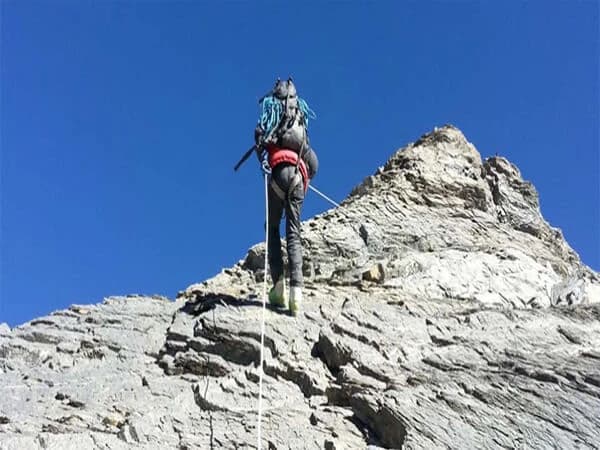
Yeah, peak climbing in Nepal is challenging, but it is thrilling at the same time. To reach the summit of the 1,310 trekking peaks in Nepal is not everyone’s play! However, one can do it easily if they have good physical fitness and a regular habit of walking. Moreover, the Sherpa Climbing guide who is well experienced helps you the best to scale these peaks. The Climbing guide also gives you the techniques to use the climbing gears to cross the difficult crevasses with the help of a headlamp.
Mera Peak Climb Highlights
- Mera Peak is 6,476 meters high and perfect for experiencing a Himalayan summit without being a professional climber.
- From the top, you can see five of the world’s tallest peaks, including Everest and Lhotse.
- The trek goes through quiet valleys, small villages, and forests, offering a peaceful and less crowded experience.
- The final climb involves snow and ice, giving a real mountaineering feel.
- Along the way, you can meet friendly Sherpa locals and try traditional food.
- Reaching the summit is a rewarding and unforgettable achievement.
How much Does the Mera Peak Climbing Cost?
Mera Peak climbing cost USD 2245 per person as of now, depending on services. The price includes permits, guide/porter services, flights, meals, accommodation, camping gear, and climbing equipment. Additional expenses include hot showers, charging devices, Wi-Fi, and extra snacks. Climbing gear rental can cost an extra $150-$300. Insurance is mandatory and should cover high-altitude rescue. Guides and porters significantly improve safety and logistics. Hiring a certified climbignguide is recommended for a successful climb.
Nepal Trekking Routes offers well-managed Peak Climbing packages with experienced climbing Sherpas. Our standard Mera Peak Climbing Package cost for 2026 and 2027 is $2245. We offer group discount as the expenses are shared when you are travelling in a group. We are one of the best trekking agency for Mera Peak Climbing. For further information on budget Mera Peak Climbing reach us via email or WhatsApp.
Mera Peak Climbing 18 Days Itinerary
Nepal Trekking Routes offers Mera Peak Climbing 18 days Itinerary which can be tailored to suit your preferences and needs. Customization options include changing the duration of the trek, picking alternative routes, or adding acclimatization days for safety.
Additionally, the trek can be extended by including cultural activities like visiting local villages or monasteries or a trip to nearby villages attractions like Hinku Valley. Technical challenges can be added for more experienced climbers, while beginners can opt for simpler path. Also, you can have personalized or group trekking adventures and lodging or camping for accommodations.
Mera Peak Climbing Package
If you’ve ever wanted to feel like a real mountain adventurer, climbing Mera Peak is the way to do it. If you sign up for a Mera Peak climbing package, most of the tricky stuff is handled for you. You get all the permits sorted, a guide to lead the way, porters to carry the heavy gear, meals, and teahouse stays along the route.
Mera Peak Climbing Packages come in a few flavors depending on how much comfort you want. The budget package for Mera Peak is simple and gets you everything you need, the standard package adds nicer teahouses and gear if you don’t have your own, and the luxury Mera Peak package takes care of pretty much everything, even airport transfers or extra comforts like helicopter tours. On the trek, you’ll hike over glaciers, cross rocky trails, sleep in high camps, and slowly make your way to the 6476-meter summit. So book the package that suits you and let us make your Nepal trekking and climbing experience magical.
Key Attractions of the Mera Peak Climb
On a Mera Peak climb, you pass through several villages, trails, and high camps that make the journey memorable. The trek usually starts from Lukla, the gateway to the Everest region, and then moves through Phakding and Monjo as you follow the trail toward higher altitudes.
Further along, you’ll visit Kothe and Khare, small villages where trekkers usually rest and acclimatize. Thangnak is another important stop before reaching the high camps. At higher altitudes, you reach Mera Base Camp, where the climbing begins, followed by Mera High Camp, which is the final stop before attempting the summit.
Each of these destinations offers unique views, local culture, and a true experience of trekking and mountaineering in the Himalayas.
Mera Peak Climbing Permits
Climbing Mera Peak is not just about putting one foot in front of the other. To do it properly, the government requires three main permits. The first is the Mera Peak Climbing Permit which is also known as NMA Climbing Permit, which is like your official ticket to stand on the peak itself.
The second is the Makalu Barun National Park Permit, which gives you access to the protected park and its trails. The third is the local area permit from Khumbu Pasang Lhamu Rural Municipality, which covers the villages and paths you pass through along the way.
Getting these permits on your own can be stressful, with forms, fees, and lines to deal with. That’s why most people go with a company like Nepal Trekking Routes, which handles everything for you. With the paperwork out of the way, the mountain becomes a challenge to enjoy, not a puzzle to figure out. So leave it up to us and enjoy your climb in Nepal.
How to climb Mera Peak
Mera Peak expedition not only gives you the lifelong memory of an expedition in Nepal but also the cultural beauty of the region. You have to go along the Dudh Koshi Valley and the Hinku Valley to reach the summit of Mera Peak. You come to see the Tibetan Buddhist culture and tradition or the Sherpa culture and tradition in the Everest region trek. The Rai, Tamang, Sherpa, and mixed culture and tradition can be seen in the Hinku Valley.
The other day after your Kathmandu arrival, the tour guide of Nepal Trekking Routes will take you around Kathmandu Valley. You will be visiting the UNESCO World Heritage Sites located here in the valley. On the third day, you fly from Kathmandu to Lukla, Tenzing Hillary Airport. Leaving the traditional route to Everest Base Camp trek, you divert towards the eastern part to Chutok for Mera Peak Climbing.
Crossing the ridge that divides the Dudh Koshi River Valley and the Hinku Valley, you move towards the Mera Peak vicinity. You have to cross Chhetra La Pass (also Zatrawa La Pass: 4,600 m), which is the highest pass of the trail to Mera Central Peak. Following the Pasang Lhamu trekking trail, you move across Makalu Barun National Park. On the way, you go past some Sherpa, Rai, and Tamang villages as well.
In the course of the trekking in Nepal, you spend nights at Kothe, Thaknak, and Khare as the stopovers. During the acclimatization day at Khare, the Sherpa guide gives you basic training about peak climbing in Nepal. He also trains you to use the climbing gears so that you can scale the peak comfortably. He gives you some techniques for avoiding the possible haphazard while ascending to the peak.
Peak Climbing Gears list for Mera Peak Climbing
| Fixed Rope | Climbing Rope | Tent | Crampon |
| Altimeter Watch | Ice Axe | Sleeping Bag | Waterproof Trousers |
| Gas Stove | Gas Fuel | Ascender(Jumar) | Mattress |
| Figure8/Descender | Carabiner | Tape Slings | Harness |
| Helmets | Ice Crew | Belay Gloves | Ski Goggles |
| Headlamps | Trekking Poles | Ski Poles | Snow Shovel |
| Large Thermos | Water Bottle | Mountaineering Jackets | |
| Cooking Pots and Equipment | Mountaineering Climbing Boots | ||
| Climbing Backpacks |
Best Time for Climbing Mera Peak
Planning a Mera Peak climbing? Choosing the right season can make a huge difference in your experience. The weather, trail conditions, and mountain views all change throughout the year, so picking the best time for high-altitude trekking in Nepal will make your Mera Peak expedition safer, more enjoyable, and way more fun.
Mera Peak Climbing in Spring season (March to May)
Spring is one of the best times for Mera Peak climbing. The mountains start coming alive, there’s still snow on the high ridges, and the lower trails are full of flowers. Days are warm enough for high-altitude trekking in Nepal, nights are chilly but manageable, and every step gives you a chance to enjoy the Himalayan views. It’s a great season for energy, colors, and an exciting Mera Peak trek.
Mera Peak Climbing in Autumn Season (September to November)
Autumn is perfect for Mera Peak expedition and trekking in the Himalayas. Trails are steady, rivers are calmer, and moving across glaciers and high camps is easier. You’ll feel stronger on the trail, see the mountains up close, and enjoy the climb without worrying about bad weather. This season is ideal for anyone looking to experience Nepal trekking safely and comfortably.
Climbing Mera Peak in winter or monsoon is possible, but we don’t really recommend it for most trekkers. In winter, it’s freezing, the trails are icy, and moving through snow can be tough. During the monsoon season, trails get muddy, rivers swell, and clouds often hide the Himalayan peaks, making the Mera Peak trek much harder than it needs to be.
Who is the Mera Peak Climb Suitable for?
Climbing Mera Peak is for anyone who loves adventure and doesn’t mind a good challenge. You don’t need to be a professional climber, but you do need to be reasonably fit because you’ll be walking long hours each day, crossing glaciers, and climbing steep trails. It’s tough in spots, but that’s part of the fun.
This climb is for people who love being out in the mountains, who get a kick out of earning every meter they move, and who are excited by the idea of standing on top of a 6476-meter peak. The views, the camps, the glaciers, and even the long trek through villages all make the journey exciting.
What can Travelers Expect from Mera Peak Climbing?
Climbing Mera Peak is like going on a big mountain adventure that slowly gets you higher and higher. You start in a small mountain town with snow all around, then walk along trails that pass rivers, hills, and patches of ice. You sleep in simple teahouses where the food is basic but warm and filling, and you get to meet other travelers and friendly locals along the way.
Some days are hard. Your legs will get tired, the air will feel thinner, and the snow can be slippery. But step by step, camp by camp, you get closer to the summit at 6476 meters. Along the way, you’ll have funny moments, enjoy little victories, and see mountains up close. When you finally reach the top, it hits you that all the effort, the early mornings, and even the sore muscles were totally worth it.
Why choose Nepal Trekking Routes for your journey?
At Nepal Trekking Routes, we make climbing Mera Peak feel like pure fun instead of a headache. We handle the permits, set up guides and porters, and take care of your meals and teahouses. All you have to do is show up, enjoy the mountains, and maybe wonder how you ever thought walking on glaciers would be easy. Book with us and suddenly the summit doesn’t seem so far, and the whole adventure becomes something you actually want to tell everyone about.