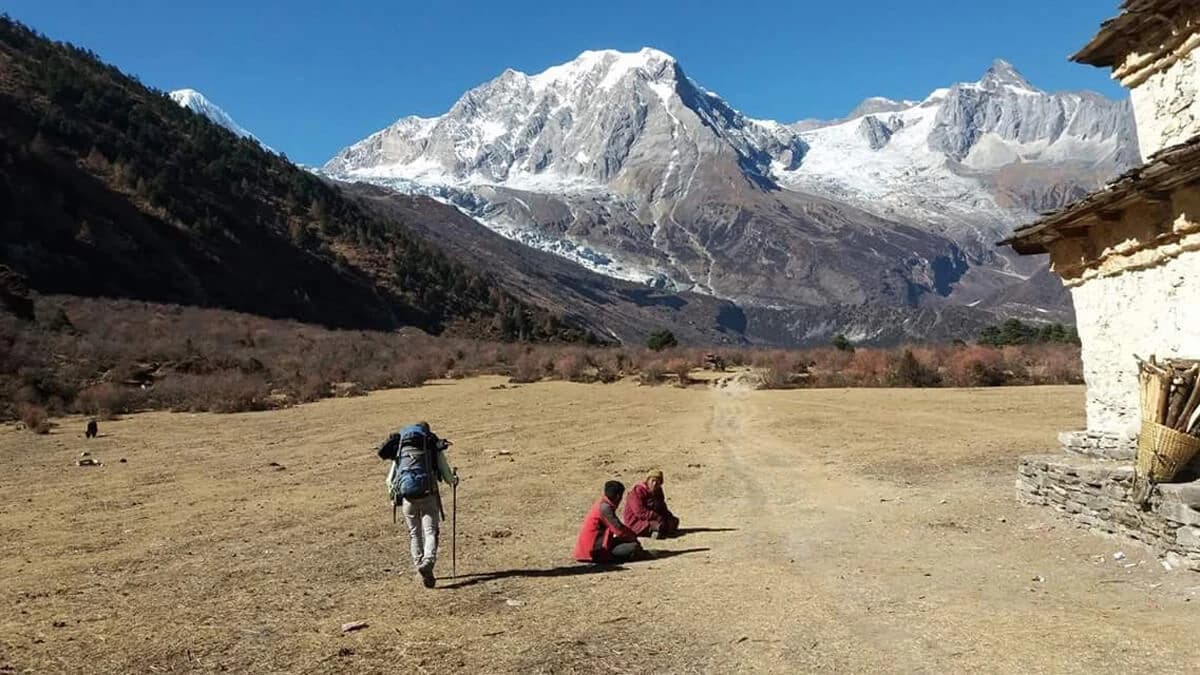
Manaslu Tsum Valley Trek

Manaslu Tsum Valley Trek

Duration22 Days
Trip GradeChallenging
CountryNepal
Maximum Altitude5160 M
Group Size1-12
StartsKathmandu
EndsKathmandu
ActivitiesTrekking/ Hiking
Best TimeMarch to May & September to December

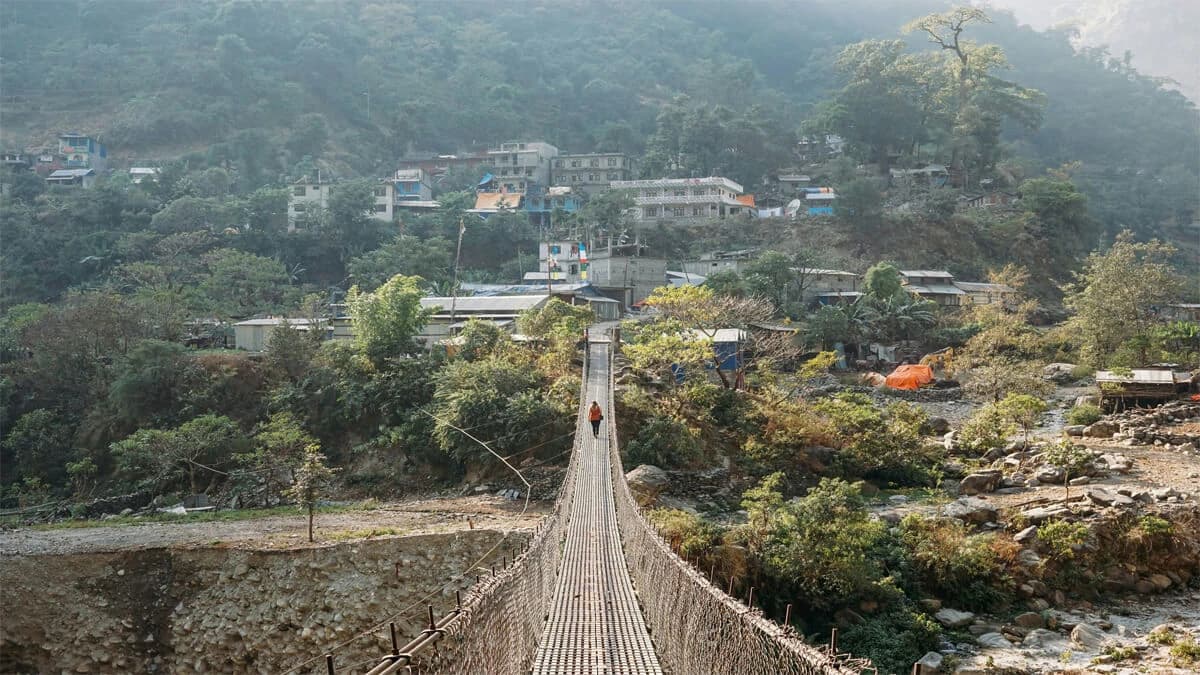
What would it feel like to see centuries old villages and Buddhist rituals up close, while towering peaks watch over you? The Manaslu Tsum Valley Trek leads you to one of Nepal's most remote and peaceful regions. Unlike the busy trails of Everest or Annapurna, this route takes you through silent villages, dense forests, and dramatic mountain landscapes. Along the way, you will cross rivers on swaying suspension bridges, walk through fields and pine forests, and see high Himalayan peaks rising above you at every turn which makes the journey as memorable as the destination itself.

Tsum Valley itself is a hidden gem, known for its rich Tibetan Buddhist culture and remote monasteries. The valley's villages are dotted with prayer flags, mani walls, and traditional stone houses. Locals maintain ancient practices, and you'll often see monks performing their rituals, giving the valley a calm and spiritual atmosphere.

Wildlife including Himalayan Langurs, red pandas, and rare birds, can occaisonally be spotted along the trail. With a combination of high mountains, cultural richness, and quiet, untouched landscapes, the Manaslu Tsum Valley trekking offers a memorable experience for travelers looking for adventure, discovery, and a connection to nature and tradition.

Manaslu Tsum Valley Trek Overview

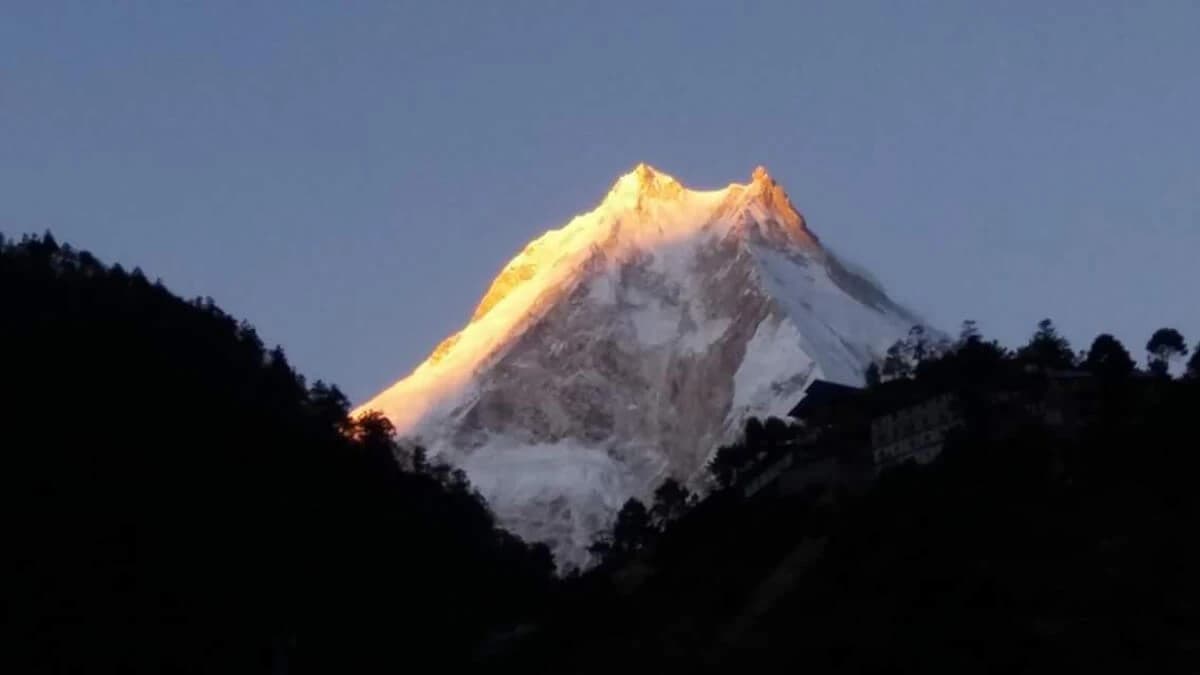
Manaslu Tsum Valley Trek is the best remote trek in Nepal. It is the closest trekking region to the Kathmandu Valley. This trek leads you towards Mount Manaslu (8,156 m). Tsum Valley lies between Ganesh Himal, also called Yangri, and Mt. Manaslu (Kutang), the eighth-highest peak in the world. Trekking to Manaslu and Tsum Valley takes you completely away from the crowds.

The avid trekkers choose the Tsum Valley Manaslu trek after the Everest Base Camp trek and Annapurna Circuit trek. It is full of the natural and cultural diversity of the Northern Himalayas. So, it has been a growing tourist destination in Nepal.

Manaslu Tsum Valley hiking shows you the typical lifestyle, culture, and tradition of rustic mountain villages. The ancient monasteries decorated with prayer flags and wheels are strong evidence of Tibetan Buddhist culture in the region.

Mani walls and chortens in almost every village of Tsum Valley always welcome the trekkers. During the trek, you can observe extensively wealthy cultural heritage, perfectly rustic hamlets, and jovial people celebrating colorful festivals.

Manslu Tsum Valley region extends between sub-tropical and alpine regions. Therefore, it houses large varieties of flora and fauna. Apart from the snow-capped peaks of the Manaslu region and Ganesh Himal (7,422 m), you see the dense pine, oak, fir, and rhododendron forests. Manaslu Conservation Area Project (MCAP) is the home for the Himalayan birds like Lophophores. While walking along the less frequented rugged trails, you see animals like Himalayan Thar, snow leopards, etc. Similarly, the glacial lakes and icefalls hanging from the peaks all above 6,500 m make another appeal to explore them.

Manaslu Tsum Valley Trek Highlights

  • Spot wildlife like Himalayan Langur, blue sheep, and a variety of mountain birds
  • Reaching close to the Tibetan border from Nepal
  • Chortens and mani walls decorated with prayer flags and wheels
  • Stunning views of Mt. Manaslu 98,163m), Himalchuli (7,893m), Ngadi, Ganesh Himal (7,422m), Larkya Peak (6,249m), and many more
  • Walk through remote Tsum Valley, known for its deep rooted Tibetan Buddhist culture.
  • Popular monasteries like Piren Phu (Milarepa’s Cave), Mu Gompa and Rachen Gompa
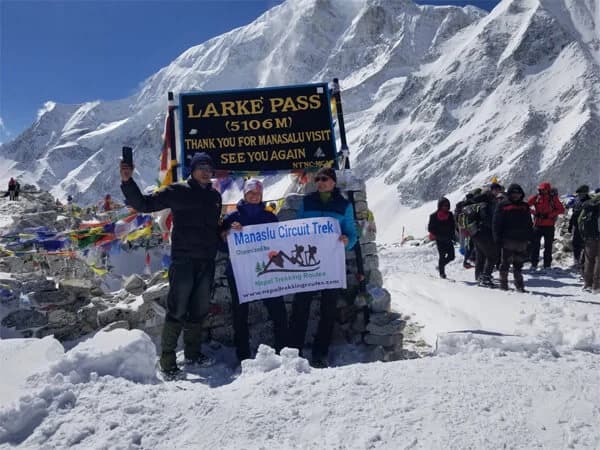
  • Crossing Larkya La Pass (5,160m)
  • Experience warm hospitality and authentic local food in family run teahouses. 

Manaslu Tsum Valley Trek Routes

The magical Manaslu Tsum Valley Trek starts from Soti Khola. To reach Soti Khola, you have a couple of options. First, you can drive through the Kathmandu-Gorkha-Aarughat route. Secondly, the Kathmandu-Dhadingbesi-Aarughat route can also be followed.

First few days, you will go around Tsum Valley, the abode of the Tibetan Buddhist and Bon religions. Here in this valley, you explore Mu Gompa, Rachen Gompa, and Piren Phu. The valley of 18 small villages is populated by nearly 4,000 people of Tibetan origin.

You can also customize this voyage to Manaslu Base Camp trek as well. To reach the base camp of Mt. Manaslu, you spend a day at Samagaun. Here, you will explore of Birendra Lake and Sama Gompa which are a few hours’ distance.

Manaslu Tsum Valley trek takes you to one of the highest human settlement areas in the world. Dharamshala (4,480 m) is the highest-placed Himalayan village in the Manaslu Circuit trek. From here, you go across Larkya La Pass (5,160 m).

Larkya La Pass is one of the most challenging Himalayan passes in the world. However, the rewards you get after reaching the top are beyond description! This pass connects your Manaslu Tsum Valley trek to the Annapurna Circuit trek.

From Talbesi, you catch a private vehicle for the retreat driving to Kathmandu Valley. In this way, you start the Magical Manaslu Tsum Valley trek from MCAP and end at ACAP. The journey of more than 3 weeks becomes a lifelong memory one can hardly gain!

Manaslu Tsum Valley Trek Cost

The Manaslu Tsum Valley Trek generally costs around USD 1890 per person for a full board package. This typically includes all required permits, a licensed guide, teahouse accommodation, meals along the trail, and transportation to and from the trailhead. Prices may vary depending on the season, the size of your group, or any additional services you choose, but this range gives a good idea for budgeting a complete trek through this remote and culturally rich region. 

Best Time for Manaslu Tsum Valley Trek:

Manaslu Circuit with Tsum Valley trek would be done throughout all seasons of the year. However, winter is not as appropriate as the rest of the other seasons. The best time for the Manaslu Circuit with Tsum Valley trek is spring.

In this season, the entire Manaslu region is decorated with colorful flowers. Flower species of rhododendrons and other flowers cover the entire Manaslu Tsum Valley region. It seems as if a bride is beautified for the wedding day!

Besides, it is an excellent plan for discovering the remote trekking trail in Nepal in spring. There are low avalanche risks, landslides, and other hurdles due to harsh climatic conditions. In this season, the days are warm while the nights and mornings are cool.

In fine weather with clear skies, you can have a crystal view of the snow-capped peaks like Mt. Manaslu, Mt. Hiunchuli, and others. In addition, the lush valleys and dramatic landscapes unleash their gorgeousness to the fullest.

Cultural and Religious Attractions of Manaslu Tsum Valley Trek

Manaslu region has two major ethnic groups. Nubri and Tsum as the permanent settlers. That is why, these valleys are named Nubri and Tsum Valley respectively. These Himalayan valleys had been divided by the Chhikur River.

Gurung ethnic community is the dwellers of Nubri Valley. Most of the people will be engaged in foreign employment. Hence, you can find the influence of foreign customs and customs here in this valley.

On the other side, Tsum Valley is almost completely distant from the modern world and its discoveries. The Bhotias (Bhutias), which are of Tibetan origin, are the dominant settlers of this hidden valley. They follow the Bon religion which is the indigenous religion of the Tibetan Autonomous Region.

Gurung and Sherpa are the other ethnic communities living in the Manaslu Tsum Valley region. These people follow Tibetan Buddhist culture and tradition. You can find chortens, mane walls, and monasteries in this region.

There are many ancient monasteries like Rachen Nunnery, Mu Monastery and Gumba Lungdang Nunnery. A stroll around Buddhist cultural villages like Chumling, Chhule, Chhekamparo, and Nyile helps you witness unique culture and tradition.

Pirren Phu (also called Milarepa’s Cave or Pigeon Cave) is the most sacred Buddhist shrine in Tsum Valley. It is said that the Chinese saint and scholar, Milarepa meditated and got enlightened in the Nepalese Himalayas.

Milarepa’s Cave is located near Burji Village where you can see three separate caves. A life-size statue of Saint Milarepa who was born in around 1052 lies near the natural rocky cave. You can still observe the footprints of Milarepa, and the statues of Avaloketeshwara, Buddha, and Tara.

How difficult is the Manaslu Tsum Valley trek?

Manaslu Tsum Valley trek is a challenging trekking in Nepal in the Northern Himalayas. You have to spend the same nights above 2,500 m. It means there is a possibility for AMS like altitude sickness. You can avoid altitude sickness by applying simple preventive measures. Walking slowly, drinking enough water as well as having enough rest and hygienic food help you avoid this problem.

Next, you have to walk for about 6 hours every day along the rugged trails going steeply up and down. Trekking along such steep trails is another challenge to face. The last but not the least, you have to go across Larkya La Pass (5,106 m). Crossing one of the high passes of the Nepalese Himalayas is not that easy. Specially, if you travel to this region in the winter season, the high pass is blocked by heavy snowfall. Therefore, it becomes more challenging at this time of the year. But the rewards you get after winning over this pass are incredible.

What can travelers expect from the Manaslu Tsum Valley Trek?

On the Manaslu Tsum Valley Trek, travelers can expect a remote and immersive journey that feels far removed from modern trekking routes. Days are spent walking through mountain trails, crossing deep gorges, and suspension bridges, & moving through landscapes that shift from green hills to alpine grasslands. The trek is physically demanding at times, but the calm surroundings and constant mountain views make the effort worthy.

Culturally, the culture is as strong as the scenery. Tsum Valley introduces travelers to a way of life shaped by Tibetan Buddhism, with stone vilages, prayer walls, and centuries old monasteries along the route. Facilities are basic, evenings are peaceful, and interactions with locals feel genuine. This trek suits those who value simplicity, cultural connection, and true Himalayan isolation over comfort and crowds.

Who is the Manaslu Tsum Valley Trek suitable for?

The Manaslu Tsum Valley Trek is well suited for travelers who want something more remote and less commercial than Nepal's popular trekking routs. It's a good fit for people who enjoy steady walking, changing landscapes, and being away from crowds, as the trail passes isolated mountain terrain.

This trek appeals to those interested in culture as much as mountains. Travelers who are curious about Tibetan Buddhist traditions, local village life, and simple living will find the experience especially rewarding. It's best for trekkers who are flexible, patient, and comfortable with basic teahouses, making it ideal for those seeking authenticity rather than luxury.

Preparation for the Manaslu Tsum Valley Trek

Preparing for the Manaslu Tsum Valley Trek means getting ready for a remote and demanding journey rather than a comfortable holiday. Building endurance with regular walks, stair climbing, or short hikes with a backpack will help your body adjust to long trekking days. You don't need technical skills, but being used to continuous walking at a steady pace will make the trek far more enjoyable. 

Advance planning is equally important because this is a restricted trekking area. Permits, a licensed guide, and proper travel insurance must be arranged before you start. Packing should be simple and practical with warm layers, reliable footwear, rain protection, and personal essentials. Since teahouses are basic, it's wise to carry personal toiletries, snacks, and a small medical kit. Being flexible, patient, and open to simple living will prepare you just as much as physical training.

Permits required for the Manaslu Tsum Valley Trek

Trekking in the Manaslu Tsum Valley requires special permits because the area is officially a restricted region. Those permits are issued by the Nepal government to protect the environment, local communities, and cultural heritage. Trekkers cannot get them on their own, that is why we are here to help you through this journey!

To enter the region, you need the Manaslu Restricted Area Permit (RAP), which allows access to the Manaslu Conservation Area. If you plan to visit Tsum Valley specifically, a separate Tsum Valley Special Permit is required. In addition, the Manaslu Conservation Area Permit (MCAP) is necessary to support conservation efforts and is usually included with the other permits. ACAP is also needed if you are exiting via the Annapurna region (Dharapani). These permits ensure that trekking in Manaslu and Tsum Valley is safe, regulated, and respectful of both the people and the nature.

Why the Nepal Trekking Routes Team for the Manaslu Tsum Valley Trek?

We recommend the Nepal Trekking Routes team for the Manaslu Tsum Valley Trek because we understand what it takes to trek here safely and comfortably. Our experienced guides handle permits, pacing, and acclimatization with care, ensuring a smooth journey through this remote Himalayan area. We focus on simple and well planned trekking experiences. We keep group sizes manageable, work closely with trusted local teahouses, and stay flexible with itineraries based on trail and weather conditions. With clear communication and a practical approach, we aim to give travelers an authentic and stress free Manaslu Tsum Valley trek experience.

Itinerary
Trip PlanExpand All

The representative of Nepal Trekking Routes will receives you at the Kathmandu Airport on arrival. Then, he/she relocates you to the hotel. In the spare time, you can take a side trip around Thamel. In the evening, the team member gives you all the details regarding Manaslu Tsum Valley trek.


Today, you head towards the gateway to Manaslu Circuit trekking region by roadway transportation. After having  breakfast, you travel in Public bus along the Prithvi Highway up to  Malekhui bazar or Dumre Bazaar, a town below the Queen of Hills, Bandipur. En route, you enjoy the staggering views of the snowy peaks of Manaslu region, Ganesh Himal and Annapurna region. The journey moves ahead along the banks of the Trishuli River and then the Marsyangdi River. After about eight hours driving, you reach the Budhi Gandaki Valley to begin your trekking formally the next morning.

Today’s trek starts by following the narrow trail moving uphill and downhill showing the captivating sights all around. You will go past a couple of Gurung ethnic villages: Khorlabesi and Tatopani. You can take a short pause at Tatopani to experience the natural hot water spring.

Then, you walk past the Yura Khola and Dobhan to get to Jagat village. Jagat is the entry point of Manaslu Conservation Area Project (MCAP).  Enjoying the stunning view of Chamar Peak (7,165m) and a few waterfalls, you reach Sirdibas. It is a Buddhist village boasting mani walls, prayer flags and wheels.

Walking past the Ghatte Khola suspension bridge, you reach Philim at the end. Philim is also a Gurung Village of Manaslu region that is used as a stop by the trekkers.

After breakfast, you start the trip by following the steep trail along a ridge. This is the traditional trail to Ganesh  Himal Base Camp trek. On fine days, Buddha Himal (6,692m) and Himalchuli (7,893m). Finally, following the other track, you reach Chumling located at Lower Tsum Valley.

You can take a side trip around Chumling to observe three monasteries: Panago Gumba, Mani Dhungyar and Gurwa Gompa. You can also enjoy the 360-degree view of Ganesh Himal (7,422m) from upper part of Chumling village.

Today, you trek towards upper part of Tsum Valley region along the Syar Khola Valley. Then, you walk past Dumje, which is the largest mountain city in the entire Tsum Valley. By crossing a unique Gompa of Gho Village, you reach Chhekamparo.

Chekamparo is a pure Tibetan Buddhist village made up of two small settlements: Chekam and Paro respectively. You can see Himchuli and Ganesh Himal with the sips of Tibetan traditional tea. The local people of Chhekamparo welcome their guests providing the traditional tea made up of cheese and salt including organic food.


The trail leads you northwards of the Upper Tsum Valley across Chulchule and Nile villages. Moving through the cultivated lands, you reach Lamagaun. Before you reach Burji Village, you visit Piren Phu (Pigeon’s Cave or Milarepa’s Cave).

According to a legend, the Chinese scholar and saint, Milarepa completed his penance in this natural cave. You can still find the footprints of Saint Milarepa and two gompas, Buddhist paintings, stone inscriptions and manuscripts in the cave.

After relishing the peaceful environment, you move towards Mu Gompa, the oldest monastery of Manaslu region. You spend the night at the monastery that runs a guesthouse for the trekkers.


You have a few things to do for acclimatization here. First of all, exploration of Mu Gompa, which is the largest gompa of this region. It is the largest monastery of Tsum Valley region. Located in the Trans-Himalayan Terrain, Mu Gompa was established in 1855 AD.

The monastery contains a full size of Avalokiteshwara and images of Guru Padmasambhava and Tara. There are many ancient religious books and row of chortens. You can have the breathtaking view of the Himalayas and the Tibetan Plateau.

You can also ascend to pasturelands for yak grazing. Next, you can hike to Dophyudonma Monastery. This shrine is the landmark related to the beginning of Buddhism in Tsum Valley. This is one of the oldest monasteries in the region having a row of chortens. From here, you can  see the splendid view of mountains of Manaslu region.


After breakfast, you will descend towards Chumling vai Chhekamparo for the night station. During the trek, you enjoy the natural beauty and cultural variety. You feel it quite easier to descend while cherishing the spectacular view of the landscapes, villages situated on top of hills and monasteries en route. Playing “hide and seek” with Ganesh Himal and Himchuli, you reach Chumling after 6 hours.


Following the trail you used a couple of days earlier, you descend towards Lokpa. The scenery of the Himalayas and the green forests are lovely that you will quickly cover the distance.


You follow the same trail that you did previously from Lokpa to Philim. After that, you go across a bridge over the Budhi Gandaki River and move along the narrow windy trail. Again, you cross a suspension bridge over the river and walk further towards Nyak village.

Finally, following the Budhi Gandaki River banks, you reach Deng across the bamboo forests. Deng is a Gurung village providing enchanting vistas of the peaks of Shringi Himal (7,165m).


Don’t forget to relish the amazing sunrise view of Shringi HImal from Deng while having breakfast. Thereafter, following the trail that goes past Rana Bridge and dense pine forests, you get to Bihi Phedi.

There are mani walls, mystic stone idols of gods and goddesses reflecting the dominance of Buddhist followers there. Finally, by walking across a suspension bridge over the Sereng Khola, you reach Ghap.


You move further along the rugged path that passes through the dense forests of pine, fir, oak and rhododendron that shelter different species of birds. You have to cross a few suspension bridges and steep uphill and downhill track, you reach Namrung village.

Then, you go past the path made of stone stairs and barley fields to reach Lihi. Exploring the traditional architectural beauty of Lihi, you move forward crossing a suspension bridge. In the course of walking, you have the view of Lidanda Glacier and Simnang Himal (6,251m).

Moving ahead slowly along the rugged trail for two hours, you reach Lho. It is a beautiful village having mani walls, prayer flags and chortens. It is famous for some Buddhist monasteries including Nyingma Rinjung Gompa plus majestic appearance of Mt. Manaslu and Ganesh Himal.


After having breakfast, you move ahead to Shyala by crossing the terraced agricultural fields and wooden houses. Then, walking past by the Pungen Glacier, you reach Samagaun located in a flat valley.

This village has a cluster of houses with neat and clean courtyards in the middle of fields planted with different crops. The environment of Samagaun and its people look really busy with the flock of trekkers in peak climbing season.

As it is close to Manaslu Base Camp (4,800m), thousands of adventurous trekkers spend the night here. They make the necessary preparation over this village. You will witness the stunning vistas of the landscapes and snowy peaks of Manaslu region.


Today’s track moves towards the northern part of the upper Budhi Gandaki Valley until Samdo. On the way, you go across the confluence of the Larke River and a small tributary of the Budhi Gandaki River. You also see the Samdo Glacier from where the holy Budhi Gandaki River originates .

Following the trail other than to Manaslu Base Camp trek, you move further along the juniper and birch forests. Leaving Kermo Kharka behind and going across some suspension bridges and the appealing landscapes, you reach Samdo village.


You begin the journey along the Atharha Saya (1,800) River and then, through the banks of the Larke River. During the walk, you can enjoy the exciting view of Naike Peak (6,416m). Then, you cross a bridge followed by mani walls and stone huts to reach Larkya Bazaar.

It is a seasonal market to sell the products of the region. En route, you can have a wonderful sight of the Syacha Glacier, some pasturelands and dense forests. Sometimes, you might see some blue sheep perhaps! In the end, you get to Dharmasala, which is the highest human settlement area of Manaslu region.


This is the most exciting and challenging day of the entire Manaslu Tsum Valley trek itineray. You are going to cross Larkya La Pass (5,160), which is the highest pass of the entire trip. The trail gradually ascends along the Larkya Glacier and offering you the wonder full view of Cho Danda and Larkya Peak (6,249m).

Larkya La Pass is a vantage point in the whole Manaslu Circuit. You can see the snowcapped peaks of Manslu region including Annapurna (8,091m) and Dhaulagiri (8,167m) Massifs.

After doing with the mesmerizing view of the Northern Himalayas, you descend gradually. As the trail is slippery along the Salphudanda Glacier section and some cliffs, you must be quite careful. By the end of the trekking duration, you reach Bhimthang for the night rest.


After breakfast, you begin the journey ahead following the gradually descending trial. Enjoying the jaw-dropping vistas of the snowcapped peaks like Himlung, Cheo, Gyagi Kunj, Kanguru and Annapurna II, you continue the journey.

Then, moving through the dense forests, you have the best picturesque of Mt. Manaslu and the surrounding peaks. Following the banks of the Dudh Khola River, you may have a rare sight of grey monkey (Langur) in the surrounding. Today’s trekking ends at Gho after walking for about 7 hours.


Moving along the lovely dense forests, you reach Tilje, a stop of Manaslu Circuit trek. This beautiful village is situated on the Marsynagdi River banks. Crossing this village, you reach Dharapani, which is a large village en route Annapurna Circuit trek.

Enjoying the flow of the Marsyangdi River and the natural waterfalls, you walk up to Talbesi. It is also a famous stopover of Annapurna trek that has a few lodges to serve the trekkers.


After having breakfast, you start trekking through Annapurna Circuit trail. On the way, you go past Karte Village that is situated on a flat valley. The trail goes past some teahouses, mani walls, cultivated farming plots and waterfalls.

You might meet the flocks of tourists and local people moving up and down, so the trail looks quite busy today.  After about 6 hours, you reach Jagat to end the voyage of the day. You can celebrate the successful completion of the Tsum Valley Manaslu trek without any mishaps and bitter experience.


After breakfast, you begin driving towards Kathmandu. Leaving the small city centers, green forests and the amazing view of the Himalayas, you arrive in Kathmandu. Then, the crewmember takes you to the hotel.

You can go for shopping or spend the remaining time by relaxing at the hotel. In the evening, we offer you farewell dinner at a cultural restaurant.


According to the flight schedule, the representative of the company escorts you up to the Kathmandu Airport.

Plan An Amazing Private and Tailor-Made HolidaysNot satisficed with this itinerary? Share your idea with our travel Expert. We make your dream come true.
Customize Trip
Cost Details
Includes

Transport

  • Airport pick-up and drop off service.
  • Kathmandu to Machhakhola via Publice Bus
  • Dharapani to Kathmandu via Public Bus

Tour / Trekking Guide and Porter 

  • Professional government licensed local trekking guide
  • Trekking Porter 2:1(2 travelers = 1 porter)

Hotel accommodation

  • Two Nights Deluxe Hotel accommodation in Kathmandu
  • Basic Tea House accommodation during the trekking

Meal 

  • Three time meal with cup of Hot drink during the Trekking 
  • Breakfast while you are in Kathmandu

Permits

  • Manaslu restricted area trekking permit(special Permit)
  • Tsum Valley Restricted Area trekking permits
  • Annapurna Conservation Area Project (ACAP) and Manaslu Conservation Area Project (MCAP) permits 
  • Trekkers' Information Management System (TIMS)

Reward and other service

  • Sleeping bags, down jackets, duffel bags and trekking sticks if required,
  • Insurance and equipment for the trekking staffs
  • First aid kit carried by your trekking guide
  • Farewell dinner in Kathmandu with cultural program in typical Traditional Nepalis restaurant
  • Appreciation certificate provided by your travel company
  • Arrangement of emergency evacuation by Helicopter which will paid by your travel insurance
Excludes
  • Travel insurance and international Air fare
  • All bar bills and personal expenses (phone calls, laundry service, battery recharge, bottles of water, hot water, etc.)
  • Personal Porter will arrange as per traveler request (Porter carry maximum 25kg between 2 traveler)
  • Tips for trekking crew members
  • Meals & hotel accommodation in Kathmandu (without itinerary)
Route Map
Manaslu Tsum Valley Trek Map
Essential Information

Food/Meal during the Manaslu Tsum Valley Trek

On the Manaslu Circuit trek with Tsum Valley Trek, meals are mostly simple, hearty, and designed to keep trekkers fueled for long days on the trail. Most food is served in family oriented teahouses, where dal bhat, vegetables, and sometimes meat is the staple and can be refilled to keep you energized.

Other common options include noodles, soups, fried rice, momos, pancakes, and eggs. As you climb higher into the valley, food choices become more limited, and prices rise slightly because supplies are carried in from lower villages. Hot drinks like tea, ginger, or garlic tea are commonly served to help with warmth and digestion. While the menu is simple, the meals are wholesome, comforting, and perfectly suited for trekking in a remote Himalayan region.

Accommodation during the Manaslu Tsum Valley Trek

On the Manasly Tsum Valley Trek, accommodation is simple and functional, mostly provided by small teahouses in the villaages along the route. Rooms usually have basic wooden beds, blankets, and mattresses, with shared toilets in most places. Hot showers are limited and generally only available in larger villages, so trekkers should be ready for cold water at higher altitudes.

These teahouses double as dining and resting spaces, giving travelers a chance to connect with locals and experience village life firsthand. While the facilities are modest, they are clean, cozy, and provide a warm, welcoming environment after a long day of trekking. Staying in these local lodges adds to the authentic, off-the-beaten-path feel of the Manaslu Tsum Valley Trek. 

Travel Insurance for the Manaslu Tsum Valley Trek

For the Manaslu Tsum Valley Trek, having reliable travel insurance is highly recommended because the region is remote and access to medical help is limited. Your policy should cover high altitude trekking, emergency evacuation, and treatment for injuries or altitude sickness.

It's also wise to ensure the insurance includes trip interruption or delays, as trekking schedules can be affected by weather or permit requirements. Choose a plan that's valid for the entire trek and specifically covers trekking at elevations up to 5000 meters. This way, you can focus on the journey and the scenery, knowing you are protected in case of emergencies. 

Altitude Sickness and remedies during the Manaslu Tsum Valley Trek

On the Manaslu Tsum Valley Trek, altitude sickness is something every trekker should be aware of, as the trail climbs above 3500 meters. It happens when the body doesn't get enough oxygen at higher elevations, and symptoms can include headache, nausea, dizziness, shortness of breath, and fatigue. Most cases are mild, but severe symptoms can be dangerous, so paying attention to your body is very important.

To prevent it, acclimatize properly, walk at a steady pace, stay hydrated, and eat light meals. Avoid alcohol as well as smoking. If symptoms worsen, the safest option is to descend immediately . Following these steps helps ensure a safer and more enjoyable trek.

Manaslu Tsum Valley Trek packing list, gear, and equipment

1. Carrying & Storage

  • Medium trekking backpack (40–55L)
  • Rain cover
  • Waterproof stuff bags

2. Wear in Layers

2.1 Next to skin

  • 2–3 quick-dry tops
  • Thermal set (top & bottom)

2.2 Warm layer

  • Fleece or light sweater
  • Insulated/down jacket
  • Weather protection
  • Waterproof jacket
  • Waterproof trousers

2.3 Lower body & sleep

  • 2 trekking pants
  • Underwear
  • Sleeping clothes

3. Head to Toe

  • Cap (for sun) + beanie (for cold)
  • Neck buff
  • Insulated gloves
  • Trekking socks (3–4 pairs)
  • Hiking boots (well broken in)
  • Light sandals

4. Trail Equipment

  • Cold-rated sleeping bag (about –10°C)
  • Trekking poles
  • Head torch
  • Water containers (2–3L total)
  • Water purification system

5. Personal Care

  • Prescribed medicines
  • Basic first-aid kit
  • Sunscreen & lip balm (SPF)
  • Hand sanitizer
  • Toothbrush & toothpaste
  • Toilet paper
  • Travel towel

6. Papers & Power

  • Passport + photocopies
  • Trekking permits
  • Insurance copy
  • Mobile phone
  • Power bank
  • Charging cable
  • Cash (small bills)

7. Energy Food

  • Protein/energy bars
  • Nuts or dried fruit
  • Sweets/chocolate
  • Electrolytes

8. Small Helpful Items

  • UV sunglasses
  • Earplugs
  • Notebook
  • Small padlock

9. Absolute Essentials

If you trim weight, keep these:

  • Boots
  • Warm jacket
  • Rain shell
  • Sleeping bag
  • Water treatment
  • Battery pack
  • First-aid kit
  • Permits

Safety Measures for the Manaslu Tsum Valley Trek

Safety is a key part of our approach on the Manaslu Tsum Valley Trek, as the trail passes through remote terrain with limited facilities. From planning the route to guiding you on the trail, we focus on careful preparation, steady pacing, and constant awareness to make the journey safe and comfortable. Here are the general safety measures to follow:

  • Walk at a steady pace and listen to your body at all times
  • Allow enough time for proper acclimatization and avoid rapid altitude gain
  • Stay well hydrated and eat regular, energy giving meals
  • Carry suitable clothing and gear for cold, rain, and changing weather.
  • Be cautious on narrow trails, suspension bridges, and while crossing the river
  • Keep basic first aid supplies and personal medications handy
  • Descend immediately if altitude sickness symptoms become severe
  • Avoid trekking alone; travel with a guide or group in this restricted area
FAQs

This trek is considered moderate to challenging. There are long walking days, gradual ascents, and some steep sections, but no technical climbing. A reasonable fitness level and previous trekking experience are helpful, especially because the route is remote.

Yes, trekking with a licensed guide is mandatory because Manaslu and Tsum Valley are restricted areas. A guide also helps with navigation, local communication, safety, and understanding the culture along the way. 

No, this trek is much quieter than any famous treks like Everest or Annapurna. Even during peak season, the trails remain peaceful, making it perfect for those who prefer less crowded routes.

The weather varies by season and altitude. Days are usually mild, while mornings and nights can be cold, especially at higher elevations. The weather can change quickly, so proper clothing is important. 

Electricity is limited and often solar-powered. Charging devices usually costs extra. Internet and phone signals are unreliable and may not be available in many villages. 

Officially, solo trekking is not allowed because it is a restricted area. However, trekkers can share permits and trek independently with a registered guide, which meets the legal requirement.

Most trekking days involve 5-7 hours of walking. Some days are longer depending on altitude gain and trail conditions. The pace is generally slow and steady, allowing time for rest and acclimatization. 

Hot showers are available in some villages, usually using gas or solar heating. However, it may not always be available everywhere. At higher altitudes, hot showers are rare and may even cost extra.

The average itinerary of Manaslu Tsum Valley trek ranges from 15 days to above. To reach Soti Khola to formally begin the trek, it is around 204 kilometers from Kathmandu. It takes nearly 9 hours while driving along the blacktopped and off-road. If you want to extend the proposed itinerary, it becomes longer. On the other side, you can also cut it short to limit to the shorter time. You can settle this matter by consulting with Nepal Trekking Routes.


Nepal Trekking Routes is committed to provide the best tour and trekking package at the most reasonable price. Trekking duration, the quality of services and the crewmembers are the factors to determine the cost. To know about the overall cost of Manaslu Tsum  Valley trek cost,


To do Manaslu Tsum Valley trek, you are obliged to have these permits;

TIMS Card

Tsum Valley Restricted Area Permit

Manaslu Region Restricted Area Permit

Manaslu Conservation Area Project Entry Permit

Annapurna Conservation Area Entry Permit

To know about the cost of these permits, you can contact Nepal Trekking Routes via phone calls, emails, WhatsApp and online booking services.

What Our Travelers are Saying?
Manaslu and Tsum Valley Trek
Juliane and John, - Germany
20 Dec, 2025
J
Manaslu Round Trek Best Remote Trek in Nepal
David Philip - United Kingdom
26 Oct, 2025
D
The best experience of my life and one that will stay with me forever
Beth Philip - United Kingdom
24 Oct, 2025
B
20 years of Adventure
Why Travel with Nepal Trekking Routes?
We Care for Your Safety
Nepal Trekking Routes always focus on safety, and satisfaction of our valued clients. Our Trekking guides are highly experienced and trained to operate various group trekking trip in high Himalaya.
Provide Financial Protection
NTR prioritize healthy financial safety for clients, ensuring proactive safeguarding of client interest. Our commitment strengthens our role as trusted partners maintaining standards with dedication and Excellence.
100% Local Guide
100% Local Guide
Traveler looking for experience authentic insights through trekking in Nepal NTE offer your 100% local guide who help you to experience unique perspective ensuring and enriched journey customize to your interest.
Personalized Service
We always provide one guide and one porter to two guests in order to meet our standard of providing standard service. Impeccable hospitality and quality services are guaranteed while traveling with us.
Know More
You May Also Like
Annapurna Circuit Trek
FromUS$1005US$1550
Manaslu Circuit Trek
FromUS$950US$1520
Manaslu Round Trek
FromUS$1290US$1530
Book Now