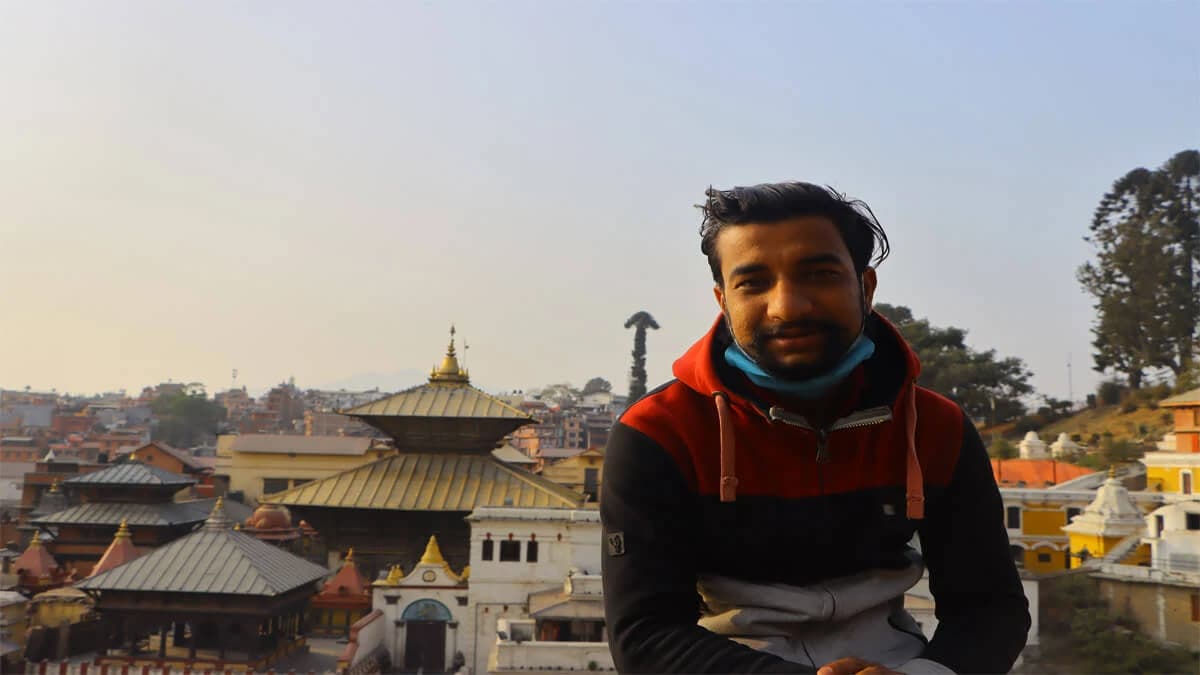
The Pashupati Boudha Arati Photography Tour takes you to Pashupatinath and Boudhanath, two of the most important UNESCO World Heritage Sites in Kathmandu, the capital city of Nepal. This tour is perfect to capture powerful spiritual moments during their evening Arati rituals.
The tour begins at Boudhanath Stupa where the environment is calmer and more meditative. You can capture butter lamps, prayer wheels, and the steady movement of pilgrims which creates excellent opportunities for low-light and documentary-style photography. A slow walk around the stupa allows you to explore different angles and change light as the evening progresses.
After the Arati, you’ll continue to Boudhanath Stupa, where the environment is calmer and more meditative. You can capture butter lamps, prayer wheels, and the steady movement of pilgrims which creates excellent opportunities for low-light and documentary-style photography. A slow walk around the stupa allows you to explore different angles and change light as the evening progresses.
The tour lasts about 3 to 4 hours and is perfect for you if you’re a photographer, a cultural traveler, or anyone interested in Nepal’s spiritual traditions. It gives you a movement and stillness where you’ll have both strong visual opportunities and a meaningful sense of place. The experience ends at Boudhanath. It is easy for you to continue exploring or relax in the surrounding area.
Key Highlights of Pashupathinath and Boudhanath Photography Tour
This tour is about to capture both the intensity and calm of Kathmandu’s evening rituals. It combines strong visual moments with cultural sensitivity which provide photographers to work respectfully. From fire rituals to quiet lamp-lit paths, you’ll get many different subjects to capture for your storytelling opportunities all in one evening.
- Evening Arati ceremony at Pashupatinath along the Bagmati River.
- Buddhist chanting and butter-lamp rituals (Buddha Arati) at Boudhanath
- Golden-hour and blue-hour photography in both locations.
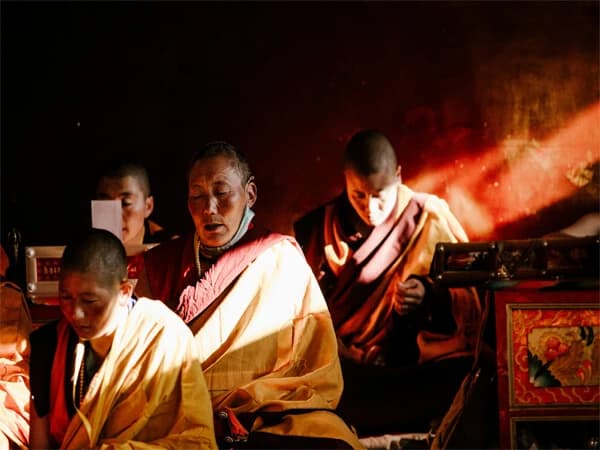
- Portraits of monks, sadhus, and devotees in nature.
- Cremation ghats can be photographed from a respectful distance.
- Capture temple architecture, oil lamps, smoke, reflections, and other ritual details.
Hindu Culture at Pashupatinath Temple
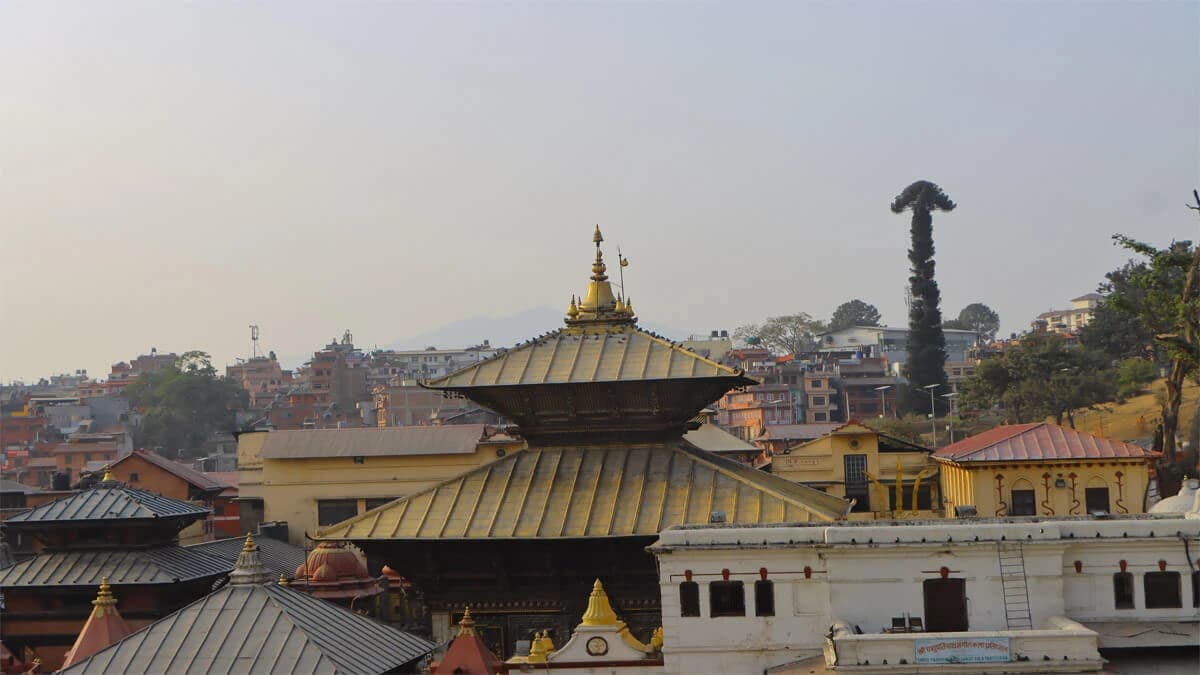
Pashupatinath Temple is the most sacred Hindu temple in Nepal and one of the holiest places for Hindus around the world. Dedicated to Lord Shiva, the temple lies on the banks of the Bagmati River and has been a center of worship for more than a thousand years. It is believed that Lord Shiva is the destroyer and transformer, and worshiping him brings protection, peace, and spiritual strength. Because of its deep religious value, Pashupatinath is considered a place where life, death, and spirituality come together.
For Hindus, Pashupatinath is especially important for life-cycle rituals. Throughout the temple, people pray with flowers, incense, and holy water especially in the morning times. Cremated ghats lie along the Bagmati River where final rites are performed. Hindus believe that being cremated here and having the ashes flow into the sacred Bagmati river helps the soul achieve moksha, or freedom from the cycle of birth and rebirth. This belief makes Pashupatinath a powerful place of farewell, remembrance, and hope for the afterlife.
The spiritual atmosphere becomes even stronger during Arati ceremonies, when priests lit fire, lamps, bells, and chants to Lord Shiva as devotees gather in prayer. Sadhus, pilgrims, and families from across Nepal and India visit the temple for blessings, healing, and inner peace. These traditions are not only rituals but a way of life which teaches Hindus about devotion, acceptance of death, and respect for the natural flow of existence. Pashupatinath remains a living symbol of Hindu faith, culture, and spiritual continuity.
Buddhist Traditions at Boudhanath Stupa
Boudhanath Stupa is one of the most important Buddhist sites in Nepal and among the largest stupas in the world. Built over many centuries, Boudhanath Stupa is a strong symbol of peace, wisdom, and compassion. It is believed to hold sacred relics and is especially important in Tibetan Buddhism. For Buddhists, the stupa represents the path to enlightenment which encourages everyone to live with mindfulness and kindness.
Every day, monks, nuns, and devotees walk clockwise around the stupa in a ritual called kora. As they walk, they spin prayer wheels, chant mantras, and provide butter lamps and incense. These simple acts are believed to spread positive energy, purify the mind, and bring peace to self and others. The all-seeing eyes of the Buddha painted on the stupa look in every direction, symbolizing awareness and compassion for all.
In the evening, Boudhanath becomes especially calm and spiritual. Soft chanting, the sound of prayer wheels, and the glow of lamps create a peaceful atmosphere that provides calmness. For Buddhists, this place is not just a monument but a living center of faith, meditation, and community life. Boudhanath Stupa continues to guide people toward inner peace and understanding which is deeply important in Buddhist spiritual life.
Which is the Best Time for Pasupatinath and Boudhanath Photography Tour?
The Pashupatinath and Boudhanath Stupa photography tour is available all year, so you can join anytime. That said, the best months are from October to April, when the weather is cooler, and the evening light is just perfect for photography. In the evening during this season gives you an opportunity to capture the magical golden and blue hour light, along with the lively rituals and ceremonies at both sites.
If you visit during special festivals, the experience becomes even more memorable. During Maha Shivaratri at Pashupatinath, you’ll get to see the temple with devotees, fire rituals, and spiritual energy, while Buddha Jayanti at Boudhanath Stupa lights up the stupa with lamps, prayers, and celebration. These special days are perfect for photography and also gives you a glimpse into the living traditions and colorful cultural life of Kathmandu.
Pashupatinath Boudha Arati Photography Tour Cost Details
This guided Arati Photography tour makes your tour easy and stress-free. For Boudhanath Stupa, the entry fee is NPR 400 for foreign nationals and NPR 100 for visitors from SAARC countries. At the sacred Pashupatinath Temple, you’ll explore ancient rituals along the Bagmati River. The entry fee here is NPR 1,000 per day per entry for foreign and SAARC visitors, while Indian nationals enter is free.
But, you don’t need to worry about buying tickets or standing in entry lines, the tour already includes all required temple entry fees for international visitors.
Throughout the visit, your knowledgeable guide helps you move respectfully through each sacred site and shows you the best spots for photography. You capture beautiful moments of devotion, culture, and architecture while fully enjoying the spiritual atmosphere, as we take care of all the details. Here in the table below, you can get the breakdown of on an average cost per person based on tour type and group size.
Who can do the Pasupati Baudha Arati Photography tour?
The Pashupati Bouddha Arati Photography Tour is open to travelers and photographers of all backgrounds and experience levels. Solo travelers, couples, and small groups are all welcome, as the tour is designed to be inclusive, immersive, and easy to follow. With its short duration and focused learning environment, the experience is suitable for participants of all ages who wish to explore Nepal’s sacred heritage through the lens.
Beginner or Professional Photographers
This tour is ideal for anyone who is passionate about photography and also wants to improve their skills by capturing the beautiful moments of the temple. With proper guidance in, perfect lighting, and timing, beginner photographers can capture the beauty and emotion of the temples while learning in a supportive, hands-on environment.
Experienced photographers might find this tour highly rewarding and provide access to powerful spiritual rituals, dynamic low-light scenes, and rich cultural details. It provides excellent opportunities to create compelling portfolios and explore storytelling through sacred traditions and human expressions of the spiritual moments.
Cultural and Spiritual Travelers
Cultural and spiritual travelers will find this tour deeply connecting emotionally, especially those interested or following Hindu and Buddhist traditions. You’ll have a rare chance to experience sacred places like Pashupati and Boudhanath up close where daily rituals, prayers, and traditions are still very much alive.
Beyond photography, the journey allows travelers to connect with the spiritual atmosphere and understand the meaning behind ancient practices. By spending time at these holy sites, people get a deeper appreciation of the living heritage which makes the experience both meaningful and memorable.
Photojournalists and Visual Storytellers
Photojournalists and visual storytellers will find this tour ideal for capturing authentic moments and real human emotions. The ceremonies of these sites provide great opportunities to document people, rituals, and expressions that tell powerful cultural stories.
In particular, the Arati rituals provide strong visual narratives filled with devotion and connection. Through these moments, travellers can create meaningful images that reflect the depth of tradition and the shared human experience.
Challenges for Pashupati and Baudha Photography tour
Even though the tour provides incredible photographic opportunities, there are several challenges you should be aware of. When the light fades and crowds gather, capturing the perfect shot can take time and persistence. Also, walking through busy spaces, adjusting to low-light conditions, and waiting for the right moment become a hard part of the tour.
There may also be moments of emotional sensitivity, especially around funeral rites, where respect and awareness are essential. The sounds, movement, and energy of the surroundings can be distracting, but with patience and mindfulness, these challenges turn into great experiences. You should be prepared for meaningful photographs, not just images where stories contain depth and authenticity.
Low-Light Conditions
The Evening Arati is performed after sunset which can be created beautifully but in challenging lighting conditions. Photographers need to adjust camera settings carefully and maintain steady handling to capture clear and expressive images in low light.
Crowded Areas
During the arati time, many visitors may visit Pashupatinath and Boudhanath which can limit movement and shooting angles. You need to be patient and aware of surroundings are essential to finding the right moments without disturbing others.
Emotional Sensitivity
Funeral rites take place along the riverbanks at Pashupatinath, which are deeply meaningful but may feel emotionally intense for some visitors. You should be mentally prepared and also choose the areas that feel comfortable for you.
Cultural Respect
The Arati is a sacred religious ritual, and photography must be done with respect, avoiding intrusive behavior, loud actions, or blocking worshippers to ensure the ceremony remains undisturbed.
Limited Time for Shots
Many important moments during the ritual happen quickly and cannot be repeated. You should be ready, observant, and familiar with your camera settings to help capture decisive moments.
Noise and Movement
The sound of bells, chanting, and the movement of crowds can be overwhelming at times. You need to stay focused and adaptable to work calmly and effectively in a dynamic environment.
Conclusion: Pashupati & Boudha Arati Photography Tour
The Pashupati Boudha Arati Photography Tour has an amazing opportunity to experience Nepal’s living spiritual traditions through photography. From the powerful fire rituals of Pashupatinath to the calm, lamp-lit paths of Boudhanath, the tour beautifully balances intensity and peace. Whether you are a photographer, cultural traveler, or spiritual seeker, this journey leaves you with meaningful images, deeper understanding, and lasting memories of Kathmandu’s sacred evening rituals.
The tour also encourages mindful travel by combining photography with cultural respect and spiritual awareness. Rather than rushing through landmarks, you spend meaningful time observing rituals, people, and emotions as they unfold naturally. This slow and thoughtful approach allows you to connect more deeply with Nepal’s heritage which makes the experience not only visually but also personally connecting.