Everest Luxury Panorama Trek

Everest Luxury Panorama Trek

Duration13 Days
Trip GradeEasy
CountryNepal
Maximum Altitude3890
Group Size1-12
StartsKathmandu
EndsKathmandu
ActivitiesTrekking/Hiking
Best TimeMarch to May & Sep to Dec

Have you ever wanted to see Everest up close without spending endless days trekking, lugging a heavy backpack, and wondering why you signed up for it in the first place? The Everest Luxury Panorama Trek in Nepal is your answer. This trek takes you through charming Sherpa villages, peaceful forests, and open ridgelines, giving you some of the best views of Everest, Lhotse, Ama Dablam, and the surrounding peaks all while keeping things comfortable and stress free. You don't have to sacrifice adventure for ease, and every step of the trail feels like it was designed for you.

The best part of this trek is how it makes the mountains feel easy and enjoyable. You get to stay in cozy lodges with private rooms, hot showers, and meals that actually taste like food, not instant noodles above 3000 meters. Along the way, you'll bump into friendly locals, spot colorful prayer flags dancing in the wind, and discover little corners of the mountains that feel like your own secret playground. 

Every moment feels effortless, from morning coffee with a view to sunset over the peaks, making the Luxury Everest Panorama Trek in Nepal a full on Himalayan experience you actually enjoy. So what are you waiting for? Pack your bags, lace up your boots, and let's make Everest your next unforgettable adventure with us!

Everest Luxury Panorama Trek Overview

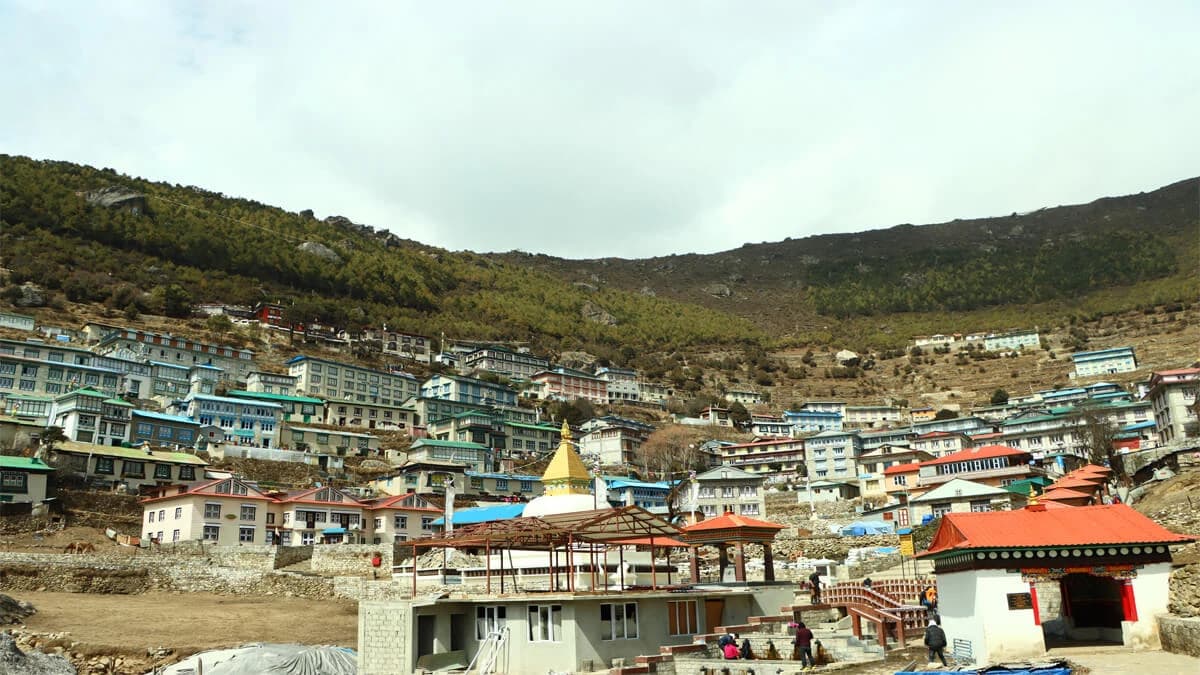
The Everest Luxury Panorama Trekking is perfect if you want to see the world's highest peaks without turning your legs into jelly. You'll wander through famous Sherpa villages like Namche Bazaar, Tengboche, and Pangboche, stay in cozy lodges with private rooms and hot showers, and eat meals that don't come out of a packet. And yes, you'll get jaw dropping views of Everest, Lhotse, and Ama Dablam almost everywhere you look.

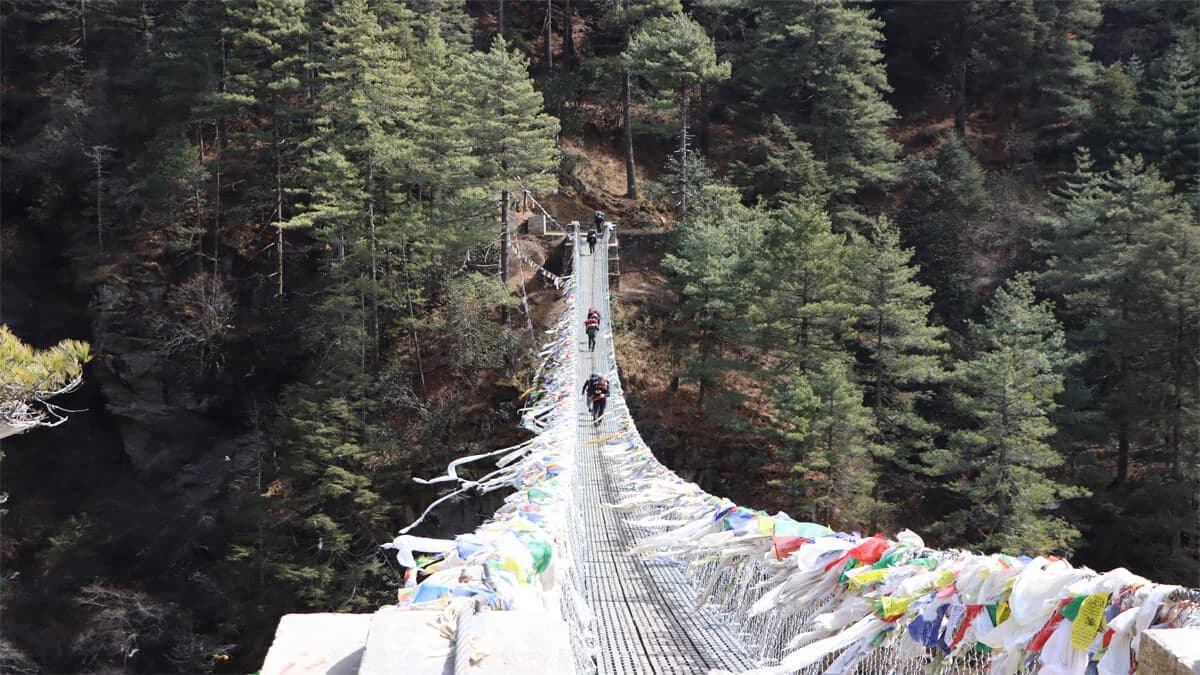
This trek is all about enjoying the mountains without stressing. Walk across suspension bridges, stroll along open ridgelines, and stop to soak in the scenery at your own pace. There's plenty of time to chat with locals, watch prayer flags, and snap photos that will make everyon back home jealous.

By the time you reach the viewpoints, you'll realize this trek isn't just Everest but it is a full Himalayan package. Epic scenery, friendly villages, cozy lodges, and memories you will brag about for years. So forget the tough treks, and treat yourself to the Everest Luxury Panorama Trek which offers adventure with less struggle. 

Everest Luxury Panorama Trek Highlight

  • Wander through charming Sherpa villages and feel the local culture come alive
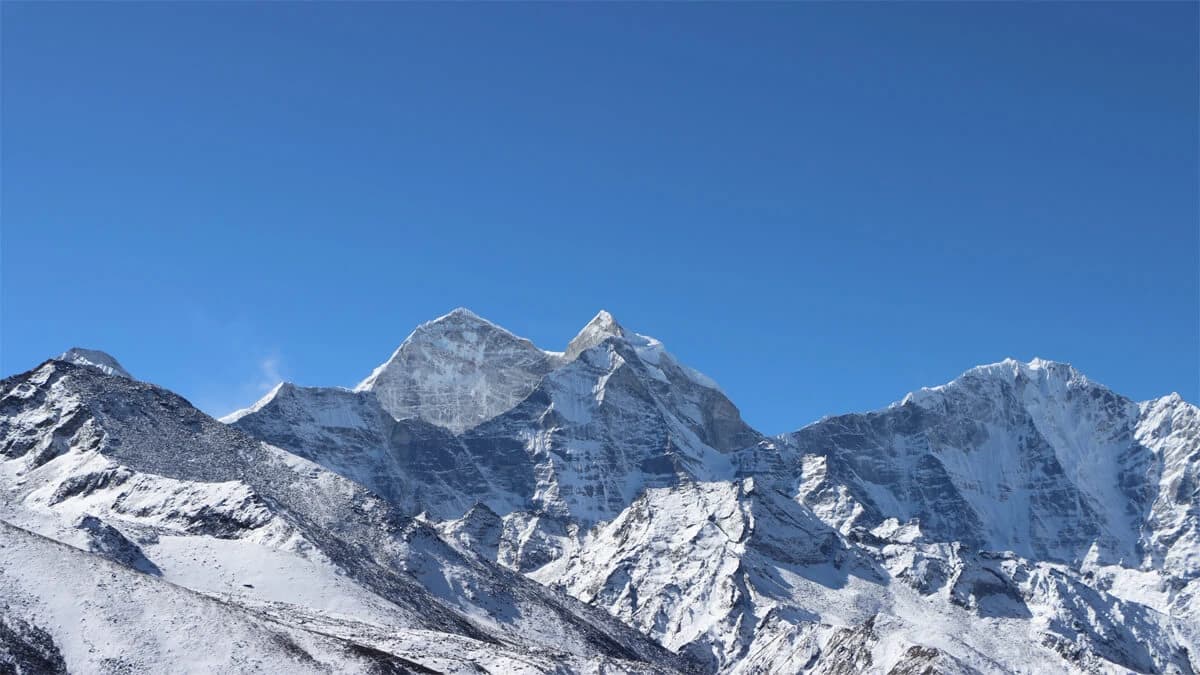
  • Catch unforgettable views of Everest, Lhotse, Ama Dablam, and the towering Himalayan peaks.
  • Experience the thrill of Everest without the exhaustion of long, tough trekking days
  • Everest View Hotel and the Sherpa Museum of Namche Bazar
  • Visit 300 year old monastery of Namche Bazar and Thame Monastery
  • Visit the villages of Tenzing Norgay, Apa Sherpa, and Ang Rita Sherpa, all veteran mountaineers

Everest Luxury Panorama Trek 12 Days Itinerary

The Everest Luxury Panorama Trek can be shortened or extended based on your comfort and schedule. You can start from Lukla, Salleri, Phaplu, Jiri, or Shivalaya, and the total duration depends on your starting point. The trek includes two acclimatization days; one at Namche Bazaar and another at Kongde Village. Some operators also add an extra day at Thame Village to make acclimatization easier and the experience more relaxed.

If you’ve already explored the UNESCO World Heritage Sites in Kathmandu, the itinerary can be adjusted to save a day. On the other hand, if you want to combine this trek with the Everest Base Camp trek or Gokyo Valley trek, the journey can be extended for a longer adventure.

In short, the itinerary is flexible and tailor made. We can adjust it according to your pace, preferences, and interests. Your comfort and satisfaction are always the top priority, making this trek as personalized and enjoyable as possible.

Outline Itinerary of 9 Days Everest Luxury Panorama Trek 

  • Day 01: Welcome to Kathmandu
  • Day 02: Kathmandu to Phakding (2,650m) via Lukla (2,850m)
  • Day 03: Phakding to Namche Bazar
  • Day 04: Namche Bazar to Thame
  • Day 05: Thame to Kongde
  • Day 06: Kongde to Phakding
  • Day 07: Trek from Phakding to Lukla
  • Day 08: Flight from Lukla to Kathmandu
  • Day 09: Departure Transfer

Everest Luxury Panorama Trek Cost

As the name suggests, the Everest Luxury Panorama Trek is for travelers who want to explore the Himalayas in style and comfort. You’ll be staying in star hotels along the route, enjoying spacious rooms, cozy beds, and a touch of luxury after a day of breathtaking mountain adventures. Even meals are a special experience, letting you fuel up while soaking in the stunning views around you.

The Luxury Everest Panorama Trek cost is depends on several factors: your starting point, the services you choose, trek duration, and mode of transportation. You can start from Lukla, Salleri, Phaplu, or Jiri, and if you decide to extend the trek to Everest Base Camp or Gokyo Valley, the price will vary. To get an accurate estimate, it’s best to finalize your itinerary and preferences, then contact us via email, phone, WhatsApp, or online booking for a personalized quote and smooth planning of your dream Himalayan adventure.

Everest Panorama Trek Difficulty

The Luxury Everest Panorama Trek is great for anyone who wants to enjoy the Everest region without stressing too much. It is considered a moderate trek, so you should be comfortable walking a few hours a day, but you do not need to be super fit or an expert hiker. Since it is a luxury trek, you do not have to carry heavy backpacks or sleep in basic lodges. Comfortable rooms, tasty meals, and good facilities make the journey much more relaxed. You will be walking at high altitudes, so you might feel a little tired at times, but acclimatization days at Namche Bazaar and Kongde Village help your body adjust nicely. Overall, it is a perfect mix of adventure and comfort, letting you enjoy the stunning mountains, local culture, and beautiful Himalayan views in a relaxed and enjoyable way.

Everest Luxury Trek Map

Everest region trekking starts from Lukla, a small Sherpa town of the Khumbu region. You can reach Lukla from four different places by air and bus plus trekking. Firstly, you can directly fly from Kathmandu to Lukla in just 30 minutes.

Next, you can drive to Salleri from Kathmandu in a private jeep or a local bus in nearly 10/12 hours. Likewise, you can fly from Kathmandu to Phaplu, another airport of the Solu region within 35 minutes. From Salleri and Phaplu, it takes 3-4 days trek to reach Phakding, the first stop of Everest Base Camp trek.

Yet another option is to do the classic Jiri Everest Base Camp trek route. You reach Jiri or Shivalaya from Kathmandu by bus in about 10-11 hours. Then, it takes 5-7 days to reach Lukla, Tenzing Hillary Airport.

Everest Luxury Panorama Trek map moves ahead from Lukla to Namche Bazar, the Sherpa Capital. You spend a day at Namche Bazaar to explore its natural and cultural assets. Then, by leaving the traditional trail to Everest Base Camp, you divert towards Thame Village.

From Thame, you trek towards Kongde, the highest place of Everest Luxury Panorama Trek. After hiking to Farak Ri (5,000 m) for the amazing view of Khumbu Valley and four 8,000 m+ peaks, you move towards Phakding.

Spending the night at a lodge at Phakding, you trek back to Lukla by following the Nepal Trekking trails along the Dudh Koshi River. Finally, you fly back to Kathmandu to witness the aerial view of the Everest region for the last time this season.

Luxury Everest Trek Permits

Even though this is a luxury trekking, you still need official permits to enter the Everest region and trek safely. The three main permits are:

Sagarmatha National Park Permit

This is your main entry pass to the Everest region. It allows you to enter Sagarmatha National Park, where Mount Everest, Namche Bazaar, and nearby villages are located. The fee helps protect nature, wildlife, and local culture.

Khumbu Pasang Lhamu Rural Municipality Permit

This is a local permit for entering the Khumbu area. It is checked along the trail and helps local authorities keep track of visitors. Think of it as your official “welcome pass” to the Everest region.

TIMS Card (Trekkers’ Information Management System)

The TIMS card records your personal details, trekking route, and emergency contacts. It helps authorities track trekkers on the trail and improves safety in case of bad weather or emergencies. It is an extra layer of security for your journey.

To get these permits issued, you need the following things:

  • Copy of passport having at least 6 months validity
  • Two passport-sized photos
  • Fees in either US Dollars or Nepalese Currency
  • Rough itinerary of the region you are trekking around

TIMS Card costs USD 10 per person in an organized Nepal trek while it needs only USD 20 for an independent trekker. The cost of the Sagarmatha National Park Entry Permit is different for the SAARC Nationals and the foreign trekkers. The SAARC Nationals should pay only USD 15. On behalf of the foreign trekkers, it costs USD 30.

You can get a Sagarmatha National Park Entry Permit from its office at Monjo near Namche Bazar. Recently, Pasang Lhamu Rural Municipality also has started to charge certain fees for tourists. They have to pay USD 20 per person per entry to the local body. You get this permit from the office at either Monjo or Lukla Check Post.

Who is the luxury Everest Panorama Trek suitable for?

The Luxury Everest Trek is made for people who want to see the world’s highest mountains without turning the trip into a survival mission. It’s perfect for travelers who love nature and adventure but also appreciate a warm bed, a good meal, and a comfortable place to rest at the end of the day. If you enjoy walking, exploring new places, and taking your time to enjoy views, this trek fits you well.

It’s a great option for first time trekkers, couples, families, and busy travelers who want a real Himalayan experience without long, exhausting routes. You don’t need special training or extreme fitness, just decent stamina and curiosity for the mountains.

This trek is also ideal for photo lovers, culture fans, and peaceful explorers who want sunrise views over Everest, quiet village walks, and meaningful moments in places like Namche Bazaar. If you want adventure with comfort, nature with style, and memories without misery, this trek was basically designed with you in mind.

Traveler's Recommendation

Back in March, I did the Luxury Everest Panorama Trek, and the experience was absolutely insane. As a normal tourist visiting Nepal, I expected to see a few nice mountains and take some photos, but nothing too extraordinary. I knew Nepal was famous for its peaks, yet I never imagined how close and powerful they would feel in real life. Walking through peaceful villages, colorful forests, and snowy landscapes was unreal, and staying in comfortable lodges made everything even better. Every morning felt like waking up inside a movie, with Everest and other giant mountains right in front of me. The trek was challenging at times, but every step was worth it, and it turned out to be one of the most unforgettable journeys of my life.

Itinerary

The Everest Luxury Panorama Trek usually takes about 12 days but can be adjusted depending on your schedule and budget. Even if you only have a short holiday, a smaller version lets you enjoy the mountains and local culture without feeling rushed.

This trek is all about taking it easy while still seeing some of the coolest spots in the Everest region. You stay at comfortable lodges, wander through Sherpa villages, and follow trails that show off Everest, Ama Dablam, and other huge peaks without pushing your body too hard. That way, altitude sickness is less likely, and you can actually enjoy the journey instead of just surviving it.

The itinerary is flexible. You can add extra rest days, take side trips to quiet villages like Thame and Kongde, or spend more time exploring markets and monasteries. Flights to Lukla can get tricky because of the weather, so it’s smart to plan an extra day just in case. If you want to skip the wait, a helicopter ride gets you there fast and gives a wild view of the mountains from above.

This trek is perfect for anyone who wants a real Everest adventure with some comfort, culture, and plenty of good views along the way. We are here to assist you if you need some advice regarding the itinerary and help you pick the best plan for your trip.

Trip PlanExpand All

On the arrival day, our delegate welcomes you at the Kathmandu International Airport. Then, you will be driven to the hotel booked for your stay during Nepal Visit. Then, you can either take rest or leisurely walk around Thamel. In the evening, your team leader gives you information about Everest Luxury Panorama Trek itinerary.

Max Altitude: 1,350m Accommodation: Deluxe hotel

Flying from Kathmandu to Lukla in the morning, you reach Everest region in about 30 minutes. You will have the aerial view of the soaring peaks as far as Mt. Everest (8,848m), lush valleys and green forests.

From Lukla, the gateway to Everest Base Camp trek, you continue going up along the Dudh Koshi River Valley. Having the first glimpses of Mt. Everest and other peaks, you reach Phakding by crossing the dense forests of Sagarmatha National Park.

Max Altitude: 2850 m Meals: Breakfast, Lunch, DinnerAccommodation: Tea houseDuration: 4 Hrs

Moving along the rhododendron forests and crossing the Hillary Suspension Bridge, you reach Monjo Village. It is the entry point of the highest altitude national park of the world. By getting the permits checked, you move further until Namche Bazar.

Enjoying the splendid view of Kusum Kangaru (6,367m), Thamserku (6,608m), Mt. Everest and Mt. Nuptse (7,879m), you cross Jorsalle village. Namche Bazar is the Sherpa Capital and the main trading centre of the entire Solukhumbu region.

Max Altitude: 3,440m Meals: Breakfast, Lunch, DinnerAccommodation: Tea houseDuration: 6 Hrs

Today is the first acclimatization day of Everest Luxury Panorama trek. Another objective of this day is to let you explore the natural and cultural beauties of the Himalayan town. There is a 300-year-old monastery called Sanga Thechok Dechenling or Namche Monastery. You can see the brightly painted pictures of the Tibetan Buddhist deities.

The prime attraction of Mt. Everest View Trek is Everest View Hotel (3,880m). It is one of the highest located hotels in the world. Located in Sagarmatha National Park, it serves you the 360-degree view of Mt. Everest and other peaks around it. You have the sunrise view of Mt. Lhotse (8,516m), Mt. Nuptse (7,879m) and Mt. Ama Dablam (6,812m) while having tea or coffee.

Another site to explore during Namche Bazar acclimatization day is the Sherpa Museum. You can see the reflection of traditional lifestyle, culture and tradition of the Sherpa people. The Hall of Fame is the gallery displaying the photos of the 1953 Everest Expedition made by Hillary and Tenzing.

If you want to know more about the biodiversity of Sagarmatha Natioanal Park, you can visit its office at Monjo. The details about the wildlife and vegetation of this conservation center are kept at the office.

Max Altitude: 3440 m Meals: Breakfast, Lunch, DinnerAccommodation: Tea house

Walking along the less frequented trail through the spruce, juniper and pine forests, you reach Thamo Village. This is the ancient route to Tibet via Nangpa La (5,806m) on the shoulder of Mt. Cho Oyu (8,188m). It is believed that the Sherpas migrated from Tibetan Autonomous Region to Everest region some 800 years ago.

Thamo is the old Sherpa village where the record breaking mountaineer, Ang Rita Sherpa was born. He has successfully mounted on the Everest Summit for more than 10 times. By walking past the gorge of the Dudh  Koshi River, you reach Thame Village.

Thame is a very important village of the Khumbu region because of the veteran mountaineers born here. This is the home of Tenzing Norgay, who was the first climber of Mt. Everest with Sir Edmund Hillary. Similarly, Apa Sherpa who has climbed Mt. Everest for more than 18 times also lives here. Also, from this legendary village, you can see Mt. Thamserku and Kusum Kangaru glittering in the sunrise or sunset.

Max Altitude: 3,820m Meals: Breakfast, Lunch, DinnerAccommodation: Tea houseDuration: 6 Hrs

Following a narrow trail leading southwards the Bhote Koshi River, you reach a small village Pare. Although the trek is tougher, the panoramas of the Great Himalayas are rewarding.

Then, gradually climbing through rhododendron, pine and bamboo forests, you reach the Kongde Glacier. From here, you see the astounding view of Mt. Everest, Mt. Lhotse and Mt. Ama  Dablam.

Then, following the forested trail, you climb to Kongde Village. It is a Sherpa village facilitating the perfect vistas of Mt. Everest, Mt. Ama Dablam and other mighty peaks.

Max Altitude: 4,250m Meals: Breakfast, Lunch, DinnerAccommodation: Tea houseDuration: 7 Hrs

On the acclimatization day at Kongde, you take it slow and let your body adjust to the higher altitude while still enjoying the stunning surroundings. You can explore the nearby trails, take short walks around the village, and soak in views of Everest, Lhotse, and Ama Dablam without rushing. It’s a perfect day to catch your breath, snap photos, and chat with locals about life in the mountains. Evenings are relaxed in cozy lodges with warm meals, giving you the energy to continue the trek comfortably and safely. This day ensures your body is adjusting in the higher altitudes ahead while letting you fully enjoy the Himalayan scenery.

Max Altitude: 4250 m Meals: Breakfast, Lunch, DinnerAccommodation: Tea house

You begin the trek by following the banks of the Dudh Koshi River after having breakfast. The less frequented trail takes you through some tiny settlement areas of the Sherpa region. Walking for a few hours, you meet the traditional trail to Everest Base Camp trek.

Finally, you arrive in Phakding, the first stop while climbing towards Everest Base Camp (5,364m). Enjoy the gorgeous view of the Himalayas from here.

Max Altitude: 2660 m Meals: Breakfast, Lunch, DinnerAccommodation: Tea houseDuration: 7 Hrs

You begin the last day’s trek along the trail you used a few days earlier. By crossing some suspension bridges over the Dudh Koshi River and the dense forests, you arrive in Lukla, the first Sherpa town of the Solukhumbu region. Make the rest of the time as memorable as you can as you are going to fly back to Kathmandu the following morning.

Max Altitude: 2840 m Meals: Breakfast, Lunch, DinnerAccommodation: Tea houseDuration: 3 Hrs

After you have breakfast, you will fly back to Kathmandu from Lukla by enjoying the aerial view you did a week ago. When the plane lands at the Tribhuvan Airport, you will be shifted to the hotel.

After becoming fresh, you can visit Thamel for shopping the unique products of Nepal to present to kith and kin. We recommend you to purchase some items of art and craft of Nepal like  garments and statues.

Max Altitude: 1350 m Meals: BreakfastAccommodation: Deluxe hotelDuration: 30 Minutes flight

Today is allocated for exploration of the Kathmandu Valley. Therefore, the tour guide of the agency guides you around the World Heritage Sites of the Capital City.

Among 7 such sites, you will be visiting the Monkey Temple, Patan Durbar Square, Pashupatinath Temple and Bouddhanath Stupa. You can find the true reflection of the architecture practiced in the ancient times.

NTR invites you for farewell dinner at a restaurant around Thamel Bazar. During the dinner, you can enjoy the typical cuisines and cultural shows.

Max Altitude: 1350 m Meals: BreakfastAccommodation: Deluxe hotel

Today is the departure transfer. Hence, the representative of our agency transports you up to the Tribhuvan International Airport to catch up with your flight.

Meals: Breakfast
Plan An Amazing Private and Tailor-Made HolidaysNot satisficed with this itinerary? Share your idea with our travel Expert. We make your dream come true.
Customize Trip
Cost Details
Includes
  • Meal Plan
  • All meals are included in holiday price from dinner on day 1 to breakfast on day 13
  • The restaurants at Yeti mountain Home lodges offer a wide range of dishes prepared by trained chefs, ranging from  local cuisine to international dishes. Breakfast will usually be porridge, eggs, bread and a hot drink, lunch will be a simple meal with a hot drink, and dinner will be 3 courses consisting of soup, main meal and a simple desert. If you wish to order additional dishes and/or snacks, you should budget accordingly.
  • Airport Transfer
  • Airport Transfers are available to and from the airport from hotel.
  • Accommodations
  • In Kathmandu, you can stay in 5-star hotels. While on trek you will spend 9 nights in Yeti Mountain Home Lodges, which as comfortable twin or double rooms with attached bathroom and hot and cold running water. All accommodation is on a twin sharing basis
  • International
  • Flying is the only option of connection to remote areas in Nepal. Daily flights operate between Lukla and Kathmandu, in the morning hours. The flight is short but very adventurous.  Yeti Airlines, Tara Air, Buddha Air and Simrik Airlines are the private airlines offering daily flights. Poor weather and visibility can cause delays on internal flights. Flight cancellations stretching for a few days is quite normal.
  • Group leader and support staff
  • We have an experienced and excellent team of trek leaders, Sherpa and porters.
  • Altitude
  • This trek will allow you to experience high altitude of over 4000 m. Please check out with your doctor if you are fit enough to trek in that altitude.
  • Spending Money
  • Depending on how much you would like to spend in personal expenses like shopping, food and refreshments, the amount you should carry varies. However, US$200 will be enough.
  • Guidance and tipping
  • Guides and porters especially in trekking areas expect tipping. Tipping is normal in Nepal especially in trekking and mountaineering but it is not mandatory.
  • Equipment Checklist
  • While trekking, your baggage’s should not wait more than 25 kg. Your extra luggage can be carried by hired porters, Porter can carry Maximum 25 Kg. You are advised to carry a small backpack for your convenience.
Excludes
  • Travel Insurance
  • Nepalese Visa fees
  • Tips for porters and other trek staff
  • Personal expenses like refreshments, cigarettes, alcohol etc
Essential Information

Best season for the Everest Luxury Panorama Trek

Picking the right season for your trek is just as important as packing good shoes. The weather in the Everest region can change quickly, and the season you choose affects visibility, comfort, safety, and overall experience. In the right season, you get clear skies, stable trails, and breathtaking mountain views. In the wrong season, clouds, rain, or cold can hide the peaks and make trekking less enjoyable. Traveling in the right season means fewer delays, better photos, smoother walks, and more time enjoying the Himalayas instead of worrying about the weather.

Everest Luxury Panorama Trek in Spring Season (March to May)

Spring in Everest is like walking through a mountain garden that got sprinkled with magic snow. The air is fresh, the skies are mostly clear, and rhododendron flowers are popping up like colorful confetti along the trails. Snow still hugs the peaks, making every view postcard-perfect. Days are comfortable for walking, nights are refreshingly cool, and every turn feels like nature is showing off its best colors just for you. If you love flowers, fresh mountain air, and seeing Everest looking sharp in the sun, spring is your season.

Everest Luxury Panorama Trek in Autumn Season (September to November)

Autumn is basically Everest’s red-carpet season. After the monsoon, the air is clean, the skies are clear, and the mountains seem to pop out of nowhere in all their glory. Trails are dry, views are unbeatable, and the temperatures are just right, not too hot, not too cold. You might even catch some local festivals and lively village vibes, adding a splash of culture to your trek. Autumn is perfect if you want your adventure to feel epic, colorful, and Instagram-ready.

Everest Luxury Panorama Trek in Winter Season (December to February)

Winter turns Everest into a peaceful snow kingdom. The mountains are wrapped in white, the air is cold, and the trails are almost like a private stage for your adventure. Fewer trekkers mean more fun and quiet moments with the peaks. Nights are cold, sure, but the daytime views are magical, like stepping into a snow globe. If you enjoy exraordinary landscapes, frozen lakes, and a more reflective trek, winter is your wonderland.

Everest Luxury Panorama Trek in Summer/Monsoon Season (June to August)

Summer is Everest in lush, green, dramatic mode. Monsoon rains bring clouds, mist, and occasional showers, but the valleys are bright green, rivers roar with life, and the mountains peek through. Flights may get delayed, but if you don’t mind a little weather adventure, the greenery and peaceful trails make it a unique experience. This season is perfect for those who love fresh landscapes, fewer crowds, and a bit of unpredictability.

Food on the Luxury Everest Panorama Trek

Forget surviving on plain noodles or dry bread; on this trek, food is actually part of the adventure. Breakfasts are warm and filling, think porridge, eggs, pancakes, and fresh tea to start your day with energy. Lunches and dinners are hearty and tasty, with local favorites like momo and dal bhat, plus a few surprises from Western cuisine if you feel like a treat.

Snacks are always at hand, chocolate, nuts, and energy bars keep you going while you soak in the mountains. Hot drinks are your best friend after a chilly morning, and every meal is served with a side of epic Himalayan views.

In short, this trek proves that you can have adventure without sacrificing good food. You walk, you explore, and you eat well no compromises, no guessing, just delicious meals in the middle of the world’s most beautiful mountains.

Accommodation on the Luxury Everest Panorama Trek

On this trek, your nights are just as awesome as your days. Instead of tiny teahouses or cold rooms, you’ll stay in cozy lodges and nice hotels with warm beds, clean bathrooms, and a place to relax your feet after walking in the mountains. Some places even give you amazing mountain views from your window, so you can sip tea or coffee while Everest shows off its best angles. Hot showers, comfy rooms, and a relaxed vibe make sure you wake up refreshed and ready for another day of adventure. Basically, this trek is all about seeing the Himalayas without giving up comfort. You get adventure by day and cozy luxury by night.

Financial Institutions during the trek

On the Everest Luxury Panorama Trek, you should plan to use mostly cash in Nepalese Rupees, since card payments are rare outside big towns. ATMs are found in Lukla and Namche Bazaar, but they can run out, so it’s smart to withdraw enough money in Kathmandu before you start. Carrying a few US dollars as backup can also be helpful. Keep your cash safe in a secure pouch or money belt, and arranging guides, porters, and permits ahead of time will make managing money easier during the trek.

Travel Insurance for the Luxury Everest Panorama Trek

Travel insurance is very important for the trek. The Luxury Everest Panorama Trek takes you to high altitudes and remote areas where weather and emergencies can be unpredictable. A good insurance plan covers medical emergencies, evacuation, trip delays, lost luggage, and even helicopter rescues if needed.

Even though this is a luxury trek with guides, comfortable lodges, and smooth flights, accidents or illnesses can still happen. Having travel insurance gives you peace of mind so you can enjoy the mountains, walk through villages, and take amazing photos without worrying about what could go wrong. Think of travel insurance as your safety net that keeps you protected and ready for anything while exploring the Himalayas.

Altitude Sickness and Remedies during the trek

Altitude sickness is that uninvited guest on the Everest trek that shows up without warning. One minute you feel strong and excited, and the next you have a headache and feel exhausted for no reason. When the air gets thinner, even simple things can suddenly feel difficult.

The best rule is to go slow. The mountains are not going anywhere, so there is no need to rush. Walk at an easy pace, take breaks, and drink plenty of water. If you think you have had enough, drink some more. Your water bottle should always be close by.

Food also helps more than you think. Even if you are not very hungry, try to eat warm and filling meals like rice, noodles, and potatoes. They give your body the energy it needs to adjust to the altitude.

If you start feeling dizzy or get a strong headache, do not try to be brave. Rest and stay at the same height for a while. If symptoms get worse, the best solution is to go down. In the end, walking slowly, eating well, and listening to your body will help you enjoy the trek without fighting with your own lungs.

What should I do if I need to evacuate during the Everest Luxury Panorama Trek?

If something feels really wrong on the trek, do not try to be a main character. The best thing to do is to move down to a lower altitude as quickly as you can safely. Your guide will know whether you can walk slowly or need a helicopter rescue, and yes, helicopters do fly in the Himalayas. Make sure you have travel insurance that covers high altitude emergencies. The key is to be honest with your body and your guide. Mountains are amazing, but no view is worth risking your health, so get help fast and keep the adventure fun and safe.

Everest Luxury Panorama Trek Packing list

For the Everest Luxury Panorama Trek it is important to pack smart and light so you can stay comfortable in changing mountain weather. Bring warm layered clothing, a good waterproof jacket, good trekking boots, gloves, a hat, sunglasses, and several pairs of socks. A small daypack, water bottle, trekking poles, sleeping bag, basic toiletries, personal medicine, and simple first-aid items are also essential. Do not forget your phone, power bank, important documents, and some energy snacks for the trail. Packing the right gear will make your trek safer and more enjoyable. For more detailed information and a complete packing guide, please visit the separate information section on our website.

Safety Measures during the Everest Luxury Panorama Trek

Staying safe on the Everest Luxury Panorama Trek means planning ahead and listening to your body. Take your time on the trails and allow your body to adjust to higher altitudes to reduce the risk of altitude sickness. Drink plenty of water and eat nutritious meals to keep your energy strong. Always follow the established paths and avoid wandering alone, especially in isolated areas. Wear layered clothing and carry waterproof gear to handle sudden weather changes. Keep a basic first-aid kit with medicines and blister care, and make sure you have important documents and a way to communicate if needed. Trust your guide’s advice and never ignore warning signs from your body. Being cautious and prepared will help you enjoy the trek safely and confidently.

FAQs

No, they can’t. It is a moderate type of trekking in the Everest region. You have to spend most of the days and nights above 2,500m. As soon as you reach above the given altitude, you may suffer from altitude sickness. You can do it if you have a habit of regular walking and daily exercise. You should also be able to walk along the rugged trails for about 5 hours every day, you can do this trek.

Yes, you can. You can do the Everest Luxury Panorama Trek after doing the Everest Base Camp trek. Instead of diverting towards Thame from Namche Bazar, you should follow the routes leading to the base camp of Mt. Everest. When you return from Everest Base Camp and Kalapatthar up to Namche, you can trek to Thame Village.

Sure, sure, you may. As the altitude of the  Everest region lies above 2,500m, there is a high chance of Acute Mountain Sickness (AMS). You can avoid it by following some preventive measures. Walk slowly; have enough water, food, and rest; keep some medicines if prescribed, but it's better not to immediately use them. You can avoid it as much as you can by following some preventive measures like walking slowly, having enough water, and food. Moreover, you should hire a professional guide who can help you in the time of emergency.

You can do Everest Luxury Panorama Trek in all the seasons of the year. The low temperature in winter and heavy rainfall in summer may be some challenges. The best season for this trek is spring (March-May) and autumn (September-November). As the weather in these seasons is fine having the clear skies, you can have the best panorama of the Great Himalayas.

The Everest Luxury Panorama Trek is considered moderate in difficulty. The trail involves walking a few hours each day on uneven paths with some uphill sections, but the pace is designed to allow for rest and acclimatization. Most healthy travelers who enjoy hiking can handle it without too much strain, even if they are not experienced trekkers.


No previous trekking experience is necessary. The trek is designed for travelers who are reasonably fit and able to walk steadily for several hours a day. While having some stamina and comfort with walking on rocky or hilly trails helps, complete beginners can still enjoy the trek safely with proper pacing and guidance from a local guide.

The highest point on the trek is around 3,880 meters at the Everest View Hotel. From this spot, you get incredible views of Everest and nearby peaks like Ama Dablam. While the altitude is moderate compared to Everest Base Camp, some travelers may experience mild symptoms of altitude change, so it is important to walk slowly and stay hydrated.

While it is technically possible to trek independently, it is highly recommended to go with a guide or organized group. Trails can be confusing, weather can change rapidly, and local knowledge is very helpful for safety, cultural interactions, and health emergencies.

Even during spring and autumn, mornings and evenings can feel very cold, especially above 3,000 meters. Night temperatures can drop below freezing in higher areas. Wearing layers, a warm jacket, and having a good sleeping bag is essential to stay comfortable.


Mobile coverage is available in major villages such as Namche Bazaar and Tengboche. Many lodges provide Wi-Fi, though the speed can be slow or inconsistent. It is a good opportunity to disconnect from the internet and enjoy the mountains and local culture.

Tipping is customary for guides and porters. It is not mandatory, but it is appreciated as a recognition of their hard work. Around five to ten dollars per day for guides and three to five dollars per day for porters is standard, though travelers can adjust based on satisfaction and trek duration.

Mountain weather can be unpredictable, with sudden rain, snow, or strong winds. Always follow your guide’s advice, carry waterproof clothing, and be ready to adjust your itinerary if needed. Safety should always come first, and rest days or early descents may be necessary in extreme conditions.

Great experience and well managed trip

I was a solo trekker with my guide Deepen who was very knowledgeable and managed everything very well from handling the permits to Lukla airport travel arrangment. His support and...

read more +
Jon Shen - Canada
22 Apr, 2024
J
20 years of Adventure
Why Travel with Nepal Trekking Routes?
We Care for Your Safety
Nepal Trekking Routes always focus on safety, and satisfaction of our valued clients. Our Trekking guides are highly experienced and trained to operate various group trekking trip in high Himalaya.
Provide Financial Protection
NTR prioritize healthy financial safety for clients, ensuring proactive safeguarding of client interest. Our commitment strengthens our role as trusted partners maintaining standards with dedication and Excellence.
100% Local Guide
100% Local Guide
Traveler looking for experience authentic insights through trekking in Nepal NTE offer your 100% local guide who help you to experience unique perspective ensuring and enriched journey customize to your interest.
Personalized Service
We always provide one guide and one porter to two guests in order to meet our standard of providing standard service. Impeccable hospitality and quality services are guaranteed while traveling with us.
Know More
Book Now