

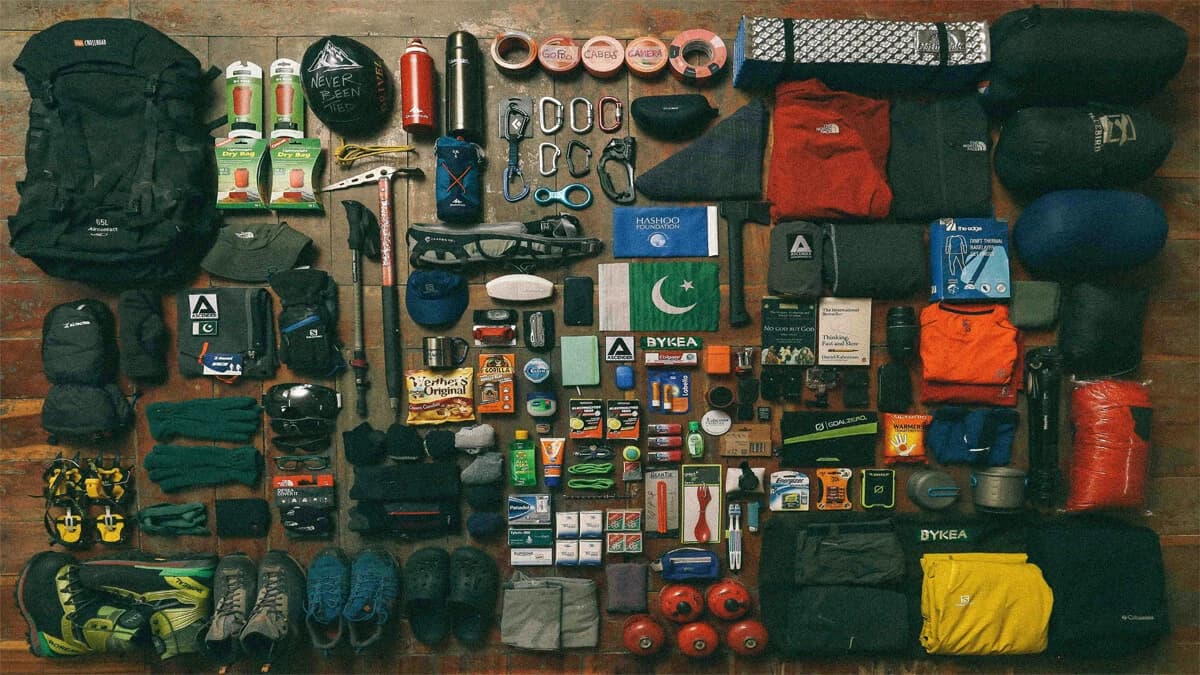
You don’t need a perfect kit for trekking in Nepal, but you do need the right one. The scenario shifts quickly once you leave the cities, and what feels fine at the start of the day can turn cold, wet, or exhausting by the afternoon and once you’re a day or two out, there is not much you can just go and buy. This checklist by Nepal Trekking Routes includes the essential gear you will actually need on the trail, based on real trekking conditions in Nepal rather than unnecessary extras.
Clothes
Layering keeps you warm and comfortable in the mountains, not one heavy jacket. So make sure you carry the right clothes.
- T shirts that are comfortable to walk in and work in both warm and cooler conditions
- A fleece or light warm jacket for when it gets cold during the day
- A waterproof jacket that actually handles rain and strong wind
- A down jacket for higher places and cold evenings, especially in places like higher camps or passes
- Trekking pants that are easy to move in and dry fairly quickly if they get wet
- Thermal leggings for colder mornings or higher altitude sections
- A warm hat for early mornings and evenings when temperatures drop
- A cap or sun hat for strong sun at lower altitude
- Light gloves for cold mornings and a warmer pair if you are going higher
Footwear
You need to be very careful about the type of footwear you pack. If it is not the right one for you, every step starts to feel heavier than it should.
- A proper pair of trekking shoes that you have already worn in before the trip. New shoes are a common mistake and often lead to blisters or discomfort in the first few days
- Shoes with good ankle support and a strong grip for rocky and loose trails
- Something that stays comfortable on long steep descents, since many trekking routes involve a lot of going downhill
- A pair of light sandals or simple shoes for evenings at teahouses when you want to take your shoes off and let your feet rest
- Enough pairs of socks (mix of lighter and thicker ones) so that you are not reusing wet socks
Backpack and Gear
This is what you end up depending on the most, so it’s worth getting right. If you have a backpack that doesn't work well, you will feel it within the first few hours on the trail.
- A 40 to 60 liter backpack for most multi day treks with proper support around the waist and shoulders
- A small daypack for short walks or when your main bag is left at the teahouse
- A rain cover since weather in the mountains can change even when the morning looks clear
- A water bottle or hydration bladder since you will be refilling from teahouses and safe water points along the way
- Trekking poles which are very useful on long climbs and steep downward journey
- A backpack that feels balanced when it is loaded, not just when it is empty in a store
Trail Essentials
These are the stuff that actually gets used on the trail, not the things you carry just in case and forget about.
- A headlamp as it gets dark early in the mountains and power cuts are still common in many villages
- A pair of sunglasses with proper UV protection because the sun feels stronger as you go higher
- Sunscreen since you can burn even when it feels cold
- Lip balm because dry air and wind quickly chap your lips
- Hand sanitizer for quick use during the day when soap and water are not always available
- A small first aid kit with basics like pain relief tablets, antiseptic, and anything you personally rely on
- Blister plasters or tape because even well used trekking shoes can cause issues after long days
Personal Care and Documents
These are not the most exciting things to pack, but you might get in trouble if you don’t pack them while you are on the trail.
- Passport and trekking permits for your specific route
- Cash in Nepali rupees since you won’t find usable ATMs once you are on most trekking trails
- A couple of passport copies and spare photos in case they are required for permits or checks
- Travel insurance details that clearly cover trekking at high altitude
- Toilet paper or tissues because you cannot always rely on finding them in teahouses
- Basic toiletries like toothbrush, toothpaste, soap, and whatever you normally use day to day
- Any personal medication needed for the full trek if required
- Wet wipes for quick cleaning when proper washing isn’t possible
- Hand sanitizer for everyday use on the trail.
- Small quick dry towel for basic washing when needed
Sleeping Gear
Most teahouses provide blankets, but they are not always enough if the night gets colder than expected. You just need:
- A sleeping bag that is warm enough for cold nights, especially if you are going above the lower villages
- A sleeping bag liner if you want a bit more warmth and something cleaner to sleep in
That’s really it, as long as you can sleep comfortably when it gets cold, you are fine
Optional But Useful Items
These are not essential for every trekker, but most people will be glad that they brought at least a few of them depending on how they travel and how long they stay on the trail.
- Power bank, as charging phones and devices can be expensive or limited in higher villages
- Extra charging cables in case one stops working or gets lost
- Universal travel adapter for charging in different types of sockets
- Light snacks like energy bars, nuts, or chocolate for long walking days between teahouses
- Camera or spare phone storage if you plan to take a lot of photos
- Extra batteries for cameras or headlamps on longer treks
- Earplugs for shared rooms and noisy teahouses
- Lightweight book, journal, or something small to pass time in the evenings
- Small laundry bag to separate used clothes inside your backpack
- Safety pins or a small repair kit for quick fixes on gear or clothing
- Light down jacket compression sack if you want to save space in your bag
- Travel pillow for more comfort during long bus rides or flights within Nepal
- Gaiters if you are trekking in muddy, snowy, or dusty trail
- Dry snacks for people who prefer eating small amounts throughout the day
- Zip lock bags for keeping electronics, documents, or snacks dry and organized
Note: This might look like a lot when you see it all together, but you don’t need to bring everything on the list. Take what fits your trek, the time of year, and how you like to travel. A lot of it is optional once you are actually on the trail.