

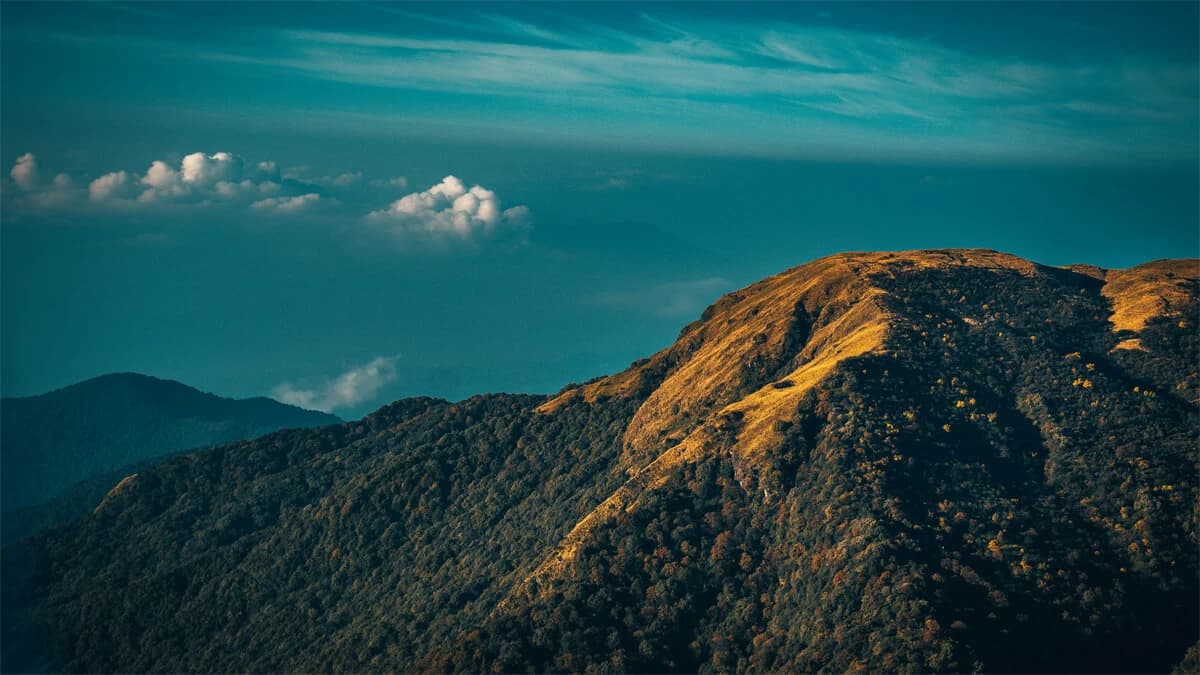
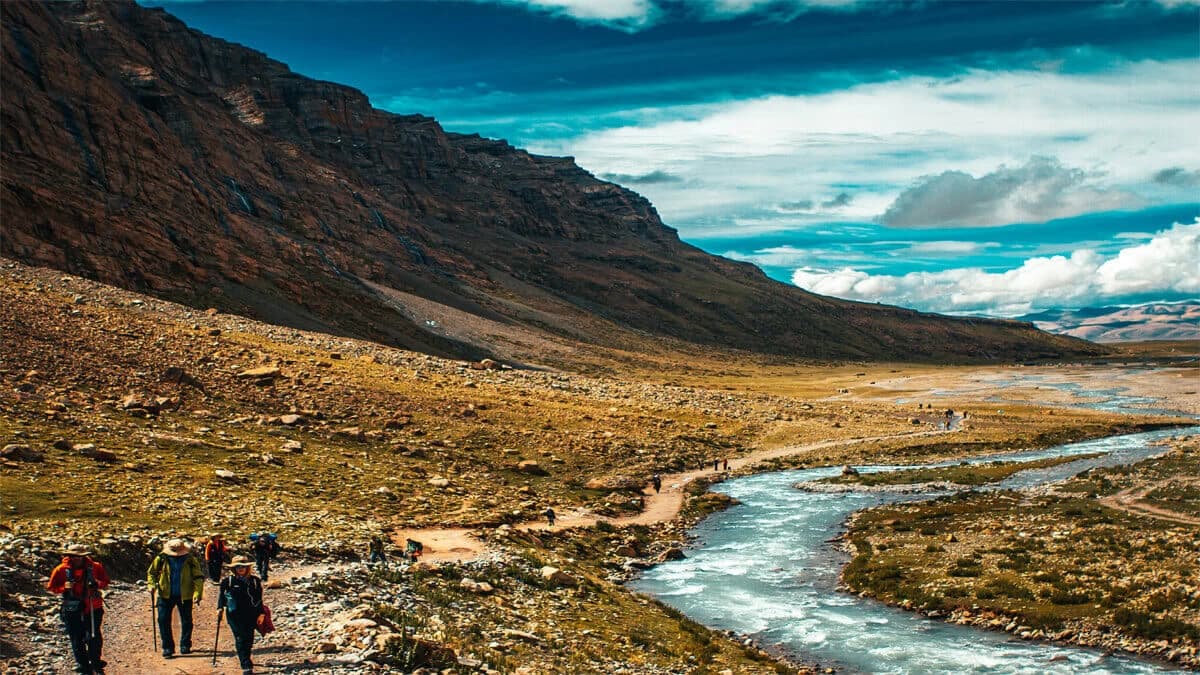
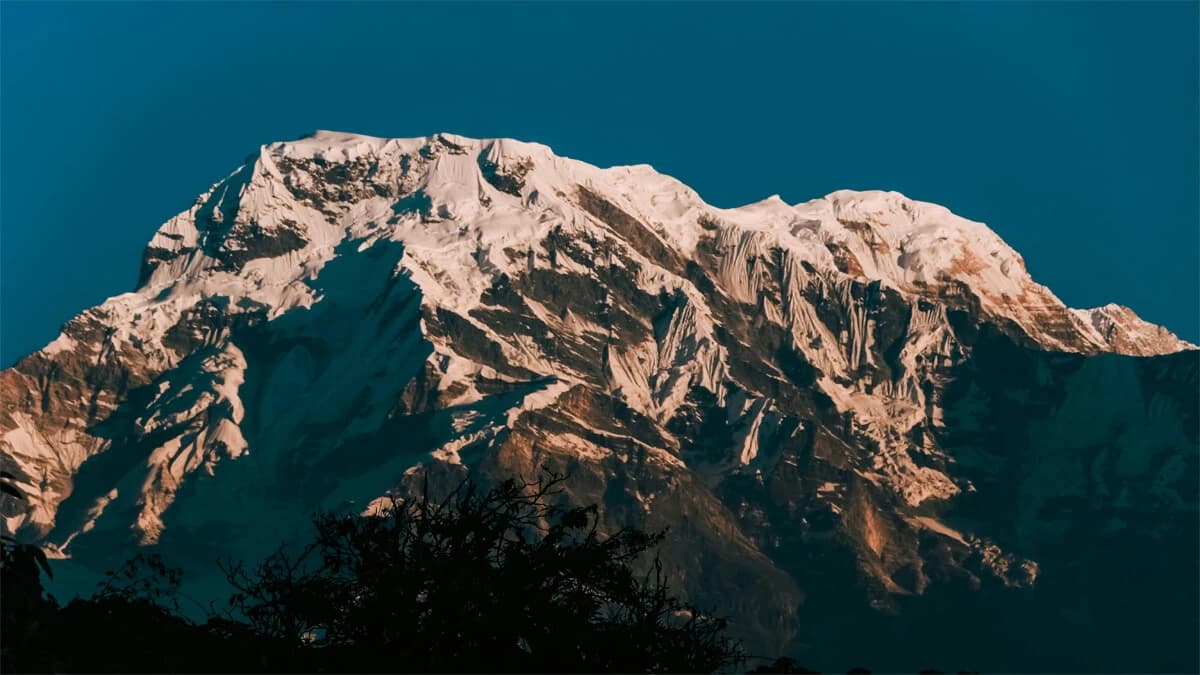
Ever wondered what it feels like to walk where almost no one has been? The Api Himal Trek in Far Western region of Nepal is one of the most remote and thrilling trekking experiences you can find. Leading to the majestic Api Base Camp, this off the beaten path route takes you through untouched forests, sparkling rivers, and alpine grasslands, giving trekkers a true taste of Nepal's wilderness. Trekking in Nepal has many popular trekking trails, but the Api Himal Base Camp Hiking stands out for its solitude, mesmerising scenery, and the chance to explore hidden Himalayan gems.
The Api trek offers more than just incredible views of Mount Api and surrounding peaks. Along the way, you will pass through small villages where traditional mountain life continues unchanged, giving a glimpse into the culture and lifestyle of the region. Nepal trekking is as much about the people and their stories as it is about the mountains, and the Api Himal Base Camp Trek perfectly blends adventure with cultural experiences. Every step of this journey feels like discovering a part of Nepal that few outsiders have ever seen.
What makes the Api Himal Trek truly unforgettable is the combination of challenge and reward. From the flowering rhododendron forests in spring to the crystal clear streams and dramatic valleys, every day brings new surprises. Trekking in Nepal's remote regions like Api Himal is for those who crave adventure, natural beauty, and the kind of quietness that only hidden trails can offer. For anyone seeking a Himalayan experience beyond the usual routes, the Api Himal Trek is the ultimate destination.
Api Himal Base Camp Trekking Overview
The Api Himal Trek is a remote trekking route in Far Western Nepal, located within the Api Nampa Conservation Area near the Nepal-Tibet border. This trek leads to the Api Base Camp region, below Mount Api, which stands at 7,132 meters and is one of the highest peaks in western Nepal. Trekking in this region offers a quieter alternative to popular routes, making it ideal for trekkers who want to explore less visited Himalayan trails while experiencing raw mountain landscapes and traditional village life.
The trekking route passes through forests, river valleys, open pastures, and high alpine terrain. Along the way, trekkers walk through small settlements where local communities still depend on farming and seasonal trade. These villages reflect a simple lifestyle shaped by geography and isolation. The Api Himal Base Camp Trekking is not only about reaching a destination but also about understanding the environment, culture, and daily life of far Western Nepal. Accommodation is mostly in basic teahouses or local homes, with camping required in some sections depending on the itinerary.
Trekking in Nepal's Api Himal region requires good physical fitness due to long walking days, uneven trails, and limited infrastructure. The trek usually takes around 15 days, depending on access routes and acclimatization days. For trekkers seeking a genuine Himalayan experience away from busy trails, the Api Himal Trek offers a balanced mix of nature, culture, and remote mountain travel without the commercial feel found in more developed trekking regions.
Api Himal Trekking Highlights
- Explore one of the most remote trekking regions in Far Western Nepal, far from busy and commercial trekking routes.
- Trek to the Api Base Camp area beneath Mount Api which at 7,132 meters is one of the highest peaks in western Nepal.
- Walk through the Api Nampa Conservation Area, known for its mix of forests, river valleys, open pastures, and high mountain landscapes.
- Experience traditional village life by passing through small settlements where local communities still follow age old customs and farming practices.
- Enjoy peaceful trekking trails with very few trekkers, offering a quiet and more personal trekking experience in Nepal.
- The trek offers a good balance of physical challenge and cultural experience, making it suitable for trekkers with good fitness and an interest in remote travel.
Required Permit for Api Himal Trek
The Api Himal Trek requires a small number of official permits to enter the region legally and responsibly. Although the trekking route lies in a remote part of Far Western Nepal and close to the international border, it is not listed as a restricted trekking area. Trekkers only need standard permits that apply to conservation areas in Nepal. These permits play an important role in managing tourism, protecting natural resources, and supportng local communities along the trail. Here are the permit requirements.
Api Nampa Conservation Area Permit
This permit is requires for all trekkers entering the Api Himal region, as the trekking route lies within the Api Nampa Conservation Area. The permit supports conservation efforts in the area. The collected fees are used for protecting wildlife, preserving forests, maintaining trails, and supporting local development projects in nearby villages.
TIMS Card (Trekkers' Information Management System)
The TIMS card is a mandatory document for trekking in Nepal and is designed to improve trekker safety. It records important details such as trekker information, trekking route, and contact details. In remote regions like Api Himal, where communication and rescue services are limited, the TIMS system helps authorities and trekking agencies locate trekkers in case of emergency.
Api Himal Trek Cost
The Api Himal trek cost between USD 1400 and USD 3000 per person for a 15 day package, depending on the level of accommodation, size of the group, and services included. Most Api Himal Trekking packages cover domestic flights, trekking permits, guide and poter support, meals during the trek, and lodges or camping arrangements, ensuring a smooth and organized experience in this part of Nepal.
Extra costs may include personal snacks, tips for staff, travel insurance, or rental gear. On an average, a complete package with all essentials included costs around USD 2200-2500 per person, making it an accessible way to explore one of Nepal's least visited regions safely while enjoying the mountains, villages, and rivers along the route.
What can travelers expect from the Api Himal Trek?
Travelers on the Api Himal Trek can expect a remote and quiet trekking experience in Far Western Nepal. The trail passes through forests, river valleys, and high mountain areas, giving a good mix of landscapes. Along the way, trekkers will visit small villages where local communities still follow traditional farming and daily practices, providing a real insight into life in this part of Nepal.
The trek involves moderately challenging walking days with some steep and uneven trails. The highest point, Api Base Camp, is around 4100 meters, so some acclimatization is needed. Accommodation is mostly in basic teahouses, and meals are simple.
Trekkers can also expect very few other travelers on the trail, making the journey peaceful and personal. The route offers clear views of Mount Api, access to the Api Nampa Conservation Area, and a chance to experience natural and cultural diversity in a quiet part of the Himalayas.
The combination of natural beauty, cultural encounters, and remote trekking trails make this trek a journey that stays with you longer after you return. For anyone looking to explore a less traveled part of Nepal, this trek offers a rewarding and calming adventure.
Who the Api Himal Trek is Suitable for?
The Api Himal Trek is perfect for travelers who want to explore a quiet and remote part of Nepal, away from the crowded trails of popular trekking routes. It is best suited for those with good physical fitness, as the trek involves long walking days, steep sections, and uneven trails. Trekkers who enjoy spending time in nature, visiting small mountain villages, and experiencing local culture will find this trek especially rewarding.
This trek is also ideal for those who like off-the-beaten-path adventures and want to challenge themselves without needing technical climbing skills. The trail showcases forests, rivers, open mountain areas, and villages where life has remained largely unchanged for generations. Travelers can expect a mix of walking, cultural encounters, and quiet moments in a region that sees very few visitors.
While this trek can be demanding at times, it is manageable for anyone who is prepared for multi day walking, has some endurance, and is ready to adapt basic accommodation and limited facilities. Overall, the Api Himal Trekking in Nepal is suitable for adventurers who value sturdiness, nature, and an authentic mountain life experience.
Preparation for Api Himal Trek
Before starting the Api Himal Trekking in Nepal, travelers should focus on both physical and practical preparation. the trek involves long days of walking on uneven paths, so building stamina and leg strength through regular walking, jogging, or hill training is important, Even moderate fitness will make the trek more comfortable and enjoyable.
Because the trail goes through a remote region, it's important to pack carefully. Essential items include warm clothing, trekking shoes, a rain jacket, basic medical supplies, and personal items. Travelers should also prepare for high altitude, as the trek reaches up to 4100 metes at Api Base Camp. Allowing time for gradual altitude gain, drinking plenty of water and monitoring your health can prevent altitude related issues. Hiring a guide and porter is strongly recommended to navigate remote sections safely and to help with carrying baggage, especially since this is an off-the-beaten-path trek.
Why choose Nepal Trekking Routes for the Api Himal Trek?
We make the Api Himal Trek smooth, safe, and well organized from the moment you arrive in Nepal. We take care of all permits, transportation, accommodation, and provide experienced local guides who know the region and trails well. In a remote area like Api Himal, this support makes a big difference.
We plan our itineraries carefully, allowing eniugh time for rest and gradual altitude gain. Our focus is on safety, clear communication, and reliable service. so you can enjoy the trek without worrying about logistics. When you trek with us, you travel with a team that understands the region and supports you throughout the journey. So book your journey with us now!


