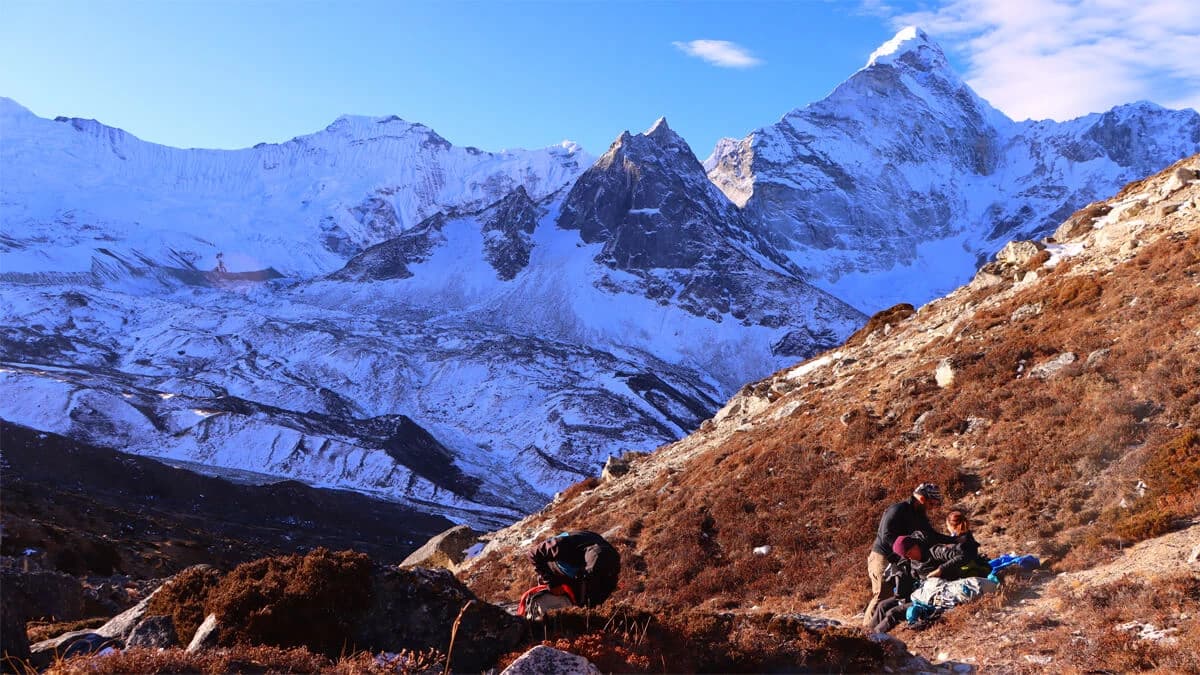
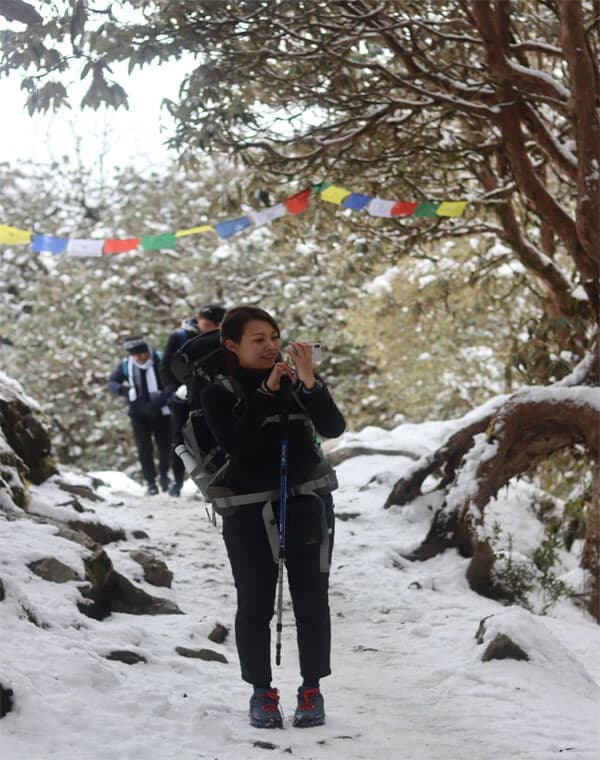
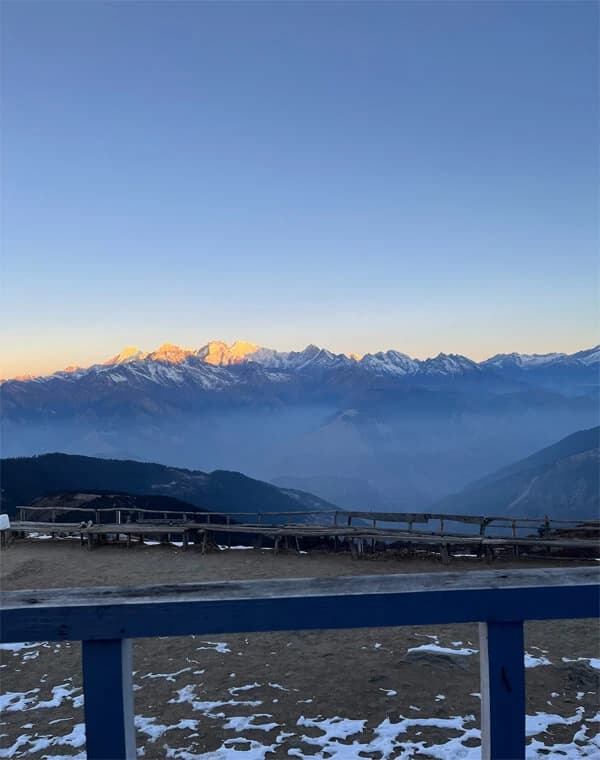
Nepal Trekking covers a wide range of journeys, from short hike near Kathmandu to long expeditions in remote Himalayan areas. The country has hundreds of trekking routes, but they are not all the same. Some are well established, with teahouses, regular villages, and relatively easy access, while others are remote, higher in altitude, and need more planning because of limited facilities, and permit restrictions.
That is why Trekking in Nepal attracts travelers looking to explore the Himalayan regions on foot. The country offers different types of trekking, from shorter teahouse routes with regular facilities to longer high altitude journeys that require more preparation, acclimatization, and permits. Guide requirements depend on the trekking region and the regulations in place.
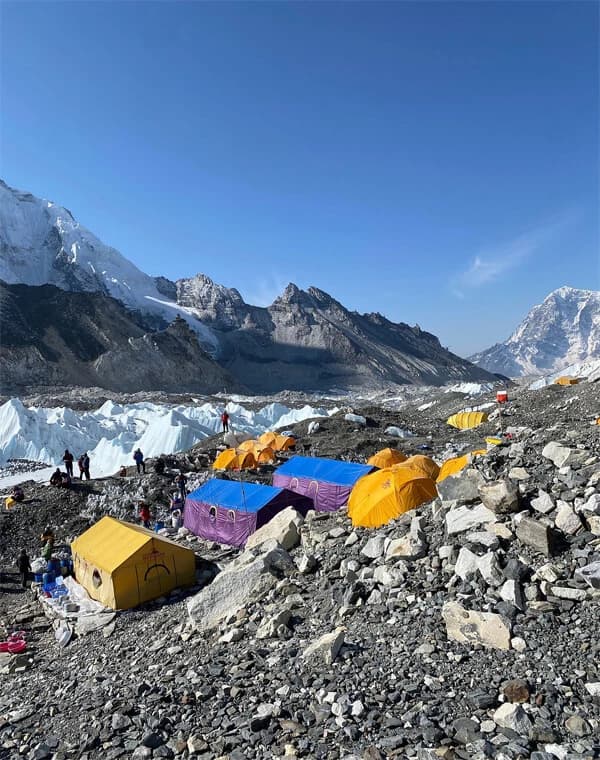
Among the many Nepal trekking packages in Himalayan, routes like Everest Base Camp, are known for taking trekkers into the high Himalayan region and providing access to some of the country's most recognized mountain landscapes. However, Nepal trekking extends beyond the famous routes, with many trails leading through different regions, communities, and environments across the country.
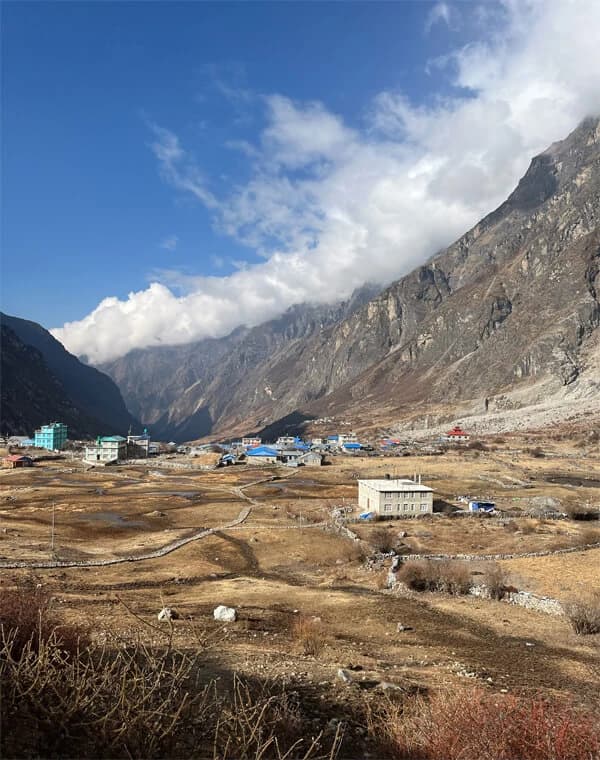
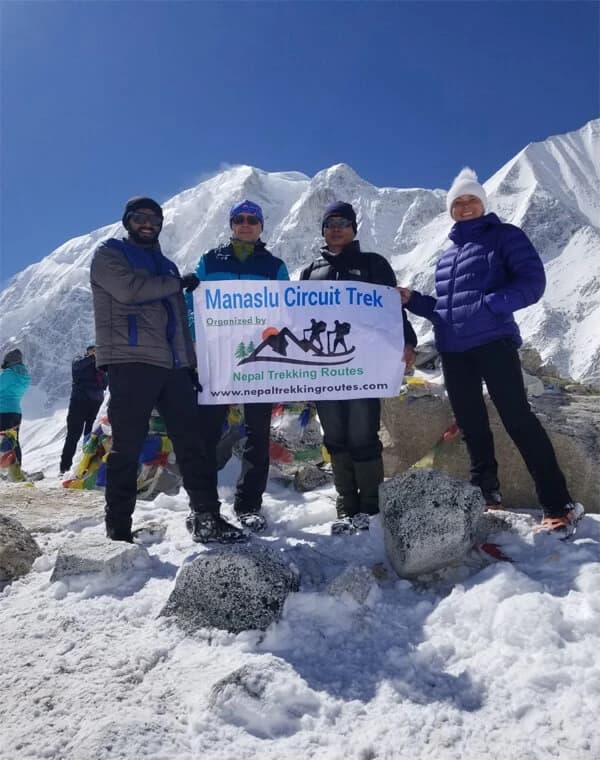
Nepal’s trekking regions also reflect the country’s geographical and cultural differences. The Langtang Region Trek, is known for its Tamang heritage and its location near Kathmandu, while the Manaslu Region Trek follows a route around Mount Manaslu through a more remote part of Nepal. Each region has its own landscapes, communities, and trekking character, which is why Nepal offers such a wide range of trekking experiences.
Popular Trekking Regions in Nepal
Nepal's trekking routes are grouped into different Himalayan regions rather than following a single mountain range. Each region has its own trail network, walking conditions, and style of trekking, which is why choosing the region is often more important than choosing a single destination.
Everest Region Trek
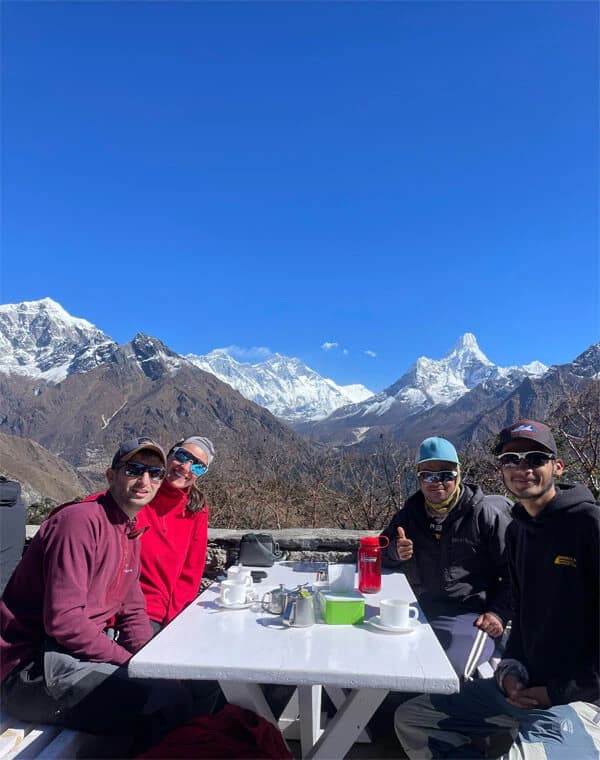
For many trekkers, the Everest region is the first introduction to the Himalayas. It is best known for Everest Base Camp, but the region also includes routes to Gokyo, the Three Passes, and several smaller villages that are not part of the base camp trail. It has one of Nepal's most developed trekking networks, with regular teahouses, established trails, and reliable trekking infrastructure.
Annapurna Region Trek
No other trekking region in Nepal offers the same range of routes as Annapurna. Some treks can be completed in a few days, while others take more than two weeks and cross high mountain passes. This variety is one of the main reasons the region attracts both first time trekkers and experienced hikers.
Langtang Region Trek
The Langtang region is chosen by trekkers who want a Himalayan trekking without spending several days reaching the trailhead. It is also known for its Tamang communities, where local traditions remain an important part of daily life. Despite being close to Kathmandu, the region still provides a genuine mountain trekking experience.
Manaslu Region Trek
Trekking in the Manaslu region is regulated differently from many other parts of Nepal because it falls within a restricted area. Foreign trekkers need special permits and must be accompanied by a licensed guide. The route circles Mount Manaslu before crossing Larkya La, one of Nepal's highest trekking passes.
Kanchenjunga Region Trek
The Kanchenjunga region lies in eastern Nepal and is one of the country's longest trekking destinations. Most itineraries visit the North Base Camp, the South Base Camp, or both, making the journey considerably longer than many other treks. Because of its location and restricted status, the region receives far fewer trekkers than Everest or Annapurna.
Makalu Region Trek
The Makalu region is centered around Mount Makalu, the world's fifth highest mountain. Trekking here involves longer distances between settlements, fewer teahouses, and a greater emphasis on self sufficiency than Nepal's more established trekking regions. Most routes pass through Makalu Barun National Park before reaching higher elevations.
Mustang Region Trek
Unlike much of Nepal, the Mustang region lies in the Himalayan rain shadow area, where the landscape is noticeably drier and more open. The area is also shaped by centuries of Tibetan Buddhist influence, which can still be seen in its monasteries, traditional villages, and historic caves as well. Upper Mustang trekking requires a restricted area permit.
Dolpo Region Trek
Dolpo remains one of Nepal's least visited trekking regions, largely because of its distance from the country's main trekking corridors. The trails pass through isolated valleys where road access is still limited, and many villages have preserved traditions that have changed little over generations. Trekking in Dolpo requires more time and planning than routes in Nepal's better known regions.
Best Time for Trekking in Nepal
The best time for trekking in Nepal is from March to May and from September to November, when most trekking routes have clearer weather and better mountain views. Some regions follow a different pattern. Upper Mustang and parts of Dolpo are commonly trekked during the summer or monsoon because they lie in the Himalayan rain shadow and receive much less rainfall than other parts of Nepal.
The right time to trek ultimately depends on the region, the route, and the conditions you want to walk in. With the right route and proper planning, trekking in Nepal can be enjoyed in almost every season.
Permits for Trekking in Nepal
Permit requirements for Nepal trekking Tour changes according to which region you go. The permits below apply to the most common trekking routes.
- Everest Region Trek: Sagarmatha National Park Entry Permit and Khumbu Pasang Lhamu Rural Municipality Permit.
- Annapurna Region Trek: Annapurna Conservation Area Permit (ACAP).
- Langtang Region Trek: Langtang National Park Entry Permit.
- Manaslu Region Trek: Manaslu Restricted Area Permit, Manaslu Conservation Area Permit (MCAP), and Annapurna Conservation Area Permit (ACAP). A licensed guide is required.
- Kanchenjunga Region Trek: Kanchenjunga Restricted Area Permit and Kanchenjunga Conservation Area Permit (KCAP). A licensed guide is required.
- Makalu Region Trek: Makalu Barun National Park Entry Permit, Makalu Rural Municipality Permit.
- Mustang Region Trek: Upper Mustang requires an Upper Mustang Restricted Area Permit and an Annapurna Conservation Area Permit (ACAP). Lower Mustang requires an Annapurna Conservation Area Permit (ACAP).
- Dolpo Region Trek: Shey Phoksundo National Park Entry Permit is required for most routes. Treks that enter the restricted areas of Upper Dolpo or Lower Dolpo also require the corresponding Restricted Area Permit.
Permit requirements may change, so it is always recommended to check the latest regulations before planning your trek.
Accommodation During Your Nepal Trekking Experience
There is no standard type of accommodation on Nepal's trekking trails. Even on the same route, the facilities can change from one village to the next. Places that are easier to supply have more comfortable lodges and a wider food menu, while villages farther into the mountains often have fewer rooms and more limited services. On most teahouse treks, the room is mainly a place to sleep, with trekkers spending most of their time in the shared dining hall.
Trekking Guides in Nepal
Licensed trekking guides are mandatory on Nepal's restricted trekking routes, including the Manaslu Region, Kanchenjunga Region, Upper Mustang, and Upper Dolpo. Guide requirements for other trekking regions are determined by the latest government regulations, so it is always worth confirming the current rules before planning a trek.
Many trekkers also choose experienced trekking guides in Nepal for practical reasons rather than legal requirements. A guide can help organize permits, accommodation, transportation, and daily travel, while also providing local knowledge about the route, villages, and trail situations throughout the guided Nepal trekking.
Frequently Asked Questions
Do I need previous trekking experience for trekking in Nepal?
No. Every year, many people complete their first trek in Nepal without having done a multi day trek before, meaning that beginners can absolutely go trekking in Nepal. A realistic itinerary and enough time to deal with the altitude makes a bigger difference than previous trekking experience. Starting with a route that matches your fitness is a better decision than choosing the most famous trek.
What is the highest altitude reached on trekking routes in Nepal?
Most high altitude treks in Nepalreach somewhere between 4,000 m and 5,500 m, and the highest point is often a pass rather than the place where you sleep. Thorong La Pass is one of the best known high points on a trekking route in Nepal, which is why people mention it so often when talking about high altitude trekking here.
On many routes, trekkers cross a pass or reach a viewpoint during the day and then descend to a lower village for the night. That is why the highest point on the trail and the overnight stop are often two different places.
Can I trek in Nepal without camping?
Yes. Camping is no longer the standard way to trek in Nepal. Teahouse trekking has made everything easier and more facilitated nowadays. Camping is mainly used on routes where accommodation is unavailable or where the itinerary goes beyond established villages.
How much cash should I carry during a Nepal Trekking?
Carry enough Nepalese Rupees before your trek begins. Once you leave the roadheads, cash is still the most dependable way to pay for accommodation, meals, charging, Wi Fi, and other daily expenses. Even if a few places accept digital payments, they should be treated as an exception rather than something you can rely on throughout the trek.
Is Wi Fi and mobile network available during trekking in Nepal?
On many popular trekking routes, you will have mobile network or Wi Fi at least once a day, but the quality of the connection changes from place to place. Losing signal for a day or two is not unusual, especially on remote trails or while crossing high passes, so it is best not to depend on a constant internet connection.
Do I need to carry all of my luggage during the trek?
Not necessarily. Many trekkers hire a porter so they only need to carry a daypack with water, extra clothing, and other personal items. Most trekking companies limit one porter to around 20 to 25 kg, which is usually shared between two trekkers to keep the load within a reasonable weight.
Can I drink water directly from streams during a trek?
Although mountain streams may look clean, the water should always be treated before drinking. Most trekkers refill reusable bottles at teahouses or public taps and use purification tablets, filters, or UV purifiers instead of relying on bottled water.
Do I need to be very fit for trekking in Nepal?
The answer depends more on the trek than on your fitness. A person who walks regularly and chooses a route that matches their ability is in a better position than someone who is very fit but heads straight for a demanding high altitude trek. Most people slow down because of the altitude, the number of days on the trail, or because they underestimated how different mountain walking feels after several days in a row. So make sure you choose the right trek for you.
Final Thoughts
The best trek in Nepal is not always the longest, the highest, or the most popular. It is the one that matches your time, fitness, and expectations. With dozens of trekking regions, different trail conditions, and routes that range from well established teahouse treks to remote Himalayan adventures, Nepal offers far more choice than many trekkers expect. Taking the time to choose the right trekking route often has a bigger impact on the experience than simply choosing the most famous destination.