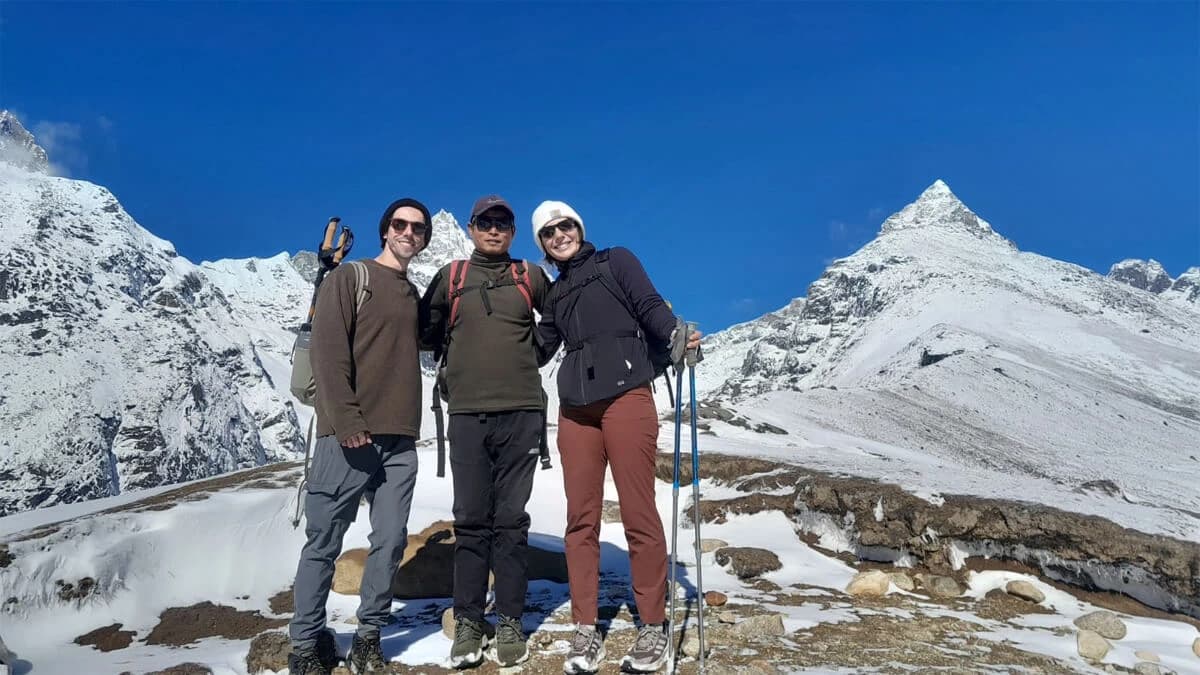
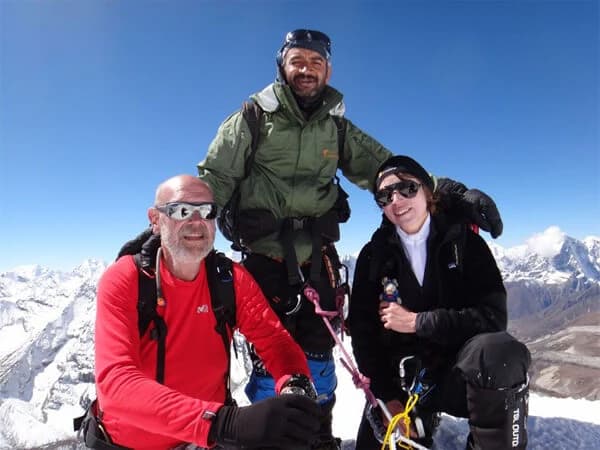
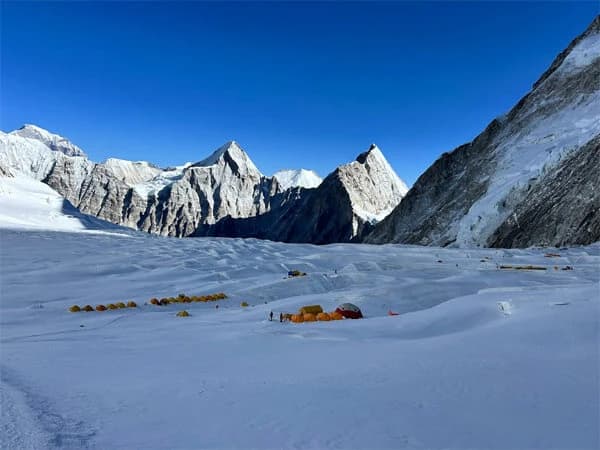
Let’s be real for a second, High Altitude Climbing in Nepal isn’t just a “harder trek.” It’s the point where the mountains stop feeling like a backdrop and start demanding your full attention. Every step is slower, every breath matters, and you become much more aware of where you are and what your body is doing.
In Nepal, this kind of climbing takes you far beyond the usual paths into a landscape of ice, snow, and towering peaks that feel both beautiful and intimidating at the same time. It’s not always easy, and it’s not meant to be. But somewhere between the challenge and the silence, you find a different kind of experience, one that stays with you long after you come back down.
And the thing is, it’s not just about the summit. It’s about the small moments in between, the sound of the wind against the ice, the slow crunch of your boots on snow, and the quiet pauses where you just stand and take it all in. Up here, everything feels simpler, clearer, and somehow more real, like the mountains are reminding you what truly matters.
What Is High Altitude Climbing?
High altitude climbing is the kind of adventure that takes you above the usual trekking routes and into thinner air, where your body has to work harder with every step. In simple terms, it means climbing mountains or peaks at elevations where oxygen levels drop significantly, making even basic movement feel more challenging. It’s not just about distance anymore, it’s about how your body adapts to height, cold, and changing conditions.
The main difference between trekking in Himalaya, peak climbing, and mountaineering comes down to difficulty and technical skills. Trekking is mostly walking on well-established trails, often without needing special equipment. Peak climbing in Nepalis a step higher, it usually involves reaching a summit and may require basic gear like ropes, crampons, or ice axes. Mountaineering goes even further, combining endurance, technical climbing skills, and experience to tackle more complex and demanding mountains.
Altitude is generally divided into three levels. High altitude ranges from 2,500 meters to 3,500 meters, where you may start to feel the effects of thinner air. Very high altitude, from 3,500 meters to 5,500 meters, is where acclimatization becomes important and your body needs time to adjust. Extreme altitude, above 5,500 meters, is where oxygen is very limited, and even simple tasks can feel exhausting.
Climbing at these elevations is physically and mentally demanding because your body receives less oxygen with every breath. This can lead to fatigue, slower movement, and the need for frequent rest. At the same time, the cold, strong winds, and unpredictable weather add extra pressure especially during himalayan climbing expeditions. Mentally, it requires patience, focus, and the ability to stay calm even when things get tough. But it’s exactly this challenge that makes high altitude climbing such a powerful and unforgettable experience.
Why is Nepal a Top Destination for High Altitude Climbing?
When it comes to high altitude climbing, Nepal stands out for a reason. It’s home to some of the highest peaks on Earth, including Mount Everest, along with many other towering mountains that attract climbers from all over the world. Being surrounded by these giants, you’re not just climbing a peak, you’re stepping into the heart of the Himalayas.
Nepal also has a rich mountaineering history. Legendary routes, first ascents, and decades of climbing stories have made these mountains iconic. Trails and climbing paths here aren’t just routes, they carry the footsteps of climbers who have shaped the history of high altitude mountaineering.
Another reason Nepal is so popular is the wide range of options it offers. Whether you’re just starting with smaller trekking peaks or aiming for more challenging expeditions, there’s something for every level. You can begin with beginner-friendly climbs and gradually move toward more technical and demanding mountains as your experience grows.
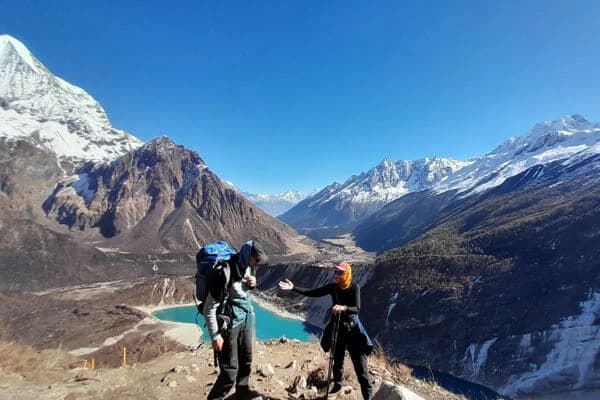
Beyond the climbs themselves, the experience is shaped by the surroundings. The Himalayan scenery is breathtaking, with glaciers, deep valleys, and endless peaks stretching in every direction. Along the way, you’ll encounter Sherpa communities, ancient traditions, and remote villages that add depth and meaning to the journey which makes it more than just adventure travel in Nepal.
Finally, Nepal has a well-established support system for climbers. From experienced guides and porters to organized expeditions and tea house networks, everything is designed to help you focus on the climb while staying safe and supported. This combination of natural beauty, cultural richness, and reliable infrastructure is what makes Nepal one of the best places in the world for high altitude climbing.
Popular High Altitude Climbing Peaks in Nepal
In Nepal, high altitude climbing isn’t limited to just a few famous mountains, it’s a whole range of peaks, each offering a different kind of experience. From beginner-friendly options like Island Peak and Mera Peak to more technical climbs like Lobuche Peak and Ama Dablam, there’s something for every level. Some peaks focus more on endurance and altitude, while others require stronger technical skills, giving climbers the chance to grow step by step.
What makes these climbs even more special is the journey itself. You’re not just heading to a summit, you’re walking through remote valleys, passing traditional villages, and slowly moving into landscapes of glaciers and snow-covered ridges. This blend of climbing creates a unique experience of himalayan trekking and climbing. Whether you’re starting your first climb or aiming for something more advanced, Nepal’s peaks offer that perfect mix of challenge, beauty, and a sense of adventure that stays with you long after you leave the mountains.
Island Peak Climbing
Island Peak (Island Peak, 6,189 m) is one of the most popular beginner high-altitude climbs in Nepal, offering a perfect introduction to mountaineering. The peak sits in the Everest Region, surrounded by some of the tallest mountains in the world, which means every step of the trek to base camp is framed by dramatic Himalayan vistas. Climbers experience a mix of trekking through picturesque valleys, passing Sherpa villages like Dingboche and Chhukhung, and walking along glaciers before reaching the summit.
The climb itself is beginner-friendly but still challenging enough to give a real mountaineering experience. It includes glacier travel, basic rope techniques, and climbing ladders across crevasses under the guidance of experienced guides. Acclimatization is gradual, which helps prevent altitude sickness and allows climbers to enjoy the breathtaking views of peaks like Lhotse, Ama Dablam, and Mount Everest along the way.
The trek to Island Peak Base Camp itself is an unforgettable journey. You pass through rhododendron forests, moraine paths, and alpine meadows while staying in cozy tea houses, experiencing authentic Sherpa hospitality. Summiting Island Peak provides a sense of accomplishment, a dramatic 360-degree panoramic view, and an excellent stepping stone for those looking to tackle higher or more technical peaks in the Himalayas.
Mera Peak Climbing
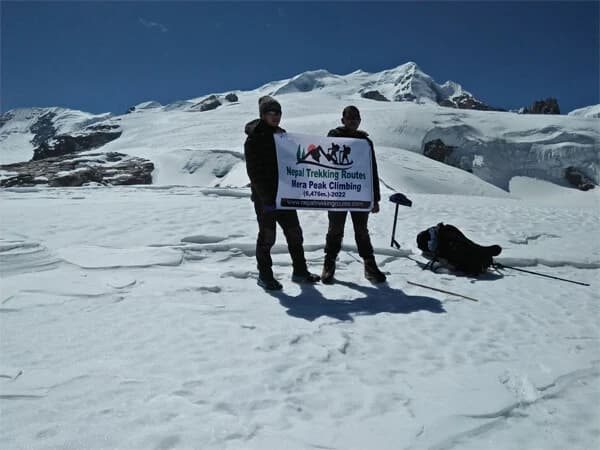
Mera Peak (Mera Peak, 6,476 m) is renowned as the highest trekking peak in Nepal, making it a top choice for first-time high-altitude climbers. Unlike more technical peaks, Mera Peak is primarily a snow and ice climb with moderate slopes, meaning it doesn’t require advanced mountaineering skills but its altitude makes it physically demanding. Climbers need good fitness, proper acclimatization, and basic mountaineering training to safely reach the summit.
Thetrek to Mera Peak Base Camp is as spectacular as the climb itself. Starting from Lukla, the route passes through traditional Sherpa villages like Khare and Thaknak, lush rhododendron forests, and scenic alpine meadows. The gradual ascent allows climbers to adapt to the altitude while enjoying the rich local culture and breathtaking Himalayan landscapes along the way.
Summiting Mera Peak is an unforgettable experience. From the top, you are rewarded with a 360-degree panoramic view of Nepal’s tallest giants: Mount Everest, Lhotse, Makalu, Kanchenjunga, and Cho Oyu. The climb offers both the thrill of high-altitude adventure and the serenity of standing above some of the world’s most iconic mountains, making it an ideal introduction to serious Himalayan climbing.
Lobuche Peak Climbing
Lobuche Peak (6,119 m) is a more technical climb compared to Island and Mera Peak, making it ideal for climbers looking to push their skills at high altitude. The route involves glacier travel, basic ice climbing, and some use of ropes, so a moderate level of mountaineering experience is helpful.
Located near the Everest Base Camp trail,Lobuche Peak is often combined with the Everest Base Camp Trek, allowing climbers to experience both a classic Himalayan trek and a challenging summit in a single journey. From the top, you are rewarded with stunning views of Mount Everest, Lhotse, and Nuptse, giving a true sense of the scale and beauty of the Khumbu region.
While not as technically demanding as expedition-level climbs like Ama Dablam, Lobuche still requires proper acclimatization, fitness, and preparation. It’s perfect for those who want to step beyond beginner peaks while still enjoying the supportive infrastructure of the Everest region.
Pisang Peak Climbing
Pisang Peak (Pisang Peak, 6,091 m) is a popular high-altitude climb in the Annapurna region, offering an excellent blend of trekking and mountaineering experience. The trek to the base takes you through lush valleys, terraced fields, and traditional villages like Ghyaru, Ngawal, and Pisang, giving you a glimpse of authentic Gurung and Manangi culture along the way. The trail itself is scenic, passing rivers, forests, and high alpine landscapes that prepare you gradually for the climb ahead.
The climb to Pisang Peak is beginner-friendly but still technically interesting. Climbers navigate moderate snow slopes, basic glacier crossings, and rocky ridges, often under the guidance of experienced local or expedition guides. Proper acclimatization at villages along the trail allows your body to adjust to the altitude, helping to prevent sickness while giving you time to soak in panoramic views of Annapurna I, Dhaulagiri, Manaslu, and Pisang Himal.
Reaching the summit is a rewarding experience. The 360-degree views stretch across the Annapurna Massif and surrounding peaks, making every early morning climb and step across glaciers worth it. Along the way, staying in cozy tea houses lets you experience authentic local hospitality, enjoy traditional meals, and rest before the final push. Pisang Peak is perfect for climbers seeking a high-altitude challenge without extreme technical difficulty, and it can also be combined with trekking routes like the Annapurna Circuit or short Manaslu Circuit Trek for a fuller Himalayan adventure.
Mount Nirekha Peak Climbing
Mount Nirekha (Mount Nirekha, 6,069 m) is a less-traveled high-altitude peak in the Annapurna region, ideal for climbers who want a quieter, more remote Himalayan experience. The approach to the base passes through high alpine meadows, ridges, and small villages, giving trekkers a sense of isolation and untouched landscapes. Unlike more crowded peaks,Mount Nirekha climbing offers peace and the chance to feel fully immersed in the mountains.
The climb involves moderate snow slopes, glacier travel, and some rock scrambling, making it suitable for climbers with basic technical experience. Guided expeditions ensure safety on crevassed areas and steeper sections, while acclimatization at surrounding villages like Upper Pisang or Braga helps your body adjust gradually. From the summit, climbers are rewarded with panoramic views of Annapurna, Dhaulagiri, Manaslu, and surrounding ridges.
Mount Nirekha is especially appealing for trekkers who want both climbing and trekking experiences in one journey. You can approach it via the Manaslu Circuit Trek, extending your adventure while also exploring the less-visited northern Annapurna valleys. The quiet mornings, alpine landscapes, and stunning summit vistas make Nirekha a memorable choice for anyone seeking a mix of adventure, culture, and solitude.
Chulu East/ West Peak Climbing
Chulu East (6,584 m) and Chulu West (6,419 m) are technical peaks in Annapurna Region which attract climbers who want serious alpine challenges. The approach to these peaks takes trekkers through remote valleys, high ridges and traditional villages Braga and Ghyaru which provide cultural immersion and scenic diversity.
These peaks demand more technical skills compared to Pisang or Island Peak. Climbers face glacier travel, crevasses, steep snow slopes, and rock scrambling, often using ropes, crampons, and ice axes under expert guidance. Acclimatization at villages along the route is essential, as the higher altitude requires your body to adjust gradually to avoid sickness.
Summiting Chulu East or West provides unparalleled Himalayan panoramas, including Annapurna I, Dhaulagiri, Machapuchare, and surrounding ridges. The combination of trekking through remote valleys and climbing technical snow slopes makes these peaks ideal for climbers looking to progress toward expedition-level adventures. These climbs can also be integrated into Annapurna region treks or combined with short Manaslu Circuit Trek options for those who want extended exposure to high-altitude landscapes and varied Himalayan experiences.
Why are Monsoon and Winter Seasons Less Preferred for High-Altitude Climbing?
High-altitude climbing during the monsoon and winter seasons comes with a set of challenges that make these times less preferred for most climbers. During the monsoon, the lower and mid-altitude trails are often soaked with heavy rain, turning paths into slippery mud tracks and making river crossings dangerous. Landslides and washouts are common, and heavy rainfall can hide crevasses or unstable rocks, increasing the risk of accidents.
At higher altitudes, snowfall mixes with rain, creating unstable snow layers and ice patches, which can lead to avalanches or dangerous footing. The cloud cover and persistent fog also obscure the mountains, so the iconic views of peaks like Annapurna, Manaslu, or Everest are often hidden, taking away part of the magic of high-altitude climbing.
Winter, on the other hand, brings intense cold, icy trails, and strong winds. Temperatures can drop well below freezing, making frostbite a real concern, especially for fingers, toes, and the face. Snow accumulation can block trails or make paths invisible, requiring more technical skills and equipment to navigate safely. Shorter daylight hours in winter limit the time available for trekking or climbing each day, forcing early starts and longer exposure to the cold. The combination of low oxygen levels at high altitude and extreme winter conditions can make even simple steps feel exhausting, so proper acclimatization, preparation, and experience are crucial.
Because of these risks, most climbers prefer spring and autumn, when trails are safer, weather is more predictable, snow is manageable, and visibility allows for the stunning panoramic views that high-altitude climbing in Nepal is famous for. Choosing these seasons maximizes safety and enjoyment, letting you focus on the climb, the scenery, and the experience itself rather than battling the elements.
Permits Required for High-Altitude Climbing in Nepal
Climbing in Nepal isn’t just about lacing up your boots and heading into the mountains. Official permits are a must, and they’re part of what keeps the trails, villages and natural areas protected. Depending on where and what you climb, different permits may apply, so it’s good to know what to expect before you start planning.
Nepal climbing Permit Requirements
For most high-altitude peaks, you’ll need climbing permits issued by the Nepal government. These are required for all designated trekking and expedition peaks with fees varying based on the mountains and the season. Peaks are categorized from trekking peaks like (Island or Mera) to more technical mountains like (Chulu or Nirekha), and the permit type depends on that category.
National Park/ Conservation Area Permits
Many climbing regions fall within national parks or conservation areas, such as Sagarmatha, Annapurna, or Manaslu. Entry permits for these areas are mandatory and help fund conservation efforts, trail maintenance, and local communities. For example, Everest region climbers need the Sagarmatha National Park permit, while the Annapurna Conservation Area Project (ACAP) permit is required in the Annapurna region. These permits also provide safety oversight and help track climbers in case of emergencies.
TIMS Card
The TIMS Card is an important document used to keep track of trekkers in Nepal. It records your personal details, route and travel plans which helps authorities monitor movement on the trails and respond quickly in case of emergencies. While it’s not always required for every high-altitude climb, it is necessary for manytrekking routes that lead to these peaks. Having a TIMS card adds an extra layer of safety and ensures that your journey is officially registered, especially in popular regions where tracking trekkers is important.
Local Government or Rural Municipality Fees
Certain peaks especially in restricted or less visited regions like Manaslu or Ganesh Himal may require additional local government fees. These help support local administration, infrastructure and tourism initiatives. Sometimes, permits need approval from multiple authorities, so it’s worth checking in advance to avoid delays.
Why Acclimatization is Essential in Nepal’s High Mountains?
As you climb higher into Nepal’s mountains, the air becomes thinner, meaning your body gets less oxygen with every breath. At elevations above 3,000 meters, even simple movements start to feel harder, and by the time you reach 5,000 meters or more, your body is under real stress. Acclimatization gives your body the time it needs to adjust to these conditions which helps you move more comfortably and reduce the shock of sudden altitude gain.
Without proper acclimatization, altitude sickness can affect anyone, no matter how fit or experienced they are. It often begins with headaches, dizziness or fatigue but can become serious if ignored. That’s why most trekking and climbing routes in Nepal include rest days in places like Samagaon, Dingboche and so on. Walking slowly, staying hydrated and listening to your body are simple but important steps that make a big difference at high altitude.
Over time, acclimatization helps your body adapt by improving how it uses oxygen, increasing breathing efficiency and supporting better energy levels. Techniques like “climb high, sleep low” allow your body to adjust gradually while still making progress. In the end, acclimatization isn’t just about reaching the summit, it’s about staying safe, feeling strong and truly enjoying the experience of being in the high Himalayas.
Technical Skills Needed for High-Altitude Climbing
High-altitude climbing isn’t just about endurance, it also requires a set of basic technical skills that help you move safely through snow, ice and glacier terrain. Even on beginner-friendly peaks, you’re often walking on icy slopes or crossing crevasses, which means knowing how to use essential gear is important. Skills like maintaining balance on steep terrain, understanding foot placement, and moving efficiently in crampons can make a big difference in both safety and confidence.
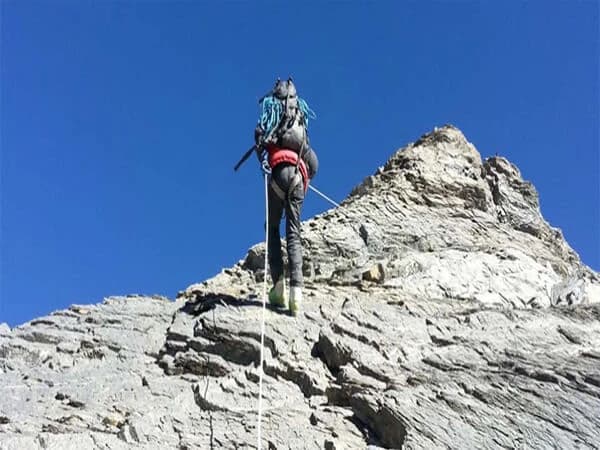
Using equipment properly is a key part of the experience. Crampons help you grip icy surfaces, an ice axe provides balance and support on steep sections, and a helmet protects you from falling rocks or ice. A harness and ropes are used during glacier travel or when climbing steeper sections, especially near the summit. You’ll also learn basic rope techniques, like clipping into fixed lines and moving together as a team across glaciers. These skills are usually taught during pre-climb training or at base camp, especially for beginner peaks.
While some peaks in Nepal are designed for first-time climbers, like Island Peak or Mera Peak climbing, having prior trekking or basic climbing experience can be very helpful. It makes it easier to adapt to altitude, handle equipment, and stay calm in challenging situations. More technical peaks like Lobuche, Chulu, or Ama Dablam require stronger skills, experience with ropes, and a good understanding of alpine conditions. Starting with beginner-friendly climbs and gradually building your skills is the best way to grow into more advanced high-altitude mountaineering.
Essential Gear for High Altitude Climbing
When it comes to high altitude climbing, what you carry matters just as much as how you climb. The weather can change quickly, temperatures drop fast as you go higher, and even simple things like staying warm or dry become important. That’s why packing the right gear for Peak climbing isn’t about comfort alone, it’s about safety and being able to keep moving even when conditions get tough.
Clothing is all about layering. You start with a base layer to keep sweat away from your body, add a warm mid-layer like fleece for insulation, and finish with an outer layer that protects you from wind, snow, and rain. A good down jacket is essential at higher altitudes, especially during early mornings and evenings when the cold feels intense. Gloves, a warm hat, and thermal socks also make a big difference in keeping your body heat in.
Your boots are one of the most important pieces of gear. Strong, well-fitted trekking or mountaineering boots give you support on rocky trails, snow, and ice. As you go higher, they’re often paired with crampons for better grip on icy surfaces. A warm sleeping bag is also necessary, especially for higher camps where temperatures can drop below freezing, even inside tea houses or tents.
Technical gear comes into play as the climb gets more serious. Items like crampons, an ice axe, a helmet, and a harness help you move safely across glaciers, steep snow slopes, and rocky sections. You may also use ropes and carabiners, usually under the guidance of trained guides. Even if you’re new to climbing, these tools are part of the experience, and you’ll often get basic training before using them.
In the end, the goal is to pack smart, not heavy. Every extra kilo feels heavier at altitude, so focus on essentials that keep you warm, safe, and comfortable. With the right gear, you can focus less on the conditions and more on the experience, the climb, the views, and the quiet moments that make high altitude climbing in Nepal so unforgettable.
Roles of Guides and Porters During High-Altitude Climbing
When you’re in the high mountains, having a guide or porter isn’t just about making the journey easier, it’s about making it safer and more meaningful. High altitude climbing comes with challenges like changing weather, unfamiliar trails, and physical strain, and having experienced people by your side can make a huge difference in how you handle it all.
Guides play a key role in keeping you on track and safe throughout the climb. They know the routes, understand the terrain, and can read weather conditions in a way that most trekkers can’t. More importantly, they keep an eye on your health, especially when it comes to altitude. They can spot early signs of altitude sickness, adjust the pace, and make decisions that help prevent serious problems. Their experience brings a sense of confidence, allowing you to focus more on the journey rather than worrying about what’s ahead.
Porters, on the other hand, carry a large part of the physical load, which makes your climb much more manageable. Walking at high altitude is already demanding, and carrying a heavy backpack only adds to the difficulty. With a porter’s help, you can move more freely, conserve your energy, and enjoy the experience without feeling completely exhausted every day. Their support often makes the difference between just completing the climb and actually enjoying it.
Beyond safety and support, guides and porters also connect you to the local culture. They share stories about the mountains, explain traditions, and help you understand the places you pass through in a deeper way. Simple moments like conversations during breaks or learning about village life add a personal layer to the journey that you wouldn’t experience on your own.
In the end, guides and porters are not just part of the team, they are a big part of the experience itself. They help you move safely, support you when things get tough, and turn the climb into something more than just reaching a summit.
Conclusion: High Altitude Climbing in Nepal
High Altitude Climbing is a journey that slowly changes how you see the mountains and even yourself. From the first steps on quiet trails to standing high above glaciers and snow-covered ridges, every part of the experience feels raw and real. The challenges are there, the thin air, the cold, the long climbs but they are also what makes the journey meaningful.
Along the way, it’s not just about the peaks you climb, but everything in between. The early mornings, the sound of boots on snow, the support of guides and porters, and the simple moments of connection with people and places all come together to shape the experience. You learn to slow down, to listen to your body, and to respect the mountains in a way that stays with you long after the climb is over.
Whether you start with beginner-friendly peaks or aim for more technical challenges, Nepal provides a path for every kind of climber. The journey is all about what you'll remember at the end.