Annapurna Circuit Trek is the longest trek in the Annapurna region which almost takes 7 to 21 days to complete. Because of this, many people who haven’t trekked before often feel a bit scared or confused while making a plan. Most of the time, beginners choose the Annapurna Base Camp Trekinstead of the Annapurna Circuit just because they think it is easier and shorter.
But is the Annapurna Circuit Trekking in Nepal really that hard? Does only an experienced trekker can do it, or is it something that a beginner can also complete with proper preparation? And more importantly, can we judge the difficulty of this trek only by the number of days it takes?
In reality, the Annapurna Round trek is not just about long days of walking. It is about gradual altitude gain, changing landscapes, and how your body adjusts to the environment. Some days are easier with village walks and tea houses, while some parts, especially crossing the Thorong La Pass, feel more challenging. But that doesn’t automatically mean it is only for experts.
So, instead of thinking "this is too hard for me", it's better to understand how the trek is structured and what kind of preparation is actually needed. In the next sections, we'll break everything down step by step so you can cleraly decide if the trek is suitable for you or not.
Route Overview of Annapurna Trek
First thing first, anyone who is first-time trekker is usually curious about what the route actually looks like for 7 to 21 days continuously. Is the landscape same throughout the journey, or does it keep changing as you go higher and higher? And the simple answer is yes, the landscapes changes alot from starting to ending point of the trek.
To give you a clear idea of the route, the trek usually starts from the lower region, Besisahar and slowly moves upward. In the beginning, the trail is quite easy and passes through villages like Syange, Dharapani. Here, you will see green hills, rice terraces, rivers, small suspension bridges, and local houses. The walking feels more like a countryside hike, and the altitude is still low, so the air is comfortable.
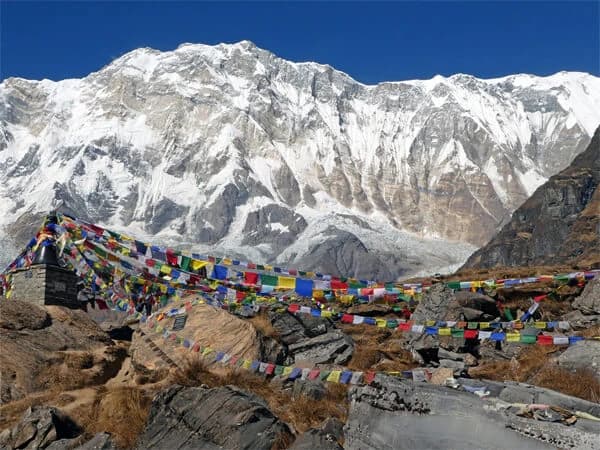
As you continue further, the trail leads you to Chame, Pisang and Ngawal. From this section, the scenery starts to change noticeably. The valley becomes narrower, pine forests start appearing, and the mountains begin to feel closer. You also start noticing traditional Tibetan-style villages and prayer flags, which give a completely different mountain vibe compared to the lower region.
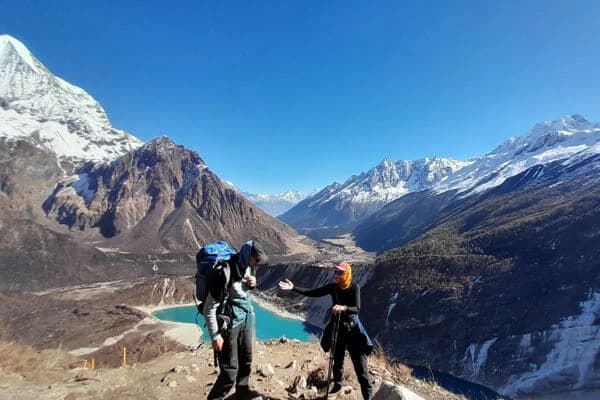
After this you reach Manang, which is one of the most important stops of this trek. This place is mainly used for acclimatization cuz' your body adjust to higher altitude here especially for beginners, this is most. The landscapes here is dry like dessert and surrounded with huge mountains. After this, you move toward Yak Kharka and Thorong Phedi. This part of the trail is more remote and colder with fewer trees and more rocky terrain.
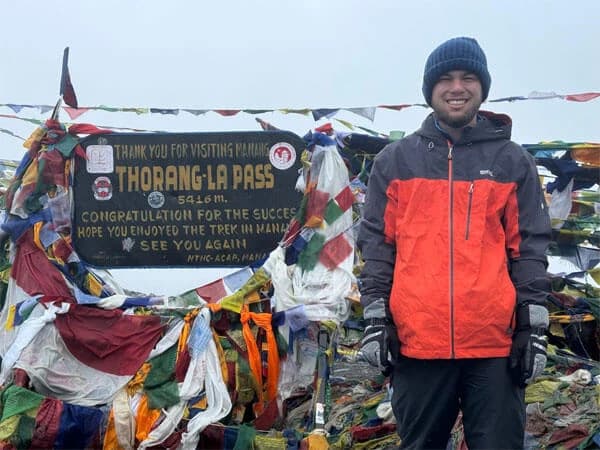
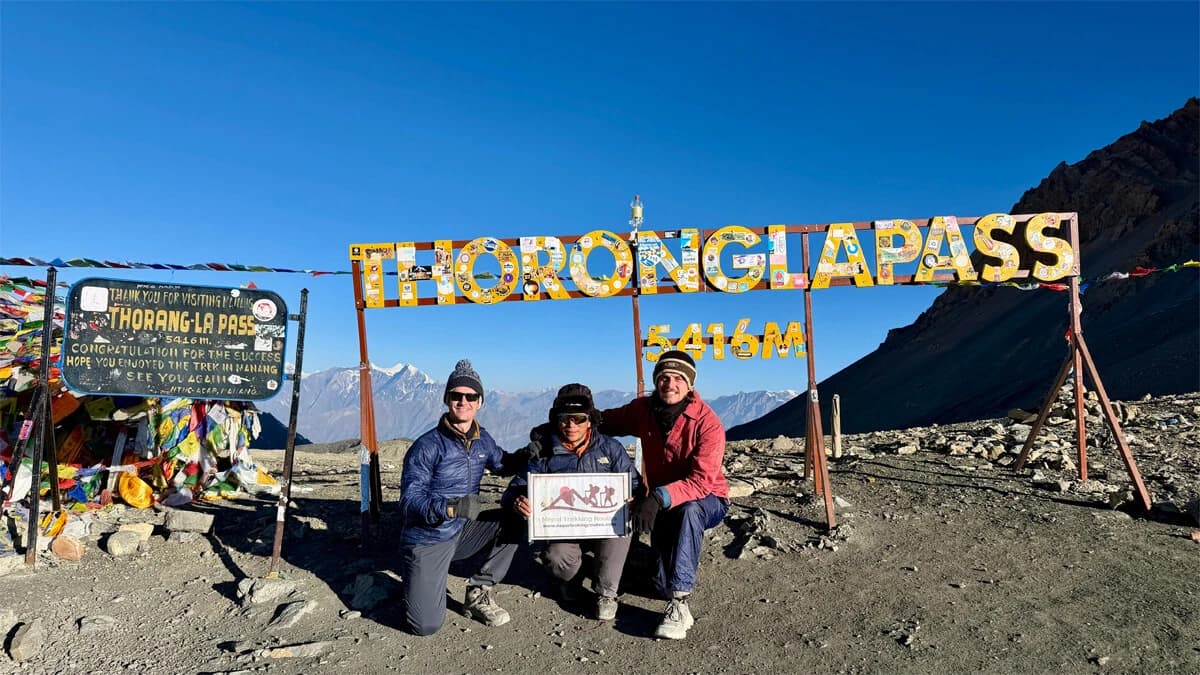
Finally, the highest point of entire circuit comes, crossing the Thorong La Pass at 5,416 meter. This is the biggest highlight as well. From the top of this, you can see endless mounatins ranges all around you. From there, you descend to Muktinath, where you get the landscapes drier again. And then, the route descend through Jomsom and then to Pokhara, the ending point of the trek.
Some people also extend the Annapurna Circuit by hiking to Tilicho Lake Trek. It’s a tougher variation, so it’s mostly done by trekkers who already have some experience and want a bit more adventure.
Annapurna Circuit Trek Cost Breakdown for 2026/027
After you get the idea of the route, now let’s look at the cost for Annapurna Circuit Trek in 2026. There is no fixed price for this trek because it really depends on many things like your travel style, comfort level, and whether you are trekking independently or with atrekking package. But we can definitely give you a clear idea of the general range so you can plan better. So the general cost range is in between $700 to $1500. Okay, you might wonder Why there is such gap in the price.
Everyone does not trek the same way. You can choose whether you want to spend only on necessary things or go for a more comfortable or “luxury” style trek with a guide, porter, and better services. The overall budget is usually divided into a few main sections like permits, food, accommodation, transportation, guide/porter, and extra personal expenses.
Annapurna Circuit Trek Permit Cost
Before you go further, the first thing you need to trek in the Annapurna region is the permit. Without a permit, you cannot enter this region. Remember that, you can only trek if you hold these two slips in your hand: one is the ACAP (Annapurna Conservation Area Permit) and the next is the TIMS Card.
You probably think: "Why does these permits are that important?" The main reason is that the Annapurna region falls under a protected conservation area. These permits help the government manage tourism, protect the natural environment, and ensure the safety of trekkers on the trail. It also helps maintain the trekking routes, support local communities, and control entry into the region so everything stays organized and safe.
In terms of cost, these permits usually cost around $40 to $50 in total. The ACAP permit costs around $30, and the TIMS card costs around $20 for solo trekkers. But in contrast, if you don’t want to take a lot of stress and book your trek through a trekking agency, then the permit cost is usually included in the package and you may only pay around $10 extra or sometimes nothing separately, depending on the company.
If you trek with a local trekking agency, like Nepal Trekking Routes, then the permits are fully handled by them, so you don’t need to worry much about the process. But if you decide to go for solo trekking, then you can easily get these permits in Kathmandu or Pokhara before starting your journey.
Annapurna Circuit Trekking Transportation Cost
The Annapurna circuit trek cost varies mostly according to the year. If you travel in 2026, the increase in fuel prices can directly affecttransportation costs in Nepal. Also, there are a few options you can choose while starting and ending the trek, like Kathmandu to Besisahar (or Dharapani) for the starting point and Jomsom to Pokhara or Kathmandu for the ending point.
The options are:
- Local Buses: This is the cheapest way to reach the starting point of the trek. You can take a bus from Kathmandu or Pokhara to Besisahar. It is budget-friendly, usually around $10 to $15, but it takes longer because it stops frequently and the road can be a bit rough in some sections.
- Jeep: A jeep is a faster and more comfortable option compared to a bus. It can directly reach deeper points like Jagat or even Chame depending on road conditions. The cost is usually around $25 to $40+ per person (shared basis). It is more expensive, but many trekkers prefer it because it saves time and energy before starting the trek.
- Helicopter tour (Optional): For those who want a luxury or time-saving option, helicopter transfer is also possible in some parts of the Annapurna region. It is not commonly used for regular trekkers because the cost is very high, usually $300+ per person depending on the route, but it offers a fast and scenic experience.
Transportation while Returning
After completing the trek, most trekkers return from Jomsom, Tatopani, or Pokhara depending on their route. From here, you again have different options:
- Bus: Cheapest option, usually around $10 to $25, but it takes longer and road conditions can be rough.
- Jeep: Faster and more comfortable, but costs more depending on sharing and distance.
- Flight (Jomsom-Pokhara): A quicker and more convenient option, usually around $100 to $130, saving a lot of travel time after long trekking days.
Food and Accomodation Cost for Annapurna Circui Trek
One thing you’ll slowly notice during the trek is that your daily spending money mostly depends on two things: where you sleep and what you eat. Since the Annapurna Circuit is a very famous trekking route, there are plenty of tea houses along the trail, which gives trekkers a lot of flexibility according to their budget. You spend around $25 to $40 per day for food and accommodation combined.
In lower villages, you can easily find simple rooms at a cheap price. Most of them are basic with twin beds, pillows, blankets, and shared bathrooms. As you move towards higher places, the facilities become more limited and prices slowly increase. And in terms of food, mostly people choose Dal Bhat cuz' it's filling and gives you energy for a very long time. As for the first-time trekkers, you also go with simple meals. Besides that, you’ll also find noodles, fried rice, pasta, soups, pancakes, eggs, tea, coffee, and even some desserts in popular villages.
Some tea houses have slightly better rooms with attached bathrooms, hot showers, charging points, and bakery items, but of course, you need to pay extra for those comforts.
Annapurna Trekking Guide and Porter Cost
Annapurna Trekking Guide and porter cost is actually an optional part of the budget, but for first-time trekkers, it is highly recommended to hire at least one of them. The Annapurna Circuit Trek lasts around 15 to 16 days, so managing everything alone for such a long time can sometimes feel overwhelming for beginners.
A guide mainly helps you with the route, accommodation arrangements, communication, and overall trekking management. On the other hand, a porter helps by carrying your heavy backpack, which makes walking much easier and less tiring.
In terms of cost, a guide usually costs around $25 to $35 per day, while a porter costs around $15 to $25 per day depending on the season and agency. Some trekkers also share one porter between two people to reduce the overall cost.
Other Personal Expenses
In your personal expenses, there are various things included. These are the small but regular costs that you might not notice at first, but they slowly add up during the trek. On average, most trekkers spend around $5 to $15 per day on personal expenses, depending on their habits.
For example, things like hot showers, charging your phone or camera, Wi-Fi access, snacks, bottled water, soft drinks, and tea/coffee outside of meals all come under personal expenses. In lower villages, these costs are quite affordable, but as you go higher, they become more expensive because everything is harder to transport.
You may also spend on things like trekking gear rental (if you don’t bring everything from home), extra snacks for energy, and sometimes even small souvenirs from local villages. Another important part is tipping your guide or porter at the end of the trek, which is a common practice in Nepal.
How Difficult is Annapurna Circuit Trek for Beginners in 2026?
When you tell people you want to trek to Annapurna Circuit, they’ll often start explaining how difficult it is and may even suggest you choose something easier instead. You’ll hear things like “it’s too long,” “the altitude is dangerous,” or “it’s only for experienced trekkers.”
Yes, the Annapurna Circuit is a long trek and it does have challenging sections. But that doesn’t mean you can’t do this trek as a beginner. At the same time, it also doesn’t mean you can do it carelessly without any preparation. The Annapurna Circuit Trek is generally considered a moderately difficult trek. Also, the difficulty depends mostly on trail conditions, weather, and seasons. On average, you have to walk around 5 to 6 hours a day, but it also depends on your own pace as well. The itinerary is quite flexible, so you don’t need to worry too much about fixed pressure.
The main concern is the altitude, because the highest point of the trek is Thorong La Pass at 5,416 meters above sea level. At this height, you really need to think carefully about how your body responds to altitude. You can get altitude sickness if you rush or ignore acclimatization, so it should never be taken lightly. At the same time, the trek is not just physically demanding, it can also feel mentally draining because of the long duration and changing conditions.
Let’s look at the most difficult part of this trek:
- Manang: This is the first major altitude point where your body starts adjusting seriously. Even though it’s a beautiful village, many trekkers feel shortness of breath and mild altitude effects here, so acclimatization becomes very important.
- Thorong Phedi / High camp:This section feels more remote and tougher because you are already at a very high altitude. The accommodation is basic, nights are very cold, and your body starts feeling the pressure before the big climb next morning.
- Thorong La Pass:This is the hardest and highest point of the entire Annapurna Circuit Trek at 5,416m. The climb is long, cold, and physically demanding with very thin air, making every step feel heavier than usual.
- Descent to Muktinath:After crossing the pass, the long downhill walk can be equally challenging. Your legs, especially your knees, feel tired, and the continuous descent can feel exhausting even though you are going to lower altitude.
Does season affect the Difficulty of Annapurna Circuit Trek?
Yes, the season does affect the difficulty of the Annapurna Circuit Trek. Even though the season doesn’t change the distance or the highest point of the trek, it directly affects weather conditions, trail safety, visibility, and the overall comfort you feel on the route. Because of this, the season plays a big role in how difficult or easy the trek feels.
Which is the best time for Annapurna Circuit Trek for First-time Trekkers?
For first-time trekkers, thebest time for the Annapurna Circuit Trekis definitely spring (March to May) and autumn (September to November). These two seasons are considered the most beginner-friendly seasons because the overall trekking conditions are much more stable and comfortable.The views are absolutely incredible and hard to describe in words. The skies are much clearer which makes the mountain scenery even more stunning. Because of the stable weather conditions you can also walk longer hours more comfortably compared to other seasons.
Another important reason these seasons are preferred is that the overall trekking experience feels more stable and predictable. The chance of heavy rain landslides or extreme snowfall is very low so the trail conditions remain safer and more comfortable. This is especially helpful for beginners who want a smoother trekking experience without too many weather related challenges.
During spring the trail also becomes more beautiful because of blooming rhododendron forests and fresh greenery along the lower sections of the route. In autumn the air feels very clear after the monsoon season and the mountain views look extremely sharp and wide. Both seasons offer a different kind of beauty but equally amazing trekking conditions.
Tea houses along the route are also fully open during these peak seasons and you meet many other trekkers on the trail which creates a more social and lively atmosphere. This makes the journey feel less isolated and more enjoyable especially during long trekking days.
Can Beginner Trekker do Annapurna Circuit Trek during Winter and Monsoon?
Yes, beginner trekkers can do the Annapurna Circuit Trek during winter and monsoon, but it is generally not recommended unless you are well-prepared and fully aware of the challenges.
In winter (December to February), the biggest challenge is extreme cold and heavy snowfall, especially around higher sections like Thorong La Pass. Some parts of the trail may even get blocked due to snow, and tea houses in higher villages can be limited or closed. For beginners, this can make the trek feel much more difficult both physically and mentally, even if the route itself remains the same.
In the monsoon season (June to August), the main issue is rain. The lower sections of the trail become slippery and muddy, and there is also a higher risk of landslides in some areas. Visibility is often low because of clouds and fog, which means you may miss the mountain views as well. Trekking during this time can also feel more tiring due to humidity and unstable trail conditions.
What Kind of Culture You Get to See on the Annapurna Circuit Trek Trail?
On the Annapurna Circuit Trek, you don’t just walk through mountains, you also pass through different cultures that slowly change as you go higher. In the lower regions, you will mostly see traditional Nepali village life with Hindu communities, terraced fields, small temples, and simple farming lifestyles. The atmosphere here feels very local and connected to daily rural life.
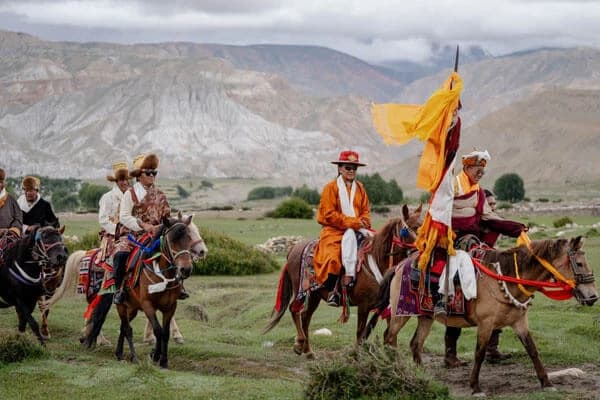
As you move higher, especially around Chame, Pisang, and Manang, the culture starts to shift into more Tibetan-influenced traditions. You will notice prayer flags, monasteries, mani walls, and chortens along the trail. The lifestyle here is more connected to Buddhism and mountain living, where people adapt to colder and harsher conditions.
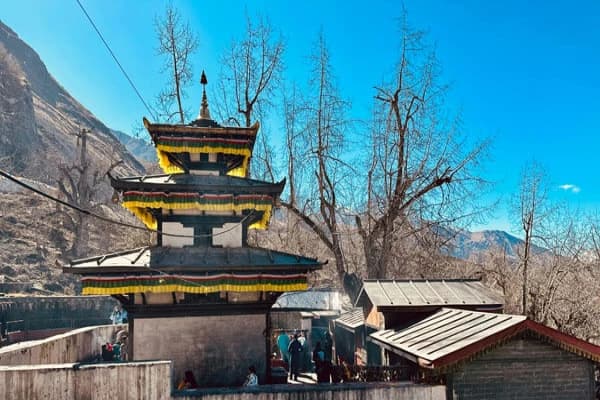
In places like Manang, you can also see unique mountain traditions, local dress styles, and yak-based livelihoods, which are an important part of life in high altitude regions. After crossing towards Muktinath, the cultural mix of Hindu and Buddhist beliefs becomes more visible, especially around temples and religious sites.
Common Mistakes Beginner Trekkers do on Annapurna Circuit trek
Many beginners actually complete the trek successfully, but the struggles usually come from avoidable mistakes rather than the trail itself being imposiible. These are the common mistakes that can easily make your experience much harder than it needs to be:
- Overpacking for a 7 to 21 days journey: Since the trek is long, many people assume they need “everything.” This results in heavy backpacks that slowly drain energy every day. On the Annapurna Circuit, carrying less weight actually makes a big difference in comfort and endurance.
- Not adjusting walking pace from day one: A common mistake is walking too fast in the early days when the trail feels easy. Since, the trek is long, starting too quickly leads to fatigue building up later, especially before reaching higher altitude sectiond.
- Skipping proper acclimatization mindset: Some beginners treat acclimatization days as optional or unnecessary stops. But in reality, places like Manang are there for a reason. Not respecting altitude adjustment increases the risk of discomfort and altitude-related issues.
- Not preparing for the long-term fatigue factor: Even if each day feels manageable, doing it continuously for 15 to 20 days creates accumulated fatigue. Many beginners don’t train for endurance, which makes the later stages feel much harder than expected.
How to Prepare for Annapurna Circuit Trek in 2026 for Beginners?
Since the Annapurna Circuit Trek is a long 15 to 20 days trek with high altitude sections, it is really necessary for beginners to prepare properly before starting the journey. This is not just a normal hike, but a continuous trekking experience where your body and mind both need to adjust step by step.
For beginners, preparation doesn’t mean anything extreme. It simply means building basic fitness, understanding the route, and being mentally ready for long walking days and changing weather conditions. The more prepared you are before the trek, the easier and more enjoyable your experience will be on the trail.
Annapurna Circuit Trek Alternative Options in Annapurna Region for Beginners
As we already mentioned in the introduction part, beginners often choose the Annapurna Base Camp (ABC) Trek if they feel the Annapurna Circuit Trek is too long or too challenging for them. But ABC is not the only alternative available in the Annapurna region. In fact, there are several other trekking options that are more suitable for beginners depending on their time, fitness level, and experience.
TheAnnapurna Base Camp 7 to 12 days Trek is the most common choice for first-time trekkers. The trail is well-marked and offers stunning mountain views including Annapurna I and Machhapuchhre. The altitude is also more manageable, which makes it a comfortable option for those who want a proper Himalayan trekking experience without committing to a very long journey.
Another popular beginner-friendly option is the Ghorepani Poon Hill 5 days trek. This is one of the easiest treks in the Annapurna region. The highlight of this trek is the sunrise view from Poon Hill, where you can see panoramic views of the Annapurna and Dhaulagiri ranges. Because of its short duration and easy trails, it is perfect for beginners, families, or anyone who wants a light trekking experience.
The Mardi Himal Trek 7 days is another great alternative for those who want something slightly more adventurous but still beginner-friendly. You can get close-up views of Machhapuchhre and the Annapurna range. The trail is less crowded compared to ABC and Poon Hill, which makes it a good choice for trekkers who prefer a quieter and more peaceful experience in the mountains.
Conclusion: Is the Annapurna Circuit Trek Suitable for Beginners in 2026?
Yes, the Annapurna Circuit Trek is suitable for beginners in 2026, but only with the right preparation. It is not just about being physically fit, but also about understanding the route, altitude, and being mentally ready for long trekking days. The trek does have challenging sections, especially at higher elevations, but it is still achievable for first-time trekkers who take it step by step instead of rushing. If you prepare properly, pace yourself well, and don’t ignore acclimatization, the Annapurna Circuit can become one of the most rewarding trekking experiences in Nepal.


.webp&w=1200&q=75&dpl=dpl_4U3CaZUV3Y5iKdBNPJmVMATJy3AB)