The first surprise about Everest Base Camp is that reaching the base of the world's highest mountain does not give you the giant Everest view you may have pictured. Mount Everest is close, but the Khumbu landscape changes the way it appears from the trail. From the base camp area, Everest shares the skyline with massive peaks like Nuptse, Lhotse, and Pumori, creating a view that is very different from the photographs many people see before the trek.
So, can you actually see Mount Everest from Everest Base Camp, or does the reality look different from what you expect?
Have you ever heard of Kala Patthar? If you are researching the Everest Base Camp short Trek, this name has likely appeared while searching for the best places to see Mount Everest. Located above Gorakshep, Kala Patthar is the viewpoint many trekkers hike to for a more open view of Everest and the surrounding peaks.
The difference between seeing Everest from Base Camp and seeing it from Kala Patthar is one of the unique experiences of the Everest Base Camp Trek. The location, surrounding mountains, and viewing angle all influence how Everest appears along the trail.
Can You See Mount Everest From Everest Base Camp?
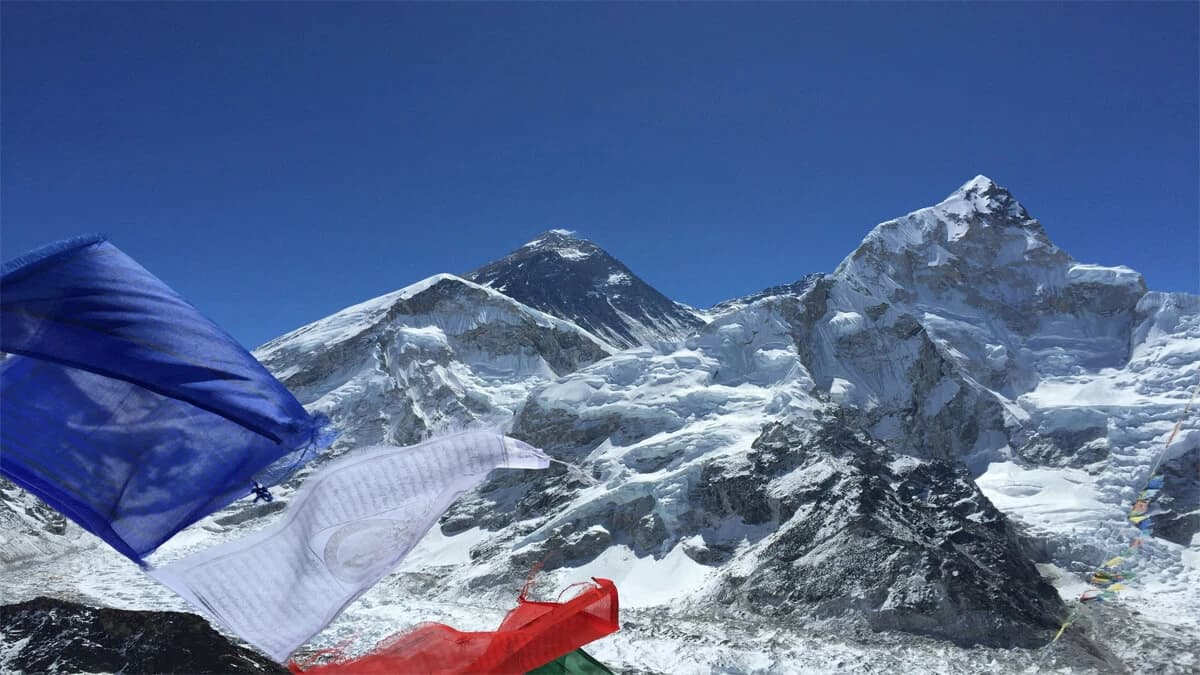
Yes, but only a small part of Mount Everest is visible from Everest Base Camp. From the Base Camp area, Nuptse hides much of Everest, so you do not see the classic pyramid shaped profile shown in many photographs.
The familiar view of Mount Everest is usually photographed from Kala Patthar, where more of the mountain becomes visible. This is why many trekkers hike to Kala Patthar after reaching Everest Base Camp.
Why Is the Trek Called Everest Base Camp Trek Instead of Kala Patthar Trek?
It may seem unusual that the trek is called Everest Base Camp Trek when Kala Patthar is the viewpoint famous for the classic Mount Everest view. These two places have different roles in the Everest region. Kala Patthar is known for its viewpoint, while Everest Base Camp is connected with the history and preparation of climbing Mount Everest.
The South Base Camp in Nepal became an important staging area for Everest expeditions approaching the mountain from the south. Climbers use the base camp area near the Khumbu Glacier to organize supplies, acclimatize, and prepare before moving toward higher camps. The area gained worldwide recognition after Tenzing Norgay and Edmund Hillary made the first successful ascent of Mount Everest in 1953.
Kala Patthar became famous for a different reason. Located above Gorakshep, this viewpoint offers one of the most recognizable views of Mount Everest from the Nepal side. While Kala Patthar is where many trekkers go for the view, Everest Base Camp remains the place that represents the history, challenge, and connection behind the Everest Base Camp Trekking in Nepal.
What Can You Actually See From Everest Base Camp?
Even without the classic Everest profile, the surroundings of the base camp area reveal a different side of the Everest region. The peaks around the Khumbu Valley, including Pumori, Nuptse, and other Himalayan mountains, create a landscape shaped by glaciers, rocky valleys, and some of the highest peaks on Earth.
The Khumbu Glacier is one of the defining features of this area. Along with the surrounding mountains and himalayan landscape, it gives trekkers a closer look at the environment where Everest expeditions prepare before moving toward the higher camps on the mountain.
The experience of reaching this area comes from being surrounded by the landscape of the Nepal Himalayas. The glaciers, mountains, and connection to Everest climbing history are what make this part of the trek significant beyond just viewing Mount Everest.
Best Time To See Mount Everest Clearly During The Everest Base Camp Trek
Since the view of Mount Everest changes depending on where you are standing, the weather and timing of your trek also play an important role. The same viewpoint in the Everest region can look completely different from one day to another. A clear morning can reveal Everest, Lhotse, Nuptse, and the surrounding Himalayan peaks, while clouds can hide the mountains within a short period.
For trekkers who want the highest chance of getting a clear view of Mount Everest, the season of the trek matters. However, there is no month that guarantees perfect visibility. Mountain weather can change even during the most popular trekking periods.
The two main seasons for Everest Base Camp Trek are autumn and spring, with each offering a different experience.
Everest Base Camp Trek In October And November
October and November are considered some of the best months for the Everest Base Camp Trek, especially for trekkers who prioritize mountain visibility.
After the monsoon season ends, the Khumbu region experiences clearer weather and reduced atmospheric haze. This can create excellent conditions for seeing Mount Everest and the surrounding peaks more clearly.
This is also the season when many trekkers aim for viewpoints such as Kala Patthar, where the chance of getting the famous Everest view is usually higher. On clear days, the landscape opens up with views of Everest, Lhotse, Nuptse, Ama Dablam, Pumori, and other Himalayan peaks.
The downside of trekking during October and November is the crowd. These are the busiest months on the Everest Base Camp Trekking route, meaning popular villages, teahouses, and viewpoints can become crowded. Trekkers looking for a quieter trail may find the peak season less appealing.
Everest Base Camp Trek In Spring
Spring, especially from March to May, is another excellent period for visiting the Everest region.
Unlike autumn, which is mainly known for clearer post monsoon conditions, spring has a stronger connection with Everest climbing activity. Expedition teams arrive at Everest Base Camp during this period to prepare for summit attempts, creating a different atmosphere along the trail.
April is one of the most popular months for the Everest Base Camp Trek because temperatures are more comfortable than winter and the climbing season is beginning.
The visibility during spring can be excellent, but it can also vary from day to day. Some mornings provide wide open views of Mount Everest, while other days may bring clouds or haze that affect mountain visibility.
Everest Base Camp Trek In Winter
Winter from December to February is not the most common time for the Everest Base Camp Trek, mainly because temperatures at higher elevations can become extremely cold.
However, winter has some advantages. The trails are much quieter, and dry mountain air can sometimes create very sharp views of the Himalayas. Trekkers who are prepared for colder conditions may enjoy a more peaceful experience with fewer people around.
The challenge is that snow, freezing temperatures, and difficult conditions at higher elevations require better preparation. Winter is possible, but it is better suited for trekkers who understand the demands ofhigh altitude trekking.
Everest Base Camp Trek During Monsoon Season
The monsoon period from June to August is not the preferred season for trekkers whose main goal is seeing Mount Everest clearly.
During these months, cloud cover is more common, and moisture in the atmosphere can reduce visibility across the Khumbu region. Weather conditions can also affect flights between Kathmandu and Lukla, which are an important part of many Everest Base Camp Trek itineraries.
The trek is still possible during monsoon, but it is usually chosen by travelers who prefer fewer people on the trail and are willing to accept less predictable mountain views.
What Is The Best Month For Everest Base Camp Trek Views?
For most trekkers, October and November provide the best combination of stable weather and clear mountain visibility. March and April are also excellent choices, especially for those who want to experience the Everest region during the climbing season.
But the reality is that the best time to see Mount Everest is not only about the month you choose. The weather on the exact day you reach viewpoints like Kala Patthar matters more than the season itself.
A trek during peak season can still have cloudy days, while someone trekking outside the busiest months may get a perfect view of Everest. The season improves your chances, but the final view always depends on the conditions on the mountains.
How Close is Everest Base Camp to Mount Everest?
Everest Base Camp is approximately 8.8 kilometers (5.5 miles) from the summit of Mount Everest in a straight line. The exact distance can vary slightly depending on the point measured within the Base Camp area, but it gives an idea of how close trekkers are to the highest mountain in the world.
The Everest Base Camp distance from Mount Everest is much shorter than the actual trekking route. Trekkers spend days reaching Base Camp from Lukla because the trail follows the valleys, villages, and changing elevations of the Khumbu region rather than a direct path toward the summit.
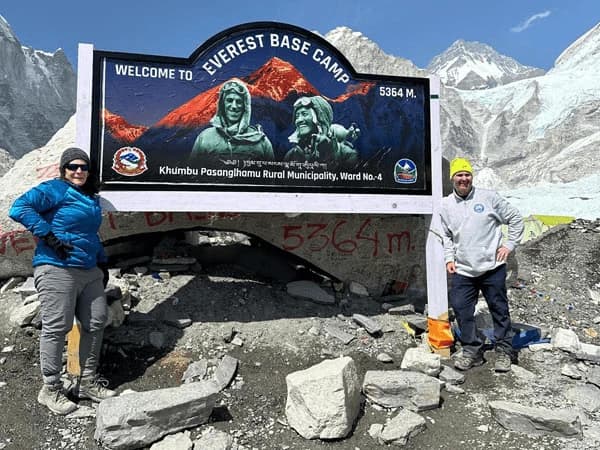
The Everest Base Camp to summit distance is also affected by the huge difference in altitude. Base Camp sits at around 5,364 meters, while the summit of Mount Everest reaches 8,848.86 meters above sea level.
Standing at Everest Base Camp means being only a few kilometers away from the summit, but still separated from the top of the mountain by thousands of meters of elevation.
Can You See Mount Everest Throughout the Everest Base Camp Trek?
No, Mount Everest is not visible from the beginning of the Everest Base Camp Trek. After leaving Lukla, the mountain remains hidden until you reach higher parts of the route. Many trekkers get their first clear view of Everest from viewpoints around Namche Bazaar, especially near the Everest View Hotel, although visibility depends on weather conditions.
After that, Everest appears from different sections of the trek rather than staying visible the entire way. From areas around Tengboche, clear weather can reveal views of Everest, Lhotse, and the famous Ama Dablam. As the route continues toward Lobuche and Gorakshep, the mountains become more prominent and the views change as you move deeper into the upper Khumbu Valley.
Many people planning trekking in Nepal imagine Mount Everest remaining in sight throughout the entire trek. In reality, the mountain appears and disappears along the route, with surrounding peaks and the shape of the valley affecting what you can see from each location.
Frequently Asked Questions
Can You See the Summit of Mount Everest From Everest Base Camp?
No. From the main Everest Base Camp area, the summit is not visible as a distinct point. Everest is visible, but the shape of the mountain from this angle makes its highest point blend into the upper ridge instead of standing clearly above it.
Why Does Nuptse Look Bigger Than Mount Everest?
Nuptse is closer to Everest Base Camp than Mount Everest. Although Everest is much higher, Nuptse occupies more of your field of view because of its position. Height and apparent size are not the same, which is why many people notice Nuptse before Everest.
Can You See Mount Everest From Gorakshep?
Yes. Mount Everest is visible from Gorakshep, although part of the mountain is still hidden by the surrounding peaks. The view is more open than at Everest Base Camp, which makes it easier to recognize before continuing to Kala Patthar.
Is Everest Base Camp the Closest Trekkers Can Get to Mount Everest?
Yes. Everest Base Camp is the closest point to Mount Everest that trekkers reach on the standard Everest Base Camp Trek. Kala Patthar is higher and provides a much clearer view of Everest, but it is farther from the mountain than Base Camp. Beyond Everest Base Camp lies the Khumbu Icefall, where the Everest climbing route begins and access is limited to climbing expeditions.
Which Mountain Dominates the View From Everest Base Camp?
Although Mount Everest is the highest mountain on Earth, Mount Nuptse is the mountain that dominates the view from EBC. Its steep face rises above the Khumbu Glacier and occupies much of the view from the main Base Camp area, while Everest remains farther behind.
Final Thoughts
Only a limited part of Mount Everest is visible from the main Everest Base Camp area, which is why the view looks very different from the photographs most people recognize. The classic view of Everest is seen from Kala Patthar, not from Base Camp.
Together, the viewpoints along the Everest Base Camp Trek 15 days show different sides of the mountain. Seeing Everest change from Namche to Tengboche, Gorak Shep, Kala Patthar, and finally Base Camp gives a far better understanding of the Everest region than judging it from a single photograph.