Phari Lapcha Peak Climbing

Phari Lapcha is not the kind of climb you choose if you just want an easy summit and a straightforward route. It is a more serious peak in the Everest region, and that is exactly why some climbers are drawn to it. Phari Lapcha Peak Climbing in Nepal is tougher, quieter, and a lot less commercial than many of the usual trekking peaks, which honestly makes it more interesting. Near Gokyo, the route takes you through rough trails, glacier sections, and long days that feel like real climbing, not just high altitude hiking. If you want something that feels a bit more serious and a lot less packaged, Phari Lapcha is a very solid choice.

Where exactly is the Phari Lapcha Peak Climb located?

Phari Lapcha Peak is a real climbing peak in Nepal’s Everest region. It sits in the Khumbu area near Gokyo and Machhermo at about 6,017 meters and is part of the Himalayan mountains inside Sagarmatha National Park. According to the Nepal Mountaineering Association, it is an official trekking peak, which makes it a recognized spot for climbers looking for a serious Himalayan adventure.

History of Phari Lapcha Peak Climbing

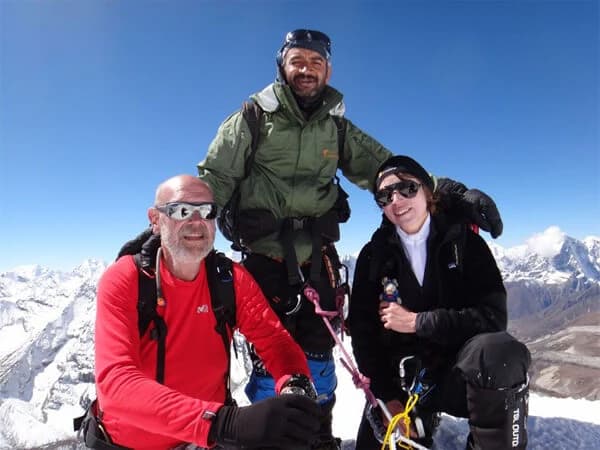
The first official climb of Phari Lapcha Peak in Nepal happened on May 19, 2003. Marcelo and Juliana Belo and their international mountaineering team, with help from experienced Nepalese Sherpas, reached the summit via the northwest ridge. They crossed steep snow slopes and glaciers along the way. This climb is considered the first permitted ascent and helped make Phari Lapcha a known destination for high-altitude trekking and Himalayan mountaineering.

Phari Lapcha Peak Climbing Route and How to Reach It

Climbing Phari Lapcha Peak begins with a trek through the Everest region of Nepal. Most climbers fly into Lukla, a small airport on the edge of a cliff. From there, you walk through Namche Bazaar, Dole, and Machhermo. This trek helps your body adjust to the high altitude while letting you see mountains, lakes, and small villages along the way.

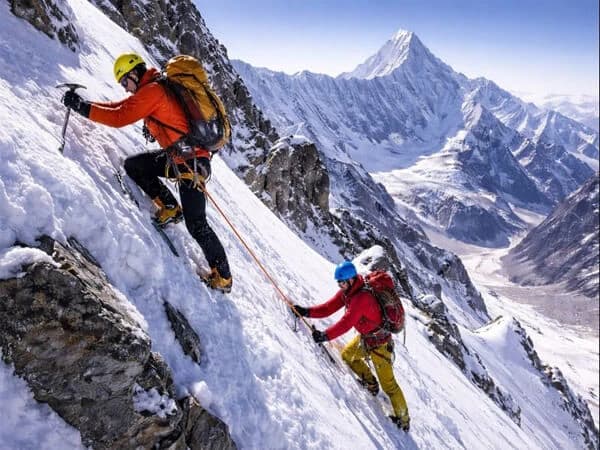
After a few days of trekking, you reach Gokyo, the last village before the actual climb starts. From Gokyo, you move across glaciers, snow slopes, and rocky terrain. Climbers need mountaineering gear like crampons and an ice axe and should go carefully because the trail can change depending on weather conditions.

Phari Lapcha is quieter than many other peaks in the Everest region. The climb combines high altitude trekking, glacier travel, and mountaineering, giving a full Himalayan experience. Climbers who have done Everest Base Camp, Gokyo Lakes, or Island Peak will find Phari Lapcha a different and worthy adventure.

Why Phari Lapcha Peak Climbing Stands Out

Phari Lapcha Peak is different from many other climbs in the Everest region because it is quieter and more adventurous. Unlike busy trails like Everest Base Camp or Gokyo Lakes, here you can focus on the mountain and the climb itself.

On the way up, you start by walking past lakes and villages and then move onto glaciers and snow slopes. One day you might be on a rocky path under the sun and the next day carefully crossing ice, testing each step. It feels like a real mountain climb but is possible if you are ready and fit.

The view from the top is special. You can see the surrounding Khumbu peaks and feel like you are in your own quiet part of the Himalayas. Phari Lapcha is for anyone who wants a mountaineering adventure in Nepal that is serious and less crowded than other popular peaks.

Phari Lapcha Peak Highlights

  • The climb is in the Everest region of Nepal, near Gokyo and Machhermo.
  • The approach trek starts from Lukla, passing through Namche Bazaar, Dole, and Machhermo before reaching Gokyo.
  • Phari Lapcha combines high altitude trekking with real mountaineering, including glacier travel, snow slopes, and rocky sections.
  • It is less crowded than other Everest region peaks, so you get more time to enjoy the mountain.
  • Climbers need basic mountaineering gear like crampons and an ice axe.
  • The route offers stunning views of Khumbu peaks, lakes, and Himalayan villages along the way.
  • The climb is challenging but achievable for climbers with some experience and good fitness.
  • It gives a different experience from popular treks like Everest Base Camp, Gokyo Lakes, or Island Peak, mixing trekking and technical climbing.
  • Gokyo serves as the base camp for the technical part of the climb.
  • The summit offers quiet and private panoramas of the surrounding Himalayas.

Unique Experiences on the Phari Lapcha Peak Climb

Phari Lapcha Peak is more than just snow and rocks. On the way, you trek through small villages where the locals are welcoming and serve simple meals and tea, even when life is hard. Their hospitality feels real and personal, not staged for tourists.

The climb itself is challenging and raw. You move from lakes and valleys to glaciers and snow slopes, feeling the altitude and testing each step. You also see yaks carrying loads, herders at work, and children running to greet trekkers, which makes the experience more human and grounded.

From the top, the view of the Khumbu peaks is quiet and personal. There are no crowds, just the mountains and the sky. Phari Lapcha Peak is for anyone who wants to see the Himalayas and local life in a way most trekkers do not.

Who should attempt Phari Lapcha Peak Climbing in Nepal

Phari Lapcha Peak in Nepal is a high mountain over 6,000 meters. Climbing it is not an easy trek in Nepal. You will hike on snow, cross glaciers, and use climbing equipment. It is hard work and you need to be ready for cold weather and thin air, but the views of the Himalayas are amazing.

You should attempt Phari Lapcha climb if you:

  • Have experience with high altitude trekking or Himalayan mountaineering
  • Are physically fit and can handle long climbing days
  • Know how to use climbing gear like ice axes, ropes, and crampons
  • Are ready for cold weather and altitude challenges

This peak is for people who want real adventure in Nepal. It is challenging but gives a strong sense of achievement and amazing mountain views for those who reach the top.

Exact Permit Requirement for the Phari Lapcha Peak Climb 

If you’re planning Phari Lapcha Peak Climbing in Nepal, the permit part is actually not that complicated once you know what’s what. People often overthink it and start mixing it up with other climbs in Nepal, but Phari Lapcha has its own clear set of permit requirements. You do need proper paperwork, but not a whole mountain of it.

The main one is the Phari Lapcha trekking peak permit from the Nepal Mountaineering Association. This is the actual climbing permit for the peak. Since Phari Lapcha is listed as a trekking peak, this one is non negotiable. No permit, no proper climb.

You’ll also need the Sagarmatha National Park Entry Permit because the mountain sits inside the Everest region. On top of that, the Khumbu Pasang Lhamu Rural Municipality Permit is also required. These are standard permits for trekking and climbing in the Khumbu, so they’re part of the normal process.

Now here’s where people get confused. A lot of trekkers still ask about the TIMS card for Phari Lapcha Peak Climbing, but no, that is generally not required here. Same thing with the restricted region permit. You do not need one for the Phari Lapcha climb because this route is not in a restricted area of Nepal.

Another thing that matters is the garbage deposit for the Phari Lapcha climb. This is part of climbing rules in Nepal and it’s there for a reason. If you’re going up a mountain, you’re expected to bring your waste back down too. Fair enough, honestly.

So if you want the simple version, the permits for the Phari Lapcha climb are the Nepal Mountaineering Association permit, the Sagarmatha National Park permit, the Khumbu Pasang Lhamu permit, and the garbage deposit requirement. That’s really it. No extra mystery permit, no hidden paperwork surprise, and no need to make it more dramatic than it is.

Phari Lapcha Peak Climbing Cost

If you are planning Phari Lapcha Peak Climbing in Nepal, the total cost for most people usually falls between $1800 and $2500 per person. This includes trekking, climbing, permits, guide and porter support, food, and basic gear rentals.

For example, some climbers carry their own gear and move a bit faster, so they spend closer to the lower end. Others may take extra days, hire more help, or rent additional equipment, which brings the cost toward the higher end.

Overall, this is a realistic budget for a proper Himalayan peak climbing adventure. It covers what you need for a safe and comfortable climb without going overboard.

Significance of Guides and Porters for Phari Lapcha Peak

You can try Phari Lapcha Peak climbing on your own, but mountains don’t care how fit you are or how many hikes you’ve done. A guide knows the trail, glaciers, snow slopes, and how the weather can change in minutes. They also help manage camps, keep you safe, and give tips to handle altitude.

Porters are the real heroes. They carry your heavy gear, tents, and food. You think your backpack is heavy, then see a porter carrying double that uphill like it’s nothing. They make the climb much easier and less painful.

The best part is the laughs. Sitting at camp after a long day, sharing food, and hearing your porter joke about your struggles makes the climb feel real and fun.

Guides and porters are essential as they make the mountain feel less scary and more like an adventure.

Why Book Phari Lapcha Peak Climbing with Nepal Trekking Routes?

We are a local company based in Nepal and have been organizing treks and climbs in the Everest region for years. We provide authentic service and make sure you get real value for your money. Safety is always our top priority, and every decision we make is focused on keeping our guests safe on the trail and on the mountain.

With us, you are not just another booking. You get local knowledge, experienced guides, proper support, and a team that genuinely cares about your Phari Lapcha Peak climbing experience.

Essential Information

Phari Lapcha Climb Difficulty

Look, climbing Phari Lapcha Peak is not something you do for fun selfies. The Phari Lapcha climb difficulty is real. You’ll be walking on snow, crossing glaciers, and sometimes wondering why you didn’t just stay in Namche Bazaar drinking tea. It’s high-altitude trekking and mountaineering all in one, and it will push your body and your brain.

  • Your legs will get seriously tired. Long days on rocky trails, snow, and ice are no joke.
  • Breathing gets hard. The thin air at over 6,000 meters makes even small steps feel like a workout.
  • You need basic mountaineering skills. Crampons, ice axes, and ropes aren’t just decoration.
  • Mentally, it’s a grind. Patience, focus, and a little stubbornness go a long way.
  • The route is quiet and less crowded than other Everest region peaks, which is awesome, but also means you can’t rely on anyone else to rescue you if you mess up.

At the end of the day, the Phari Lapcha climb difficulty is exactly why climbers who love serious Himalayan adventures come here. You sweat, curse the snow a little, and push yourself and the views from the top make it feel like you actually earned it.

Phari Lapcha Peak Climbing in Spring

When you search for the best time for the Phari Lapcha trek, spring and autumn are what everyone will tell you, and honestly, they are right. These are the best season for any peak climbing in Nepal as well as Himalayan treks. In spring, from March to May, the weather starts to warm up, the snow on glaciers is easier to walk on, and the mountains start showing off like they are putting on a photo shoot just for you.

Pros of Peak Climbing in Spring:

  • The skies are usually clear, so you get those insane views of Khumbu peaks, Gokyo Lakes, and the surrounding Himalayas. You will probably take more pictures than you planned.
  • Snow conditions are stable on glaciers and slopes, so you won’t feel like you are ice-skating your way to the summit.
  • Temperatures are manageable. You won’t be freezing every two steps, and you might even enjoy trekking without constantly shivering.

Cons of Peak Climbing in Spring:

  • It’s popular, so sometimes you will see other climbers around. Don’t worry, it’s not like Everest Base Camp busy, but you’re not entirely alone.
  • Afternoon sun can melt some snow, making parts of the slope a little slippery. Watch your step or you might look cooler than planned by sliding.
  • Lower trekking sections can be muddy from melting snow and spring rain, so those boots of yours will get some character.

Phari Lapcha Peak Climbing in Autumn

Autumn, from September to November, is the other “everyone will tell you” season for the Phari Lapcha trek, and they are right again. The weather is stable, the skies are mostly clear, and the snow on glaciers is firm enough to make climbing feel okay without constantly worrying about sliding. Honestly, this is the season most people aim for when they think about Everest region peak climbing.

Pros of Peak Climbing in Autumn:

  • The mountains are visible almost every day, making it easier to plan climbs.
  • Temperatures are cooler but comfortable for trekking and mountaineering.
  • Snow and glacier conditions are solid for high altitude climbing.

Cons of Peak Climbing in Autumn:

  • Trails and base camps near Gokyo are busier.
  • Climbing permits and guides must be arranged well in advance.
  • Complete peace and less crowded trail is hard to find.

Phari Lapcha Peak Climbing in Summer

Summer, from June to August, is the monsoon season in Nepal. This makes the Phari Lapcha climb difficulty higher because of rain, snow at higher altitudes, and clouds hiding the mountains.

Pros of Peak Climbing in Summer:

  • Valleys and lower trails are green and lively.
  • Fewer climbers on the trail make for a quieter experience.

Cons of Peak Climbing in Summer:

  • Heavy rain and snow make glacier travel risky.
  • Mountains can disappear behind clouds for days at a time.
  • Muddy trails in lower sections make walking harder.

Phari Lapcha Peak Climbing in Winter

Winter, from December to February, is cold, harsh, and very quiet. It is for serious climbers who don’t mind the cold and want almost empty trails.

Pros of Peak Climbing in Winter:

  • Very few people, so the mountain feels private.
  • Clear skies sometimes give great views in the early morning or late evening.
  • Frozen snow can make glacier travel easier for experienced climbers.

Cons of Peak Climbing in Winter:

  • Temperatures drop very low, especially at night.
  • Short daylight hours mean less time for trekking and climbing each day.
  • Frostbite and other cold related risks are higher.

Gears and Equipment for the Phari Lapcha Peak Climbing in Nepal

Climbing Phari Lapcha Peak is serious business. This is high-altitude trekking and mountaineering in the Everest region, and skipping the right gear can turn the adventure into a long, miserable day. Every piece of equipment matters because the mountain does not care if boots pinch or if the ice axe is left behind.

  • Mountaineering boots that handle snow and ice well and fit crampons without making feet scream
  • Ice axe and crampons for glacier sections and steep slopes because slipping is not an option
  • Climbing harness and ropes for tricky spots where a fall could ruin the day
  • Layered clothing including a warm jacket, gloves, hat, and face protection because temperatures swing a lot
  • Sleeping bag and down jacket for freezing nights at base camp or cold nights that feel like they will never end
  • Backpack that can fit all gear comfortably without turning every step into a test of patience
  • Sunglasses and sunscreen to stop the sun and snow glare from making eyes feel like they are on fire
  • Trekking poles to save knees and energy on approach trails because tired legs hate uphill climbs
  • Small first aid kit with medicine for altitude sickness, bandages, and painkillers because little problems can quickly become big ones
  • Snacks and water with a purification method because being hungry, tired, or dehydrated is worse than cold

Having the right gear is more than just looking prepared for mountaineering or trekking in Nepal. It makes the Phari Lapcha climb safer, more enjoyable, and far less stressful. Being ready means the mountain challenges the body without constantly reminding how unprepared it can feel. Proper equipment lets the adventure feel like an achievement rather than a struggle.

Acclimatization and Health Tips for the Phari Lapcha Peak Climbing in Nepal 

Climbing Phari Lapcha Peak is not like going for a regular hike. The air gets thinner and thinner the higher you go. Even walking slowly can feel like a mini workout for your lungs. That is why walking on the same speed is everything.

Take it easy on the climb. Stop when the legs ask for it. Breathe deeply and give the body a chance to adjust.

Water and snacks are lifesavers. Keep drinking often, and eat enough to keep energy up. Nuts, chocolate, or energy bars are great for long days on snow and glaciers. Sleeping well at camps is important too. Nights can get really cold, so warm clothes and a good sleeping bag make a huge difference.

Pay attention to how the body feels as altitude sickness on the Phari Lapcha Climb is not a small risk. Feeling dizzy, unusually tired, or off balance is a signal to slow down. Small breaks, hydration, and staying comfortable in layers help the body cope with the altitude.

Take the time to adjust properly, and the climb stops feeling impossible. Instead, it becomes one of those adventures that’s tough but fair, and standing on the summit becomes something truly worth remembering.

Preparation and Training Tips for Phari Lapcha Peak Climbing

If you’re planning to climb Phari Lapcha Peak, the first thing to know is that this is not just a regular trek. The trails to Gokyo are long, glaciers can be tricky, and snow slopes will push your legs and lungs. The air gets thinner the higher you go, and the weather changes fast. Being ready before you start makes the climb way more manageable and actually fun.

Start with building stamina. Long walks, running, cycling, or climbing stairs a few times a week will get your legs, lungs, and heart ready for multi-day trekking in the Everest region. Even carrying a backpack during your practice walks helps your body get used to the weight you’ll carry on the mountain.

Work on leg and core strength too. Squats, lunges, or simple bodyweight exercises at home will make steep slopes and rocky terrain much easier. Balance matters as well because glaciers and uneven trails don’t wait for you to trip. Try walking on uneven ground or small hills to practice stability.

Getting used to high altitude is another key part. If possible, try smaller Himalayan treks or even high altitude walks in Nepal before tackling Phari Lapcha. Move at a comfortable pace, drink lots of water, and rest whenever your body asks for it.

Don’t forget gear practice. Wear your boots, crampons, and use trekking poles during practice hikes. Knowing your equipment inside out before the climb saves a lot of frustration on the trail.

Do all this, and the Phari Lapcha climb goes from feeling like a battle to a real Himalayan adventure. Your legs will be stronger, your lungs ready, and the summit will feel like a proper achievement you actually earned.

Safety and Risks for Phari Lapcha Peak Climbing

Climbing Phari Lapcha Peak is beautiful, but it can bite if you’re not careful. The trails in the Everest region pass through glaciers and snow slopes that can get slippery. One wrong step and it can turn a simple walk into a scary slide. Paying attention and moving carefully can make the climb safe.

The weather changes fast on the mountain. One moment the sun is warming your back and the next the wind is icy and clouds roll in. Being ready with proper gear and listening to your guide makes a big difference on a Phari Lapcha Peak climbing adventure.

Glaciers have hidden spots where the snow is soft or cracks appear. Using crampons, trekking poles, and taking your time to test each step keeps things safer. Even if moving slowly feels boring, it is better than rushing and risking a fall.

Fatigue can make small risks worse. When your legs are tired and your mind is foggy, simple trails feel harder. Drinking water, eating snacks, and taking breaks makes the Everest region trek and Phari Lapcha Peak climb more hassle free. The goal is not to rush but to be smart and alert so the climb stays challenging, fun, and safe.

Accommodation, Food and Water on the Phari Lapcha Trek

One good thing about Phari Lapcha Peak Climbing in Nepal is that the trail does not feel too rough in the beginning. Up to Namche, Dole, Machhermo, and Gokyo, you’ll usually stay in teahouses. 

like Namche, Dole, Machhermo, and Gokyo have simple teahouses where you can sleep and get a hot meal. The rooms are basic and toilets are shared most of the time. Hot showers are rare but not impossible. After a long day on the trail, it is enough to rest and recharge.

Once you leave Gokyo and start the real climb, things change. You will be camping near base camp and higher up because there are no lodges on the upper sections of the mountain. It is simple but it works and you get used to it quickly.

Food along the route is straightforward. You will mostly eat dal bhat, noodles, soup, eggs, potatoes, porridge, bread, and tea. It is not fancy but it keeps you going. At high altitude, your body does not care about variety, it just wants something hot to eat.

Water is easy to get in the villages but higher up you need to treat or boil it. Streams and melted snow are your main sources. Carry a water bottle and something to purify it. Buying bottled water the whole way is expensive and creates extra waste.

Do You Need Travel Insurance for Phari Lapcha Peak?

Yes, you really do. Climbing Phari Lapcha Peak in Nepal is not something you di casually. It’s high altitude, there’s snow and glaciers, and the weather can change fast. Things happen even to experienced climbers, and if you get stuck or sick, getting help can be expensive.

The main thing is your insurance actually covers high altitude trekking and climbing. Some policies only cover normal hiking, which is useless when you’re on a 6,000 meter peak. Make sure it also includes emergency evacuation, because a helicopter ride from the Everest region is not cheap.

It’s also good if it covers medical treatment, trip delays, or lost gear. Flights to Lukla often get delayed, and gear can get lost or damaged on the trail.

In short, travel insurance is not optional if you want to stay safe and avoid surprises. Just make sure it actually works for mountaineering in Nepal, otherwise it’s just paper.

How Should You Manage Money for Extra Stuff on the Phari Lapcha Climb?

Honestly, money on the Phari Lapcha Peak trek can get tricky if you don’t plan. Most teahouses take cash only and ATMs in the Khumbu either run out or don’t work most of the time. You will want extra for tea, instant noodles, snacks, small meals, or even a tip for the lodge staff.

For example, you might finish a long day walking from Machhermo to Gokyo and all you want is a hot cup of tea to warm up. If you did not bring cash, you will either have to skip it or stress about finding an ATM.

The best way to handle this is to carry enough Nepali rupees in small notes, split between your backpack and your jacket pocket. That way you are covered for small daily expenses and do not have to worry while focusing on the climb.

20 years of Adventure
Why Travel with Nepal Trekking Routes?
We Care for Your Safety
Nepal Trekking Routes always focus on safety, and satisfaction of our valued clients. Our Trekking guides are highly experienced and trained to operate various group trekking trip in high Himalaya.
Provide Financial Protection
NTR prioritize healthy financial safety for clients, ensuring proactive safeguarding of client interest. Our commitment strengthens our role as trusted partners maintaining standards with dedication and Excellence.
100% Local Guide
100% Local Guide
Traveler looking for experience authentic insights through trekking in Nepal NTE offer your 100% local guide who help you to experience unique perspective ensuring and enriched journey customize to your interest.
Personalized Service
We always provide one guide and one porter to two guests in order to meet our standard of providing standard service. Impeccable hospitality and quality services are guaranteed while traveling with us.
Know More
Book Now