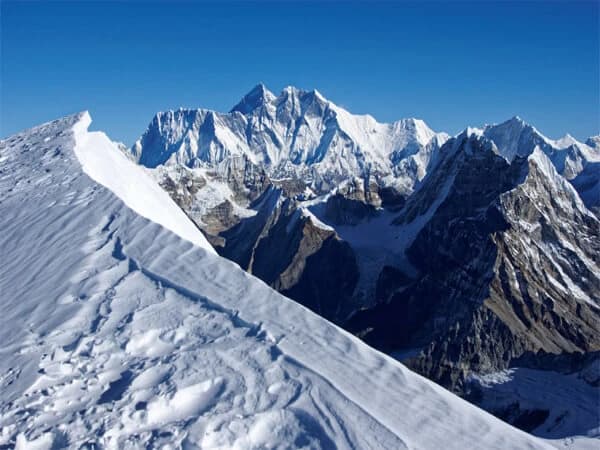
Island Peak Base Camp Service

Ready to actually climb a real mountain and not just pretend? If you are dreaming about Island Peak climbing in Nepal and picturing endless forests and fluffy clouds, let me burst that bubble in the nicest way possible. This is not just another trek it is a full on expedition that takes you from the famous Everest region trail right up to Island Peak Base Camp and beyond. Our Island Peak Base Camp Service is here to make sure you survive it and actually enjoy the ride.

We take care of all the important stuff like permits, guides, and gear so you can focus on the fun part. You will hike the famous Everest region trails, cross glaciers, and get used to crampons and ice axes without freaking out. By the time you reach Island Peak Base Camp, you will be joking with your guides, taking amazing photos, and feeling like a true Himalayan adventurer ready to try for the 6,189 meter summit. With the right guidance and proper acclimatization, this Island Peak expedition becomes a story you will tell again and again.

Where exactly is the Island Peak located?

 Island Peak, also called Imja Tse, is one of the most famous climbing peaks in Nepal. It sits in the Sagarmatha region right in the heart of the Everest region, and at 6,189 meters, it’s definitely not a walk in the park. The peak towers near Imja Glacier and just south of giants like Lhotse and Nuptse. If you’re trekking here, you’ll probably stop at the Sherpa village of Chhukung before heading to Island Peak Base Camp.

Most expeditions kick off from Lukla, go through Namche Bazaar and Dingboche, and follow the classic Everest region trekking routes. It’s a favorite for climbers who want a high Himalayan adventure that’s challenging but fun, and the views along the way are nothing short of epic.

What does Island Peak Base Camp Service mean?

Island Peak Base Camp Service simply means you join the climbing support from base camp instead of booking the whole trip from Kathmandu.

In other words, you make your own way to Island Peak Base Camp, and once you get there, our team takes over the climbing side of the trip.

This is a good option for climbers who are already trekking in the Everest region, have their own trek plan, or just want support for the actual Island Peak climb without paying for a full package.

From Island Peak Base Camp, we help manage the important parts of the climb such as the Island Peak climbing permit, summit planning, guide support, and the overall climbing logistics needed for a safe ascent.

So to keep it very simple:

You handle the trek to base camp. We handle the climb from base camp onward.

A lot of people get confused by the name because they think Island Peak Base Camp Service means only tents or food at base camp, but that is not really the idea here. In this case, it means the climbing service begins at base camp.

If you are unsure what is included, it is always best to check the package details of the agency you're traveling with carefully, because Island Peak Base Camp Service usually starts only from base camp and does not normally include your full trek, accommodation before base camp, or transport unless it is mentioned.

Island Peak Base Camp Service Highlights

  • You get expert guides and Sherpa support so you don’t get lost or scared on the ice
  • All the tricky permits and paperwork are taken care of for you
  • Gear like crampons and ice axes are sorted so you can focus on climbing
  • Learn the basics of glacier walking, ropes, and mountaineering without panicking
  • Tips and support to handle altitude and stay healthy on the way up
  • Meals and cozy lodges on the trek plus tents at base camp so you can rest properly
  • Unreal views of Everest, Lhotse, Nuptse, and the surrounding peaks at every turn
  • Meet Sherpa locals and see their villages along the trail
  • Base camp is fully set up so you can chill, take photos, and get ready for the summit
  • A schedule that balances adventure, safety, and fun so you actually enjoy the climb

Why Choose Island Peak Base Camp Service?

Island Peak Base Camp Service is for climbers who reach base camp on their own but want professional help for the climb. Once you arrive at base camp, the team takes care of the Island Peak climbing permits, summit guidance, and all the planning needed to tackle the climb safely.

This service does not include your trek to base camp, flights, hotels, or accommodation along the way. It is meant for climbers who can manage the approach trek themselves and just want support from base camp onward.

With Island Peak Base Camp Service, you get the flexibility to climb on your own terms while having experienced guides handle the technical parts of the expedition in Nepal. Whether you are on Everest region trekking or preparing for the Island Peak climb, this service makes the summit attempt safer and more organized without adding unnecessary costs or complications.

Permits Required When You Book the Island Peak Base Camp Service

At this point, you probably already know that the Sagarmatha National Park Entry Permit and the Khumbu Pasang Lhamu Rural Municipality Permit are needed from the start of the trek. These are the regular permits required to enter and trek in the Everest region.

For the Island Peak Base Camp Service, the main permit included is the Island Peak climbing permit issued by the Nepal Mountaineering Association (NMA). At Nepal Trekking Routes, we arrange this climbing permit as part of the base camp service. However, if you book the full Island Peak climbing package with us, then we can arrange all three permits for you. That way, you do not have to sort them out separately.

Why Base Camp Support Matters While Peak Climbing in Nepal

When you finally get to Island Peak base camp, you might think, “Okay, now the fun begins.” But the truth is, this is the part where things can get confusing fast. You have to figure out the summit plan, check your permits, watch the weather, and make decisions that can affect whether you reach the top safely. That’s why having base camp support makes a real difference.

It’s not about someone carrying your stuff or doing the climb for you. You still climb, you still carry your gear, and you still feel every step. The support is about keeping the technical and logistical stuff from ruining the climb. For instance, guides can spot a risky route to high camp, help you pace yourself, and tell you when it’s smart to rest. Little things like this can make the difference between a smooth summit and a day you’ll regret.

Base camp support also gives you peace of mind. You’re already tired from days on the Everest region trekking trails, and altitude doesn’t make decision making easier. Knowing someone experienced is there to handle the paperwork, route choices, and safety advice lets you focus on climbing. You still put in the effort, you still earn every step, but you don’t have to guess your way through critical parts of the climb.

At the end of the day, base camp support doesn’t make Island Peak easy. It just makes it safer, more organized, and way less stressful, which is exactly what most climbers need if they want a realistic shot at the summit.

2-Day Short Island Peak Climbing Base Camp Service Itinerary

Experience the excitement of reaching Island Peak with help from guides and porters at base camp. Day one is arrival at Island Peak Base Camp, checking gear, and a short rope and glacier practice. Day two is the summit climb, moving carefully with the guide, reaching 6189 meters, and then descending back to Chhukung.

For a complete guided experience with trekking, permits, and summit support from start to finish, check out our Island Peak Climbing Package.

Island Peak Expedition Base Camp Service Cost

The approximate cost for the 2-day Island Peak Base Camp Service is around USD 600 to 700 per person. This includes climbing gear like ropes, harness, ice axe, helmets, tents at base camp, meals, guides, and porter support. The exact price can change depending on the season, the number of climbers in your group, and any extra services like additional porters or specialized equipment.

In real terms, this cost covers most of what you need at base camp to climb safely, but climbers often spend a little extra on snacks, personal gear adjustments, or hot drinks. The guides and porters make the climb easier and safer, so even though it may feel like a higher price at first, it includes support you really rely on when moving across the glacier and summit ridge.

How the Island Peak Base Camp Support Works

You trek independently through the Everest region trails until you reach Chhukung, where your guide will meet you. From there, the guide helps with the summit plan, checks your gear, and ensures all permits and logistics are in order.

At base camp, they advise on speeding, acclimatization, and the safest route for the Island Peak climb. You still carry your own gear and climb your own steps, but the guide helps reduce risks, manages the technical details, and gives realistic advice for summit day.

After the summit attempt, the guide stays available at base camp to coordinate your return or assist if anything unexpected comes up. This setup lets you focus on climbing while having expert support when it matters most.

Who Should Consider Island Peak Base Camp Service

If you are trekking through the Everest region and planning to climb Island Peak, base camp support can make a big difference as long as you are ready to do the work yourself. You still carry your own gear, walk your own steps, and deal with the altitude. This is not a shortcut. It is guidance and support when the climb gets complicated.

Most climbers who use this service are independent trekkers who want help for the summit push. Your guide meets you at Chhukung, checks your gear, and helps plan the best time to start for summit day. They give advice on pacing, rest, and potential tricky sections on the route. Small decisions like this can make a big difference when you are tired and high up.

Base camp support is best for anyone who wants to focus on the climb while knowing someone experienced is helping with critical decisions. You still feel the effort, the cold, and the altitude, but you are not figuring everything out alone. It is about climbing smart and staying safe while taking on the Island Peak climb in Nepal.

Why should I book the Island Peak Base Camp Service with Nepal Trekking Routes?

We are an authentic Nepalese travel company with years of experience in peak climbing packages in Nepal. Booking with us means you get experienced guides, reliable porters, proper base camp support, and all the knowledge of someone who knows the mountains personally. We focus on safety, comfort, and giving climbers a genuine Nepal trekking experience while supporting you through every step of the Island Peak climb.

Itinerary

This is a 2-day plan for the Island Peak Base Camp Service. You will arrive at base camp, check your gear, do a short rope and glacier practice, climb to the summit, and descend back to Chhukung. It provides support at base camp and guidance for the climb, without overwhelming you with unnecessary logistics.

If you want the full experience with guides, porters, trekking, and all permits taken care of from the start, our Island Peak Climbing Package has everything arranged so you can focus on enjoying the climb comfortably.

Trip PlanExpand All

When you arrive at Island Peak Base Camp the guide and team will meet you and help you settle. You will check all your gear including crampons ice axe harness and helmet to make sure everything works. There will be a short practice on ropes and a little glacier training so you know what to expect on the climb.

After the practice you should rest and drink plenty of water. The altitude is high so it is important not to overdo it. Dinner at base camp is simple and filling. The evening is the time to review the plan for summit day ask any questions and get as much rest as possible for the early start tomorrow.

You wake up before sunrise and start the climb with your guide and team. The route goes over the glacier and steeper sections with ropes. It can feel challenging, but the guide stays with you, giving tips and helping you along the way. Keep a steady pace and take breaks whenever you need.

When you reach the summit, pause for a moment to enjoy it. Look around, feel the cold mountain air, and appreciate how far you have come. The descent back to base camp is slower and careful, as it should be, and the team will guide you the whole way. Once back at base camp, you pack up and head down to Chhukung to rest. Drink plenty of water and follow the team’s advice to have the best possible island peak climbing journey.

Plan An Amazing Private and Tailor-Made HolidaysNot satisficed with this itinerary? Share your idea with our travel Expert. We make your dream come true.
Customize Trip
Essential Information

Why Picking the Right Season Matters for any Expedition in Nepal

Choosing the right season for the Island Peak climb is extremely important. The wrong timing can make trails muddy, camping uncomfortable, or leave you waiting at base camp for better conditions. Picking the best season for the Island Peak climbing affects your chances of reaching the summit and having a safe, enjoyable expedition.

If you are using the Island Peak Base Camp Service, guides will help you plan around the weather. Knowing the best time for Island Peak Base Camp Service ahead of time makes the trek easier to manage and helps you make smart decisions.

Spring: The Best Season for Island Peak Climbing (March to May)

Spring is one of the most popular times to climb Island Peak. Temperatures are manageable and the snow is firm enough for climbing. Trails in the Everest region are generally solid and villages along the way are open, so it is easier to find food, rest, and support.

Using the Island Peak Base Camp Service in spring helps you focus on climbing and summit planning without worrying about every detail. You still feel the altitude but conditions are usually the smoothest for most climbers.

Summer: Island Peak Climbing in the Monsoon (June to August)

Summer brings the monsoon. Trails become slippery, rivers and streams swell, and glacier sections can get risky. Rain and clouds can reduce visibility and camping at base camp can be wet and cold.

The best time for Island Peak Base Camp Service in summer is mainly for experienced climbers. Guides help decide if it is safe to climb or whether waiting for a short window is wiser. This season is not ideal for most people.

Autumn: A Reliable Season for Island Peak Climbing (September to November)

Autumn is another strong window for climbing Island Peak. The air is dry, temperatures are steady, and trails are firm. Villages and teahouses are open and easy to access, which makes the Everest region trekking smoother.

Base camp support in autumn helps plan summit pushes, handle permits, and make the climb safer and more predictable. This season is popular for climbers who want reliability and a higher chance of success.

Winter: Island Peak Climbing in Cold Conditions (December to February)

Winter is cold and quiet. Temperatures drop sharply and snow builds up on trails. Wind can make conditions at base camp and higher elevations tougher and glacier sections more challenging.

The Island Peak Base Camp Service in winter is only for experienced climbers who are ready for extreme cold and high altitude conditions. Guides watch the weather closely and advise on whether a summit attempt is safe.

Trek Route from Lukla to Chhukung and Island Peak Base Camp

Most climbers start from Lukla, flying in from Kathmandu. From there, you trek through the Everest region, passing villages like Namche Bazaar, Tengboche, Pangboche, and Dingboche. The trail however, climbs slowly, perfect for your body to adjust to the growing altitude.

Chhukung is a small village just below the glacier. This is usually where your guide meets you if you are using the Island Peak Base Camp Service. From Chhukung, the trek to base camp is shorter but crosses a bunch of rocky trails. Having a guide at this stage makes the climb very safe and helps with planning for the summit.

Along the way, you see local life, monasteries, and mani walls. Some trekkers take side trips like Gokyo Lakes or Everest View points before reaching Chhukung. Others combine the trek with longer Nepal trekking routes such as the Annapurna Circuit or Langtang Valley to make the most of their expedition in Nepal.

Reaching base camp is more about acclimatizing and enjoying the mountains, rather than just walking. At base camp, the Island Peak Base Camp Service team helps with tents, gear checks, and summit planning so you can focus on the climb safely.

Acclimatization Tips for Island Peak

Climbing Island Peak is one of the most amazing experiences you can have, but altitude can hit you in ways you don’t expect. Even if you feel strong on the trek, your body needs time to catch up. There are times trekkers feel fine walking one day, and the next day their head feels heavy and their legs weaker than usual. That is why resting in villages like Dingboche or Chhukung is very essential.

Drink plenty of water. Eat when you feel hungry, even if it’s just simple food. Rest whenever your body asks for it. Some days, walking around base camp slowly, even just ten minutes, can make a big difference.

Moving too fast for the summit might feel exciting, but it can backfire. Listening to your body is way more important than trying to prove anything.

High altitude can make you feel weird. Headaches, shortness of breath, or feeling lightheaded are all signs your body is adjusting. It is okay. Don’t ignore them. Your guide will watch you closely and suggest slowing down or taking a break if needed. That is one of the reasons the Island Peak Base Camp Service is so helpful. You have someone experienced making sure you do not push too hard.

The main point is not to rush. Acclimatization is part of the adventure. When you finally reach base camp feeling ready, every step of your climb feels better. Taking care of yourself during these days ensures your summit day to be less stressful, more enjoyable, and much, much safer.  

Gear and Equipment Recommendations

Packing for Island Peak is a bit of an art. Too little and the cold will get you. Too much and your back will hate you by the second day. So only bring what actually matters. Using the Island Peak Base Camp Service helps a lot because the guides and porters handle the heavy stuff like tents, stoves, and ropes, so that's not a part of your problem.

  • Your clothing should be layered. A warm jacket for the nights, thermal layers for higher altitudes, and breathable trekking clothes for lower villages work best. Layering lets you adjust to changing temperatures easily.
  • Boots should be sturdy for rocky and uneven trails but comfortable enough for long walking days. Gloves, hats, and sunglasses help protect from sun and wind, and gaiters are useful for keeping snow or dust out of boots.
  • Island Peak climbing gear is necessary for the summit. Harnesses, crampons, helmets, and ice axes are essential. The base camp service team manages ropes and shared equipment, which takes some pressure off the climbers.
  • Backpacks should be light and carry only essentials such as water, snacks, spare layers, and personal items. Heavy packs slow progress and make acclimatization harder.
  • Sleeping bags rated for cold nights are important, while tents and cooking equipment are normally handled by the base camp service.
  • Optional items like sunscreen, a water bottle, a small camera, or simple snacks are helpful and can make the trek more enjoyable. Focus on what keeps you safe, warm, and energized.

Guide and Porter Support with Safety at Island Peak Base Camp

At Island Peak Base Camp, guides and porters are what keep everything running smoothly. Guides watch the weather, check the trails, and make sure climbing equipment is ready. They also notice how climbers are feeling with the altitude and give advice on when to rest or take it slow. Porters carry heavy stuff like tents, food, and other supplies, which means climbers can keep their packs lighter and save energy for the climb ahead.

Life at base camp includes preparation and staying safe. Guides set up the schedule, help organize meals and water, and give tips on the summit push. They also stay alert for any problems and handle emergencies if something unexpected happens. So make sure you have the brilliant Nepalese guide and porter combo to properly enjoy any expedition in Nepal.

Food, Accommodation, and Water at Island Peak Base Camp

Life at Island Peak Base Camp is very basic. There is no comfort setup here. You sleep in tents, eat simple food, and rest for the climb. Up to Chhukung, teahouses are available and things feel easier. After that, it becomes more of a proper climbing setup than a trekking trip.

Water is a big deal at this altitude. If you drink too little, your body will struggle and even a short walk can feel harder than it should. Food is usually simple but enough, and the camp team normally helps with meals and drinking water. That is one reason why the Island Peak Base Camp Service is useful. A lot of the small but important things are already taken care of.

Do I need travel insurance for any peak climbing in Nepal?

Yes. Expeditions in Nepal involve high altitude, remote areas, and unpredictable conditions. Travel insurance that covers medical emergencies and helicopter evacuation is essential. Without it, any accident or illness can become very serious and expensive and trust us, you don't want that to happen.

Is there any other base camp service for peak climbing in Nepal?

Yes. We provide base camp service for any peak climbing expedition in Nepal. This includes popular peak climbing like Mera Peak and Lobuche Peak as well as less visited peaks in Nepal. Our service supports you with guides, porters, tents, meals, and climbing gear at base camp for all peak climbing packages in Nepal.

FAQs

It is a support service for climbers starting from Island Peak Base Camp. Guides and porters help with camp setup, meals, drinking water, gear checks, and summit support. It does not include the trek from Lukla or other pre base camp logistics unless booked as part of the full climbing package.

The base camp service includes the Island Peak climbing permit from the Nepal Mountaineering Association. Trekking permits like the Sagarmatha National Park Entry Permit and the Khumbu Pasang Lhamu Rural Municipality Permit are not included unless you book the full climbing package.

From base camp, it usually takes two days. Day one is arrival, gear check, and rope/glacier practice. Day two is the summit climb to 6,189 meters and return to base camp and then Chhukung.

From base camp, it usually takes two days. Day one is arrival, gear check, and rope/glacier practice. Day two is the summit climb to 6,189 meters and return to base camp and then Chhukung.

Tents, shared climbing gear such as ropes, helmets, harnesses, and ice axes are provided. Meals and drinking water at base camp are included. Personal clothing, boots, gloves, jackets, and sunglasses are your responsibility.

Spring (March to May) and Autumn (September to November) are the safest and most reliable times. Summer is rainy and slippery. Winter is extremely cold and risky, with deep snow and ice.

Yes. Many climbers combine it with treks like Everest Base Camp Trek, Gokyo Lakes Trek, or Three Passes Trek. This gives you a full Everest region experience before focusing on the summit.

Booking is done through trekking companies like Nepal Trekking Routes. Make sure to sort personal climbing gear, confirm fitness levels, and understand which permits are included. A clear discussion with us ensures there are no surprises at base camp.

The climb involves glacier walking, fixed ropes, and a summit ridge. It is challenging but manageable for climbers with reasonable fitness. The guide and porters provide support, but you must be able to move steadily at high altitude and follow instructions carefully.

Yes, the service provides drinking water. Usually it is boiled, filtered, or treated to be safe. It is still a good idea to carry a personal water bottle and drink often to avoid dehydration.

Yes, you can store personal gear in your tent at base camp. Guides and porters can help keep things organized, but valuable items should be kept with you.

Yes. High altitude trekking and climbing in Nepal carry risks. Travel insurance that covers mountain rescue and evacuation is strongly recommended.

20 years of Adventure
Why Travel with Nepal Trekking Routes?
We Care for Your Safety
Nepal Trekking Routes always focus on safety, and satisfaction of our valued clients. Our Trekking guides are highly experienced and trained to operate various group trekking trip in high Himalaya.
Provide Financial Protection
NTR prioritize healthy financial safety for clients, ensuring proactive safeguarding of client interest. Our commitment strengthens our role as trusted partners maintaining standards with dedication and Excellence.
100% Local Guide
100% Local Guide
Traveler looking for experience authentic insights through trekking in Nepal NTE offer your 100% local guide who help you to experience unique perspective ensuring and enriched journey customize to your interest.
Personalized Service
We always provide one guide and one porter to two guests in order to meet our standard of providing standard service. Impeccable hospitality and quality services are guaranteed while traveling with us.
Know More
Book Now