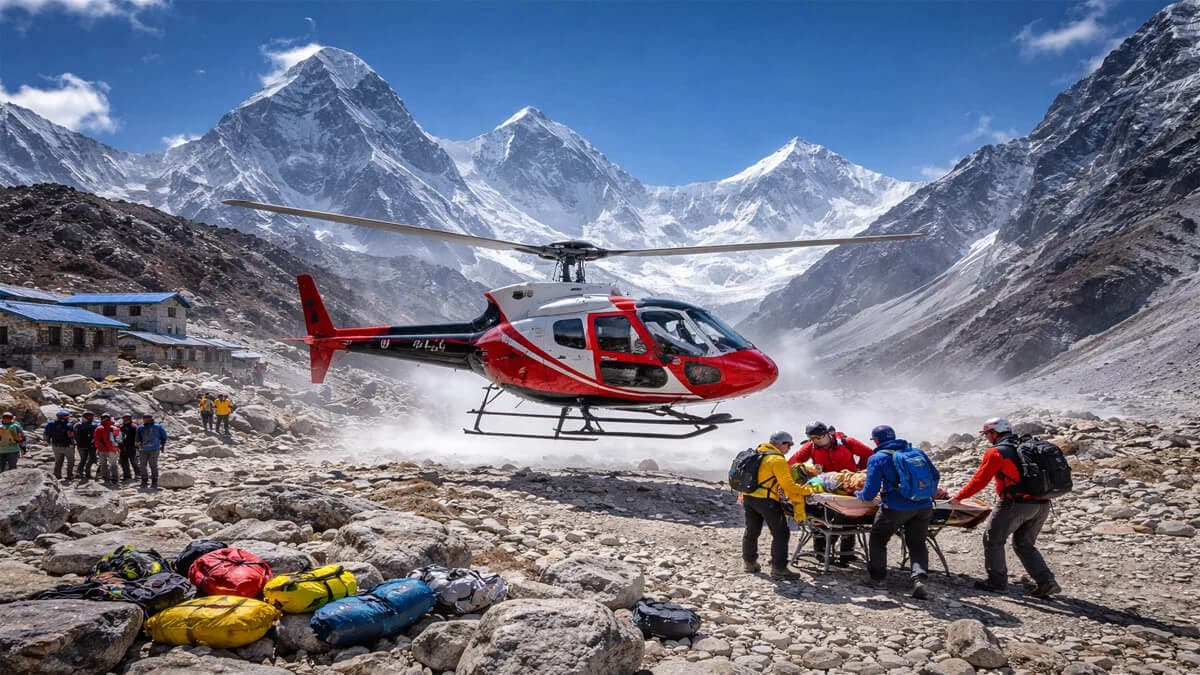
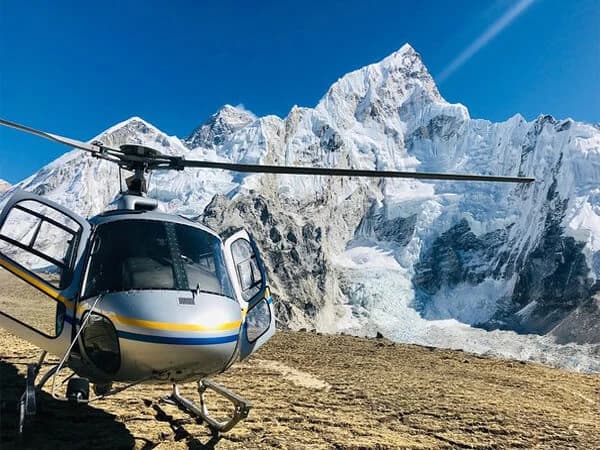
Helicopter rescue in Nepal is an important emergency service that helps people who get sick, injured or stranded in remote mountain areas. Because many villages and trekking routes are far from hospitals and roads, quick ground transport is often not possible. In these situations, rescue helicopters service are sent to pick up patients and fly them directly to medical centers, mostly in major cities. These services operate year-round and are specially designed to handle difficult weather and high altitudes, making them a life-saving support system for locals and travelers alike.
Air rescue is especially important because of Nepal’s challenging geography. Much of the country is covered by the Himalayas, where steep trails, deep valleys, and unpredictable weather make travel slow and risky. When someone is injured during a trek or climbing trip, it may take many hours or even days to reach help on foot. Helicopters can reach these remote places in a short time, even in areas where there are no roads or proper walking paths. This fast response often makes a big difference in saving lives and preventing serious health problems.
For trekkers and climbers, helicopter rescue is especially crucial because high-altitude adventures come with real risks. Popular destinations like Mount Everest and other high mountain trails can cause altitude sickness, accidents, or sudden health emergencies. Weather can also change quickly, making it dangerous to continue trekking or descend safely. In such situations, helicopter rescue provides a fast and reliable way to evacuate people to safety. Without these services, many mountain journeys in Nepal would be far more dangerous and difficult to manage.
Common Reasons for Helicopter Rescue
In high mountain regions like the Himalayas, people can face sudden health problems or accidents far away from roads and hospitals. Below are the most common reasons why helicopter rescue is needed.
Acute Mountain Sickness (AMS), HAPE & HACE
Altitude sickness is one of the main reasons for helicopter evacuation in mountain areas. When people climb or trek to high elevations too quickly, their bodies may not get enough oxygen.
- Acute Mountain Sickness (AMS) is the mildest form and usually causes headache, nausea, dizziness, and fatigue. If you ignore it, it can get worse.
- High Altitude Pulmonary Edema (HAPE) happens when fluid builds up in the lungs, making breathing very difficult.
- High Altitude Cerebral Edema (HACE) affects the brain and can cause confusion, loss of balance, and serious medical danger.
These conditions can become life-threatening if the person is not taken to lower altitude quickly. Helicopters provide the fastest way to descend and reach medical treatment.
Serious Injuries (Fractures, Falls, Avalanches)
Mountain environments can be physically challenging and unpredictable. Trekkers and climbers often walk on steep, rocky, icy, or slippery trails. This increases the risk of accidents such as:
- Broken bones from slipping or falling
- Injuries caused by falling rocks or ice
- Avalanche-related accidents in snowy areas
In many cases, injured people cannot walk or be carried safely for long distances. Helicopter rescue helps transport them quickly and safely to a hospital.
Severe Dehydration and Exhaustion
Long trekking days, high altitude, cold weather, and strong sunlight can quickly drain the body’s energy and fluids. Some trekkers underestimate how much water and rest they need. This can lead to:
- Extreme weakness and fatigue
- Dizziness or fainting
- Inability to continue walking
When a person becomes too weak to move or recover with rest, helicopter evacuation may be required to prevent serious health complications.
Cardiac or Respiratory Problems
Some travelers experience heart or breathing problems while trekking at high altitude. The reduced oxygen level in the air can put extra stress on the body, especially for people with existing health conditions. Common emergencies include:
- Chest pain or heart-related problems
- Difficulty breathing or severe shortness of breath
- Worsening asthma or other lung conditions
Immediate medical care is very important in these situations, and helicopters allow fast transport to proper treatment facilities.
Sudden Illness in Remote Areas
People can become sick at any time, even without injury or altitude sickness. In remote mountain regions, even common illnesses can become serious because medical help is far away. Examples include:
- Severe infections or fever
- Food poisoning or stomach illness
- Allergic reactions
- Unexpected medical emergencies
When someone becomes seriously ill and cannot reach help quickly by land, helicopter rescue operation in Nepal becomes the safest and fastest solution.
Trekking Regions with Common Helicopter Evacuations
In Nepal, many trekking areas are located at high altitude and far from roads or hospitals. Because of the difficult terrain, sudden weather changes, and health risks, helicopter rescue is often needed in some of the country’s most popular trekking regions. Below are the main areas where emergency evacuations are most common:
Helicopter Rescue in Everest Region
The Everest region is one of the busiest trekking and climbing destinations in the world, attracting thousands of adventure travelers every year. Located at very high altitude, the area is known for freezing temperatures, thin air, and long, physically demanding trekking days. Because of these challenging conditions, helicopter rescue in Mount Everest is quite common here. Trekkers and climbers often face altitude sickness, sudden illness, or accidents in remote locations where medical help is not easily available.
The famous Everest Base Camp Trek takes people to extreme elevations, where the risk of breathing problems, headaches, dizziness, and severe fatigue increases significantly. When symptoms of altitude sickness become serious, or when trekkers are too weak to walk down safely, helicopters are often used to evacuate them quickly to lower altitude and proper medical care.
In addition to trekking, the region is also popular for technical climbing expeditions. Peaks like Island Peak and Lobuche East attract climbers who want to experience high-altitude mountaineering. These climbs involve steep snow slopes, icy terrain, and physically demanding conditions, which increase the risk of falls, fractures, and altitude-related health problems. Weather in the mountains can also change suddenly, making climbing more dangerous. When accidents happen or climbers become too ill to descend safely, helicopter rescue is often the fastest and safest way to evacuate them from difficult mountain terrain.
Another major location for emergency evacuations in theEverest region is Lukla, which serves as the main gateway for trekkers and climbers entering or leaving the area. Most people begin and end their journey here, and it is also a key point for flights, medical assistance, and rescue coordination. Many helicopter rescues are arranged from Lukla because it connects remote mountain trails to larger cities with hospitals. Trekkers who fall seriously ill, suffer injuries, or are unable to continue their journey are often flown out from Lukla for quick treatment. Its important role in transportation and emergency response makes it one of the most active rescue hubs in the Everest region.
Helicopter Rescue in Annapurna Region
The Annapurna region is one of the most popular trekking destinations in Nepal, famous for its stunning mountain views, diverse landscapes, and well-known trekking routes. Thousands of trekkers visit this region every year to experience its forests, high-altitude villages, and dramatic Himalayan scenery. However, the beauty of the area also comes with challenges.
Many trails pass through steep terrain, high mountain passes, and remote settlements where access to medical help is limited. Sudden weather changes, long walking hours, and increasing altitude often create health risks for trekkers. Because of these conditions, helicopter rescue from Annapurna base camp is quite common in the Annapurna region, especially when people become seriously ill or injured far from roads and hospitals.
One of the main trekking routes in this region is the Annapurna Base Camp trek, which takes travelers deep into the mountains through narrow trails and changing weather conditions. As trekkers climb higher, the air becomes thinner, increasing the risk of altitude sickness, fatigue, and breathing difficulties. Some people also suffer injuries from slips or falls on rocky or icy paths. During peak trekking seasons, when many people attempt the journey, rescue operations become more frequent.
Another major Helicopter rescue from Annapurna circuit trek hotspot is Thorong La Pass, one of the highest trekking passes in the world. Crossing this pass is physically demanding and often involves strong winds, freezing temperatures, and low oxygen levels. Trekkers who experience severe altitude sickness, exhaustion, or extreme cold exposure may need helicopter evacuation if they cannot safely continue or descend.
Rescue operations are also common in remote areas like Manang and Mustang, which are located far from major medical facilities. These high-altitude regions are popular for acclimatization stops and cultural exploration, but they are isolated and difficult to access by road. Trekkers staying in these areas sometimes develop altitude sickness, infections, injuries, or other health problems that require urgent treatment.
Because reaching hospitals by foot or vehicle can take many hours or even days, helicopter evacuation becomes the fastest and safest option. For many travelers in the Annapurna region, helicopter rescue provides a critical safety system that allows them to explore the mountains with greater confidence.
Helicopter rescue in Manaslu Region
The Manaslu trekking region of Nepalis less crowded than popular trekking routes like Everest or Annapurna, but they are much more isolated and challenging. These areas are known for their untouched natural beauty, traditional mountain villages, and peaceful hiking trails. However, limited infrastructure, poor road access, and long distances from medical facilities make travel here more demanding and risky.
When trekkers or climbers face illness, injury or altitude-related problems, reaching help can take many hours or even days on foot. Because of this difficult access, helicopter rescue plays a very important role in ensuring safety in these remote himalayan regions.
One of the main trekking routes in this area is the Manaslu Circuit which takes trekkers through high mountain passes, steep trails and isolated settlements. The remoteness of this route means that even small health issues such as altitude sickness or exhaustion can quickly become serious if not treated in time.
Nearby, Tsum Valley is another peaceful but highly isolated destination, known for its traditional culture and quiet mountain environment. Medical facilities are very limited here, and the nearest hospitals are far away. If someone becomes seriously ill or injured, helicopter evacuation is often the fastest and safest way to reach proper medical care.
Helicopter Rescue in Langtang Region
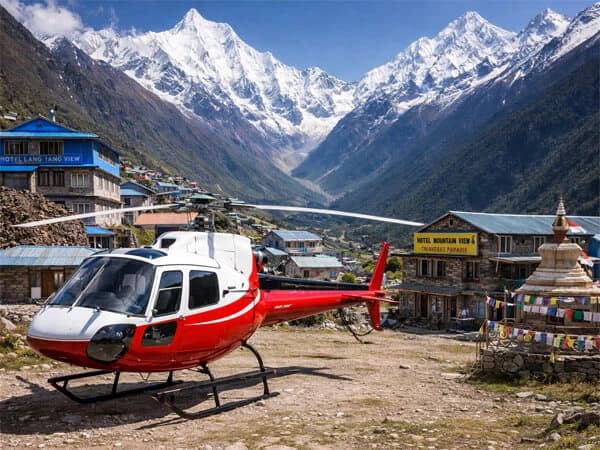
The Langtang region is one of the closest Himalayan trekking areas to Kathmandu, but it still remains remote, rugged, and physically demanding. Much of the trekking route passes through Langtang National Park, where steep mountain trails, landslide-prone slopes, and unpredictable weather can make travel challenging. Although the region is popular for its scenic beauty and cultural villages, medical facilities are very limited, and reaching help by foot can take many hours or even days. Because of this, helicopter rescue in Langtang valley trek plays a vital role in ensuring safety for trekkers exploring the area.
A major trekking destination here is Langtang Valley, where increasing altitude and long trekking days often cause fatigue, altitude sickness, or breathing difficulties. When symptoms become severe or trekkers cannot descend safely, helicopters provide fast evacuation to lower altitude and professional medical care.
Another common rescue point is Kyanjin Gompa, one of the highest and most remote settlements in the region. Trekkers often spend time here for acclimatization and mountain exploration, but the altitude and isolation increase health risks. Injuries, altitude sickness, and sudden illness may require immediate evacuation, especially when weather conditions change quickly.
Most helicopter rescues from Langtang transport patients to hospitals in Kathmandu, where advanced treatment is available. Limited landing areas, changing weather, and steep terrain make rescue operations complex, requiring experienced pilots and coordinated teams. For trekkers exploring this beautiful yet demanding Himalayan region, helicopter rescue provides essential life-saving support and peace of mind.
Helicopter Rescue in Kanchanjunga Region
The Kanchenjunga region is one of the most remote and least developed trekking destinations in Nepal. Located around Mount Kanchenjunga, the area is known for its untouched wilderness, dense forests, and isolated mountain communities. Trails pass through high passes and remote valleys where road access is almost nonexistent and medical services are extremely limited. Because of this isolation, helicopter rescue in Kanchenjunga Base camp is an essential safety system for trekkers and climbers.
Trekking routes in this region are long and physically demanding, often requiring many days of walking between settlements. Altitude sickness, injuries from difficult terrain, and sudden illness are common risks. If someone becomes seriously unwell, reaching help on foot can take several days. In such emergencies, helicopters provide the fastest and safest way to evacuate patients from remote mountain terrain.
Weather conditions in the Kanchenjunga region can change quickly, and suitable landing areas are rare. Rescue operations therefore require skilled pilots, careful coordination, and precise timing. Most evacuations transport patients to hospitals in Kathmandu for advanced medical care. For travelers exploring this wild and untouched Himalayan environment, helicopter rescue ensures that help is available even in the most isolated locations.
Helicopter Rescue in Makalu Region
The Makalu region is one of Nepal’s most rugged and least visited trekking areas, located around Mount Makalu. The terrain is steep, remote, and physically demanding, with long trekking routes passing through deep valleys, glaciers, and high mountain passes. Infrastructure is very limited, and there are few villages or medical facilities along the trails. Because of this extreme isolation, helicopter rescue operation from Makalu region is a critical safety service in the region.
Trekkers and climbers in the Makalu region often face altitude sickness, exhaustion, and injuries caused by difficult terrain. Weather conditions can change suddenly, making travel dangerous and sometimes preventing safe descent. When someone becomes seriously ill or injured, reaching help by land can take several days. Helicopter evacuation provides the fastest and most reliable way to reach emergency medical care.
Most rescue flights transport patients to hospitals in Kathmandu, where advanced treatment is available. Limited landing zones and unpredictable mountain weather require experienced pilots and careful planning. For those exploring this remote and less-traveled Himalayan region, helicopter rescue ensures quick assistance during life-threatening emergencies.
Helicopter Rescue in Dhaulagiri Region
The Dhaulagiri region is known for its extreme remoteness and challenging mountain terrain, surrounding Mount Dhaulagiri. Trekking routes here pass through glaciers, high mountain passes, and steep rocky trails where weather conditions can be harsh and unpredictable. The area is sparsely populated, with limited communication and very basic medical facilities, making emergency helicopter evacuation difficult without air support.
Trekkers in the Dhaulagiri region face serious risks, including altitude sickness, falls on difficult terrain, and extreme exhaustion from long trekking days. Because trails are isolated and physically demanding, descending to lower altitude may not always be possible for injured or ill trekkers. In such situations, helicopter evacuation from Dhaulagiri becomes the fastest and most reliable way to reach medical care.
Strong winds, narrow valleys, and limited landing sites make rescue operations technically challenging. Skilled pilots and careful coordination are essential for safe evacuation. Most rescues transport patients to hospitals in Kathmandu, where specialized treatment is available. In this demanding Himalayan environment, helicopter rescue plays a crucial role in protecting trekkers and climbers.
Helicopter Rescue in Dolpa with Rara Lake
The Dolpa region and treks around Rara Lake offer some of the most peaceful and scenic landscapes in Nepal. However, these areas are extremely remote, with long distances between settlements and very limited access to medical services. Trekking routes cross high mountain passes and isolated valleys where weather conditions can change rapidly and travel can be physically exhausting.
Trekkers may experience altitude sickness, injuries, severe fatigue, or sudden illness far from any healthcare facility. Because ground transport is slow and difficult, helicopter evacuation is often the only practical option during emergencies. The remoteness of the region makes fast response essential to prevent serious health complications.
Most rescue flights transport patients to hospitals in Kathmandu for advanced medical treatment. For travelers exploring these quiet and remote Himalayan landscapes, helicopter rescue provides essential safety support and ensures quick access to professional care when needed.
Helicopter Rescue in Limi Valley
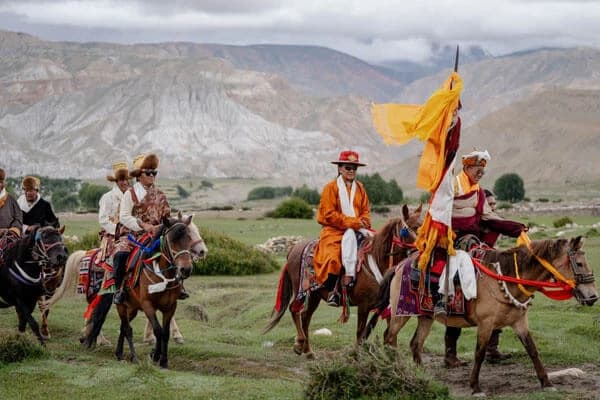
Limi Valley is one of the most isolated trekking regions in Nepal, located in a high-altitude area near the Tibetan border. Villages are widely scattered, and access to roads, communication networks, and medical facilities is extremely limited. Trekkers often travel for many days through harsh mountain terrain where weather conditions can be severe and unpredictable.
Because of the valley’s isolation, altitude sickness, injuries, or sudden illness can quickly become life-threatening. Reaching help by foot may take several days, especially in difficult weather. In such emergencies, helicopter evacuation is the fastest and safest way to transport patients to proper medical care.
Most rescues transfer patients to hospitals in Kathmandu, where advanced treatment is available. For travelers exploring this peaceful but remote Himalayan region, helicopter rescue from Limi valley provides vital life-saving support and ensures help is never too far away.
How the Helicopter Rescue Process Works?
Helicopter rescue in remote mountain areas is carefully organized to make sure injured or sick trekkers get help as quickly and safely as possible. Below is the usual step-by-step process followed during a rescue emergency.
Inform Guide or Lodge Owner
If a trekker feels seriously unwell, injured, or unable to continue walking, the first step is to inform the trekking guide, porter, or lodge owner immediately. These people are experienced in handling emergencies and know what to do next. They will check the situation, provide basic first aid if possible, and help communicate with rescue teams. Quick reporting is very important, because early action can prevent health problems from becoming more serious.
In many trekking areas, guides and lodge owners are the first line of emergency support because they understand the terrain, weather conditions, and available communication options. They may monitor the trekker’s symptoms, help them rest, provide oxygen if available, and decide whether evacuation is necessary. Informing them early also helps avoid delays, especially in remote places where communication networks can be limited.
Contact Trekking Agency & Insurance Company
After understanding the situation, the guide or lodge contacts the trekking agency that organized the trip. The agency then coordinates with the helicopter company and informs the trekker’s travel insurance provider. Insurance confirmation is important because helicopter rescue is expensive, and most evacuations require approval from the insurance company before the helicopter is sent. The agency manages communication and makes arrangements for the rescue flight.
The trekking agency also helps handle paperwork, confirm the trekker’s identity, and provide trip details to the rescue team. They may share location information, altitude level, and weather conditions to help the helicopter crew prepare properly. Good coordination between the guide, agency, and insurance company ensures the rescue process moves smoothly and without unnecessary delays.
Medical Report and Rescue Approval
Before dispatching the helicopter, a basic medical report is usually prepared. This report explains the trekker’s condition, symptoms, and why evacuation is necessary. Sometimes a doctor from a nearby health post or medical professional gives a recommendation. The insurance company reviews this information and provides approval for the rescue. Once approval is received, the helicopter operation can begin.
This step is important because it confirms that the evacuation is medically necessary and not just for convenience. The medical details help rescue teams prepare proper equipment, such as oxygen support or emergency supplies. Clear and accurate information also helps doctors at the receiving hospital get ready for treatment before the patient arrives.
Helicopter Dispatch and Evacuation
After approval, the rescue helicopter is sent to the nearest safe landing spot. In mountain areas, this may be a small open space, helipad, or flat ground near the trekking route. The helicopter crew carefully lands, assists the patient on board, and begins the evacuation. Because helicopters can reach remote areas quickly, this step saves valuable time, especially in serious medical situations.
During the evacuation, safety is the top priority. The crew carefully checks weather conditions, altitude limits, and landing space before approaching. In some cases, only one or two passengers can be carried at a time due to weight and altitude restrictions. Once the patient is secured inside, the helicopter quickly flies toward a medical facility for further care.
Transfer to Hospital (Kathmandu or Pokhara)
After pickup, the helicopter usually flies the patient to a major hospital for treatment, most often in Kathmandu or Pokhara. These cities have better medical facilities, emergency care, and specialists who can handle altitude illness, injuries, and other serious conditions. Once at the hospital, doctors provide full medical evaluation and treatment.
After arrival, the patient may undergo medical tests, observation, or emergency treatment depending on their condition. Hospital staff also communicate with the insurance company and trekking agency to manage further care and documentation. This final step ensures that the rescued person receives professional medical attention and has the best chance of a safe recovery.
Helicopter Rescue Cost in Nepal
Helicopter rescue in Nepal is an essential service for trekkers and climbers in remote mountain areas, but it can be expensive. On average, the cost of a rescue flight ranges from USD 3,000 to 7,000, depending on several factors such as the location, altitude, and distance to the nearest hospital. Rescues from very high-altitude regions, remote valleys, or difficult landing sites often fall on the higher end of this range, while evacuations from areas closer to airports or major trekking hubs may cost less.
Several factors affect the total cost of helicopter rescue. Altitude plays a major role because flying at higher elevations requires special equipment, more fuel, and experienced pilots trained for thin-air conditions. Weather conditions can also increase costs, as pilots may need extra time, alternative routes, or specialized equipment to ensure safety.
Distance and terrain are important too; remote regions like Dolpo, Kanchenjunga, or Manaslu require longer flights, sometimes over difficult mountainous terrain, which adds to the cost. Additional charges may apply if the patient requires oxygen, medical personnel on board, or urgent dispatch during off-hours.
The responsibility for paying the rescue bill usually depends on the trekker’s travel insurance and agreements with the trekking agency. Most travelers are covered by comprehensive travel or trekking insurance, which reimburses helicopter rescue costs, sometimes in full. Without insurance, the trekker or their family must pay the bill directly, which can be financially challenging.
Therefore, it is highly recommended that all trekkers purchase insurance that explicitly covers emergency helicopter evacuation before embarking onhigh-altitude treks in Nepal. This ensures quick access to rescue services without delays due to payment issues.
Travel Insurance for Helicopter Rescue
Travel insurance is essential for high-altitude trekking in Nepal, especially in regions like Everest, Annapurna, and Manaslu, where helicopter rescues are sometimes necessary. Because mountain rescues are expensive and conditions can change suddenly, insurance ensures that trekkers have quick access to medical evacuation without worrying about the full cost. Most trekking agencies and guides also require travelers to have insurance that specifically covers emergency helicopter evacuation, making it practically mandatory for safe and responsible trekking.
When choosing insurance, trekkers should pay attention to the required coverage amount. Ideally, the policy should cover at least USD 5,000–10,000 for emergency helicopter evacuation and related medical treatment. Coverage should include high-altitude trekking, emergency medical care, hospitalization, and transportation to a hospital in Kathmandu or Pokhara. It is important to verify that the policy is valid for the altitude levels of your planned trek, as some insurance plans have maximum altitude limits.
Other important policy considerations include understanding the difference between direct billing and reimbursement. In a direct billing arrangement, the insurance company coordinates directly with the helicopter rescue provider, and the trekker does not need to pay upfront. In a reimbursement process, the trekker must initially pay the full rescue cost and then submit the claim to the insurance company for repayment.
Trekkers should also check for coverage exclusions, pre-existing conditions, and the procedure for emergency assistance. Having the right insurance ensures fast, hassle-free evacuation and access to medical care during critical emergencies.
Government Regulations and Rescue Policies in Nepal
Helicopter rescue operations in Nepal are strictly regulated by the government to ensure safety, efficiency, and accountability. The Civil Aviation Authority of Nepal (CAAN) oversees all helicopter flights, including emergency evacuations. CAAN sets strict standards for pilot qualifications, aircraft maintenance, flight operations, and safety protocols. These regulations help ensure that helicopter rescues are conducted safely even in challenging mountainous terrain, minimizing risks to both passengers and crew.
In addition to aviation rules, trekkers and climbers must also comply with permit requirements for specific regions. For example, areas like Everest, Annapurna, Manaslu, and Kanchenjunga require trekking permits, and some remote regions require special restricted-area permits. Helicopter rescues in these regions are coordinated in accordance with these permits to ensure that flights are authorized and properly documented. Without valid permits, rescue operations can face legal and logistical challenges, delaying timely assistance.
To prevent misuse and protect travelers, the Nepal government and CAAN enforce anti-fraud measures and insurance verification. Helicopter rescues are expensive, and authorities require proof of insurance coverage before approval in many cases. Rescue agencies often verify insurance policies, medical necessity, and rescue requests to avoid fraudulent claims or unnecessary evacuations. These measures ensure that helicopter rescue services remain available for genuine emergencies and that the system is sustainable for both locals and foreign trekkers.
Safety Tips to Avoid Emergency Evacuation
While helicopter rescue is available for emergencies, it is always safer and more cost-effective to prevent situations that require evacuation. Trekkers and climbers in Nepal can follow some essential safety tips to minimize risks and stay healthy during high-altitude journeys.
Proper Acclimatization
Proper acclimatization is one of the most important steps for preventing altitude sickness during high-altitude treks in Nepal. When trekkers ascend too quickly, their bodies may not get enough oxygen, increasing the risk of Acute Mountain Sickness (AMS), High Altitude Pulmonary Edema (HAPE), or High Altitude Cerebral Edema (HACE). These conditions can become serious or even life-threatening if not managed early. To reduce risks, trekkers should plan their itinerary carefully, allowing rest days at key points so the body can gradually adjust to thinner air.
It is also essential not to skip acclimatization stops and to monitor physical symptoms at each stage of the trek. Simple measures such as walking slowly, resting frequently, and listening to your body can make a big difference in preventing altitude-related health problems. Gradual ascent combined with proper rest and hydration can significantly reduce the likelihood of needing an emergency evacuation, allowing trekkers to enjoy the mountains safely.
Choosing Experienced Guides
Choosing experienced guides is a crucial step for staying safe during high-altitude hiking in Nepal. Skilled guides are familiar with the trails, local conditions, and potential hazards, which allows them to assess terrain and plan the pace of the trek appropriately. Their experience helps prevent overexertion and ensures that the group maintains a safe and manageable schedule, especially in remote or challenging areas.
Experienced guides are also trained to recognize early signs of illness or fatigue, such as headaches, dizziness, or shortness of breath. They can make quick decisions to provide first aid, adjust the trekker’s pace, or initiate an emergency evacuation if necessary. Having a knowledgeable guide not only increases safety but also boosts confidence which makes it easier for trekkers to navigate difficult sections and enjoy the journey with peace of mind.
Recognizing Early Symptoms of Altitude Sickness
Recognizing the early symptoms of altitude sickness is vital for preventing serious health problems during high-altitude hiking. Symptoms such as headache, nausea, dizziness, shortness of breath, or extreme fatigue can indicate that a trekker is developing Acute Mountain Sickness (AMS) or more severe conditions like HAPE or HACE. Paying close attention to these warning signs allows trekkers to take action before the situation worsens.
Early recognition enables immediate measures such as rest, hydration, or descending to a lower altitude, which can significantly reduce the risk of needing a helicopter evacuation. Trekkers should also keep an eye on their group members, as some people may hide symptoms or not realize the seriousness of their condition. Prompt attention to early signs ensures safety and helps everyone continue the trek more confidently.
Staying Hydrated and Prepared
Staying properly hydrated and well-prepared is key to avoiding exhaustion and dehydration on high-altitude treks. Trekking in the mountains can be physically demanding, and cold, dry air increases fluid loss from the body. Drinking enough water, eating nutritious meals, and taking regular breaks help maintain energy levels and prevent minor health issues from becoming serious problems.
Being prepared also means carrying essential gear such as warm clothing, first aid kits, and supplemental oxygen if available. Additional items like trekking poles, sturdy shoes, and layered clothing allow trekkers to handle rough terrain and sudden weather changes safely. Good preparation not only reduces the risk of emergencies but also makes the trekking experience more comfortable and enjoyable.
Checking Weather Forecasts
Checking weather forecasts before and during a trek is an important step to ensure safety in the mountains. Sudden changes, such as snowstorms, heavy rain, or strong winds, can make trails slippery, reduce visibility, and increase the risk of accidents or altitude-related illnesses. Being aware of weather conditions allows trekkers to plan their daily routes more safely and avoid dangerous areas.
Trekkers should be ready to adjust their plans based on updated weather information, including delaying or rerouting sections of the trek if conditions become unsafe. Following this practice, along with other safety measures like proper acclimatization and staying hydrated, helps minimize emergencies. Overall, paying attention to weather forecasts ensures a safer, smoother, and more enjoyable trekking experience in Nepal’s high mountains.
Conclusion: Helicopter rescue in Nepal
Helicopter rescue in Nepal is a critical lifeline for trekkers, climbers and locals who face emergencies in remote and high-altitude regions. The country’s rugged terrain, unpredictable weather, and long distances from hospitals make traditional ground evacuation often impossible or too slow. Helicopters provide a fast, reliable and sometimes life-saving solution, transporting sick or injured individuals directly to medical facilities in cities like Kathmandu and Pokhara.
Ultimately, helicopter rescue is not just a convenience, it is an essential part of the safety system in Nepal’s high-altitude regions.
For trekkers, climbers, and adventure travelers, understanding how the process works, carrying adequate insurance, and following safety precautions can make the difference between a manageable health issue and a life-threatening emergency. With these measures in place, travelers can enjoy the breathtaking beauty of the Himalayas while knowing help is never far away.