

Somewhere between the excitment and the winding mountain roads, that one quiet thought sneaks in, "Am I actually going to do this?"
This bungee jumping package to Bhote Koshi River is designed to take you through that exact journey, from hesitation to pure adrenaline. By the time you arrive at The Last Resort, reality kicks in. The roar of the river is louder than expected, the deep gorge looks nothing like a photo anymore, and suddenly it feels less like a tour and more like a real challenge staring back at you.
Before your jump, you’ll watch others go first, this is where the experience really begins. Some scream so loudly you can hear their voice disappear into the valley. Some come back up laughing, still shaking with adrenaline. And some go completely silent, red-faced and wide-eyed, still processing what just happened.
It’s that split second when you step forward while your mind is still debating… standing right at the edge of “should I?”. A reminder that some of the biggest experiences in life begin exactly where comfort ends.
And this guide will walk you through everything you need to know, from what to expect, to how the experience flows, so you can focus less on fear and more on the thrill of it.
Bhote Koshi Bungee Jumping Profile
Nepal is one of the world’s top destinations for adventure tour, and bungee jumping at Bhote Koshi River is among its most iconic experiences. The jump is considered one of the highest in the world, with a drop of around 500 feet (about 160 meters). It was first opened in 1999 and quickly became a benchmark for adventure tourism in Nepal due to its raw natural setting and extreme height.
Located around 3 hours from Kathmandu and close to the Tibet border near the Friendship Bridge, the jump takes place from a 166-meter-long Swiss-designed suspension bridge at The Last Resort. The bridge is engineered with extremely high load capacity and built using thousands of meters of steel wire, designed to handle heavy dynamic stress while spanning a deep Himalayan gorge. Before the bridge existed, crossing the valley reportedly took locals several hours on foot, showing just how dramatic and inaccessible the terrain is.
The jump system uses high-quality elastic cords made of multiple rubber strands, designed to stretch several times their original length to safely absorb the fall impact. The operation is managed by experienced international jump masters, and strict safety systems are followed throughout the process. With no major recorded incidents, it remains one of the most professionally run bungee sites in the region, combining extreme adventure with controlled safety standards.
Major Highlight of Bungee Jumping
- Plunge of around 160 meters (525 ft) into a deep Himalayan gorge over the Bhote Koshi River
- One of Nepal’s longest-running and most iconic bungee jump experiences
- Bridge built with high load capacity and strong safety engineering standards
- Situated in a dramatic natural setting surrounded by Himalayan landscapes
- One of the most intense adrenaline experiences in Nepal
- Can be combined with other activities like canyon swing for extra thrill
- Combines extreme height, natural scenery, and controlled safety systems for a unique experience
Cost of Bhote Koshi Bunjee Jumping in Nepal
The price of bungee jumping at Bhote Koshi River varies based on nationality and type of booking. The most popular jump is operated from The Last Resort, which is known for its 160-meter drop into a deep Himalayan gorge.
- Nepali citizens: NPR 7,500 – 9,000
- SAARC / Chinese nationals: NPR 9,900 – 12,000
- Foreigners: USD 75 – 130 (approx. NPR 10,000 – 17,000)
The cost mainly reflects the operational standards, international safety setup, and the unique geography of the jump site. Because the activity is conducted over a natural river gorge with a specially engineered suspension bridge, pricing is higher compared to normal adventure activities in Nepal. Seasonal demand also affects the price, with peak trekking and tourist months often seeing higher bookings and limited availability.
Are There Different Routes for Bungee Jumping in Nepal?
Yes, bungee jumping in Nepal has different routes depending on the location you choose, and each route offers a completely different travel experience. The most popular route is to Bhote Koshi River, where travelers usually depart from Kathmandu and drive through winding highways, riverside roads, and hillside villages before reaching The Last Resort. This route is known for its raw and intense atmosphere, where the journey itself slowly builds anticipation before the jump over a deep river gorge.
Another major route is toward Kushma Bungee Jump in the Kali Gandaki region. This route takes longer and moves deeper into western Nepal, passing through valleys, highway towns, and open mountain landscapes. The Kushma bungee is currently the highest bungee jump in Nepal (228 meters) and second highest in the world. Compared to Bhote Koshi, the scenery here feels wider and more dramatic, with a massive gorge setting that creates a different kind of visual impact before the jump.
There is also a shorter and more relaxed route to the Pokhara region, where bungee activities near Pokhara are combined with other adventure sports like ziplining and canyon swings. This route is more tourism-focused, with easier travel conditions and scenic views of hills and nearby mountains, making it less extreme in journey intensity but still enjoyable for first-time adventurers.
Transportation Options
Reaching the bungee jump site at Bhote Koshi River/ The Last Resort is fairly straightforward from Kathmandu, and most travelers complete it as part of a same day round trip adventure.
Private Vehicle (Car / Jeep)
This is the most comfortable and flexible option. Travelers can hire a private car or jeep from Kathmandu, allowing breaks along the way and a more relaxed journey. It is ideal for groups or travelers who prefer privacy and convenience. Travel time is usually 3 to 4 hours, depending on road and traffic conditions.
Shared Tourist Transport
Many operators arrange shared tourist vehicles as part of the bungee package or on request. This is a more budget-friendly option where you travel with other participants heading to the same destination. The timing is usually fixed, and departure is early morning from Kathmandu.
Public Transport (Bus + Local Transfer)
For budget travelers, it is possible to take a local bus from Kathmandu toward the Arniko Highway route and then arrange a short local transfer to reach the site. However, this option is less convenient, slower, and not commonly recommended for first-time visitors due to multiple transfers and longer travel time.
The journey follows the scenic Arniko Highway, passing rivers, hills, and small towns. While most of the road is paved, some sections can be winding or slightly rough, especially during or after the monsoon season. Despite this, the drive is visually rewarding and gradually builds anticipation as you get closer to the gorge.
What Travelers Can Expect from Bhote Koshi Bungee Jumping in Nepal?
Bungee jumping in Nepal, especially at Bhote Koshi River and The Last Resort, is not just a simple adventure activity, it’s a full emotional and physical experience that builds from the moment you start the journey from Kathmandu.
Build-Up of Anticipation
Most travelers start their journey with pure excitement during the road trip from Kathmandu. At first, it feels like just another adventure plan, music, conversations, and scenic views along the highway. But slowly, as the road winds deeper toward Bhote Koshi River, the mood begins to shift. The landscapes become steeper, the river gets louder, and the reality of what you are about to do starts sinking in. What once felt like a fun activity begins to feel real, physical, and slightly intimidating.
Arrival & First Impression
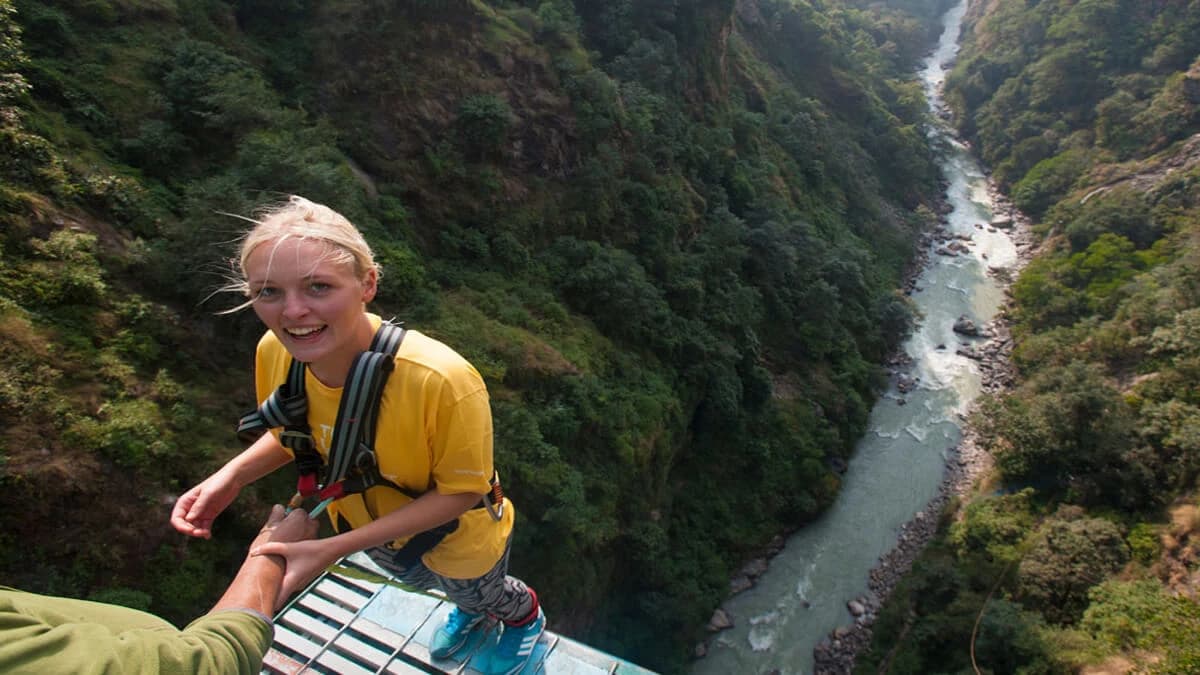
When you finally arrive at The Last Resort, the environment hits differently. The first thing you notice is the depth, an enormous gorge cutting through the land, with a powerful river rushing far below. Then you see the suspension bridge stretching across it, and everything suddenly feels more serious than expected.
This is usually the moment where excitement and fear meet. You’re still curious, still excited, but now there is also a quiet awareness: this is not just an activity, this is height, real height.
Watching Others Jump
Before your turn, you stand and watch others go first and this becomes one of the most influential parts of the entire experience. Every jump tells a different story.
Some people scream the moment they step off, their voices echoing into the gorge. Some return laughing uncontrollably, still shaking, trying to explain what just happened but not finding the words. Others come back completely silent, eyes wide, taking a few seconds just to process reality.
Watching these reactions changes your own mindset. It’s no longer abstract anymore, you are not imagining it, you are seeing it happen in real time. And slowly, your confidence starts negotiating with your fear.
Mental Pressure Before the Jump
As your turn gets closer, something subtle but powerful happens. The environment doesn’t change, but your perception does. The sounds around you feel sharper. Conversations fade into the background. Even the wind and river feel louder than before.
This is where hesitation becomes natural, even for experienced or confident travelers. It is no longer about physical strength, it becomes a mental moment. A decision under pressure. Your brain starts replaying the jump again and again, even though nothing has started yet. And in this stage, fear doesn’t shout, it whispers.
The Jump Moment
When your name is called, everything compresses into a few seconds. You step forward, and suddenly there is no more thinking, only awareness.
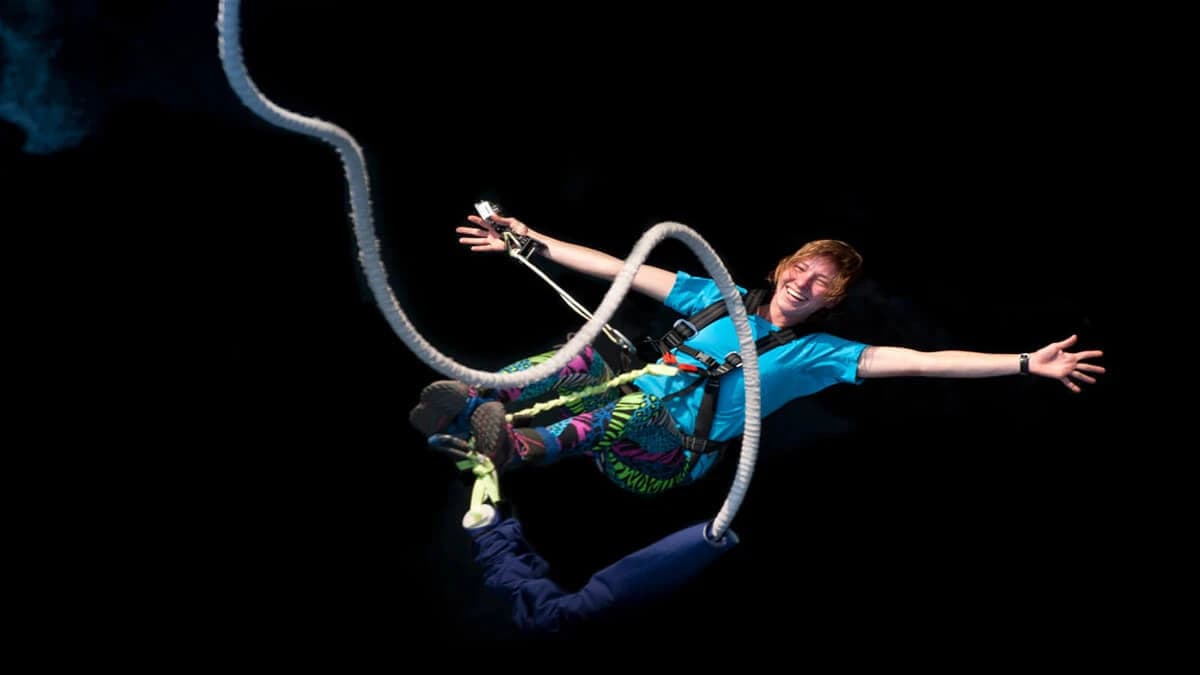
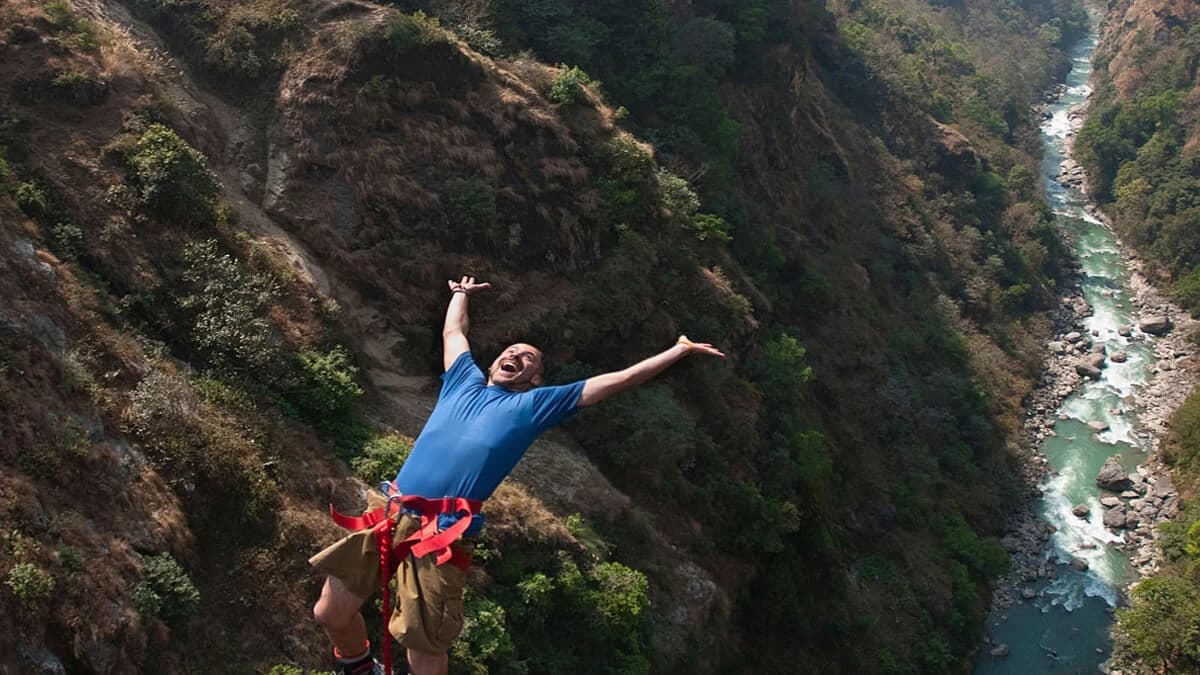
The actual jump is extremely short, but it feels stretched in perception. For a brief moment, there is no control, no ground, no direction, just free fall, wind, and speed. It feels overwhelming, fast, and strangely quiet inside your mind. Not because it is calm, but because there is no time left to process anything. And then, it ends almost as quickly as it begins.
After Landing
After the jump, the reaction is never immediate or uniform. Some people start laughing instantly, as if releasing everything at once. Some stay still, breathing heavily, still trying to understand what just happened. Some don’t speak for a few moments, just sitting in silence. This pause is important, it’s your mind catching up with your body.
Slowly, relief replaces tension. Excitement replaces fear. And finally, pride settles in. Not loud pride, but a quiet one. And most travelers end with the same realization: it felt bigger in the mind than it was in the momentbut it will always feel unforgettable afterward.
Whom Bhote Koshi Bungee Jumping is Suitable For?
Bungee jumping at Bhote Koshi River is suitable for people who are physically healthy and mentally ready for a high-adrenaline experience. It is best for adventure seekers who enjoy activities like trekking, rafting, canyoning, or anything that pushes them slightly out of their comfort zone. The experience is less about physical strength and more about the ability to handle fear, height, and the sudden decision of stepping off the edge.
It is also suitable for first-time adventure travelers who want to try something extreme for the first time, as long as they are confident enough to follow safety instructions and manage nervousness in high-pressure moments. Many people do bungee jumping without any prior experience in extreme sports, making it one of the most accessible adrenaline activities in Nepal.
Why Choose the NTR Team for Bhote Koshi Bungee Jumping?
Choosing the NTR (Nepal Trekking Route) team for bungee jumping at Bhote Koshi River means going with a group that prioritizes safety, professionalism, and smooth coordination from start to finish. The jump experience at The Last Resort is already intense, and having an experienced team ensures everything is handled properly so you can focus on the experience instead of worrying about logistics.
The NTR team is known for organized briefing, clear instructions, and structured jump procedures. From the moment you arrive, they guide you through registration, safety checks, harness fitting, and pre-jump instructions in a simple and understandable way. This is especially important for first-time jumpers who may feel nervous or unsure before stepping onto the bridge. The team works with trained jump masters, proper equipment, and strict procedures to ensure each jump is controlled and secure. Weight checks, group allocation, and final harness inspections are all carefully managed before the jump. Beyond safety, the NTR team also focuses on making the overall experience smooth and memorable.


