Saribung Pass Trek

Some treks in Nepal feel like a beautiful holiday. Saribung Pass feels more like the mountains looked at your comfort zone and said, “not today.” It is wild, remote, high, and honestly a little ridiculous in the best way. This is one of the most remote trekking routes in Nepal, connecting Upper Mustang with the hidden Nar Phu Valley through the brutal but beautiful Saribung Pass at 6,042 meters. It is not a soft, scenic vacation trek.

Most people write “The Saribung Pass Trek is a hidden gem in Nepal” and call it a day. That’s lazy. This trek deserves better because Saribung Pass is not just another trekking route in Nepal. It feels more like walking into a forgotten world, where the landscape keeps changing and trekkers keep getting amazed.

Saribung Pass trek is a proper high altitude trek in Nepal with rough trails, big elevation, long walking days, and landscapes that go from dry Mustang desert to glacial mountain wilderness without asking if your knees are okay. If you are looking for a serious Nepal trekking adventure that feels raw and different from the usual routes, this one gets your attention fast.

If you are looking for a remote trek in Nepal, an offbeat Himalayan trekking route, or a real Upper Mustang adventure, this trail changes the way you think about trekking. The Saribung Pass Trek in Nepal is tough and challenges you physically. That is also what makes it feel worth it. The remoteness is real, not something someone made up for marketing. Out there, surrounded by dry Mustang terrain and high mountains, it becomes clear this is not a trek for everyone. And that is exactly why it stands out.

Saribung Pass Trek Overview 

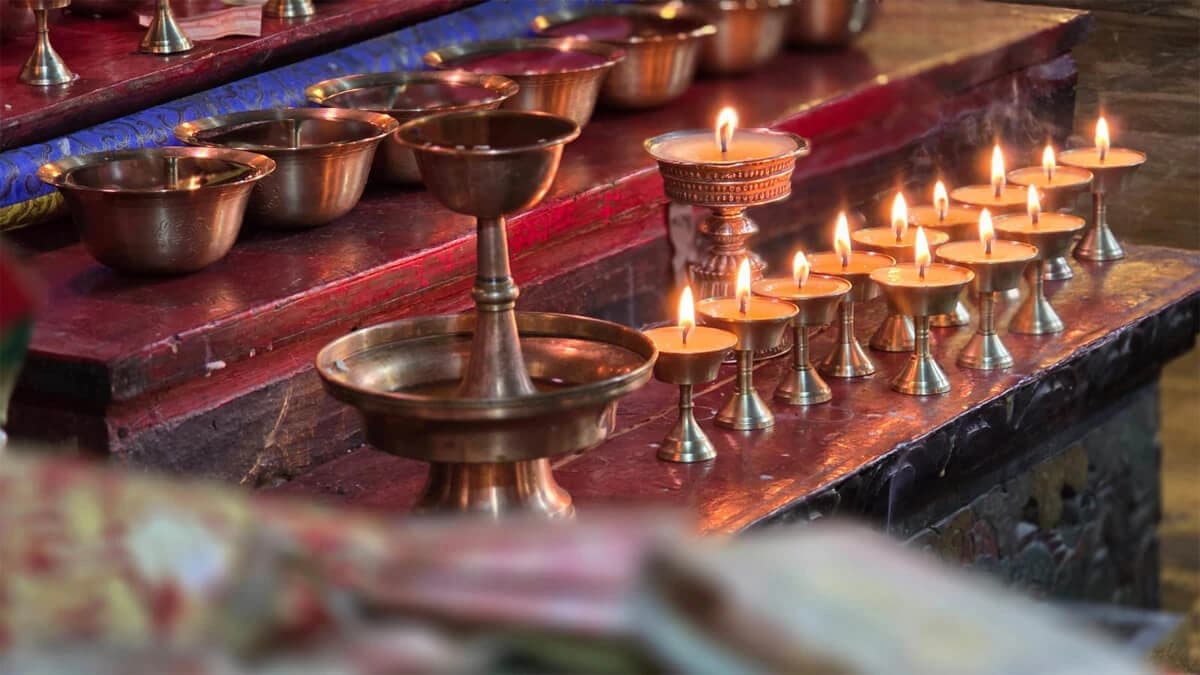
The Saribung Pass Trek in Nepal is a remote trail which starts in the Manang District that leads to the Nar Phu Valley and the high Himalayas near Upper Mustang. It crosses Saribung Pass at 6,042 meters, one of the least visited high passes in Nepal. The trek usually starts from Manang and follows old paths that traders used for centuries. Along the way, you walk through small Tibetan-style villages, see prayer walls and monasteries, and experience the culture that has stayed unchanged for decades.

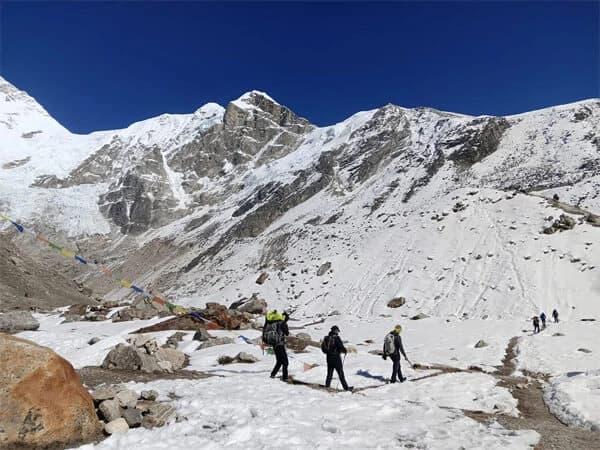
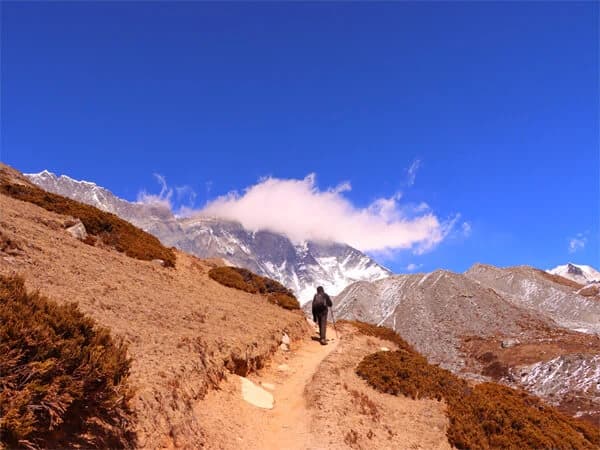
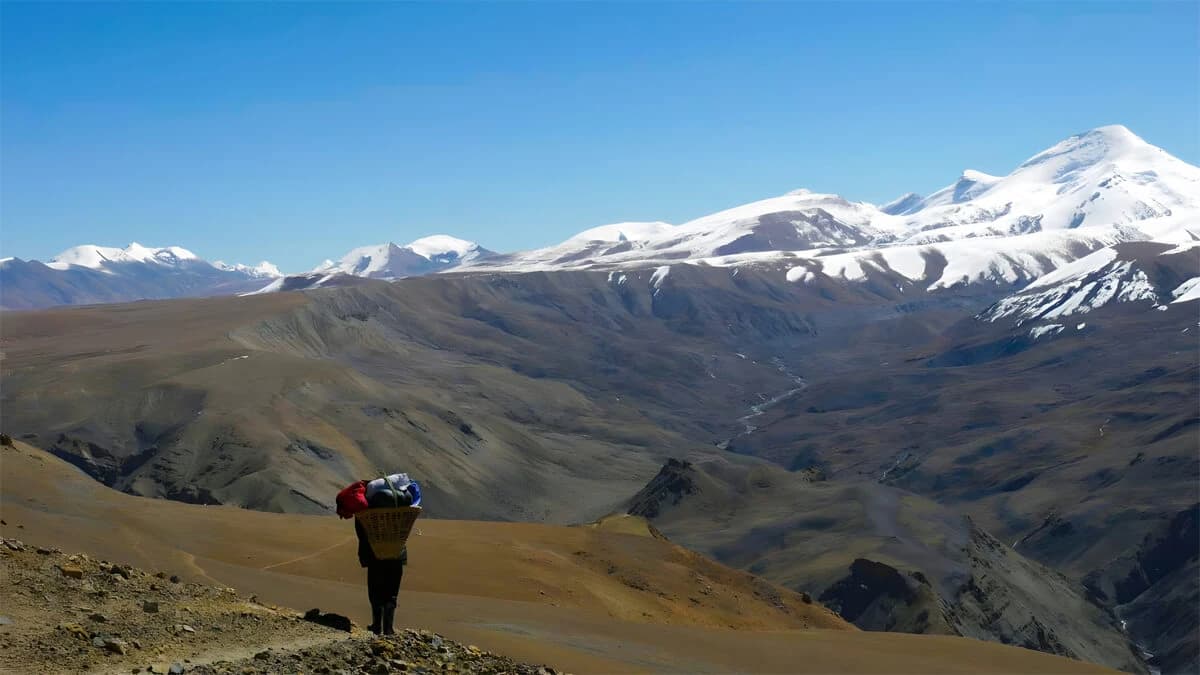
The landscape changes as you climb. Lower sections have villages, fields, and grazing areas. Higher up, the land becomes rocky, barren, and windswept, with glaciers, and wide mountain valleys. Crossing Saribung Pass definitely is the main highlight of the trek. After the pass, the trail descends toward Nar Phu Valley, which feels completely isolated and untouched.

This trek is one of the best offbeat trekking routes in Nepal. It gives a real sense of the Upper Mustang adventure, with high mountains, remote villages, and authentic Tibetan culture. Anyone looking for a remote Himalayan trekking experience will find this trail carved in their mindset for years after visiting it.

Trek Highlights 

  • Crossing Saribung Pass at 6,042 meters, which feels very remote.
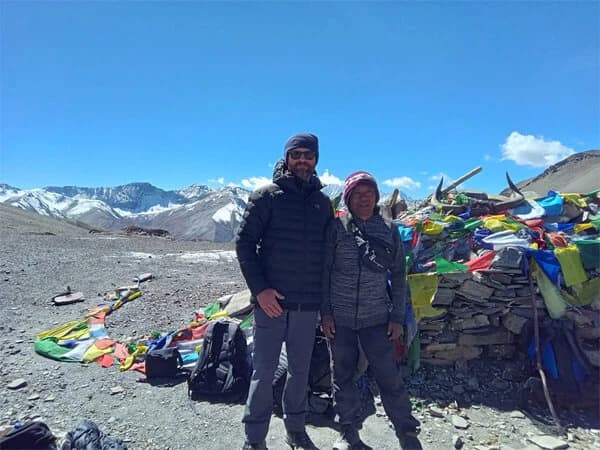
  • Passing through tiny Tibetan style villages with prayer flags, mani walls, and old houses.
  • Exploring the Nar Phu Valley, which is barely visited and feels completely alone.
  • Walking on rocky paths and open areas with small rives along the way.
  • Following ancient trails that traders have used for hundreds of years.
  • Seeing Tibetan Buddhist culture up close in monasteries and everyday village life.
  • Getting views of Annapurna and other Himalayan peaks at different points on the trail.
  • Trekking a quiet, off-the-beaten-path route far from the busy Annapurna Circuit or Everest Base Camp.
  • Watching the landscape change from fields and villages in the lower areas to open, high mountain terrain near the pass.
  • Experiencing a real Himalayan adventure that feels remote, authentic, and memorable.

Saribung Pass Trek Cost in Nepal

The Saribung Pass Trek costs quite a bit because it’s remote, high, and not easy to organize. For a proper trek with a local guide, porter, permits, food, transport, and camping or teahouse stays, expect to spend around 3500 to 5000 USD per person.

Prices can go up or down depending on group size, the season, how many days the trek takes, and the kind of services chosen. The permits alone for Nar and Phu areas and restricted zones add a few hundred dollars, so it’s not something to cheap out on. This is a serious high altitude trek, and the price pretty much reflects the effort, safety, and planning it takes to actually do it properly.

22-Day Saribung Pass Trek Itinerary

This 22 day Saribung Pass trek itinerary is basically your ticket to see Upper Mustang like very few people do. You start in Kathmandu, fly to Jomsom, and then walk through tiny villages, monasteries, and trails that feel completely untouched. Along the way, you will meet locals, explore Lo-Manthang and Phu Gaon, and cross some snowy passes that are a real adventure to get over. Nights are simple in teahouses or tents but that is part of the charm, and the food keeps you fueled for the next day. With a local guide from Nepal Trekking Routes, you can slow down, take detours, or just hang out in a village if you want. 

Best Saribung Pass Trek Packages 

When it comes to the Saribung Pass Trek in Nepal, there are a few ways people usually go about it. The simplest option is the standard package. You stay in local teahouses, get your meals along the way, and have a guide who knows the trails. Honestly, most people pick this because it takes all the stress out of planning each stop. The teahouses are run by local families, so it feels authentic and you actually get to see how people live in these remote Himalayan villages.

Some people like the camping package for the Saribung Trek. With this, a support team carries the tents, food, and gear. You get to sleep in quieter spots where there are no teahouses around. It is a little more effort, but it makes the trek feel more real. You end up in places that few other trekkers ever see, which is part of the charm.

Then there are private and group packages. A private package is just for your group, so the guide and porter focus only on you. You can go at your own pace and stop wherever you want. Group packages bring a few trekkers together. They are usually cheaper and can be fun if you like sharing stories and views with other people on long days.

Some longer Saribung Pass trek packages are designed for people who want a slower pace or want to take photos. They include extra time at Tibetan style villages, mani walls, monasteries, and viewpoints. There are also options with better teahouse rooms and extra meals if you want a bit more comfort without losing the remote Himalayan experience.

Permits Required for the Saribung Pass Trek in Nepal

Alright, before you actually start walking the Saribung Pass Trek in Nepal, you need to sort out a few permits. Don’t worry, it’s not a big deal. Once you have them, you’re basically free to enjoy the mountains and the quiet trails.

Annapurna Conservation Area Permit (ACAP)

If you are starting the Saribung Pass Trek from Manang, the first thing you need is the Annapurna Conservation Area Permit, or ACAP. Almost everyone trekking in the Annapurna region needs this. It helps protect the mountains, wildlife, and local communities. You can get it in Kathmandu or Pokhara, but if you are booking a trek through an agency, they usually handle it for you. Make sure to carry it with you at all times because rangers can ask to see it on the trail.

Trekkers’ Information Management System (TIMS)

The TIMS card is another must have. Think of it as a way the authorities keep track of trekkers. For the Saribung Pass Trek, if you are starting from Manang, you will need one. Independent trekkers can get it in Kathmandu or Pokhara. If you go through a trekking company, they will arrange it for you, so you do not have to worry about it. Always keep it with your ACAP because it is checked on the trail.

Restricted Area Permit for Nar Phu and Upper Mustang

Here is the important one for Saribung Pass. Part of the trek goes through restricted areas, including the Nar Phu Valley. You cannot enter without a restricted area permit. It makes sure tourism is controlled and that local people benefit from visitors. Most trekking agencies include it in their packages. If you are doing it independently, you can get it in Kathmandu before starting the trek. Rangers will check it before you enter the Nar Phu side, so carry it safely with your other permits.

Major Attractions of the Saribung Pass Trek | Remote Adventure Trek in Nepal

The Saribung Pass Trek is not for easy walks or luxury lodges. It is tough, remote, and full of challenges. Long walking days, cold winds, and high passes test endurance, but the experience is unforgettable and feels more like a proper adventure trek in Nepal than a normal holiday.

Saribung Pass Crossing

The main highlight of the trek is crossing Saribung Pass at 6,042 meters. The climb can feel endless at times, especially when the wind picks up or snow covers the trail. It is physically demanding, but reaching the top gives a real sense of achievement. The pass is what makes this trek different from the usual trekking routes in Nepal.

Nar and Phu Villages

The route goes through the Nar and Phu valleys. These villages are small, quiet, and feel very remote. Stone houses, narrow trails, and traditional lifestyles make it feel like you have stepped back in time. The villagers’ way of life adds a lot to the adventure and gives a true sense of what a remote trek in Nepal really feels like.

Local People and Their Hospitality

One of the most memorable parts of the trek is the locals. Villagers are warm, friendly, and often offer tea, snacks, or just a chat. Even a small gesture like sharing a cup of butter tea can make a long day feel lighter. Their hospitality leaves a lasting impression and makes the remote areas feel welcoming.

Tibetan Culture and Monasteries

Small monasteries, chortens, and prayer walls appear along the trail. Tibetan culture here is real and untouched by tourism. Visiting these places adds depth to the trek because it is not just about mountains, it is also about people, history, and traditions.

Remote and Quiet Trails

Most of the trail is quiet and peaceful. Crowds are rare, and the villages are calm. Silence becomes part of the experience. This is perfect for anyone looking for an offbeat trek in Nepal where nature takes center stage.

Mountain Views and Landscapes

The scenery is raw and dramatic. Wide Himalayan views, glacier sections, and open valleys dominate the trek. The landscapes are not always picture-perfect, but that is exactly what makes the trek feel real. It feels wild and truly adventurous, just like a proper adventure trek in Nepal should feel.

Camping and Adventure Feeling

Some sections require camping. It is not a teahouse trek all the way. Camping gives a sense of expedition and makes the trek feel more authentic. It is not always comfortable, but it adds to the adventure and gives a stronger sense of being in the mountains.

Who Is the Saribung Pass Trek Best For?

The Saribung Pass Trek is for trekkers who already know what a hard trek feels like. If you’ve only done short or easy hikes in Nepal before, this is probably not the one to test yourself on. It’s a tough high altitude trek in Nepal with long walking days, basic conditions, cold nights, and very remote trails. Some days will feel amazing, and some days will just feel hard. That’s the truth.

This trek is more suitable for people who want a proper adventure trek in Nepal and are okay with discomfort, uncertainty, and being far from the usual tourist routes. If you want something raw and challenging, this trek makes sense. If you want comfort, this is the wrong trek.

Why should travelers choose Nepal Trekking Routes?

We’re a local company based right here in Nepal, and we’ve been showing trekkers around for years, so we really know the trails. Every trek can be tailored exactly how travelers want it. Safety is always top priority, and we make sure every trip gives real value for money. The villages, mountains, and trails are amazing, and we take care of all the little details so the adventure is easy and fun. Book with us to get some personalized services while trekking in Nepal.

Itinerary

This is a 22-day trek to Saribung Pass, one of the most remote and beautiful trails in Nepal. You will walk through small villages, high mountain paths, and quiet campsites, seeing parts of the Himalayas that few people get to visit. The trek moves at a steady pace so you can enjoy it and adjust to the altitude.

The trek has some amazing highlights. You will cross the snowy Saribung Pass, visit the holy Damodar Kunda lake, explore villages like Phu Gaon and Meta, and see high peaks all around. You will also get to meet local people and visit old monasteries.

Nepal Trekking Routes can make the trek just how you want it. You can change the pace, spend more time in villages, or add extra stops. Being a local company, we make sure you are safe, comfortable, and get a real experience of the trek without paying extra for things you don’t need.

Trip PlanExpand All

Welcome to Nepal! One of our representatives from Nepal Trekking Routes will meet you at the airport and bring you to your hotel. Take the day easy, settle in, and maybe step outside to grab a tea or see a little of the city. Kathmandu can feel busy, but it’s exciting, and this is your first taste of Nepal. 

Today you will get all your permits ready for the restricted areas before the trek. After your breakfast, our team will help you complete the paperwork so everything is ready for the journey ahead. Once that is done, you will take a short flight to Pokhara. From the plane, you will see the Himalayan peaks and the Kali Gandaki valley, giving you your first real view of the mountains.

After arriving in Pokhara, you will meet the trekking team and check your gear to make sure everything fits your needs. The rest of the day is free to relax, walk by the lake, or enjoy a quiet cup of tea while taking in the fresh mountain air. 

After breakfast, you will head to the airport for the short flight to Jomsom. From the plane, you can look out and see the mountains and the river valley below. When you land, the trek begins along the river.

Today’s walk is easy, mostly flat, so you can settle into your pace and get used to being on the trail again. Along the way, you will pass small villages, simple houses, and a few monasteries where monks live.

In the afternoon, you will reach Kagbeni. It is a quiet village with narrow streets and old stone buildings. You can check into your lodge, have some tea, and just enjoy the view around you.

After breakfast, you will start walking from Kagbeni along the riverbank. The path is easy at first, and you can enjoy looking at the small villages and the stone houses along the way. You will pass colorful chortens and mani walls that show the local culture. The trail climbs gradually as you move toward Chele. There are some rocky sections to watch your step on, but nothing too difficult.

Chele is a quiet village with a few teahouses where you can rest for the night. Once you arrive, you can relax, have a warm meal, and chat with other trekkers or the local hosts. The calm of the village and the open surroundings make it easy to feel the start of the Mustang region.

After breakfast, you will start walking uphill from Chele. The trail isn’t too hard, but there are a few rocky spots, so watch your step. You will pass small farms and stone houses where locals keep yaks and goats, and sometimes children wave or shout a greeting as you pass. Around mid-morning, you will reach Rachung Cave. It’s an old monastery carved into the cliff and the paintings inside are faded but still interesting. People have been coming here for hundreds of years, so it feels a little different from the villages you’ve seen so far.

After spending some time there, you will follow the river and continue climbing gently until you reach Syangboche. The village is quiet and simple, with a few lodges where the owners might offer you tea and stories about their life here. You can make yourself comfortable, stretch your legs, and watch the mountains around you while the sun changes colors in the late afternoon.

After breakfast, you will leave Syangboche and follow the trail that winds through small valleys and open ridges. Today you will notice the change in landscape as the mountains start to feel closer and the air a little thinner. Along the way, you might see local shepherds moving their flocks across the trail or colorful prayer flags marking small shrines. There are a few short, steep climbs, but they are manageable if you pace yourself.

You will pass a small stream where the water is clean and cold enough to sip if you want. By mid afternoon, you will reach Dhakmar, a tiny village located on a slope. The lodges are simple, and the local families are curious but friendly, often inviting trekkers to peek inside their homes. Overnight.

After breakfast, you will leave Dhakmar and follow the trail over a couple of small passes. The path has some rocky spots, so take your time and watch your step. You will pass a few isolated houses and small shrines with prayer flags along the way. Stop at Ghar Gompa, one of the oldest monasteries in Mustang, and spend a few minutes looking at the old paintings and prayer wheels.

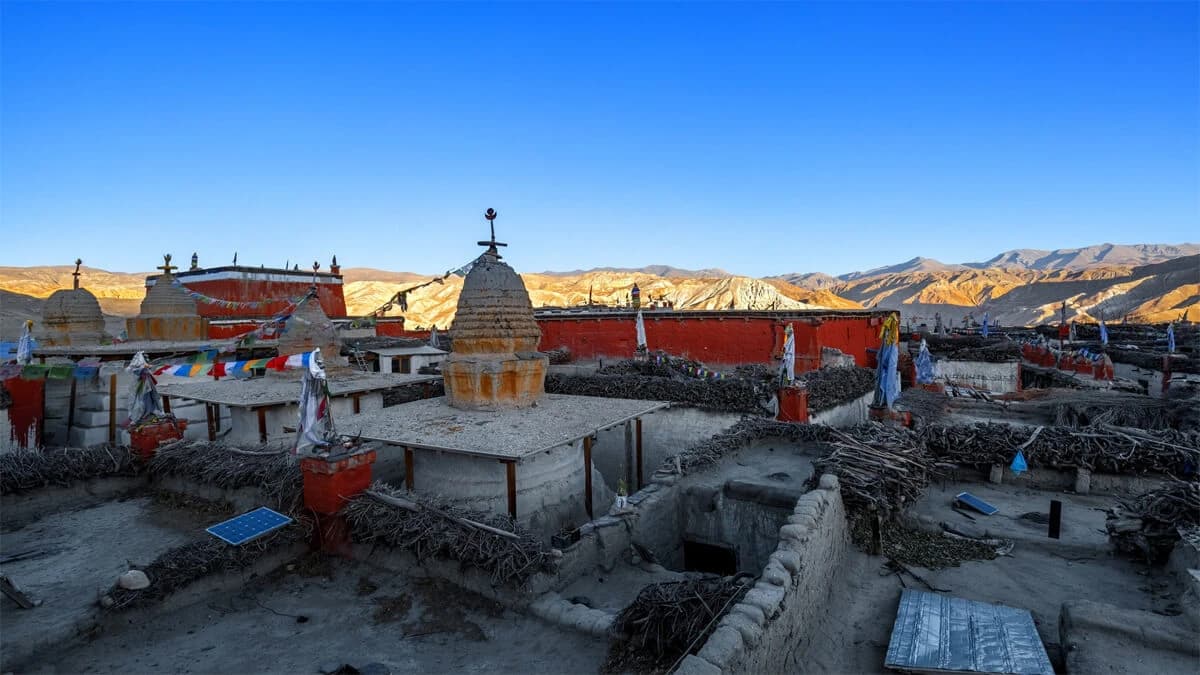
After the monastery, the trail goes downhill and leads to the walled city of Lo Manthang. The narrow streets, stone houses, and quiet courtyards show how life has stayed the same here for a long time. Once you reach the village, you can explore the streets, talk to locals, and get a feel for the daily life in this unique city.

Today you can take it easy and explore around Lo-Manthang. After breakfast, you will walk through the old streets, check out the palace and a few monasteries, and get a feel for how people live here. Later, you will head to Chhosar village, which is small but interesting.

You can visit Niphu Monastery and see Jhong Cave, which is huge and has a bunch of rooms built into the cliff. Walking around, you will notice the local houses, small fields, and maybe some yaks or goats wandering by. It’s a relaxed day where you can take your time, take photos, and really learn the culture and the quiet of this part of Mustang before the trail moves on tomorrow.

After breakfast, you will leave Lo-Manthang and start heading toward Lo-La Pass. The trail goes up and down a bit, and there are some loose stones, so just watch your step and take it slow. You will pass small fields and a few houses where locals live with their yaks and goats. Sometimes kids might wave at you or call out hello, which makes the walk feel lively.

After a few hours, you will reach Dhi village, then continue along a narrow path until Yara. Yara is tiny, quiet, and feels very different from Lo Manthang. The lodges here are simple, but the people are warm and curious. Get enough rest cause you deserve it.

After breakfast, you will leave Yara and start walking along the valley. The trail climbs slowly, and you might notice small rivers or patches of loose rocks, so pay attention to your footing. The landscape is silent, with a few fields and stone walls where locals grow barley or keep animals. After a couple of hours, you will reach Luri Cave Monastery.

The monastery is carved into the cliff, and inside you can see old Buddhist statues and some faded paintings. It is a small but important place for the local people, so it feels different from the villages. The lodges here are very basic, just enough for a bed and a meal, but the locals are friendly and sometimes share stories about the monastery. After you arrive, you can rest, have lunch, and walk around the small area near the monastery before preparing for the next day’s climb.

After breakfast, you will start walking up from Luri. The trail goes through wide open fields and some rocky patches, so just watch your feet. The air will feel thinner than the last few days, and it might make you breathe heavier, but that’s normal. You will probably see a few shepherds with yaks or goats moving around, and sometimes their dogs will bark at you as you pass.

There is almost no one else around, so it can feel very quiet, just you, the mountains, and the trail. By the afternoon, you will reach Ghuma Thanti. There are no buildings here, just tents for camping, and the small streams nearby gives you water if you need it. It’s a good spot to rest, eat, and get ready mentally for the higher passes coming up.

After breakfast, you will start early because today is a long day and the trail goes higher than before. The path is steep in places, and some parts have snow or loose rocks, so keep an eye on your feet. You might bump into shepherds moving their yaks or see patches of frozen water along the trail. Around mid morning, you will reach Damodar Kunda, the holy lake. People come here to pray, so it’s quiet, and you can just sit for a few minutes if you want.

After that, the trail goes downhill a bit toward Namta Khola. The campsite is simple, mostly tents, and the stream nearby gives water if you need it. It can feel a bit cold and windy, so get your gear ready, but it’s a good place to rest and talk with the guides about tomorrow’s climb.

After breakfast, you will start walking along the trail that follows the edge of the glacier. The path goes up and down a little and has some rocks and patches of snow, so just take it slowly and keep your balance. The mountains feel closer today, and you can see peaks all around. You might notice the air is a bit thinner, so breathe slowly and enjoy the quiet around you.

Along the way, there are small water ways where you can refill water and stop for a quick break. In the afternoon, you will reach Saribung Base Camp. It’s just tents here, and the area is peaceful except for the sound of the wind or the distant mountains. Take your time to rest, have a meal, and get ready for tomorrow’s day on the peak.

Today is all about taking it easy and letting your body get used to the altitude. After breakfast, you can walk around the base camp area, explore small ridges nearby, or just sit and watch the mountains. The wind can pick up at times, so it’s good to wear your jacket and hat even while walking slowly. You might see some ice or small snow patches on the ground, so pay attention where you step.

The guides will usually take a short walk with you to check how everyone is feeling and help with breathing tips. You can also take a bit of time to chat with other trekkers or the locals helping at camp. Today you just move gently, stay hydrated, and get your body ready for the climb to Saribung Peak tomorrow.

After breakfast, you will start walking early to reach Saribung Pass. The climb is steady and some parts of the trail have snow, so take it slow and use your trekking poles. The air is thin up here and you will notice your breathing getting heavier, which is normal. When you reach the top of the pass, the view of the surrounding mountains is incredible and it is very quiet except for the wind.

After a short break, you will descend toward Nagoru. The trail goes over rocks and small moraine areas so watch your step and move carefully. Nagoru is a small campsite with tents and a stream nearby. You can rest, have a meal, and chat with the guides or other trekkers about the climb. It is a long day but one of the most memorable parts of the trek.

After breakfast, you will leave Nagoru and start walking toward Phu Gaon. The trail goes gently downhill at first and then winds through small valleys with fields and scattered houses. Along the way, you might see local farmers with their animals or children running around the village paths. The mountains around you are huge and feel close, and the air is fresher as you descend a little.

Phu Gaon is an old village with a combination of Lama, Gurung, and Ghale communities. The people are friendly and curious, and you can walk around the village to see the old Buddhist monastery called Tashi Lakhang. The lodges here are simple but welcoming. Rest and overnight.

After breakfast, you will start walking from Phu Gaon. The trail goes a little up and down and passes some small streams and open fields. You might see old ruins along the way and a few locals working in their fields or moving yaks.

The mountains around are big, and sometimes clouds cover them, then clear, which is kind of cool. After a few hours, you will reach Meta. It is a small quiet village with a few lodges where you can rest and have lunch. You can walk around a little to see how people live here and watch the kids or animals around.

After breakfast, you will leave Meta and follow the trail downhill along Naar Khola. The path goes through pine forests and small villages, and you will cross a few suspension bridges over the river. There are some waterfalls along the way, so it is nice to pause and enjoy the sound of water while catching your breath.

You will see locals walking to their fields or carrying supplies along the path. The trail gradually leads you to Koto, which is a slightly bigger village with more houses and a few lodges. Once you arrive, you can rest, enjoy a hot meal, and walk around the village to see how people live close to the river.

After breakfast, you will start walking along the river. The trail is comparatively easy and goes through small villages and pine trees. You might cross a few streams and see people with their animals. The path slowly goes downhill, and the villages get bigger as you get closer to Dharapani. When you arrive, you can rest, have lunch, and get ready for the next part of the journey.

After breakfast, you will leave Dharapani and follow the Marsyangdi River. The path goes up and down a little, and you will cross the river a few times on small bridges. You might see kids playing, locals carrying firewood, and animals grazing near the trail. The sound of the river and the small waterfalls along the way make the walk feel peaceful. The trail slowly brings you to Jagat, a small village with friendly people. When you arrive, you can rest and feel happy knowing the hardest parts of the trek are done.

After breakfast, you will get in the vehicle and start the drive back to Kathmandu. It will take several hours, so you can relax, talk with the guides about the trek, or just think about everything you have experienced. When you arrive in Kathmandu, you will be dropped at your hotel. After many days on the trail, it feels good to sit down, have a proper meal, and rest. You can look back on all the villages, people, and moments you saw along the way and feel proud of completing the trek. Overnight.

After breakfast, a representative from Nepal Trekking Routes will make sure you are ready for your flight and will drop you at the airport about three hours before your departure. You can say goodbye to the guides and staff who have been with you through the trek and remember all the moments from the past days. Thank you for choosing us for your journey.

Plan An Amazing Private and Tailor-Made HolidaysNot satisficed with this itinerary? Share your idea with our travel Expert. We make your dream come true.
Customize Trip
Essential Information

Best Season for the Saribung Pass Trek

Picking the right time for the Saribung Pass Trek in Nepal really matters. The mountains are not predictable, and timing affects how easy the trek is and how much you actually get to enjoy it instead of struggling with weather or empty stops.

Saribung Pass Trek in Spring

Spring runs from March to May. This is one of the more comfortable times for the trek. The trail is usually in decent condition, the temperatures aren’t freezing, and most villages are open. It’s a good time if you want to avoid heavy snow but still experience the higher parts of the pass without too much hassle.

Saribung Pass Trek in Autumn

Autumn, which is September to November, is popular with a lot of trekkers. The paths are mostly stable after the monsoon, and the weather is predictable enough. Villages are fully open, and the temperature is manageable. This season works well if you want a normal trekking experience with everything accessible.

Saribung Pass Trek in Summer

Summer is June to August, which coincides with the monsoon. Trails can be wet and slippery, and some parts may be hard to cross. It’s not impossible, but you need to be ready for rain and slower progress. On the plus side, villages are open and fewer trekkers are on the trail if you don’t mind the wet days.

Saribung Pass Trek in Winter

Winter, from December to February, is for people who don’t mind cold. The higher areas can be covered with snow, nights are very cold, and some teahouses may be closed. It’s quiet and mostly empty, which some people like, but it is not for someone who wants an easy or flexible trek. Many travelers tend to avoid this season as well.

Accommodation during the Saribung Pass Trek in Nepal

Accommodation on the Saribung Pass Trek in Nepal is basic and very local. Most of the villages have small teahouses with a few rooms. The beds are simple, sometimes just a mattress on a wooden frame, and blankets can be thin. Bathrooms are often shared and water can be cold or limited, especially at higher elevations.

In the Nar Phu Valley and around Saribung Pass at 6,042 meters, teahouses are few and far between. Some nights you may need to camp if the last village is behind you. Heating is rare, so rooms can be very cold at night. Electricity is limited, often only a few hours in the evening, and phone or internet coverage is patchy or nonexistent.

Don’t expect fancy rooms or comfort on this trek. You’ll stay in small Himalayan villages where the rooms are very basic. If you’re used to hotels or guesthouses in towns, it can feel really simple and rough.

Food on the Saribung Pass Trek

Let us be very honest. Food on the Saribung Pass Trek in Nepal is… well, it exists, and that’s a good thing. Most nights you are stuck in tiny teahouses on the trail, and what they serve is usually rice, noodles, Tibetan bread, momo or lentil soup. Sometimes it’s one of those days when you look at your plate and think, “Wow, I have had this exact thing three times in a row.”

When you get higher up near Saribung Pass at 6,042 meters, don’t expect a menu. There might be literally one choice, and if you don’t like it, tough luck. You learn to survive on whatever is available, or you start relying heavily on energy bars, chocolate, or instant noodles that you wisely packed before leaving.

Water can be tricky too. Don’t just gulp from any tap or stream, because a stomach upset here can ruin a whole day of trekking. A filter or purification tablets are a must.

So yes, the food is simple, sometimes repetitive, sometimes weird, but it keeps you going while you walk through remote Himalayan villages where no restaurants exist and the nearest shop is hours away. And honestly, after a few days, you stop caring about variety and just appreciate that there is something warm on your plate at the end of the day.

Saribung Pass Trek difficulty 

The Saribung Pass Trek difficulty is very high. You walk for several hours every day on rocky and steep trails. The pass is at 6,042 meters, so the air is thin and breathing is hard. Even experienced trekkers feel tired quickly, and you need to take your time to avoid altitude sickness. The trail is remote, and villages are small with very basic teahouses. If anything goes wrong, help is not nearby.

Altitude affects everyone differently. Some days you feel okay, other days even a short climb can be exhausting. Weather can change fast, making the trail slippery or harder to walk. The Saribung Pass Trek difficulty is extreme, and you must be physically fit, mentally prepared, and carry the right gear to complete it safely. It is a serious high altitude trek through remote Himalayan villages and should not be underestimated at all.

Travel Insurance for this Remote Region Trek in Nepal

Let’s be real. If you are going on the Saribung Pass Trek in Nepal, travel insurance is not optional. This trek takes you into remote Himalayan areas and up to Saribung Pass at 6,042 meters. You are far from towns and hospitals. If you get sick, hurt, or the weather suddenly turns against you, there is no one to call for help except a helicopter or a local guide. Normal travel insurance often doesn’t cover high-altitude trekking or emergency evacuations, so you can’t just assume you’re safe.

The smart way is to get a policy that clearly covers medical costs, altitude sickness, helicopter rescue, and trip cancellation. Check the fine print because many plans say “trekking included” but actually stop at 4,000 meters, which won’t help you here. With the right coverage, you can focus on the trek itself without constantly worrying about what happens if something goes wrong in the middle of nowhere. Honestly, this is one of those times where spending a little extra on insurance is not being careful, it’s being realistic.

Altitude Sickness and Remedies during the Trek 

Going up to Saribung Pass at 6,042 meters can mess with your body even if you are fit. Your head might throb, you might feel dizzy, or you could be wiped out after just a short walk. Sleeping can be tricky too, and some days it just feels like your body forgot how to work.

The way to deal with it is simple but not easy. Take it slow, drink lots of water, and rest whenever you feel off. Don’t try to rush the climb and if your body really complains, head down to a lower altitude for a while. There is no magic fix. You just need to let your body adjust while moving carefully.

What to Pack for the Saribung Pass Trek 

We know there might have been a lot of confusion on what to actually pack for this remote region trek in Nepal but don’t you worry. If you are doing the Saribung Pass Trek in Nepal, forget anything fancy. This trek goes through remote Himalayan areas and reaches Saribung Pass at 6,042 meters, where the mornings can freeze you and the sun will feel like it is out to get you.

Bring warm layers, a proper trekking jacket, gloves, hat, and thermal wear. Your boots must be sturdy and broken in, otherwise your feet will hate you by the end of day one.

Here is the reality. You will be hauling your backpack up long, uneven trails and trust us, you will question every extra thing you brought. A small daypack with water, snacks, and a basic first aid kit is a lifesaver. Nights are cold so a sleeping bag that actually handles high altitude trekking is essential. Sunglasses, sunscreen, trekking poles, and power banks are not optional because electricity is limited and the sun at this height is brutal.

Throw in a few energy bars or nuts, because village food can get repetitive fast and your stomach will start begging for anything different. The rule is simple pack light, pack smart, and accept that this trek is going to push you hard. You will be cold, tired, and probably grumpy at some point but if you do it right, it is one of the few adventures that makes all that worth it.

Required Gear for the Saribung Pass Trek in Nepal

Before the trek, make sure you have the right gear. It will keep you warm, safe, and ready for the mountains. Here's the list:

  • Backpack 50–60 liters
  • Trekking boots
  • Down jacket
  • Waterproof jacket and pants
  • Fleece jacket or warm layers
  • Thermal base layers
  • Gloves and warm hat
  • Wool socks
  • Trekking poles
  • Sunglasses with UV protection
  • Headlamp with extra batteries
  • Sleeping bag suitable for cold weather

Can trekking gear be rented for the Saribung Pass Trek in Upper Mustang Nepal?

Yes, you can rent some basic trekking gear for the Saribung Pass Trek in Upper Mustang. Items like sleeping bags, down jackets, walking poles, and trekking boots are often available for rent in Pokhara or Kathmandu. However, for high altitude sections and snowy passes, it’s better to bring your own specialized gear if possible. Renting locally works for short-term needs, but make sure your gear fits well and is comfortable for long days of walking.

Money Management on the Trek

On the Saribung Pass Trek in Nepal, you won’t need a lot of money because your meals and accommodation are already included, but a little cash can be helpful in many ways.

You will need some for tea, snacks, charging your phone, or maybe a weird little souvenir you can’t resist. Villages are tiny and ATMs are basically a myth so if you run out of money, you are just out of luck. Keep it tucked somewhere safe because dropping it on a trail or losing it in a teahouse will ruin your day for sure. 

The trick is simple, bring enough for emergencies and snacks, spend wisely, and don’t expect anything fancy along the way. You will survive just fine and might even enjoy a random cup of yak milk tea without worrying about your wallet.

Some Safety Tips for your Saribung Pass Trek 

The Saribung Pass Trek is very remote and tough and things can get tricky if the weather changes or the altitude hits you. Here are some tips to make your trek safer and less stressful.

  • Take your time to get used to the altitude. Saribung Pass is really high and it can hit hard if you don’t.
  • Go with a good local guide. The trek is remote and it’s easy to get lost.
  • Bring warm clothes in layers. Weather can change fast and it gets freezing at the pass.
  • Make sure your boots are broken in. The trail is rocky and slippery in parts.
  • Keep a small first aid kit for blisters, stomach problems, or small injuries.
  • Drink plenty of water and eat often. Trekking at this height drains energy quickly.
  • Don’t try to rush the pass. Going too fast can be dangerous and make altitude sickness worse.
  • Be honest about your fitness. This is a tough high pass adventure trek, not an easy walk.
  • Check the weather before you go. Snow or storms can make the trail unsafe.
  • Follow the rules and carry all permits. Skipping them can get you into serious trouble.
FAQs

The trek is tough because it goes above 5000 meters and includes long days of walking on rocky and snowy trails. You need to be in good shape and ready to walk for five to seven hours most days. The high altitude can make you feel tired and short of breath, so moving slowly and taking breaks is important.

The safest and clearest months are March to May and September to November. During these times, the weather is more stable and the trails are easier to manage. Winter is very cold with a lot of snow, and summer brings rain and slippery trails, which makes walking harder.

Yes, a guide is very important because the trail is remote and not well marked in some sections. A guide will help you stay safe, find the right path, handle permits, and show you local villages. Nepal Trekking Routes provides trained local guides who know the area well.

Yes, the route and daily distances can be adjusted. You can add rest days, spend extra time in villages, or change where you camp. Nepal Trekking Routes will help make the trek fit your pace and what you want to see.

The trek is safe if you follow precautions. Altitude sickness is the main risk. Moving slowly, drinking water, eating properly, and listening to the guide are very important. Weather changes quickly so proper clothing and boots are necessary.

You should be able to walk at least five hours a day on uneven ground. Cardiovascular fitness and some practice hikes will help. Altitude is the bigger challenge than distance, so it is better to walk slowly and consistently rather than push too fast.

No, you cannot trek alone in Upper Mustang or Saribung Pass. The area is restricted, and all trekkers must be accompanied by a licensed guide. Nepal Trekking Routes provides experienced local guides who will make sure you follow the rules, stay safe, and enjoy the trek.

You might meet a few trekkers along the main villages, but most of the trail is quiet and isolated. It is a peaceful trek with very few people compared to popular routes like Annapurna or Everest Base Camp.

Yes, travel insurance is required. It should cover high altitude trekking, medical emergencies, and helicopter evacuation. This is essential because the trek is remote and help can take time to arrive.

Medical facilities are very limited. Small clinics exist in some villages, but serious treatment is only available in Jomsom or Kathmandu. Guides carry basic first aid and can help if someone gets sick or injured.

Yes, you can rent trekking gear like sleeping bags, down jackets, and walking poles in Pokhara or Kathmandu. However, some specialized gear for snow and high altitude is better to bring from home.

20 years of Adventure
Why Travel with Nepal Trekking Routes?
We Care for Your Safety
Nepal Trekking Routes always focus on safety, and satisfaction of our valued clients. Our Trekking guides are highly experienced and trained to operate various group trekking trip in high Himalaya.
Provide Financial Protection
NTR prioritize healthy financial safety for clients, ensuring proactive safeguarding of client interest. Our commitment strengthens our role as trusted partners maintaining standards with dedication and Excellence.
100% Local Guide
100% Local Guide
Traveler looking for experience authentic insights through trekking in Nepal NTE offer your 100% local guide who help you to experience unique perspective ensuring and enriched journey customize to your interest.
Personalized Service
We always provide one guide and one porter to two guests in order to meet our standard of providing standard service. Impeccable hospitality and quality services are guaranteed while traveling with us.
Know More
Book Now