Abi Peak Climbing in Nepal is the kind of adventure that really makes you feel like a mountaineer. It sits in the Khumbu region and reaches over 6,000 meters, so you get proper snow slopes, icy ridges, and some glacier work, but it’s not as extreme as the biggest Himalayan peaks.
Along the way you’ll meet Sherpas, stay in high camps, and get some incredible views of Everest, Cho Oyu, and the surrounding mountains. It’s a climb that pushes you, teaches you, and gives you a real taste of an expedition in Nepal without being overwhelming.
Where exactly is the Abi Peak Climb located?
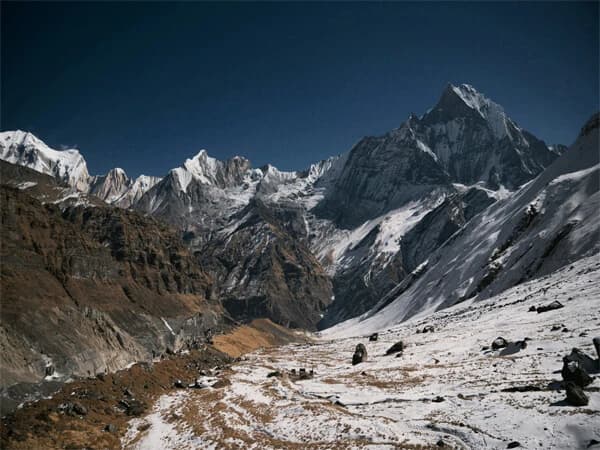
Abi Peak climbing is in the Khumbu region of Nepal, inside Sagarmatha National Park in Solukhumbu district. It sits northeast of the Gokyo area and about 20 kilometers from Mount Everest. The peak rises over 6,040 meters and is usually approached from Lukla through Namche Bazaar. Many climbers include nearby trails like Gokyo Ri or Cho La Pass to make it a full peak climbing experience in Nepal. This is a real technical climb, not a simple trek, so planning and preparation are essential.
History of Abi Peak Climbing in Nepal
Abi Peak climbing in Nepal does not have a long, famous history like Everest or Annapurna, but it is a respected part of Himalayan mountaineering. The peak was first climbed in 2002 by mountaineers exploring the less popular areas of the Khumbu region. It became known among climbers as a good objective for people who wanted a serious climb above 6000 meters without jumping straight into the most technical and dangerous big mountains.
Over time, the Nepal Mountaineering Association permitted Abi Peak as an official trekking peak, making it accessible to climbers with proper permits. Because the routes involve snow, ice, and ridge sections, Abi Peak is popular for building climbing skills before attempting higher and harder mountains. Local Sherpas and guides have played a key role in making the climb safer and sharing their knowledge, which adds to the experience of an authentic expedition in Nepal.
Abi Peak Climbing Route and how to reach it
Abi Peak climbing is in the Khumbu region of Nepal, inside Sagarmatha National Park. To get there, you start from Kathmandu and fly to Lukla. From Lukla, the trek goes through Namche Bazaar and heads toward the Gokyo area. Most climbers take extrahikes to Gokyo Rior cross Cho La Pass before reaching Abi Peak base camp to get used to the altitude.
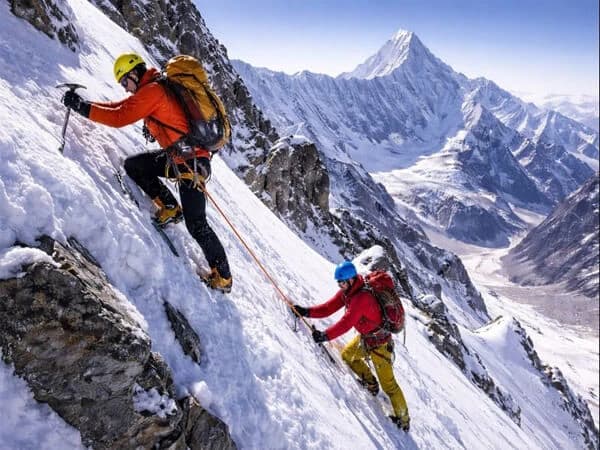
The climb itself has snow slopes, icy ridges, and some glacier travel. This route gives a real peak climbing experience in Nepal, and working with Sherpa guides makes it safer and easier to navigate.
Why Does Abi Peak Climbing Stand Out?
Abi Peak climbing in Nepal stands out because it actually makes you feel like a mountaineer without immediately throwing you into the big scary peaks like Everest. You get proper snow slopes, icy ridges, and a few glacier sections that will test your skills and make you proud when you conquer them.
Along the way, you’ll go through Sherpa villages, high camps, and get views of Everest and Cho Oyu that make every step worth the risk. It’s challenging, it’s real, and it’s the kind of climb that leaves you saying, “Yep, I did that,” without needing a sherpa team of twenty people behind you.
Climb Highlights
- Climb over 6,040 meters in the Khumbu region, giving a real mountaineering challenge without being extreme
- Tackle snow slopes, icy ridges, and glacier sections that actually make you use climbing skills
- See Everest, Cho Oyu, and surrounding Himalayan peaks from high points along the route
- Pass through small Sherpa villages and experience local culture up close
- Optional extra hikes to Gokyo Ri or crossing Cho La Pass for acclimatization and spectacular views
- Stay in high altitude base camps and get a real sense of life on an expedition
- Build confidence for bigger climbs while completing a summit that tests your skills
Unique Experiences on the Abi Peak Climbing in Nepal
Abi Peak Climbing is honestly one of those trips that stays in your heart for a long time. We know you might have heard this phrase a lot of times but trust us, we mean it.
Not even just because of the summit, but because the whole thing feels different from what most people imagine when they think of trekking in Nepal. It’s not just trail, teahouse, viewpoint, repeat. This one feels a lot more raw.
You start off thinking it’s going to be a mountain trip like any other, and then somewhere along the way it changes. The trails get quieter, the air gets thinner, and everything starts feeling a bit more serious in the best way.
That’s probably one of the coolest things about Abi Peak. It doesn’t feel overly crowded or overhyped. Even though it’s in the Khumbu region of Nepal, where a lot of famous trekking routes like Everest are, this climb still feels like it has its own space. You’re not constantly surrounded by people, and that alone makes the experience better.
And the best part is, it’s not just about Nepal trekking.
At some point, it starts feeling like proper mountaineering in Nepal. You’re not only walking through beautiful places anymore, you’re actually climbing. There’s a difference, and once you feel it, you know. The mountain demands more focus, more patience, and a bit more grit too.
That’s what makes it satisfying.
You don’t just show up and get a summit. You work your way into it slowly. Through the long approach, the altitude, the cold mornings, the tired legs, and those random moments where you look around and realize you’re standing in one of the wildest places on earth.
That’s why Abi Peak feels more like a real expedition in Nepal than just a trekking package.
And weirdly, some of the best parts are not even the “main” parts. It’s the in between stuff. The silence on the trail. The mountain villages. The way the landscape keeps changing as you go higher. The feeling that you’re getting further and further away from normal life.
By the time you’re near the summit, the mountain already feels like an experience, not just a destination.
That’s what makes Abi Peak Climbing special. It doesn’t try too hard to leave an impact on the climber's mind. It just does.
Abi Peak Climbing Packages by Nepal Trekking Routes
Nepal Trekking Routes offers different Abi Peak Climbing packages to match experience, fitness, and goals.
The Standard Abi Peak Climbing Package is the most common. It usually lasts 18 to 24 days and begins with a beautiful flight to Lukla. The trail goes through Sherpa villages, high alttude forests, and open valleys, giving a real and raw taste of trekking in Himalayas. Proper acclimatization is included, with gradual progress to base camp and high camp. Experienced local guides, permits, and full support make it safe and organized for climbers looking for a genuine expedition in Nepal.
The Premium Abi Peak Climbing Package is designed for comfort and flexibility. Groups are smaller, guides are highly experienced, meals are upgraded, and Kathmandu stays before and after the trek are included. Optional side hikes, like Gokyo Ri, help with acclimatization while offering breathtaking Himalayan views. This Peak Climbing package blends serious mountaineering in Nepal with extra convenience.
The Nepal Trekking Routes Custom Abi Peak Climbing Package is tailored to individual needs. Routes can be adjusted, high passes like Cho La or Renjo La added, or extra training included. It’s perfect for climbers who want a personal expedition in Nepal experience with guidance every step of the way.
Finally, the Training-Focused Abi Peak Climbing Package is ideal for beginners. It includes instruction on crampons, ice axes, rope techniques, and glacier travel before the summit attempt. This prepares climbers for the technical sections and builds confidence while climbing in the Khumbu region of Nepal.
All Climbing packages include necessary permits, experienced guides, and support to ensure a safe, challenging, and unforgettable adventure. Abi Peak Climbing gives you a combination of trekking and mountaineering as a whole.
Exact Permit Requirements for Climbing Abi Peak in Nepal
To climb Abi Peak, there are three main permits you need.
- Peak Climbing Permit from NMA: The official permit for Abi Peak that covers the days above base camp and allows the summit attempt.
- Sagarmatha National Park Entry Permit: Required for all climbers, as Abi Peak is inside the park. Authorities check it along the trail.
- Khumbu Pasang Lhamu Rural Municipality Permit: A small local fee that helps support villages and park services.
All of these permits can be arranged easily through Nepal Trekking Routes, so climbers can focus on the climb itself. A licensed climbing guide is also required for the summit. Once these permits are in place, the climb is fully legal and ready to go.
Abi Peak Climbing Cost
The cost for Abi Peak Climbing in Nepal usually starts at around $2,000 per person for a standard package. Prices depend on the package, group size, and how much comfort or extra service you want. Premium or private packages with smaller groups, better meals, and more support can go up to $3,000 or more.
The price typically covers flights to Lukla, all essential permits (Peak Climbing, Sagarmatha National Park, Khumbu Municipality), guides, support staff, meals, and accommodation along the trail. With Nepal Trekking Routes, everything is managed by us, so climbers can focus fully on the adventure and the stunning views of the Khumbu region of Nepal.
Why Book with Nepal Trekking Routes
At Nepal Trekking Routes we are based in Kathmandu and know these mountains really well. Safety comes first for both our guests and our team and our guides have been on these trails many times. We care about keeping the mountains clean and supporting local villages so everything we do is responsible and sustainable. You can also add side hikes, visit villages, or get help with photography to make the trip more special.