Langshisha Ri Peak Climbing

If mountains had personalities, Langshisha Peak would be the cheeky friend who dares you to try something impossible while secretly showing off its beauty. Langshisha Ri Peak climbing is not for anyone expecting an easy walk. The trail can be rocky, snowy, and confusing at times, making you stop to figure out where to go next. Small villages along the way give a peek into local life and a chance to rest with some hot tea. The higher you go, the quieter it gets, and the mountains start feeling huge and alive.

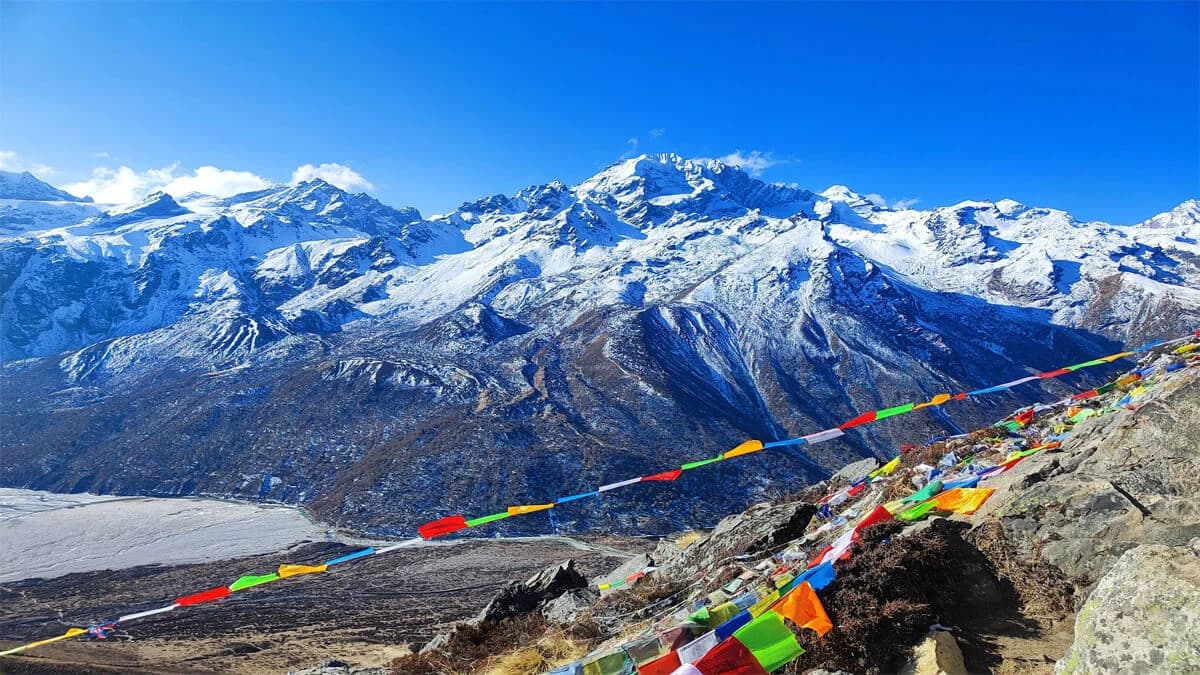
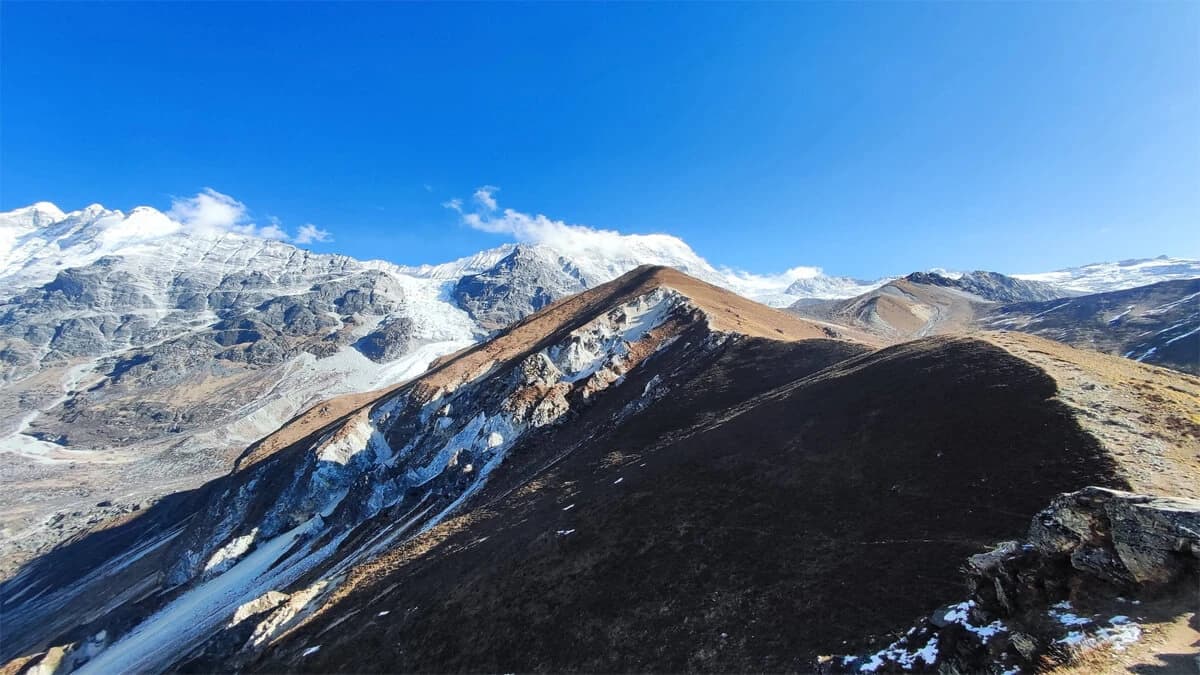
Langshisha Peak trekking takes place in the Langtang region of Nepal. The peak rises to 6,427 meters and is surrounded by famous Himalayan giants like Gaurishankar and Melungtse. The higher camps are simple and sometimes cold, and the weather can change quickly. You walk along rocky ridges, cross small streams, and navigate snow patches, while the mountains around you keep getting bigger and more dramatic with every step.

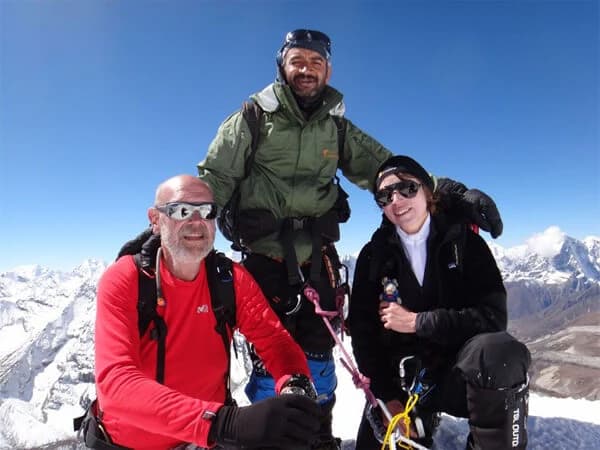
Finally standing on top of Langshisha Peak at 6,410 meters is something else. You’re cold, maybe a little out of breath, and probably laughing at yourself for taking so many breaks. Clouds float below, the mountains extend endlessly, and suddenly all the small struggles feel… well, kind of funny in hindsight. Langshisha Peak trekking isn’t about looking brave or taking perfect pictures but it's about having a story that sticks with you long after you’re back home. So let's get on this Nepal mountaineering experience together, shall we?

Langshisha Ri Peak Climbing Overview 

Langshisha Peak Climbing is a beautiful mountain adventure in the Langtang region of Nepal. Standing at around 6,427 meters, Langshisha Ri is a stunning Himalayan peak known for its not so busy trails, snowy slopes, and amazing mountain views. The trail towards the mountain goes through the scenic Langtang Valley, which adds even more beauty to the whole journey.

One of the nicest things about Langshisha Peak is that it feels more quiet and less crowded than many other popular climbing peaks in Nepal. The mountain sits in a truly beautiful part of the Himalayas, surrounded by dramatic ridges, open alpine land, and incredible high mountain views. Because of its location and natural setting, Langshisha Ri Peak Climbing offers a more genuine and memorable mountaineering experience.

For climbers who want a scenic and meaningful mountain climbing adventure, Langshisha Ri is a very rewarding choice. It offers the adequate combination of Himalayan trekking, glacier scenery, and real peak climbing in Nepal. With its remote beauty, strong mountain character, and unforgettable landscape, Langshisha Ri Peak Climbing journey stands out from start to finish.

Langshisha Peak Highlights 

  • Langshisha Peak climbing is in the Langtang region of Nepal inside Langtang National Park, north of Kathmandu, making it a top destination for Himalayan mountaineering.
  • The peak rises to about 6,427 meters, offering a serious high altitude climbing experience for trekkers and mountaineers.
  • The trail passes through small villages where you can rest, enjoy tea, and see local life, a great part of any Nepal trekking adventure.
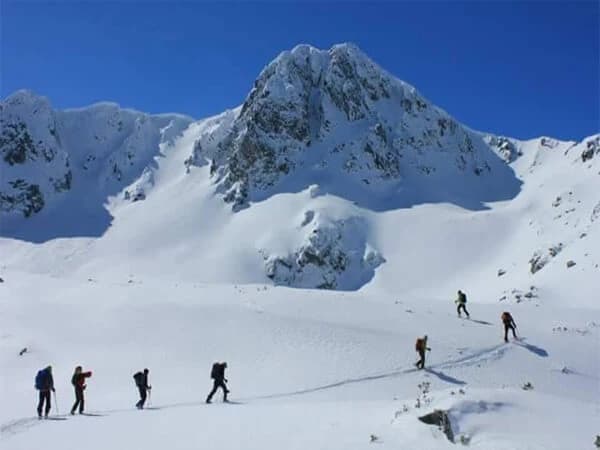
  • You walk over rocks, snow patches, and streams, which makes it a true mountaineering expedition with real Himalayan challenges.
  • Camps along the way are simple and sometimes chilly, which gives you a chance to relax and share stories with other mountain trekkers.
  • Surrounding peaks like Langtang Lirung and Ganesh Himal make the scenery unforgettable and highlight the Himalayan peaks trekking experience.

Langshisha Ri Peak Climbing Cost

The cost of climbing Langshisha Ri really depends on what kind of package you pick. Standard guided trips start around $2000 per person, but if you want private support, better accommodation, or a fully customized Nepal trekking experience, it can go higher. Things that affect the price include the type of teahouses or tents, the number of guides and porters, the permits, and even the season you choose.

Some people try to cut costs, but it often makes the climb harder and less safe. Picking the right Langshisha Ri peak climbing package gives you proper support all the way to the summit.

Best Mount Langshisha Ri Climbing Packages 

When it comes to climbing Mount Langshisha, the first question for any traveler is which package will actually work for them. Most people go for the basic ones that cover the essentials. You get your mountaineering permits, transport from Kathmandu, places to sleep, food, and guides who know the mountain. Porters carry your heavy stuff so you don’t have to. You still need your own climbing gear like crampons, ice axe, and harness, but basically, someone else handles the boring logistics while you focus on the climb and the stunning Langtang trekking scenery.

There are also full service Langshisha Ri peak climbing packages for people who want extra support. These take care of almost everything, including high altitude climbing guides, group climbing equipment, tents at all camps, and even fixed ropes in some tricky sections.

If you have never attempted a Himalayan peak before, this is the safer and easier way to go because someone else manages the hard parts of a Nepal mountaineering expedition. Packages with more support cost more, but you are paying for convenience and safety on the mountain.

Some operators offer private or custom Langshisha Ri peak climbing packages for small groups or solo climbers. These let you move at your own pace, add extra acclimatization days, and even include upgraded tents and meals if you want. They cost more than the standard packages but give a more personal and flexible Nepal peak climbing adventure.

No matter which option you choose, Langshisha Ri peak climbing is a real Himalayan mountaineering experience and a beautiful adventure through one of the best trekking and climbing regions in Nepal.

Essential Permits for the Langshisha Ri Peak Climbing

Before you even think about putting your crampons on for Langshisha Ri peak climbing, you have to handle the paperwork. Nepal doesn’t let anyone just wander onto a Himalayan peak. The big one is the Nepal Mountaineering Association peak climbing permit. This is the official okay for your expedition, and without it, you are not allowed to attempt the summit. Most Langshisha Ri peak climbing packages include it, so you don’t have to deal with the paperwork yourself, but just so you know, it’s mandatory.

Next up is the Langtang National Park permit. Since Langshisha Ri sits inside the Langtang National Park, you need this to walk through the Langtang Valley and get to the base of the peak. It’s basically a fee for entering the protected area, and it helps keep the region clean and safe. Most guided trips handle it for you, but if you’re trying to do it on your own, you’ll need to get it at the park office.

Finally, there’s the TIMS card or Trekkers’ Information Management System registration. This one is mostly for the trekking part of the adventure, but it’s really important. It logs your route and helps authorities track you if anything goes wrong. Even if you’re doing the full Langshisha Ri peak climbing expedition, you’ll usually need it for the approach through the Langtang trekking trail.

So, in short, the three main things you need are the NMA peak climbing permit, the Langtang National Park permit, and the TIMS registration. Good thing is you don't need any restricted area permit for this climb. Get these sorted, and you’re good to go.

Langshisha Ri Peak Climbing Summit Day Reality

Summit day on Langshisha Ri peak climbing is tough and exhausting. You wake up before the sun, freezing and half asleep, and every step on the rocky trail and icy slope feels heavy. The high altitude makes your lungs burn and every breath counts. Sometimes you stop to catch your breath and wonder why you signed up for this Himalayan mountaineering adventure. People around you are moving, but it does not matter, they are not you.

By the time you near the summit, your whole body hurts. Your boots are soaked with snow, your fingers are stiff, and your stomach is upset from the altitude. The mountains around are massive and silent. There is no cheering, only relief, exhaustion, and disbelief that you actually made it. You laugh at how slow you are, complain about the pain, and secretly feel proud at the same time. This is real high altitude climbing, not a trekking day in the hills.

The descent is just as tricky. Your legs are tired and every step on the glacier and snow slope requires full attention. Summit day on Langshisha Ri peak climbing is not glamorous, it is hard work, persistence, and careful mountaineering. It is the part you will remember forever, and it is the reason the Langtang trekking route stay in your mind long after you leave Nepal.

Who is this climb best suited for?

This trek is not for people who want an easy walk. You need to be ready for long days on rocky trails, snow, ice, and freezing nights. Your legs will get sore, your body will burn, and sometimes you will just want to sit down and complain. If you can keep moving even when it’s tough, pay attention to your body, and don’t mind being cold and tired, then this Himalayan mountaineering adventure is for you. It’s hard, but you will remember it forever. We would love to make your climb successful so contact Nepal Trekking Routes now.

Why should Travelers Choose Nepal Trekking Routes for their Langshisha Ri Climb?

At Nepal Trekking Routes, we are a local team who knows Langshisha Ri inside out. We focus on your safety, provide authentic services, and handle all the details so you can enjoy your adventure in Nepal without any worry. We can customize your journey to match your pace and needs, from choosing the best route to arranging high camps and helping with permits. Our goal is simple: to make your climb memorable, personal, and an experience you will never forget.

Itinerary

This is a 16-day Langshisha Ri Peak Climbing itinerary. You start in Kathmandu, drive to Syabrubesi, and trek through Lama Hotel, Langtang Village, and Kyanjin Gompa before heading to the base and high camps of Langshisha Ri. The trip ends with the summit and a return to Kathmandu.

The journey includes walking through forests and valleys, crossing rivers, visiting mountain villages, and enjoying stunning views of glaciers and peaks. The summit day is the main highlight, offering amazing mountain scenery and a true sense of achievement.

Nepal Trekking Routes can customize this itinerary to suit you. If you want extra rest days, a faster pace, or more time to explore, just let us know and we will adjust it to make your trip safe and memorable.

Trip PlanExpand All

Welcome to Nepal. Upon your arrival at Tribhuvan International Airport, our team will receive you and transfer you to your hotel in Kathmandu. After the journey, this day is mostly for resting and settling in. You can relax at the hotel, recover from the flight, and get ready for the adventure ahead. Overnight.

Today is all about getting ready properly before the real journey begins. We will sit down with you, go through the full Langshisha Ri peak climbing plan, check your permits, and make sure your gear is actually ready for the mountain. If anything is missing or not suitable, this is the best time to fix it because once you leave Kathmandu, options get very limited.

We also use this day to answer your questions, talk honestly about the route, and make sure you feel clear about what is ahead. It is a relaxed day, but it matters more than people think. A lot of small problems can be avoided just by using this day properly. 

Today we leave Kathmandu and head toward Syabrubesi, the starting point of your Langshisha Ri peak climbing journey. The drive usually takes around 6 to 7 hours, depending on traffic and road conditions. To be honest, this is not the most comfortable part of the trip. The road can be dusty, bumpy, and slow in some sections, but it is all part of getting into the mountains.

As we leave the city behind, the scenery starts changing and the whole trip begins to feel more real. Once we reach Syabrubesi, we check into a guesthouse, rest for the evening, and get ready for the first trekking day ahead.

Today, the trekking finally begins. After breakfast in Syabrubesi, we start walking along the trail that follows the Langtang River and slowly heads deeper into the valley. The first day is not technical, but it is still a proper uphill walk in parts, and your legs will definitely feel that this is no city stroll. We cross suspension bridges, pass through small forest sections, and move through a quieter part of the trail where the mountain atmosphere starts to kick in.

It is a good first trekking day because it gives your body time to adjust without throwing you straight into the harder altitude. After around 5 to 6 hours of walking, we reach Lama Hotel, where we stay overnight at a guesthouse. It is a simple stop, but by the end of the day, a bed and a warm place will feel more than enough.

Today the trail starts getting a bit steeper and your legs will feel it more than yesterday. After breakfast we leave Lama Hotel and continue along the Langtang River, moving higher into the valley. The forest starts to thin out and you begin seeing bigger mountains around you. Small villages and mani walls appear along the way, giving a sense of the local culture. The air feels thinner so do not rush as this is not a race.

The walk usually takes around 5 to 6 hours depending on how fast we move and how many stops we take to enjoy the views. By the end of the day we reach Langtang Village. Guesthouses here are simple, clean enough, and a good place to rest before heading even higher tomorrow. 

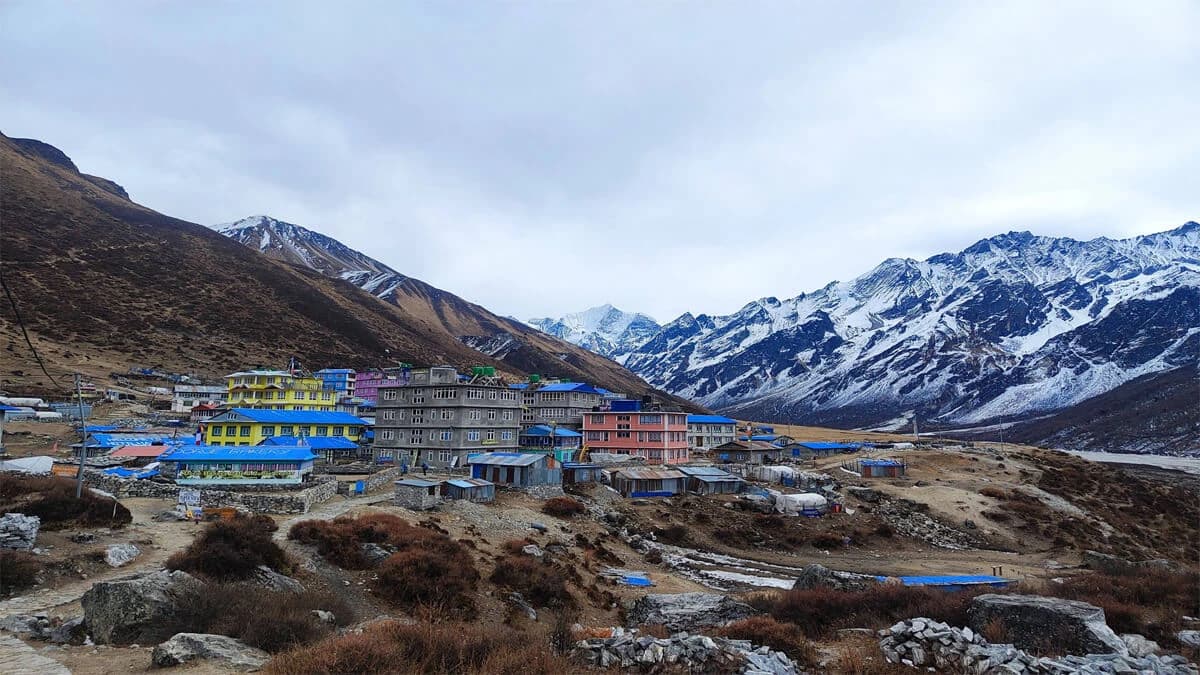
Today we leave Langtang Village and head up to Kyanjin Gompa. The trail gets steeper and rockier, and the higher you go, the thinner the air feels. You will notice your breathing is heavier and your legs are working harder than before. The views start opening up with big peaks, glaciers, and the valley stretching below. Along the way you pass yak pastures and old stone walls, giving a real sense of how people live up here.

It usually takes about 4 to 5 hours to reach Kyanjin Gompa. The guesthouses are simple but good enough to rest. This is the point where you start feeling that the climb is serious and not just a walk in the hills.

Today we stay at Kyanjin Gompa and do a short hike to a nearby viewpoint, like Kyanjin Ri or somewhere around the glaciers, then come back down to sleep. Even if you feel fine, this day is important because altitude can hit you suddenly if you push too hard. The hike is tiring but manageable and it gives your legs a good workout while helping your body get used to the thinner air.

The views from higher up are impressive and make the effort worth it. After the hike we spend the rest of the day resting, hydrating, and getting ready for the move toward Langshisha Kharka tomorrow. Guesthouses here are basic but comfortable enough for a proper night’s sleep.

Today we leave Kyanjin Gompa and walk toward Langshisha Kharka. The trail gets quieter and more remote, and you will notice there are no more guesthouses. The path goes through rocky areas and open fields with yak pastures along the way. Your backpack will feel heavier and the higher altitude makes walking harder than before.

The trek usually takes about 4 to 5 hours depending on how fast we move. When we reach Langshisha Kharka we set up tents for the night. It is colder and more exposed than the villages, but this is when the climb starts to feel real. Overnight.

And finally, this day we continue from Langshisha Kharka and make our way to Langshisha Base Camp. The trail is mostly rocky and sometimes steep, and the altitude starts making every step feel heavier. You will notice the air is thinner and your breathing will be slower, so it is important to take your time and not rush.

The trek usually takes about 4 to 5 hours depending on how fast we move. Base Camp is very basic and exposed, with no proper buildings, so we stay in tents. Even though it is tough and colder than the villages, it feels exciting because you are now really close to the mountain. Overnight.

Today we head from Langshisha Base Camp up to High Camp. The trail is steeper and rockier, and the thin air makes every step feel heavier than usual. Your legs will be tired from the past few days, so we take breaks when needed and move at a steady, careful pace.

It usually takes 3 to 4 hours to reach High Camp, depending on how everyone is feeling. Once we get there, we set up our tents and try to get some rest for the big summit push tomorrow. It is colder and windier, and sleeping is not easy, but being this high up with the mountains all around makes it feel real. The views alone make the effort worth it. This is where the mountain really starts demanding respect.

Today is the big day. We start very early, usually before sunrise, so we can make the climb in daylight and avoid afternoon snow or wind. The route is steep and icy in sections, and every step takes focus because slipping is not an option. Your body will be working harder than ever, and fatigue hits quickly, so small breaks are necessary. Reaching the summit gives a sense of relief and exhaustion.

The views of the surrounding peaks are intense and unforgettable. After celebrating briefly, we carefully make our way back down to Base Camp. The descent is slow because tired legs and loose terrain can be dangerous. Once back at Base Camp, you can finally relax, have a warm drink, and think about the crazy thing that you did today.

Today we start heading back down from Base Camp to Kyanjin Gompa. The trail is easier than the climb up, but your legs will feel stiff and sore after the summit push. The air feels thicker and breathing is much easier, which is a nice relief. Along the way you can look around and really take in the mountains you just climbed, and it hits you how far you have come.

The walk usually takes 4 to 5 hours, and by the time we reach Kyanjin Gompa, it feels good to be back in a simple guesthouse with a proper bed. This is a day to rest your body and start recovering from the high altitude before the long trek back to lower villages.

Today we leave Kyanjin Gompa and walk back toward Lama Hotel. The trail goes through forests, small streams, and open grasslands with occasional yak pastures. Going downhill feels easier on your breathing, but your legs and knees will notice the strain. The mountains behind you start to feel more distant, and the valley begins to widen.

Lama Hotel is a comfortable stop with a proper bed and a warm meal, which feels like a reward after the rough high camps. This day is about moving at a steady pace, giving your body a chance to recover while still covering ground. Overnight.

Today we walk from Lama Hotel back to Syabrubesi. The trail is mostly downhill and much easier than the high camps, but your legs will still feel tired from the long trek. You pass through forests and small villages along the way. By the time we reach Syabrubesi, it feels good to be back where the roads and guesthouses are. This is the last day of trekking, so you can enjoy the valley views and take it a bit easier, knowing the hard part is over. Overnight.

Today we leave Syabrubesi and drive back to Kathmandu. The road can be long and bumpy, so mostly you just sit and enjoy the views as the mountains slowly turn into hills and then the city. This is a good time to relax and think about the trek. Once we reach Kathmandu, you can enjoy a proper bed, hot shower, and a break from all the walking. Overnight.

Today your trip comes to an end. Depending on your flight time, you may have a little time to walk around Kathmandu, do some last-minute shopping, or just relax at the hotel. Our representative will drop you at the airport about three hours before your flight to make sure you have plenty of time for check in and boarding. By now, your body will be tired, but your mind will be full of memories from the mountains. Thank you for choosing us.

Plan An Amazing Private and Tailor-Made HolidaysNot satisficed with this itinerary? Share your idea with our travel Expert. We make your dream come true.
Customize Trip
Essential Information

Best Season for the Langshisha Ri Peak Climbing in Nepal

If you’re thinking about Langshisha Ri peak climbing, the season you choose really changes everything. It’s not just about weather; it’s about how the glaciers look, how the trails feel, and how much of the Himalayan adventure you actually get to enjoy.

Langshisha Ri Peak Climbing in Spring

Spring, from March to May, is mild and the valleys are green. The Langtang trekking route has flowers and the mountain is usually visible. Camps can be busy because many climbers are on the route. It’s a good time if you like moderate temperatures and a livelier trail.

Langshisha Ri Peak Climbing in Autumn

Autumn, late September to November, is drier and the trails are quieter than spring. Nights are colder, and mornings are sharp, but the glaciers look solid. It’s a season for a calmer Himalayan adventure with fewer crowds along the Langtang trekking route.

Langshisha Ri Peak Climbing in Summer

Summer, June to August, is monsoon season. Trails get muddy, it rains a lot, and clouds often hide the mountain. The climb is tougher, and most people only attempt it if they are looking for a challenging Himalayan mountaineering experience rather than scenic views.

Langshisha Ri Peak Climbing in Winter

Winter, December to February, is cold and snowy. The mountain is mostly quiet and you might have the route to yourself. Snow and ice make the climb harder, so proper high altitude gear and experience are essential. It’s peaceful but physically demanding and not ideal for first time climbers.

Accommodation on the Langshisha Ri Peak Climbing

When you start Langshisha Ri peak climbing, the places you sleep are basic and simple. On the Langtang trekking route you will stay in small teahouses with shared rooms and wooden floors. Nights can get cold so a good sleeping bag and mat are essential. Some rooms are tiny and privacy is limited. This is how most Nepal Himalayan peak climbing trips are.

Higher up near the climbing camps it gets even simpler. You will stay in tents on rocky or snowy ground. Private packages sometimes have slightly better tents but it is still very basic compared to normal hotels. If you want to reach the summit and enjoy the full Langshisha Ri Himalayan adventure you have to accept rough accommodation and limited facilities.

Food during this Peak Climbing in Nepal

Food on Langshisha Ri peak climbing is not glamorous, let’s be honest. You’re not here for five-star meals. On the Langtang trekking route, most teahouses serve the same few things over and over, dal bhat, noodles, or soup. Sometimes they run out of ingredients, and if you’re picky, tough luck.

Higher up, near the climbing camps, it’s even simpler. You get what the team can cook in tents, and that’s about it. Fresh vegetables or meat are rare, so don’t expect variety. Meals are fuel, nothing fancy. You eat, you warm up, and you get ready for the climb.

If you’re doing Langshisha Ri Himalayan adventure, this is just how it is. The food isn’t exciting, it’s basic, and it keeps you going. Accept it, pack snacks if you want, and focus on the mountain instead.

Langshisha Peak Climbing Difficulty 

The difficulty of Langshisha Ri peak climbing is not something to take lightly. This is not a casual trek on the Langtang Valley trails and is technically challenging. The approach through the Langtang Valley is long and rocky, and altitude hits hard. Even experienced climbers feel the cold and fatigue. Compared to other Himalayan climbs like Gauri Shankar peak climbing, Yala peak climbing, or Chulu East peak climbing, it is more physically demanding.

Higher up, you deal with snow, ice, and glaciers. Steep sections require ropes and proper mountaineering skills. Even with a guided Langshisha Ri peak climbing package, you need training and high altitude preparation.

If you want to reach the summit, you have to accept that it is hard work. This is not beginner friendly. Compared to other Nepal Himalayan peak climbing packages like Mera Peak climbing or Island Peak climbing, Langshisha Ri will push your endurance and focus further. Every step demands attention, stamina, and respect for the mountain.

Travel Insurance for the Langshisha Peak Climbing

Let’s be honest about travel insurance for Langshisha Ri peak climbing. You are high up in the Langtang Valley, sometimes on glaciers, sometimes on rocky trails. Altitude sickness can hit anyone, and weather can change in seconds. One slip and suddenly you’re on a helicopter ride that costs more than your whole Nepal Himalayan peak climbing trip.

Not all insurance covers high altitude trekking in Nepal. Make sure it includes emergency evacuation and medical coverage for peak climbing. Normal city travel insurance will not help if something goes wrong above 6000 meters.

Even if you’re going with a Langshisha Ri guided climbing package or other climbs like Gauri Shankar peak climbing, Island Peak climbing, or Mera Peak climbing, double check. Most packages assume you have your own insurance. Doing things like this is annoying, but it’s way better than paying thousands mid air while hovering in a helicopter and wishing you had sorted it before. So it's not something to be careless about. Go get your paperwork done now!

Altitude Sickness and Remedies on the climb

Altitude sickness on Langshisha Ri peak climbing hits fast. One moment you are walking along the Langtang trails, the next you feel dizzy, your stomach turns, and breathing feels impossible. People often ignore it at first and end up stuck in a tiny teahouse, wishing they had listened to their body.

The only way to deal with it is to slow down. Walk at your own pace, take breaks, and drink water even if it feels boring. Feeling worse? Go down a bit. It is not failing, it is smart. The mountain does not care about your ego.

Acting tough changes nothing. The summit will still be there, but ignoring altitude sickness can ruin the whole climb. Complain if you need to, laugh at how slow you feel, and respect the mountain. This is what real Langshisha Ri peak climbing feels like, not some clean guidebook version.

Money Management on the Langshisha Ri Peak Climbing journey

Don’t worry too much about food and accommodation because they are included in the Langshisha Ri Peak climbing package. Just bring enough cash for tips, small personal things, and any emergencies. Most guesthouses on the trail don’t have ATMs, so having some extra money on hand is required. Planning your money this way makes the trek stress free and lets you focus on the mountains and the adventure.

Things to Pack for the Langshisha Ri Peak Climbing

When you pack for Langshisha Ri peak climbing forget style or fancy gear. Bring only what will keep you warm, safe, and moving. You will be walking long trails, climbing snow and ice, and sleeping in freezing camps. Every item matters so keep it simple and practical. Take a look at these:

Backpacks

  • Large trekking backpack 50–65 liters for all your gear
  • Smaller daypack for summit push, crampons, ropes, and extra layers

Sleeping Gear

  • Sleeping bag rated for -15°C or lower
  • Sleeping mat for insulation

Footwear

  • Trekking boots for approach and trails
  • Insulated mountaineering boots for snow and glaciers
  • Light camp shoes or sandals for teahouses

Climbing Equipment

  • Crampons for icy slopes
  • Ice axe for stability on snow and glaciers
  • Climbing harness
  • Ropes and carabiners if your package does not provide them
  • Helmet

Clothing

  • Thermal base layers (top and bottom)
  • Fleece or insulated mid-layers
  • Waterproof windproof jacket and pants
  • Down or insulated jacket
  • Gloves: light trekking gloves plus heavy mittens
  • Hat, beanie, and balaclava
  • Trekking socks plus thick high-altitude socks
  • Gaiters for snow and rocks
  • Sunglasses and glacier goggles

Trekking Essentials

  • Trekking poles
  • Headlamp with extra batteries
  • Water bottles and hydration system
  • Snacks and energy bars
  • Sunscreen and lip balm
  • Personal first aid kit
  • Trekking map, compass, or GPS
  • Camera or smartphone
  • Power bank or solar charger
  • Toiletries

Documents & Miscellaneous

  • Passport and Nepal visa
  • Climbing permits and TIMS card
  • Travel insurance papers
  • Cash in Nepalese Rupees for teahouses and tips
  • Notebook or journal

Safety Measures for the Langshisha Ri Peak Climbing

The climb up Langshisha Ri is tough and demands attention. These safety tips come from people who have actually done the trek. Follow them and you’ll stay safer and have a smoother journey.

  • Always climb with guides who know the mountain; going alone is risky
  • Stick to the route and don’t try shortcuts on snow or rocks
  • Move at your own pace and pay attention to how your body feels
  • Drink enough water and eat regularly to keep your energy up
  • Rest properly at camps, especially before the summit push
  • Wear good boots, gloves, and crampons for snow and ice
  • Use trekking poles to help with balance and save your legs
  • Watch the weather and be ready to adjust your plans
  • Carry a small first aid kit and know basic treatment
  • Keep all permits and travel insurance ready
  • Go down carefully; most accidents happen on the way back
  • Recognize altitude sickness symptoms and act immediately
FAQs

Honestly, it is challenging. This is not just a walk in the mountains. The trail is steep in places, the terrain can be rocky or snowy, and the summit day is long and physically demanding. You need to be reasonably fit, able to walk for several hours a day, and ready for higher altitude conditions. It’s tough, but the views and the experience make it worth it.

March to May and September to November. The weather is better, skies are clearer, and trails are safer. Summer is rainy and slippery. Winter is freezing and can be dangerous above 5000 meters.

Take it slow, drink water, and pay attention to how you feel. Headaches, nausea, dizziness, and shortness of breath are normal at higher camps. If you feel really bad, we descend immediately. Do not ignore your body.

Up to Kyanjin Gompa you stay in guesthouses. Simple, basic, but enough to sleep. After that you sleep in tents at high camps. It is cold and exposed. Nights are uncomfortable. Do not expect luxury. Bring a good sleeping bag and warm clothes.

Signal is weak after Kyanjin Gompa. There is no Wi-Fi at Base or High Camp. You will mostly be offline, which is normal for high mountains.

Yes, if you follow the guide, take altitude seriously, and pace yourself. Conditions can change quickly, so stay alert. Safety is a team effort between you and the guides.

Yes. We can add rest days, adjust the dates, or include extra sightseeing days. Let us know your needs, and we will make it fit your comfort, safety, and schedule.

Most trekking days are 4 to 6 hours. Some are shorter, some longer, especially summit day. We always take breaks and move at a steady pace.

Yes. Hiring a porter is optional, but highly recommended for carrying heavy backpacks or personal gear. It makes the trek much easier and safer.

The mountains are unpredictable. If weather turns dangerous, we stop, wait it out, or descend if needed. Your safety is always the priority.

Yes, but we strongly recommend going with a guide or group. The trail is remote, and the altitude can be tricky. Having someone experienced with you makes it safer and easier.

20 years of Adventure
Why Travel with Nepal Trekking Routes?
We Care for Your Safety
Nepal Trekking Routes always focus on safety, and satisfaction of our valued clients. Our Trekking guides are highly experienced and trained to operate various group trekking trip in high Himalaya.
Provide Financial Protection
NTR prioritize healthy financial safety for clients, ensuring proactive safeguarding of client interest. Our commitment strengthens our role as trusted partners maintaining standards with dedication and Excellence.
100% Local Guide
100% Local Guide
Traveler looking for experience authentic insights through trekking in Nepal NTE offer your 100% local guide who help you to experience unique perspective ensuring and enriched journey customize to your interest.
Personalized Service
We always provide one guide and one porter to two guests in order to meet our standard of providing standard service. Impeccable hospitality and quality services are guaranteed while traveling with us.
Know More
You May Also Like
Island Peak Climbing
FromUS$1990US$2345
Paldor Peak Climbing
FromUS$1590US$1700
Yala Peak Climbing
FromUS$1790US$2290
Book Now