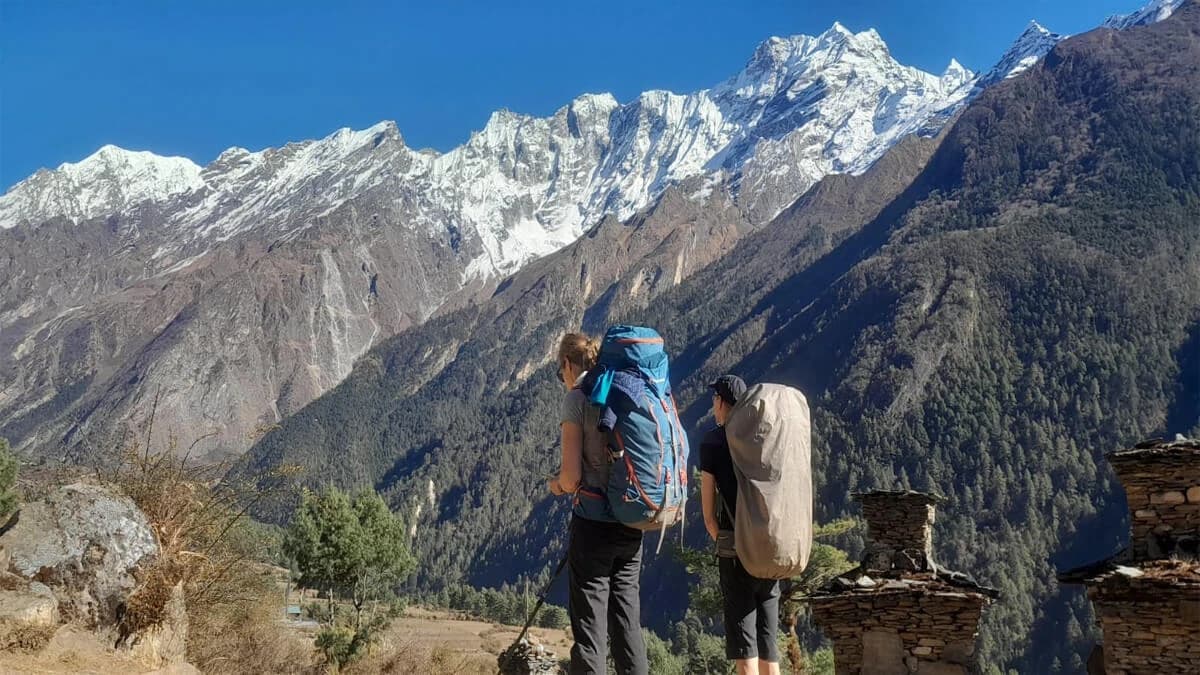
Manaslu Circuit with Serang Gompa Trek

If peace had an address, it would probably be somewhere between Manaslu’s mountains on the Manaslu Circuit trek and the climb to Serang Gompa that really pushes your energy. The Nepal trekking trail can be tough, and you might need to take breaks more often than you expect. But when you reach the mountain monastery, with prayer flags waving and monks quietly going about their day, it all feels worth it. You can breathe in the fresh Himalayan air and enjoy the amazing Himalayan views that make this one of the best trekking routes in Nepal.

The Manaslu Circuit itself feels like walking through a perfect painting. Green valleys, shiny rivers, and villages where everyone waves like they are hosting some secret festival just for you. Yaks wander across your path like they are the actual bosses of the mountains, and the views? Every corner makes you go “Whoa… okay, I need a selfie… maybe five.”

Then there’s the Serang Gompa trek. Yep, that steep little side adventure that will make you curse quietly to yourself while gasping for air. But when you finally get there, it is quiet, calm, and magical. You hear monks chanting, feel the wind on your face, and for a moment, you forget about sore feet and think maybe your legs can forgive you for all the drama. Honestly, it’s one of those hikes where the struggle is real but the reward makes you ridiculously happy.

Trek Overview 

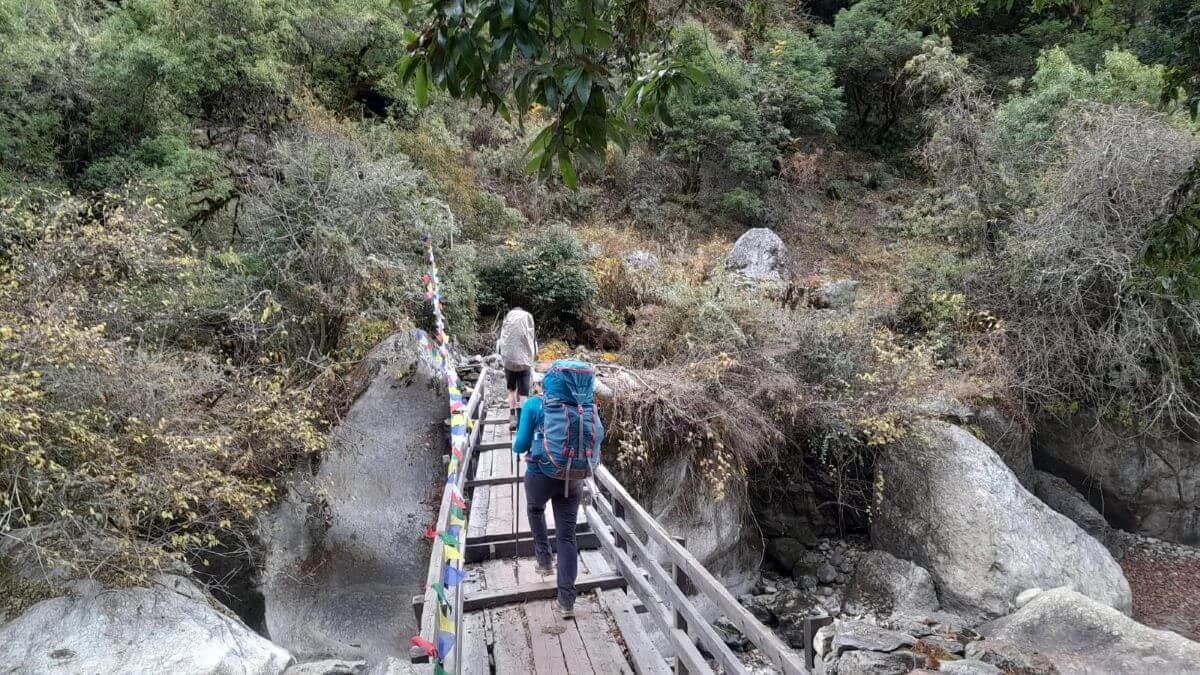
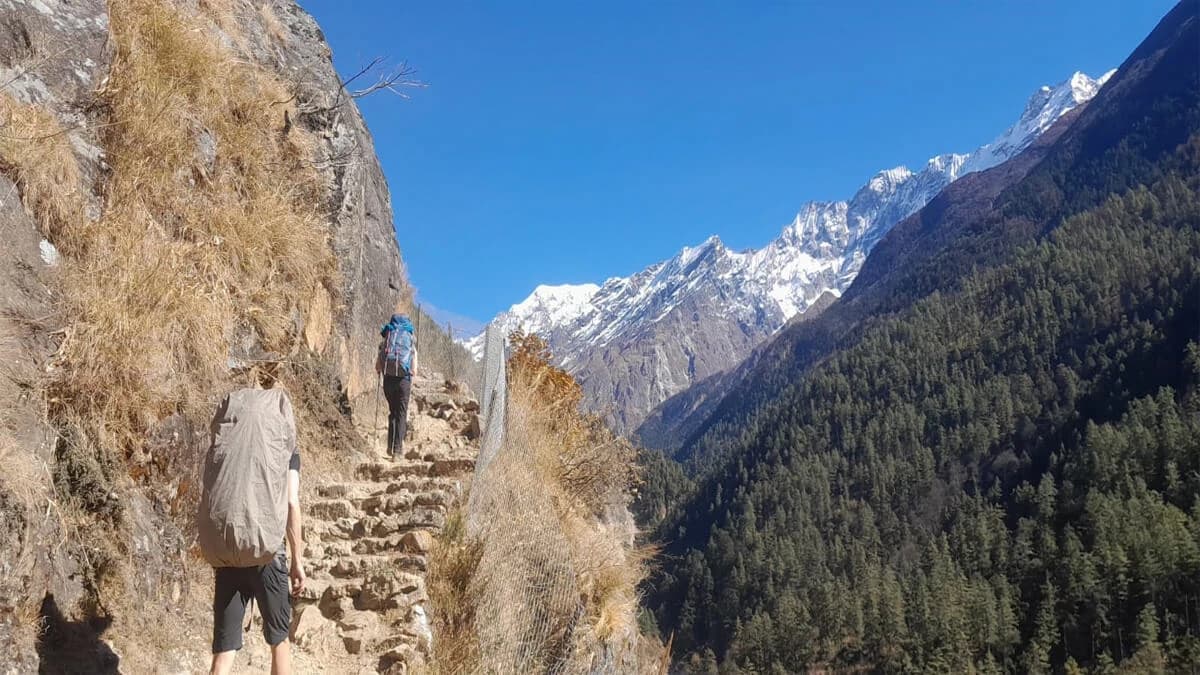
The Manaslu Circuit with Serang Gompa trek is one of the most peaceful and less crowded Nepal trekking routes in the Himalayas. You’ll walk around Manaslu, the eighth-highest mountain in the world, and see some of the most amazing Himalayan views without bumping into too many other trekkers. The trail takes you through green valleys, across rivers, and past tiny villages where locals wave and kids sometimes run alongside you just to say hello.

The Serang Gompa trek adds a special twist to the journey. The climb can be tough, and you’ll definitely feel your legs working harder than usual, but reaching the monastery makes it all worth it. The peaceful Himalayan monastery, colorful prayer flags, and calm atmosphere give you a real sense of why people fall in love with Nepal trekking.

Overall, the Manaslu Circuit trek with the Serang Gompa trek is perfect for anyone who loves nature, adventure, and a little bit of culture along the way. It’s quiet, scenic, and full of experiences you won’t forget, making it one of the best trekking routes in Nepal for seeing authentic mountain life and stunning Himalayan views.

Trek Highlights

  • Crossing Larkya La Pass at 5,160 meters, which is the highest and most challenging part of the trek
  • Taking a detour to Serang Gompa, a quiet monastery where you can just sit and take a break from the long days of walking
  • Close views of Manaslu, especially as you get higher on the trail
  • Walking through local villages and seeing how people live in the mountains
  • Meeting locals who greet you with a simple smile or a quick chat
  • Seeing yaks carrying loads along the trail and just doing their thing
  • Experiencing a more peaceful side of Nepal trekking without too many people around
  • Gradually moving from lower areas to high altitude terrain, which you really start to feel as you go up
  • Reaching places where the views open up and you can see wide range of the Himalayas

Serang Gompa: A Must-See Destination on the Manaslu Circuit Trek

Serang Gompa is a small Buddhist monastery in the Nubri Valley on the Manaslu Circuit trek. It was built over 300 years ago and has been an important place for monks and local people ever since. The monastery is still active today, with monks living there and following their daily prayers and routines.

The buildings are made of stone, and inside you can see prayer wheels, colorful murals, and other religious items that have been cared for by generations. The area around Serang Gompa is quiet and peaceful, giving trekkers a chance to see traditional Tibetan Buddhist life up close. Many people say visiting it is one of the most memorable parts of the trek because it shows the culture and traditions of the region.

Visiting Serang Gompa is a chance to watch the monks at work, learn about their way of life, and enjoy a calm moment in the mountains. So if you are around the Manaslu Region, this place is a must visit.

How Much Does the Manaslu Circuit Trek with Serang Gompa Cost

The Manaslu Circuit trek with the Serang Gompa isn’t exactly cheap, but it’s worth every penny. If you book with Nepal Trekking Routes, you can expect to pay around $900 to $1500 per person depending on the season, trip length, and any add-ons you pick. The good part is that this usually covers permits, food, accommodation, a licensed guide, and porters, so most of the big expenses are already sorted for you.

You’ll still need a little extra cash for transport to the trailhead, snacks, tips, and travel insurance. Going with a local company makes life easier, avoids surprises, and keeps the trek safe and fun. When you think about the epic views, unique villages, and Serang Gompa experience, it’s actually a really good deal for an unforgettable adventure.

Manaslu Circuit with Serang Gompa Trek Packages 

When you look for a Manaslu Circuit with Serang Gompa trek package, you’ll find a few different options depending on how you want to travel. In Nepal trekking, especially in the Manaslu region, most people choose a package because it is a restricted area and requires a licensed guide.

The most popular option is the full package, which includes permits, guide, porter, meals, transport, and accommodation. It makes the Manaslu Circuit trek much easier since everything is arranged for you. Some trekkers go for a basic package with just a guide and permits, which gives more flexibility while still following the rules.

There are also customized packages where you can add extra days and include the Serang Gompa trek without rushing. Group joining options are common too and can help reduce costs on this Himalayan trekking route.

For those who want more comfort, there are luxury packages for Manaslu circuit trek as well. These include better hotels in Kathmandu, the best available teahouses on the trail, and extra services like private transport and experienced guides. Even though the Manaslu region is remote, this option gives you a more comfortable Manaslu Circuit trek experience.

Permit Required for the Manaslu Circuit with Serang Gompa Trek

If you’re planning the Manaslu Circuit with Serang Gompa trek, there are three main permits you need. Since this is a restricted area in Nepal trekking, you cannot do the trek without them. If you book with us, Nepal Trekking Routes will arrange them for you.

The first is the Manaslu Restricted Area Permit (RAP). This is the most important permit because the Manaslu region is controlled to protect local communities and nature. You must have this permit to enter the main trail and it is usually arranged through a licensed trekking agency.

The second is the Manaslu Conservation Area Permit (MCAP). This supports the local villages, conservation projects, and trail maintenance in the Manaslu region. It is required for anyone walking the main circuit or visiting places like Serang Gompa along the trek.

The third is the Annapurna Conservation Area Permit (ACAP). Even though the main trek is in Manaslu, after crossing Larkya La Pass, parts of the trail fall under the Annapurna Conservation Area. This permit ensures you are allowed to continue legally and helps protect the environment in that region.

Remember, you must trek with a licensed guide and at least two people, and these permits cannot be obtained on the trail. Together, these three permits make your Manaslu Circuit trek safe, legal, and fully supported while letting you enjoy some of the best trekking routes in Nepal.

Manaslu Circuit and Serang Gompa Trek difficulty 

The Manaslu Circuit with Serang Gompa trek is moderate to demanding. You don’t need to be a professional climber, but the walk is long and some parts are steep or rocky. The climb to Serang Gompa and crossing Larkya La Pass at 5,160 meters are the toughest sections.

Altitude is something you will notice, so taking your time and following an acclimatization schedule is important. Going with a guide helps, especially if it’s your first Nepal trekking experience. Even though it can be tiring, the scenery, the monasteries, and the mountain views make it one of the best trekking routes in Nepal, and completing the trek feels like a real achievement.

Who will enjoy the Manaslu Circuit with Serang Gompa trek the most

This trek is for people who like mountains that feel alive and untamed. If you enjoy long days of walking where your legs ache, nights in tiny teahouses with thin blankets, and mornings waking up to a yak staring at your window, you will love it. It is for anyone who likes Nepal trekking that is quiet, real, and not full of tourists.

You will enjoy the trek if you can laugh at muddy trails, cheer when you finally reach Serang Gompa, and catch your breath while looking at Larkya La Pass. It is for people who like swapping stories over a small stove with other trekkers, getting lost in mountain clouds, and feeling like you earned every step of the journey. This trek is about raw adventure, real people, and the kind of mountains that leave you speechless without needing a filter.

Why Nepal Trekking Routes Should Be Your First Choice for this Manaslu Trek

Nepal Trekking Routes is a local company with years of experience making treks like the Manaslu Circuit with Serang Gompa smooth, safe, and unforgettable. We provide authentic service with fun guides and a friendly team who make the trek memorable while taking care of your safety every step of the way. Our packages include food, accommodation, and permits and we can customize trips with add-ons to suit your style. We also care about the environment and use eco-friendly practices to keep the mountains clean and beautiful for everyone. 

Itinerary

This is a 16-day trek for the Manaslu Circuit with Serang Gompa. You’ll start from Machha Khola and walk through mountains, villages, and amazing scenery before finishing in Tilje. It’s the kind of trek where every day has something new to see and do.

The highlights are definitely Serang Monastery, Pungyen Gompa, Samagaon with Birendra Lake, and crossing the big Larkya La Pass. You’ll see incredible mountain views, meet friendly locals, and have plenty of moments that make you stop and just say wow.

Nepal Trekking Routes can customize the trek to suit your preferences. You can slow down, add rest days, include side trips, or just walk at your own pace. Our guides and team will make sure you have a safe, fun, and totally unforgettable adventure.

Trip PlanExpand All

Time to hit the road! The drive takes most of the day, and yes, the roads are long, but you’ll get glimpses of the mountains teasing you in the distance. By the time you reach Machha Khola at 869 meters, your legs might be stiff, but your excitement makes up for it. Dinner and a soft bed feel amazing after the ride. Overnight in Machha Khola.

Max Altitude: 1400 m

Today is your first day on the trail and it will be full of energy and curiosity. Walking for six to seven hours brings you to Jagat at 1,340 meters. It’s your first real taste of the trek, and even though your legs complain a little, the smiles from locals and the fresh air make it feel great. Overnight in jagat. 

Max Altitude: 1340 m

Today is a longer day, about seven to eight hours, reaching Deng at 1,860 meters. The trail climbs steadily, and you can feel the altitude starting to make a difference, but your body is adjusting.

You’ll pass a few small settlements where locals might wave or smile, and there are a couple of tea houses to stop for a warm drink and rest. The mountains are getting bigger, and the trail feels more “real” as you go higher.

When you arrive in Deng, the village feels welcoming and peaceful. The teahouses are simple but cozy, perfect for a hot meal and a well-earned rest. Standing outside and looking at the surrounding peaks, you get that amazing “I’m really here” feeling.

Max Altitude: 1860 m

Today is a lighter day with about three hours of walking to Bihi Village at 2,130 meters. The trail rises slowly, giving your legs a chance to rest after the longer climbs from the previous days. Along the way, you can notice the simple daily life of the locals and maybe wave back at kids who are playing outside.

Bihi feels calm and welcoming. There are a few teahouses where you can sit, enjoy a warm cup of tea, and take in the surroundings. The fresh mountain air and quiet pace make it easy to relax. This is the perfect day to catch your breath, enjoy the views, and prepare for the climb to Serang Monastery tomorrow. Overnight.

Max Altitude: 2130 m

Today is one of those days you’ll remember forever. You’re on the trail for about six hours, slowly climbing from Bihi up to Serang Monastery at 3,100 meters. The air is cooler, a little thinner, and your legs are starting to feel it, but the views and the quiet around you keep you going. Along the way, villagers wave or nod, and it feels nice to be part of the pace of life here.

When you finally reach the monastery, it hits differently than anything else on the trek. Monks are moving quietly through their routines, the walls are bright with paintings, and behind it all, the mountains rise up like guardians. You sit down, take a deep breath, and just feel it, the calm, the history, the energy of this place. It’s one of those spots that makes you pause and smile, knowing this is exactly why you came on this trek.

Max Altitude: 3100 m

After the peaceful morning at Serang Monastery, you head down to Ghap Village at 2,250 meters. The trek takes about five to six hours. Going downhill feels different from climbing; your legs are working in a new way, and you notice every step as your body adjusts to the altitude.

On the way, you pass a few villages. Locals might be tending to their daily work or greeting you with a smile. It gives a sense of how life goes on here, quiet and steady. When you reach Ghap, the village feels calm and welcoming. The teahouses are simple but comfortable.

Sitting down with a warm meal and tea while looking at the mountains gives you a moment to rest and remember your journey so far. You will feel satisfied from the monastery visit and be ready for the next steps of the trek, knowing the trail ahead will bring new experiences and higher altitudes. Overnight in Ghap village.

Max Altitude: 2250 m

Today’s trek takes about five to six hours to reach Lho Village at 3,180 meters. The climb is gentle, but you can feel the altitude a bit more, and your breathing reminds you that you’re getting higher.

Lho has a really Tibetan vibe with prayer flags everywhere and old stone houses that feel like they’ve been here forever. Sitting down with a warm cup of tea after the walk is the best feeling that you can ever experience on the trek. You can kick back, watch the mountains glow as the sun hits them, and just immerse in the moment. Overnight in the teahouse.

Max Altitude: 3180 m

Today you trek for about five to six hours to Shyala Village at 3,500 meters. The climb is steady, and you can feel the altitude a bit more, but your body is starting to adjust. On the way, you notice local life around you. Villagers are going about their day and colorful prayer flags remind you of the Tibetan culture here. Shyala feels quiet and welcoming, perfect for a short rest.

Visiting Pungyen Gompa is a highlight. The monastery is small but peaceful, with monks following their routines and murals telling centuries old stories. Sitting with a warm cup of tea afterward, looking at the surrounding peaks, you feel proud of your progress and deeply connected to this part of the Manaslu region. Overnight.

Max Altitude: 3500 m

Today you walk for six to seven hours to Samagaon at 3,530 meters. The climb is steady, and you can feel the altitude a little more with each step. Your legs are getting used to the trail, and the mountains around feel closer and bigger.

Samagaon is larger than the villages you’ve passed. The houses have a Tibetan style, and colorful prayer flags flutter gently in the wind. After checking into the teahouse, take a short walk to Birendra Lake. The water is still and reflects the mountains, making it a peaceful place to pause and take it all in. Back in the village, a warm meal and tea feel comforting, and watching the sun on the peaks is one of those moments that makes you feel lucky to be here. Overnight.

Max Altitude: 3530 m

Today you will rest in Samagaon at 3,530 meters. After a few long days of trekking, your body will really appreciate the break. The village is bigger than the previous stops, with a few teahouses where you can have a warm meal, chat with other trekkers, or just relax and watch the mountains around you.

You can take short, easy walks around the village, see how the locals live, or sit outside with a hot drink and enjoy the quiet. Manaslu shines above the village, giving you a good reminder of how high you’ve come. This day is all about resting, catching your breath, and preparing for the climb ahead without any pressure. Overnight.

Max Altitude: 3530 m

Today is a shorter day, only about two to three hours, up to Samdo Village at 3,875 meters. Even though it’s not a long walk, the altitude makes your breathing a bit slower and your legs feel the climb, but your body is getting used to being this high.

Samdo feels small and peaceful. There are just a few teahouses and stone houses, and the Tibetan vibe is strong with prayer flags and small mani walls around. It’s a nice chance to slow down, catch your breath, and enjoy the silence of the region. You also start to feel the excitement of what’s coming next because this is the last real village before the high pass. Sitting down with a hot drink, looking at the mountains around you, it’s hard not to feel proud of yourself and a little amazed at how far you’ve come. Overnight.

Max Altitude: 3875 m

Today you will rest in Samdo at 3,875 meters. After a few tough days of trekking, it’s the perfect chance to just take it easy. The village is small and quiet, with a few teahouses and stone houses. You can hang out, have a warm drink, watch the mountains, and let your legs and lungs recover.

You can stroll around the village slowly, chat with other trekkers, or just sit outside and enjoy the calm. No rush, no hard climbs, just a day to breathe, relax, and soak in where you are. It’s one of those simple moments on the trek that makes you feel how far you’ve come and get ready for what’s next. Overnight.

Max Altitude: 3875 m

Today you will walk for about three to four hours up to Dharmasala at 4,460 meters. The climb is gentle but the altitude is noticeable, so take your time and breathe steadily.

Dharmasala is small and quiet with a few teahouses. It’s a good spot to rest, have a warm meal, and get ready for the big climb over Larkya La Pass tomorrow. Sitting outside, looking at the surrounding peaks, it hits you how high you’ve come and how close you are to one of the toughest parts of the trek. Overnight.

Max Altitude: 4460 m

Today is the toughest day of the trek. You start early to climb up to Larkya La Pass at 5,106 meters. The altitude makes breathing slower and each step harder, but keeping a steady pace and taking short breaks helps a lot.

Reaching the top feels amazing with mountains all around. After a short rest, you descend to Bimthang at 3,590 meters. The walk down is easier, and arriving at the teahouse with a warm meal gives a mix of relief and pride. This day is definitely one you will remember for a long time. Overnight.

Max Altitude: 5106 m

Today you will walk for about five to six hours down to Tilje Village at 2,300 meters. After the long days at high altitude, your legs might feel tired, but the downhill is easier on your breathing and your steps feel smoother.

The trail takes you through changing scenery as the mountains start to feel a little farther away and the valley opens up. Tilje is a small, welcoming village with a few teahouses where you can rest and enjoy a hot meal. Sitting outside, watching the landscape around you, it feels good to look back at the mountains you have crossed and feel proud of how far you have come. The day is calm and gives your body and mind time to recover before the final drive back. Overnight.

Max Altitude: 2300 m

Today is the last day of the trek. You will drive from Tilje back to Kathmandu. The roads are bumpy but you can enjoy looking at the mountains one last time and remember all the moments from the trek.

You will feel tired but proud. It is a good time to chat with your guide and team about funny or memorable moments. By the time you reach the city, you will be happy for a warm shower, a soft bed, and some good food.

Thank you for choosing Nepal Trekking Routes. We hope this trek has given you amazing memories and a truly unforgettable experience.

Max Altitude: 1400 m
Plan An Amazing Private and Tailor-Made HolidaysNot satisficed with this itinerary? Share your idea with our travel Expert. We make your dream come true.
Customize Trip
Essential Information

Best Season for the Manaslu Circuit Trek with Serang Gompa Trek 

Timing matters on the Manaslu Circuit with Serang Gompa trek. The right season can make the trails easier, the weather nicer, and the Himalayan views clearer. The wrong season can bring rain, snow, or clouds that hide the mountains and make some parts harder to walk. This seasonal guide will help you to pick the right season according to your preference.

Manaslu Circuit with Serang Gompa Trek in Spring (March to May)

Spring is when the mountains wake up. The weather is warmer, flowers start popping up, and the trails are mostly dry. It’s quieter than autumn, so you get to enjoy the Serang Gompa trek without bumping into too many people.

Manaslu Circuit with Serang Gompa Trek in Autumn (September to November)

Autumn is the classic choice. The skies are clear, the air is fresh, and the weather is stable. If you want the smoothest Manaslu Circuit trek experience, this is the time to go.

Manaslu Circuit with Serang Gompa Trek in Summer (June to Early September)

Summer is monsoon season. Expect rain, slippery trails, and rivers that rise fast. The mountains might hide in clouds a lot, so it’s more of a challenge than a chill walk. Many trekkers do not prefer this season due to the risk it invites as well.

Manaslu Circuit with Serang Gompa Trek in Winter (December to February)

Winter is cold, quiet, and snowy. Nights can be freezing, and Larkya La Pass may have snow. It’s peaceful, but you need warm gear and a bit of courage if you go this time.

Accommodations on the Manaslu Circuit with Serang Gompa Trek 

Don’t expect fancy hotels on the Manaslu Circuit with Serang Gompa trek. Most people stay in teahouses run by local families. Rooms are simple, with a bed, a blanket, and shared bathrooms. Most toilets are squat style, so you get the full Himalayan adventure experience, and hot showers are rare, especially near Serang Gompa and Larkya La Pass.

After a long day of walking, you might walk into a teahouse and see a bunch of trekkers sitting around a small stove, sipping tea, drying socks, and laughing about who slipped where on the trail that day. Rooms can fill up fast in high season, so you might end up sharing with someone you just met that morning.

A fun fact is that some teahouses keep yaks outside for carrying supplies, so don’t be surprised if one pokes its head in while you’re getting ready for bed. The accommodation is simple but practical, giving you a place to rest and recharge while enjoying the Himalayan views.

Food during the Manaslu Circuit and Serang Gompa Trek 

Food on the Manaslu Circuit with Serang Gompa trek is simple, but it works. In the lower villages like Soti Khola and Jagat, you can get eggs, noodles, and the usual dal bhat. As you climb higher toward Samagaon, Samdo, and Serang Gompa, choices get smaller because fresh supplies have to be carried up from far away. Most teahouses stick to dal bhat, soup, or noodles, and that’s usually enough to keep you going.

Breakfast is tea or coffee with bread, porridge, or eggs, and dinner is heavier to fuel the next day. Hot drinks are always there, and you slowly get used to the repetition. Food is a great way to start a conversation with your fellow trekkers in the Nepal trekking journey as well.

Travel Insurance for the Manaslu Trek

Travel insurance for the Manaslu Circuit with the Serang Gompa detour isn’t something everyone thinks about… until they really, really need it. Up near Larkya La Pass, your body can suddenly decide it’s not a fan of altitude, and getting out from places like Samagaon isn’t as simple as calling a ride. It’s usually a helicopter, and yeah, that costs a lot.

So while you could roll the dice and skip insurance, having one that covers high altitude trekking and emergency evacuation is basically your “just in case everything goes sideways” backup plan. Not exciting, but very clutch if things get weird. So make sure you have a proper travel insurance before even thinking of doing the Manaslu trek in Nepal.

Altitude Sickess and Remedies during the trek 

Altitude sickness on the Manaslu Circuit is very serious and should never be ignored. Around Samagaon and near Larkya La Pass, the air is thin and your body can react with headaches, nausea, dizziness, or feeling very weak. It can happen to anyone, no matter how strong or fit.

The only safe way is to take it seriously. Walk slowly, rest when you need to, drink lots of water, eat enough food, and pay attention to how you feel. If it gets worse, go down to a lower altitude immediately because this is not something to push through.

How to Manage Your Money on the Manaslu Circuit Trek Without Overspending

The Manaslu Circuit with Serang Gompa can get expensive if you’re not careful, but with some planning you can manage your money easily. Most of your money normally goes to permits, food, accommodation, a guide or porter, and getting to and from the trail. If you book with Nepal Trekking Routes, food, accommodation, and permits are usually included in the package, which makes budgeting way easier.

Bring some extra cash though because ATMs are only in a few towns and most teahouses don’t take cards. Trust us, you’ll be glad you have that extra cash for snacks, drinks, or anything unexpected. Planning ahead and keeping track of what you spend lets you enjoy the trek without stressing about money and you even get to try some of the local food along the way.

Essential Packing List and Gear for the Manaslu Circuit Trek with Serang Gompa

Before you start the Manaslu Circuit trek with the Serang Gompa detour, it’s very important to pack right so the trek is fun instead of a struggle. The trail goes through remote villages, high passes, and changing weather, so you’ll want comfortable, broken-in trekking boots, warm layers, and rain gear to stay dry and cozy.

A good backpack is important, and a small daypack makes it easy to carry water, snacks, and anything you need during the day. Bring a sleeping bag in case your tea house doesn’t provide one, trekking poles to make the steep climbs easier, a headlamp, sunscreen, sunglasses, and a basic first aid kit. The Serang Gompa trail is quieter and more remote, so packing extra snacks and warm clothes is a smart move.

Having the right gear makes the trek safer, more comfortable, and a lot more enjoyable. You’ll have more energy to take in the amazing scenery, enjoy the local villages, and actually have fun instead of worrying about being cold, wet, or underprepared.

Safety Measures during the Manaslu Circuit trek with Serang Gompa

The Manaslu Circuit with Serang Gompa is stunning, but it’s also kind of a beast. The trails are long, the air gets thin, and surprises happen. Follow these tips and you’ll stay safe, feel better, and actually enjoy the trek instead of just surviving it.

  • Take it slow and don’t skip acclimatization days, especially around Samagaon, or your body will punish you higher up
  • Pay attention to headaches, nausea, dizziness, or extreme tiredness because altitude sickness can hit anyone and ignoring it is dangerous
  • Drink lots of water and eat properly even if you are not hungry because low energy makes everything worse
  • Trek with a licensed guide since they know the trails, the tricky spots, and how to get help if something goes wrong
  • Carry a basic first aid kit and know how to use it because small injuries can turn into big problems far from towns
  • Be ready for sudden weather changes since it can go from sunny to freezing or raining in minutes
  • Keep emergency contacts and insurance info handy in both digital and paper form because cell service is unreliable
  • Make sure your travel insurance actually covers high altitude trekking and emergency evacuation because it is not the time to be cheap
  • Watch your footing on steep or rocky sections and do not take shortcuts or risky photo angles because the Serang Gompa trail is quiet and remote for a reason
  • Listen to your body, rest when it tells you to, and do not push through pain or extreme fatigue because getting down safely is always smarter than proving a point
FAQs

The best time is in Autumn, from September to November, or in spring, from March to May. The weather is usually clear, the mountains look amazing, and walking is much easier. Winter is super cold, and some passes may have snow, while the monsoon season makes the trails slippery and messy.

It’s moderate to tough. You don’t need to be a pro hiker, but be ready for long days and higher altitudes. The hardest part is Larkya La Pass, but the view at the top makes it worth it. Take your time, pace yourself, and most people can handle it without any problem.

A guide is highly recommended. They know the trail, handle all the permits, and keep things running smoothly. A porter is optional but really handy if you don’t want to carry a heavy bag. Having a guide and porter just makes the trek more relaxed and fun.

You need a Manaslu Restricted Area Permit, a TIMS card, and the MCAP permit. Some villages may also require local permits. If you book with Nepal Trekking Routes, we take care of all of this for you, plus your food and accommodation. You just show up and enjoy the trek without worrying about paperwork.

Most places on the Manaslu Circuit with Serang Gompa trek are simple teahouses or guesthouses. The rooms have beds and blankets and the bathrooms are usually shared. A few teahouses have hot showers, but not everywhere. The food is simple but really filling with dal bhat, noodles, and soups, and it tastes great after a long day of walking. Staying in these teahouses is also a fun way to meet other trekkers and talk to locals about life in the mountains.

Yes, take it seriously. You will go above 5,000 meters at Larkya La Pass. Walk slowly, drink plenty of water, and pay attention to how your body feels. Rest days in Samagaon and Samdo help. Mild headaches and tiredness are common, but don’t ignore serious symptoms.

You don’t need to be a fitness freak, but being active helps. Walk, climb stairs, or carry a backpack before the trek. Long walks at a steady pace make your legs and lungs ready. Bring warm clothes, good shoes, and a small first-aid kit. Your guide can also give tips on what else to pack.

Yes, totally. You can slow the pace, add extra rest days, or include side trips. Nepal Trekking Routes will help plan it so it’s safe, fun, and exactly how you want it.

Yes, in most teahouses you can charge your phone, camera, or power bank, but sometimes there is a small fee. Some places only have electricity in the evening or limited outlets, so it’s a good idea to carry a backup power bank.

Internet is very limited on this trek. You might get a weak signal in some villages or at higher-end lodges, but don’t expect a reliable connection. 

Yes, it is generally safe if you follow your guide’s advice and take it one step at a time. Walking slowly at high altitude, staying hydrated, and resting when needed is important. The weather can change fast in the mountains, so it’s important to be prepared and follow instructions from your guide.

20 years of Adventure
Why Travel with Nepal Trekking Routes?
We Care for Your Safety
Nepal Trekking Routes always focus on safety, and satisfaction of our valued clients. Our Trekking guides are highly experienced and trained to operate various group trekking trip in high Himalaya.
Provide Financial Protection
NTR prioritize healthy financial safety for clients, ensuring proactive safeguarding of client interest. Our commitment strengthens our role as trusted partners maintaining standards with dedication and Excellence.
100% Local Guide
100% Local Guide
Traveler looking for experience authentic insights through trekking in Nepal NTE offer your 100% local guide who help you to experience unique perspective ensuring and enriched journey customize to your interest.
Personalized Service
We always provide one guide and one porter to two guests in order to meet our standard of providing standard service. Impeccable hospitality and quality services are guaranteed while traveling with us.
Know More
Book Now