Okay, so you’re thinking about trekking in Nepal and your brain is already screaming Everest EverestEverest but you have no clue where to start. Chill, we got you. Nepal isn’t just mountains that make you stop and stare, it’s also forests that smell amazing, villages where locals will wave and smile like you’ve just walked into a storybook, and trekking trails that give you that “wow, I’m actually here” feeling while keeping things relaxed and fun.
First timers, here’s the deal. You don’t need to be a superhero hiker or carry a backpack the size of a small house. You can still enjoy amazing mountain views, meet locals who hand you momo like it is the best thing in the world, and find spots perfect for selfies that will make your friends stare in awe. This Nepal trekking guidefor beginners will help you figure out what to pack, how to handle the altitude without stressing, and where to explore without feeling lost.
We know first time trekking in Nepal can sound a little tiring or even a bit worrying, but trust us, you’ve got this. You’ll have happy legs, a belly full of Nepalese flavor, friendly village dogs tagging along, and memories that will make your friends jealous for life. You might even find yourself laughing with locals, sitting on a hill and thinking, “Wow, I actually did it.”
Why You Absolutely Cannot Miss Trekking in Nepal
Let’s be honest, who doesn’t want to start their first trek in the land of Everest? Nepal has mountains that will make you feel tiny. Like, really tiny. You will walk past rivers that shine and forests that look like they belong in a movie. The peaks are beautifully covered with snow and big enough to make you say wow out loud.
But it is not just about looking pretty. Nepal is full of culture. You will meet locals who might hand you a steaming cup of butter tea, invite you to their village, teach you a few Nepali words, and make you feel like part of the family. Monasteries are everywhere. They are peaceful, beautiful, and Instagram ready.
And the options..oh boy. Whether you are planning a short day trek or a longer multi week adventure, Nepal has something for every first-time trekker. From easy beginner trekking in Nepal to more challenging trails, you can pick the route that fits your style and energy.
Bonus? Trekking in Nepal is basically a vacation that doubles as a workout. Your legs will get stronger and your brain will feel amazing from all that fresh mountain air.
In short: Nepal = epic views + cool people + adventure for days + a legit brain-and-body workout. Why wouldn’t you go?
Best Beginner Treks in Nepal
Who said your first trek has to be serious and stressful? Not in Nepal. If this is your first time trekking in Himalaya, you are in for a treat. Now, before you panic about whether you can actually do it, don’t worry.
There are plenty of Short hiking trails that are perfect for first time trekkers. They give you all the Himalayan vibes without leaving you completely wiped out. If you are looking for a Nepal trekking guide for beginners, here’s a list of some of the best options that will get you started without any drama.
Ghorepani Poon Hill Trek
This Ghorepani Ghandruk trek is a favorite for people doing their first trek in Nepal. It is short, easy to follow, and the scenery is lovely. The sunrise at Poon Hill is something you will remember for a long time. You walk through forests full of rhododendron trees and pass small villages where locals are friendly and always happy to share a cup of tea. It is a fun way to start trekking in Nepal for beginners.
Annapurna Base Camp Trek
If you want a slightly longer trek, the Annapurna Base Camp trek is a great choice for those who are trekking for the first time. The trail is clear and the villages along the way make it feel welcoming. You will see Annapurna and Machhapuchhre up close and spend your nights in cozy teahouses. By the end, you get the feeling of really being part of the mountains.
Langtang Valley Trek
Langtang Valley is perfect if you want a quieter trek. The trail is beginner friendly, and you get to see forests, rivers, and glaciers. The villages are small and traditional, giving you a real sense of local life. This trek is a great option for trekking in Nepal himalaya for beginners who want to see nature and culture in Nepal.
Everest View Trek
Not ready for Everest Base Camp yet? No problem. The Everest View Trek gives you mountain views without going too high. You will go through valleys where yaks graze and meet local Sherpa families. It is a gentle way to get a taste of the Everest region for first time trekking in Nepal.
Mardi Himal Trek
Mardi Himal is a quiet and friendly trek. It is shorter than Annapurna Base Camp and has fewer people, but the views are still amazing. You walk through forests and across small water ways, ending with views of the Himalayan peaks. It is a fun choice for trekking in Nepal for beginners who want something exciting but easy to enjoy.
But What if I Really Want to Trek to the Famous Destinations like Everest?
Totally fair question. When people think about trekking in Nepal, Everest is usually the first thing that pops into their head. And honestly, who would not want to see the world’s tallest mountain up close? The good news is you do not have to be an expert trekker to experience the Everest region. With the right plan and a bit of excitement for adventure, it can be an amazing journey even for first time trekking in Nepal.
Everest Base Camp Trek for Beginners
Alright, let’s talk about the big one. The Everest Base Camp trek is one of the most famous trekking routes in the world, and many first time trekkers in Nepal decide to start here. The trek usually takes around twelve to fourteen days, which gives your body time to adjust to the altitude while you enjoy the journey.
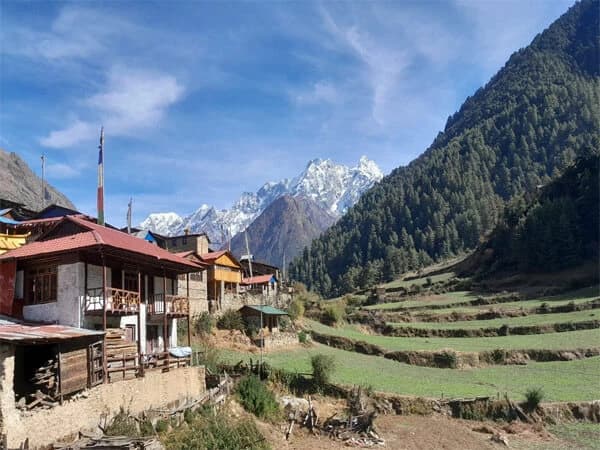
Along the way you walk through the villages where the world famous Sherpa's live, cross long bridges, and pass peaceful monasteries. Some days you feel like a proper explorer. Other days you are just happily walking and wondering how tea and noodles can taste so good after a long hike. Nights are spent in cozy teahouses where you can rest and chat with other trekkers.
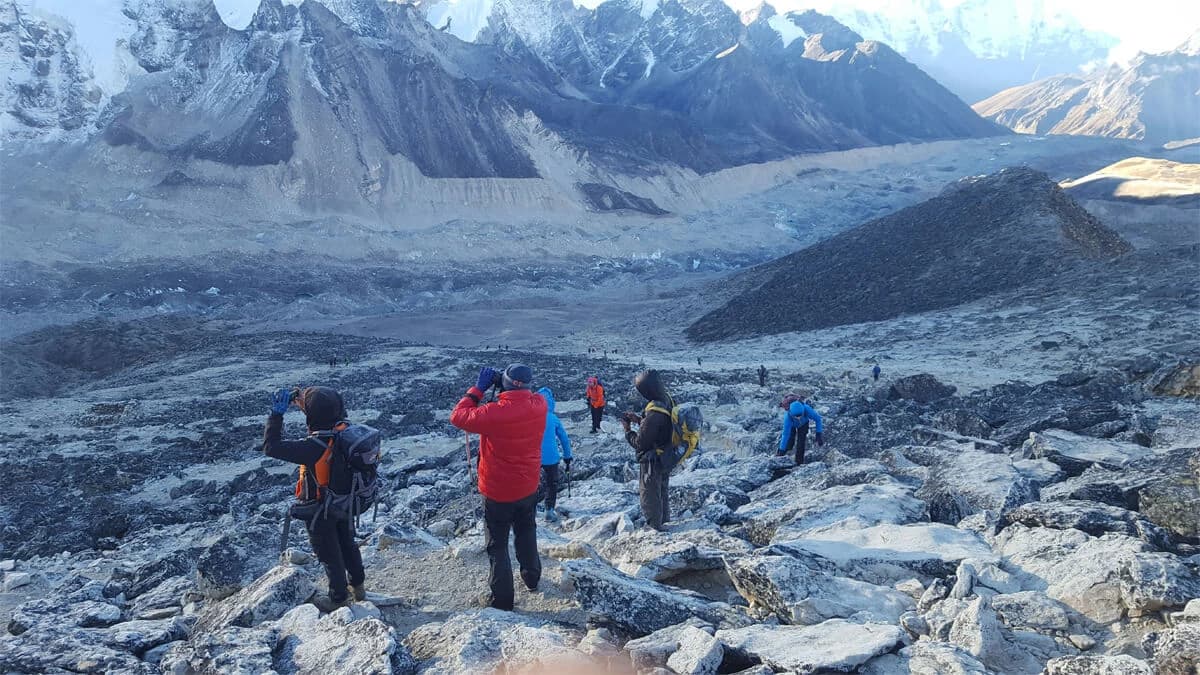
Reaching Base Camp is a special moment for every trekker, especially for the first timers. After days on the trail, you finally stand there surrounded by huge mountain peaks and realize you actually made it.
If Everest is on your list, we at Nepal Trekking Routes offer one of the best Everest Base Camp trek packages. Our experienced guides and well planned itineraries help make the journey smooth, fun, and unforgettable.
Annapurna Base Camp Guide in Nepal
If you talk to trekkers about their first big adventure tour in Nepal, someone will definitely mention the Annapurna Base Camp trek. Annapurna Base Camp in Nepal is one of the best choices for beginners who want to feel like a proper adventurer. Most people start from Pokhara, a laid-back city where you can grab snacks, stare at your backpack wondering if you really need all that stuff, and mentally prepare for the stairs that never seem to end.
You will meet locals who smile or quietly judge your pace, and you will stay in small teahouses where warm food suddenly becomes the best thing you have ever eaten. Some days you feel like someone who conquered mountains, other days you just laugh at yourself because your legs are definitely reminding you they exist.
Finally, you reach Annapurna Base Camp. You look around, see Annapurna I and Machapuchare, and think, “Okay, this is really happening.” No filters needed, no captions required. This trek is exactly why first time trekkers in Nepal fall in love with the mountains.
We at Nepal Trekking Routes have the best Annapurna Base Camp trek packages. We handle the guides, teahouses, and all the planning so you can focus on walking and making memories that last a lifetime.
Trekking in Nepal 2026: Permits You Must Have Before Your First Trek
Before you set off on your first time trekking in Nepal, there’s one thing you absolutely cannot skip: your permits. Every trekking region in Nepal has its own rules, and carrying the right permits keeps you out of trouble, helps protect the mountains, and supports the local communities. Whether you’re aiming for Everest Base Camp, Annapurna Circuit, or Manaslu, knowing exactly what permits you need will save you time, money, and headaches.
| Trekking Region |
Permits You need |
| Everest Region Treks Permits (EBC, Gokyo, Three Passes etc) |
- Sagarmatha National Park Permit
- Khumbu Pasang Lhamu Rural Municipality Permit
- TIMS Card
|
| Annapurna Region Treks Permites (ABC, Circuit, Poon Hill, Mardi Himal trek etc) |
- Annapurna Conservation Area Permit (ACAP)
- E‑TIMS Registration
|
| Langtang Region Treks Permits (Langtang Valley, Gosainkunda, Helambu) |
- Langtang National Park Permit
- E‑TIMS Registration
|
| Manaslu Circuit Trekking Permits |
- Manaslu Restricted Area Permit
- Manaslu Conservation Area Permit (MCAP)
- E‑TIMS Registration
- Local Municipality Permit
|
| Tsum Valley Trekking Permtis |
- Tsum Valley Restricted Area Permit
- MCAP
- E‑TIMS Registration
|
| Upper Mustang Trek Permits |
- Upper Mustang Restricted Area Permit
- ACAP
- E‑TIMS Registration
|
| Upper Dolpo Trek Permits |
- Upper Dolpo Restricted Area Permit
- Shey Phoksundo National Park Permit
- E‑TIMS Registration
|
| Lower Dolpo Trek permits |
- Lower Dolpo Restricted Area Permit
- Shey Phoksundo National Park Permit
- E‑TIMS Registration
|
| Kanchenjunga Trekking Permits |
- Kanchenjunga Restricted Area Permit
- Kanchenjunga Conservation Area Permit (KCAP)
- E‑TIMS Registration
|
| Nar Phu Valley Trek permits |
- Nar Phu Restricted Area Permit
- ACAP
- E‑TIMS Registration
|
Best Time to Trek in Nepal - When to Hit the Trails
Let’s be honest, nobody wants their first trek in Nepal to turn into a muddy slip and slide with rain soaking through your socks. Timing really matters. The best months to go are spring and autumn. In spring from March to May the weather is just right, not too hot and not too cold, and the trails come alive. You will see flowers, rivers, and villages along the way, and suddenly walking for hours does not feel so terrible.
Autumn from September to November is like the superstar season. The skies are clear, the mountains look amazing, and the air feels perfect for trekking without thinking why did I sign up for this. You might even stumble into a local festival and end up eating or dancing your way through it without meaning to.
Winter is quieter but above three thousand meters it gets really cold and your toes might start questioning your life choices. Monsoon season from June to August is mostly mud, rain, and slippery trails. Only attempt it if you enjoy extreme adventure and sneaky rivers on the path.
If this is your first time trekking in Nepal, aim for spring or autumn. The trails are very clear, the weather is friendly, and the mountains will make you go wow without needing any filters. Get your boots on and your camera ready because Nepal is waiting and it is way better when the weather is on your side.
Cost of Trekking in Nepal (For First-Time Trekkers)
One of the best things about trekking in Nepal is that it doesn’t have to be extremely expensive. Compared to many other adventure destinations in the world, Nepal trekking cost here is actually affordable. But the total cost really depends on the trek you choose, how long you go for, and how comfortable you want your trip to be.
Let’s break it down in simple terms.
Almost every trekking area needs a permit. The main ones are the TIMS card and the national park or conservation area permit. They usually cost between 20 and 50 dollars depending on the region. Some places may charge a small local fee but nothing that will make you cry.
If it is your first trek having a guide can save you a lot of headaches. They know the trails, handle logistics, and help communicate with locals. Guides usually cost around 25 to 35 dollars per day. A porter can carry your heavy backpack so you do not have to feel like you are hauling a fridge up the mountain. A porter usually costs 20 to 25 dollars per day. You do not have to hire them but many first-time trekkers find it useful.
Most treks use teahouses for accommodation. Rooms are simple but comfortable enough after a long day of walking. Expect to pay around 5 to 10 dollars per night and a little more in higher villages where supplies are harder to get.
Food costs increase the higher you go because someone has to carry it up the mountain. A meal in lower villages is about 5 dollars while in higher villages it can reach 10 to 15 dollars. On average you can plan to spend 20 to 30 dollars per day for food and drinks. Tea breaks count as essential.
You will also need transportation to the starting point of the trek. Buses or jeeps are usually 10 to 30 dollars. If you are flying to Lukla for Everest treks flights are around 150 to 200 dollars. Think of it as paying a little extra so your legs are not exhausted before the trek even begins.
If you already have trekking gear that is great. If not you can rent sleeping bags, jackets, and other equipment in Kathmandu or Pokhara for just a few dollars per day.
For a typical seven to twelve day trek most independent trekkers spend about 30 to 60 dollars per day. When you add permits, transport, food, accommodation, and possibly a guide the total cost usually comes to 400 to 800 dollars for most beginner-friendly treks. You can spend less if you travel very simply or more if you want extra comfort but at least you will not have to sell a kidney.
Cost of Popular Treks in Nepal with Nepal Trekking Routes
If you’re planning your first trek in Nepal, figuring out the cost can feel a little confusing at first. Permits, guides, accommodation, meals, transportation… there are quite a few moving parts. That’s exactly why many first-time trekkers prefer booking with a trekking company as it keeps things simple and stress-free.
At Nepal Trekking Routes, we organize trekking packageswhere most of the important things are already arranged for you. So instead of worrying about permits or where you’re sleeping tonight, you can focus on enjoying the mountains (and catching your breath on those uphill climbs).
Here are some of the popular trekking routes we offer and their package costs.
Everest Base Camp Trek - USD 1300
The classic bucket-list trek. With our package, you get all the essentials including permits, accommodation, meals, a guide, and the Lukla flight. Your only job is to enjoy the mountains.
Annapurna Base Camp Trek - USD 955
A shorter trek with good mountain views. This one is perfect if it’s your first time trekking and you want a manageable route without spending too much.
Annapurna Circuit Trek - USD 1005
A longer trek that goes through different landscapes and villages. Our package includes all the essentials so you can focus on the walk.
Langtang Valley Trek - USD 790
Close to Kathmandu and one of the more affordable options. Great for first-timers who want a Himalayan experience without too many complications.
Gokyo Lakes Trek - USD 1150
This trek takes you to high-altitude lakes and views of the surrounding mountains. Our package covers guides, permits, meals, and accommodation.
Upper Mustang Trek - USD 1795
A more remote trek with special permits required. It’s pricier, but we take care of all the arrangements so it’s easy for first-time trekkers.
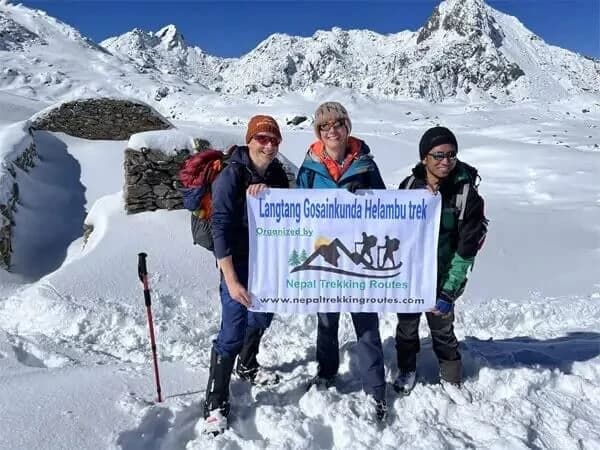
Langtang Gosaikunda Trek - USD 1275
This trek combines the Langtang region with alpine lakes. Our package covers the usual essentials to keep things simple.
Mardi Himal Trek - USD 690
Short, quiet, and budget-friendly. A good choice if you want a straightforward trek with mountain views.
Everest View Trek - USD 1170
A shorter trek for those who want to see Everest without doing the full base camp trek. Includes guides, accommodation, and meals.
If you want the full details about any trek or exactly what each trekking package costs, check out our website. All the info is there, so you don’t have to scroll through 100 random blogs or ask strangers on the internet. Trust us, your future trekking self will thank you.
Nepal Trekking Packing List for the First time Trekkers
Wait, so you’re thinking of trekking in Nepal for the first time and you haven’t even started sorting your stuff yet? Yeah, we’ve all been there. Every first-time trekker goes through that “oh my god what do I actually need” panic at least once. Don’t worry. We’ve got you covered. Below is the precise packing list for trekking in Nepal so you don’t end up carrying your entire wardrobe or freezing because you forgot a jacket.
Clothing You Actually Need
- Base layers: Lightweight t-shirts or long-sleeve tops. Quick-dry is key unless you want to smell like a wet sock by day two.
- Fleece or warm jacket: Nights get cold. You do not want to hug a cup of hot tea for warmth every night.
- Waterproof jacket and pants: It rains, snows, and sometimes all of the above in one day. Trust us, you’ll thank us.
- Trekking pants: Comfortable and durable. Jeans are for the city, not the mountains.
- Socks: Pack extra. Blisters are a first-time trekker’s worst enemy.
- Hat and gloves: Warm ones for early mornings and evenings, sun hat for those “I think I might be fried” afternoons.
- Sunglasses: As mountain glare is real.
Footwear Essentials
- Trekking boots: Broken-in, waterproof, and sturdy. Your feet carry you. Treat them well.
- Camp shoes or sandals: For when you want to escape your boots at tea houses without looking weird.
Bags and Backpacks
- Daypack: Around 25 to 35 liters for water, snacks, camera, and a couple layers.
- Trekking backpack or duffel: If you are using a porter or flying to Lukla for Everest, you’ll need something bigger.
Gear and Accessories
- Trekking poles: Optional but a lifesaver on steep trails. Your knees will love you.
- Water bottle or hydration system: Drink like your life depends on it, because at 4000 meters, it kind of does.
- Headlamp or flashlight: Power cuts happen. Always.
- Sunscreen and lip balm: Himalayan sun plus wind equals crispy face if you skip this.
- First-aid kit: Band-aids, painkillers, blister patches. Your feet are fragile heroes.
- Personal hygiene items: Toothbrush, soap, wet wipes.
Optional but Handy Stuff
- Camera or phone: Obviously. You are going to want proof you climbed a mountain.
- Power bank: Because charging points are rare and your phone battery dies faster than your energy on a 10k uphill.
- Snacks: Energy bars, chocolates, nuts. Your future self on the trail will love you.
Documents and Money
- Passport and copies: Always have a backup.
- Nepal trekking permits and TIMS card: Keep them safe and handy.
- Cash in small bills: Many villages have no ATMs. Tea house owners appreciate it.
Nepal Trekking Safety Guide for Beginners
Planning your first trek in Nepal can be exciting but also a little overwhelming. You are thinking about the mountains, the trails, and the villages, but also wondering how to stay safe. That is completely normal. Even experienced trekkers pay attention to safety. This Nepal trekking guide for beginners covers the essential tips you need so your first Himalayan trek is safe and enjoyable.
- Take it slow and allow your body to adjust to the altitude. Trekking in Nepal is not a race, and going too fast increases the risk of altitude sickness.
- Drink plenty of water throughout the day. Staying hydrated is one of the simplest Nepal trekking safety tips and keeps your energy up.
- Listen to your body. If you feel dizzy, nauseous, or unusually tired, slow down or rest. First-time trekkers often push themselves too hard.
- Dress in layers. Weather in the mountains can change quickly, so wearing multiple layers helps you stay comfortable whether it is sunny, rainy, or cold.
- Wear sturdy trekking boots that isn't completely new. Your feet carry you through the trek, and blisters or sore feet can ruin your experience. Flip-flops are only for tea houses.
- Keep essentials in your daypack. Carry your passport, trekking permits, cash, a small first-aid kit, and some snacks for the trail.
- Listen to your guide. If you are trekking in Nepal for the first time, guides know the trails, the weather, and the safest routes. Following their advice helps you avoid accidents.
- Check the weather before each day of your trek. Condition in the mountins are unpredictable, so it is better to be prepared.
- Limit or avoid alcohol. Drinking while trekking at high altitude can worsen dehydration and affect your body.
- Pack light for daily walks. Carry only what you need for the day to avoid strain and fatigue.
How to Prepare for Trekking in the Himalayas: A Beginner’s Guide
Alright so you are thinking about trekking in Nepal for the first time and honestly it is a little scary. Yes it is exciting but also confusing and maybe a bit overwhelming. You are wondering what to pack, how to handle the trails, and if you will even survive the climbs. Don’t panic we have all felt that way. With a few simple steps and some smart preparation you can actually enjoy your first trek instead of stressing over every little thing.
Start with your fitness. Trekking in Nepal means long days walking uphill, sometimes at high altitude. Even small things like taking regular walks, a few hikes, or yes, even stairs instead of the elevator in the weeks before your trip will help your legs and lungs. Trust me, your body will thank you once you hit the trail.
Next, gear matters. Good trekking boots are a must and yes, they should be broken in before you leave. Layered clothing keeps you comfortable because weather can change fast. Bring a waterproof jacket, a couple of warm layers, trekking pants, a hat, gloves, and socks that won’t give you blisters. You will be glad you packed them.
Pack smart. A daypack for water, snacks, and essentials is a lifesaver. Trekking poles make steep trails easier, and a small first-aid kit plus a refillable water bottle will save you a lot of stress. Snacks are your secret weapon on long days, don’t underestimate them.
Know the trail and plan logistics. Research the route, altitude, and weather before you go. If it is your first trek in Nepal, having a guide is worth it. They know the trails, the villages, and what to do if things change. Carry your permits, ID, and some cash because not every village has an ATM.
Finally, pack light. Carry only what you need for the day so you don’t end up feeling like you are hauling a mountain on your back. Yes, it is tempting to overpack, but resist the urge.
Follow these tips and your first trek in Nepal will be safer, easier, and a lot more enjoyable. Pace yourself, drink plenty of water, and take the time to actually enjoy the views, the villages, and the whole adventure. Do this and you will remember your first trek for all the right reasons.
Things to Know About Nepal Before Your First Trek
Going on your first trek in Nepal is exciting, but there are a few things most first-time trekkers don’t realize until they’re on the trail. The mountains are stunning, but it’s the people, culture, and way of life that make Nepal truly special.
Nepalese are naturally friendly but also a little reserved. Don’t be surprised if villagers smile, wave, or greet you with Namaste, yet keep a polite distance at first. They appreciate respect more than fancy gear. Small gestures like smiling back, greeting them properly, or asking before taking photos go a long way. You’ll notice that village life moves at its own pace, and rushing around can feel out of place.
Altitude matters more than most beginners think. Even if you feel fit, your body needs time to adjust. Short walks, staying hydrated, and paying attention to how you feel will save headaches and exhaustion. Remember, resting is part of trekking, not a weakness.
Food and daily life in villages are a cultural experience. Many meals are vegetarian and freshly prepared. Tea houses are social hubs where locals chat and stories are shared over steaming plates of dal bhat or momo. Service might be slow, but go with the flow and enjoy the rhythm of local life.
Respect religious and cultural spaces. Prayer flags, stupas, and mani stones appear everywhere. Don’t step over offerings or touch sacred objects. Dressing modestly and taking shoes off indoors is expected.
Weather can change frequently. One moment it’s sunny, the next it rains or snows. Layered clothes, a waterproof jacket, good boots, and trekking poles make a big difference. Packing light will keep you moving comfortably and let you actually enjoy the trek instead of fighting your backpack.
Trekking in Nepal is about the little things that stick with you. The kids waving hello, the smell of fresh bread from a tea house, the quiet moments in villages, and yes, the slow smiles of reserved locals. Take your time, be curious, and let yourself get a little lost in it. First-time trekkers who embrace the culture and pace often end up with stories they’ll tell for years, not just photos of mountains.
Do You Need a Guide to Trek in Nepal?
Yes you do and it will make your trek much easier. Trails in Nepal can get confusing and the weather changes quickly. A guide keeps you on the right path, helps with altitude, and knows when it’s time to rest.
Guides also help you connect with locals. Nepalese are friendly but a little reserved and a guide shows you the right way to greet people, explains prayer flags and stupas, and makes sure you don’t make cultural mistakes.
They also handle permits, fees, and tea house bookings so you can focus on enjoying the mountains and the villages. First-time trekkers who have a guide usually end up having a lot more fun and fewer headaches. If you want guiding services for any treks in Nepal then we as Nepal Trekking Routes can manage that service for you.
Guided vs Independent Trekking in Nepal
If this is your first trek in Nepal, going with a guide is usually the easiest way. They know the trails, the best tea houses, and how to handle tricky weather or altitude. They also help you understand local culture because Nepalese are friendly but a little reserved. Guides take care of permits, fees, and logistics so you can focus on the mountains and maybe a hot momo or two.
Independent trekking is great if you love freedom and adventure. You choose your own pace and route, but you are responsible for permits, accommodations, safety, and knowing your limits.
For first time trekkers, a guide makes life simpler and more enjoyable. If you are experienced and confident, independent trekking can be amazing. Either way, trekking in Nepal is unforgettable if you are prepared and respect the local culture.
Nepal Trekking Difficulty Level: Which Trek is Right for you?
Thinking about trekking in Nepal is awesome. But not all treks are same. Some are easy comparatively, some will test your stamina, and some are in restricted regions that need special permits. Let’s break it down.
Easy Treks in Nepal are great if you want beautiful mountains and villages without overdoing it. Trails like Everest View Trek, Mardi Himal Trek, Ghorepani Poon Hill, and Dhampus are gentle, with short walking days and plenty of tea houses. You can enjoy the scenery and still have energy to sip extra chai or chat with locals.
Moderate Treks in Nepal give you a bit more of a workout. Annapurna Base Camp, Langtang Valley, Helambu, and Jomsom Muktinath trek involve longer days, steeper climbs, and higher altitude. You’ll feel your legs working, but the views and small villages along the way make it worth it.
Strenuous or Difficult Treks in Nepalare serious business. Everest Base Camp, Gokyo Lakes, Upper Mustang, Kanchenjunga Base Camp, and Manaslu Circuit will test your stamina and patience. Long walking days and high passes mean you need good fitness and preparation, but the sense of achievement and the scenery will make you forget the pain… eventually.
Restricted Region Treks in Nepal require special permits and usually a guide. Upper Mustang, Dolpo, Manaslu, and some parts of Kanchenjunga fall here. These trails are less crowded, and the villages and culture feel untouched. It’s slower, quieter, and you get to experience local life in a way other treks don’t offer.
How to Plan a Trek in Nepal
Planning a trek in Nepal starts with choosing the right trail for your fitness and time. Easy treks like Everest View or Ghorepani Poon Hill are good for shorter walks and lower altitudes. Moderate options like Annapurna Base Camp or Langtang Valley have longer days and higher passes. Strenuous treks like Everest Base Camp, Gokyo Lakes, or Upper Mustang require good fitness and preparation.
Decide if you want a travel agency like Nepal Trekking Routes and guide to help with trails, permits, and logistics or if you prefer trekking independently, keeping track of navigation, permits, and accommodations yourself.
Next, sort out permits and necessary gear before you go. Make sure you have a TIMS card and national park permits for most popular trails, and check for special permits if trekking in restricted regions like Upper Mustang or Dolpo.
Pack light but smart with layered clothing, trekking boots, a daypack, water, and snacks. Prepare your body with a few weeks of walks or stair climbs. Planning your trek carefully ensures smoother days, less stress, and more time enjoying the mountains.
Final Thoughts
Trekking in Nepal is an experience you will never forget, especially if you are a beginner trekker in Nepal. There are trails for every level, and the mountains, villages, and culture make every step worth it. We hope this guide made planning your trek a little easier. Take it slow, enjoy the journey, and get ready for an adventure in Nepal that you’ll be bragging about for years.