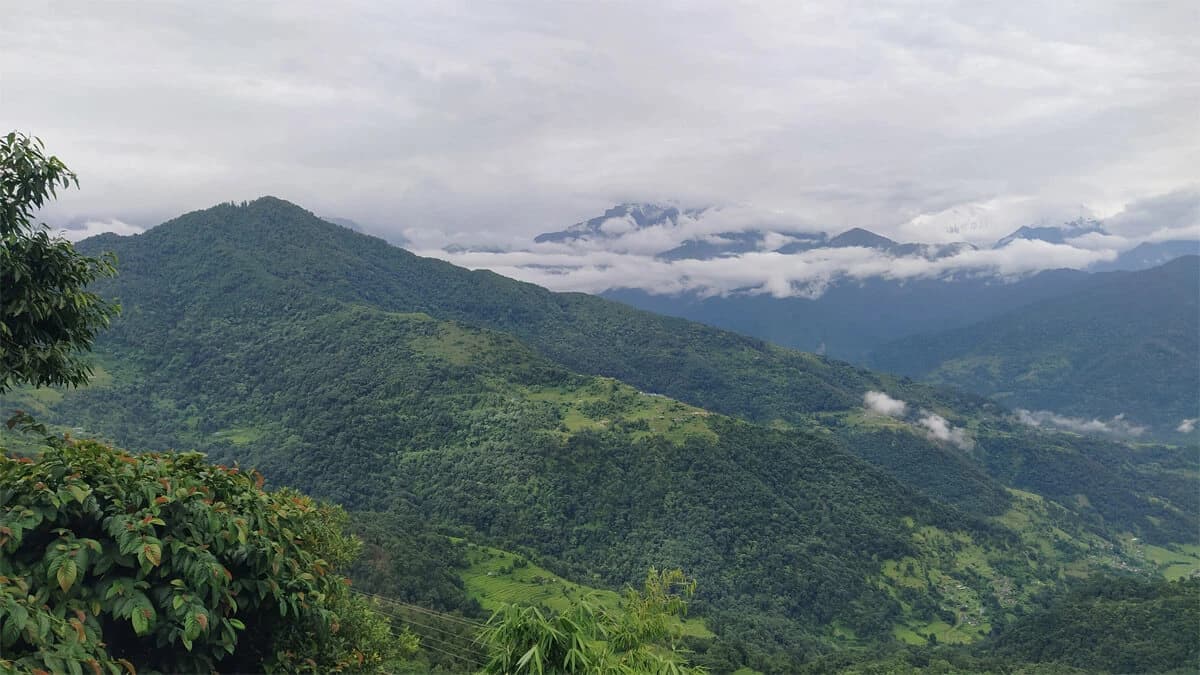
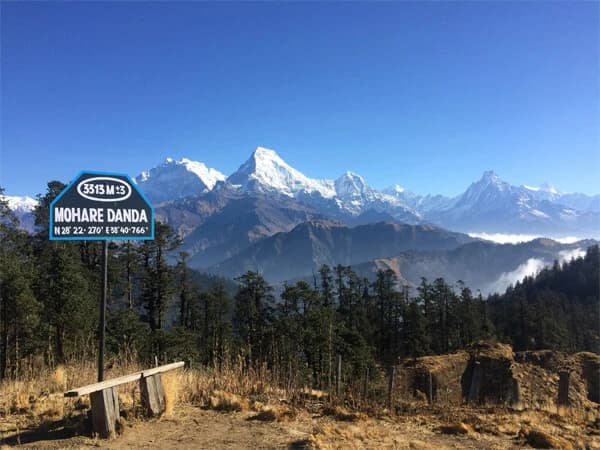
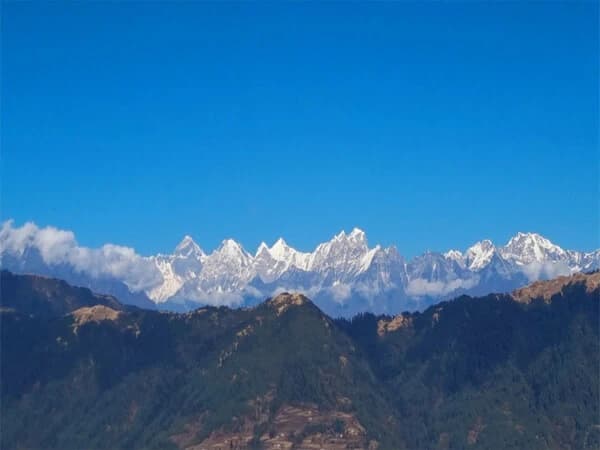
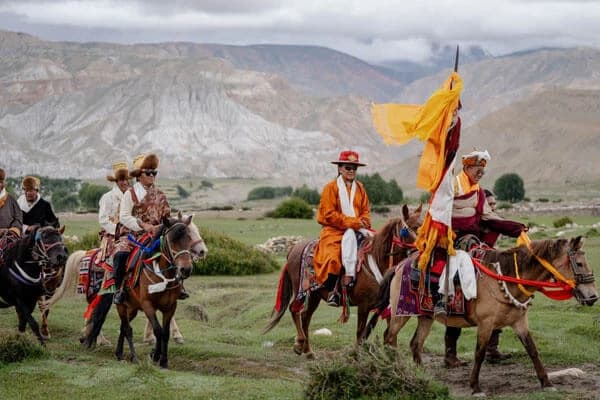
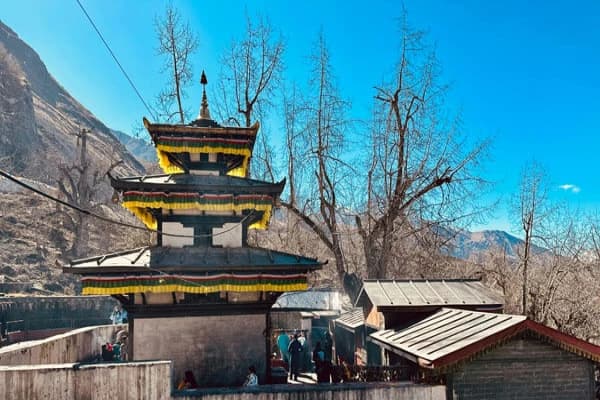
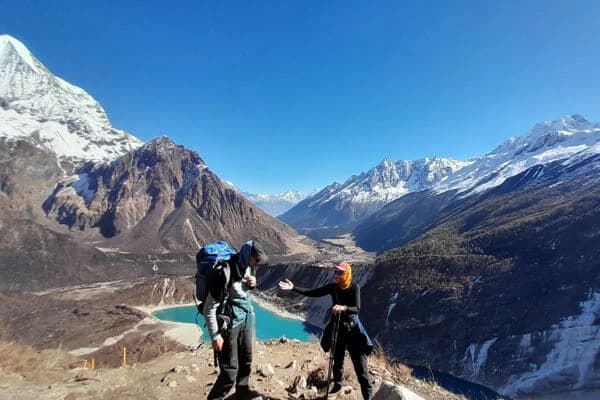
Nepal is a perfect destination for beginner-friendly trekking routes which provides trails that suit first-time trekkers of all ages. These easy Himalayan treks for first-time trekkers contain moderate altitude and gentle trails, allowing beginners to enjoy the majestic mountains. The trekking routes are well-marked, safe, and less crowded, making them ideal for new adventurers.
Most short and easy Nepal treksfor beginners include short daily walking hours usually 3 to 5 hours which provides enough time to rest and soak in the scenery. The trails pass through cultural villages, terraced fields, and lush forests, allowing trekkers to experience local life, traditional customs, and rural Nepalese culture.
Along these best beginner trekkingroutes, comfortable teahouses and homestays provide warm meals, cozy rooms, and a friendly atmosphere. This makes beginner trekking holidays in Nepal stress-free and enjoyable even for those who are trying trekking for the first time.
With low altitude treks in Nepalfor new trekkers, beginners can admire stunning Himalayan views, enjoy scenic mountain walks, and explore peaceful villages at a relaxed pace. These routes combine nature, culture, and easy adventure, making them the perfect introduction to trekking in Nepal.
What Makes a Trek Beginner-Friendly?
A trek is considered beginner-friendly trekking in Nepal when it allows first-time trekkers to explore the Himalayas safely and comfortably. One of the main features is short daily walking hours, usually 3 to 5 hours, which helps beginners walk at a relaxed pace, take breaks, and enjoy the scenery without fatigue.
Moderate altitude trekking generally below 3,500 meters is another important factor. It reduces the risk of altitude sickness which makes the trek suitable for new trekkers and those who want soft adventure treks in Nepal. Trails are well-marked, and comfortable teahouses and homestays along the route provide warm meals, cozy rooms, and friendly hospitality, ensuring a stress-free experience.
Easy access and flexible itineraries make beginner treks even more appealing. Trekkers can adjust the pace, add rest days on request, or skip challenging sections without worry. Minimal technical skills are required, meaning beginners do not need prior trekking experience or specialized gear. These features make easy Himalayan treks for first-time traveler and beginner trekking holidays in Nepal ideal for discovering the mountains safely and enjoyably.
Best Time for Beginner Treks in Nepal
The best time for beginner-friendly trekking in Nepal is during spring (March-May) and autumn (September-November). In spring, the weather is stable, skies are clear, and the mountains are covered with blooming rhododendrons which makes easy Hiking trail for beginners colorful and scenic. The moderate temperatures are perfect for first-time trekkers which allows comfortable walks and enjoyable exploration of villages and forests.
Autumn is another ideal season for beginner trekking holidays in Nepal. The skies are usually clear, the air is crisp, and the mountain views are at their best, offering stunning vistas of peaks like Annapurna, Machapuchare, and Langtang. Trails are dry and safe, making walking easier for new trekkers.
Beginners should avoid trekking during the monsoon (June-August) because heavy rainfall can cause slippery paths, landslides, and poor visibility. Winter (December-February) can also be challenging for first-time trekkers due to cold temperatures and occasional snow on higher trails. Choosing spring or autumn ensures a safe, scenic, and enjoyable trekking experience while exploring the Himalayas for the first time.
Top Beginner-Friendly Treks in Nepal
There are many beginner-friendly trekking trail in Nepal that are perfect for first-time trekkers. These treks have gentle paths, shorter walking distances, and lower altitudes. Due to this, there is a less risk of altitude sickness. Trails like Dhampus, Sarangkot, Nagarkot, and Ghorepani provide beautiful views of the Himalayas, peaceful villages, and forests without being too challenging. Along the way, you can enjoy the local culture, traditional foods and friendly villagers.
These easy treks usually take 2 to 5 days and are suitable for all ages. You don’t need special equipment or advanced fitness to enjoy them. You will just need to have comfortable shoes and a positive spirit. Beginner hikes in Nepal give a real Himalayan experience with stunning mountain views, quiet trails, and unforgettable memories. They are the perfect way to start your trekking journey in the mountains.
Ghorepani Poon Hill Trek (3,210 meters)
The Ghorepani Poon Hill Trekis a short and easy trek in Nepal. It is perfect for beginners and those who want to enjoy the Himalayas without a long or difficult journey. The trek usually starts from Birethanti or Nayapul and passes through Ulleri, Ghorepani, and Tadapani, reaching the highest point at Poon Hill (3,210 m).
The total distance is about 40-50 km, and it can be completed in 4 to 5 days. Along the way, you will walk through peaceful rhododendron forests, terraced fields, and traditional Gurung and Magar villages. You will experience local culture and lifestyle along well-marked, gentle trails that are easy to walk.
The main highlight is the sunrise viewpoints at Poon Hill, where you can see stunning views of the Annapurna and Dhaulagiri mountain ranges. You may also spot local wildlife, birds, and enjoy the fresh mountain air. With cozy tea houses along the route, friendly locals, and breathtaking scenery, the Ghorepani Poon Hill Hike offers a short, scenic, and unforgettable Himalayan adventure for everyone.
Pikey Peak Trek (4,065)
Pikey Peak Trek is a 5 to 7 day trek located in the Lower Solukhumbu district of Nepal. This less popular trek is famous for some of the best viewpoints of Mount Everest and other high Himalayan peaks like Lhotse and Ama Dablam. Along the way, you will pass through small villages, terraced fields, and lush forests, experiencing the local Sherpa culture and lifestyle. The trails are moderately challenging, making it suitable for beginners with some trekking experience. The trek also provides opportunities to enjoy beautiful sunrises and sunsets over the mountains, as well as peaceful, less crowded trails compared to more popular Everest trekking routes.
The trek usually starts from a low-altitude village and gradually climbs to Pikey Peak at 4,065 m which gives trekkers time to acclimatize and enjoy the scenery. Tea houses along the route provide comfortable rest stops, local food, and a chance to interact with friendly villagers. Pikey Peak Trekking is ideal for anyone looking for a short, less crowded, and memorable Himalayan adventure with spectacular mountain views and a taste of authentic rural Nepal.
Khopra Danda Trek
Khopra Danda Trek lies in the Annapurna Conservation Area which is perfect for those who want spectacular Himalayan views without the crowds. The trek usually takes 6 to 8 days , starting from Syauli Bazar or Kimche and returning via Tatopani or the same route to Ghandruk. The highest points of the trek are Khopra Danda at 3,640 m or Khopra Lake at 4,660 m. Those points provide stunning views of Annapurna South, Dhaulagiri, Nilgiri, Hiunchuli, and Machhapuchhre. Compared to other Annapurna treks, it is easier due to its relatively lower elevation and gentle trails.
The main highlights include the Khopra Ridge, which provides unique panoramic views, and Mulde View Point at 3,637 m, where you can see Annapurna, Dhaulagiri, Lamjung, and Fishtail peaks. The trek takes you to Khopra Lake which is a sacred place for Hindus and Buddhists. Walking on snowy trails to the lake is peaceful and gives a special experience in the Himalayas which makes Khopra Danda Trekking a hidden gem in Nepal.
Langtang Valley Trek
Langtang Valley Trek 10 days journey through the scenic Langtang region of Nepal. The trek offers amazing views of Langtang Lirung, Ganesh Himal, and other snow-capped peaks. The highest point of the trek is Kyanjin Ri (4,773 m), which provides breathtaking panoramic views of the Himalayas. Along the way, you will visit traditional Tamang villages, experience local culture, and try homemade food, giving you a glimpse of the Himalayan way of life.
The trail is wide and gradually ascends, making it easy for beginners and casual trekkers. You will pass through lush forests, rivers, and peaceful landscapes. The crowd in this trek is fewer compared to other popular trekking areas. Trek to Langtang Valley is perfect for those who want a mix of stunning nature, cultural experiences, and a memorable Himalayan adventure.
Everest View Trek
Everest View Trek, also called Everest Panorama Trek is lies in Khumbu Region. The trek is a 4 to 7 day trek and is perfect for beginners or anyone who wants to enjoy the beauty of the Everest region. You can enjoy it without doing the longer and harder Everest Base Camp trek. It covers about 50 km through the Sagarmatha National Park and offers stunning views of Mount Everest, Ama Dablam, and other Himalayan peaks. Along the way, you will pass through traditional Sherpa villages and experience the local culture.
One of the major highlights of the trek is Tengboche Monastery, the largest monastery in the Khumbu region. The monastery is famous for its prayer flags and the chanting of monks. The trail is relatively easy, with gentle paths and well-marked routes, making it suitable for first-time trekkers. Everest View Hike is an ideal short and scenic adventure for anyone looking to experience the Himalayas, enjoy breathtaking mountain views, and learn about Sherpa traditions.
Mardi Himal Base Camp Trek
Mardi Himal Base Camp Trekis a short 2 - 3 day trek in the Annapurna region of Nepal. It is perfect for beginners or anyone on their first trekking experience. The trek provides stunning views of Annapurna South, Machhapuchhre (Fishtail), and Hiunchuli. The highest point of the trek is Mardi Himal Base Camp at 4,500 m, where you can enjoy panoramic views of the Annapurna range and surrounding peaks.
The trail is relatively gentle with wide paths and gradual climbs which makes it easy for beginners and families. Along the way, you will pass through lush forests of rhododendron and oak, small traditional villages, and scenic ridges. Tea houses and lodges along the route provide comfortable rest stops and local food. The best time to do mardi Himal trek is from September to November and March to May when the weather is clear. Mardi Himal Trek is ideal for those seeking a short, scenic, and rewarding Himalayan adventure with breathtaking mountain views.
Dhampus Sarangkot Trek
Dhampus Sarangkot Trek is around 3 days trek near Pokhara. The trek is ideal for beginners or anyone looking for an easy Himalayan adventure. The trek offers spectacular sunrise views over the Annapurna, Dhaulagiri, and Machhapuchhre (Fishtail) mountains. Along the way, you can explore traditional village life in Dhampus and other small settlements with the peaceful rural atmosphere and friendly local hospitality.
The trails are gentle, well-marked, and easy to follow which makes this trek perfect for those who prefer short hikes. You will walk through terraced fields, forests, and scenic ridges while enjoying panoramic mountain views. Tea houses along the route provide comfortable rest stops, local food, and a chance to interact with villagers.
Due to its close proximity to Pokhara, the trek is convenient, yet it feels remote enough to enjoy serene nature and breathtaking landscapes. The best time to do this trek is from September to November and March to May, when the weather is clear and the views are at their best. Dhampus Sarangkot hike is a perfect short Himalayan adventure that combines natural beauty, cultural experiences, and unforgettable mountain vistas.
Solo Trekking Vs Guided Trekking for Beginners
When starting your first trekking adventure, deciding between going solo or hiring a guide is important. Both options have their own advantages depending on your experience, comfort level, and goals.
Solo Trekking
Solo trekking in Nepalgives you the freedom to explore at your own pace. You can decide when to start, take breaks, or explore along the trail. It offers independence and a sense of personal adventure, letting you enjoy quiet moments in nature.
However, trekking alone also comes with responsibilities and risks. You need to navigate the trails, arrange accommodations, and manage any emergencies by yourself. For first-time trekkers, this can be challenging and sometimes stressful. It’s important to plan carefully, carry a map or GPS, and inform someone about your route. You need to be prepared carefully to make solo trekking safer and more enjoyable.
Guided Trekking
Guided trekking in Nepal is a safer and more comfortable option, especially for beginners. Experienced guides help with navigation, monitor your safety, and provide valuable advice on acclimatization and trekking etiquette. They also share interesting local knowledge about culture, traditions, and the natural environment, making your journey more educational and enjoyable.
With porters carrying heavy bags, you can walk freely without feeling tired or burdened, allowing you to fully enjoy the scenery and the experience. Guided treks also give first-time trekkers confidence as they are always available to assist in case of emergencies. Overall, guided trekking makes exploring the Himalayas easier, safer, and far more relaxing.
Difficulty Level & Altitude Comparison of Short Treks in Nepal
This table provides a quick and easy comparison of beginner-friendly treks in Nepal based on maximum altitude and difficulty level. It helps trekkers understand how high each trek goes and how challenging the trail may feel. By comparing these factors, first-time trekkers can choose a route that matches their fitness level, available time, and comfort with altitude.
From this comparison, you can easily identify which trek suits you best. Short and low-altitude treks like Dhampus - Sarangkot are ideal for families and seniors, while slightly higher treks such as Langtang Valley or Peaky Peak are better for beginners who want a bit more adventure. This overview makes planning a safe, enjoyable, and confident trekking experience in Nepal much easier.
| Trek Name |
Max Altitude |
Difficulty Level |
| Ghorepani Poon Hill Trek |
3,210 m |
Easy |
| Peaky Peak Trek |
4,065 m |
Moderate |
| Khopra Danda Trek |
4,660 m |
Easy - Moderate |
| Langtang Valley Trek |
4,773 m |
Moderate |
| Everest View Trek |
3, 880 m |
Easy |
| Mardi Himal Base Camp Trek |
4,500 m |
Easy - Moderate |
| Dhampus Sarangkot Trek |
1,700 m |
Easy |
Essential Tips for Beginner Trekkers
Starting your first trekking journey can feel exciting and a little challenging at the same time. With the right preparation and mindset, trekking becomes a safe, enjoyable, and rewarding experience. Beginner trekkers can fully enjoy the Himalayas by following simple tips that help reduce difficulty and increase comfort on the trail.
Good planning, proper gear, and a steady pace are the keys to a successful trek. Understanding basic trekking practices before you begin helps build confidence and prevents common problems like fatigue or discomfort. These essential tips will help first-time trekkers enjoy the journey while staying safe and relaxed in the mountains.
Physical preparation and walking practice
Preparing your body before the trek is very important for beginners. Regular walking is the best way to build stamina and strength. Try walking daily for 30 minutes to 1 hour and slowly increase the duration. Walking on stairs, hills, or uneven paths helps your legs adjust to trekking trails. Light jogging, cycling, or simple stretching also improves breathing and flexibility, making long walking days easier.
You do not need heavy training or gym workouts to start trekking. Simple daily activities like walking, stretching, and practicing with a light backpack are enough. Good physical preparation helps reduce tiredness, prevent injuries, and build confidence. When your body is ready, you can enjoy the trek comfortably without feeling exhausted and focus on the beauty of the Himalayas.
Packing light and choosing proper footwear
Packing light makes trekking more comfortable and enjoyable, especially for beginners. Carry only essential items such as warm clothes, rain protection, water, snacks, and personal necessities. Avoid overpacking as a heavy backpack can quickly cause tiredness and put extra pressure on your back, shoulders, and knees. A lighter bag helps you walk more easily, maintain balance on uneven trails, and enjoy the trek without discomfort.
Choosing proper trekking footwear is equally important for a safe and pleasant trekking experience. Always wear comfortable, strong trekking shoes that are already broken in before the trek. Good shoes provide ankle support, protect your feet on rocky and uneven paths, and help prevent blisters and injuries. Proper footwear gives confidence while walking and allows beginners to focus on the journey rather than foot pain.
Importance of hydration and slow pacing
Drinking enough water during the trek is very important for keeping your body energized and healthy. Proper hydration helps prevent headaches, tiredness, and altitude-related problems. Beginners should always carry enough water and drink small amounts regularly, even if they do not feel thirsty. Staying hydrated helps your body adjust better to the mountain environment and keeps your energy level steady throughout the day.
Walking slowly and maintaining a steady pace is key to a safe and enjoyable trek. A relaxed pace allows your body to adjust naturally to altitude and reduces the risk of exhaustion. There is no need to rush on the trail. Taking short breaks, breathing properly, and enjoying the scenery makes trekking safer, more comfortable, and more enjoyable for beginners.
Hiring guides and porters for comfort and safety
Hiring a local trekking guide adds both safety and confidence to your trekking experience. Guides are experienced in navigating trails, understanding weather conditions, and handling emergencies. They also share valuable local knowledge about the culture, villages, and natural surroundings, making your trek more interesting and enjoyable. For first-time trekkers, having a guide ensures peace of mind and a smoother journey.
Porters are equally helpful as they carry heavy backpacks and equipment. This reduces physical stress on your back, shoulders, and knees, making long trekking days much easier. With guides and porters, beginners can focus on enjoying the scenery, taking photos, and experiencing the Himalayas without worrying about navigation or heavy loads. This combination makes trekking safer, more comfortable, and truly relaxing.
FAQs
What fitness level is required for beginner trekking in Nepal?
Beginner trekking in Nepal does not require high fitness or athletic training. If you can walk for 3 to 5 hours a day at a slow and steady pace, you are fit enough for most easy treks. Simple preparation like daily walking, light stretching, and climbing stairs before the trip is more than enough. These treks are designed for comfort, allowing frequent breaks and relaxed walking. Even people with no trekking experience can enjoy these trails without feeling exhausted.
What kind of accommodation can beginners expect during the trek?
On beginner-friendly trekking routes in Nepal, accommodation is usually provided in teahouses or homestays. These are simply run by local families. You will get a clean room, a warm bed, and freshly cooked meals. Bathrooms are mostly shared and hot showers are available in many places. Staying in teahouses also allows beginners to experience local culture and hospitality in a very friendly environment.
Is beginner trekking in Nepal safe for solo female travelers?
Yes, beginner solo female trekking in Nepal is generally safe for solo female travelers especially on popular routes. The trails are well-marked, locals are friendly, and teahouses are available along the way. Many women trek alone without any issues. However, for extra comfort and safety, hiring a local guide is recommended. A guide will help with directions, accommodation, and communication which makes the journey more relaxed and worry-free.
How long do beginner-friendly treks in Nepal usually last?
Beginner-friendly treks in Nepal usually last between 2 to 7 days. These short durations are ideal for first-time trekkers and travelers with limited time. The routes are carefully planned with shorter daily walking hours, allowing beginners to enjoy mountain views, local villages, and nature without feeling tired. Even in a few days, trekkers can experience the beauty of the Himalayas, making these treks perfect for a safe, relaxed, and memorable adventure.
Can beginners do higher-altitude treks like Langtang Valley or Peaky Peak?
Yes, beginners can do higher-altitude treks like Langtang Valley or Peaky Peak if they have basic fitness and follow proper acclimatization. These treks are considered moderate, but the trails are well-defined and the altitude gain is gradual. Walking at a slow pace, taking rest days when needed, and drinking enough water help the body adjust safely to higher elevations. Hiring a local trekking guide is highly recommended, as guides help manage the pace, monitor health, and provide support along the way. With good preparation and the right guidance, beginners can safely enjoy these beautiful Himalayan treks and gain confidence for future adventures.
Is altitude sickness a concern on beginner treks in Nepal?
Altitude sickness is usually not a major concern on beginner-friendly treks in Nepal because most of these routes stay below 3,500 meters. At this altitude, the risk is much lower. These treks are designed with gradual ascents and short daily walking hours, which helps the body adjust naturally. However, beginners should still be careful by walking slowly, drinking plenty of water, eating well, and taking regular breaks. Paying attention to your body and resting when needed helps ensure a safe and comfortable trekking experience, even for first-time trekkers in Nepal.
Is trekking in Nepal safe for beginners?
Yes, trekking in Nepalis generally safe for beginners, especially on beginner-friendly routes. Nepal has well-marked trails, experienced local guides, and many teahouses along popular trekking paths. Easy treks are designed with short walking hours, gradual altitude gain, and comfortable resting points, which makes them suitable for first-time trekkers. By choosing the right season, walking at a slow pace, staying hydrated, beginners can enjoy a safe and rewarding trekking experience in Nepal.
Can beginners do the ABC Trek and Everest Base Camp trek?
Yes, beginners can do the Annapurna Base Camp (ABC) and Everest Base Camp (EBC) treks, but they require good preparation and commitment. These treks are longer and reach higher altitudes, so they are more challenging than beginner routes. With basic fitness, proper acclimatization days, a slow walking pace, and preferably a local guide, first-time trekkers can complete these treks safely. Many beginners successfully finish ABC and EBC by taking their time, listening to their bodies, and trekking responsibly.
Conclusion: Beginner-Friendly Treks in Nepal
Nepal is the perfect starting point for anyone dreaming of exploring the Himalayas. With its breathtaking landscapes, diverse trekking routes, and stunning mountain views, it provides adventures suitable for beginners trekkers. From short treks like Ghorepani Poon Hill and Dhampus-Sarangkot to moderate treks like Mardi Himal and Langtang Valley.
For first-time trekkers, these trails provide a safe and enjoyable introduction to Himalayan trekking. You can experience local culture, interact with villagers, enjoy traditional food, and witness panoramic views without facing overly difficult or dangerous paths. Each Nepal trekking builds confidence and prepares you for more challenging adventures in the future. Start your Himalayan adventure today and explore the magic of Nepal with confidence.