Nepal is associated with Everest, Annapurna, and a few popular cities like Kathmandu and Pokhara, but most of the country doesn’t look like that at all. Most people visiting here are unaware that the hidden gems in Nepal are spread across places that don’t really come up in most travel plans, even though they’re very interesting to visit and all over the map.
There are villages, remote lakes, and hill towns that many travelers pass by without knowing much about them, even though they feel very different from the usual stops.
Most trips follow the same pattern where people land, go straight to the well known travel routes, and leave with a limited view of what the country offers outside those areas.
This guide covers some of those lesser known and offbeat places in Nepal that most travelers pass by or never hear about. If you are someone who is not a fan of popular travel destinations and want to explore some of the hidden yet underrated places in Nepal then this blog is for you!
What do you mean by Hidden Gems in Nepal?
Okay, you might be confused about what hidden gems are actually about, let us clarify that for you. Hidden gems are the places that don't come up when people plan a trip.
It can be a destination you might not have heard of before, or a trek that takes more time and effort to reach compared to the usual trekking routes.
Sometimes it is a small town in the hills, sometimes it is a lake far from main roads, and sometimes it is just a place that is not part of the common travel list.
That is basically what people mean when they talk about hidden gems in Nepal.
Why Hidden Gems in Nepal are Worth Exploring?
Most people end up on the same trekking routes in Nepal because that is what gets talked about the most. That is just how travel plans usually form.
Less explored places in Nepal are on a different side of that. Getting there can take time. Sometimes it is a long drive, sometimes you have to switch between different modes of transport, and sometimes there is not much clear information until you are already on the way.
If you are someone who does not want to follow the crowd and would rather see places that are not full of tourists, these places make more sense.
Hidden Places in Nepal that Most People Miss
The Queen of Lakes, Rara
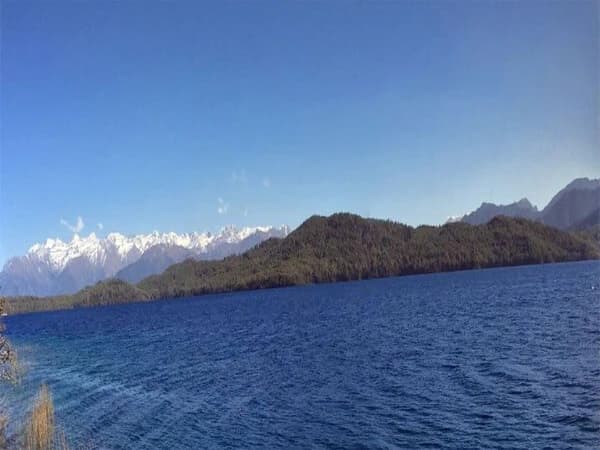
Rara Lake is in Mugu District in far western Nepal, inside Rara National Park. Getting there is not as easy and direct as you think. Most people go via Nepalgunj and then take a small flight to Talcha or continue overland depending on conditions.
It is the largest lake in Nepal. There is no proper town Rara. There is a small lakeside area where people stay and move around during their visit.
The water changes shade during the day. The area around it consists of mostly pine forest and open land with very little infrastructure nearby.
If you are looking for remote places in Nepal, definitely include this in your list as it is one of those places that actually fits that search without needing any exaggeration.
We have also written a detailed Rara Lake Nepal travel guide with route details and planning info if you want more specifics.
Khaptad National Park
Khaptad National Park is in far western Nepal. It covers parts of Bajhang, Doti, Achham, and Bajura. Most travelers skip it because it is far from the main Nepal travel routes.
Most people go first to Nepalgunj or Dhangadhi. From there, they continue by road toward places like Silgadhi or Bajhang depending on the route. Roads are uneven in many places. After that, local transport and walking are often part of the journey before reaching the park area.
Inside the park you see large open grass areas with forest around them. The paths are simple and you do not run into many other people while walking. In some parts you can walk for a long stretch with just open land and trees on both sides.
There are a few basic places to stay near the entry side and nearby villages. Inside the main park area, there is very little built setup, so most people stay for a short time and carry basic things with them.
Khaptad is not part of most Nepal travel plans. Distance, road condition, and the fact that it is not linked to popular trekking routes like Annapurna or Everest keep it out of most tourist trips.
It is good for people looking for offbeat trekking in Nepal, remote national parks in Nepal, and places in Nepal that are not crowded or developed for tourism.
Tsum Valley
Tsum Valley is in northern Gorkha in the Manaslu region. It is a restricted trekking area, so a special permit and a registered guide are required before going there.
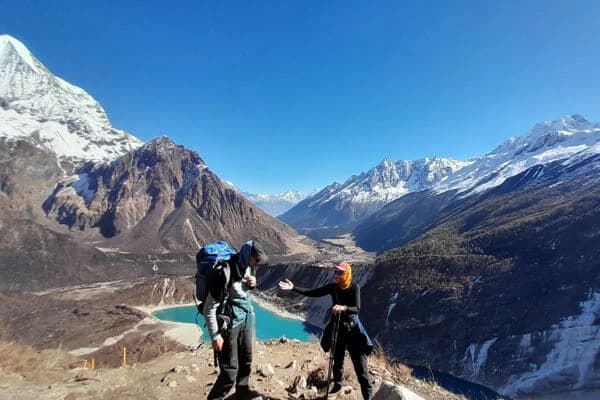
Most people start from Arughat or Soti Khola. From there the route follows the Manaslu trekking trail for a while before it branches off into smaller paths that head into Tsum Valley. After that, it is all walking through the mountains.
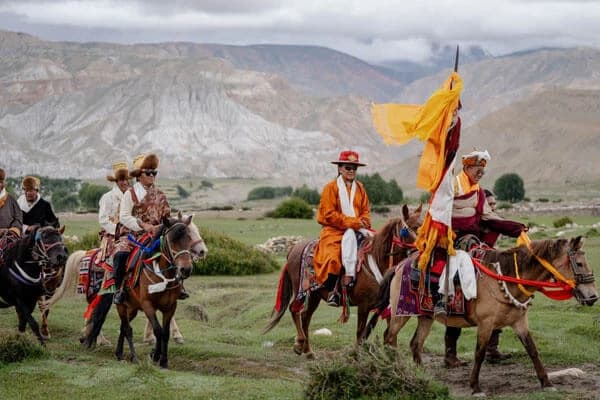
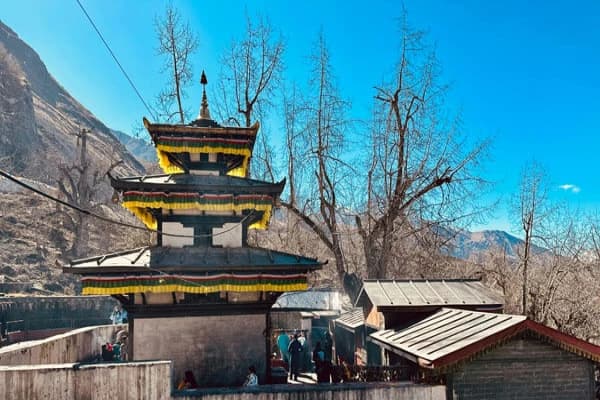
You start noticing small villages along the way. People here follow a way of life that is strongly shaped by Tibetan culture. There are monasteries, prayer flags, stone houses, and farmland around most of the villages. Daily life is mostly farming and simple routines.
Tea houses are available on the route for meals and sleeping. They are basic and usually run by local families. Compared to popular treks like Everest Base Camp or the Annapurna Circuit, everything feels less developed and more basic.
Tsum Valley is not part of most Nepal travel plans. It needs permits, a guide, and more days, so many people avoid adding it. Even people doing the Manaslu trek sometimes don’t go into the valley because it takes extra time.
It is often searched as Tsum Valley trek, Manaslu trek Nepal, offbeat trekking in Nepal, and cultural trekking in Nepal, especially by people looking for calm and remote routes with village life.
Bardiya National Park
If you talk about wildlife tours in Nepal, many people prefer to visit Chitwan National Park and Bardiya is not included in most of the Nepal tour packages, but little do they know that they are missing out on a very different experience.
Bardiya National Park is in the far west in the Terai. You go through Nepalgunj first, then take a road ride to Thakurdwara, which is the main entry area for the park.
From there it’s all forest, grassland, and river side areas. No city noise, nothing like that. Safaris happen by jeep, and some guides also take you on walking routes inside the park.
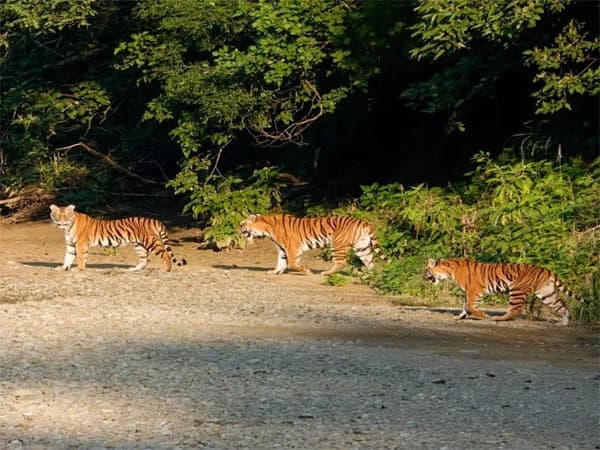
Rhinos are fairly common here. You also get deer, crocodiles, wild elephants, and sometimes Bengal tigers. Tigers are there, but seeing one is still more about luck than planning.
Compared to Chitwan, Bardiya doesn’t feel built up. Chitwan has more hotels, more crowds, more fixed schedules. Bardiya feels more open and less controlled, like things are just happening naturally.
Most people stay a couple of nights. That’s usually enough time for a few safaris and slow days around the park edge.
It doesn’t show up in many Nepal travel itineraries mainly because it’s far and not marketed as much as Chitwan. But if someone is looking for a wildlife safari in Nepal or offbeat places in Nepal, Bardiya is honestly one of the better ones.
Bandipur
Bandipur is one of those places people usually miss without even knowing it exists. You’re basically on the Kathmandu to Pokhara highway, you see the sign for Dumre, and most people just keep going.
From Dumre you head up and after some time you reach the town. Once you’re there, it feels completely different from the road below.
The main area has old houses, small shops, and a few cafes. Everything is walk only, so you just move around on foot without any traffic in between.
On clear days, you can see mountain views from the edges of town. Sometimes the view is sharp, sometimes clouds cover everything, so it really depends on the weather.
Most people stay for a night or two. There isn’t much planning needed here. People usually just walk around, sit in cafes, and spend time without rushing anywhere.
Bandipur often gets skipped in Nepal travel plans because Pokhara is the main stop for most trips. But it still works well as a short stop for anyone looking for Bandipur Nepal travel, hill stations in Nepal, or offbeat places in Nepal.
Rani Mahal (Palpa)
Rani Mahal is near Tansen in Palpa. It is built next to the Kali Gandaki River and most people visit it as a short trip from Tansen.
From Tansen, you go by road toward the river area and then walk a short distance to reach the palace. The river is very close, and you notice it as soon as you arrive. You can even dip your legs on the shore of the river.
The palace is an old building with white walls and open space around it. The surroundings stand out more than the building itself, with the river on one side and rocky hills around it.
People walk around the area, take a look at the palace, and spend some time by the river before going back. There are no long activities or things to do for a full day.
Rani Mahal is sometimes called the Taj Mahal of Nepal in travel articles, but in reality it is not as grand as the one you see in India.
Janaki Temple in Janakpur
Janakpur is busy most of the time. Janaki Temple is the main reason people end up here.
People link this place to Sita from the epic Ramayana. They believe she was born in Janakpur, and the temple is also tied to the story of her marriage to Lord Ram in Hindu tradition.
The temple was built in 1910 by Queen Vrisha Bhanu of Tikamgarh. It does not look like most temples in Nepal. The design mixes Mughal and Rajput styles, so it looks white and detailed, almost like something you would not expect in this part of the country.
Outside, things do not slow down. Rickshaws keep passing, shops are lined up selling flowers and offerings, and people are moving in and out all the time. During festivals it gets packed and moving through that area takes time.
The culture around it is Maithili. You notice it in how people talk, what they eat, and how daily life works around the temple.
Most people come, walk around the temple, and leave the same day.
Koshi Tappu Wildlife Reserve
Koshi Tappu is very different from the rest of Nepal.
Nepal is known for wildlife, but this place shows a different side of it. It is in the eastern Terai, so instead of hills or mountains you get flat land, river wetlands, and open grass areas. A lot of people come here for bird watching in Nepal, and it is also included in bird watching tours in Nepal because migratory birds pass through this region.
Early morning is the best time to see birds near the water and grass areas. Later in the day it gets hot and mosquitoes start to bother you, so people slow down and spend less time outside.
Around the reserve there is normal river life going on. Fishermen working, buffalo grazing nearby, and small village activity around the edges. It is not developed like Chitwan National Park, and it does not get many visitors, which is why some wildlife tours in Nepal routes include it for people who want something less crowded.
So if you like birds, this place is worth adding to your plan.
Ilam
Ilam is known as the tea district of Nepal.
Getting there from Kathmandu takes a long time and you kind of stop checking the distance after a while because it just keeps going.
The road slowly turns into tea gardens everywhere. Hills covered in rows of tea plants, people working in them like normal daily life, nothing set up or arranged for visitors.
You pass small towns here and there. A few shops, tea stalls, people sitting outside. Sometimes you stop, sometimes you don’t really feel like stopping and just keep going.
Drinking tea ends up happening a lot on that route without you even planning.
The weather however, is not consistent. Some mornings you get fog, some days it is clear, and sometimes the hills just look flat and dull.
You can also find a lot of Chhurpi (hard cheese) which is very famous in Nepal. So while you are there, do not forget to try it.
Foreign tourists are not common here like in the cities like Kathmandu, Chitwan, or Pokhara.
Underrated Treks in Nepal
Not every trek in Nepal is crowded like Everest Base Camp or Annapurna Circuit. There are a few trekking routes that stay under the radar because they are harder to reach or they are not promoted much. So Here are some example of underrated treks in Nepal
Pikey Peak Trek
Pikey Peak is on the lower Everest side. It gets ignored a lot because Everest Base Camp is the main focus.
It is not a crowded route. Villages appear here and there, with basic lodges run by local families. On clear days you can see Everest from the top, but many times the view is blocked by clouds and you don’t get much visibility.
Ruby Valley Trek
Ruby Valley is between Langtang and Manaslu areas, but most people don’t really consider it.
The area feels more like normal rural life. Farming, local houses, daily work happening around. Very few trekking groups go there, so it does not feel busy at any point.
Facilities are basic, and there is not much comfort or setup along the way.
Mardi Himal Trek
Mardi Himal is near Annapurna, so it is not completely unknown, but it still gets far less attention than Annapurna Base Camp.
Lower parts go through forests and places where people live. Higher up, mountain views open, but the trail never feels crowded like the main Annapurna routes.
Lower Dolpo Trek
Lower Dolpo is in western Nepal near the Tibetan side, and it feels very different from the trekking areas most tourists know about.
The area is dry and rocky instead of green like the Nepal many people expect from photos. Villages are far apart and there are not many facilities on the route.
Not many trekkers go there, which is why people looking for a remote trekking destination in Nepal still mention Lower Dolpo when talking about less crowded treks in Nepal.
Why Most Travelers Miss These Places
Most tourists visiting Nepal come here with two main motives, either to trek to the world famous mountains or to enjoy the unique culture of the nation. That already takes most of the time people have.
So a lot of other places don’t end up in the plan.
Once you are off the main routes, things are less set up for visitors. Places to stay are basic, transport does not always run on schedule, and clear information is not always available before reaching there.
Because of that, many people skip them while planning their trip.
Best Time to Visit Lesser Known Places in Nepal
When you talk about visiting Nepal, there are two main seasons that you will hear about the most, that being Spring and Autumn season. These are the times where there is a lot of tourist flow in the country and when Nepal is at its peak.
Spring season from March to May is fine for most of these places. Roads are workable and travel does not get interrupted as much in the hills.
Autumn season, which is around September to November is the main travel window. Most trips end up happening in this time because conditions stay more suitable for getting around.
Monsoon season makes things difficult. Rain hits a lot of routes, some roads get blocked, and in a few places travel just stops for a while.
Winter works in the lowland areas like Bardiya, Koshi Tappu, and Janakpur. Bird watching and wildlife trips still happen during this time. But if you are planning a trek, winter is not a good time.
Travel Tips Before You Go
There are some travel tips while traveling to these areas of Nepal. Mind you, these are not very popular places, so you will not see many tourists around in most of the places.
- Mobile signal is not reliable in many of the lesser known trekking areas. It can work in one place and then stop after a short distance.
- Card use is rare outside bigger places so make sure to bring enough cash.
- Transport does not stick to timing due to road conditions. You even have to wait sometimes and things might move later than planned.
- Places like Tsum Valley and Dolpo are not open travel routes. You need a guide and permits before going in.
- Fixed schedules do not really work in these routes so make sure extra days are included in the plan.
Final Thoughts
Nepal is not just Everest trekking routes and the usual city stops. A lot of places you saw in this blog lie outside that loop completely.
Most people don’t really plan for them, so they get left out without much thought.
If you ever have extra time in Nepal, these are the kind of places that show you a side of the country that doesn’t come up in most trips. Just mention the place you want to visit and we Nepal Trekking Routes can make it happen for you.