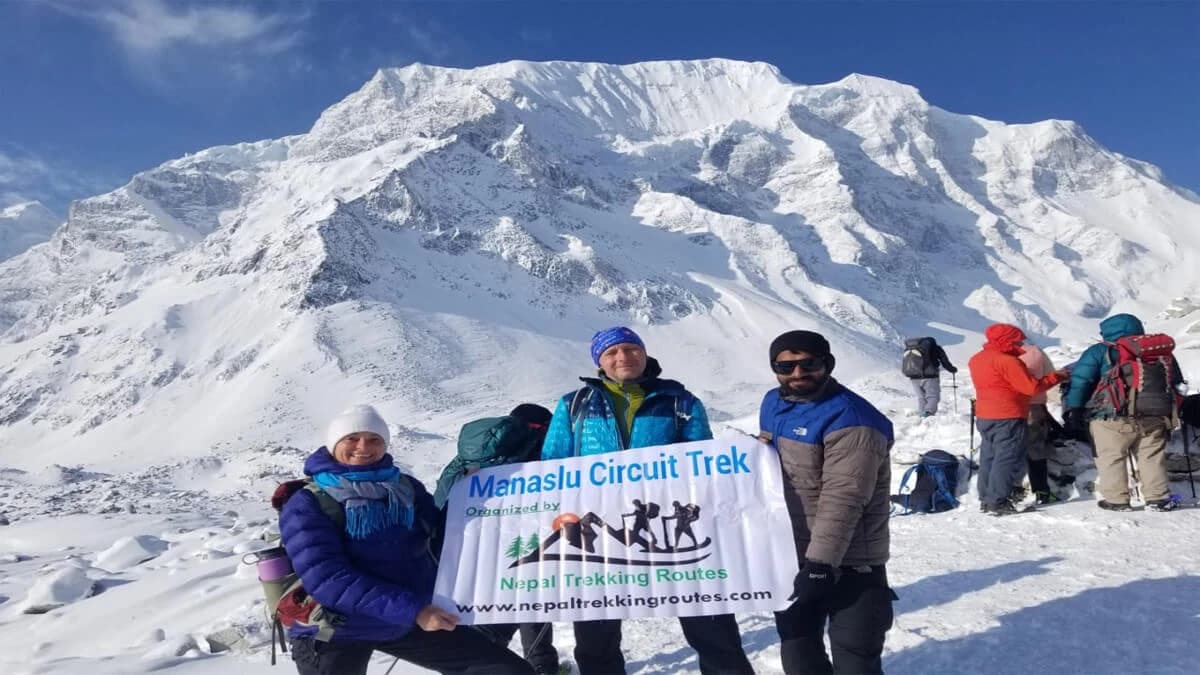
There are plenty of trekking options in the Himalayas, but not all of them give you that balance of big mountain views and actual breathing space on the trail. The Manaslu Circuit Trek is one of those rare routes where you walk through different landscapes, shifting terrain, and that raw mountain feel, but without feeling like you're constantly in a crowd. It’s scenic in a very natural way, not something that feels staged or overly busy.
So if your idea of a good trek is more about walking through open landscapes, quiet villages, and long mountain days without too much interruption, this route fits that mindset pretty well. That’s really what makes it stand out in this guide.
Overview of Manaslu Circuit Trek
First things first, let’s get to know about the Manaslu Circuit Trekking, where it lies and what actually is the highlight of this trek. After that, we’ll look at why this trek is considered scenic yet less crowded.
The Manaslu Circuit Trek is located in the Gorkha District of Nepal, in the north-central part of the country. The trail sits within a restricted trekking region, which already makes it a bit different from many other trekking routes in Nepal. One of the main highlights of this trek is the way it gradually moves through changing landscapes, from lower hills and river valleys to high-altitude mountain terrain, all while keeping a strong sense of local culture along the way.
Why the Manaslu Circuit is Less crowded Trek?
After understanding the basics, it becomes easier to see why the Manaslu Circuit Trekking in Nepal is often described as a less crowded trek in Nepal. One of the main reasons is its location in a restricted region, which naturally limits the number of trekkers on the trail. Because of this, the route doesn’t see the same level of traffic as many otherpopular trekking areas, even though the scenery is just as impressive.
Accessibility also plays a big role here. The trail feels more remote compared to other trekking routes, and it takes a bit more effort to reach and plan properly. Because of that, many beginners or first-time trekkers tend to choose more established and easier routes where everything feels more straightforward and familiar. This naturally keeps the Manaslu Circuit quieter, with fewer casual or last-minute trekkers on the trail.
Another reason is the permit system and trekking regulations in the region. Since this is a restricted area, trekkers need specific permits and usually have to go through proper arrangements before starting the journey. That extra step alone reduces spontaneous travel and keeps overall numbers lower.
On top of that, the Manaslu Circuit Trek is simply not as widely marketed or visible online. You don’t see as many travel videos, social media posts, or mainstream promotions compared to other trekking routes in Nepal. Because of that, many trekkers don’t come across it in the early stages of planning and end up choosing more familiar routes instead. All of these factors together keep the Manaslu Circuit Trek quieter, more open, and less crowded, even during peak trekking seasons.
The Scenic Side of the Manaslu Circuit Trek
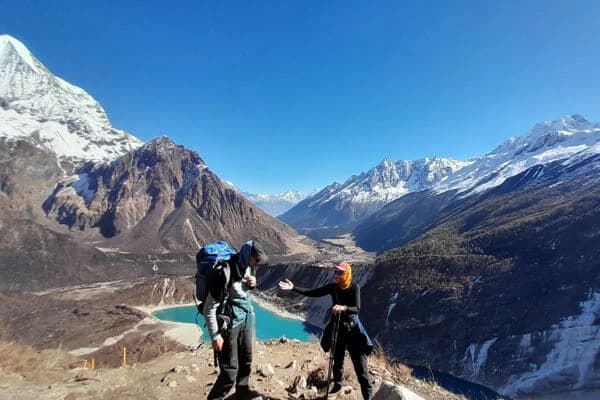
The Manaslu Circuit is a true showcase of Nepal's natural splendor, combining majestic mountains, lush forests, flowing rivers and serene valleys. Trekkers are treated to a variety of landscapes, each with its own features, making the journey both visually stunning and deeply refreshing.
Changing landscapes along the trail
The most interesting thing about the Manaslu Circuit is how quickly everything around you starts to change once you’re actually on the trail. In the beginning, around places like Soti Khola and Machha Khola, it still feels pretty warm and green. You’re walking along the river most of the time, passing small houses, terraced fields, and villages that feel very lived-in. It’s not “mountain wilderness” right away, it slowly builds up to that.
Then somewhere after Jagat and Deng, you kind of notice the shift without even realizing it at first. The trail gets a bit quieter, the valleys feel deeper, and the forest starts to take over more than the fields. Villages like Namrung feel more tucked into the mountains, and everything just feels a bit more remote, like you’ve left the busier world behind without really noticing when it happened.
And later, when you reach places like Lho and Samagaun, it’s a different kind of landscape altogether. The trees start disappering, the valleys open up, and suddenly the mountains are not something far away anymore, they’re just there, all around you. It’s rocky, wide, kind of raw… and honestly, it’s the point where you start realizing why people talk about this trek the way they do.
Budi Gandaki, Valley and Natural Flow of the Trail
The Budhi Gandaki River plays a big role in shaping the whole trekking route. Most of the lower and mid sections follow this river, and at many points, you’ll be walking right beside it or crossing it through suspension bridges. The sound of the flowing water stays with you for a large part of the journey, adding a calm background to the walk.
Along the way, you also pass through deep valleys like Samagaun and Samdo, where small settlements sit quietly under huge mountain walls. These areas often feel peaceful, with prayer flags, monasteries, and open views that blend nature and culture in a very natural way.
High Mountain View and Larkya La Pass
The closer the trail gets to Larkya La, the more everything starts to feel a bit stripped down. Fewer trees, fewer villages, just a long steady walk into colder air where even small things like talking or stopping for a break feel different.
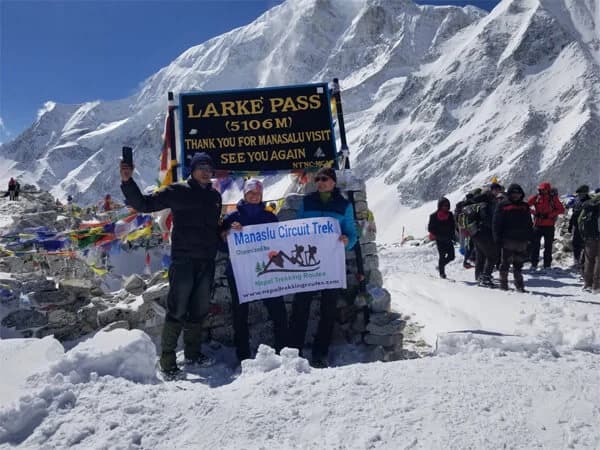
Larkya La Pass sits at 5,106 meters, and reaching it feels less like arriving somewhere and more like the trail just opens up into a wide mountain space. At the top, there’s nothing really blocking the view in any direction. On a clear day, you can spot Manaslu, Himlung Himal, Cheo Himal, Kang Guru, and Annapurna II stretching across the horizon, along with other unnamed peaks fading into the distance.
Wildlife in the Manaslu Circuit Trek
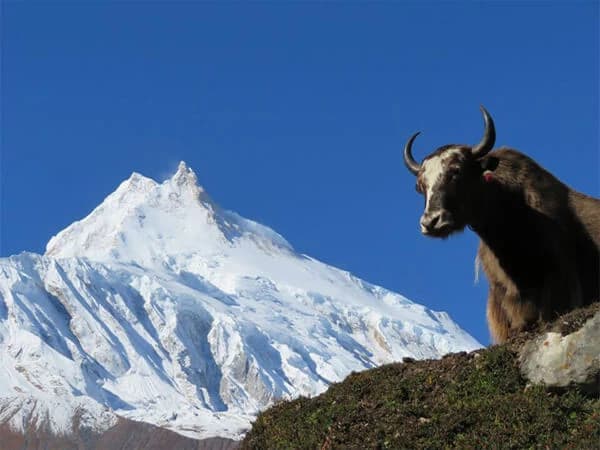
The Manaslu region falls under a protected conservation area, so the natural environment here still feels quite intact and undisturbed in many parts. Wildlife sightings depend a lot on timing and luck, but along the trail there’s a chance to see animals like Himalayan tahr, blue sheep, langur monkeys, and different species of pheasants and other mountain birds.
Even when wildlife doesn’t actually appear, the feeling of being in their habitat is still very strong. Walking through quiet forests, open valleys, and higher mountain sections gives a sense of space that feels untouched. The whole route carries that raw, natural atmosphere where the surroundings themselves feel like the main presence, not just what might be seen along the way.
Cultural Richness of the Manaslu Region
The Manaslu Circuit is not only a journey through stunning landscapes but also a deep dive into the rich cultural diversity of Nepal. Trekkers get to experince the unique blend of Tibetan-influenced traditions, local festivals and everyday village life. Here's a glimpse into the cultural aspects:
Unique Cultural Experience while trekking in Manaslu Circuit
The Manaslu Circuit is home to several ethnic groups, including the Nubri and Tsum Valley people. Their unique culture, traditions, and hospitality are a main highlight of the trek. Each group has its own distinct customs, dress, language and way of life. You'll have the opportunity to interact with locals and learn about their lifestyle.
Also, you can witness traditional farming methods, herding of yaks or local handicraft. These things provide insight to their daily life, that has remained largely unchanged for centuries. On festivals like Lhosar (Tibetan New year) and religious ceremonies, trekkers can experience living cultural heritage.
Monasteries and Gompas along the Manaslu Circuit
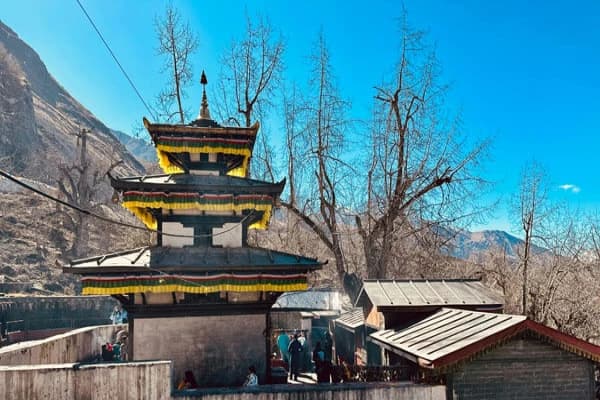
Buddhism plays a big role in daily life along the Manaslu Circuit, and that becomes clear as the trail passes through different villages. Along the way, you come across monasteries and gompas that lies quietly in the mountains, each with its own meaning for the local communities. Some well-known spots include Ribung Monastery in Lho, Pungyen Gompa near Samagaun, along with smaller village monasteries in Namrung and Samdo.
These places are usually set in open mountain surroundings, which adds to their calm atmosphere. They are simple in appearance, but they feel important to the people living there, and that connection is easy to notice while passing through. As you walk past, you may hear prayer wheels turning or bells in the distance. Prayer flags are common along the route, and sometimes locals can be seen carrying out daily rituals. These small moments fit naturally into the trail and add to the cultural feel of the region.
Traditional Villages of Manaslu Region
Walking through the traditional villages along the Manaslu Circuit like Jagat, Deng, Namrung, Lho, Samagaun, and Samdo feels like stepping back in time. The houses in these villages are mostly built from stone, mud, and wood, with sloped roofs made to handle heavy snowfall. Terraced farms spread across the hillsides, showing farming practices that have been followed for generations.
Along the way, you’ll notice locals tending livestock, working on their fields, or weaving textiles, which gives a closer look at rural Himalayan life. The mix of simple architecture, daily routines, and long-standing cultural practices creates a strong and authentic connection to Nepalese heritage.
Cost Estimation of Manaslu Circuit Trek
The Manaslu Circuit Trek can be done on a range of budgets, depending on whether you travel independently or with a guide and porter. One of the main expenses is the trekking permits, which include the Manaslu Restricted Area Permit and the Annapurna Conservation Area Permit (ACAP). Together, these typically cost around $70-100 USD per person.
Hiring a guide and porter is recommended, not only for navigation but also because it is mandatory in the restricted area. Guides usually charge about $25-30 USD per day, while porters cost slightly less. Accommodation in teahouses along the route is simple but comfortable, ranging from $5-15 USD per night, and meals such as dal bhat, noodles, or momo cost around $5-10 USD per day.
Transportation to and from the trek starting point, such as Kathmandu to Soti Khola by bus or jeep, can add another $50-100 USD depending on the mode of travel.
On average, a 14-16 day Manaslu Circuit Trek can cost between $600 and $1,000 USD per person, covering permits, guide, porter, accommodation, food, and transport. The cost may vary slightly depending on your choices, but this gives trekkers a clear idea of what to expect when budgeting for this less crowded yet stunning Himalayan adventure.
Best Time to Trek Manaslu Circuit
Although it is possible to trek to Manaslu Circuit at any time of year, certain seasons are far superior to others. Spring and autumn are the two best seasons for this trek.
The spring, March through May is ideal for trekking. While it is not too cold in the higher mountains, it is warm in the lower regions. Everywhere you look rhododendrons and other flowers bloom, adding color to the pathways. Because the skies are typically sunny and blue, you can also see the mountains clearly.
In Nepal, autumn (September to November) is the busiest time of year for trekking in Nepal. The air is clean and fresh after the summer rains. The mountains appear to be quite brilliant, and the sky is clear. The evenings can be a little chilly, especially when you are close to high passes, but the days are comfortable. There may be celebrations in the villages throughout autumn, which is also when major Nepali holidays like Dashain and Tihar take place.
The best seasons for the trek are not winter or monsoon. The winter months of December through February can be quite cold, and snow can obstruct high passes like Larke La. Heavy rains during the monsoon season (June to August) cause the trails to become muddy and slippery.
Difficulty Level of Manaslu Circuit Trek
While not the simplest trip in Nepal, the Manaslu Circuit trip is also not the most difficult. A moderate to tough treks is what it is known as. You must be in good health and be prepared to walk for extended periods of time each day.
You will go through various sorts of terrain for roughly 6 to 8 hours per day. There are times when you cross little rivers on wooden bridges and walk through green forests. At other times, you trek down tiny trails or ascend high slopes. The 5,160-meter crossing of Larke La Pass is the most difficult portion of the journey. It may be more difficult to breathe because of the high altitude and thinner air.
Trekking may be challenging if you have never done it before, but it is doable with the right planning. Walking, jogging, or trekking before the trip might help prepare your body. You need to be strong enough to walk upward for several days at a time, but you do not need to be a mountain climber.
Walking slowly at high elevations is also crucial so that your body adjusts to the thin air. We refer to this as acclimatization. You could acquire altitude sickness if you move too quickly.
The Manaslu Circuit Trek is challenging due to high passes, the Manaslu Base Camp Trek is moderately hard, while the Tsum Valley Trek is easier but still requires good fitness.
The Manaslu Circuit Trek may be an extremely fulfilling experience if you prepare properly and have a positive outlook!
Practical Tips for a Manaslu Circuit Trek
To make the most of your Manaslu Circuit Trek, consider these practical tips:
Permits and Documentation for Manaslu Circuit Trek
Trekking the Manaslu Circuit requires special permits because it is a restricted area. The most important permits are the Manaslu Restricted Area Permit and the Annapurna Conservation Area Permit (ACAP). These can be obtained in Kathmandu through licensed trekking agencies. You will need passport-sized photos, a copy of your passport, and guide information for the permit process. Hiring a licensed guide is mandatory, ensuring compliance with local rules and helping you navigate remote areas safely.
It is also important to carry all necessary documents with you on the trek. Keep both physical and digital copies of your permits and ID in case of emergencies. Some checkpoints along the route may ask to see these documents, so having them handy can save time and ensure a smooth journey. Proper documentation not only keeps your trek legal but also contributes to the safety and organization of the restricted region.
Fitness and Acclimatization for trekking in Manaslu Circuit
The Manaslu Circuit is a moderate to challenging trek, so preparing physically is essential. Trekkers should focus on cardiovascular fitness through activities like walking, jogging, cycling, or stair climbing. Practicing with a backpack before the trek helps your body adjust to carrying weight over long distances. Trekking poles can reduce strain on your knees and make steep ascents and descents easier.
Acclimatization is equally important to avoid altitude sickness, which can occur above 3,000 meters. Take gradual ascents, rest frequently, and stay hydrated. Listen to your body and consider spending extra days at key stops like Samagaon or Samdo to adapt to thinner air. Recognizing early signs of altitude sickness such as headaches, dizziness, or nausea and responding promptly is crucial for a safe and successful trek.
Accommodation and Food during Manaslu Round Trek
Along the Manaslu Circuit, accommodation is mostly in teahouses, offering basic rooms with shared or private bathrooms. While facilities are simple, most teahouses provide warm meals and bedding, and some offer hot showers for an extra charge. Staying in teahouses allows trekkers to experience local culture firsthand and enjoy interactions with friendly villagers.
Food along the trail is typically Nepalese cuisine, with Dal Bhat (rice and lentils) being the staple meal. Other options include noodles, momo (dumplings), eggs, and vegetables. Trekkers should also carry energy snacks, chocolate, or nuts, as some stretches have limited food availability. Drinking boiled or filtered water is essential to avoid illness, and hydration packs can be very helpful for long trekking days.
Responsible Trekking in Manaslu Circuit
Respecting local culture and the environment is crucial while trekking the Manaslu Circuit. Always ask permission before photographing locals, avoid disturbing religious sites, and dress modestly in villages and monasteries. Purchasing local handicrafts or using teahouse services helps support the communities you visit.
Environmental responsibility is also essential. Do not litter, carry a small trash bag to collect your waste, and avoid using disposable plastics. Stay on designated trails to prevent erosion, and do not disturb wildlife or plants. Responsible trekking ensures the preservation of the natural beauty and culture of the Manaslu region for future travelers.
Alternative Routes for a Less Crowded and Scenic Trek in Nepal
If the Manaslu Circuit Trek is already on the list but you’re still thinking about other options, there are a few more trails that give a similar vibe, less crowded, more scenic, and a bit more space to actually enjoy the walk without too many people around.
Tsum Valley Trek:
This one actually lies in the same Manaslu region, so it naturally connects with the Manaslu Circuit Trek. A lot of trekkers even combine both, and when done together it usually takes around 18 to 22 days depending on the route and pace. The trail goes through places like Lokpa, Chumling, and Mu Gompa, slowly moving deeper into a very traditional Himalayan valley.
If time is limited, doing just the Tsum Valley 13 to 14 days Trek on its own already gives a really peaceful experience without needing to go all the way into the full circuit. But if someone is already thinking, “I want to properly experience the Manaslu region,” then combining Tsum Valley with the Manaslu Circuit makes more sense.
Kanchenjunga Base Camp Trek:
If the main reason for choosing Manaslu Circuit Trek is “less crowded trekking in Nepal,” then Kanchenjunga Base Camp Trek takes that idea even further. It’s far in the eastern part of the country, and because of the long duration and remote access, very few trekkers actually go there.
It usually takes around 18 to 24 days, sometimes even longer depending on the itinerary. The interesting part isn’t just the scale, but how empty it feels at times. Long walking days, fewer villages in between, and stretches where it’s just you and the landscape for hours. That’s the main reason people choose it over more popular trekking routes in Nepal.
Makalu Base Camp Trek:
Makalu Base Camp Trekfeels a bit rough around the edges in a good way. It doesn’t follow that steady “tea house every few hours” pattern that many treks have. Some days are long with very little in between, and then suddenly a small settlement appears and everything feels normal again. The trek lies in the eastern part of Nepal, inside the Makalu-Barun region, which is known for being remote and far less traveled compared to most trekking routes in Nepal.
From Makalu Base Camp, the view is the main thing that hits you. Mount Makalu (8,485m) stands right in front, and on clear days you can also spot Everest, Lhotse, Baruntse, and Chamlang spread across the skyline. The full trek usually takes around 16 to 20 days depending on the route, and it’s often chosen by people looking for a quieter alternative to more structured trekking routes like the Manaslu Circuit Trek.
Upper Dolpo Trek:
Upper Dolpo Trek 27 daysfeels completely different from the usual green trekking routes in Nepal. The landscape turns dry and almost desert-like in many sections, with rocky hills, dusty trails, and very little forest once you move deeper into the region. It lies in the far western part of Nepal, inside the Dolpa district, close to the Tibetan border, which is one of the reasons it feels so isolated compared to treks like the Manaslu Circuit Trek.
From places like Shey Gompa and the high passes around Upper Dolpo, the views open into wide barren valleys surrounded by distant snow peaks. Mountains like Dhaulagiri can be seen from certain sections, along with several unnamed ranges stretching across the horizon. The trek is often chosen by people who want something far more remote and dry compared to the greener and more structured trekking routes in Nepal.
Conclusion -The Manaslu Circuit Trek: A Scenic and Less Crowded Trek in Nepal
The Manaslu Circuit Trek is a hidden gem that offers a pristine and less crowded alternative to some of Nepal's more famous treks. It's a journey that combines breathtaking natural beauty with cultural richness, providing trekkers with a unique and unforgettable experience.
As you traverse this remote region, you'll discover that the Manaslu Circuit isn't just a trek; it's an adventure that leaves a lasting impression on your heart and soul. So, lace up your hiking boots, pack your backpack, and get ready to explore the Manaslu Round trekking that promises to be a journey to remember in the heart of the Himalayas.
FAQs
Why is the Manaslu Circuit Trek considered less crowded?
The Manaslu Circuit Trek is less crowded compared to Everest Base Camp or Annapurna Circuit because it is located in a restricted area, requiring special permits and a licensed guide. This limited accessibility keeps large tourist groups away, allowing trekkers to enjoy peaceful trails, quiet villages, and pristine natural scenery. Fewer crowds mean a more personal experience, where you can connect deeply with nature and local culture, hear the flowing rivers, watch birds in the forests, and walk without the bustle of other trekkers.
How long does it take to complete the Manaslu Circuit Trek?
The classic Manaslu Circuit Trek takes approximately 14 to 16 days, covering remote villages like Soti Khola, Jagat, Samagaon and samdo. Trekkers gradually ascend to the high Larkya La Pass before descending toward Bimtang and Dharapani to complete the circuit trek. For a longer and more immersive experience, the Tsum Valley Trek extends the route to 17 to 21 days.
What is the difficulty level of the Manaslu Circuit Trek?
The trek is considered moderate to challenging, with daily walking of 6 to 8 hours on varying terrain, including forest trails, river crossings, steep ascents, and rocky passes. The highest point, Larkya La Pass (5,106 meters), requires acclimatization and careful pacing. Trekkers need good fitness, endurance, and basic trekking experience, but specialized climbing skills are not necessary. Proper preparation ensures a safe and enjoyable trek through this less crowded, scenic route.
What cultural experiences can I have on the Manaslu Circuit?
The Manaslu Circuit offers rich cultural immersion, showcasing Nubri and Tsum Valley communities. You’ll encounter traditional stone and mud homes, terraced farms, monasteries, gompas, and chortens, all surrounded by Himalayan landscapes. Locals maintain centuries-old customs, festivals, and Buddhist rituals, offering trekkers a rare chance to witness authentic Himalayan life. This cultural experience is unique because it occurs along a less crowded trekking route, allowing meaningful interactions with villagers.
Why choose the Manaslu Circuit Trek over more popular treks?
The Manaslu Circuit Trek is ideal for trekkers who prefer peace, fewer crowds and authentic Himalayan experience. Unlike Everest Base camp or Annapurna Circuit, the trails are quiet, pristine and culturally immersive. Trekkers enjoy undistrubed natural beauty, scenic rivers, forests, alpine meadows and high mountain vistas along with friendly local interactions. For anyone seeking a scenic, adventurous and less crowded trekking experience in Nepal, the Manaslu circuit provides the perfect blend of nature and culture.
What is the difficulty level of the Manaslu Circuit Trek?
The trek is considered moderate to challenging, with daily walking of 6-8 hours on varying terrain, including forest trails, river crossings, steep ascents, and rocky passes. The highest point, Larkya La Pass (5,106 meters), requires acclimatization and careful pacing. Trekkers need good fitness, endurance, and basic trekking experience, but specialized climbing skills are not necessary. Proper preparation ensures a safe and enjoyable trek through this less crowded, scenic route.
What is the best time to trek the Manaslu Circuit?
The best time is during spring (March-May) and autumn (September-November). Spring brings rhododendron blooms and clear skies, while autumn provides stable weather, fresh air, and vibrant mountain views. Avoid winter, which can be extremely cold with snow-blocked passes, and monsoon, which brings heavy rain and slippery trails. Trekking during the recommended seasons ensures safe paths, scenic landscapes, and enjoyable weather.
What permits are required for the Manaslu Circuit Trek?
The trek is in a restricted area, requiring a Manaslu Restricted Area Permit and an Annapurna Conservation Area Permit (ACAP). Trekkers must hire a licensed guide, and documents such as passport copies, photos, and permit receipts are needed. These permits ensure environmental protection, controlled tourism, and safety, while also contributing to local communities’ economic support along the trail.
Do I need a guide and porter for the Manaslu Circuit Trek?
Yes, hiring a licensed guide is mandatory, as the Manaslu region is a restricted area. A porter is optional but recommended, especially for carrying heavy backpacks. Guides not only navigate remote trails safely but also share local knowledge, history, and culture. Porters make trekking more comfortable, allowing you to enjoy scenic views without excessive physical strain. Hiring local staff also supports the regional economy.
How should I prepare physically for the Manaslu Circuit Trek?
Physical preparation is essential. Trekkers should focus on cardiovascular exercises, such as walking, jogging, cycling, and stair climbing, and strength training for legs and core muscles. Practicing with a loaded backpack helps condition your body for long trekking days. Additionally, learning to use trekking poles can reduce strain on knees and improve balance during steep ascents or descents. Regular pre-trek fitness ensures endurance, stability, and confidence during the journey.
How can I avoid altitude sickness on the Manaslu Circuit?
Acclimatization is crucial for the Manaslu Circuit trek. Trekkers should ascend gradually, rest frequently, and stay hydrated. Key stops like Samagaon or Samdo are ideal for acclimatization days. Symptoms like headaches, nausea, or dizziness should never be ignored. Traveling with a guide knowledgeable about altitude sickness and carrying medications like Diamox can provide additional safety. Proper acclimatization ensures a safe and enjoyable trek across the high-altitude Larkya La Pass.