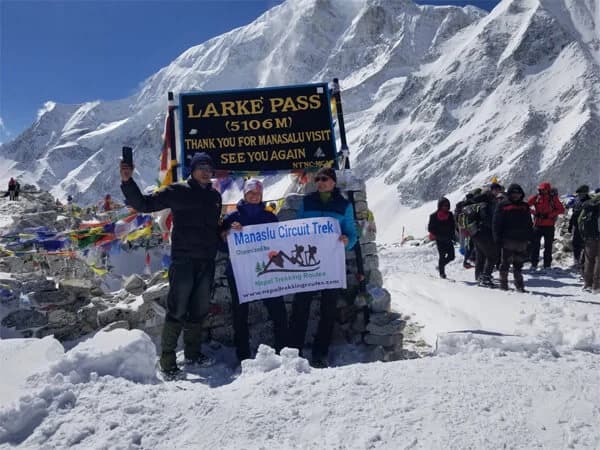
Many trekkers planning the 14 day Manaslu Circuit Trek want to know the best time to trek to Manaslu Circuit for favorable weather, clear mountain views, and better trail conditions. Choosing the right season is particularly important when crossing Larkya La Pass at 5,106 meters, where snow, strong winds, and freezing temperatures can affect the journey.
The season plays a crucial role in determining trail safety, weather conditions, visibility, and overall trekking comfort. Since the Manaslu region includes deep river valleys, remote villages, and high mountain passes like Larke La Pass (5,160 m), choosing the right season is essential for a safe and enjoyable journey.
This guide explains how different seasons affect the Manaslu Circuit Trek. It covers spring, summer (monsoon), autumn, and winter, along with expected weather conditions, temperature changes, trail conditions, and crowd levels. Whether you prefer quiet trails, blooming forests, or clear mountain views, understanding seasonal differences will help you plan the trek that best suits your preferences. With proper planning and the right timing, your Manaslu Circuit Trek in Nepal can be safer, more comfortable, and visually rewarding.
Why the Season You Trek in Matters for Manaslu?
The Manaslu Region features a diverse range of climates and altitudes from subtropical river valleys at 700 meters to alpine peaks over 5,100 meters. The Larkya La Pass (5,106 m) is the highest point of the trek and can be particularly affected by seasonal changes. Weather, trail conditions, and temperature extremes vary throughout the year, making season selection essential.
The main considerations include:
- Trail Safety: Mud, snow, ice or landslides can make certain months dangerous.
- Visibility and views: Clear skies enhance views of the Manaslu Himalaya.
- Crowd levels: Peak seasons have more trekkers while off season provides solitude
- Accomodation: Teahouses and lodges are more fully open in high seasons
- Cultural Experiences: Festivals and local celebrations are seasonal
Manaslu Circuit Trek Season Overview
Nepal has four main trekking seasons: spring, summer (monsoon), autumn, and winter. Each season offers a different trekking experience in the Manaslu region.
- Spring (March to May): Warm days, blooming rhododendrons, and generally clear skies
- Autumn (September to November): Cool, dry weather and excellent mountain visibility
- Monsoon (June to August): Heavy rain, muddy trails, and frequent landslides
- Winter (December to February): Very cold temperatures and snow at higher elevations
Thebest time to trek in Nepal varies by region and altitude. For Manaslu, the ideal Manaslu Circuit Trek season depends on rainfall, snowfall, trail conditions, and the weather around Larkya La Pass.
Spring and autumn are mostly the best seasons for the Manaslu Circuit Trek. April and October are popular choices, while March and November can also suit trekkers who are prepared for colder temperatures and changing conditions at higher elevations.
Best Season for Manaslu Circuit Trek
Choosing the right season is very important for enjoying the Manaslu Circuit Trek 12 days safely and comfortably. In general, spring and autumn are considered the best seasons for Manaslu Circuit trekking in Nepal. During these times, the weather is mostly stable, the skies are clear, and the mountain views are stunning. The trails are in good condition, making the long walking days and the crossing of high passes more manageable.
These two seasons also provide the best balance between comfort and safety. Teahouses are fully open, trail conditions are reliable, and the risk of extreme weather is lower compared to other times of the year. While spring feels calm and vibrant, autumn is lively and energetic, yet the Manaslu region remains less crowded than other popular trekking routes.
Manaslu Circuit Trek in Autumn Season (September to November)
Manaslu Circuit Trekking in autumn season is especially popular. September marks the beginning of this season, which concludes in November. Autumn is widely considered the best season for the Manaslu Circuit Trek because September to November generally brings drier trails and good mountain visibility.
September may still receive monsoon rain, October offers clearer skies, and November brings colder weather, especially near Larkya La Pass. The sky turns vivid blue in August, when the rainy season ends, and the mountain vistas are breathtaking.
It's neither too hot nor too cold in the autumn. It is typically warm enough to walk with a light shirt or jacket during the day. The Manaslu Circuit Trek temperature in October varies with altitude. Lower villages are generally milder, but nights around Samagaun, Samdo, and Dharamsala can be very cold. Pack warm layers and a suitable sleeping bag, and prepare for freezing temperatures and strong winds near the pass.
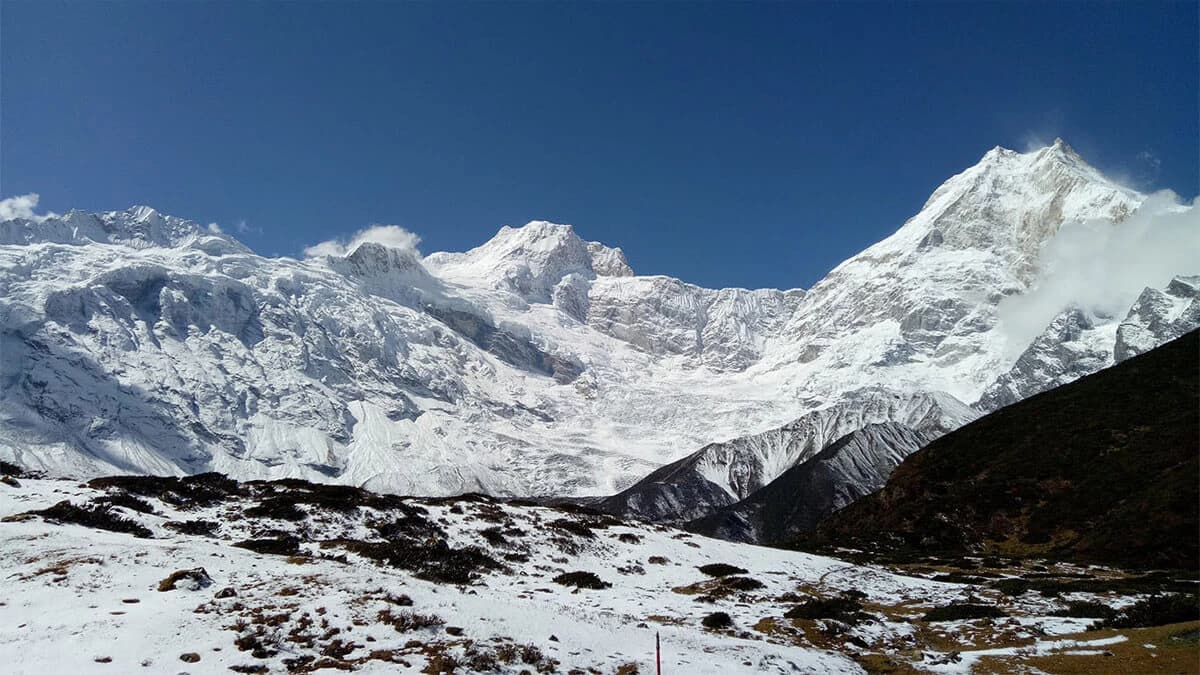
The excellent visibility is one of the nicest aspects about trekking in the autumn. Mount Manaslu and the other Himalayan mountains appear stunning and angular. The finest moment to take pictures is now.
This is also the busiest trekking season because of the excellent weather. Trekkers travel from all over the world in large numbers. The teahouses are stocked and open. There are also more porters and guides available.
The opportunity to take part in Nepali celebrations is another motivation to trek in the autumn. Large celebrations like Tihar and Dashain typically take place in October or November. During this time, you can witness people enjoying with food, music, and vibrant decorations if you travel through nearby villages.
All things considered, autumn is a fantastic season for trekkers of all skill levels. Because it is dry, the trail is easy to walk, and you can enjoy the local way of life as you go.
Manaslu Circuit Trek in Spring Season (March to May)
Another fantastic time to complete the Manaslu Circuit Trek is in spring season. March to May is the duration of this season. The weather begins to warm as the frigid winter season comes to an end. The forests come alive with color as the snow in the lower regions starts to melt.
Beautiful rhododendron blooms are one of the finest things about spring. The hills and woodlands are covered in these blooms. Red, pink, and white petals fill the trail. Because of this, the trek resembles strolling through a mountain garden.
Spring trekking in Nepal is popular because temperatures rise and the hills come alive with blooming rhododendrons. Manaslu Circuit Trek weather in March can still be cold, with snow remaining on higher trails, while April generally offers milder daytime conditions. May is warmer, but haze, afternoon rain, and changing pre monsoon weather can affect mountain views and conditions near Larkya La Pass.
However, because the monsoon season is approaching, the air may feel hazy in late May. The springtime temperatures are also very pleasant. The days are warmer than those of autumn, while the nights are milder. Warm clothing is still necessary because it can get cold at high elevations like Larke Pass.
The trail is less congested in the spring than it is in the autumn, which is another advantage of trekking in this season. There might be fewer people around, which would mean more quiet. The trails are in good shape, and the teahouses are open. You may also observe local life in the spring. After winter, animals are lively and farmers are hard at work in their fields. It's a wonderful time of year to appreciate culture and environment.
Manaslu Trek in Off Season (Winter and Monsoon)
Winter and monsoon are generally the less popular periods of the Manaslu trekking season. Manaslu Circuit Trek in winter can involve freezing temperatures, heavy snowfall, and difficult conditions around Larkya La Pass. Manaslu Circuit Trek in monsoon brings heavier rainfall, slippery trails, and an increased risk of landslides in lower sections.
Manaslu Circuit Trek in Winter Season (December to February)
In Nepal, winter trekking in the Manaslu region falls between December and February, the coldest season of the year. Temperatures drop sharply at higher elevations such as Samagaun, Samdo and Larkya La Pass. Winter trekking requires careful planning, proper clothing and experience due to snow, ice and extreme cold.
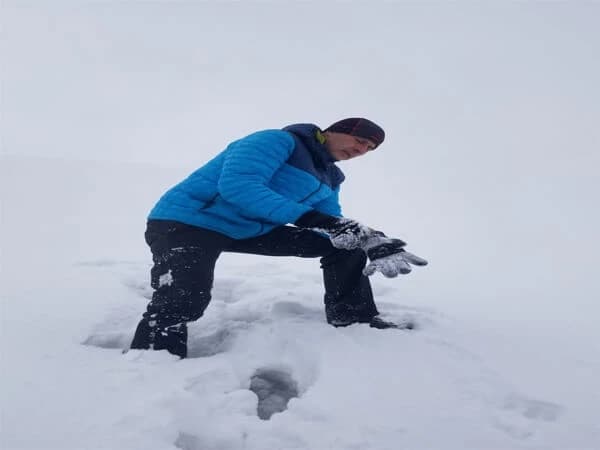
Larkya La Pass, the highest point of the trek at 5,106 meters, can be particularly challenging during winter. Heavy snowfall may block the trail, while strong winds make crossing the pass difficult. Nighttime temperatures in higher areas can fall below minus 15 degree celcius, and snow covered trails make walking and navigation more difficult. Lodges at higher altitudes may also close or provide limited food and accommodation services.
The Manaslu Circuit Trek in winter offers snow covered landscapes, fewer trekkers and clear mountain views on suitable days. However, heavy snowfall and closures around Larkya La Pass can prevent trekkers from completing the full circuit. The Kanchenjunga Circuit Trek is another remote Himalayan route where winter brings severe cold, snowfall and potential trail access problems. Check local conditions and consult experienced guides before setting out on either trek.
Manaslu Circuit Trek in Monsoon Season (June to August)
The monsoon season in Nepal runs from June to August, bringing heavy rain to the lower Manaslu Circuit trail. Muddy paths, leeches, landslides and swollen rivers can make trekking difficult, while clouds often hide Mount Manaslu and the surrounding peaks. Rain can also affect road travel and lodge availability.
Despite these challenges, the hills and forests turn lush green, waterfalls fill up and villages see fewer trekkers. However, rain and trail conditions can make the Larkya La Pass crossing difficult to plan.
For a drier alternative during the monsoon, the Upper Mustang Trek is one of the best treks in Nepal. Its location in the Himalayan rain shadow means it receives far less rainfall than most trekking regions, making it a strong choice from June to August.
Weather in the Manaslu Region Trek
Seasons and altitude have a significant impact on the weather in the Manaslu Region Trek. The temperature is warmer and more humid at the lower elevations of the walk, such as Soti Khola and Machha Khola. The air gets drier and colder as you ascend. The weather can turn quite cold in the highest locations, such as Samagaun, Dharmashala, and Larke La Pass, particularly in the mornings and at night.
The days are pleasant and the skies are typically clear during the spring season, which runs from March to May. The air feels clean and flowers bloom. Late May is still a wonderful time to start trekking in Nepal, even though there may be some light rain.
In the lower regions, summer (June to August) provides a lot of rain. The paths may be slippery and muddy. Paths and highways may be blocked by landslides. Clouds can conceal the mountains even if the top regions receive less rainfall. The weather is cold, dry, and ideal for Nepal trekking in the autumn (September to November). The mountains are clearly visible, and the skies are clear. This is the ideal time of year to capture pictures and enjoy nature.
Winter, which lasts from December to February, is particularly frigid at night. High passes like Larke La may be covered in snow, making crossing difficult or even hazardous. Nevertheless, other individuals like the peaceful paths around this time of year. Himalayan trekking weather can change quickly, particularly at higher elevations.
Checking the Manaslu Circuit Trek weather by month helps you prepare for temperature changes, rainfall, and possible snowfall. Mountain visibility in Nepal also depends on the season and local conditions, so check current forecasts before setting out and follow your guide's advice when conditions change. Proper clothes and gear help you stay safe and comfortable.
Manaslu Circuit Temperature Guide
The Manaslu Circuit Trekking in Nepal passes across a variety of elevations and terrains. As a result, the temperature varies greatly from place to place. The weather is nice and mild at lower elevations. However, the temperature drops as you move more up into the mountains, particularly at night.
Spring and autumn daytime temperatures in lower elevations, such as Soti Khola or Jagat (about 700 to 1,300 meters), can range from 15°C to 25°C. When the sun is out, you could even feel a little heated. It drops to around 10°C at night.
It becomes considerably colder as you ascend higher to locations like Samagaun or Samdo (3,500 to 3,800 meters). Here, the average daytime temperature is between 5°C and 15°C. It can get below zero degrees Celsius at night, particularly in the early spring or late autumn. For these locations, you'll need warm clothing and a decent sleeping bag.
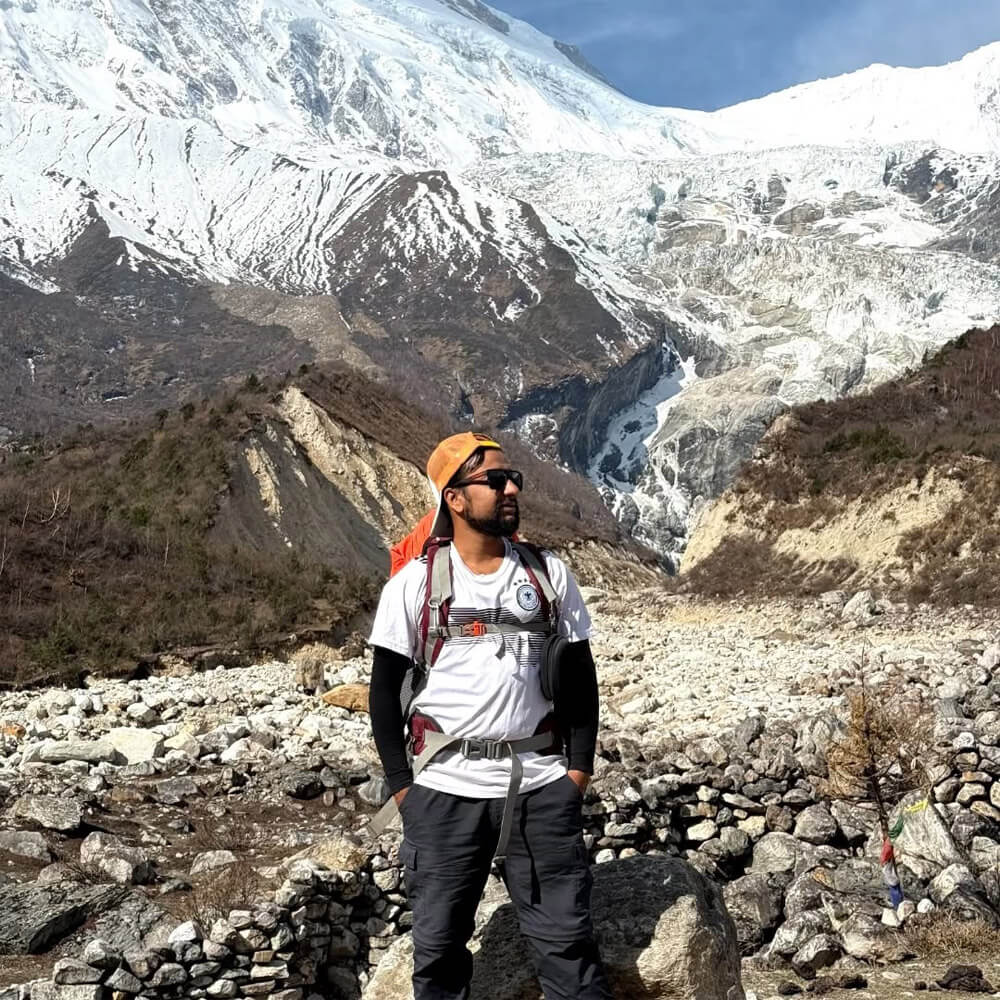
Larke La Pass, the trek's highest point at 5,160 meters, is the coldest part. Temperatures here can drop below -10°C at night or in the early morning, even in the spring and autumn. Additionally, it can be windy, which would make it feel even colder. Wear layers to remain safe and warm. A windproof jacket, hat, gloves, down jacket, fleece, and a warm base layer are all very useful. Wearing layers allows you to take off or add clothes as needed.
Climate of the Manaslu Region Trek
The Manaslu Circuit Trek passes through different climate zones, from warm, humid forests at lower elevations to cold alpine terrain near Larkya La Pass. Temperatures change as you gain altitude, and snow is possible in the higher sections even during spring and autumn.
Lower villages such as Soti Khola and Machha Khola can be hot during spring and summer, with heavy rainfall during the monsoon. Higher villages, including Namrung, Lho and Samagaun, have cooler temperatures, cold nights and fresh mountain air. Near Dharamsala and Larkya La Pass, strong winds, freezing temperatures and snowfall can make trekking more difficult.
The Manaslu Circuit Trek requires clothing for both warm days and cold mountain conditions, along with waterproof gear during rainy periods. Similar changes in temperature and altitude are also experienced on the Annapurna Base Camp Trek, where weather conditions differ between the lower forest trails and the higher mountain basin.
Manaslu Trek Cost by Season
The cost of the Manaslu Circuit trekvaries depending on the season you choose. During peak seasons spring and autumn, prices become higher due to increased demand. Trekking guide and porter fees are slightly more expensive, and teahouses often charge higher rates for accommodation and meals, especially in popular villages like Samagaun and Samdo.
However, these months also offer the best services, well stocked lodges, reliable transportation, and safer trekking trail conditions, making the extra cost worthwhile for most trekkers.
In contrast, off season trekking in Nepal can be more budget friendly. Guide and porter costs are often negotiable, and some lodges may offer lower room rates due to fewer visitors.
However, services can be limited, with fewer open teahouses, reduced food options, and higher chances of itinerary changes caused by weather or trail conditions. While off season trekking may reduce overall expenses, trekkers should be prepared for additional challenges and prioritize safety over cost savings.
High Altitude Trekking Seasons in Nepal
The time of year you choose is crucial while walking in high mountain regions like the Manaslu region. You will cross the 5,100 meter high Larke La Pass on this trek. The weather can change quickly at this elevation, and snow can make the trail extremely hazardous or challenging.
This is why Nepal's ideal seasons for high altitude trekking are spring (March to May) and autumn (September to November). The sun shines bright during the day, the sky is largely clear, and the snow is not too thick. It increases the enjoyment and safety of traversing the high pass.
The trail may be extremely chilly and covered in snow throughout the winter. Rain can result in landslides in lower places during the summer (monsoon), and clouds can obscure the scenery. Therefore, spring and autumn are the safest and most comfortable seasons to get high.
Essential Tips for Seasonal Guide to Manaslu Trek
The Manaslu Circuit Hiking can be completed in different seasons, but each time of year brings unique challenges and advantages. Understanding how to prepare for each season is essential for safety, comfort, and enjoyment. From choosing the right clothing to planning accommodation and managing risks at high altitude, seasonal preparation plays a key role in the success of your trek.
Choose the Right Season Based on Experience Level
Spring (March to May) and autumn (September to November) are the most recommended seasons for most trekkers. These months offer stable weather, open teahouses, clear mountain views, and safer trail conditions.
- Beginners and first time high altitude trekkers should plan their trek in April, October, or early November, when conditions are most predictable.
- Intermediate trekkers can also consider March or late November for fewer crowds.
- Experienced trekkers may attempt winter or monsoon treks, but only with proper gear, flexibility, and local support.
Choosing a season that matches your skill level reduces risk and enhances the overall trekking experience.
Pack According to the Season
Packing correctly for the season is one of the most important aspects of the Manaslu Trek.
- Manaslu Circuit Trekking in Spring and Autumn season: Layered clothing is ideal. Pack lightweight hiking clothes for the day and warm layers for mornings and evenings. A down jacket, thermal base layers, gloves, and a windproof jacket are essential for high elevations like Samagaun and Larke La Pass.
- Manaslu Circuit Trekking in Monsoon season (Summer): Carrying waterproof gear is very important while trekking in Nepal during monsoon season. Bring a high quality rain jacket, quick dry clothing, waterproof backpack cover, and trekking poles for muddy trails. Extra socks are also necessary.
- Manaslu Circuit Trek in Winter Season: Winter trekking requires serious cold weather equipment. A four season sleeping bag, insulated boots, microspikes or crampons, thick gloves, and thermal layers are necessary. Without proper gear, winter trekking in Nepal can be dangerous.
Always pack based on expected weather at higher altitudes, not just the lower starting points.
Understand Trail Conditions and Plan Walking Hours
Trail conditions vary significantly by season, so daily walking plans should be adjusted accordingly.
- In spring and autumn, trails are dry and safe, allowing longer walking days.
- During the monsoon, start walking early in the morning to avoid afternoon rain and possible landslides.
- In winter, walking hours are shorter due to cold temperatures and limited daylight. Early starts are important to cross exposed sections before strong winds pick up.
Never rush on steep or narrow sections, especially near river crossings or landslide-prone areas.
Accomodation Planning by Season in Manaslu Circuit Trek
Teahouse availability changes with the season:
- Peak seasons for Manaslu Trekking (spring & autumn): Most teahouses are fully open, but popular villages like Samagaun and Samdo can fill quickly. Booking through a local trekking agency or arriving early in the day helps secure better accommodation.
- Off seasons For Manaslu Trekking (monsoon & winter): Some lodges may close or operate with limited services. Food choices may be basic, and heating options can be limited in winter.
Carrying extra snacks and being flexible with accommodation plans is especially important in off-season trekking.
Acclimatization and Altitude Awareness for Manaslu Hiking
Altitude affects trekkers in every season. Even in the best weather, poor acclimatization can ruin a trek.
- Follow a gradual ascent plan
- Take Rest days at Samagaun or samdo
- Stay hydrated and eat properly
- Avoid alchohol at high altitude
Pay attention to your body throughout the year-around.
Conclusion: Best Time for Manaslu Circuit Trek
Your trip might be safer, more pleasant, and more unforgettable if you choose the best season for Manaslu Circuit Trek. The best seasons are spring (March to May) and autumn (September to November), when there are bright skies, pleasant temperatures, and stunning vistas of the Manaslu Himalayas. While autumn gives active town life and pristine mountain scenery, spring brings flowers in blossom.
You can be sure you'll be ready for the season by trekking with our company, Nepal Trekking Routes. Our guides are familiar with the local customs, weather patterns, and trail conditions. They will enable you to journey safely and savor every minute, whether you're traversing high passes in October or strolling through lush forests in April.
The right season depends on your preferences and the conditions expected along the route. Before departure, check current weather forecasts and trail reports, especially if your itinerary includes Larkya La Pass.