Everest Base Camp Yoga Trek

Everest Base Camp Yoga Trek

Duration15 Days
Trip GradeModerate
CountryNepal
Maximum Altitude5545 M
Group Size1-12
StartsKathmandu
EndsKathmandu
ActivitiesTrekking/Hiking
Best TimeMarch to May & September to December

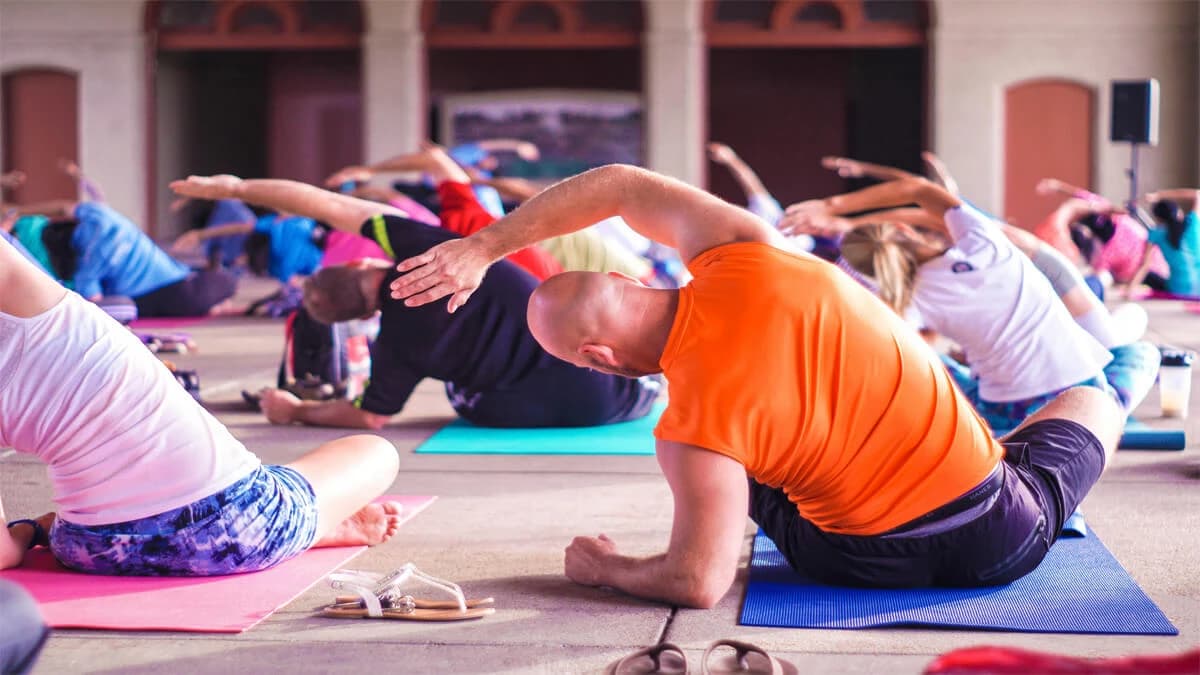
At first, an Everest Base Camp Yoga Trek can sound like an unusual combination. After all, the Everest Base Camp Trek is known for long days on mountain trails, high altitude, and changing weather, while yoga is often associated with slow movement and relaxation. In reality, the two complement each other surprisingly well when the focus is on recovery, breathing, and mindfulness rather than flexibility or advanced poses.

Yoga, breathwork, and meditation are woven into the Everest Base Camp trek itinerary at the points where they actually feel useful. After a long day on the trail, a short session can help you loosen up, settle your breathing, and switch off for a while before the next morning begins. It is not a substitute for fitness or acclimatizationo, and it will not stop altitude sickness, but it does give the trek a different rhythm.

Some people come to Everest Base Camp mainly to reach the famous destination. Others enjoy just as much the villages, the Sherpa culture, and the quiet mornings on the trail. If you like the idea of doing the classic Everest Base Camp trek with yoga included, this version keeps the same route but adds a calmer feel along the way.

Everest Base Camp Yoga Trek Overview

The Everest Base Camp Yoga Trekking in Nepal follows the same legendary trail that has drawn trekkers to the Khumbu region for decades, with one thoughtful addition. Alongside the daily hikes, the itinerary includes guided yoga, breathwork, and meditation at different points during the trek.

These sessions aren't meant to replace the physical side of the adventure or make high altitude easier. Instead, they give you time to recover after a full day of walking, become more aware of your breathing, and enjoy the mountains beyond simply moving from one village to the next.

The trek begins with a flight to Lukla before following the classic Everest Base Camp route through Phakding, Namche Bazaar, Tengboche, Dingboche, Lobuche, and Gorakshep. Along the way, you'll cross suspension bridges, stay in locally run teahouses, and gradually gain elevation to allow your body time to acclimatize.

Reaching Everest Base Camp at 5,364 metres is a milestone in itself, but the early morning climb to Kala Patthar often becomes the highlight of the trek, offering one of the clearest and closest views of Mount Everest and the surrounding Himalayan peaks.

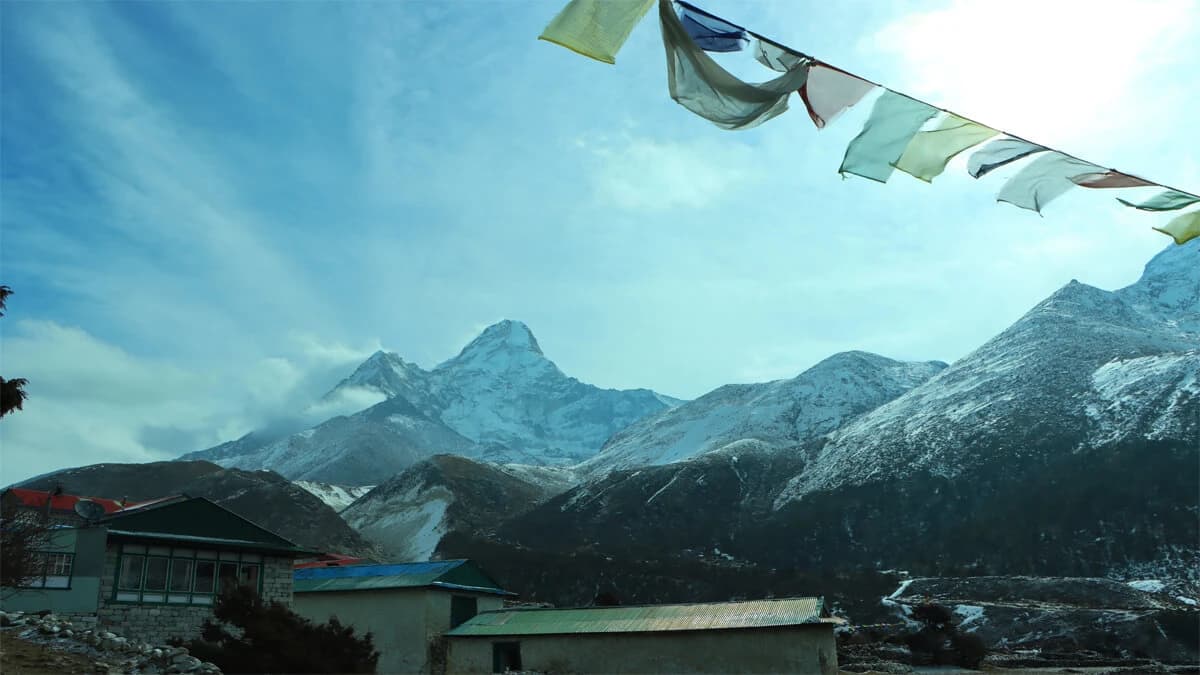
Much of the trail lies inside Sagarmatha National Park, a UNESCO World Heritage Site known for its mountain scenery, glaciers, forests, and alpine landscapes. Wildlife is part of the park's rich ecosystem, although sightings are never guaranteed. If you're fortunate, you may spot Himalayan tahr, musk deer, Himalayan monal, or other native species while walking through the lower sections of the trail.

The Everest region is also the homeland of the Sherpa people, whose history and culture are closely connected with these mountains. During the trek, you'll visit villages that have welcomed climbers and trekkers for generations, explore important landmarks such as Tengboche Monastery and Pangboche Monastery, and spend time in Namche Bazaar, the main trading hub of the Khumbu.

The itinerary also includes a visit to Hotel Everest View, one of the world's highest hotels, where clear weather offers remarkable views of Everest, Ama Dablam, Lhotse, Nuptse, and several other Himalayan peaks.

Everest Base Camp Yoga Trek Highlight

  • The classic Everest Base Camp trek with guided yoga, breathwork, and meditation.
  • Sunrise from Kala Patthar with one of the closest views of Mount Everest.
  • Scenic mountain flights between Kathmandu and Lukla.
  • Time to explore Sherpa villages, local teahouses, and everyday life in the Khumbu region.
  • Visits to Tengboche Monastery and the historic Pangboche Monastery.
  • Two acclimatization days in Namche Bazaar and Dingboche.
  • Yoga sessions at selected points along the trail, including the hike to Hotel Everest View.
  • Walk through Sagarmatha National Park, a UNESCO World Heritage Site.

Everest Base Camp Yoga Trek Itinerary

Not every Everest Base Camp Yoga Trek itinerary follows the same routes. Some are shorter, some include extra days, and others add side trips. One thing that should never be rushed, however, is acclimatization. Reaching Everest Base Camp a day earlier is never worth increasing the risk of altitude sickness.

This EBC Yoga trek itinerary takes 15 days, including two acclimatization days in Namche Bazaar and Dingboche. From there, the trail continues to Lobuche, Gorak Shep, Everest Base Camp, and Kala Patthar before returning to Lukla. The days are planned so that you get the slow altitude gain rather than covering as much ground as possible.

Everest Base Camp Yoga Trek Cost

The Everest Base Camp Yoga Trek with Nepal Trekking Routes costs USD 1,750 per person for the standard 15 day itinerary. When looking at the Everest Base Camp Yoga Trek cost, don't judge the trip by the price alone. What matters is what is already included in the package, as this determines how much you'll spend before and during the trek.

Even after booking, you'll still need money for personal expenses along the trail. Drinks, snacks, Wi Fi, charging electronic devices, hot showers, laundry, travel insurance, Nepal visa fees, tips, and any personal purchases are usually budgeted separately. How much you spend depends entirely on your own travel style. Some trekkers keep their spending to a minimum, while others prefer a few extra comforts during the journey.

Everest Base Camp Yoga Trek Route or Map

Everest Base Cagimp Yoga trek routes begin from Lukla, the gateway to Everest region trekking. You fly from Kathmandu to Lukla and then, formally begin the trek up to Phakding. Your first Yoga session in the Everest region begins right here.

Then, you move towards Namche Bazaar, Tengboche, Dingboche, Lobuche, Gorakshep, Everest Base Camp (5,364 m) and Kalapatthar (5,545 m) respectively. Our Everest Base Camp Yoga trek itinerary has kept rest days at Namche Bazar and Dingboche.

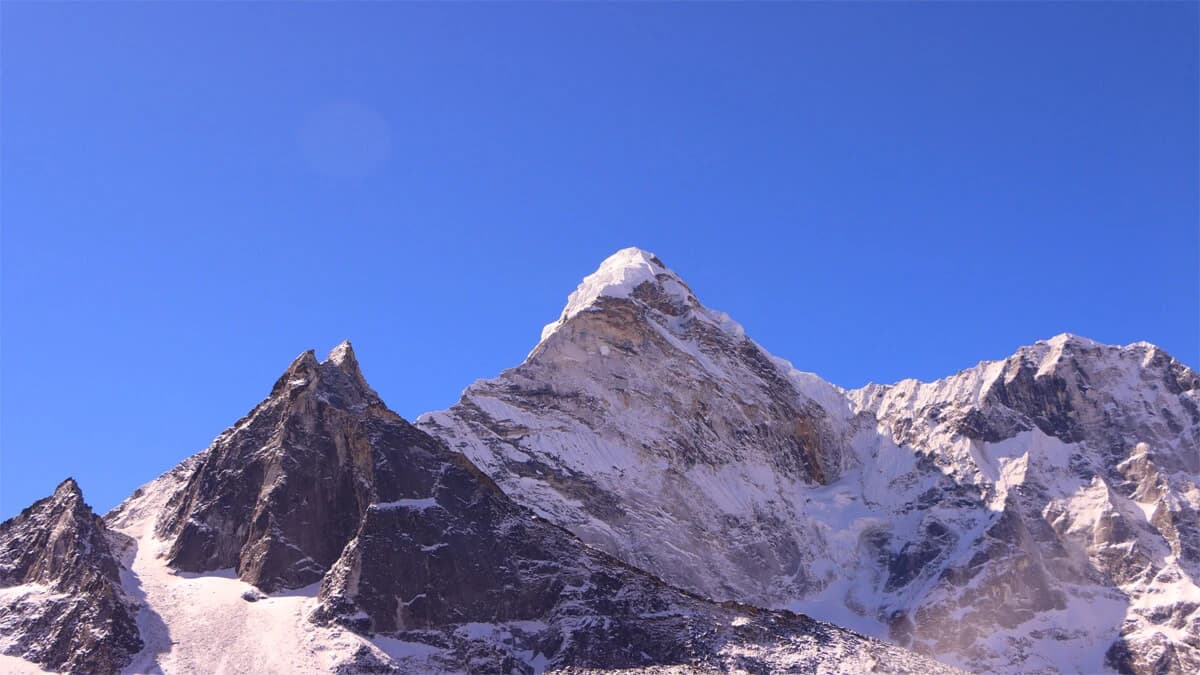
You enjoy the 360 degree panorama of Mt. Everest, Mt. Lhotse (8,516 m), Mt. Cho Oyu (8,188 m), Mt. Pumori, Mt. Ama Dablam and many more from Kalapatthar. Then, you trek down to Periche, Namche, and Lukla during the retreat journey. Finally, you fly back from Lukla to Kathmandu having an aerial view of the Great Himalayas and valleys. 

Why Everest Yoga Trek?

Mount Everest Base Camp Yoga Trek is much more than a regular Everest Base Camp Trek 15 days. Apart from the actual trek, you will enjoy yoga, spa, and massage in Dingboche and Namche. Small group meditation will be organized by a yoga mentor as part of the acclimatization exercise.

The trek is an endurance test as well as a perfect way to build up one’s physical and mental well being. You know mental strength and concentration are equally important to complete trekking in the Himalayas successfully. 

Each day of the Everest Yoga trek begins and ends with some of the most effective Yoga Postures (Asanas). In the morning before beginning high altitude trekking in Nepal, you practice different Aasanaas, Meditation, and Pranayama. In the evening, you practice some postures that help you recover from travel fatigue.

Practicing such postures not only develops your concentration power and patience but also heals any physical pain. Walking uphill and downhill through the rugged trail makes your muscles ache or sometimes cramp as well.

Through the different postures practiced before and after Everest Yoga trek heals all of them. As a result, you are better prepared for the next day’s trip. Combining Yoga with the Everest Base Camp trek makes you feel as if you are not traveling through the high altitude trekking in Nepal.

The tips you get during the Everest Yoga trek will benefit you throughout life. The Yoga Guru gives you life changing Yoga techniques that you can practice post Nepal trekking as well.

Why Choose an Everest Base Camp Yoga Trek?

An Everest Base Camp Yoga Trek in Nepal follows the same classic Everest Base Camp Trekking, taking you through Namche Bazaar, Tengboche, Dingboche, Everest Base Camp, and Kala Patthar. The route, altitude, and trekking days remain the same. What makes this itinerary different is how the time after each day's hike is used.

After several days of walking at high altitude, most trekkers begin to notice accumulated fatigue, regardless of their fitness level. Instead of ending the day as soon as you reach the teahouse, this itinerary sets aside time for recovery before the next morning's trek.

It is also worth knowing what this trek is not. It is not a yoga retreat in the mountains, and the trekking always comes first. Weather, trail conditions, and acclimatization always determine the schedule, so some sessions may be shortened or skipped when necessary.

If you want to complete the Everest Base Camp Trek in Nepal while adding calmness to the journey, this itinerary offers a different experience without changing the classic route. 

Best Time for Everest Base Camp Yoga Trek

The month you choose will affect how your Everest Base Camp Yoga Trek feels from the first day. October will give you a very different trail compared to January, and the experience in the Khumbu region changes again during the rainy months. Some trekkers prefer clear mountain views and a busy route, while others enjoy having fewer people around. Take a look at what each season offers:

Everest Yoga Trek in Spring Season (March to May)

Spring brings more activity back to the Everest trail after winter. More trekkers start arriving, the villages become busier, and the route towards Everest Base Camp feels more social.

This is a good time for people who enjoy meeting other trekkers and spending more time outdoors during the day. The lower parts of the trail have more greenery, while the higher sections still feel like a true Himalayan trek with cold mornings and thinner air.

Everest Yoga Trek in Autumn Season (September to November)

Autumn is the most popular season for Everest Base Camp Trek, and many trekkers choose these months for their first visit to the Khumbu region. The mountains are often at their clearest after the monsoon, which is one of the biggest reasons this season attracts so many visitors.

The main thing to know is that the trail can get busy. Places like Namche Bazaar, Tengboche, and Gorakshep have more trekkers, especially during the busiest weeks. If you enjoy the energy of meeting people from different countries along the route, autumn is a great choice.

Everest Yoga Trek in Winter Season (December to February)

Winter changes the feeling of the trek completely. The trail is quieter, the villages are less crowded, and the days feel more peaceful.

The challenge is the cold, especially after Namche Bazaar when you reach higher villages like Lobuche and Gorakshep. Yoga sessions may need to be managed depending on the temperature outside. This season is good for trekkers who are prepared for colder days and prefer a calm and uncrowded route.

Everest Yoga Trek During Monsoon Season (June to August)

Monsoon is the least common season for Everest Base Camp Trek because the lower trails receive more rain and flights between Kathmandu and Lukla can sometimes be affected by weather.

That said, the trail is much less crowded during these months. It can work for trekkers who have a flexible schedule and don't mind changing conditions, but it is not the first choice for people visiting the Everest region for the first time.

What Makes the Everest Base Camp Yoga Trek Different?

The main difference is that this trek combines a Himalayan trekking experience with yoga sessions along the journey. The walking route, teahouse stays, and mountain experience are similar to other Everest region trek in Nepal, but your day also includes time for yoga and relaxation.

This is not a yoga retreat where you spend most of the day practising. The main focus is still reaching Everest Base Camp through trekking, while yoga is added before or after the walking hours.

For travellers interested in trekking in Nepal but looking for something different from a standard route, a yoga trekking journey adds a simple practice of stretching, breathing, and calmness during the adventure.

Itinerary

This is a Everest Base Camp Yoga Trek 15 day itinerary that takes you from Kathmandu to Everest Base Camp and back, with yoga and meditation sessions included throughout the journey.

Along the way, you will visit Sherpa villages, stay in local teahouses, enjoy two acclimatization days, reach Everest Base Camp, watch the sunrise from Kala Patthar, and return to Kathmandu after a scenic flight from Lukla.

At Nepal Trekking Routes, we can always customize the itinerary to match your time, interests, and travel plans. If you would like to add extra days or make small changes, we are happy to help.

Trip PlanExpand All

Upon your arrival, a representative from Nepal Trekking Routes will reach Kathmandu International Airport [TIA] to welcome and receive you. You will be escorted to your hotel where you can refresh and relax and in the evening a welcome dinner program will be organized at a Nepali restaurant.


Max Altitude: 1350 m Accommodation: Deluxe home

Today will begin with a gentle yoga class to ease you into the days ahead, followed by free time to enjoy the sights of Kathmandu. Rest is important on this day. Optional guides can be arranged with Nepal Trekking Routes for visiting world heritage monuments such as Kathmandu Durbar Square, Pashupatinath temple, Swayambhunath stupa and Bouddhanath

In the evening, our trekking guide will conduct a briefing about the trekking program before dinner. Overnight in Kathmandu

Max Altitude: 1350 m Meals: BreakfastAccommodation: Deluxe hotel

We will wake up early today to catch a mountain flight to Lukla, the gateway to Mt. Everest. We will ease into some gentle breathing exercises and stretches before starting the trek towards Phakding.

En route we will pass through pine and oak forests amongst the chirping of Himalayan bird songs. A gentle Yin class and meditation will end our first day

Overnight in Phakding.

Max Altitude: 2,652m Meals: Breakfast, Lunch, DinnerAccommodation: Tea houseDuration: 4 Hrs

The day will begin with meditation, pranayama and light asana, followed by a warm breakfast to take in the crisp mountain air. The trail leaving Phakding parallels the Dudkhosi River alongside the forested hills. Crossing of the suspension bridge over the confluence of Bhotekoshi and Dudhkoshi will allow for our first glimpse of Everest and other peaks! We will stop for breathing and meditation practice here. The last segment is an uphill trek, until we reach Namche Bazar.

A light restorative class and meditation before dinner. Overnight in Namche Bazaar

Max Altitude: 3,440m Meals: Breakfast, Lunch, DinnerAccommodation: Tea houseDuration: 6 Hrs

Today is an acclimatization day, but movement of the body is important. We will start the day with a very gentle asana and breathing class and the rest of the day can be spent exploring and learning about the sights and sounds of Namche Bazaar and Sherpa culture.

There is an optional trek on this day.

We will hike up to Everest View National Park headquarters with our yoga mats and have a class amongst the mountain tops. There is a museum on Sherpa culture here too. We will then walk up to Everest View Hotel, one of the world’s highest hotels to capture an amazing panorama of Mahalangur Himalayan ranges including Everest, Thamserku, Ama Dablam, Lhotse, Nuptse and Choaltse.

Later, we will return for a cozy evening in Namche. Overnight in Namche Bazaar.

Max Altitude: 3,440m Meals: Breakfast, Lunch, DinnerAccommodation: Tea house

As the dawn breaks, we will carry our rucksacks and march down the trail ahead. The section between Namche and Tengboche is one of the easier parts of our trek, as we walk into serene forests of oaks, pines and magnolia.

Tengboche Monastery is one of the most sacred Himalayan monasterys built by the Sherpa community some 300 years ago. The monastery is in a vantage position affording a stunning view of Mt. Ama Dablam.

We will have breathing and meditation exercises, a short distance from the monastery to respect the Temple Culture. Overnight in Tengboche

Max Altitude: 3,870m Meals: Breakfast, Lunch, DinnerAccommodation: Tea houseDuration: 7 Hrs

The trail from Tengboche first goes downhill past the quiet forests. As we continue to walk further, the vegetation changes as trees give way to shrubs and rocky landscape with occasional walled houses. Overnight in Dingboche.

Max Altitude: 4,360 m Meals: Breakfast, Lunch, DinnerAccommodation: Tea houseDuration: 6 Hrs

Today is another day allocated for acclimatization. Movement is important, so the morning will begin with an asana and pranayama class. We will take short, optional hike to the nearby Pangboche valley. There will be plenty of time to observe local Sherpa culture and enjoy the Yaks walking freely! Overnight in Dingboche.

Max Altitude: 4,360 m Meals: Breakfast, Lunch, DinnerAccommodation: Tea house

The trail from Dingboche to Lobuche is straight forward along open lands crossed by fresh streams. We will enjoy beautiful Himalayan views of Everest, Lhotse and Thamserku along this section of the trail as well as pay tribute to memorials erected in the name of trekkers and mountaineers who have lost their lives in the Everest region.

A guided meditation will be led in memory. Overnight in Lobuche.

Max Altitude: 4,910 m Meals: Breakfast, Lunch, DinnerAccommodation: Tea houseDuration: 6 Hrs

We made it! The trail is rocky and quite challenging here as we walk parallel to Khumbu glaciers on our right. The final section involves negotiating our way through big rocks and boulders.

Gorakshep is the last village before Everest base camp.

We will stay overnight in Gorakshep where we will do a restorative yoga class.

Max Altitude: 5,170m Meals: Breakfast, Lunch, DinnerAccommodation: Tea houseDuration: 8 Hrs

Sunrise over Mt Everest!

Today we rise very early, around 4 am, starting our trek in the moonlight, to ensure we reach to the top of Kalapathar at dawn. This is when the first sunlight hits Mt. Everest, the most stunning and magnificent view!

We will have plenty of time to meditate and take in the experience, before returning to Gorakshep, where we will have lunch before continuing back to Pheriche. Overnight in Pheriche

Max Altitude: 4280 m Meals: Breakfast, Lunch, DinnerAccommodation: Tea houseDuration: 8 Hrs

Don’t say that the route is same and there is nothing new to see while returning. You will witness absolutely different landscape and feeling is different while returning. Enjoy your return trip with local food. Overnight at Namche

Max Altitude: 3,570m Meals: Breakfast, Lunch, DinnerAccommodation: Tea houseDuration: 8 Hrs

We will start our day with breathing and meditation and then continue to retrace our steps back to Lukla, enjoying the beautiful views of Everest, Lhotse, Thamserku and Choaltse.

One last mountain Yin class and overnight in Lukla.

Max Altitude: 2840 m Meals: Breakfast Lunch, DinnerAccommodation: Tea houseDuration: 8 Hrs

We will Catch an early morning flight back to Kathmandu, where the magic all began! Once in Kathmandu, you will be transferred to your hotel.

There will be a gentle Hath class at the hotel. Overnight in Kathmandu.

Max Altitude: 1350 m Meals: BreakfastAccommodation: Deluxe hotelDuration: 30 Minutes flights

The journey within the mountains of Nepal comes to an end today! There is nothing to do, but we just trade emails to travel companions and organize our photos. If we have more time we can do some shopping or sightseeing. At last approximately 3 hours before our scheduled flight, a representative from Nepal Trekking Routes drops you to the airport. On your way to home we will have plenty of time to plan our next adventure trip in the wonderful country of Nepal

Group morning meditation, pranayama and asana class before departure!

Meals: Breakfast
Plan An Amazing Private and Tailor-Made HolidaysNot satisficed with this itinerary? Share your idea with our travel Expert. We make your dream come true.
Customize Trip
Cost Details
Includes
  • Trekking Guide and Trekking porter (Two participant=1 porter =Maximum 20 kg of luggage)
  • Breakfast, Lunch, Dinner, with tea coffee, accommodation during the trekking
  • Kathmandu Guest house  hotel  in Kathmandu and Tea house accommodation during the trekking
  • Sleeping bags, down jackets, duffel bags and trekking sticks (if required)
  • Trekking permit of National park, as well as other entry fee during the trekking
  • TIMS(Trekking Information Management System)
  • Flight fare Kathmandu to Lukla and Lukla to Kathmandu
  • Insurance and equipment for the trekking staffs
  • First aid kit
  • Emergency helicopter rescue service, your helicopter rescue fee is paid by your travel insurance company .
  • Farewell dinner in Kathmandu with cultural program in typical Traditional Nepali restaurant
Excludes
  • Personal expenses
  • Bar bill, beverages, hot shower, extra accommodation in Kathmandu
  • During the trekking single supplementary is USD 250
  • Travel insurance
  • Tips for guide and porter
  • Meals & hotel accommodation in Kathmandu (without itinerary)
Dates & Availability
Group joining Private Trip
Aug 2026
Sep 2026
Oct 2026
Nov 2026
Dec 2026
Departure Date
Status
Price
Departure Date
Starts: August 06, 2026
Ends: August 20, 2026
Status
Guaranteed
Price
US$1750US$2210Save US$460
Book Now
Departure Date
Starts: August 13, 2026
Ends: August 27, 2026
Status
Guaranteed
Price
US$1750US$2210Save US$460
Book Now
Departure Date
Starts: August 20, 2026
Ends: September 03, 2026
Status
Guaranteed
Price
US$1750US$2210Save US$460
Book Now
Departure Date
Starts: August 27, 2026
Ends: September 10, 2026
Status
Guaranteed
Price
US$1750US$2210Save US$460
Book Now
Essential Information

Is the Everest Base Camp Yoga Trek Right for You?

If you're expecting a yoga retreat where you spend hours on the mat every day, this isn't that kind of trip. The Everest Base Camp Yoga Trek 15 days is still, first and foremost, an Everest Base Camp Trekking in Nepal. You'll spend most of your day walking, and the yoga sessions are worked into the itinerary whenever the day's trek and mountain conditions allow.

You don't need any yoga experience to join. Some people arrive with a regular practice, while others are trying it for the first time. There is no pressure to keep up or take part in every session. If your main reason for coming is to reach Everest Base Camp while enjoying a different pace from a standard trek, this itinerary makes sense. If you're looking for an intensive yoga retreat, you'll probably be happier choosing a trip that's built around yoga rather than trekking.

Yoga on Everest Base Camp

By the time you reach the teahouse, you've usually been walking for five or six hours, sometimes longer. Nobody is expecting a full yoga class after that. The sessions are kept simple, and some are shorter than others depending on the day's walk, the weather, and the time available.

You'll probably practise in different places as the trek goes on. Some sessions are held outside when the weather is clear, while others take place inside the teahouse. There's no need to have done yoga before, and missing a session isn't a problem either. You're here to complete the Everest Base Camp Trek. The yoga is just part of the experience, not something you're expected to fit your day around.

Altitude and Acclimatization on the Everest Base Camp Yoga Trek

The altitude is the part of the Everest Base Camp Yoga Trek that you should understand before you book. The yoga sessions can be a nice addition during the trek, but they do not stop altitude sickness or make your body adapt to the surrounding faster. How you feel at higher elevations depends on your own body and how well you give it time to calibrate.

The reason the itinerary includes stops in Namche Bazaar and Dingboche is simple: your body needs time before going higher. These days are not just about staying inside the teahouse. Most trekkers use them for short hikes, exploring the area, and getting comfortable with the change in altitude before continuing towards Lobuche, Gorakshep, and Everest Base Camp at 5,364 metres.

A Few Things Worth Knowing About Altitude

  • Being physically fit does not guarantee an easy time at altitude. Some experienced trekkers feel the effects, while others adjust without major problems.
  • Yoga is not an altitude treatment. It can help you become more aware of your breathing and body, but proper acclimatization is what matters most.
  • Your body may feel different above Namche Bazaar. Sleep, appetite, breathing, and energy levels can change as you climb higher.
  • Do not compare yourself with other trekkers. Everyone reacts differently to altitude, even when following the same trail.
  • Reaching Everest Base Camp is not a race. The goal is to complete the trek safely and enjoy the experience, not just arrive first.

Everest Base Camp Yoga Trek Difficulty

The difficulty of the Everest Base Camp Yoga Trek depends a lot on your daily routine before coming to Nepal. Someone who regularly walks, stays active, and is comfortable being outdoors for long hours will usually find the trek much more manageable than someone who spends most of their time sitting.

You do not have to be an experienced trekker, but you should know that this is not a short mountain walk. You will spend many days away from city comfort, follow a fixed walking schedule, and need enough energy to enjoy the journey instead of only trying to finish it.

Everest Base Camp Yoga Trek Fitness Requirements

There is no specific fitness test for joining this trek. What matters is whether your body is used to regular movement.

Before the trip, it is helpful to:

  • Go on longer walks whenever possible
  • Build a habit of being active for a few hours at a time
  • Strengthen your legs through simple exercises
  • Get comfortable carrying a small daypack

Is Everest Base Camp Yoga Trek Difficult for Beginners?

Many first time trekkers complete this journey. Previous trekking experience helps, but it is not something you must have.

The important thing is knowing what you are signing up for. The trek takes patience because you cannot rush through mountain days the same way you would travel in a city. Taking time, eating properly, and listening to your body matter more than trying to keep up with others.

Do You Need to Know Yoga Before Joining?

No. The yoga sessions are suitable for beginners as well as people who already practise yoga. You do not need flexibility or advanced poses. The yoga part is simply included for those who enjoy adding breathing, movement, and relaxation to their trekking days.

Everest Base Camp Yoga Trek Packing List

The Everest Base Camp Yoga Trek packing listdoes not need to be complicated. The biggest mistake many trekkers make is carrying things they barely use. After a few days on the trail, every extra item in your bag starts to feel unnecessary.

The yoga side of this trek also does not require much extra equipment. You are still preparing for a Himalayan trek first, with a few personal items that make your yoga and relaxation time more comfortable.

What to Pack for EBC Yoga Sessions

You do not need to carry a full yoga setup to the Everest region.

  • A lightweight travel yoga mat: If practising on your own mat feels important to you, bring a thin foldable one. A thick mat designed for home practice is not practical to carry.
  • One comfortable set of yoga clothes: A simple outfit that allows free movement is enough. It can also be used while relaxing in the evening.
  • Personal meditation items (optional): If you already have a small item you use during meditation, you can bring it. There is no need to add extra weight for new equipment.

Clothing for Everest Base Camp Trek

Your clothing needs to handle both walking and resting in cold mountain villages.

Important items include:

  • Warm jacket for cold mornings and evenings
  • Comfortable trekking trousers
  • Thermal layers for higher areas
  • Warm socks
  • Gloves and a warm hat
  • Sunglasses and sunscreen
  • Waterproof jacket

You do not need a different outfit for every day. Most trekkers find that a small rotation of comfortable clothes is enough.

Useful Items to Carry

Some items become much more useful once you are on the trail:

  • Headlamp for early mornings and power cuts
  • Power bank because charging availability can become limited at higher elevations
  • Reusable water bottle or flask
  • Personal medicine
  • Lip balm and moisturiser
  • Small toiletries bag

What You Probably Do Not Need

Many packing lists include far more than you actually need.

Avoid carrying:

  • Heavy yoga equipment
  • Extra shoes unless you have a specific reason
  • Too many clothes
  • Large bottles of toiletries
  • Items you have never used before and are bringing only for this trip

The best yoga trek in Nepal are the items that make your days easier without making your backpack heavier. Keep it practical, because you will be carrying your choices throughout the journey. 

Daily Routine on the Everest Base Camp Yoga Trek

The day on the yoga trek in Everest region starts with breakfast before heading towards the next stop. The walking schedule depends on the day’s destination, with time for breaks, meals, and enjoying the surroundings along the way.

The yoga practice is added according to the trekking schedule. Some days it may happen in the morning before starting the trail, while other days it is more suitable after reaching the teahouse. The sessions are kept simple, so even beginners can take part without needing previous yoga experience.

After reaching the overnight stop, evenings during Nepal trekking are usually quiet. Trekkers have dinner, organize their bags for the next day, charge devices when available, and get proper rest before continuing the journey.

For travellers interested in trekking in Nepal, this type of itinerary offers something different from a regular mountain trip. The main focus remains the Himalayan Hiking experience, while yoga adds a small but meaningful part to the overall journey.

Accommodation During the Everest Base Camp Yoga Trek

When you join a yoga trekking journey in Nepal, your stay will mostly be in local teahouses along the trail. These are simple mountain lodges where trekkers eat, sleep, and take a break before continuing the next day.

The rooms you get are basic. In the lower Khumbu region, some teahouses may offer more comfort, while higher villages have fewer options. Private rooms can be available in some places, but they are not always guaranteed, especially during busy seasons.

The yoga sessions are arranged depending on the space available at the teahouse and the day’s plan. Sometimes they can be done indoors, while a quiet outdoor place may be used when possible. The practice is kept flexible so it fits naturally with the journey.

Food and Water During the Everest Base Camp Trek with Yoga

Food during the Everest Base Camp Yoga Trek is mostly served by local teahouses along the route. The choices are simple, but there are usually enough options to keep you comfortable during the trekking days.

Breakfast Options in EBC Trek

Most teahouses offer:

  • Tibetan bread with jam, honey, or butter
  • Toast with eggs
  • Pancakes
  • Porridge or oatmeal
  • Muesli (available in many places)
  • Boiled or fried eggs
  • Tea, coffee, and hot drinks

Lunch Options in Everest Region

Lunch is taken at a teahouse along the trail or after reaching the next stop.

Common meals include:

  • Dal bhat
  • Noodles
  • Fried rice
  • Pasta
  • Soups
  • Momo (in some places)
  • Potatoes with vegetables or eggs

Dinner Options in Everest Base Camp Trek

Dinner is usually a warm and filling meal after a long day of walking.

Common choices are:

  • Dal bhat
  • Rice and curry
  • Noodles or pasta
  • Vegetable dishes
  • Soups
  • Fried rice

Vegetarian food is also available, which is helpful for many travellers joining a yoga trekking in Nepal. The menu becomes smaller as you go higher, but teahouses still provide basic meals for trekkers.

For water, you can refill bottles at many teahouses or buy bottled water along the route. Many trekkers carry a reusable bottle and use purification tablets, filters, or other methods depending on their preference duringtrekking in Nepal.

Best Alternatives to the Everest Base Camp Yoga Trek

If you want to try a different route, these treks are well worth considering.

Annapurna Base Camp Yoga Trek

If you like the idea of mixing trekking with yoga but want a shorter journey, this is the closest alternative. You still get mountain views, local villages, and daily yoga in a different part of Nepal.

Everest Base Camp Trek

If your main goal is standing at Everest Base Camp, the classic trek is the better option. It follows the same route but without the scheduled yoga sessions in Nepal.

Langtang Valley Trek

Langtang is calmer than the Everest region and has a strong local culture. It is a nice option if you prefer smaller crowds without missing out on Himalayan scenery.

Mardi Himal Trek

If you do not have two weeks for a trek to Mardi Himal is worth looking at. It is shorter, less crowded, and still rewards you with excellent mountain views.

FAQs

Yes, you can join even if you have never practised yoga before. The sessions are simple and focus on breathing, gentle stretching, and relaxation. You do not need to be flexible or know advanced poses in order to participate.

No, previous Nepal trekking experience is not required. Many people join the Everest trek for the first time with proper preparation and a good mindset. Having some regular walking practice before the trip can help you feel more comfortable during the journey.

No, yoga is not compulsory. The sessions are included as part of the experience, but you can choose to join based on how you feel that day. If you need rest after walking, taking a break is completely normal.

The cost of EBC yoga trek is around USD 1750, depending on the package and services included. The final price can change depending on factors like group size, guide services, transportation, permits, and what is included in the package. Cost for personal expenses during the trek should be separated.

Yes, solo travellers can join this trek. Many people travel alone to Nepal and join a group trek where they can share the experience with other travellers. Having a trekking guide for EBC and organised arrangements also makes the journey easier, especially for first time visitors.

No, it is suitable for anyone interested in combining yoga with a Nepal trekking experience. Some travellers join because they already practise yoga, while others simply enjoy the idea of adding quiet moments and mindful practices to their trekking experience.

It depends on what kind of experience you are looking for. If your only goal is reaching Everest Base Camp, a regular trek may be enough. If you enjoy yoga, breathing practices, and taking some time to slow down during a mountain journey, this option offers something extra.

You should start preparing before the trek rather than waiting until the last few days. Regular walking, improving your general fitness, and getting used to spending longer hours outdoors can make the experience much more enjoyable. The preparation does not need to be extreme, but consistency helps.

The Everest Base Camp Yoga trek is different from the Everest trek in a few ways. First, you will practice Yoga sessions before and after the trekking. Next, the Yoga Guru teaches you lifelong lessons of doing Yoga. Likewise, the Yoga helps you get rid of travel fatigue and muscle aches/cramps. Even the novice trekker can do the Everest Base Camp trek if added Yoga.

We believe a great trek is about more than just reaching Everest Base Camp. We make sure everything is well organized, from permits and accommodation to experienced guides and yoga sessions, so you can enjoy the journey without worrying about the details.

From the time you contact us until the trek is over, we are here to answer your questions, support you along the way, and help you have a memorable experience in the Himalayas.

Yoga is mostly practised in the morning before the day's walk or in the evening after reaching the teahouse. The exact timing depends on the day's trekking distance, weather, and the place where you are staying. On days with a longer walk, the yoga sessions are kept shorter, while shorter trekking days may allow more time for yoga. The practice is planned around the trek, so it becomes a natural part of the journey instead of interrupting it.

Group Yoga Tour to Everest base camp trek

Ok, so I have been traveling a lot. In saying that I just came back from one of my top experiences ever. Trekking the mountains of Himalayas while learning and...

read more +
SofieL Jungstrom - Denmark
27 Mar, 2019
S
20 years of Adventure
Why Travel with Nepal Trekking Routes?
We Care for Your Safety
Nepal Trekking Routes always focus on safety, and satisfaction of our valued clients. Our Trekking guides are highly experienced and trained to operate various group trekking trip in high Himalaya.
Provide Financial Protection
NTR prioritize healthy financial safety for clients, ensuring proactive safeguarding of client interest. Our commitment strengthens our role as trusted partners maintaining standards with dedication and Excellence.
100% Local Guide
100% Local Guide
Traveler looking for experience authentic insights through trekking in Nepal NTE offer your 100% local guide who help you to experience unique perspective ensuring and enriched journey customize to your interest.
Personalized Service
We always provide one guide and one porter to two guests in order to meet our standard of providing standard service. Impeccable hospitality and quality services are guaranteed while traveling with us.
Know More
Book Now