Annapurna North Base Camp Trek

Annapurna North Base Camp Trek

Duration7 Days
Trip GradeModerate
CountryNepal
Maximum Altitude4990M
Group Size2+
StartsKathmandu / Pokhara
EndsPokhara / Kathmandu
ActivitiesTrekking
Best TimeAutumn and Spring

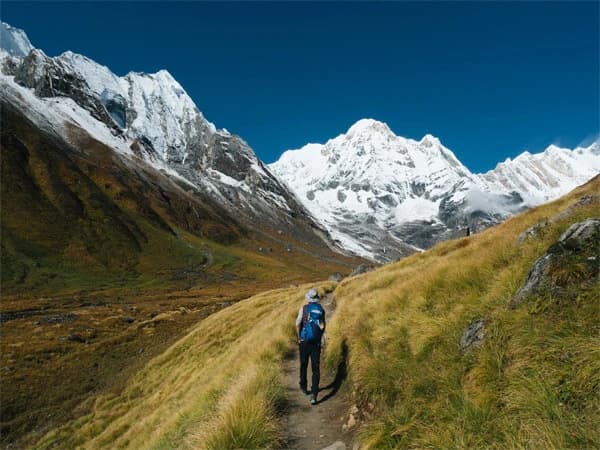
The Annapurna North Base Camp Trek is still one of the quieter trekking routes in Nepal. While most trekkers head towards the classic Annapurna Base Camp, this trail follows a different valley through Narchyang and climbs to the north face of Annapurna I. The route has improved over the last few years, but it still sees far fewer trekkers than the better known trails in Annapurna region.

It is not the trek with the biggest crowds or the busiest teahouses, and that is exactly why many people like it. You get the same Himalayan setting without feeling like you are following a line of trekkers all day. If you enjoy less crowded trails and do not mind giving up a few extra comforts, Annapurna North Base Camp is one of the most interesting treks to Annapurna region.

Annapurna North Base Camp Trek Overview

The Annapurna North Base Camp Trek is still unknown to many trekkers, even though it leads to the north face of Annapurna I, the tenth highest mountain in the world. Most people visiting the Annapurna region choose the classic Annapurna Base Camp or Annapurna Circuit, so this trail stays much calmer throughout the season.

The route starts from Narchyang in Myagdi and is also known as the Maurice Herzog Trail, following the historic approach used during the 1950 French expedition that made the first successful ascent of Annapurna I. Today, the trail has basic trekking facilities, but it still feels much less commercial than many of Nepal's popular trekking routes. If you enjoy quieter days on the trail and do not mind giving up some of the comforts found on busier routes, this trek is well worth considering.

North Annapurna Base Camp Trekking Highlights

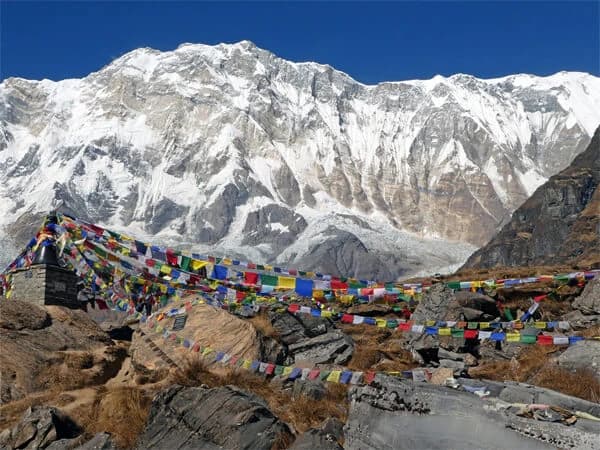
  • Reach Annapurna North Base Camp (4,190 m) beneath the north face of Annapurna I (8,091 m)
  • Follow part of the historic Maurice Herzog Trail used during the first successful ascent of Annapurna I in 1950
  • Visit Panchakunda, a group of sacred high altitude lakes respected by both Hindu and Buddhist pilgrims
  • Enjoy views of Annapurna I, Nilgiri, Tilicho Peak, Bharha Chuli, and Khangsar Kang when weather conditions are clear
  • Trek on a route that receives far fewer visitors than the classic Annapurna Base Camp Trek
  • Stay in a combination of basic teahouses and remote campsites, reflecting the limited infrastructure on the upper section of the trail
  • Travel through Narchyang Valley, the main gateway to Annapurna North Base Camp
  • Relax in the natural hot springs at Tatopani before returning to Pokhara
  • See a completely different side of Annapurna I than the classic Annapurna Base Camp Trekking in Nepal, without entering the Annapurna Sanctuary

Annapurna North Base Camp Trek Cost

The Annapurna North Base Camp Trek with Nepal Trekking Routes is currently available for USD 750 per person as a discounted package price.

Although this is a relatively short trekking in Nepal, it still includes a camping trek as well as there are no permanent teahouses all the way to Annapurna North Base Camp. That makes it different from many of the more established trekking routes in Nepal, where accommodation is available every night.

Along with the package price, it is a good idea to keep some extra money for personal expenses during the trip. International flights, your Nepal visa, travel insurance, tips for the trekking crew, drinks, snacks, and any additional hotel nights before or after the trek are usually budgeted separately. Planning for these expenses in advance gives you a clearer idea of the total North ABC trek cost of the trek and helps avoid last minute surprises.

North Annapurna  Base Camp Trek Itinerary

The Annapurna North Base Camp Trek itinerary is a 7 day journey that begins with your arrival in Kathmandu and continues towards Pokhara before reaching Hum Khola, where the trekking section starts. From Hum Khola, the route follows the valley towards Busket Mela and Panchakunda before reaching Annapurna North Base Camp at 4,190 metres. After spending time at the base camp, the trek returns through the same route to Hum Khola and continues by jeep to Tatopani and Pokhara.

Since this is a private trek, the North ABC Trek itinerary can be customized based on your available time, travel plans, and preferred starting point. Any changes can be discussed before the trek so the schedule matches the actual conditions of the route.

Annapurna North Base Camp Trek Preparation

Preparing for the Annapurna North Base Camp Trek is mainly about building enough endurance for long trekking days and being ready for the camping part of the route. Since the trek reaches 4,190 metres and moves into an area with fewer facilities than the main Annapurna trails, it is important to understand what the journey involves before you arrive in Nepal.

What Makes the Annapurna North Base Camp Trek Different?

Majority of trekkers planning an Annapurna trek never even come across this route. The trail to Annapurna North Base Camp is still relatively new as a commercial trekking route, so it has not developed in the same way as the classic Annapurna Base Camp Trek 15 days. That means fewer trekkers, fewer lodges, and a much stronger focus on the mountains than on the facilities.

The trek also ends in a completely different place. Instead of entering the Annapurna Sanctuary, you walk towards the north face of Annapurna I, following part of the historic Maurice Herzog Trail. If you enjoy less visited trails and do not mind camping on the upper part of the route, this is one of the few treks in Nepal that still feels less travelled without needing weeks in the mountains.

Annapurna North Base Camp Trek Route

The Annapurna North Base Camp Trekking 7 days starts after a drive from Pokhara to Hum Khola, which is the usual trailhead for this route. From Hum Khola, the trail follows the Narchyang Valley towards Busket Mela and Panchakunda before reaching Annapurna North Base Camp at 4,190 metres. After visiting the base camp, the trek returns to Hum Khola on the same trail before driving through Tatopani to Pokhara.

This is not a circuit trek, so there are no alternative routes or passes to cross. The objective is pretty straight: reach Annapurna North Base Camp and return by the same valley. Because of that, the route is easy to understand, although the trekking in Nepal itself remains physically demanding.

One detail that often surprises trekkers is that road access does not remove the need for camping. Hum Khola has a basic teahouse, but there are no permanent lodges between Busket Mela, Panchakunda, and Annapurna North Base Camp. Tents, food, and camping equipment are therefore carried for this part of the trek, making it different from the classic ABC Trekking in Nepal, where accommodation is available throughout the route.

Physical fitness for Annapurna North Base Camp Trek

The trekking days involve around 6 to 8 hours of walking, so your training should focus on improving stamina. You do not need an extreme fitness routine, but regular activity before the trek will make the experience much easier.

  • Useful preparation includes:
  • Hiking regularly before the trip
  • Walking uphill or climbing stairs
  • Cardio exercises such as cycling, running, or swimming
  • Practising longer walks while carrying a backpack

The goal is to make your body comfortable with continuous walking rather than preparing for short bursts of activity.

Preparing for the Camping Trek

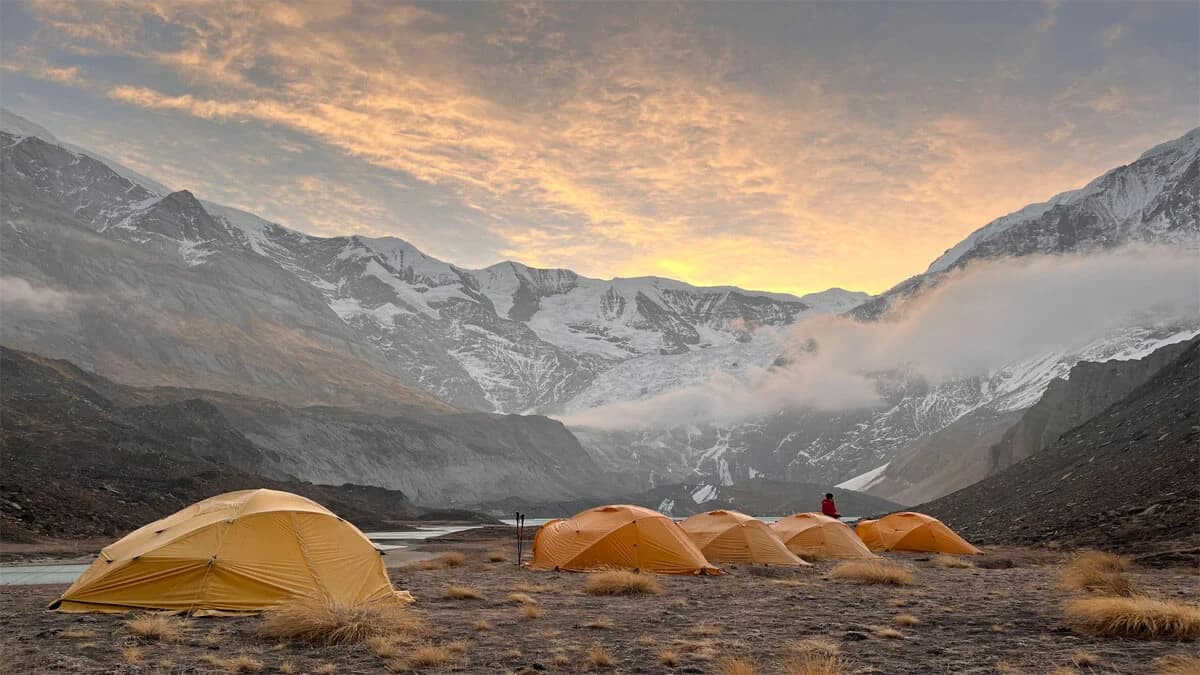
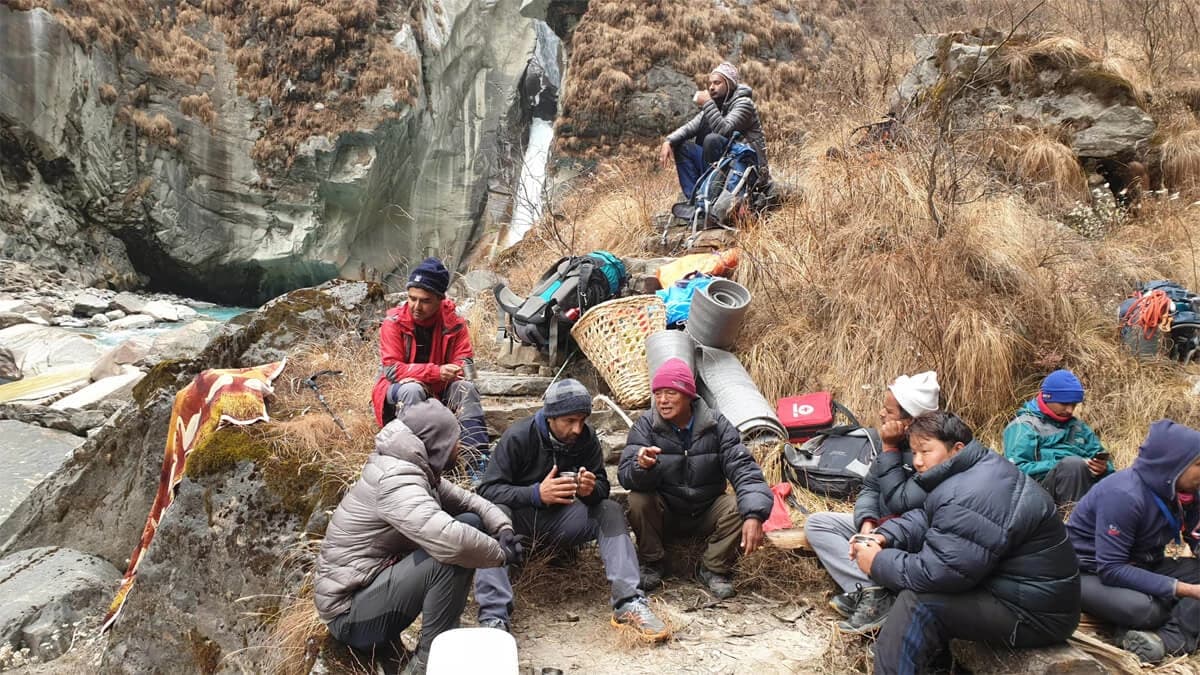
Annapurna North Base Camp is different from many popular trekking routes in Nepal because the route towards the base camp requires camping. After Hum Khola, there are no regular teahouses along the way, so trekkers spend the night in tents and follow a simpler mountain routine.

Being prepared for this part of the trek means being comfortable with basic camping conditions, shared facilities, and a slower style of travel where daily arrangements depend on the trekking crew and weather.

Preparing for Altitude

The highest point of the trek is Annapurna North Base Camp at 4,190 metres. Even trekkers with good fitness can react differently to altitude, so preparation should include understanding the signs of altitude sickness and knowing when to inform your guide.

Maintaining good hydration, eating enough during the trek, and allowing your body time to adjust are important parts of managing the higher sections of the route.

Mental Preparation

This trek suits people who enjoy less developed trekking route. The experience is different from routes where comfortable lodges and frequent facilities are available every day. Being ready for a basic mountain environment will help you enjoy the North ABC Trek much more.

Annapurna North Base Camp Trek Permit and Entry Requirements

The Annapurna North Base Camp Trek requires an Annapurna Conservation Area Permit (ACAP) before starting the trek. Since the route is located inside the Annapurna Conservation Area, this permit is required for all trekkers entering the region.

The permit process requires basic documents, including a passport copy and passport size photographs. These details are prepared before the trek so everything is ready before heading towards the trail.

Along with the trekking permit, having proper travel insurance is strongly recommended for this route. Annapurna North Base Camp reaches 4,190 metres and involves remote camping, so insurance that covers high altitude trekking provides important protection during the journey.

Annapurna North Base Camp Trek vs Annapurna Base Camp Trek

The Annapurna region has always stood out for the variety of Nepal trekking experiences it offers. It is one of the few places in Nepal where you can reach the base of the same mountain by following two completely different routes. The Annapurna Base Camp Trek approaches Annapurna I from the south through established villages and teahouses, while the Annapurna North Base Camp Trek follows a quieter route towards the mountain's northern face with camping as part of the journey.

Choose the Annapurna Base Camp Trek if you:

  • You enjoy staying in teahouses every night instead of camping.
  • You like walking through traditional Gurung and Magar villages as much as the mountain scenery.
  • You prefer a route with regular places to stop for meals, accommodation, and basic facilities.
  • You are looking for the classic Annapurna trekking experience that has attracted trekkers for decades.

Choose the Annapurna North Base Camp Trek if you:

  • You want to experience a camping trek in Nepal rather than a lodge based trek.
  • You enjoy spending more time in the mountains than passing through villages.
  • You are comfortable with simpler facilities in exchange for a quieter trekking route.
  • You want to reach the north face of Annapurna I, a side of the mountain that far fewer trekkers experience.

Neither trek is better than the other. They just offer different ways to experience the Annapurna region. If you value comfort, established trails, and village life, the Annapurna Base Camp Trek is an excellent choice. If you are looking for a more remote camping trek with a different perspective of Annapurna I, the Annapurna North Base Camp Trek is likely to suit you better.

Itinerary

This is a Annapurna North Base Camp Trek 7 Days itinerary that starts in Kathmandu and ends in Pokhara. It is a great option for trekkers who have limited time but still want to reach Annapurna North Base Camp without rushing the journey.

The route begins with a drive to Hum Khola and continues on foot through Busket Mela and the Panchakunda Lake campsite before reaching Annapurna North Base Camp at 4,190 metres. Along the way, you'll walk beside rivers, cross waterfalls, camp in the mountains, and enjoy close views of Annapurna I, Nilgiri, Tilicho Peak, and other Himalayan peaks.

Need a different schedule? Nepal Trekking Routes can customize the itinerary to match your travel plans, whether you want to add extra days or keep the trek short.

Trip PlanExpand All

On your arrival at Tribhuvan International Airport, one of our representatives will receive you. You will be transferred to a hotel. In the evening, you will have a briefing about the trek. Overnight.


Accommodation: Deluxe Hotel

You will either take a 30 minute flight from Kathmandu to Pokhara. Alternatively, you will take a tourist bus from Kathmandu to Pokhara. It takes around 6 to 7 hours to reach Pokhara by road. You will spend the night in Pokhara.

Meals: BreakfastAccommodation: Deluxe Hotel

After breakfast, we will drive to Hum Khola. We will pass through Kande, Nayapul, Kusma, Parbat, and other places. The drive first leads us to Baglung, which takes around 3 hours. We continue our drive to Tatopani via Beni. We will have lunch at Tatopani.

You will see deep gorges as we move from Tatopani. There are hydropower tunnels, garages, trucks, and dozers on the construction site. We cross the Kali Gandaki River and arrive at Hum Khola after 6 hours of traveling from Pokhara. The last stop on this road is a basic teahouse offering food and supplies. We set up our tents, prepare our dinner, and spend the night at Hum Khola.

Max Altitude: 2890 M Meals: B.L.DAccommodation: Tea HouseDuration: 6 hrs.

After having breakfast, we will hike gradually towards Busket Mela (3,650m). To reduce the risk of altitude sickness, we stay hydrated and pace ourselves. We will arrive at Futfutey and enjoy the view of a gorgeous waterfall. We will continue walking to Sandikharka, a shelter in the middle of the trail. We will pause here and eat some snacks.

As we move along the trail, you can see Tilicho Peak. After walking for 6 hours, we will finally arrive at Busket Mela, today’s destination. We will set up our tents and use filtering tablets to drink the water from the nearby river. We will eat dinner cooked by ourselves and sleep under the stars.

Max Altitude: 3650 M Meals: B.L.DAccommodation: Tent CampDuration: 7 Hrs

The calming sound of the river will wake us up in the morning. We will have breakfast and resume our journey towards the Campsite. Along the way, we take a break, rehydrate, and walk through waterfalls and small streams.

As we continue walking, we will see the sign pointing to Sunkhola, the river with stones of golden hue. Then, we will arrive at the Campsite (4,050m). From here, it takes only 30 minutes to hike to Annapurna North Base Camp. There are no shelters at the base camp, so we set up a tent at the Panchakunda Lake Campsite. We cook dinner, eat, and spend the night at the Campsite.

Max Altitude: 4050 M Meals: B.L.DAccommodation: CampingDuration: 8 Hrs

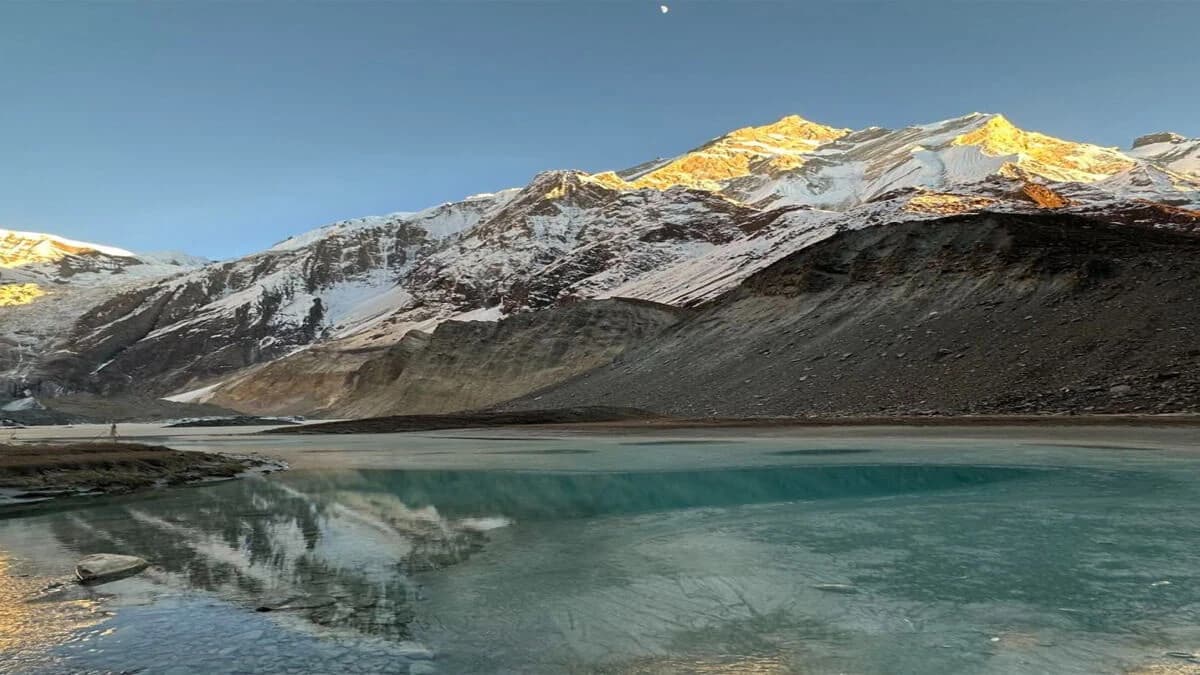
We will have breakfast and head towards North Annapurna Base Camp. You can see wild animals and livestock like the Himalayan Blue sheep. You will pass through the Shiva temple and reach Narchyang lake, also known as Pancha Kunda. The lake is visited by Buddhist and Hindu pilgrims. This natural lake is pure and pristine with turquoise blue water.

We will move towards the Base Camp. The elevation of Annapurna North Base Camp is 4,190 m. From here, you can see Nilgiri range, Tilicho Peak (7134m), Bharha Chuli (7,647m), Khangsar Kang (also known as Roc Noir, 7485 m), and Annapurna I (8091 m). After enjoying the stunning mountain views, we will return to Hum Khola.

It takes around 6 hours to hike back to Hum Khola. We trek along the same trails to reach Hum Khola. From there, we will take a jeep ride to Tatopani. At Tatopani, we will relax in the local hot spring and spend the night in a hotel.

Meals: B.L.DAccommodation: Tea HouseDuration: 8 Hrs

After breakfast, we will ride back to Pokhara. After 4 hours of travel, we will arrive at Pokhara. You will check into the hotel. You can either plan another trip to Muktinath or return to Kathmandu. We can help you arrange your travel.

Meals: B.LAccommodation: Deluxe HotelDuration: 6 Hrs
Plan An Amazing Private and Tailor-Made HolidaysNot satisficed with this itinerary? Share your idea with our travel Expert. We make your dream come true.
Customize Trip
Cost Details
Includes
  • Airport pickups and drop off service in private vehicle.
  • 3-star hotel accommodation in Kathmandu and Pokhara with breakfast in twin sharing bed and breakfast basis.
  • Teahouse accommodation during the trek with breakfast Lunch and Dinner.
  • farewell dinners with cultural program.
  • All ground transportation in a comfortable private vehicle as per the itinerary.
  • An experienced, English-speaking and government-licensed trek leader.
  • Staff costs including their salary, insurance, equipment, food and accommodation.
  • Down jacket and sleeping bag (to be returned after trip completion)
  • T-shirt and trekking map are yours to take.
  • All necessary paperwork and trekking permits (ACAP, TIMS).
  • Medical kit (carried by your trek leader).
  • All government and local taxes.
Excludes
  • International airfare.
  • Nepal entry visa fee.
  • City sightseeing entry fee in Kathmandu.
  • Travel insurance.
  • Lunch and dinner while you are in Kathmandu and Pokhara
  • Personal expenses.
Essential Information

Annapurna North Base Camp Trek Difficulty

The Annapurna North Base Camp Trek difficulty is underestimated because its highest point is 4,190 metres. In reality, the altitude is only one part of the challenge. The trekkers need to face long walking days, basic camping, and limited facilities beyond Hum Khola, which makes it a moderately challenging trek in Nepal. While no expedition experience is required, it suits trekkers who are comfortable spending several consecutive days on mountain trails.

Is the Annapurna North Base Camp Trek Suitable for Beginners?

If this is your first trek in Nepal, there are easier options with better infrastructure, such as the classic Annapurna Base Camp Trek or the Ghorepani Poon Hill Trek. The Annapurna North Base Camp Trek is more suitable for people who have completed at least one multi day trek or regularly take part in long hikes. Previous trekking experience is not a requirement, but it does make the overall trek more comfortable and enjoyable, especially because camping is part of the itinerary.

Altitude and Acclimatization on the North ABC Trek

Annapurna North Base Camp stands at 4,190 metres, where there is still a risk of Acute Mountain Sickness (AMS). Although the altitude is lower than Everest Base Camp, it should not be assumed that the trek is automatically easier. Everyone responds differently to high altitude, and symptoms can develop regardless of age or fitness level.

A well planned itinerary, proper hydration, regular meals, and enough time to soak to the elevation all help reduce the risk. Most days involve around six to eight hours of walking, so maintaining a comfortable rhythm and listening to your body are just as important as physical fitness.

Best Time for Trekking to Annapurna North Base camp:

The best time for trekking to Annapurna North Base Camp depends on the weather, trail conditions, and individual preference. Different seasons offer unique experiences.

  • Spring (March to May): The weather in Spring is mild and dry. The blooming rhododendrons make the trails beautiful. It offers vibrant forests, good visibility, and fewer crowds. It can get hot in lower elevations.
  • Autumn (September to November): Autumn is one of the ideal times for trekking. The weather is cool and dry. It offers great visibility, fresh air, and the best mountain photography. However, there may be slightly more trekkers on the trail as everyone dreams of trekking in Nepal in peak season. 
  • Winter (December to February): Winter is regarded as off season for trekking in Nepal. The weather is cold with chances of snow above 3,000m. The challenges of this season is that the camp zones may be difficult to reach without proper gear and guides.
  • Monsoon (June to August): Monsoon is also considered off season for trekking in Nepal. The weather is unpredictable and wet. The roads are prone to landslides, and leeches in the forests are annoying. The challenges of this season are poor visibility, slippery trails and tough logistics.

Annapurna North Base Camp Trek Accommodation

Accommodation on the Annapurna North Base Camp Trek changes as the route moves further away from villages and closer to the north face of Annapurna I. Unlike many popular trekking routes in Nepal where lodges are available throughout the journey, this trek combines basic teahouse stays with tented camping because there are no permanent lodges near Annapurna North Base Camp.

Staying at Hum Khola

Hum Khola is the last stop on the route with basic teahouse accommodation before the camping part of the trek begins. The facilities here are simple, but it provides a place to rest before heading towards the higher and more remote part of the trail.

Camping on the way to Annapurna North Base Camp

After leaving Hum Khola, trekkers spend the night in tented camps at places such as Busket Mela and the Panchakunda campsite. The camping arrangement is managed by the trekking team, including campsite preparation and meals during the trek.

This is different from a regular teahouse trek where you arrive at a village and stay in an existing lodge after each walking day. On the Annapurna North Base Camp Trek, the campsite becomes part of the journey itself. The location of the camp depends on the route, weather, and available space in the mountain environment.

What to expect from the camping experience?

The accommodation is simple and practical rather than lodge based. Trekkers should expect:

  • Sleeping in tents at mountain campsites
  • Meals prepared by the trekking crew
  • Basic campsite facilities
  • Fewer personal comforts compared to established teahouse trekking routes
  • More time spent in a quiet mountain setting after each trekking day

For trekkers looking for a camping trek in Nepal that still has organised support, Annapurna North Base Camp offers a different experience from the more developed trails of the Annapurna region. The accommodation style is a major part of what makes this route distinct.

How to Reach Hum Khola for Annapurna North Base Camp Trek?

The Annapurna North Base Camp Trek 7 Days begins from Hum Khola in the Myagdi region, which means reaching the trailhead requires a road journey before the trekking starts. After arriving in Pokhara, the route continues by road through Beni and Tatopani before reaching Hum Khola, where the walking section of the trek begins.

The drive towards Hum Khola takes you deeper into the Myagdi valley, away from the more developed trekking areas of the Annapurna region. Since Hum Khola is a less common Nepal trekking starting point, transportation planning is an important part of this trek.

A private jeep is the most suitable option for reaching Hum Khola because it allows the journey to follow the planned itinerary without depending on fixed public transport schedules. The road conditions in mountain areas can change due to weather and local conditions, so having a dedicated vehicle makes the transfer easier to manage.

Public transportation can be used for parts of the route, but it generally takes more time and offers less flexibility. Most trekkers choose a private jeep because it provides a direct connection from Pokhara to the starting point of the Annapurna North Base Camp Trek.

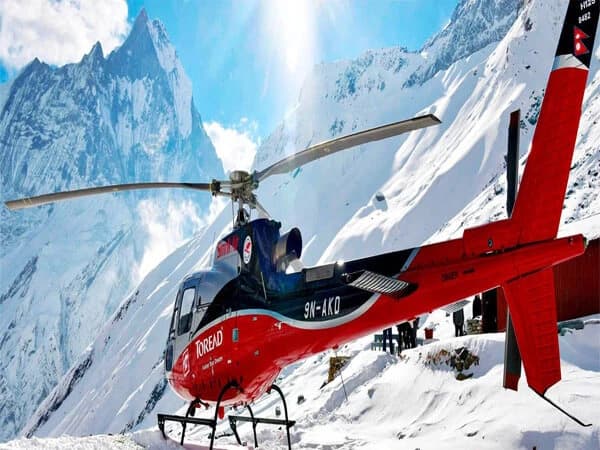
For travellers who want to experience the Annapurna region with limited time, an Annapurna helicopter tour is another option. Helicopter flights offer aerial views of the Himalayan range and are a completely different experience from trekking to Annapurna North Base Camp on foot.

Transportation arrangements are confirmed according to the final itinerary, group size, and road conditions before the trek begins.

Food During the Annapurna North Base Camp Trek

Meals on the Annapurna North Base Camp Trek are simple and home cooked. During the first part of the trek, food is served at local teahouses. After leaving Hum Khola, our trekking crew prepares breakfast, lunch, and dinner each day using ingredients carried along the route.

You can expect meals such as dal bhat, fried rice, noodles, soup, eggs, potatoes, vegetables, pasta, tea, and coffee. If you have any dietary requirements, please let us know before the trek so we can make suitable meal arrangements whenever possible.

Annapurna North Base Camp Trek Packing List: Gear Needed for Camping and High Altitude

Packing list for Annapurna North Base Camp Trek is different from preparing for a regular teahouse trek in Nepal. The route combines long trekking days with camping near the base camp, so your gear needs to support colder nights, higher elevation, and fewer facilities along the trail.

The biggest mistake many trekkers make is packing based only on the walking part of the trek. On this route, the time spent at camp matters just as much. After reaching higher elevations, especially around the Annapurna North Base Camp area at 4,190 metres, warm clothing and proper sleeping gear become much more important.

Clothing for Changing Temperatures

The temperature can feel very different between the lower sections of the trek and the higher campsites. Instead of carrying many heavy clothes, a layering system works best.

Important clothing items include:

  • Thermal base layers for colder mornings and nights
  • Fleece or warm mid layers
  • Down jacket for higher altitude camps
  • Waterproof jacket and trousers for rain or wind protection
  • Comfortable trekking pants and shirts
  • Warm hat, gloves, and extra socks

A good combination of layers allows you to adjust throughout the day without carrying unnecessary weight.

Footwear and Trekking Equipment

Your footwear is one of the most important parts of your Annapurna North Base Camp Trek gear. The walking days can last several hours, so comfortable and properly tested boots are far more useful than new shoes that have not been worn before.

Recommended items include:

  • Waterproof trekking boots with good grip
  • Trekking socks
  • Trekking poles for support on longer walking days
  • Comfortable daypack for carrying personal items
  • Headlamp for early starts and campsite use

Camping and Personal Essentials

Since the route towards Annapurna North Base Camp requires camping, some personal items become more important than they would on a normal lodge based trek.

Useful items include:

  • Warm sleeping bag suitable for cold mountain nights
  • Water bottle or hydration system
  • Personal toiletries
  • Sunscreen and sunglasses
  • Personal medicines and a small first aid kit
  • Power bank for essential devices

What not to Overpack

A remote trek does not mean you need to carry everything you own. Annapurna North Base Camp is a trekking route, not an expedition in Nepal, so heavy mountaineering equipment is unnecessary unless you have a personal reason to bring it.

Extra clothing, duplicate items, and unnecessary gadgets can make the trekking days harder. A practical backpack with reliable essentials is more useful than carrying too much gear.

The right Annapurna North Base Camp Trek packing list is about bringing the things that actually help you stay comfortable during long walking days, cold camping nights, and changing mountain conditions.

How Much Extra Money Should You Carry for Annapurna North Base Camp Trek?

Besides the trekking package cost of USD 750 per person, carrying around NPR 15,000 to 20,000 (approximately USD 110 to 150) is a reasonable amount for personal expenses during the Annapurna North Base Camp Trek in Nepal.

This extra money can be used for personal snacks, drinks, charging, small purchases, and tips. Since the route includes camping and has limited facilities compared to popular teahouse treks in Nepal, carrying enough Nepalese rupees is recommended for convenience. Withdraw or exchange enough cash in Kathmandu or Pokhara before starting the trek, since reliable ATM facilities are not available in the remote sections of the route.

Trek Tips for the Journey

  • Acclimatize slowly and don’t rush above 3,000m.
  • Always trek with a local guide for safety.
  • Layer your clothes as mornings and nights can get chilly.
  • Carry some snacks, as trail food is limited.
  • Don’t rely on GPS alone. Maps and guides know more and help in navigation. 

Best Alternatives of the North ABC Trek

If Annapurna North Base Camp is too rugged or remote for your needs, you can consider these alternatives:

  • Khopra Danda Trekking in Nepal is nearby, and easier with panoramic views. 
  • Mardi Himal Trek is a short and scenic ridge line route with teahouse stays. 
  • Mohare Danda Trek is a community based eco trek, great for culture lovers. 
FAQs

Yes. There are no permanent teahouses near Annapurna North Base Camp, so camping is a necessary part of the trek. It is one of the biggest differences between this route and the classic Annapurna Base Camp Trek.

Yes. The North ABC Trek receives far fewer trekkers because it is a camping route with limited facilities. If you prefer a peaceful mountain experience, this trek is a great alternative.

Night temperatures can drop below freezing, especially during spring, autumn, and winter. A good quality sleeping bag and warm layers are essential for staying comfortable at higher camps.

Yes, but it is limited. Mobile coverage is available in some lower villages, but the signal becomes unreliable as you move higher towards the camping areas. It is best to expect little or no connection near the base camp.

Yes, but only in some places. Charging is available in a few villages before reaching the camping section. Once you leave the teahouse areas, carrying a fully charged power bank is the most reliable and smart option.

Yes. The itinerary can be customized to fit in your schedule, fitness level, and travel plans. Whether you want a shorter trek or extra days to explore the Annapurna region, the route can be planned accordingly.

The Annapurna North Base Camp Trek can be completed in as little as 7 days or extended to around 11 days. The right itinerary depends on how much time you have and the pace you prefer. For trekkers with a shorter schedule, Nepal Trekking Routes offers a carefully planned 7 day Annapurna North Base Camp Trek without missing the main highlights of the route.

Spring and autumn are the most popular seasons for the Annapurna North Base Camp Trek. These months offer the clearest mountain views and the most comfortable environment for both trekking and camping, which makes them the preferred time to experience the route.

20 years of Adventure
Why Travel with Nepal Trekking Routes?
We Care for Your Safety
Nepal Trekking Routes always focus on safety, and satisfaction of our valued clients. Our Trekking guides are highly experienced and trained to operate various group trekking trip in high Himalaya.
Provide Financial Protection
NTR prioritize healthy financial safety for clients, ensuring proactive safeguarding of client interest. Our commitment strengthens our role as trusted partners maintaining standards with dedication and Excellence.
100% Local Guide
100% Local Guide
Traveler looking for experience authentic insights through trekking in Nepal NTE offer your 100% local guide who help you to experience unique perspective ensuring and enriched journey customize to your interest.
Personalized Service
We always provide one guide and one porter to two guests in order to meet our standard of providing standard service. Impeccable hospitality and quality services are guaranteed while traveling with us.
Know More
You May Also Like
Annapurna Base Camp Trek
17% OFF
FromUS$955US$1540
Helicopter flying over Annapurna Base Camp with panoramic Himalayan views
17% OFF
Book Now