There is something exciting about trekking in Nepal or Hiking in Nepal. Maybe it is the thought of walking through quiet mountain villages, crossing forests and rivers, or finally standing face to face with the giant peaks of the Himalayas. Every trail feels like an adventure waiting to happen. That is why learning altitude sickness prevention tips before your trek is important.
But while the mountains offer incredible beauty, trekking at higher elevations also comes with challenges, and one of the biggest is altitude sickness. It can affect anyone, no matter how fit or experienced they are, and if ignored, it can quickly turn an amazing journey into a difficult one.
The good thing is, altitude sickness is often preventable. With the right preparation, smart trekking habits, and a little patience on the trail, you can greatly reduce the risk and enjoy your journey safely. Before you head into the mountains, here are some important altitude sickness prevention tips every trekker should know.
What is Altitude Sickness and Why Does It Happen?
Before talking about prevention, it helps to understand what altitude sickness actually is. Altitude sickness happens when your body struggles to adjust to lower oxygen levels at high elevations. As you climb higher in the mountains, the air becomes thinner, which means your body gets less oxygen with every breath.
This usually starts becoming noticeable above 2,500 meters, especially onpopular trekking routes in Nepal like Annapurna Base Camp, Everest Base Camp, and Langtang Valley.
When your body cannot adapt quickly enough, symptoms may begin to appear, such as:
- Headache
- Dizziness
- Nausea
- Loss of appetite
- Trouble sleeping
- Feeling unusually tired or weak
Knowing why altitude sickness happens is the first step toward preventing it, because once you understand how your body reacts to altitude, it becomes easier to trek smarter and safer.
Who is More Likely to Get Altitude Sickness?
One common myth is that only beginners get altitude sickness, but that is not true. Altitude sickness does not choose based on age, fitness level, or trekking experience. Even experienced hikers and strong athletes can feel its effects if they climb too quickly or do not give their body enough time to adjust.
Some people may be at a higher risk, including:
- Trekkers who ascend too fast without proper acclimatization
- People who have had altitude sickness before
- Those who are dehydrated or not eating enough during the trek
- Trekkers who push themselves too hard physically
- People who ignore early warning signs and keep climbing higher
At the same time, someone trekking for the very first time may feel completely fine if they climb slowly and follow good trekking habits.
That is why altitude sickness is less about who you are and more about how you trek. Understanding this can help you approach high-altitude trekking in Nepal with more awareness and preparation.
Signs You Should Never Ignore on the Trail
When trekking at high altitude in Nepal, your body often gives warning signs before altitude sickness becomes serious. The important thing is to pay attention to those signs early instead of brushing them off as simple tiredness from walking.
Watch out for symptoms like:
- A strong or constant headache
- Feeling dizzy or lightheaded
- Nausea or vomiting
- Loss of appetite
- Extreme tiredness or unusual weakness
- Trouble sleeping at night
- Shortness of breath even while resting
- Difficulty walking normally or feeling unsteady
Mild symptoms can sometimes improve with rest, hydration, and staying at the same altitude for a while. But if symptoms become worse, climbing higher is not a good idea. In many cases, descending to a lower elevation is the safest choice.
A simple rule many trekkers follow is this:
If symptoms get worse, do not go higher.
Listening to your body in the mountains is one of the smartest things you can do, because catching altitude sickness early can prevent it from becoming dangerous.
Types of Altitude Sickness
Altitude sickness is not just one single problem. It can show up in different forms, and each one affects the body in a different way. Some types are mild and manageable if caught early, while others can become serious very quickly. That is why understanding the different types of altitude sickness is important before trekking in high mountain regions of Nepal.
The higher you go, the thinner the air becomes, and your body has to work much harder to get enough oxygen. If your body struggles to adjust, altitude sickness can develop. On popular trekking routes like Everest Base Camp, Annapurna Base Camp, or Langtang Valley, knowing the difference between mild symptoms and dangerous warning signs can make a huge difference.
Acute Mountain Sickness (AMS)
Acute Mountain Sickness, often called AMS, is the most common type ofaltitude sickness and the one most trekkers are likely to hear about. This usually happens when you climb too high too quickly without giving your body enough time to adjust. At first, AMS may feel like normal tiredness from trekking, which is why many people ignore it. You may get a headache that does not easily go away, feel slightly dizzy, lose your appetite, or feel sick in your stomach. Some people also struggle to sleep well at night, even when they feel exhausted. You might wake up often, feel restless, or feel strangely tired even after resting.
The good thing is that AMS is usually mild if you catch it early. In many cases, taking a rest day, drinking enough water, eating properly, and staying at the same altitude for another night can help your body adjust. But if symptoms get worse and you keep climbing higher, mild AMS can develop into something much more serious.
High Altitude Pulmonary Edema (HAPE)
High Altitude Pulmonary Edema, or HAPE, is a much more dangerous form of altitude sickness. This happens when fluid starts building up in the lungs, making it harder and harder to breathe properly.
At first, you may notice that you are unusually out of breath, even after a short walk. Climbing a small hill may suddenly feel much harder than it should. As it gets worse, breathing becomes difficult even while sitting still or resting. Some trekkers develop a tight feeling in the chest or a cough that does not go away. In serious cases, the cough may produce frothy mucus.
Another sign of HAPE is extreme weakness. You may feel like your body has no energy at all, even after doing very little. Walking becomes exhausting, and you may feel like your chest simply cannot get enough air. HAPE is a medical emergency. It is not something that improves by just sleeping or resting. Immediate descent to a lower altitude is necessary, along with urgent medical help. The faster a person goes down, the better their chance of recovery.
High Altitude Cerebral Edema (HACE)
High Altitude Cerebral Edema, known as HACE, is the most severe form of altitude sickness. This happens when the brain begins to swell because it is not getting enough oxygen. It is rare, but when it happens, it becomes dangerous very quickly.
One of the biggest warning signs is confusion. A person may start acting strangely, speaking unclearly, or seem mentally lost. They may have trouble understanding simple things or responding normally in conversation. Walking also becomes difficult. They may lose balance, walk in a zigzag line, or struggle to stand properly. Severe headache is common, and unlike a normal headache, it often feels intense and does not improve easily. Extreme tiredness, unusual sleepiness, and loss of coordination are also major warning signs.
What makes HACE especially dangerous is that the person may not fully realize how serious their condition is. That is why trekking with guides or companions is helpful, because others may notice warning signs first. If HACE is suspected, immediate descent is critical. Medical treatment is needed as quickly as possible.
Essential Tips to Prevent Altitude Sickness
Preventing altitude sickness while trekking in Nepal is mostly about how you manage your pace and daily habits on the trail. You don’t need anything complicated, just a few smart decisions that help your body adjust naturally as you gain altitude.
Take your time while ascending
One of the most important things you can do is slow down. It sounds simple, but this is where many trekkers make mistakes. Excitement, confidence, or even trying to keep up with a fast group can make people climb too quickly. At first, everything may feel fine, but altitude sickness often builds slowly. By the time symptoms appear, your body may already be struggling.
Walking slowly does not mean walking weakly. It means walking smartly. Keep a pace where you can breathe comfortably and still hold a conversation without feeling out of breath. Take steady steps, do not rush uphill sections, and give yourself short breaks whenever your body asks for it.
Remember, trekking in the Himalayas is not a race. The mountain is not going anywhere. Moving slowly actually helps you go farther and feel better.
Add rest and acclimatization days
Rest days are one of the biggest reasons some trekkers complete high altitude treks comfortably while others struggle. When you spend an extra day at a certain elevation, your body gets time to adjust to thinner air. This adjustment is called acclimatization, and it is one of the best natural defenses against altitude sickness.
What happens during acclimatization is that your body slowly learns how to use oxygen more efficiently. Your breathing pattern changes, your circulation adapts, and over time your body becomes better at functioning in low oxygen conditions.
That is why good trekking itineraries include rest days, especially on high routes like Everest Base Camp, Annapurna Base Camp, or Manaslu Circuit. Even if you feel healthy, those extra days still matter. Skipping them just to save time can increase risk.
Drink water regularly
At high altitude, staying hydrated becomes even more important than usual. The air in the mountains is dry, cold weather can hide how much you are sweating, and faster breathing causes your body to lose moisture more quickly. Because of this, dehydration can happen without you realizing it.
The problem is that dehydration and altitude sickness often feel similar. Both can cause headaches, tiredness, dizziness, and weakness. That is why drinking enough water is one of the easiest ways to support your body.
Instead of drinking a lot at once, sip water throughout the day. Keep a bottle easy to reach so you drink often. Warm drinks can also help, especially during cold mornings and evenings. Tea, soup, and warm lemon water are simple things that keep fluids going into your body.
Eat enough and don’t skip meals
Food becomes fuel in the mountains. Even when you are resting, your body is working harder than usual because it is trying to adjust to lower oxygen levels while also keeping you warm in colder temperatures.
This means your body burns energy quickly. If you do not eat enough, your energy drops, recovery becomes slower, and your body may struggle more with altitude.
At the same time, many trekkers notice they feel less hungry at higher elevation. That is normal, but it is still important to eat. Small meals often work better than forcing one heavy meal. Foods like rice, noodles, soup, potatoes, eggs, porridge, bread, and dal bhat are excellent choices because they are simple, filling, and easy to digest.
Eating well also helps keep your mood stable, energy levels balanced, and body stronger for the next day of trekking.
Avoid overexertion
One of the quickest ways to make altitude feel harder is by pushing your body too much. At sea level, walking fast, carrying heavy bags, or climbing steep hills may feel manageable. At altitude, the same effort can feel twice as hard.
This happens because your muscles are getting less oxygen, so they tire faster. Your breathing becomes heavier, your heart works harder, and fatigue builds much quicker.
Try not to exhaust yourself early in the day. Walk at a relaxed pace, keep your backpack light, and take small breaks before you become extremely tired. Saving energy is important because high altitude already puts enough stress on your body.
Use the “climb high, sleep low” method
This is one of the best natural acclimatization techniques. The idea is simple. During the day, you walk to a slightly higher elevation, spend some time there, and then come back down a bit to sleep.
This allows your body to experience higher altitude and slowly adapt, but sleeping lower reduces overnight stress on your system. Since the body does much of its adjustment during rest, sleeping at a lower elevation makes that process easier.
That is why many acclimatization days include short hikes above the village where you are staying. It may seem like extra walking, but it is actually helping your body prepare for higher sections ahead.
Avoid alcohol and smoking
Alcohol and smoking both make acclimatization harder. Alcohol dehydrates you, affects sleep quality, and can make headaches worse. Smoking makes it harder for your lungs to work efficiently and reduces oxygen intake.
When oxygen is already limited, your body needs every bit of support it can get. Avoiding alcohol and smoking during the trek gives your body a better chance to adjust properly and stay strong.
Choose Right Itinerary for Your Trek
When you're trekking in Nepal, your itinerary matters a lot more than people think. A good plan is not about finishing the trek quickly, but about giving your body enough time to adjust to the altitude. If the schedule is too tight, you end up walking long hours every day and gaining altitude too fast. That’s when you start feeling tired, low on energy, and more likely to face altitude issues.
A better approach is to choose a slow and steady route. Look for itineraries that include short walking days, rest days, and gradual elevation gain. PopularNepal treks like Everest Base Camp or Annapurna Base Camp already follow this kind of structure, which makes the journey safer and more enjoyable. Pick a plan that matches your pace, not one that pushes you to rush. A well-planned itinerary helps your body adjust better and lets you actually enjoy the mountains instead of just trying to reach the end.
Prepare Your Body Before You Start the Trek
Before you even step onto the trekking trail in Nepal a little preparation can make your whole experience much easier and safer. Your body does not need to be extremely fit but it should be used to regular movement and activity.
Try to start walking regularly a few weeks before your trek. Simple daily walks light jogging or even stair climbing can help build basic stamina. This makes it easier for your body to handle long trekking days without getting tired too quickly. It is also a good idea to focus on your breathing and overall fitness. When you reach higher altitudes like Everest Base Camp or Annapurna Base Camp your body naturally gets less oxygen so having some endurance already helps a lot.
At the same time do not overtrain or push yourself too hard before the trek. The goal is not to become an athlete it is just to make your body comfortable with walking for several hours a day. Even simple habits like staying active drinking enough water and sleeping well before your trip can improve how your body reacts at altitude.
Most importantly go into the trek with a relaxed mindset. If your body and mind are prepared you will find it much easier to adjust enjoy the journey and handle the challenges of high altitude hiking.
Final Thoughts on Trekking Safely at High Altitude
Nepal Trekking is one of those experiences that stays with you for a lifetime. The mountains are beautiful, but they also demand patience and respect, especially when it comes to altitude.
Altitude sickness is not something to fear, but it is something you should take seriously. The good news is that it is mostly preventable if you trek smartly. Simple things like going slow, staying hydrated, eating well, taking rest days, and listening to your body can make a huge difference.
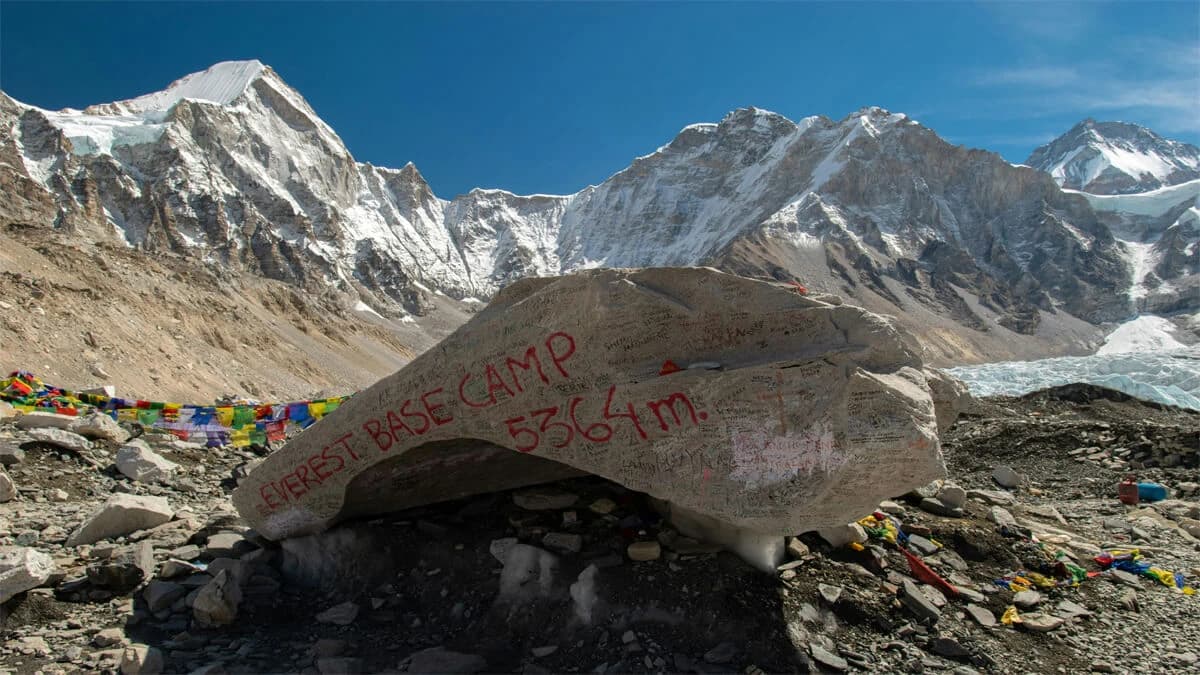
Whether you are heading toward Everest Base Camp or Annapurna Base Camp, the real goal is not just to reach the destination but to enjoy every step of the journey safely. In the end, the mountains will always be there. The best trek is the one where you come back healthy, happy, and full of memories.


.webp&w=1200&q=75&dpl=dpl_4U3CaZUV3Y5iKdBNPJmVMATJy3AB)