People often talk about Everest Base Camp and Annapurna Circuit as if those are the only trekking options in Nepal that matter. And yes, they are incredible in their own way, but the reality is they are also packed, overpriced compared to other routes, and at times a bit overexposed. During peak season, it doesn’t always feel like a raw mountain adventure. It can feel more like a busy trail where you’re constantly moving with crowds heading to the same viewpoints and taking the same photos everyone else already has.
Most first-time travelers come to Nepal with this exact image in mind because that’s what they see everywhere online. Social media keeps repeating the same destinations, so naturally people assume that’s only the treks in Nepal. What gets ignored is the fact that there are entire regions where trekking feels completely different, where you can walk for hours without running into large groups or hearing constant noise around you.
The real experience of Nepal often exists away from these popular circuits. In those quiet trekking trails, villages feel less shaped by tourism, landscapes feel more untouched, and the journey feels more personal rather than packaged. There is a different kind of calm when you are not surrounded by crowds, when the only sounds are your footsteps and the environment around you.
Of course, this comes with trade-offs. These underrated trekking routes are not popular for a reason. They usually require more time, more effort, and more flexibility. Transport can be rough, facilities are basic, network is unreliable, and some trails can be physically demanding. They are not designed for comfort, and they will not always feel easy. But that is exactly what makes them feel more authentic.
So while Everest and Annapurna will always remain iconic, they are not the only way to experience Nepal. If you are open to something quieter, more raw, and less predictable, the lesser-known treks in Nepal provide a completely different side of the country that most people never get to see. Now let’s explore them one by one in detail.
The Hidden Wonders of Nar Phu Valley
The first thing people notice about the Nar Phu Valley 11 days Trek is how dry and empty the landscape feels compared to other trekking routes in the Annapurna region. The trek feels more Tibetan than Nepali in many ways. Small stone villages are scattered across the valley and look completely cut off from modern life. At first, some of the houses almost blend into the cliffs and rocks, and you only realize people live there when you see smoke coming out of the rooftops.
What really stands out here is how quiet everything is. On popular trails like Annapurna Circuit or Annapurna Base Camp, there is always noise, people talking, guides calling out, helicopters passing by, or music playing from phones. In Nar Phu Valley, it is very different. Most of the time, you only hear the wind, loose stones under your feet, and your own breathing as you walk higher up.
At the same time, this trek is not something to romanticize too much. It can be tough. The trails are long and tiring, and the altitude becomes noticeable quite quickly. Tea houses are very basic, and nights can get extremely cold. Internet is weak or sometimes not available, which can feel uncomfortable at first, but also pulls you away from distractions.
The section over Kang La Pass is usually where people fully realize what this trek demands. The climb is long, the air gets thinner, and it can feel harder than expected if you are not prepared. There are no shortcuts, and you just have to take it step by step. Still, this is also what makes Nar Phu feel different. It is not overly developed for tourism, and the villages and landscapes still feel real and untouched in their own way.
Pikey Peak Everest View Trekking
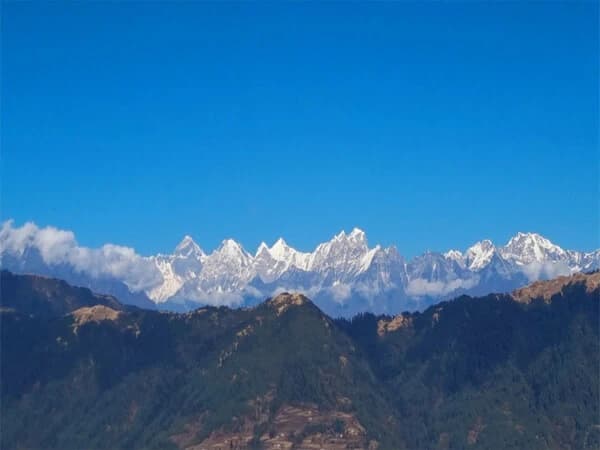
Pikey Peak Trek lies in the Everest region, but it doesn’t really feel like the Everest region that everyone imagines. The sunrise view from Pikey Peak is the main reason people come here. On a clear day, you get a wide stretch of the Himalayas, including Mount Everest, plus a bunch of peaks most people can’t even name.
But you have to be careful with the season you pick because not every season gives you that clean and open view. Weather changes fast, and clouds can completely block everything. Sometimes you wake up early, walk in freezing wind, and end up staring at a grey wall of nothing. That’s just part of it, and honestly, that’s the worst-case version of this trek.
The trek isn’t on the “most difficult route” list, but it still makes you work. The trails go up and down a lot, and if you’re not used to walking for hours, it gets frustrating and tiring pretty quickly. Just because it’s in the Everest region doesn’t mean you’re getting some comfortable or luxury trekking experience. The tea houses are basic, and the food options get repetitive fast.
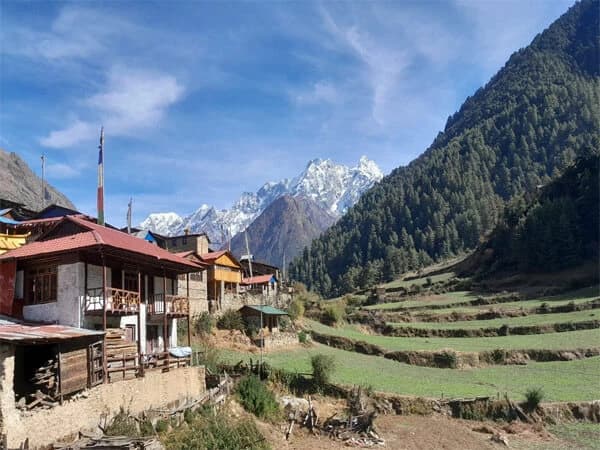
Another thing that pulls people in is the villages. You pass through small settlements where life hasn’t been reshaped around tourism yet. Locals are farming, carrying loads, just doing their normal routines while trekkers walk through like temporary guests. It feels less staged compared to places where every second house has turned into a lodge built for tourists.
But to be honest, it’s not perfect either. The lower parts of the trail can feel long and repetitive. Some stretches are just forest paths or rough roads where you start wondering if you’re even on the right track. And because it’s less popular, the support infrastructure isn’t as developed as the main Everest routes, so you do need to be more self-reliant than you would expect on a “famous” trek.
Khopra Danda Trek with Khayer Lake
Khopra danda trek is another lesser-known route in Nepal that is located in one of the most famous treking region, Annapurna region. It somehow stays in the shadow of bigger names like Annapurna Base Camp and Poon Hill. Most trekkers rush past this area without realizing they're skipping one of the best viewpoints in the region.
The biggest reason people choose Khopra Danda is the view. From the ridge, you get a massive panorama of peaks like Dhaulagiri, Annapurna South, Nilgiri and several others standing right in fromt of you. Unlike some famous viewpoints where dozens of people are fighting for same photo, Khopra Danda often feels more quiet.
The trail still has difficult sections. There are long climbs that can leave your legs burning, especially if you're not used to trekking for multiple days. Some days feel much longer than they look on the itinerary. One thing many trekkers enjoy is how varied the scenery feels. You walk through forests, open hillsides, small villages and high ridges instead of seeing the same landscapes every day. The route changes enough to keep things interesting.
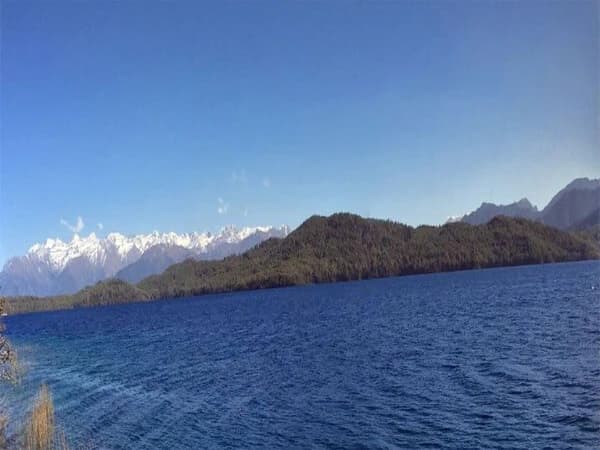
The side trip to Khayar Lake is where the trek becomes much harder than people expect. On paper it sounds like a simple day hike. In reality, it's a long and demanding climb at high altitude. Many trekkers underestimate it and end up struggling. The views are worth it on a clear day, but you definitely have to earn them.
Tsum Valley Trek: Main Valley of the Manaslu Region
Tsum Valley is one of the two main valleys in the Manaslu region, and it feels very different from the more popular trekking routes in Nepal. To enter this area, you need a Tsum Valley Restricted Area Permit (RAP) and a Manaslu Conservation Area Permit (MCAP). Even though solo trekking is allowed , you still need a licensed guide, since this is a restricted and less-developed trekking region.
Once you finish the permit process and actually enter the Manaslu region, everything starts to feel different. You are no longer on busy trekking routes. The trail goes through quiet, closed-off valleys where life moves at a slower and more isolated pace. There are no proper roads in many sections, and the paths mainly connect small villages one after another.
The scenery here is also different from what many people expect in Nepal. It is not always about big mountain views. Instead, you walk through narrow valleys, stone-built villages, farmland, and long quiet sections where it is mostly just you and the trail. The villages feel very simple, and people are just living their normal daily lives. It does not feel like a place made for tourism.
There are also some real challenges. The walking is not technically difficult, but it can feel long and tiring because of the distance and isolation. There are not many distractions on the trail, so the journey can feel slow. You also do not get mobile network in most areas, and even simple communication becomes limited.
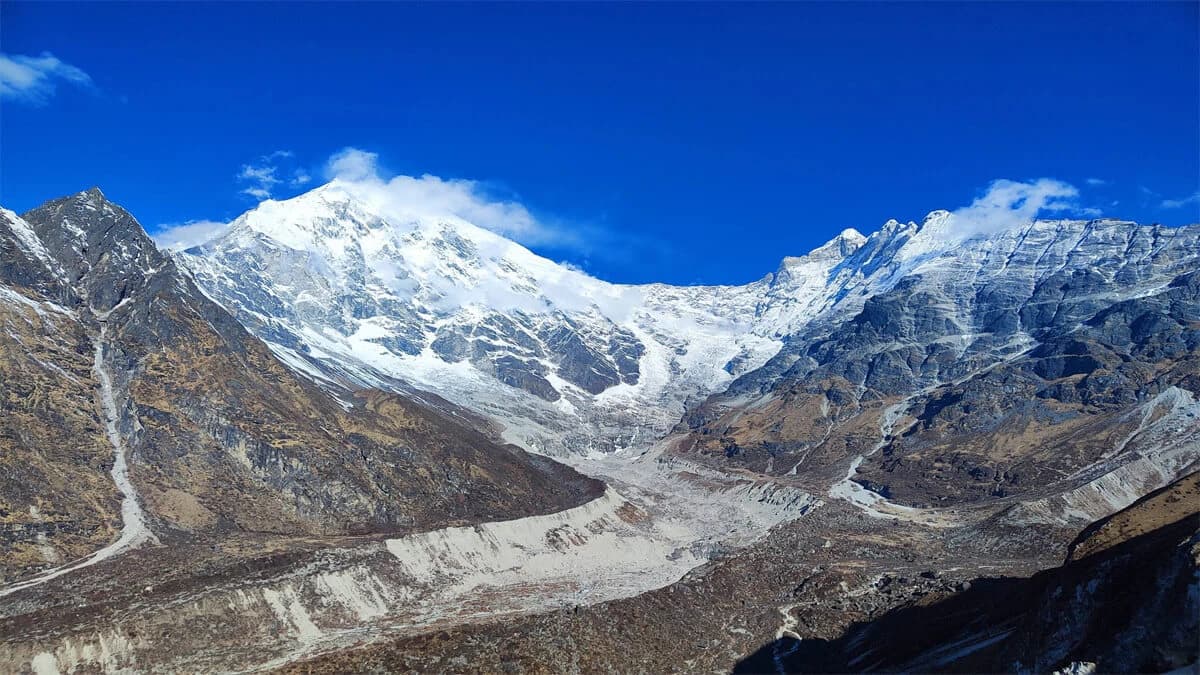
Kanchenjunga Base Camp Trek 19 Days
Even though Mount Kanchenjunga is the third highest mountain in the world, most people still have no idea where its base camp actually is. It lies in the far eastern part of Nepal, and that distance alone already keeps it out of the usual trekking conversations. It is not the kind of route that shows up when people casually talk about trekking in Nepal. Most just go straight to Everest or Annapurna without even considering it.
The biggest reason is accessibility. Getting there takes time, multiple long travel days, and a lot more planning compared to the popular routes. There is no quick entry point and no easy way to cut corners. It feels far removed from the typical trekking circuit, which is why it stays quiet even though the mountain itself is so massive and famous globally.
Another thing is the level of comfort. The trail is remote, basic, and not built for convenience. You don’t get the same polished experience you see in more commercial trekking regions. That alone is enough for many trekkers to skip it. It is not difficult in a technical sense, but it definitely asks for patience and commitment.
Because of all this, it never really becomes a mainstream choice. People tend to pick what is easier, more known, or more talked about. Kanchenjunga Base Camp stays outside that circle, not because it is less beautiful, but because it simply demands more effort than most are willing to give.
What are the Real Reasons that these Treks are Underrated?
These treks are mainly underrated because they are not easy to access. Most of them are located far away from major trekking hubs like Everest and Annapurna. Even reaching the starting points takes extra time, more transport, and more planning compared to popular routes. Another big reason is lack of promotion.
Big trekking agencies and mainstream travel content rarely highlight these routes. If you simply search “trekking in Nepal,” you will mostly see popular trekking routes. These underrated trails barely show up, which makes many travelers unaware that they even exist. Unless you dig deeper, you are unlikely to come across them.
Social media also plays a huge role. Platforms like Instagram, TikTok, and YouTube are filled with Everest Base Camp and Annapurna content, while these quieter treks rarely get attention. As a result, most first-time travelers are influenced by what they constantly see online and end up choosing the same popular routes.
On top of that, trekking companies also focus more on commercialized routes. They are easier to manage, more profitable, and already in high demand. Because of this, lesser-known regions don’t get the same level of attention or promotion. Another big factor is time and efforts. Many travelers don’t want to spend extra time researching or planning something unfamiliar. So they simply choose well-known routes like Everest or Annapurna because everything is already organized and widely available.
Lastly, infrastructure plays a big role too. These underrated treks in Nepal have fewer tea houses, simpler food options like dal bhat, and less developed villages compared to popular trekking regions. There is less tourist influence, fewer facilities, and a more raw environment overall. For some people, that feels less comfortable, so they naturally avoid these trails.
Who Should Consider Doing These Treks in Nepal?
These treks are a good choice for people who prefer quieter trails.Popular trekking routes in Nepal can become quite busy during the main trekking seasons, and not everyone enjoys that atmosphere. If you like the idea of spending more time surrounded by nature and less time walking alongside large groups of trekkers, these lesser known trekking routes in Nepal can offer a much more peaceful experience.
They are also well suited for people who are willing to put in a little more effort. Most underrated treks are not as straightforward as the popular ones. Reaching the trailhead may take longer, the facilities can be more basic, and the overall journey often requires more planning. The extra effort is exactly what keeps many of these places from becoming crowded.
If you have already completed a few of Nepal’s famous treks, these routes can be a natural next step. After visiting places like Everest Base Camp or Annapurna, some trekkers start looking for something different. Exploring a less visited region can feel like discovering a completely new side of Nepal that many travelers never get to see.
These treks also appeal to people who enjoy adventure. There is something exciting about walking through remote valleys, crossing mountain passes, and visiting places that do not receive large numbers of visitors. The experience often feels more genuine because you are not following a trail that thousands of people walk every year.
Most importantly, these routes are ideal for anyone looking for a more authentic trekking experience. Many of the villages along these trails have seen far less tourism than the famous trekking regions. As a result, interactions with local communities often feel more natural, and the journey itself can feel less commercialized.
Can Beginners do These Underrated Treks in Nepal?
Yes, beginners can do these underrated treks in Nepal, but only with proper preparation and the right timing. It is not something you should rush into. You cannot just pack your bag and start walking without thinking things through. These routes are more demanding than the popular treks, so you really need to be careful about a few important factors.
Weather is the most important thing to consider. For beginners, spring and autumn are the best seasons for Nepal trekking. During these times, the trails are in better condition, the weather is stable, and the skies are much clearer. Fitness and stamina also matter a lot. Even if a trek is not extremely technical, altitude still plays a big role. At higher elevations, it becomes harder to breathe and there is a risk of AMS (Acute Mountain Sickness). That is why proper acclimatization is very important, especially for first-time trekkers in Nepal.
You should also not go without basic research about the route, permits, and daily walking distance. Even though solo trekking is allowed in some regions, it is highly recommended that beginners hire at least a guide in Nepal. There is a huge difference between trekking with and without one. With a guide, you can focus on yourself while most of the logistics and navigation are handled for you. Hiring a porter is also an option, but it depends on personal preference.
If you are a beginner planning a solo trek, mental preparation is just as important as physical preparation. Some of these trails are very quiet, and you may not see other people for long stretches of time. That kind of isolation can feel overwhelming for some trekkers and may even cause panic if you are not mentally ready. So before choosing any of these underrated treks, it is important to think carefully about all these factors, because they really do make a difference in your overall experience.
When is the Best Time to Visit to These Hidden Treks in Nepal?
Like most trekking routes in Nepal, the best time to explore these underrated treks is during spring and autumn. These two seasons give you the most stable weather, clearer skies, and much better mountain views compared to the rest of the year. The trails are also easier to walk on, and overall conditions feel more predictable, especially in remote regions where weather can change quickly.
Spring (March to May) is especially beautiful. The forest came alive with blooming rhododendrons, which is actually the national flower of Nepal. Walking through colorful hillsides with mountain views in the background makes the whole journey feel more alive and visually rich too. Temperatures are also comfortable, so long trekking days feel more manageable.
Autumn (September to November) is considered the best overall trekking season. After the monsoon ends, the air becomes clean and fresh, and the mountains appear much sharper and clearer. The trails also feel more stable after months of rain, which makes trekking safer and more enjoyable. This is the time when visibility is at its best.
Another interesting part of autumn is the cultural experience. Major festivals like Dashain and Tihar fall around this period. If you are trekking during this time, you don’t just experience the mountains, but also get to see villages celebrating, families gathering, and locals enjoying the biggest festivals of the year. It adds a cultural layer to the whole journey that you don’t really get in other seasons.
But during the monsoon and winter seasons, these treks become much harder to do. In remote areas especially, the trail conditions are not very good at this time. In winter, the paths are often covered with heavy snowfall, while in monsoon, the trails become wet, muddy, and very slippery due to constant rainfall.
So, if you are new to trekking and planning any of these trekking routes, it is better to avoid winter and monsoon seasons. If you still choose to go during these times, you should always add extra buffer days in case anything unexpected happens during the trek. The conditions can be unpredictable, and delays are quite common in these regions.
Final Thoughts
These underrated treks are not perfect and they are definitely not easy. They come with longer travel, basic facilities, unpredictable weather, and moments where things feel physically and mentally challenging. But that is exactly what makes them different. It is designed for non touristy treks in Nepal. They feel like real journeys where you have to adjust, slow down, and actually experience the place instead of just passing through it.
If you are someone who only wants comfort, convenience, and well-marketed routes, then the popular treks will always be the safer choice. But if you are willing to step out of that comfort zone, even slightly, these offbeat treks in Nepal show you a side of Nepal that most people never get to see.
In the end, it is not about which trek is “better.” It is about what kind of experience you are actually looking for. Nepal has both worlds, the crowded and the quiet, the polished and the raw. And sometimes, the quieter side ends up staying with you a lot longer.