Annapurna Base Camp Yoga trek

Annapurna Base Camp Yoga trek

Duration14 Days
Trip GradeModerate
CountryNepal
Maximum Altitude4130m
Group Size1-10
StartsKathmandu
EndsKathmandu
ActivitiesYoga Trekking
Best TimeAutumn & Spring

Trekking to Annapurna Base Camp while practicing yoga along the way is a different kind of trekking experience. It’s not about rushing to reach the top but about noticing each step, feeling your body work, and taking time to breathe. You start in small towns and villages, where the pace of life is calm and people are friendly, and gradually move into open spaces with mountains always around you before reaching.

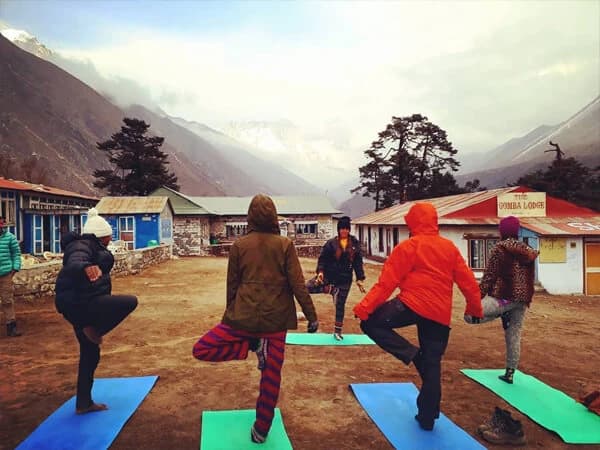
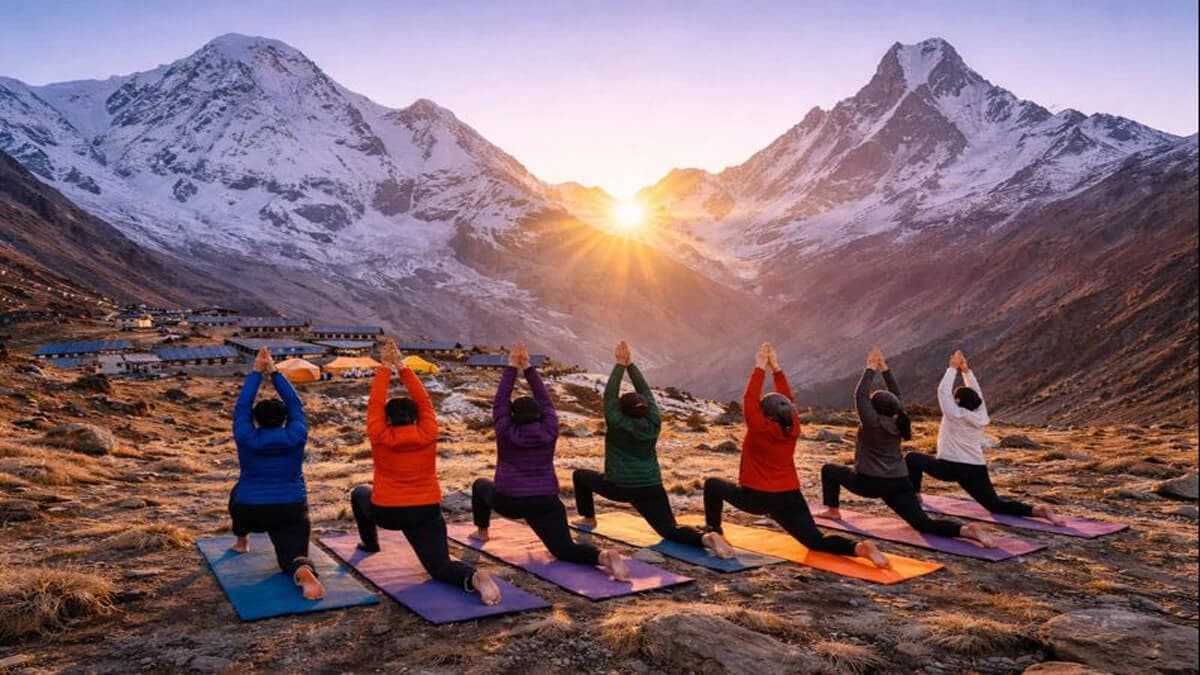
Each day of the trek includes yoga sessions, either in the morning before starting the hike or in the evening to relax tired muscles. These sessions help with flexibility, breathing, and energy, making the long walks easier and more enjoyable. Practicing yoga along the trail adds a mindful element to the journey, allowing trekkers to connect with their surroundings and feel present in each step toward Annapurna Base Camp.

The Annapurna Base Camp Yoga trek is suitable for both beginners and experienced trekkers who want a balance of physical activity and wellness. By combining trekking with yoga, it becomes a journey of body and mind, offering the chance to enjoy the mountains, the villages, and the peaceful moments in between.

ABC Yoga Trekking Overview

The Annapurna Base Camp Yoga trek usually starts from Pokhara and takes around 10 days, depending on your pace. From Pokhara, you drive to Nayapul and begin the trek, gradually walking through small villages, farmland, and forests. Teahouses along the way provide basic meals and accommodation, making it possible to enjoy the trek without carrying heavy gear. Each day includes short yoga or stretching sessions to help your body prepare for the walk or recover after a long hike.

As you get closer to Annapurna Base Camp, the trail changes into forest paths, streams, and rocky highland areas. Villages like Chomrong and Bamboo offer rest stops and meals, while Machhapuchhre Base Camp provides a chance to enjoy the mountains up close. The combination of trekking and yoga helps you manage altitude changes, stay energized, and enjoy the experience without rushing.

Along the way, there are plenty of opportunities to pause and take in small moments that often go unnoticed on a regular trek. You might find a quiet spot near a flowing stream to sit and stretch, or watch the morning sunlight hit the mountains while doing a few deep breaths. These simple moments become part of the experience, making the trek more connected to the surroundings.

The trek works well both for beginners and experienced hikers because it focuses on balance rather than speed. You get the physical challenge of reaching Annapurna Base Camp and the mental benefits of yoga and meditation along the way. This trek helps to regulate your mental as well as physical strength by giving you the fresher point of view on how a trek can be carried out with yoga especially in Nepalese Mountains. By the end of the trek, it is not only your legs that feel stronger but also your body and mind that feel refreshed and more aware of the mountains around you.

Annapurna Base Camp Yoga Trek Highlights

  • Daily yoga and meditation: Short sessions each morning and evening to stretch, strengthen, and relax your body, helping you stay energized throughout the trek
  • Walk through local villages: Pass through small settlements like Chomrong, Bamboo, and Sinuwa, where you can see traditional homes, interact with locals, and enjoy homemade meals.
  • Varied trail experience: Trekking through farmland, forests, streams, and rocky paths gives you a mix of landscapes and keeps the walk interesting.
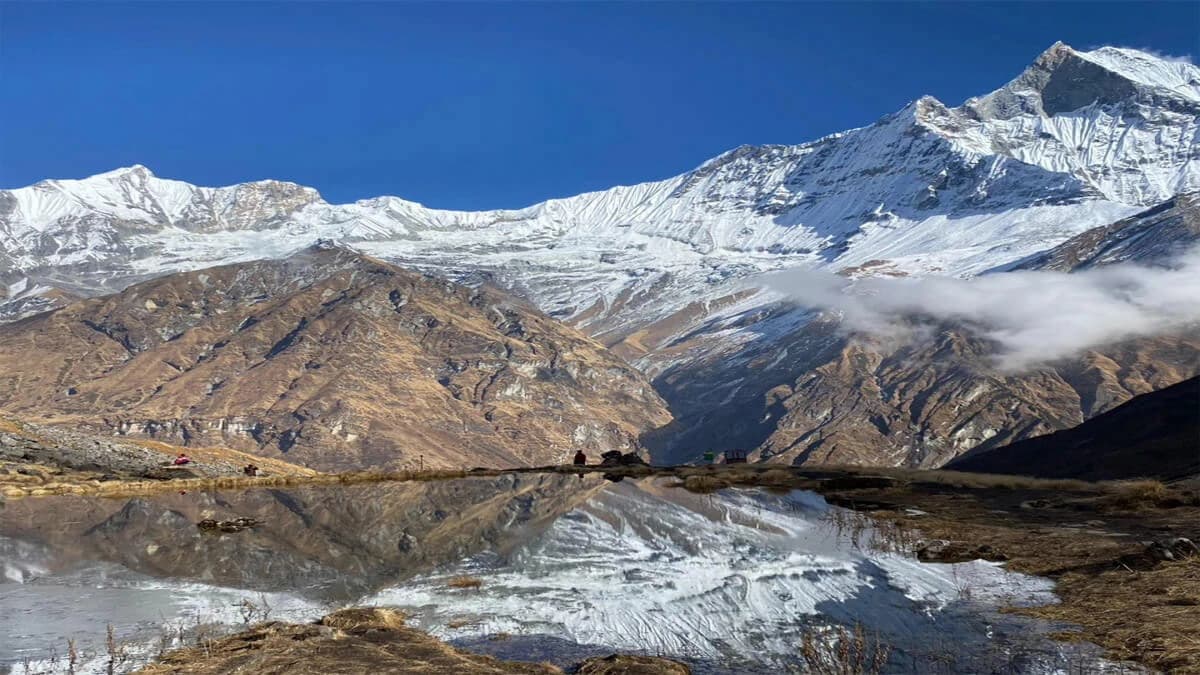
  • Mountain views: Enjoy fantastic views of Annapurna, Machhapuchhre, and surrounding peaks at multiple points along the trail.
  • Mindful trekking: The trek emphasizes slowing down, observing your surroundings, and staying aware of your breath and movement on the trail.
  • Flexible pace: The itinerary allows you to move at your own speed, making it suitable for beginners and experienced trekkers alike.
  • Connection with nature: The trek gives time to notice small details in the environment like the sound of birds, flowing rivers or waterfalls, or the morning light in the mountains which makes the experience way more personal.
  • Reaching Annapurna Base Camp: The final reward is arriving at Annapurna Base Camp, where you can rest, reflect and take in the surrounding peaks while feeling the benefits of your yoga and mindful trekking journey.

Annapurna Base Camp Yoga Trek cost

The Annapurna Base Camp Yoga trek cost usually ranges between USD 900 to USD 1800 per person, depending on the length of the trek, group size, and level of service. This price generally covers trekking permits (ACAP and TIMS), a licensed guide, porter, teahouse accommodation, meals during the trek, ground transportation, and daily yoga sessions. Group packages tend to be more affordable, while private or comfort focused trips fall on the higher side. Expenses like travel insurance, personal gear, hot showers, wifi, and tips are usually not included and should be budgeted separately.

Permits required for the Annapurna Base Camp Yoga trek

Before starting the Annapurna Base Camp Yoga trek, it is important to have the necessary permits. Trekking in the Annapurna region requires official permission, both to protect the environment and to ensure your safety while on the trail. The main permits you need are the Annapurna Conservation Area Permit (ACAP) and the Trekkers’ Information Management System (TIMS) card and both are easy to obtain in Pokhara before you begin your trek.

Annapurna Conservation Area Permit (ACAP)

This permit is mandatory for anyone entering the Annapurna region. It helps to support conservation and local communities in the area. You can get it in Pokhara or at the park entry points before starting the trek.

Trekkers’ Information Management System (TIMS)

TIMS is issued by the Nepal Tourism Board and is required for all trekkers. It ensures your safety and helps authorities track trekkers in case of emergencies. You can obtain it in Pokhara, usually at the same time as your ACAP permit.

Both permits are easy to get, and many trekking agencies including us can arrange them for you in advance. You will need to carry a passport sized photo for each permit, and the fees are reasonable. Once you have these, you’re officially ready to start the Annapurna Base Camp Yoga Trek.

Types of Annapurna Base Camp Yoga Trek package

If you are planning to head onto the Annapurna Base Camp Yoga Trek and are confused about which package will fit in your time, budget, and overall capacity then this might be helpful for you. There are a few types of packages to choose from depending on your budget, comfort level, and travel style.

Standard package

This is the most common option and includes accommodation in simple teahouses along the trails, meals during trekking days, an experienced guide, and basic yoga sessions. It’s ideal for travelers who want a straightforward and budget-friendly experience. It usually takes 8-10 days and covers the main trail from Nayapul to Annapurna Base Camp and back. The package includes accommodation in basic teahouses, all meals during trekking days, an experienced guide, and daily yoga or meditation sessions to help your body recover and stay full of energy. All necessary permits, including the ACAP and TIMS card, are included, and the package provides support with planning, trail guidance, and safety. This package is perfect for beginners or anyone who wants to enjoy the trek while combining walking, wellness, and mindful moments along the way.

Short package

The short package is perfect for travelers with limited time who still want to experience the Annapurna Base Camp Yoga Trek. It usually takes 6-8 days and covers the main trail from Nayapul to Annapurna Base Camp and back. The package includes basic teahouse accommodation, all meals during trekking days, a guide, and daily yoga or meditation sessions. Necessary permits like ACAP and TIMS are included, making it a convenient and balanced option for beginners or anyone looking for a compact trekking experience.

Long package

The long package is designed for trekkers who want a slower pace and more time to enjoy the trail and surroundings. It typically lasts 10-14 days and includes slightly upgraded teahouse accommodation, full meals during trekking days, an experienced guide, and daily yoga sessions. All permits are included, and the longer schedule allows better acclimatization, extra rest, and more opportunities to explore villages, nature, and quiet spots along the way. This package is ideal for those who want a more relaxed and immersive Annapurna Base Camp Yoga trek experience.

Luxury package 

The luxury package is for travelers who want comfort and personalized service throughout the trek. It includes premium teahouse accommodation with private bathrooms, porter service for your luggage, a private guide, all meals with healthier or customized options, extended yoga and meditation sessions, and all necessary permits. Some packages may also provide private transportation to the trailhead and extra wellness activities. This package combines the full Annapurna Base Camp experience with comfort, convenience, and extra support for a hassle free trek.

What can travelers expect in the Annapurna Base Camp Yoga Trek?

On the Annapurna Base Camp Yoga Trek, you can expect a mix of walking, relaxation, and beautiful mountain scenery. The trail takes you through small villages, giving you a chance to see local life and enjoy quiet moments in nature. Daily yoga and meditation sessions help your body stay flexible and your energy steady, making the trek easier and more enjoyable.

The walk includes gentle climbs with forest paths, and rocky trails, but the pace is flexible, so it works for both beginners and experienced trekkers. Evenings are spent in teahouses where you can rest, enjoy local meals, and prepare for the next day.

Reaching Annapurna Base Camp is the highlight of the journey, with stunning mountain views and a real sense of accomplishment. Beyond the scenery, travelers often feel calm, refreshed, and more connected to both the mountains and themselves. It’s a trek that balances adventure with wellness, making the journey as rewarding as the destination.

Who is the Annapurna Base Camp Yoga trek suitable for?

The Annapurna Base Camp Yoga trek is suitable for anyone who wants to combine trekking with wellness and mindfulness. It works well for beginners who are ready for moderate walking and want a relaxed pace with yoga and meditation to support their body. Experienced trekkers who enjoy slow, mindful journeys and want to focus on stretching, breathing, and connecting with nature will also find it rewarding. This trek is perfect for travelers looking to balance physical activity with mental relaxation, enjoy small villages and mountain views, and take time to pause and breathe along the way.

Preparation for the Annapurna Base Camp Yoga Trek

To prepare for the Annapurna Base Camp Yoga trek, focus on basic fitness, smart packing, and the right mindset. Regular walking, light cardio, and simple stretching or yoga before the trek will help build stamina and keep your body flexible. You don’t need intense training, but being comfortable with long walks is important.

Pack layered clothing for changing weather, sturdy trekking shoes, a warm jacket, rain protection, and a small backpack. A lightweight yoga mat, reusable water bottle, sunscreen, and personal medicines are also useful.

Mental preparation matters just as much. The trek is about moving at a steady pace, listening to your body, staying hydrated, and enjoying the journey. Being so open to slowing down and practicing yoga along the trail will make the experience smoother and more rewarding.

Why choose Nepal Trekking Route team for the Annapurna Base Camp Yoga Trek?

We, as Nepal Trekking Routes, understand that the Annapurna Base Camp Yoga trek is not about rushing through the trail but about moving with awareness, taking proper rest, and enjoying each day on the mountains. The team plans the trek with a comfortable pace, allowing enough time for walking, yoga, breathing sessions, and recovery so travelers never feel pushed or exhausted.

What makes us stand out is our deep understanding of the route and the needs of yoga trekkers. The guides are local, experienced, and supportive, always paying attention to how travelers are feeling on the trail. They know when to slow down, when to take breaks, and how to adjust the plan if needed. From handling permits and accommodations to meals and yoga sessions, everything is managed smoothly, making the journey feel very well organized.

With us, the journey feels more personal rather than commercial. Our team focuses on safety, clear communication, and creating a calm trekking environment where travelers can truly connect with the mountains and themselves. So book your Annapurna Base Camp Yoga Trek with us now!

Itinerary
Trip PlanExpand All

Welcome to Nepal. Upon your arrival, a team member from Nepal Trekking Routes will be at the airport to pick and escort you to your hotel. Once checked in, you can rest after your journey or take a short walk around the neighbourhood. In the evening, there will be a brief trip discussion to go over the trek, answer questions, and make sure everything is ready for the days ahead.

Today is dedicated to exploring the cultural heart of Kathmandu Valley. You will visit some of Nepal's most important heritage sites, each offering a different side of the country’s history and spirituality. A gentle morning yoga session helps loosen the body before sightseeing.

  • Swayambhunath stupa: Swayambhunath stupa is also known as the monkey temple and is located on a hilltop and is one of the oldest Buddhist sites in Nepal. The stupa offers wide views over Kathmandu and is known for its prayer flags, spinning prayer wheels, and peaceful atmosphere.
  • Boudhanath Stupa: Boudhanath stupa is one of the largest stupas in the world and a major center of Tibetan Buddhism. Walking around the stupa, you’ll see monks, locals, and pilgrims performing daily rituals.
  • Pashupatinath Temple: This sacred Hindu temple lies along the Bagmati River. It is one of the most important pilgrimage sites for Hindus and gives insight to traditional rituals and spiritual practices.
  • Patan Durbar Square: Located in Lalitpur, this historic square is filled with temples, palaces, and traditional Newari architecture. It reflects Nepal’s rich artistic and cultural heritage.

After sightseeing, you return to your hotel and prepare for the journey ahead.

Today, after your yoga session in the morning, you drive from Kathmandu to Pokhara, passing rivers, hills, and small towns along the way. The journey takes several hours but offers changing landscapes and scenic views. Pokhara feels relaxed compared to Kathmandu and is the gateway to the Annapurna Region. In the evening you are free to rest or walk around Lakeside.

Your early morning will start from a relaxing yoga session. After breakfast, you will drive to Nayapul from Pokhara and then your trek journey finally starts. The trail leads easy walks through Birethanti along with rivers. After a stop in ACAP for the check in, you will move towards Burundi passing through several attractive scenarios and finally reach Tikhedhunga. You will spend your night in Tikhedhunga, immersing in the hospitality of the locals with warm and fulfilling meals.

This day also starts with a refreshing yoga practice. This is a more challenging day with steady uphill walking, including long stone steps. The trail passes through forests and small settlements. Ghorepani is a popular village for trekkers and a great place to rest and prepare for the next day.

You will start your day with an early morning hike to Poon Hill to watch sunrise over the surrounding peaks. After breakfast, you continue trekking through forested trails toward Tadapani. In the evening, a gentle yoga and guided relaxation session helps release fatigue from the long day.

The trail includes both ascents and descents through forests and villages. Chomrong is a major village on the route and offers open views and comfortable teahouses. A light yoga and breathing session helps you to release all the stress of the day and also supports energy balance and muscle recovery.

Today , the trail descends to the river and then climbs gradually through bamboo and forested areas. As you move deeper into the Annapurna Sanctuary, the air becomes cooler. Evening stretching and breathing exercises focus on easing leg strain and supporting restful sleep.

Today you trek past Machhapuchhre Base Camp and into the Annapurna sanctuary. Upon reaching Annapurna Base Camp, you are surrounded by towering peaks. A short meditation and breathing session helps your body settle at altitude and allows quiet time to reflect and rest.

After enjoying the early morning atmosphere at base camp, you will begin descending after you are done with photos and videos. Though downhill walking is easier, it can still be demanding on the knees. A gentle evening yoga session focuses on relaxation and recovery. Overnight in Bamboo.

The trail continues through forests and villages. After reaching Jhinu Danda, you can visit the nearby natural hot springs to relax tired muscles. Later, you will take a short meditation session which helps the body fully unwind. Overnight in Jhinu Danda.

After an early morning breakfast, you will begin trekking towards Birethanti. You will complete the final section of the trek and drive back to Pokhara. In the evening, a closing yoga session focuses on full body relaxation, reflection, and gratitude for the journey.

Today you will drive back to Kathmandu. The day is free for rest, shopping, or personal exploration. In the evening, a farewell meditation and group sharing session marks the end of the trek.

You will be transported to the airport according to your flight schedule. The Annapurna Base Camp Yoga trek concludes with renewed energy, calmness, and lasting memories. We hope you had a great time with us!

Plan An Amazing Private and Tailor-Made HolidaysNot satisficed with this itinerary? Share your idea with our travel Expert. We make your dream come true.
Customize Trip
Essential Information

Best season for the Annapurna Base Camp Yoga trek

The season you choose can really shape your experience on the Annapurna Base Camp Yoga trek. Since this trek is about walking comfortably, practicing yoga, and enjoying quiet moments along the trail, good weather makes a big difference. You want clear days, steady temperatures, and conditions that let you move at a relaxed pace. That’s why spring and autumn are the most popular and suitable seasons for this trek.

Annapurna Base Camp Yoga trek in Spring

Spring (March to May) is a great time for the Annapurna Base Camp Yoga trek if you enjoy comfortable weather and lively trails. Days are warm enough for trekking, and mornings and evenings are cool, which works well for yoga and stretching. The route feels fresh and colorful during the season, and walking feels easier without extreme cold or heat. Spring is perfect for travelers who want a balanced mix of walking, yoga, and enjoying the surroundings.

Annapurna Base Camp yoga trek in Autumn

Autumn (September to November) is often considered as the best season for this trek because of the clear skies, and steady weather. The trails are in good condition after the monsoon, and mountain views are clear almost every day. Temperatures are ideal for long walks, and evenings are calm and cool for meditation. If you prefer predictable weather and smooth trekking conditions, autumn is a very comfortable and reliable choice for the Annapurna Base Camp Yoga Trek.

Food or meal during the Annapurna Base Camp Yoga trek

During the Annapurna Base Camp Yoga Trek, meals are served in local teahouses and are simple, fresh, and nourishing. The food is prepared to provide enough energy for trekking and support a healthy yoga lifestyle.

Breakfast usually includes porridge, Tibetan bread, chapati with eggs, pancakes, muesli, and hot drinks like tea, coffee, or lemon honey. Lunch is taken on the trail, with dal bhat (rice, lentils, vegetables) being the most recommended meal for strength and easy digestion. Other options include noodles, fried rice, momo, pasta, and soup.

Dinner is served at the overnight lodge and often includes dal bhat, vegetable curry, soup, potatoes, or pasta. Light meals are preferred in the evening, especially at higher altitudes. For wellness, trekkers are advised to choose light and healthy food such as vegetable soup, porridge, rice with lentils, and herbal tea, and avoid heavy, fried, or alcoholic items. Snacks like nuts and energy bars can be carried, and drinking plenty of water is very important. Vegetarian food is widely available, while vegan and gluten free options are limited. Overall, the meals are basic but balanced, supporting both trekking and yoga practice. 

Accommodation facilities during the Annapurna Base Camp Yoga trek 

Accommodation on the Annapurna Base Camp Yoga Trek is mainly in small, family run teahouses and lodges along the route. These places are simple, welcoming, and designed for trekkers who want a quiet and comfortable stay.

Most rooms have two single beds with basic bedding. In villages at lower altitudes, some lodges offer private bathrooms, while in higher areas, shared bathrooms are common and facilities are more basic. Each lodge has a warm dining hall, often with a fireplace, where trekkers gather for meals, rest, and relaxation. This space is also suitable for light meditation or stretching in the evenings. Services like hot showers, Wifi, and phone charging are usually available for an extra fee. Overall, the accommodation is modest but cozy, offering a calm and restful environment that supports both trekking and yoga practice.

Annapurna Base Camp Yoga trek difficulty

The Annapurna Base Camp Yoga trek is a moderate level trek, which means it’s challenging enough to feel rewarding but still manageable for most people. You will be walking around 4 to 6 hours a day on a mix of forest trails, stone steps, and mountain paths. Some days feel tiring, especially on uphill sections, but the pace is steady and never rushed.

Since the trek reaches 4130 meters at Annapurna Base Camp, the altitude can be felt, but daily yoga, stretching, and breathing exercises help your body adjust naturally. You don’t need any technical training skills, just a reasonable level of fitness and the willingness to walk consistently. Overall, the yoga element makes the journey smoother, helping travelers feel balanced, relaxed, and confident throughout the trek.

Packing list for the Annapurna Base Camp Yoga trek

Packing smart makes the Annapurna Base Camp Yoga trek easier and more enjoyable, especially since yoga is part of the daily routine.

Yoga Gear

  • Lightweight travel yoga mat or yoga towel for comfortable practice anywhere along the trail.
  • Comfortable yoga clothes like leggings, stretchy pants, or breathable tops for movement.
  • Light warm jacket or warm layer that’s easy to remove during yoga sessions.
  • Yoga strap or resistance band if you use one for stretching.
  • Foldable blanket or scarf for meditation or sitting comfortably on colder mornings.

Trekking clothes

  • Quick dry shirts and pants for hiking.
  • Fleece or light down jacket for mornings and evenings.
  • Waterproof jacket or poncho.
  • Warm hat, gloves, and extra socks.

Footwear

Sturdy trekking shoes with good grip.
Lightweight sandals or shoes for evenings at teahouses.

Other essentials

  • Small backpack for daily trekking.
  • Reusable water bottle.
  • Sunglasses, sunscreen, and lip balm.
  • Headlamp or flashlight.
  • Basic toiletries, medicines, and blister care.
  • Passport, permits, cash, and phone charger or power bank.

(Note: Equipment like sleeping bags, down jacket, trekking sticks, and duffel bags are provided by Nepal trekking Routes itself.)

Travel insurance for Annapurna Base Camp Yoga Trek

Travel insurance is a must for the Annapurna Base Camp Yoga trek. It keeps you covered for accidents, illness, or unexpected delays, letting you focus on trekking, yoga and enjoying the mountains. Make sure your plan includes factors like high altitude trekking, emergency evacuation, and medical care. With the right insurance, you can relax and fully enjoy the journey without worrying about what ifs.

Altitude Sickness and remedies

Since the Annapurna Base Camp Yoga Trek reaches high altitudes, some travelers may experience altitude sickness, also called Acute Mountain Sickness (AMS). symptoms include headache, nausea, dizziness, shortness of breath, and trouble sleeping. It usually occurs above 3000 meters, and Annapurna Base Camp sits at 4130 meters, so being prepared is important. The best ways to prevent or manage altitude sickness are slow, steady trekking, staying well hydrated, and taking regular rest breaks. Avoid alcohol and heavy meals at high altitudes, and listen to your body. If you feel unwell, don’t push.

If symptoms get serious, the key remedy is descending to a lower altitude immediately. Otherwise, pacing yourself, practicing breathing exercises, and taking time to rest can help your body adjust naturally. Being aware and prepared ensures you can enjoy both trekking and yoga journeys.

FAQs

The Annapurna Base Camp Yoga Trek combines classic trekking in the Annapurna Region with daily yoga, breathing exercises, and meditation. It is designed for travelers who want to enjoy the mountains at a relaxed pace while staying physically and mentally balanced throughout the journey.

No, prior yoga experience is not required. The yoga sessions are beginner friendly and focus on stretching, breathing, and relaxation. All movements can be adjusted based on individual comfort and fitness levels.

The trek is considered moderate. You will walk around 4 to 6 hours a day, with some uphill and downhill sections. The yoga sessions help reduce fatigue and support recovery, making the trek feel more manageable.

The highest point of the trek is Annapurna Base Camp at 4130 meters. The itinerary includes gradual altitude gain, rest days, and breathing exercises to help with the acclimatization.

The yoga sessions mainly focus on gentle stretching, basic poses, breathing techniques, and meditation. The aim is to support trekking, improve flexibility, and help the body adjust to the altitude rather than intense physical practice.

Spring (March to May) and Autumn (September to November) is considered as the best season for the Annapurna Base Camp Yoga trek due to its clear visibility, stable weather conditions, and peak natural beauty during the trail.

You need Annapurna Conservation Area Permit (ACAP) and a Trekker’s Information Management System (TIMS) card. These are usually arranged by the trekking company you travel  with.

Yes, travel insurance is mandatory. It should cover all the medical treatment and emergency evacuation up to at least 4500 meters.

Accommodation is in comfortable teahouses during the trek and hotels in Kathmandu and Pokhara. Rooms are simple but clean, with basic facilities suitable for mountain travel.

Yes, participation in yoga sessions is optional. You are encouraged to listen to your body and rest when needed.

20 years of Adventure
Why Travel with Nepal Trekking Routes?
We Care for Your Safety
Nepal Trekking Routes always focus on safety, and satisfaction of our valued clients. Our Trekking guides are highly experienced and trained to operate various group trekking trip in high Himalaya.
Provide Financial Protection
NTR prioritize healthy financial safety for clients, ensuring proactive safeguarding of client interest. Our commitment strengthens our role as trusted partners maintaining standards with dedication and Excellence.
100% Local Guide
100% Local Guide
Traveler looking for experience authentic insights through trekking in Nepal NTE offer your 100% local guide who help you to experience unique perspective ensuring and enriched journey customize to your interest.
Personalized Service
We always provide one guide and one porter to two guests in order to meet our standard of providing standard service. Impeccable hospitality and quality services are guaranteed while traveling with us.
Know More
Book Now