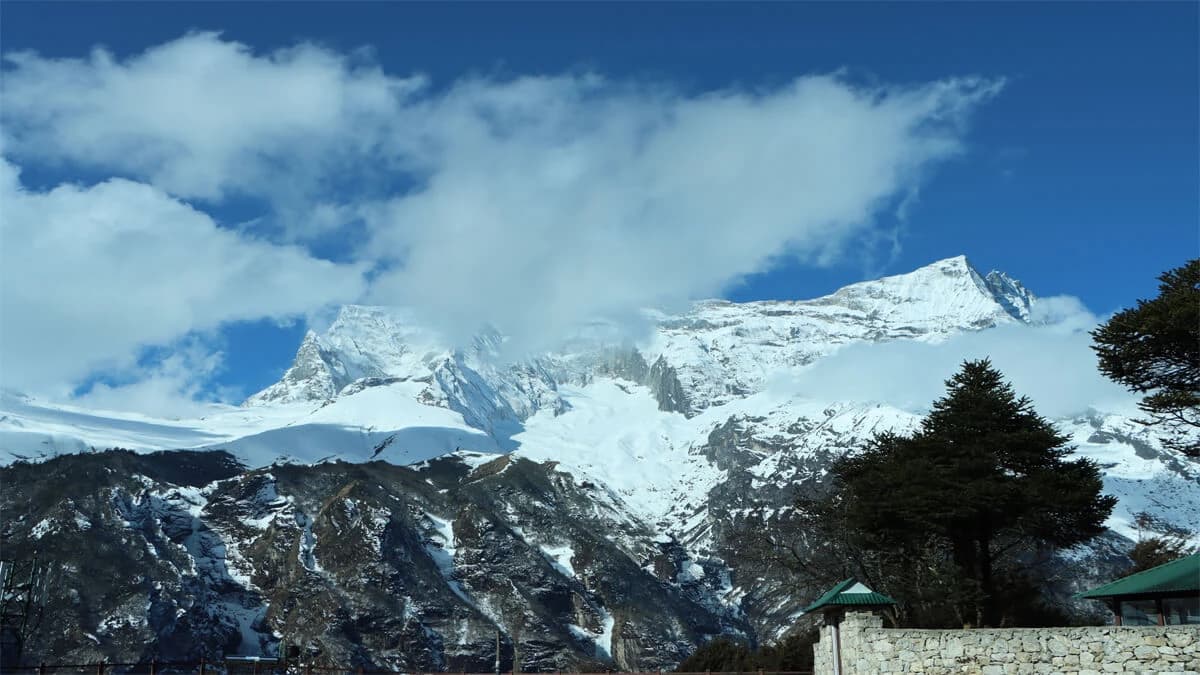
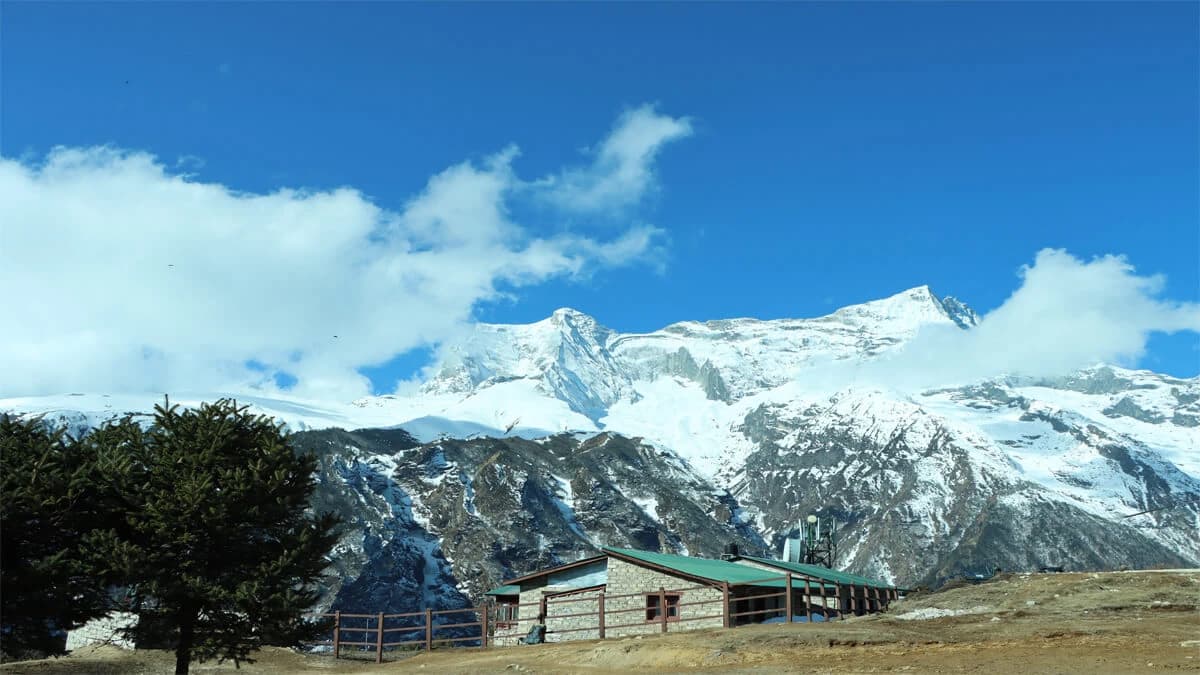
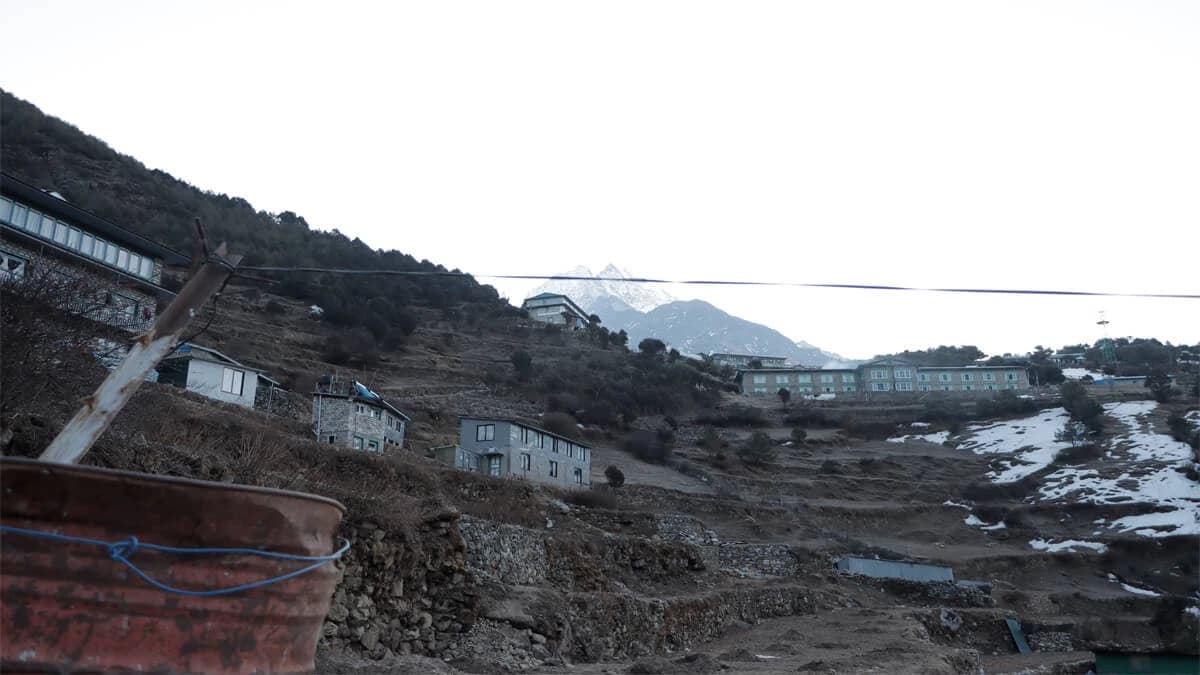
Numbur Himal Trek
Numbur Himal Trek
Numbur Himal Trek

Numbur Himal Trek

Duration16 Days
Trip GradeEasy
CountryNepal
Maximum Altitude3940 M
Group Size1-12
StartsKathmandu
EndsKathmandu
ActivitiesTrekking/Hiking
Best TimeMarch to May & Sept to Dec

The Numbur Himal Trek in Nepal is one of those routes that still feels simple and local, not turned into a busy tourist trail like Everest. Most of the time it is small villages, forest paths, and long walks where nothing really breaks the rhythm except the mountains slowly coming into view.

Life along the route feels normal and unforced, with simple surroundings and very few trekkers compared to the famous treks in Nepal. As the trail gains height, the views of the Numbur Himal range start opening up, without crowds or noise taking over the experience.

It is a moderate multi day trek in Nepal, so there is proper walking involved each day, but the main difference is how calm and less developed it stays from start to finish.

Numbur Himal Trek Location in Nepal | Route Near Everest Region

The Numbur Himal Trek is in eastern Nepal, around the border area of Ramechhap and Solukhumbu. It sits on the lower side of the Everest region, but it does not feel anything like the busy Everest Base Camp route.

Most people start from places like Jiri or Shivalaya and then slowly move up through small villages and forest paths towards the Numbur Himal range. The trail stays away from the main Everest flow, which is why it remains less crowded and more local in feel.

Higher up, the mountains start showing up more clearly, but the whole route keeps a simple, low key atmosphere from start to finish.

Why is the Numbur Himal Trek known as the Cheese Circuit Trek in Nepal?

The Numbur Himal Trek in Nepal is sometimes loosely connected with the name “Cheese Circuit Trek” because a few villages in the wider eastern Himalayan region have long been involved in yak farming and small scale cheese making. That is where the “cheese” part comes from, not from the trek itself having anything specific built around it.

The truth is, this is not an official name and not something used consistently on maps or by trekking routes. The Numbur Himal Trek is simply a less crowded trekking route in Nepal near the Everest region, known for village life, forest walking, and mountain views around the Numbur Himal range. The cheese name is more of an old local reference that sometimes gets repeated in travel discussions, but most trekkers never use it. 

Numbur Himal Trek Highlights

  • Panch Pokhari is a high area with small lakes and open land, one of the main points on the Numbur Himal trek
  • Mane Danda is a high ridge with wide views when the sky is clear on the Numbur Himal trekking route
  • Some parts of the Numbur Cheese Circuit trek go for a long time without any village in between
  • In higher areas you may see basic shelters used by herders, depending on the season in the Numbur Himal region
  • Lower parts of the trek pass through small villages where people farm and do daily work along the Numbur Himal trail
  • The route goes through Sherpa and Rai villages with simple life based on farming and livestock in eastern Nepal
  • The Numbur Cheese Circuit trek is linked with local cheese making in a few villages in the region of Nepal trekking routes
  • On most days, you do not see many trekking groups compared to busy routes like Everest Base Camp trek and Annapurna Circuit trek

Numbur Himal Trek Starting Point | How to Reach Jiri or Shivalaya from Kathmandu

The Numbur Himal Trek starts from either Jiri or Shivalaya. Both are reached by road from Kathmandu since there is no flight option for this route.

Getting to Jiri takes around 7 to 10 hours depending on traffic and road condition. The drive goes out of Kathmandu on the BP Highway and then heads into Dolakha district. It is a long ride and the timing can shift a lot depending on weather or road work along the way.

Shivalaya is also used as a starting point for some routes, reached by continuing further from the same general road direction. Not every trip goes there directly, since it depends on how far vehicles are able to go at the time.

From either point, the trek begins on foot into the Numbur Himal region in eastern Nepal.

Numbur Himal Trek Cost

There isn’t one fixed cost for the Numbur Himal Trek. It changes depending on how you do the trek and what you include.

If you go with a trekking company, it’s usually a package that covers guide, food, accommodation, permits, and transport. That normally ends up around USD 800 to 1200, sometimes a bit more or less depending on the route and services.

If you go on your own, you just pay along the way. Rooms, meals, transport, and guide or porter if you take one. Some days you spend more, some days less, it really depends on your choices on the trail.

Things like taking a guide, hiring a porter, choosing private transport instead of local, or eating more comfortably all change the total cost quite a bit. We, Nepal Trekking Routes, keep it straightforward with fair pricing and proper service without adding extra unnecessary costs so book with us now to find out the exact cost for your Numbur Cheese Circuit Trek.

16-Day Numbur Cheese Circuit Long Itinerary

Day 1: Arrival in Kathmandu (1,400m).

Day 2: Sightseeing in Kathmandu & Trek Preparation.

Day 3: Drive Kathmandu to Shivalaya (1,790m) – 8/9 hours.

Day 4: Trek Shivalaya to Khahare (2,174m) – 4/5 hours.

Day 5: Trek Khahare to Panipakha (3,108m) – 4/5 hours.

Day 6: Trek Panipakha to Maanedanda (3,940m) – 3/4 hours.

Day 7: Trek Maanedanda to Panchpokhari (4,515m) – 3/4 hours.

Day 8: Exploration day at Panchpokhari (4,515m).

Day 9: Trek Panchpokhari to Tare (4,300m) via Gyazo La Pass.

Day 10: Trek Tare to Ngeju (3,690m) – 4/5 hours.

Day 11: Trek Ngeju to Lhachhewar (2,665m) – 4/5 hours.

Day 12: Trek Lhachhewar to Kyama (2,380m) – 5/6 hours.

Day 13: Trek Kyama to Gumdel (2,255m) – 3/4 hours.

Day 14: Trek Gumdel to Serding (3,360m) or Bhandar.

Day 15: Trek Serding/Bhandar to Thodung to Lapchane (2,100m).

Day 16: Trek Lapchane to Those, then drive to Kathmandu. 

Who is the Numbur Cheese Circuit Trek Suitable for?

The Numbur Himal trek is suitable for a pretty specific type of trekker, not everyone.

It fits people who are okay with trekking in Nepal that is not comfortable or polished. You walk for long hours on rough trails, stay in simple places, and adjust to whatever the day gives you instead of expecting everything to be planned around comfort.

It also suits people who are looking for a Nepal trekking experience away from busy routes. Most of the time you are walking through hills, small villages, and open land with very few other trekkers around. If someone needs comfort or a smooth travel setup, this trek is not a good choice.

Other Alternatives of the Numbur Cheese Circuit trek are given below:

Kangla Pass TrekGanesh Himal Base Camp TrekMakalu Base Camp TrekRuby Valley TrekKanchenjunga Base Camp Trek

Guides for this off the beaten path trek in Nepal

You’ll need a local guide for the Numbur Himal trek and other off the beaten path trekking in Nepal routes like this. The trail is not always clear, especially in the higher parts where paths split or fade into open land, so when you have someone who knows the way, it makes a big difference.

Most guides are from nearby villages, so they already know the Numbur Himal trekking route, the small lodges, and the people along the way. 

Most people living in the villages along the Numbur Himal trekking route don’t speak much English or your local language. So if you try to talk to them directly, communication can be difficult. A guide helps bridge that gap because they usually speak both Nepali and local dialects, and can translate or explain things for you.

Porters are optional, but they make the trek easier if you don’t want to carry a heavy backpack for many days of trekking in Nepal.

Why choose Nepal Trekking Routes for your Numbur Himal trek?

We are a local company based in Nepal, and we actually know this route from doing it, not just reading about it. That helps a lot when things don’t go exactly as planned on the trail.

We handle guides, and the basic setup so you don’t have to keep worrying about details during the trek. You also get proper local service from people who understand the villages, the conditions, and how things work on this route. It’s good value for money without overcomplicating anything.

Itinerary

This is a 15 day Numbur Cheese Circuit trek starting from Kathmandu and going deep into the hills before looping back to Those. The route slowly moves from roads into trails, then into higher open land, and back down through villages again.

You walk through forests, small farming areas, and open ridges. Places like Mane Danda and Panch Pokhari stand out for height and views, while the lower sections are more about villages and daily local life. The whole trail stays away from heavy tourist flow, so it feels simple and direct most of the time.

We at Nepal Trekking Routes can adjust the plan based on how much time you have, how you like to walk, and what kind of experience you want, so the trek fits you better instead of forcing you into a fixed plan.

Trip PlanExpand All

Welcome to Nepal. Once you land in Kathmandu, one of our representatives will meet you at the airport and take you to your hotel. The drive into the city gives you your first look at the streets, traffic, and everyday life here.

After check in, you can rest or go out for a short walk nearby if you feel okay. Later, there will be a short briefing about the trek where you go through the plan, permits, and any questions you have.

The day is easy and kept open so you can adjust after your journey.

You leave Kathmandu after breakfast and head east. Getting out of the city itself takes time, traffic is slow and a bit messy in the morning.

After a while the road opens up, then slowly turns rough. At some point it’s just bumps, dust, and a lot of stopping and starting. There are small tea breaks on the way, nothing planned, just whenever the driver stops or the group feels like it.

You pass through small roadside villages and river valleys. The drive feels longer than it should, mostly because of the road condition.

By late afternoon or evening you reach Shivalaya. It’s quiet compared to where you started. You check into a basic lodge, eat, and rest early since tomorrow is the first walking day.

Today you will leave Shivalaya after breakfast and start walking along the river. The first part drops down to a suspension bridge, then the trail climbs right away and keeps going up for most of the day.

The path is stone steps in some sections and narrow dirt trail in others. Forest covers most of the route, so there is shade, but it feels warm once you start gaining height. You stop a few times at small tea places for water or a quick break.

You pass a few scattered houses where people are working in fields or walking along the trail with animals. Nothing developed around them, just daily life along the route.

By late afternoon you reach Khahare. It’s a small stop with basic lodges. 

You leave Khahare in the morning and start climbing right away. The trail goes uphill the whole day with no real flat section.

At first you walk through dense forest. The path is mostly stone steps and narrow dirt sections. You hear water in a few spots but don’t see many open views for a long time.

Higher up, there are a few houses where people are working outside or moving along the trail, but there is not much activity around. By the time you reach Panipakha, the air is cooler and the climb feels more tiring than earlier in the day. Overnight.

You leave Panipakha in the morning and start climbing. The trail goes up the whole way with stone steps and rough mountain paths. There are no long flat sections, so the pace stays slow.

You walk through forest at the start, then the trees slowly get shorter as you gain height. The air starts feeling thinner compared to the lower days, so breathing takes more effort.

There are only a few simple resting spots on the way, mostly open areas or basic shelters used by trekkers or locals passing through. After several hours of climbing, you reach Mane Danda at about 3940 meters. It is colder here, and the wind can be strong at times. Overnight.

You leave Mane Danda after breakfast and start walking higher along the ridge. The trail is mostly open now, with short grass and rocks instead of forest. The wind is stronger compared to yesterday.

The path goes up and down a bit, but the general direction is upward. You can see wide mountain views when the weather is clear. The walk feels slow because of the height.

There are no proper villages on the way. Only a few basic shelters or open spots where people sometimes rest during grazing season.

After a few hours, you reach Panch Pokhari. The area is made up of small lakes surrounded by hills. It is cold here, especially when the sun goes down. You stay in a simple lodge and rest for the night.

You leave Panch Pokhari after breakfast and start going down. The first part is around the lakes on open ground, then the trail drops into grassy slopes and rocky sections.

The path is not technical, but it is uneven and takes time because it keeps going downhill for most of the day. You lose altitude step by step. As you go lower, snow views reduce and green hills start coming back.

There are no proper villages on the way. Only a few simple shelters and open resting spots used by herders or trekkers in the season. By late afternoon you will reach Tare Kharka. It is an open camping type area with very basic shelter depending on conditions. 

You leave Tare Kharka after breakfast and walk out into open high ground. The path is not always clearly marked, so you mostly follow the direction of the ridge and used foot trails.

The walk stays on grassy slopes and rocky ground. There are small rises and drops along the way, but no long climbs like earlier days. Wind is noticeable most of the time because there is no forest cover.

There are no prominent villages. You only pass a few simple shelters that are used in certain seasons, and many of them may be empty. After a few hours, you reach Ngeju Kharka. It is an open camping area used by trekkers and herders. You stop here for the night in basic conditions.

You leave Ngeju Kharka in the morning and start descending from open high ground. The trail begins on grassy slopes and slowly moves into areas with more bushes and thicker vegetation.

Most of the day is downhill with a few short uphill sections in between. The ground is uneven in places, so the pace stays careful rather than fast.

As you go lower, you start seeing more activity around the trail. A few houses appear along the route, and people are seen moving between fields or carrying goods on foot.

When you reach Lhachhewar, you will get to witness a small village area with local homes and simple lodge options.

You leave Lhachhewar in the morning and start walking through lower hills. The trail moves through forest sections and small farming areas, with a lot of up and down instead of one clear direction.

The path is uneven and changes often between dirt trail, stone steps, and narrow tracks used by locals. You pass a few houses along the way where people are doing daily work in the fields or walking between villages.

As you get closer to Kyama, the land feels more lived in, with more houses and signs of regular movement on the trail. Reach Kyama and rest.

You leave Kyama in the morning and start on a trail that goes through forest and small fields. The walk has a combination of uphill and downhill sections, so it doesn’t stay in one pattern for long.

Early part of the day feels enclosed by trees, with narrow paths and occasional stone steps. As you move ahead, the forest opens in places and you pass scattered houses where people are working with crops or animals.

There are a few short stops along the way, mostly for water or a quick rest, but no long break points. By afternoon you reach Gumdel. It is a proper village with more houses compared to earlier stops, and you notice more local movement around the area.

You leave Gumdel in the morning and start climbing out of the village. The trail goes through forest first, then opens into hills with terraced fields and scattered houses.

The route has a lot of short ups and downs. Some sections are stone steps, others are narrow dirt paths used by locals going between villages. You pass a few people on the way, mostly working in fields or carrying supplies.

As you move higher again, the houses become fewer and the walk feels more open. The air is a bit cooler compared to Gumdel. When you reach Serding, you will find a small village area with basic lodge options and local homes.

Today you will leave Serding in the morning and start descending for most of the day. The trail will take you through forest sections, then opens into farmland as you get lower.

The path is uneven and switches between stone steps, dirt tracks, and narrow paths used by locals. There are a few short climbs in between, but the main direction is downhill.

You pass small houses along the route where daily work is going on in fields or around the home. Movement on the trail is more frequent here compared to the higher days. Reach Lapchane and rest.

You leave Lapchane in the morning and start walking on a lower trail compared to the past few days. The walk is mostly downhill with some short flat sections. The trail is easier underfoot here, with more defined paths used by locals for daily movement between nearby villages.

You pass more houses today, and the trail feels more active with people working in fields, carrying goods, and moving between homes. By afternoon you reach Those, a road connected village area known locally for cheese production and trade. Overnight.

As your final day, you will leave Those early in the morning and get into a vehicle for the drive back to Kathmandu. The road starts off rough and moving through hills, with slow sections where traffic builds up behind trucks and local buses.

As you move closer to the main highway, the ride becomes more direct but still slow in places because of road conditions and traffic. There are a few short stops along the way for food or rest.

By afternoon or evening, you will reach Kathmandu and the trek ends here.

Plan An Amazing Private and Tailor-Made HolidaysNot satisficed with this itinerary? Share your idea with our travel Expert. We make your dream come true.
Customize Trip
Cost Details
Includes
  • Airport pick-up and drop off service ,
  • Trekking Guide and Trekking porter (Two participant=1 porter =Maximum 25 kg of luggage )
  • Breakfast, Lunch, Dinner, accommodation during the trekking
  • Yatri Sweet and Spa  or equal level hotel  in Kathmandu
  • Sleeping bags, down jackets, duffel bags and trekking sticks (if required)
  • Trekking permit of National park,
  • TIMS(Trekking Information Management System )
  • Flight fare Kathmandu to lukla and lukla to kathmandu
  • Insurance and equipment for the trekking staffs
  • First aid kit
  • Farewell dinner in Kathmandu with cultural program in typical Traditional Nepali resturant
Excludes
  • Personal expenses
  • Drinks, beverages, hot shower, extra accommodation in kathmandu
  • During the trekking single suplimentary is USD 250
  • Travel insurance
  • Tips for guide and porter
  • Meals & hotel accommodation in Kathmandu (without itinerary)
Essential Information

How difficult is the Numbur Himal Trek?

The Numbur Himal trek difficulty is moderate, but that word does not really explain it properly. There is no climbing or technical sections, but the walking can get tiring because of long hours you spend on foot and the way altitude slowly starts affecting energy.

You should trek to Numbur Himal if you:

  • are ready to walk most of the day without expecting comfort stops every time
  • want a less crowded trekking route in Nepal near the Everest region without heavy tourist flow
  • like simple trails through villages, forest areas, and open views of the mountains
  • are looking for an offbeat trekking experience in Nepal that still feels raw and real

It is not an extreme trek, but it also does not feel easy. Some days feel light, some days feel heavier, and the whole route keeps you working for the views instead of handing them over quickly.

Best season for the Numbur Himal Trek

The best season for Numbur Himal Trek is not one fixed answer. It really depends on what you care about more. Some months make the views worth it, some just make the walking easier, and some make the whole thing feel like extra effort for less return.

Numbur Himal trek in Spring

Spring feels a bit more lively on the trail. There is more green around, more going on in the villages, and the weather does not drain you while walking. The only thing is the mountains don’t always stay visible for long, so you might get great views one day and barely anything the next.

Numbur Himal trek in Autumn

Autumn is when the Numbur Himal Trek Nepal feels more balanced overall. The sky usually stays open for longer, so you actually get to see the mountains properly instead of waiting for them to show up. The trail also feels easier to deal with compared to wetter months.

Numbur Himal trek in Winter

Winter is calmer but harsher. Cold mornings slow everything down, and once you go higher, snow can make the walk feel heavier than usual. It can be done, just not something most people enjoy unless they are fine with the cold.

Numbur Himal trek in Monsoon

Monsoon is where most people struggle to enjoy it. You have to deal with a messy trail, your focus shifts to where you step instead of what you see, and the mountains stay hidden behind clouds most of the time.

At the end, the decision of you choosing the right season for Numbur trek comes down to what you are willing to deal with. If views matter more, autumn makes sense. If you just want a more calm walk with some life on the trail, spring works. The rest depends on how much inconvenience you are okay with.

Accommodation on the Numbur Himal Trek

You don’t really get lodges in the fancy sense here. It’s more like walking into someone’s house and getting a spare room. Beds, a mattress, a couple of blankets if you’re lucky, and that’s it. Some places have a proper bathroom setup, others you just work with what’s outside.

At night, it gets noticeably cold inside the rooms. There’s no heating, so everyone just ends up layering clothes and going to sleep early because there’s nothing much else happening anyway.

Food on the Numbur Himal Trek

Food is what the teahouses cook at home. Dal bhat is what you’ll see most often, and it’s available almost everywhere. Along with that, you’ll get things like noodles, rice, potatoes, eggs, and soup depending on what that place has that day.

Lower villages have a bit more choice, but as you move up, menus get shorter and more repetitive. You order, they cook it fresh, and you eat before heading to rest or continue the walk.

Mobile network and internet on the Numbur Himal Trek

You’ll get signal on and off at the beginning of the trek, especially closer to Jiri side, but it’s not something you can depend on even there. After a point, it just stops working for long time. You can go through an entire day without seeing any network bar.

Internet is basically not part of the experience. If a place has Wi-Fi, it’s slow and often not worth trying, but you can give it a try anyway. Most people just go in expecting to be out of contact for a while and deal with messages once they’re back down.

Money and ATM access during this trek in Nepal

There is no ATM on the trek. Once you leave Kathmandu, you cannot really expect any place to withdraw cash.

Even in places like Jiri or Shivalaya, relying on banking facilities is not practical. You should assume you will not find working ATMs there.

Everything on the trail is cash only. Food, rooms, and small things you buy along the way all need cash , especially when you are traveling solo. You will not have anyone to manage things on your behalf so this is the most important trekking in Nepal advise you need to follow. Card payment does not work once you are on the route.

Most people just carry enough money from Kathmandu for the full trek and add a bit extra. There is no easy way to fix a cash shortage once you are on the trail.

Altitude sickness risk and remedies during the Numbur Himal Trek

Altitude sickness can show up on the Numbur Himal Trek in Nepal once you start gaining height. The trek is not extreme, but the body still reacts when the air gets thinner.

It usually starts small, like a headache, feeling tired faster than usual, or just not feeling normal for no clear reason. It can happen to anyone, not only beginners. The only real way to deal with it is to slow down and not move higher when something feels off. Rest helps more than trying to ignore it. If it gets worse, the only option is to go down.

Drinking enough water and not rushing the walk lowers the risk, but it does not remove it completely. That is just part of trekking in higher parts of the Himalayas.

Guide and porter for the Numbur Himal Trek

You don’t really need a guide for the Numbur Trek in Nepal, but most people still take one. The route isn’t super complicated, but it does go through different village paths and it’s not the kind of trail that’s clearly marked everywhere.

A porter is up to you. Some people just carry their own bag the whole way, but after a few days it starts to feel heavy because you’re walking for long hours every day.

In the end, it’s just about how comfortable you want the trek to be. Some go fully independent, some take help, and both ways are normal on this route. So the choice is actually yours.

Travel insurance for high altitude trekking on the Numbur Himal Trek

You need travel insurance for the Numbur Himal Trek Nepal. If something goes wrong in the mountains, getting help is not simple and it can be expensive. It should cover trekking at high altitude and emergency evacuation. If someone gets injured or sick in a place without road access, the only way you can get some help is through the helicopter rescue in Nepal.

Many regular insurance plans don’t include trekking at higher elevations, so it has to be checked before buying. Without insurance, any emergency is fully your responsibility.

Packing list for Numbur Cheese Circuit Trek

People usually think they need a lot for this trek, but most of it just stays unused in the bag. The trail doesn’t really give you chances to swap outfits or use extra gear, so what you carry is what you live with for days.

Clothes are just layers. One warm jacket, a couple of t-shirts, one pair of trekking pants, and something for cold mornings and nights. That’s enough. Anything more just becomes weight you notice later.

Shoes matter more than anything else. If they’re not already used and comfortable for long walks, you’ll feel it on the trail pretty fast.

A simple backpack, water bottle, basic wash items, sunscreen, and a small first aid kit cover the actual needs. Everything else is optional and usually unnecessary once you’re walking.

You can buy snacks in some places on the way, but choices get limited as you go higher, so carrying a few from Kathmandu helps on longer days.

There’s no perfect packing list here. People just figure it out after the first long day and realize less would have been better.

Safety Measures for this Cheese Circuit Trek in Nepal

Before you start the Numbur Cheese Circuit trek, just know it’s a simple but remote route and things don’t always go as you have planned. Here are some safety tips to follow:

  • Don’t expect every day to go exactly as planned, things change on this route
  • If you feel headache or strange tiredness at higher places, don’t ignore it, tell your guide
  • Carry warm clothes even if it feels fine at the start, it gets cold fast up high
  • In open areas where the trail is not clear, stop and check instead of guessing the way
  • Keep your bag light, heavy load makes the climbs much harder
  • Don’t count on regular food stops, sometimes there are long gaps
  • Follow your guide more than maps, the real trail can be different on the ground
  • If weather turns bad, wait it out instead of pushing forward blindly
  • Carry snacks you actually enjoy eating, appetite can drop at altitude
  • Be ready for delays or slow days, that’s normal on this trek 
FAQs

Yes, it is, not because of technical climbing, but because of the walking days and altitude. You are going up and down a lot, and some days just feel long and tiring for no special reason other than distance and height.

You need to have decent fitness and should be comfortable walking several hours on hills. If you struggle with stairs or long walks now, this trek will feel tough once you are a few days in.

It can be. You cross into high altitude areas above 3500 meters and stay around 4000 meters for some time. Some people get headache or lose their appetite. Others are fine. It really depends on how your body reacts.

The trail is quiet most of the time. Some days you may not see other trekking groups at all. It feels far from the usual busy trekking routes in Nepal.

Yes, but only if they are okay with discomfort and long walking days. If someone expects comfort or easy walking, this is not a good first trek.

Yes, but not always clean directly from sources. You usually get water at lodges or boil/filter it. Carrying a bottle and purification tablets or a filter is necessary.

Yes, generally safe. The main risks are altitude, weather changes, and fatigue. There is no serious danger if you walk sensibly and don’t rush.

If you want a quiet trail with basic conditions and real village life, yes. If you want comfort or easy trekking, then no, there are better options in Nepal.

Spring and autumn are best. Winter is very cold and monsoon makes trails slippery and harder to walk. If you want the best views then we suggest you to trek to Numbur on Spring and Autumn.

Network works in lower villages like Shivalaya side and some mid altitude villages, but it is not stable. Once you move into higher areas like Mane Danda and Panch Pokhari, signal often disappears completely for several days. Some spots may catch weak signal for a short time, but you should not fully be dependent on it.

20 years of Adventure
Why Travel with Nepal Trekking Routes?
We Care for Your Safety
Nepal Trekking Routes always focus on safety, and satisfaction of our valued clients. Our Trekking guides are highly experienced and trained to operate various group trekking trip in high Himalaya.
Provide Financial Protection
NTR prioritize healthy financial safety for clients, ensuring proactive safeguarding of client interest. Our commitment strengthens our role as trusted partners maintaining standards with dedication and Excellence.
100% Local Guide
100% Local Guide
Traveler looking for experience authentic insights through trekking in Nepal NTE offer your 100% local guide who help you to experience unique perspective ensuring and enriched journey customize to your interest.
Personalized Service
We always provide one guide and one porter to two guests in order to meet our standard of providing standard service. Impeccable hospitality and quality services are guaranteed while traveling with us.
Know More
Book Now