National Geographic Highlighted Tour

National Geographic Highlighted Tour

Duration11 Days
Trip GradeEasy
CountryNepal
Maximum Altitude2100 M
Group Size1-12
StartsKathmandu
EndsKathmandu
ActivitiesTour
Best TimeThrough out the Year

The National Geographic highlighted tour might sound like a newer concept, but it’s really just a way of putting together the main places people already visit in Nepal. It is often chosen by travelers who want a Nepal sightseeing tour that covers culture, nature, and everyday life without going into long treks like Everest or Manaslu.

Your journey will start in Kathmandu, where you explore old temples and heritage sites around the valley. From there, it continues to Chitwan for a jungle safari experience, and then to Pokhara for mountain views and a more relaxed setting. Our itinerary also includes Lumbini, for a deeper cultural side to the trip.

Overall, it works perfectly as a Nepal travel itinerary to those travelers who are looking for an easy, well rounded, yet meaningful holiday. This Nepal tour provides all the aspects you're looking to visit Nepal like cities, landscapes, and local experiences, without having to tear yourself apart.

National Geographic Highlighted Tour Highlight

  • Exploration of UNESCO World Heritage Sites of Nepal
  • Discovery of Chobhar Gorge which has an interesting myth about the Kathmandu valley
  • Trishuli white water rafting and night stay on the Trishuli banks
  • Glimpse of the endangered species of animals like one horned rhino and Bengal tiger
  • Peaceful feeling in the premises of Lumbini, the birth place of Lord Buddha
  • Lakes and other tourist destinations around the lake city of Pokhara
  • Most spectacular view of the Annapurna, Dhaulagiri and Manaslu regions
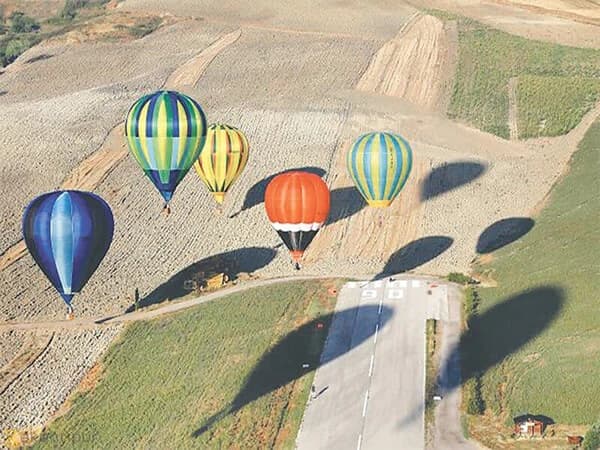
  • Trying some adventurous tourism activities like paragliding, hot air ballooning, zip flying and ultralight flight in Pokhara
  • Driving along Prithvi Highway or scenic flight to Kathmandu

National Geographic Highlighted Tour Overview

Nepal is one of those places that naturally shows up in travel conversations because of its mountains, culture, and landscapes. It has 8 of the world’s 14 eight thousanders, including Mount Everest, along with other major peaks like Lhotse, Makalu, and Kanchenjunga. The country also has 10 UNESCO World Heritage Sites, mainly around the Kathmandu Valley, which reflect its long history and culture.

Away from the cities, Nepal has national parks where wildlife still lives in open space. In places like Chitwan, you can see animals such as the one-horned rhinoceros and Bengal tiger. The surroundings change a lot here, from forest areas to small villages where daily life is simple and slow.

The National Geographic highlighted tour is just a way of putting these well-known places into one easy route. It usually goes through Kathmandu Valley, Pokhara, Chitwan, and sometimes Lumbini. It works as a Nepal sightseeing tour and a Nepal cultural tour package, giving a Nepal multi destination tour that feels natural and not forced into a tight schedule.

Kathmandu Valley UNESCO Heritage Tour

The Kathmandu Valley is where most journeys in Nepal begin, and it doesn’t take long to feel the essence of old history and everyday life here. Streets are busy, temples are always active, and there’s something happening in every corner. Kathmandu Durbar Square is one of the main highlights, where ancient palaces and carvings still stand right in the middle of modern city life.

What stands out in the Kathmandu Valley is how close everything is. You walk a short distance and the setting changes from old temple areas to busy street corners. Many people come here as part of a Nepal sightseeing tour, and it usually becomes the first stop in a Nepal travel itinerary. Swayambhunath Stupa sits on a hill above the city, and from there you get a full view of Kathmandu spread out below.

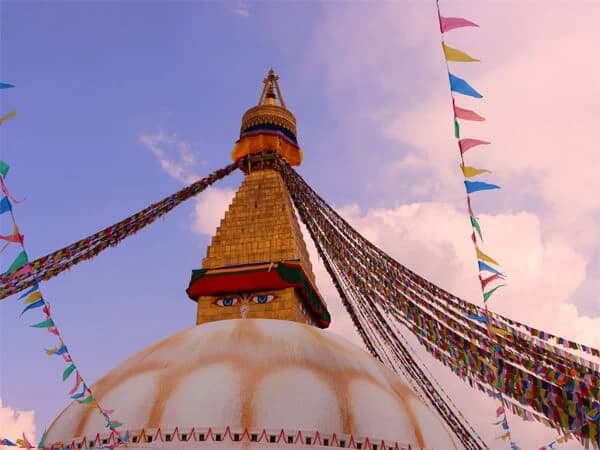
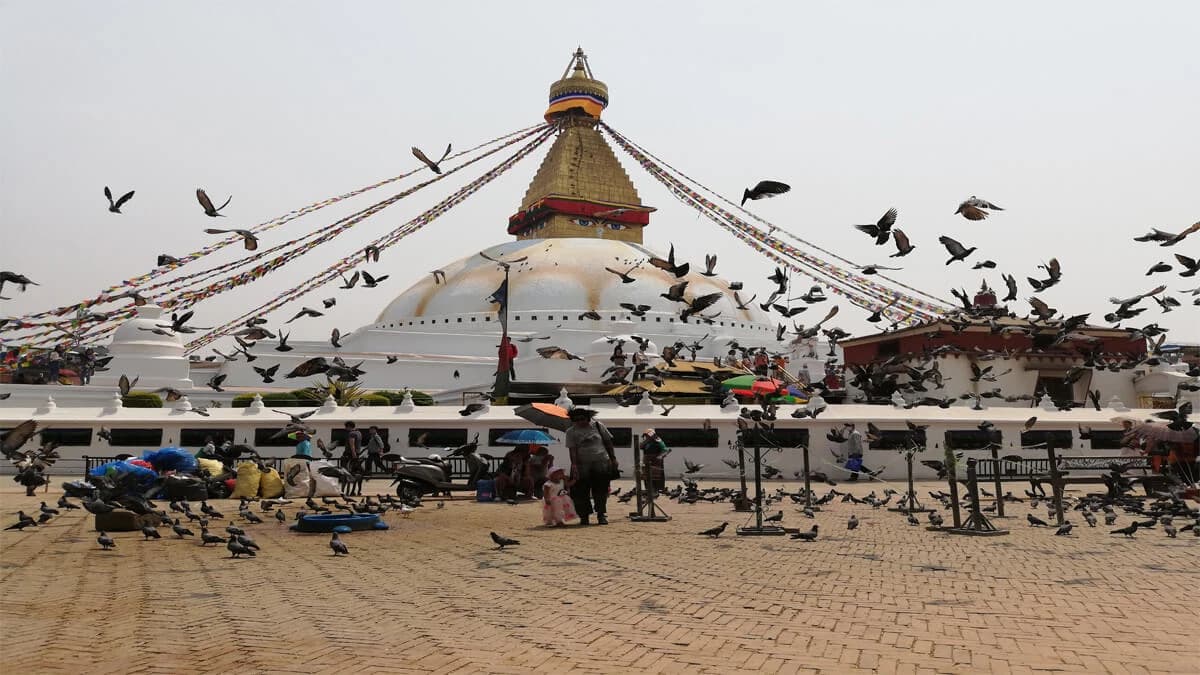
Not far from it, Boudhanath Stupa is also included in a Nepal cultural tour package. People walk around it through the day, and prayer flags move in the air. It’s a place where many visitors just slow down and stay longer than planned during their Nepal holiday package.

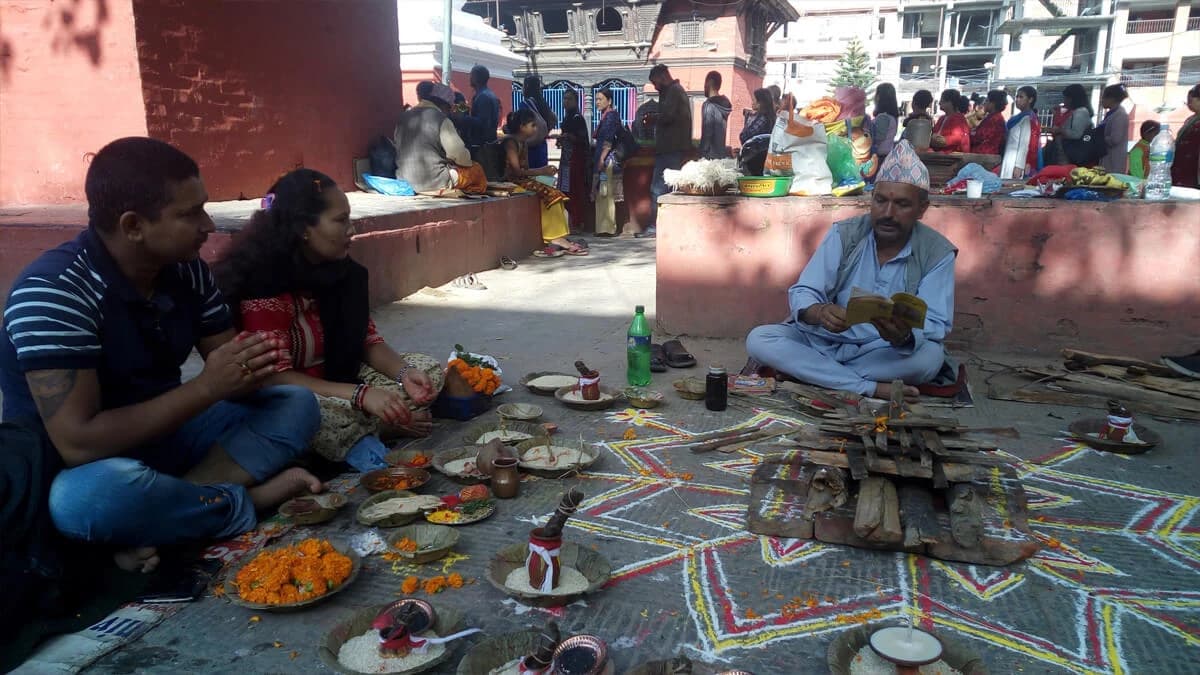
There is also Pashupatinath Temple by the river, which is a regular stop in many Kathmandu Valley UNESCO tour routes. You see daily rituals, people visiting for prayers, and normal life going on at the same time.

Kathmandu shifts a lot within a short distance. One part feels active and busy, and after a few minutes of walking things change completely. That contrast is why it often stays in people’s memory long after the trip.

Chitwan National Park Jungle Safari

Chitwan National Park is one of the main places in Nepal if you want to see wildlife. You go inside the forest with a guide, usually in a jeep, and just keep an eye out along the way. Rhinos are seen quite often, along with deer and crocodiles. Tigers are there too, but spotting one really depends on luck.

Most people spend a couple of days here as part of a Nepal wildlife tour. A typical day might include a jeep drive, a short canoe ride on the river, and some time walking near the forest edge with a guide.

It feels very different from the mountain areas. The land is flat and the weather is warmer compared to Kathmandu valley. Staying around Chitwan also gives a glimpse of the local villages and how people live close to the park.

Pokhara Tour and Himalayan Views

Pokhara is usually where people just… slow down without even planning to. After Kathmandu, it feels like your body finally agrees to take it easy. You sit by Phewa Lake and the Annapurna range is just there in the background like it owns the place. It’s a normal stop in a Pokhara tour in Nepal, and honestly, most people don’t complain about staying longer.

Sarangkot sunrise is one of those early wake up moments where you wonder why you agreed to it, until the view shows up. You go up in the dark, half asleep, and then the mountains slowly show up when the sun rises. This moment makes all your efforts worth it.

After that, the day doesn’t really have a strict plan. Walk a bit, sit a bit, maybe take a boat, then repeat. Davis Falls is also there, where water disappears underground and people just stand there trying to understand where it went, like it owes them an explanation.

Pokhara has this habit of extending your stay. You think it’s 2 nights, then somehow it becomes more. It fits into a Nepal travel itinerary as the place where schedules kind of stop being strict.

Lumbini Pilgrimage Tour

The first thing you notice in Lumbini is the open space and long walking paths. It is the birthplace of Lord Buddha and is included in many Nepal pilgrimage tour routes. Lumbini has monasteries from different countries spread across a large area.

People usually move around on foot, by bicycle or even electric rikshaws since the area is flat. The main stop is the Maya Devi Temple, where the birthplace is marked. You go from one monastery to another and cover a lot of ground during the visit.

Lumbini has it's own aura and calmness and you'll feel it as soon as you enter the area. Be ready for long walks, your legs will feel it by the end of the day.

Cultural Life in Nepal

Cultural life in Nepal is something you notice while moving through towns and villages. People live simple daily lives. Many work in farming, small shops, or family businesses. Things are not rushed, especially outside the big cities.

In villages, you see normal scenes like children going to school, people working in fields, and small tea shops where locals sit and talk. Houses are usually basic, and everything feels very local and real.

Religion is part of everyday life. Hindu and Buddhist places are found almost everywhere. You will see temples on the roadside, prayer flags in the wind, and small shrines in many corners. In Kathmandu, places like Pashupatinath Temple and Boudhanath Stupa show this clearly.

Wildlife and Nature in Nepal

Nature keeps changing a bit as you move through this route. You start in Kathmandu with city areas, then things slowly open up as you travel out.

One of the main stops is Chitwan National Park. It’s mostly forest and grassland, and you go around in a jeep or sometimes a canoe. Rhinos are fairly common here, deer also, and if you’re lucky you might spot a tiger, but that doesn’t happen every time.

On the way to Pokhara and around the area, you get more open views. Lakes, hills, and on clear days the Annapurna range showing up in the distance. It feels lighter compared to the city and jungle parts.

Even the drives between places like Kathmandu, Chitwan, and Pokhara show different scenery like rivers, small towns, fields, then hills again. Nothing over the top, but the changes are constant, and that’s what makes the route interesting.

Trishuli Rafting Experience

Trishuli River rafting is one of Nepal's most popular white water rafting adventure. After a long drive, you stop by the river and it kind of shifts from road to water for a while. You put on the gear, sit in the raft, and start moving with the Trishuli River.

At first it’s just paddling and getting used to it. Then a few small rapids come in, everyone gets splashed, some laughing, some just trying to stay in rhythm. It goes back and forth like that, calm water, then a bit of action again.

After a couple of hours, it slows down and you’re back on the riverbank, catching your breath before continuing the journey.

National Geographic Highlighted Tour in Nepal Travel Experience and Road Reality

This trip is mostly just time on the road between places like Kathmandu, Kurintar, Pokhara, Chitwan, and Lumbini. When you see the itinerary it looks close, but in real life you end up spending hours travelling.

Some parts of the highway are still under construction, so you can get slow movement, bumps, dust, and sudden stops. It comes and goes depending on the place.

Weather also affects things, especially in Pokhara where mountains only show when the sky is clear. Flights doesn't always stick to schedule if the weather changes. So be mentally prepared for that.

In Chitwan National Park, you can't predict when the animals will show up. Rhinos are usually seen and that's a good news, but tigers are rare and depend on luck.

Lumbini and Kathmandu include more of walking in between the sites and rafting in Trishuli adds a good touch to the journey.

As of now, you might have understood that the National Geographic highlighted tour in Nepal is just travel, stop, explore, travel again. The road is a big part of it, whether you plan for it or not.

Who This Nepal Tour Is For

This one is for people who just want to see Nepal without getting into Nepal trekking or any mountaineering routes. You still go around places like Kathmandu, Pokhara, Chitwan, and Lumbini, but it’s all easy travel, no pressure.

It works well if it’s your first time in Nepal and you just want to see what the country is like. You get mountain views, a bit of jungle safari, temples, all of that, but without long hikes or anything physical.

If someone is coming for proper trekking routes in Nepal or serious mountaineering, this won’t feel like that at all. It’s more of a slow, simple travel kind of trip where you just move from one place to another and enjoy everything as you move forward.

Entry Fees and Permits during your Nepal Tour

Most places on this route just have small entry fees, nothing you really need to stress about.

In Chitwan, before you go into Chitwan National Park, you’ll need a park entry ticket for the safari. That’s basically the main one there.

In Lumbini, there’s a ticket for the main sacred garden area where the monasteries and Buddha’s birthplace are. Once you’re inside, you can just walk around at your own pace.

In Kathmandu Valley, spots like Durbar Squares and a few heritage sites also charge entry fees, and you just pay when you reach there. It all comes up during the visit, you sort it out, and move on.

Why Book with Nepal Trekking Routes

We’re a local trekking company based in Nepal, so everything is managed directly from here with real on ground experience. The idea is simple, give you authentic service, fair value for money, and proper support while you’re travelling. Nothing overcomplicated.

The trip is also flexible, so you can adjust it the way you want. Whether it’s adding trekking in Nepal or upgrading it into a more luxurious tour with better hotels, private transport, and higher comfort, we can shape it based on your plan.

Itinerary

This is an 11-day Nepal tour starting from Kathmandu. It goes through Chobhar, Kurintar, Chitwan, Lumbini and Pokhara before coming back to Kathmandu for the flight home. You get city visits, rafting, jungle safari and long road travel in between.

Main highlights include a Kathmandu city tour, a visit to Chobhar, Trishuli River rafting at Kurintar, a jungle safari in Chitwan National Park, the Lumbini cultural area, and Pokhara, featuring lakes and stunning mountain views.

Nepal trekking routes can also change this plan if needed. You can add trekking in Nepal or short hikes around places like Pokhara, depending on time and interest.

Trip PlanExpand All

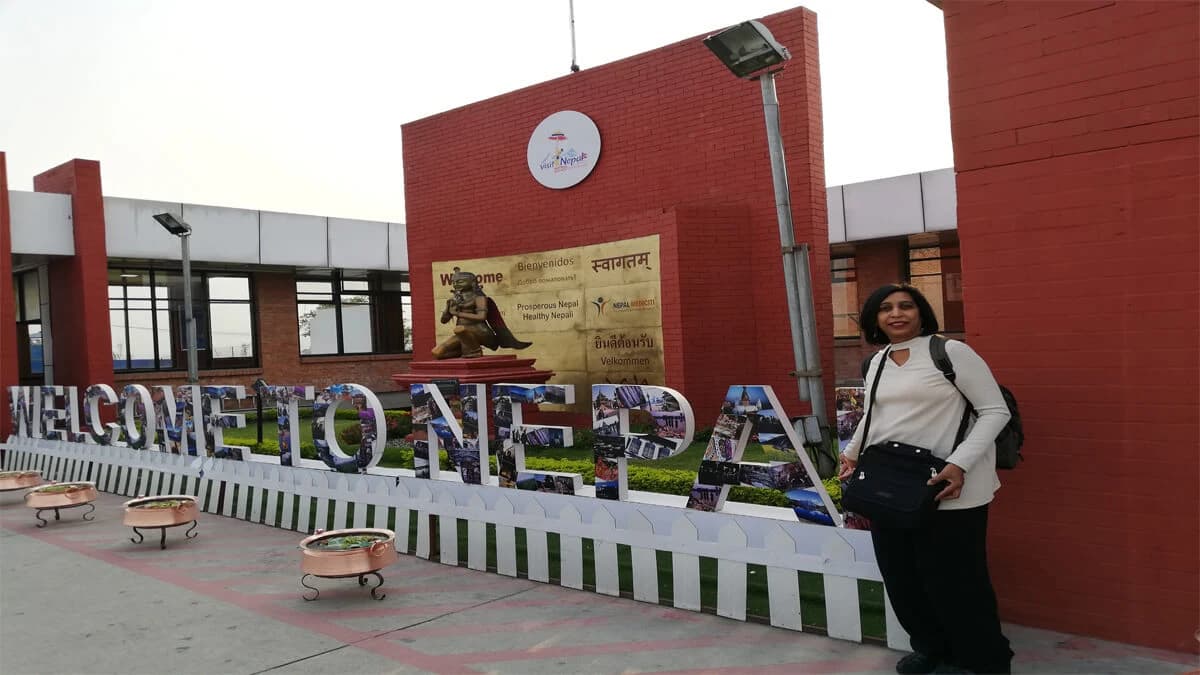
Welcome to Nepal. A team member from Nepal Trekking Routes will receive you at the Kathmandu International Airport. S/he takes you to the hotel which is booked for your accommodation. Relax and spend the night in Kathmandu.

Today, after breakfast, the tour guide takes you for Kathmandu Day Tour to explore the UNESCO World Heritage Sites. You will go to Bouddhanath Stupa, Swayambhunath Stupa (Monkey Temple), Pashupatinath Temple and Patan Durbar Square. You will enjoy the art and architecture, lifestyle of the Newari people and the Living Goddess Kumari in Kathmandu Durbar Square.

  • Boudhanath Stupa is one of the largest Buddhist stupas in Nepal and a very important pilgrimage site for Tibetan Buddhists. You’ll see monks, prayer wheels, and people walking clockwise around the stupa while chanting or praying.
  • Swayambhunath Stupa (Monkey Temple) sits on a hill overlooking the city. It’s known for its white dome, golden spire, and lots of monkeys around the area. From the top, you also get a wide view of Kathmandu Valley.
  • Pashupatinath Temple is one of the most sacred Hindu temples dedicated to Lord Shiva. It is located on the banks of the Bagmati River and is known for its spiritual atmosphere and traditional rituals.
  • Patan Durbar Square is an old royal palace area full of temples, courtyards, and detailed Newari architecture. It also reflects the local lifestyle and traditional craftsmanship of the Newari community, along with cultural elements like the Living Goddess Kumari tradition.

After visiting these places, you return back to the hotel.

As soon as you take your breakfast, you will drive to Chobhar which is about 45 minutes’ driving distance. On the way, you can see a typical Newari settlement area of Kirtipur which contains artistic houses reflecting ancient Newari architecture and culture. Chobhar is a beautiful village hosting a network of natural caves which are also known as ‘Chobhar Caves’.

You can visit Dakshinkali Temple which is one of the most important Hindu shrines crowded with thousands of followers every day. Aadinath Temple is the best view point that gives you a mesmerizing outlook of the entire Kathamndu valley. Other attractions of Chobar Day Tour are Chobhar Gorge, Manjushree Caves and the enchanting environment equipped with various flora and fauna. You will spend the night at a teahouse by relishing the serene atmosphere that enriches Chobhar region.

Today, after taking your breakfast, your journey begins towards Kurintar, a touristic place situated on the banks of the Trishuli River. As the Trishuli River is the most recognized channel for white water rafting in Nepal, you can add up to your memory by doing it. You can even lie on the beach of the river and take sunbath by enjoying the greenery around. Trying for catching fish with the help of the fish catching stick for a lifelong memory. At night, a tented camp is built for your rest. The most fascinating aspect of spending night on the banks of the Trishuli River is tasting chicken barbecue accompanied with some hard or soft drinks; YUMMY!

After taking breakfast at Kurintar, the journey moves ahead to Chitawan district which takes about 3 hours’ drive from here. You know Chitawan is famous for Chitawan National Park which offers you a variety of fun-giving activities in different seasons. You spend the night at a hotel which serves you the local organic cuisines to continental dishes as per your appetite.

Your morning starts with delicious breakfast at the hotel and your guide takes you for jungle safari, one of the adventurous experience in Chitawan. Either driving in a jeep or riding on an elephant back, the Mahout guides you through the dense green forests of national park. You can enjoy the glimpses of endangered species of animals like one-horned rhino, Bengal Tiger, Bengal Fox and so on. You can even visit Crocodile Breeding Center established to save these species of reptiles from extinction.

Tharu Cultural Heritage is another striking feature of Chitawan side trips. You can stroll around the Tharu homestay site where houses are built in traditional style; people wear cultural attire and ornaments. The Tharu women show you the cultural singing and dancing show in the evening to entertain the tourists who visit them. Nat Geo highlighted tour itinerary is incomplete without enjoying Tharu cultural shows!

Your destination for the day is Lumbini, the birth place of Lord Buddha, the “Messenger of the World Peace”. Driving along the East-West Highway (Mahendra Highway) for about 5 hours, you reach Lumbini, a sacred place for Buddhist followers and others as well. Lumbini is popular for many things among which Lumbini Garden is the most acclaimed. Maya Devi Temple, Ashoka Pillar and different monasteries built by different countries of the world are the attractions here. Lumbini is a very important place from the archeological aspect as you can see some evidence of art and artifacts of the ancient time. You will really feel the peaceful moment by taking side trips in the vicinity of Lumbini. Overnight stay at a hotel in Lumbini, the surrounding of the Peace-lover plus Enlightened Lord Buddha.

Today, the tour moves ahead towards Pokhara, one of the most popular touristy places in Nepal, after taking breakfast. On the way, you can enjoy the natural landscapes, trade centers and cultivated farmlands with diverse crops. The driving from Lumbini to Pokhara is really memorable as the hills with dense forests, the rivers you cross on the way and the blacktopped road is really comfortable. At night, you stay at a hotel by enjoying the food items served at the best flavor and hospitality.

One of the most remarkable aspects of National Geographic Highlighted Tour is Pokhara Sightseeing Tour that takes you around the lake city Pokhara. You visit Phewa Lake, Begnas Lake, Bindhyabasini Temple, Devi’s Fall and other popular places in Pokhara. Similarly, you can take a hike to Sarankot, the only place really famous for adventure activities in Pokhara. If favourable, you can try hot air ballooning, paragliding, zip flying and ultralight flight in the lake city. The second bungee site of Nepal, Pokhara Bungee Jumping is another thrilling activity you can do for lifelong experience. You can experience the rocking night life in Pokhara city to make your Nepal tour more fantastic!

After taking breakfast at the hotel, you will catch a flight to Kathmandu from Pokhara. During the flight, you can have a glimpse of snowcapped peaks of Annapurna and Dhaulagiri ranges including Mt. Machhapuchhre and Mt. Nilgiri. The landscapes, pristine valleys and trade centers unveiled in the morning sunshine is the reward of Pokhara Kathmandu flight. You can even have a quick look of the snow-clad peaks of Manaslu region like Mt. Lamjung, Mt. Ganesh, etc. from the Kathmandu International Airport, the tour guide takes you directly to the hotel for rest. You can stroll around the Kathmandu valley for shopping or exploring other places of your interest. You can even celebrate the successful completion of Nat Geo tour with your pals to make it a lifelong reminiscence!

Today is the last day of your Nepal Visit this season. Therefore, the representative of Nepal Trekking Routes will accompany you up to the Tribhuvan International Airport for final see-off according to your flight schedule. Have a great time ahead! Wishing you a safe and sound journey with a hope to see you next!

Plan An Amazing Private and Tailor-Made HolidaysNot satisficed with this itinerary? Share your idea with our travel Expert. We make your dream come true.
Customize Trip
Cost Details
Includes
  • All kind of the Grounded Transport with Airport Pick up and Drop off
  • Two night Three days Chitwan jungle safari tour with three time meal
  • Jungle safari tour ticket and tour guide
  • Sightseeing Tour Guide and transportation
  • Pokhara to Kathmandu Flight fare
  • Three star level Hotel accommodations with Breakfast plan
  • Lord Buddha Birth place visit
  • Camp fire in river side resort
  • River rafting ticket
Excludes
  • Nepal Visa fee
  • Personal Expenses
  • International flight fare
  • Travel insurance
  • Food during the tour in Kathmandu, Lumbini & Pokhara
Route Map
National Geographic Highlighted Tour
Essential Information

Best Time for the Nepal Sightseeing Tour 

Weather kind of decides how this trip goes. In Pokhara, if the sky is clear you actually get the mountain views, otherwise it just looks faded in clouds. In Chitwan National Park, rain or fog can make safaris a bit hit or miss since you don’t always spot much.

Even in Kathmandu, heavy rain just slows everything down and makes moving around a bit of a hassle. When the weather is good though, the whole trip just feels easier and more enjoyable without you really thinking about it.

National Geographic Highlighted Tour in Spring (March to May)

Spring is a good time for this route. Travel between Kathmandu, Pokhara, Chitwan, and Lumbini is easier compared to other months. Hills and mountain areas look fresh, and outdoor visits feel more comfortable.

National Geographic Highlighted Tour in Autumn (September to November)

Autumn is the most popular season. This is when most Nepal sightseeing tours are planned. It is good for long road trips and outdoor sightseeing in places like Pokhara and Kathmandu Valley.

National Geographic Highlighted Tour in Winter (December to February)

Winter is colder, especially in open areas like Pokhara and Chitwan. Travel still continues, but mornings and evenings feel cold. Fewer visitors make sightseeing more relaxed in popular places like Chitwan National Park.

National Geographic Highlighted Tour in Summer (June to August)

Summer is the monsoon period in Nepal. Rain is common, and road travel can take more time. Green landscapes look full and fresh, but mountain views are often covered.

Transportation and Travel between destinations in this National Geographic Tour in Nepal 

Most of this Nepal trip is done by road which automatically means it usually takes longer than other means of transportation. Travel between Kathmandu, Kurintar, Chitwan, Lumbini, and Pokhara is not very fast, so you spend quite a bit of time moving from one place to another. However, the good news is, the views keep changing along the way, from riversides to small towns, so you'll definitely not get bored while sitting in the vehicle.

Most people just skip the long road back from Pokhara and take a flight to Kathmandu because honestly, doing that drive again feels unnecessary once you’ve already done similar long ones.

By the end of it you just get used to being on the road. It’s not really tiring in a bad way, it's just like you stop caring about the hours you spend and just go with the flow. It's an experience in itself as well, so do not hesitate to enjoy it at all.

Accommodation During the National Geographic Highlighted tour

We know you might be wondering where you’ll stay after a long day on the road… it’s honestly not a big issue. Hotels in Kathmandu and Pokhara are very descent and comfortable for the price you pay, WiFi usually works good as well, so you’re not really cut off from anything. You just drop your bag, rest, and that’s it for the day.

In Chitwan, you stay in lodges near the national park, which is more quiet than fancy. The main motive it to stay close to the safari, not sitting in a luxury room anyway. Lumbini is even more low key, just basic hotels and a very slow and calm vibe. It is for sure that you will get different vibe in every place you travel.

We at Nepal Trekking Routes try our best to keep things smooth from our side so you don’t have to stress much during the trip. And if you want a more upgraded setup with better rooms and extra comfort, there’s also a luxury National Geographic highlighted tour option. Just tell us and it can be arranged.

Food During this Best Nepal Tour Experience 

You’ll end up eating different things every day without really planning it. One stop it’s a small local place, next it’s a cafe, then later it’s whatever the lodge serves.

In Kathmandu, you get everything from street food to proper restaurants. Dal Bhat is everywhere, rice, lentils, vegetables, sometimes meat. You’ll also see momos, chowmein, fried snacks, local dishes like Chhoila, Sekuwa, Chatamari, Sel roti and plenty of international options like burgers, pasta, and pizza around Thamel.

Pokhara is more cafe focused. Around Phewa Lake, people usually sit and order momos or thukpa, especially when it’s a bit cold. Cafes also serve pancakes, sandwiches, coffee, and full international menus if you don’t feel like Nepali food that day.

In Chitwan, most meals come from the lodge near Chitwan National Park. It’s usually rice, dal, curry, vegetables, and Dal Bhat again. Some places add basic international dishes, but most people just eat what’s served after safari.

If you try more local food around here, you’ll come across Tharu dishes. A Tharu set or Thali is common, rice with vegetables, lentils, sometimes fish or chicken and pickles on the side. You might also get to taste fish curry made from nearby rivers. Dal Bhat still shows up everywhere no matter what.

Lumbini has small tea shops and simple restaurants with rice plates, noodles, and light meals. Not many choices, but enough for the day.

You just switch between local food and whatever is easy at the moment, without really planning it much.

Money Management on the Nepal Multi Destination Tour

Most of your main costs are already covered in your Nepal multi destination tour package like hotels, transport, and planned activities, so you don’t really spend much on the big things during the trip.

What you mainly spend on are small extras. Things like snacks, drinks, personal shopping, tips, and anything you want outside the set plan. In cities like Kathmandu and Pokhara, cards work in many places, but it’s still easier to keep some cash for small shops and local spots.

As you move towards places like Chitwan and Lumbini, cash becomes more useful since not every place accepts cards.

So overall, it’s mostly just pocket money spending during the day, nothing heavy if you stick to the plan.

Nepal Sightseeing Tour Difficulty Level

The Nepal sightseeing tour difficulty is pretty easy overall. The Kathmandu sightseeing tour doesn’t need trekking or any special fitness.

Most of the time you’re just travelling between places, doing simple sightseeing in cities, a bit of walking in areas like Kathmandu and Pokhara, and activities like rafting or jungle safari.

Nothing feels physically hard. The main thing is just being okay with road travel and moving from one destination to another while enjoying every bit of what Nepal has to provide.

What to Pack for This Multi Day Tour in Nepal

For your multi day tour in Nepal, just keep it simple. T shirts, comfy pants, maybe one light jacket for mornings or places like Pokhara where it can feel a bit cooler. That’s mostly it.

Good shoes are important though. You’ll be walking a lot in cities, temples, and sometimes uneven spots, so don’t just bring slippers and think it’ll be fine for everything.

A small rain jacket helps too, especially if the weather decides to change suddenly, which it does sometimes.

And one thing people forget… when you go to temples or religious places like Pashupatinath Temple or Boudhanath Stupa, just dress decent. Cover your shoulders and knees and just respect the place by keeping it simple.

Other than that, don’t overpack. You’ll find most basic stuff in cities anyway if you really need something.

Will there be guides in the National Geographic Highlighted Tour?

Yes, you’ll have guides for the main parts of the trip. In cities like Kathmandu, Pokhara, Chitwan, and Lumbini, they come along for sightseeing, take you around, and explain things in a simple way so you’re not just standing around figuring it out.

For activities like Chitwan safari and rafting, local people who know the area handle that part. They’re the ones leading the jeep or raft and keeping things in order while you just follow along.

You’re not really left on your own during the planned parts. Someone will definitely be there to show you the way.

Do I need travel insurance for National Geographic Highlighted Tour in Nepal?

Yeah, better to have it. Most of the time nothing happens and nobody even talks about it after you land, but if something does go off track like getting sick, missing a connection, or a delay in the middle of the trip, it just makes life easier.

Most people just take a basic plan before coming and then don’t think about it again unless they actually need it. So we would strongly recommend it.

Internet and SIM Card in Nepal

WiFi is usually there in hotels in Kathmandu and Pokhara. Most of the time it works fine for messages and basic use, but it can slow down here and there, nothing unusual.

If you want better coverage while moving around, a local SIM is the easy way. NTC and Ncell are the main ones. You can get one in the city or at the airport with a passport and a photo. Data packs are cheap and handy.

In cities, signal is good. On the road, it’s mostly okay but not perfect everywhere. In places like Chitwan and Lumbini, it works in town areas, but once you go deeper into quiet or forest parts, it can drop.

Most people just use both WiFi and SIM and don’t really worry about it after that.

Nepal Travel Tips (Real Stuff You’ll Actually Notice)

  • Carry some cash with you. Cards work in hotels and bigger places in Kathmandu and Pokhara, but once you’re stopping at small shops or local spots, cash is just easier.
  • Don’t expect everything to run exactly on time. Road delays, traffic, or weather can shift plans a bit, especially when you’re moving between places like Chitwan and Lumbini.
  • Pack light. Comfortable shoes matter more than people think because you’ll be walking in cities, around temples, and during short sightseeing stops. One warm layer is enough for most of the trip.
  • Keep a small day bag with you. Water, sunscreen, sunglasses, and basic things you might need during long travel days come in handy.
  • Also, stay flexible with food. You’ll get local meals in most places, but there are also simple cafés and international options in cities if you want a break from it.
  • SIM card is useful if you want constant internet. WiFi works in most hotels, but mobile data is more reliable when you’re on the move.
FAQs

National Geographic highlighted Nepal as a popular tourist destination because of its diverse landscape, rich culture, and friendly people. Nepal is home to eight of the ten highest mountains in the world, including the world's tallest peak, Mount Everest. It is also home to a wide range of cultures, from the Tibetan and Sherpa people in the high Himalayan mountain regions to the Hindu and Buddhist cultures found in the middle hills and lowlands. The country's diverse geography and culture make it an ideal destination for trekking, mountaineering, and other outdoor activities. Additionally, Nepal is known for its warm hospitality, and the Nepalese people are known for making visitors feel welcome, safe, and comfortable.

The level of difficulty for National Geographic's highlighted tours in Nepal can vary depending on the tour. Generally, the tours are designed for active travelers, so be sure to check the itinerary and any special requirements before booking. Some tours may involve trekking at higher altitudes, while others may involve more leisurely activities.

No, there is no required group size for National Geographic highlighted tour in Nepal. You can join a group tour or book a private tour depending on your preference.

Yes, solo travelers can do a National Geographic-highlighted tour in Nepal. However, it is important to research the tour operator you are interested in and make sure that they offer solo traveler packages. Many tour operators offer discounts for solo travelers and may offer additional amenities to make your trip more enjoyable.

Yes, this works well for first time travelers. It covers major places like Kathmandu, Pokhara, Chitwan, and Lumbini in one trip without needing trekking or heavy physical activity.

It is not difficult, but it does take time. You will have long drives between cities, and some roads can be slow because of traffic or ongoing construction in a few sections.

No, trekking is not required. This is mainly a sightseeing tour, though short hikes can be added if you want a taste of trekking in Nepal.

No, it is not guaranteed. Rhinos are commonly seen in Chitwan National Park, but animals like tigers depend on timing and luck.

Yes, we do customize your plans based on your time, interest, and whether you want trekking, adventure activities, or a relaxed travel style.

Not really. There is some walking during sightseeing and safari activities, but no trekking or heavy physical effort is required.

Yes, especially in Pokhara when the weather is clear. However, views depend on weather conditions and are not guaranteed every day.

What Our Travelers are Saying?
Nepal: Himalaya Highlights National Geographic Journeys with Nepal Trekking Routes
Peggy M - United States
18 Jun, 2019
P
20 years of Adventure
Why Travel with Nepal Trekking Routes?
We Care for Your Safety
Nepal Trekking Routes always focus on safety, and satisfaction of our valued clients. Our Trekking guides are highly experienced and trained to operate various group trekking trip in high Himalaya.
Provide Financial Protection
NTR prioritize healthy financial safety for clients, ensuring proactive safeguarding of client interest. Our commitment strengthens our role as trusted partners maintaining standards with dedication and Excellence.
100% Local Guide
100% Local Guide
Traveler looking for experience authentic insights through trekking in Nepal NTE offer your 100% local guide who help you to experience unique perspective ensuring and enriched journey customize to your interest.
Personalized Service
We always provide one guide and one porter to two guests in order to meet our standard of providing standard service. Impeccable hospitality and quality services are guaranteed while traveling with us.
Know More
You May Also Like
Hot Air Balloon In Nepal
16% OFF
FromUS$150US$190
Explore Nepal Tour
16% OFF
FromUS$1045US$1245
Nepal Highlights Tour
16% OFF
FromUS$1830US$2100
Book Now