

If you have ever dreamed of standing on a Himalayan summit without jumping straight into extreme mountaineering then Larkya Peak climbing is that sweet middle ground for you. Hidden deep into the Manaslu region, this climb blends raw trekking experience with your first real taste of snow, ice, ropes, and summit pushes. It is very adventurous without being overwhelming, remote without being uncomfortable, and honestly, way more rewarding than many crowded peaks.
What truly makes this climb special is that it isn’t a rushed expedition or a crowded commercial climb. It’s a carefully designed journey that lets you walk deep into the beautiful Manaslu region, soak in mountain culture, and slowly rise toward a real Himalayan summit. Along the way, you will cross ancient trails, stay in cozy teahouses, share laughs, and watch the landscape shift from green valleys to icy wilderness.
By the time you stand on top of Larkya Peak (6249), the achievement deeply feels personal. You didn’t just do a Larkya Peak Climbing package that was mentioned on a travel site, but you built up to it, step by step, breath by breath, with the mountains slowly welcoming you higher and higher.
Larkya Peak Climbing Trip Overview
The Larkya Peak Climbing trip is designed for travelers who want more than just a trek but do not want an overly technical expedition either. It is a journey that slowly takes you from green river valleys to high snow covered terrain, giving your body time to adjust and your mind time to truly absorb the mountains.
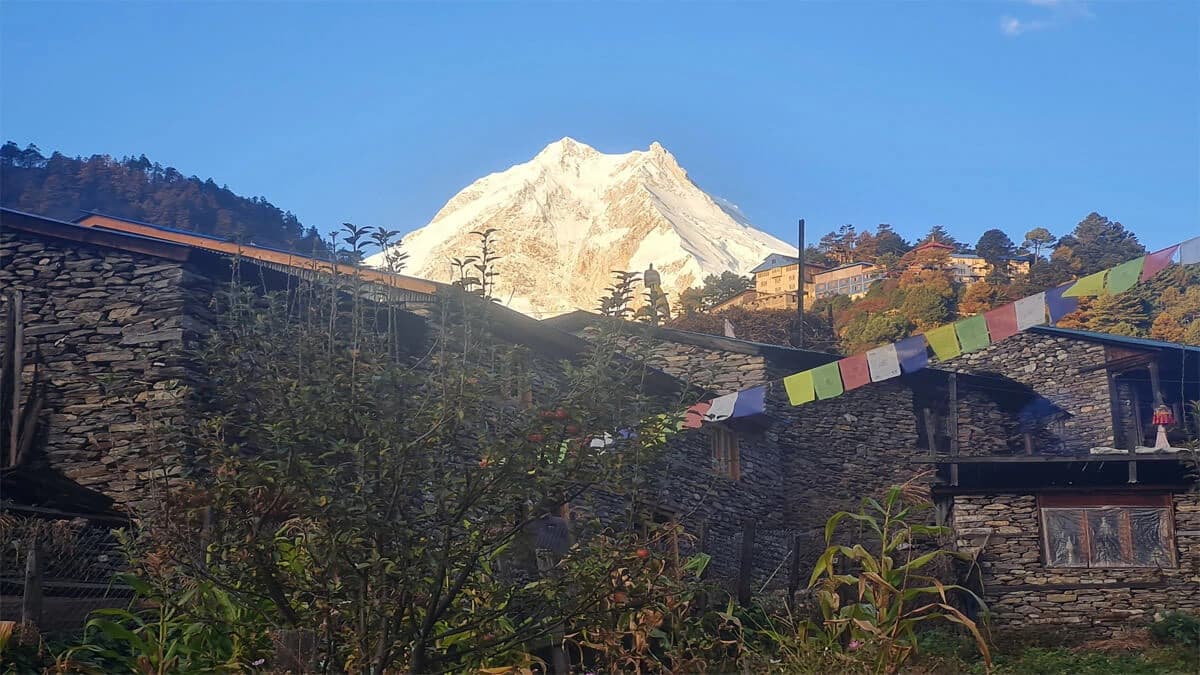
The trip starts with a drive to Kathmandu to the Manaslu region, one of Nepal's quieter and more traditional trekking areas. From the very first walking day, the trail feels different. It is less crowded, more peaceful, and deeply connected to local life. You pass through various villages, cross suspension bridges, and walk along ancient trails that have been used for generations. Nights are spent in simple teahouses where warm meals and shared stories become part of the experience.
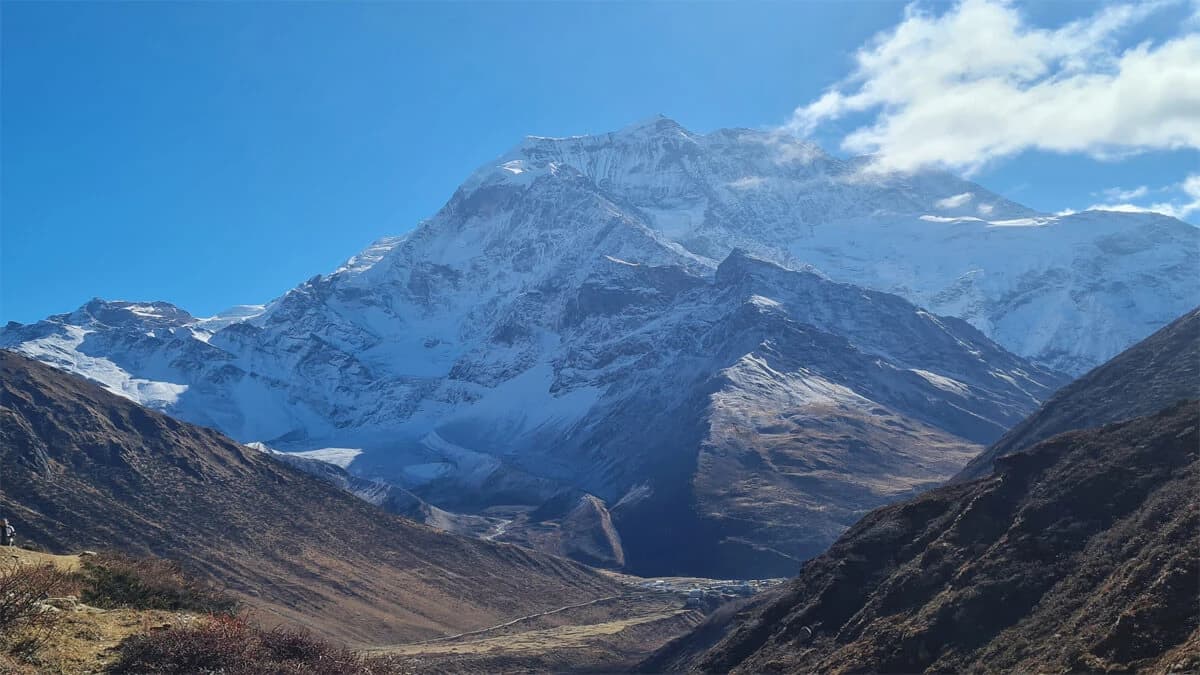
As you move higher, the landscape changes. Forests change into open valleys, glaciers start to appear, and the air becomes cooler and thinner. Places like Samagaun and Samdo offer rest days that help acclimatization while giving you time to explore monasteries and enjoy close up views of massive Himalayan peaks.
Crossing Larkya La Pass at 5106 meters is one of the most memorable days of the journey. It is challenging, cold, and incredibly beautiful, surrounded by icefalls, rocky ridges, and wide mountain horizons. This crossing naturally prepares you for the climbing phase that follows.
At Larkya Peak Base Camp, the pace slows again. Our climbing guides provide practical training on using crampons, ice axes, and ropes, focusing on confidence and safety rather than speed. Even first time climbers feel comfortable by the time summit day arrives.
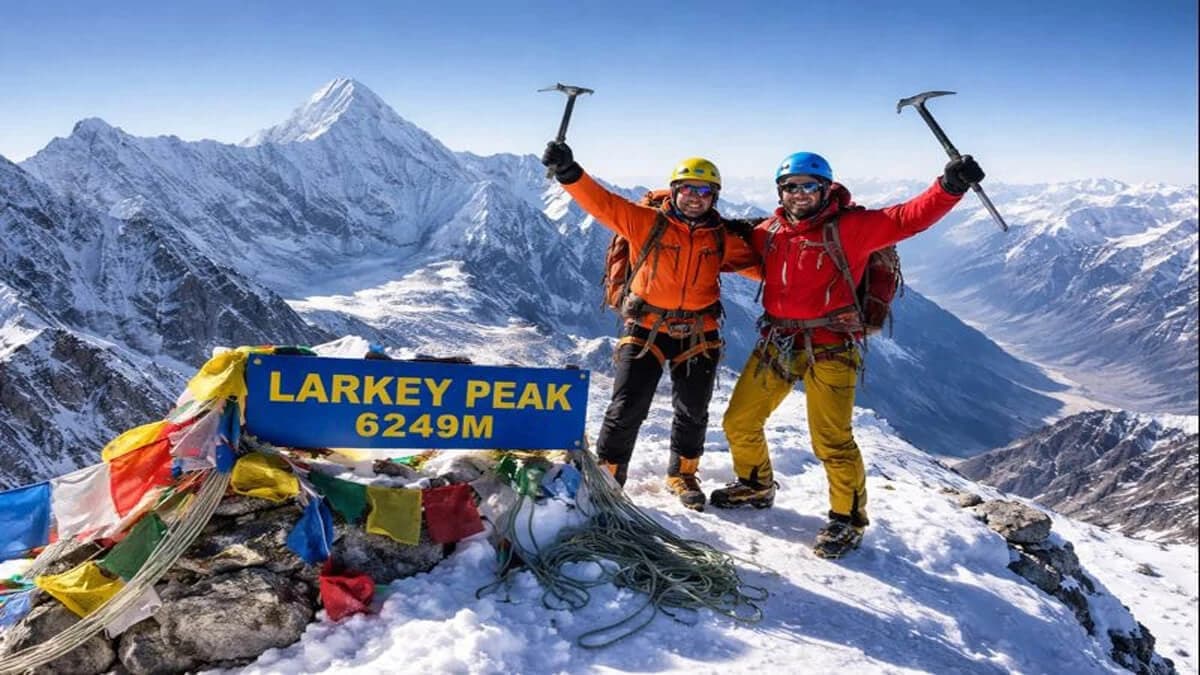
The summit push begins before sunrise, moving steadily over snow and glacier terrain. Reaching the top of Larkya peak at 6249 meters is a quiet and powerful moment. There is no rush and no crowd, just wide views of Manaslu, Himlung Himal, Cheo Himal, and Annapurna II, along with the deep satisfaction of having worked your way there.
This whole trip is not just about ticking a box but also about the long way, respecting the altitude, and earning a Himalayan summit in the most natural way possible. And we as Nepal Trekking Routes make it possible.
Larkya Peak Climbing Trip highlights
- Summit Larkya Peak at 6249 meters and experience the pride of standing on a true Himalayan summit.
- Trek through the remote and less crowded Manaslu region, far from busy commercial trails.
- Enjoy stunning mountain views of Manaslu, Himlung HImal, Cheo Himal, Kang Guru, and Annapurna II.
- Experience authentic mountain villages like Samagaun, and Samdo with rich Tibetan influenced culture.
- Cross the iconic Larkya La Pass at 5160 meters, which is one of the most scenic and challenging high passes in the region.
- Receive hands on basic mountaineering training at base camp, ideal for first time peak climbers.
- Walk the classic Manaslu Circuit trekking route with changing landscapes from thick valleys to high alpine terrain.
- A perfect blend of trekking, culture, and climbing in one unforgettable Himalayan journey.
Larkya Peak climbing cost
The cost of Larkya Peak climbing usually ranges from USD 2800 to USD 5000 per person, depending on group size, season, and services. Smaller groups or solo climbers may pay more, while larger groups get a lower rate. The Larkya PeaK climbing trip generally lasts up to 19 days and includes both trekking and climbing. The price normally covers transportation, accommodation, meals during the trek and climb, licensed guides, porters, basic climbing equipment, and all the required permits. This allows travelers to focus on the adventure without worrying about logistics.
Larkya Peak climbing permit
Larkya Peak lies in a remote and restricted area of Nepal, so a few official permits are required to make the journey legal, safe, and well managed. The route passes through restricted areas and conservation zones, so permits help regulate tourism, protect the environment, and ensure trekkers are properly registered in case of emergencies. Below are the permits required for Larkya Peak Climbing.
Larkya Peak Climbing permit issued by Nepal Mountaineering Association
This is the main permit issued by the Nepal Mountaineering Association (NMA). It allows you to climb Larkya peak, which is classified as a trekking peak. The cost of this permit depends on the season, with spring being the most expensive and autumn slightly cheaper.
Manaslu Restricted Area Trekking Permit
The Manaslu Region is a restricted area, and this permit is mandatory for all the trekkers and climbers entering the zone. It helps control visitor numbers and ensures safety in this remote region. This permit has specific rules, including a minimum group size and the requirement of a licensed guide.
Manaslu Conservation Area Permit (MCAP)
Since most of the trek and climb lies within the Manaslu Conservation Area, this permit is required to enter and travel through the protected region. It supports conservation efforts and local community development.
Larkya Peak Climbing Package Option
Before choosing a Larkya Peak climbing trip, it is very essential to know that not every traveler wants the same style of adventure. Some prefer everything arranged from meals to permit, while others want more flexibility or a shorter timeline. To match different travel styles, fitness level, and time frame, Larkya Peak Expeditions is offered in several package options by us. Choose the best alternative that fits you.
Full climbing service package
This package is focused mainly on the climbing part of the trip. It includes the climbing permit, professional climbing guides, base camp setup, climbing equipment, and summit support. Trekking services before and after the climb are either limited or optional. It is best for those who already have trekking arrangements but want expert support for the summit.
Long duration package
This option follows a slower and more relaxed itinerary with extra acclimatization days. It is designed for climbers who want better altitude adjustment, more rest, and time to explore villages along the Manaslu circuit. This package is ideal for beginners and those who prefer a comfortable pace.
Short duration package
The short duration package is perfect for those who are familiar with the high altitude and are capable of trekking at a good speed. This is a shorter version of the whole package but gives the similar essence of the trek as a whole. It followers tighter schedule with fewer rest days while still covering key highlights of the Manaslu Circuit and Larkya Peak summit. This option is recommended only for fit trekkers with prior high altitude experience.
Full board package
In this package, everything is included like accommodation, all meals (breakfast, lunch and dinner), trekking and climbing guides, porters, camping equipment, and permits. This package is ideal for travelers who want a worry free journey and can focus entirely on trekking and climbing.
Half Board package
The half board package includes accommodation, guides, porters, permits, and most logistics. Meals are mostly included for breakfast and dinner, while lunch is self arranged. Good for trekkers who want a little flexibility or to try local food along the way.
What can travelers expect from Larkya Peak Climbing?
Climbing Larkya Peak is an adventure full of mountains, culture, and amazing views. The trek takes you through silent trails, forests, rivers, and small villages where life feels simple and peaceful. Unlike busy routes, this journey feels calm and personal, letting you enjoy the Himalayas at your own pace.
Along the way, you will visit villages like Samagaun, and Samdo, see monasteries and prayer flags, and meet locals who live traditional Tibetan style mountain life. You get a real feel of the culture while trekking in stunning surroundings.
Crossing Larkya La Pass at over 5,100 meters is one of the most exciting parts of the trip. After the pass, you climb to the summit of Larkya Peak (6,249 m). The climb is challenging but manageable with the help of guides. From the top, the views of Manaslu, Himlung Himal, Cheo Himal, and Annapurna II are unforgettable.
The trip is all about long days of walking, the beautiful mountains, the high passes, and the small villages you pass through. Larkya Peak climbing gives you adventure, culture, and the thrill of completing a real Himalayan summit.
Who is Larkya Peak climbing suitable for?
Larkya Peak climbing is ideal for anyone who loves adventure and wants to experience a true Himalayan summit without doing highly technical mountaineering. It is perfect for fit trekkers who have some experience walking at high altitudes and can handle long days on the trail. Even if this is your first peak, you can do it with the support of professional guides, proper training at base camp, and a well planned itinerary.
This climb is also great for adventure seekers who enjoy quiet, remote trails and want to explore villages and landscapes that feel untouched. Along the way you’ll pass through small settlements, villages, monasteries, and high alpine valleys, giving you a mix of culture and nature that makes the experience special.
The journey is also suited for travelers who like a combination of trekking and climbing. You’ll spend several days walking through forests, valleys, and across the Larkya La Pass, followed by a climb over snow slopes and glaciers to reach the summit. This makes it challenging enough to feel like a real adventure, but not so technical that you need years of mountaineering experience.
Larkya Peak climbing is best for anyone who is comfortable with cold weather, snow, and altitude, and who is ready to put in effort day by day. It is not recommended for beginners with no trekking experience or those who are uncomfortable at high altitudes. With the right preparation, fitness, and guidance, most travelers can successfully complete this rewarding adventure.
Why choose Nepal Trekking Routes for Larkya Peak Climbing?
At Nepal Trekking Routes Team, we make your Larkya Peak adventure safe, smooth, and unforgettable. Our experienced guides and friendly crew take care of every little thing be it permits, accommodation, meals, and climbing support so you can focus on the journey without any worry.
We know the Manaslu region inside out, including its remote trails, villages, and high passes. Traveling with a registered and professional team ensures your climb is safe, legal, and well planned. With us, trekking is not the only thing you purchase, but also an experience you will remember for life.
Best season for Larkya Peak climbing
Choosing the right season can make a big difference when climbing Larkya Peak. The weather, mountain views, and trail conditions all change throughout the year, so picking the right time ensures a safer and more enjoyable adventure. The spring and autumn seasons are considered the best times to experience this Himalayan peak, offering clear skies, comfortable temperatures, and stunning scenery.
Larkya Peak climbing in spring Season
Spring is one of the most beautiful times to climb Larkya Peak. The temperatures are mild during the day, and the skies are generally clearer, giving breathtaking views of Manaslu and surrounding mountains. Along the trekking route, rhododendron forests bloom, adding vibrant colors to valleys and villages. The days are longer, making trekking and climbing easier and more comfortable.
Larkya Peak climbing in Autumn Season
Autumn is the most popular season for trekking and Peak climbing in Nepal. The monsoon has cleared, leaving sharp, clear skies and excellent visibility of the Himalayan peaks. The air is fresh and cool, perfect for long trekking days and summit pushes. Autumn also offers constant weather, which makes it ideal for climbers aiming for the top of Larkya Peak with minimal risk.


