Shey Phoksundo Lake Trek

Shey Phoksundo Lake Trek

Duration11 Days
Trip GradeModerate
CountryNepal
Maximum Altitude3,611 m
Group Size1-15
StartsKathmandu
EndsKathmandu
ActivitiesTrekking
Best TimeAutumn and Spring

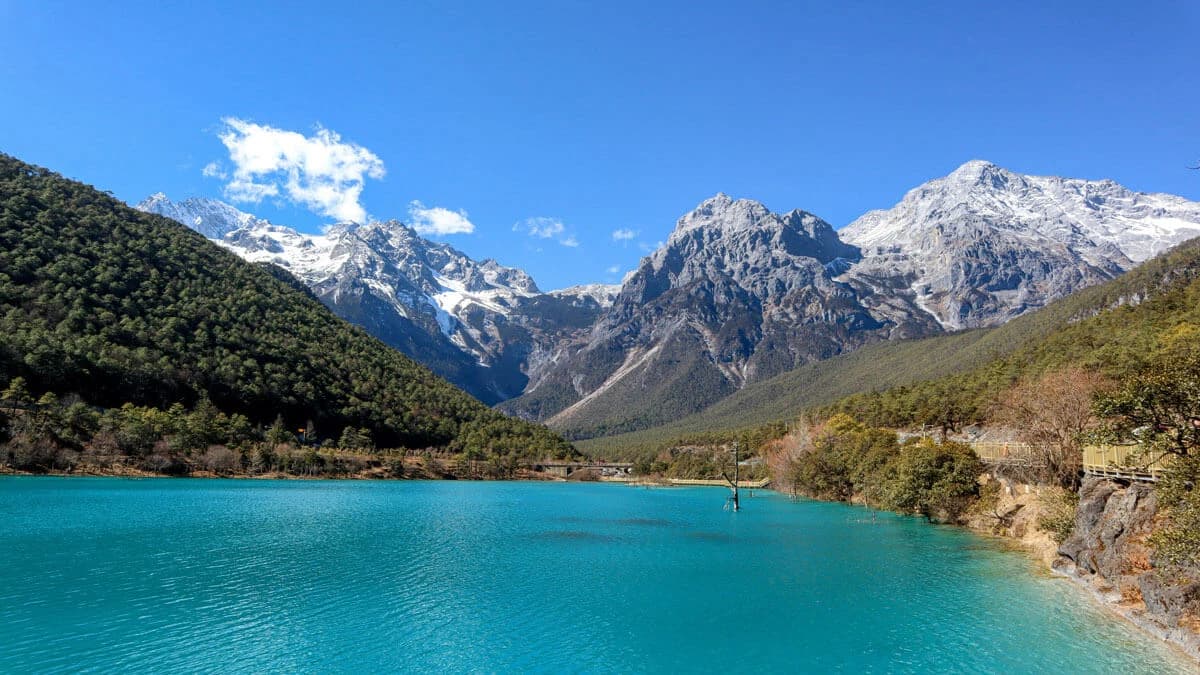
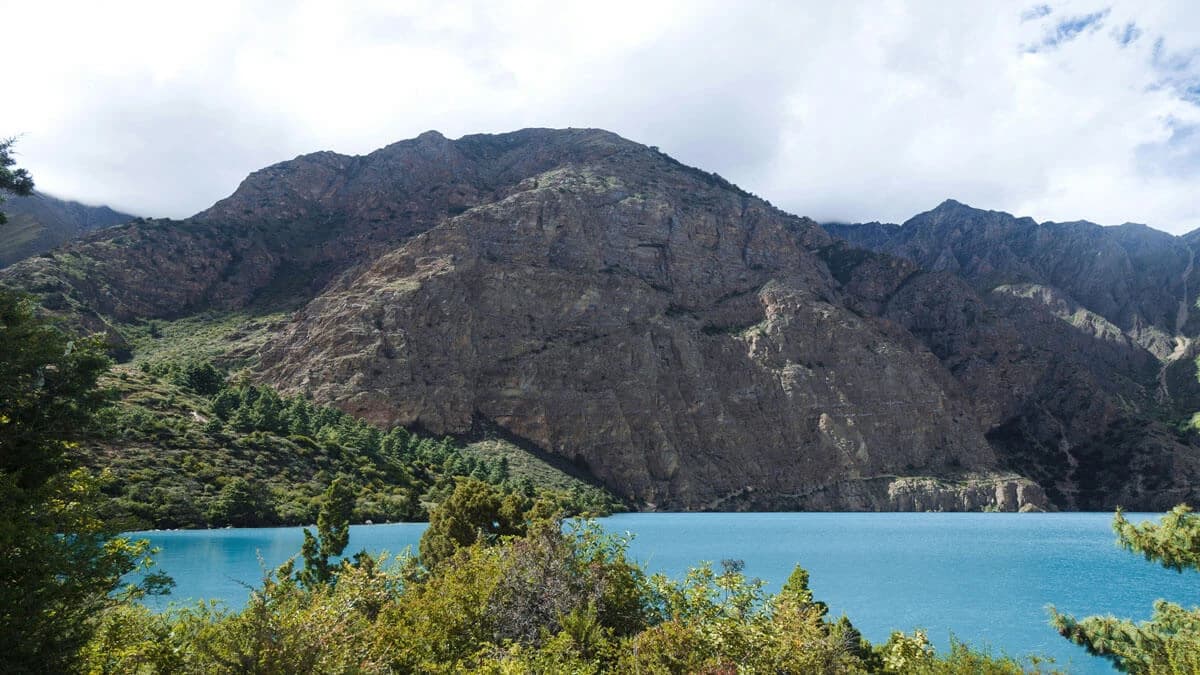
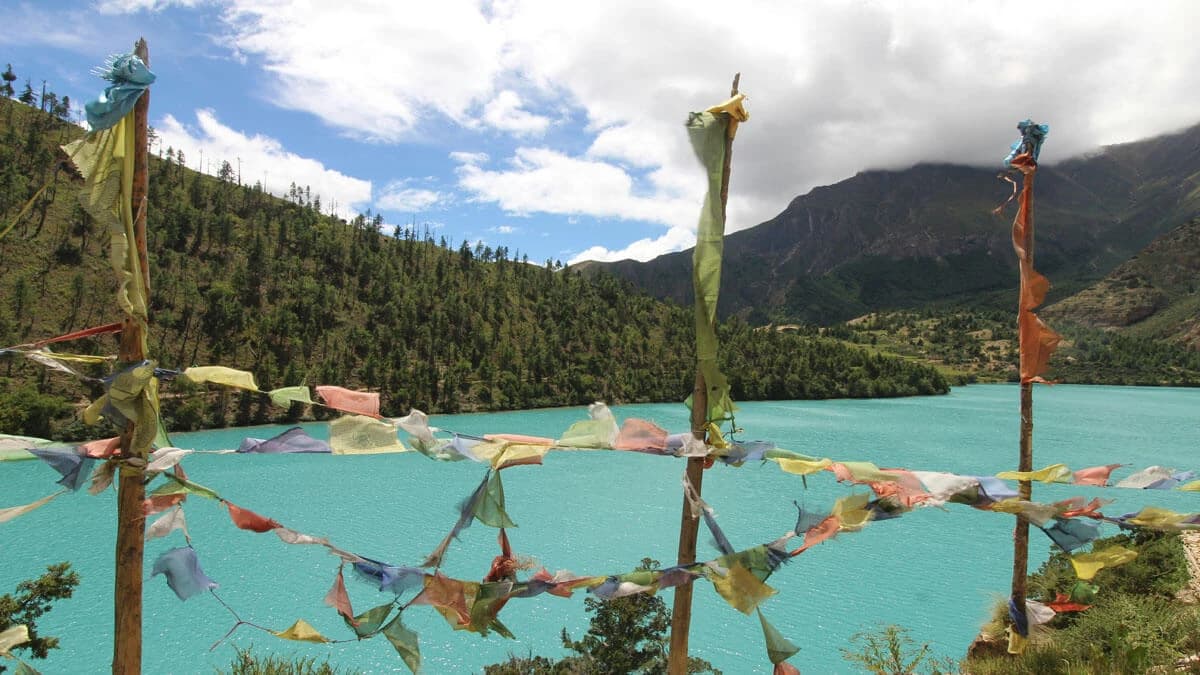
Deep in Dolpo, there is a lake that looks almost out of place against the dry, bare mountains around it. Phoksundo Lake has that rare kind of colour that makes photographs look edited, even when they are not.

The journey to Shey Phoksundo Lake trek includes pine forests, small mountain villages and the famous Phoksundo Waterfall, with Ringmo village and the lake waiting further ahead. There is also a deeper side to the journey. Dolpo is home to old Bon traditions, and its villages still reflect a culture that developed far from popular treks in Nepal.

Phoksundo has become one of those places that makes people curious about Dolpo itself. The lake may be the image that first draws attention, but Ringmo, the surrounding valleys and the culture of the people who call this region home are what give the trek much more to look at once the excitement of seeing the lake settles in.

Where Is Shey Phoksundo Lake Situated?

Shey Phoksundo Lake is in Lower Dolpa, northwestern Nepal, within Shey Phoksundo National Park. At around 3,611 metres, the lake lies among the mountains of Dolpo, with Ringmo Village close to its shore.

The Phoksundo Lake Trek starts with a flight to Juphal. From there, the journey goes to Dunai and continues on foot towards Phoksundo. The trail also brings trekkers through traditional villages, monasteries and areas where the Bon culture of Dolpo remains part of everyday life.

Shey Phoksundo Lake Trek Route

The Shey Phoksundo Lake Trek route starts at Juphal, and the main walking journey into Dolpo starts with Dunai. From there, the trail enters the Suligad valley and continues through Sulighat and Chhepka. Forest covers much of this part of the trek.

Chhepka is followed by Rechi and Jharana Hotel on the longer version of the route. The trail then climbs towards Ringmo, with Phoksundo Waterfall becoming one of the major landmarks near the lake. Some shorter itineraries combine Chhepka and the lake into one long walking day, so the number of days can differ considerably between itineraries.

After time around Ringmo and Phoksundo, the return uses the same trail through Chhepka and Dunai before reaching Juphal. This is the shorter Phoksundo Lake Trek route. The longer Lower Dolpo Trek continues beyond Phoksundo into other parts of Dolpo and should not be treated as the same itinerary.

Shey Phoksundo Lake Trek Difficulty

The Shey Phoksundo Lake Trek difficulty is moderate. Altitude is the main factor, with the lake at around 3,611 metres. The walking itself is not unusually hard for someone who hikes regularly, but the higher elevation can make familiar distances feel different.

The trail has some rough ground and steeper parts, particularly as the route gets closer to Ringmo. Fitness matters, but there is no need to be an experienced mountaineer for this trek.

For a Phoksundo trek for beginners, regular hiking experience is useful. Anyone comfortable with a full day outdoors and willing to take the altitude seriously can prepare for this trek without treating it as an extreme challenge.

How to Get to Phoksundo Lake

The usual way to reach Phoksundo Lake is by flying from Kathmandu to Nepalgunj and then taking a smaller flight to Juphal in Dolpa. From Juphal, the journey continues on foot towards Dunai, Chhepka, Ringmo and finally Phoksundo Lake.

The Phoksundo Lake Trek from Kathmandu therefore combines two domestic flights with several days of trekking. Juphal is the air access point for Shey Phoksundo National Park, and takes about a three day walk to reach the park's main attractions.

The Nepalgunj to Juphal flight is an important part of the journey because Juphal is the practical starting point for the trek. Flights use small aircraft and can be affected by weather, so delays are possible and travel plans should allow some flexibility.

From Juphal, the trail leads towards Phoksundo through Dunai and Chhepka, with Ringmo Village and Phoksundo Waterfall appearing before the lake. If you are wondering how to get to Phoksundo Lake, the route is quite clear: Kathmandu to Nepalgunj, Nepalgunj to Juphal, then several days on foot to Phoksundo.

Shey Phoksundo Lake Trek Cost

The Phoksundo Lake Trek cost starts at around USD 1,400 per person for a guided trip, while private trips and longer programs can reach USD 2,500 or more. The price is higher than many popular Nepal treks because reaching the trail involves flights to Juphal, and operating a trek in remote Dolpo requires more logistical work than routes with road access and a large network of trekking services.

Group size has a direct effect on the Phoksundo Lake Trek price. A solo traveler covers the full cost of a guide and other arrangements, while these costs are divided among members of a larger group. The number of trekking days also affects the total, as extra nights add accommodation, meals and guide or porter costs.

The cost of Phoksundo Lake Trek can increase if a flight to Juphal is delayed and an additional night is required. Travel insurance, personal equipment, drinks and tips are separate expenses. A realistic budget should account for these rather than looking only at the advertised Nepal trekking package price.

Shey Phoksundo Lake Trek Permits

The Phoksundo Lake Trek permits include the Shey Phoksundo National Park entry permit and the Lower Dolpa restricted area permit. The national park entry fee is NPR 100 for Nepali citizens, NPR 1,500 for SAARC nationals and NPR 3,000 for foreign visitors. The Lower Dolpa permit costs USD 20 per person for the first week, followed by USD 5 per day after the first week. The standard route to Phoksundo Lake comes under the Lower Dolpa restricted area, so this is the permit relevant to the trek.

The Dolpo trekking permit is arranged through a registered trekking agency before entering the restricted area. Lower Dolpo also falls under Nepal's TIMS provision, with the trek arranged through a licensed guide and agency issued TIMS card.

TIMS records trekker and route details, which can be useful during search and rescue operations for trekking crew member. Its fund also supports trekking workers through medical and accident insurance and rescue assistance. The Upper Dolpa permit applies to treks entering the Upper Dolpa restricted area and is not part of the standard Phoksundo Lake Trek.

Phoksundo Lake Trek Itinerary

The Phoksundo Lake Trek itinerary starts with the journey into Dolpo, and the trek towards Phoksundo Lake. Once you reach the lake, the schedule allows time to explore the area and Ringmo rather than rushing straight back after arrival.

The return takes you back to Juphal for the flight out of Dolpo. Short Phoksundo trek itineraries focus on Phoksundo and Ringmo, while longer programs add other parts of Dolpo and require more days. The exact schedule depends on the walking distances and available flights.

Phoksundo Lake Trek vs Lower Dolpo Trek

The biggest difference is the route used to reach Phoksundo. The shorter Phoksundo journey starts at Juphal and goes through Dunai and Chhepka before reaching Ringmo and the lake. A classic Lower Dolpo itinerary takes a wider route through Tarakot and Dho Tarap, crosses Numa La and Baga La, and reaches Phoksundo later.

Phoksundo Lake Trek Lower Dolpo Trek 
Reaches Phoksundo through Dunai and Chhepka Takes the longer route through Tarakot and Dho Tarap
Phoksundo Lake and Ringmo are the main destinations Phoksundo is one part of a much larger Dolpo Circuit
The standard short route does not cross Numa La or Baga La Classic itineraries cross Numa La and Baga La
Can fit into a shorter holiday Needs considerably more time
Returns towards Juphal after Phoksundo Continues through other parts of Dolpo before returning to Juphal

If Phoksundo Lake is the main reason you are planning trekking in Nepal, the shorter journey gives you more time around the lake and Ringmo village without adding the high passes of the classic Lower Dolpo trekking route. Lower Dolpo takes you deep into the region and is the better choice if you want Dho Tarap, the high passes and a longer journey through Dolpo.

Who Should Do the Phoksundo Trek?

Trek to Phoksundo makes more sense when the reason for the trip is to see Dolpo itself, not just collect a photograph of the lake. Ringmo, the Bon monastery, local houses and the landscape around the lake give you plenty to see beyond the main viewpoint. Photography, local culture and village life are a big part of what makes the journey interesting.

There are also things you need to be comfortable with before choosing this route. Flights can be delayed, supplies are not available at every stop and there are fewer services once you leave Dunai. If you want fixed travel times and hotel style facilities throughout the trip, this is probably not the right destination. The shorter journey to Phoksundo should also be kept separate from longer Dolpo routes, where the distance, elevation and logistics are considerably greater.

Itinerary

This is an 11 day Phoksundo Lake Trek itinerary from Kathmandu to Phoksundo Lake and back. You will fly to Juphal, trek through Dunai and Chhepka, spend time around Ringmo and Phoksundo Lake, and return to Kathmandu by air.

The main highlights are Shey Phoksundo National Park, Phoksundo Waterfall, Ringmo village, Tshowa Bon Monastery, and Phoksundo Lake at about 3,611 metres. You will also get to see the villages and everyday life of Lower Dolpo, a part of Nepal that feels very different from the country’s busier trekking regions.

Nepal Trekking Routes can customize and manage the trek according to how you like it, including the number of days, travel dates, and arrangements that suit your plans.

Trip PlanExpand All

The moment you arrive in Kathmandu, our Nepal Trekking Routes team takes over the practical side of your trip. We meet you at the airport, take you to your hotel and sit down with you to go through the Dolpo plans. You can ask about the flights, the days ahead, your guide and anything you are still unsure about before we leave the city.

We also check the things that matter before heading west, including your trekking equipment and the documents for the trip. If you have forgotten something or need an item from a trekking shop, you can sort it out in Kathmandu. Once everything is ready, you can put the planning aside and enjoy your first evening in Nepal.

Today you leave Kathmandu and fly to Nepalgunj, the western gateway used for reaching Dolpa by air. The flight takes about an hour. Once you arrive, the rest of the day is kept free so you can settle in and get ready for the flight to Juphal.

Keep your passport, permits, tickets and trekking essentials together rather than packing them away. The next flight is on a smaller aircraft to Juphal Airport, the air entry point for Dolpa. From there, the actual overland journey into Shey Phoksundo National Park begins.

Today is the first day inside Dolpa. The flight from Nepalgunj ends at Juphal, at about 2,475 metres. From Juphal, the walk to Dunai takes around three hours. Along the way, you pass farmland, small clusters of houses and the Thuli Bheri River, with the dry mountain landscape already becoming part of the scenery.

Dunai is around 2,150 metres and is the administrative centre of Dolpa. It has shops, lodges, government offices and other basic services, making it a useful place to spend the night before heading farther towards Phoksundo. For our Dolpa trekking itinerary, this evening is about having a proper meal, checking your belongings and getting ready for the next morning.

The route out of Dunai crosses the Thuli Bheri River and heads towards Sulighat. The Shey Phoksundo National Park checkpoint is located at Sulighat, where your trekking permits are checked before you enter the protected area. Kagni, Shyanta and Ankhe Khola are among the named places along this part of the route.

Trees become more prominent around the Suli Khola valley, with walnut and maple found in parts of the area. You will also pass small tea houses, farmland and grazing areas before reaching Chhepka. The village has basic local lodging and places to eat. Allow around 6 to 7 hours for this day's trek.

Rechi is one of the main stops between Chhepka and Jharana Hotel and is a common place for lunch. Much of the day is spent among pine and birch trees, with small wooden bridges and river crossings along the way. You may meet other trekkers here, particularly during April, May, October and November, when more people travel through Dolpo.

Jharana Hotel is around 3,100 metres above sea level. It is a small overnight stop with limited accommodation and food choices. The nearby waterfall gives the place its name, since jharana means waterfall in Nepali. Allow around 5 to 7 hours for the day. Overnight in Jharana Hotel.

You will see the Phoksundo Waterfall today, the same waterfall you may have seen in photographs while researching the Phoksundo Lake Trek. Seeing it in front of you after several days of travelling and trekking can give you that first real sense that you have finally reached Phoksundo. From the viewpoint above the waterfall, you can watch the water drop through the gorge while the view opens towards the lake.

Ringmo comes next, with its stone houses, fields enclosed by stone walls and Tshowa Bon Monastery nearby. Phoksundo Lake is about 3,611 metres above sea level, and reaching its shore is the main moment of the day. After seeing the lake so many times in photographs, standing there yourself is a very different experience. 

Today you will wake up beside Phoksundo Lake, with no need to pack up and leave after breakfast. Take your time around the lakeshore, walk through Ringmo and visit Tshowa Bon Monastery near the village. After seeing Phoksundo in photographs, being there gives you the chance to notice the things a photograph cannot show properly, from the size of the cliffs around the lake to the small details of life in Ringmo.

Spend the rest of the day as you like. You can take photographs around the lake, walk through the village or find a place to sit and enjoy the view. There is no fixed need to cover a long distance today, so you have time to experience Phoksundo without treating the lake as just another stop on an itinerary. 


Phoksundo Waterfall is back on the route today, this time seen from the other direction as you leave Ringmo. The path drops through the forest towards Rechi, with the Phoksundo River nearby in parts. You will recognise some of the places from the journey in, but the view is different when you are travelling away from the lake.

Chhepka comes at around 2,670 metres, much lower than Ringmo at about 3,611 metres. The difference is easy to notice in the landscape. The thick forest returns, the air is warmer and the high, bare surroundings of Phoksundo are no longer around you. The day takes about 6 to 7 hours. Overnight in Chhepka.

Juphal is the destination today which brings the trekking part of your Phoksundo Lake to an end. The route takes you back through the lower Dolpa area before reaching the town and Juphal Airport. 

Juphal has shops, guesthouses, restaurants and other basic services that are not available at the smaller stops around Phoksundo. It is also where you reconnect with the air route out of Dolpa. After spending days travelling on foot through the Phoksundo area, reaching Juphal gives you a very clear sense that the trekking part of the journey is over.

You will take your first flight for today towards Nepalgunj, leaving Juphal after your time in Dolpo. From Nepalgunj, you will catch the connecting flight to Kathmandu. Flights from Juphal can be affected by weather and operating conditions, so the schedule may change and it is better to keep some extra time in your plans.

Back in Kathmandu, you have the rest of the day for yourself. You can go through your photographs from Phoksundo, meet friends, catch up with family or just enjoy being back in the city. After spending several days in places where services are limited, having a proper shower, reliable internet and your usual choice of food can feel like a small luxury.

You will have breakfast at your hotel and have some free time before your airport transfer. Our team will arrange your transfer to Tribhuvan International Airport according to your international flight schedule and assist you with the departure arrangements.

Your Phoksundo Lake Trek with Nepal Trekking Routes ends here as you leave Kathmandu for your next destination.

Plan An Amazing Private and Tailor-Made HolidaysNot satisficed with this itinerary? Share your idea with our travel Expert. We make your dream come true.
Customize Trip
Cost Details
Includes
  • Airport pick up and drop off service,
  • All kind of trekking permits,
  • Trekking guide and trekking porter,
  • 4 Nights Deluxe Hotel accommodation during the Kathmandu stay,
  • Three time meals (B/L/D) during the trek,
  • Accommodations at teahouse/lodge/tents in the mountains,
  • Group leader, Cook and kitchen crew for camping period,
  • Necessary porters,
  • Staff insurance, salary, food, accommodation and their transportation,
  • First aid kit box,
  • Emergency co-operation service,
Excludes
  • Personal expenses & Travel insurance
  • Heritage entry fee during the sightseeing in Kathmandu and other
  • All bar bills and personal expenses (phone calls, laundry service, battery recharge, bottles of water, hot water, etc.)
  • Extra hotel accommodation in Kathmandu other than mentioned in Itinerary
  • Tips for guide and porter
Essential Information

Best Time for Phoksundo Lake Trek

The best season for Phoksundo Lake Trek falls in spring and autumn, with May and October standing out as the two strongest months. May brings green forests, fuller streams and warmer afternoons, while October brings some of the best mountain views around the lake. Summer has a different character because Dolpo lies in the Himalayan rain shadow, while winter brings snow, freezing nights and fewer services along the trail.

Shey Phoksundo Lake Trek in Spring Season

April and May are the main spring months for trekking in Dolpo. March can still feel like winter at higher elevations, while April brings warmer days to the lower parts of the trail.

May is the highlight of this Nepal trekking season. The forests around Chhepka and the Suligad valley are green, streams carry plenty of water and vegetation fills the lower parts of the trail. Farther north, the landscape changes into dry hills and exposed rock and landscape surrounding Phoksundo. Snow can still remain on some of the higher peaks above the route.

The change in scenery is one of the strongest parts of spring. The journey begins among pine forests, then gradually leaves the greener country behind as the trail moves deeper into Dolpo. By the time Phoksundo appears, the landscape has taken on a much more barren Himalayan character.

Phoksundo Lake Trek in Autumn Season

October is the standout month of autumn. September can still have some cloud and moisture from the summer season, while November brings much colder mornings and nights.

October brings comfortable daytime temperatures for long walking days, and the mountain scenery around the lake is often at its best. Phoksundo's deep blue water contrasts with pale cliffs, dark rock and the peaks rising around the valley. The wider landscape is also easier to appreciate when distant mountains are visible from the trail.

Autumn brings more trekkers to Dolpo than the other seasons, although the numbers remain small compared with Everest Base Camp and the Annapurna Circuit. Other groups may appear around Chhepka, Ringmo and Phoksundo, but the route does not have the continuous flow of visitors found on Nepal's major trekking trails.

Phoksundo Lake Trek in Summer Season

June, July and August fall within Nepal's monsoon season, but Dolpo receives far less rainfall than areas south of the Himalaya. Its position behind the main Himalayan range keeps much of the heavy monsoon rain away from the trekking area.

July has the strongest summer character. The forests and lower valleys carry more vegetation, streams are fuller and very few trekkers travel through Dolpo. Farther north, the greener lower landscape gives way to dry cliffs and bare mountain slopes around Phoksundo.

The main problem during the Phoksundo Lake Trek in monsoon season is reaching the region. Flights to Juphal can be delayed or cancelled because of cloud and poor flying conditions, and there are few alternatives when that happens. A summer itinerary needs extra days around the domestic flights rather than relying on every connection running according to schedule.

Phoksundo Lake Trek in Winter Season

December, January and February bring the coldest conditions of the year. January is the harshest month, with freezing nights and a greater possibility of snow affecting higher parts of the trail.

Winter changes Phoksundo's appearance completely. Snow on the surrounding mountains gives the lake a harder, more stark character, while very few trekkers travel through the region. Villages along the route also have fewer visitors and more limited services during this period.

Winter trekking in Dolpo requires proper cold weather clothing, suitable sleeping equipment and experience with remote mountain travel. Snow can affect the trail, accommodation choices become more limited and very cold nights can be difficult without adequate gear. February can be less severe than January, but May and October remain the stronger months for most travellers.

Accommodation on Phoksundo Lake Trek

Phoksundo Lake Trek accommodation is available in Dunai, Chhepka and Ringmo, with smaller options at some stops along the trail. Local teahouses, lodges and homestays provide a place to sleep and meals for trekkers. Ringmo has local guesthouses near Phoksundo Lake, so staying there gives you more time to explore the village and spend time around the lake.

Many Phoksundo Trek teahouses are run by local families. The same people may cook your food, prepare your room and help with practical needs during the evening. Meals depend on what the lodge has available, while hot water, electricity, charging and internet access is different from one place to another. Around the more remote stops, accommodation choices can be few, so trekkers may need to stay at the lodge available in that village rather than choose between several properties. 

Food and Local Cuisine in Dolpo

Meals in Dolpo include dal bhat, potatoes, noodles, eggs, soup and Tibetan bread, along with butter tea and other foods influenced by Tibetan cooking. Grain and potato based dishes also feature in local households, giving the food a connection to everyday life in Dolpo rather than a menu created only for trekkers.

Local food in Dolpo depends on the ingredients available to each kitchen and the supplies brought into the area. A familiar dish may taste different from one lodge to another, and a particular choice may not be available every day. Dolpo cuisine has strong links with the food traditions of the Tibetan cultural region, with butter tea, Tibetan bread and local grain or potato dishes forming part of the regional food experience.

Food planning becomes more important on journeys beyond the standard Phoksundo route. Trekkers travelling farther into Dolpo may need additional food and cooking supplies, while the shorter lake route has established places serving meals. Anyone following a strict diet should discuss it before departure, since specialised ingredients are difficult to obtain in Dolpo.

Phoksundo Waterfall and Ringmo Village

Phoksundo Waterfall begins where the water of Phoksundo Lake flows out and drops towards the lower part of the valley. The waterfall appears on the way to Ringmo and can be viewed from the trail above it. Its connection with the lake makes the sight more interesting than treating it as a separate attraction. Some travel sources call it the highest waterfall in Nepal, but that claim does not have a consistent official measurement, so it is better left out of factual descriptions.

Ringmo Village lies close to Phoksundo Lake and has traditional stone houses, wooden structures and small fields enclosed by stone walls. Tshowa Bon Monastery, also known as Ringmo Bon Monastery, is located near the village and represents the Bon tradition found in this part of Dolpo. The houses, farmland and monastery together give visitors a clearer picture of local life around the lake. For anyone interested in Bon culture in Dolpo, Ringmo deserves more attention than a quick stop for photographs.

Phoksundo Trek Packing List

Pack for cold nights, strong sun and a route where replacing forgotten gear becomes difficult once you leave Kathmandu. A proper sleeping bag, warm layers, reliable trekking shoes and waterproof clothing deserve priority. Water purification, personal medication, a headlamp and a power bank are also worth carrying because access to supplies and charging facilities is limited in parts of Dolpo. The must have packing list for Shey Phoksundo Trek is given below:

  • Warm sleeping bag
  • Down or insulated jacket
  • Fleece layer
  • Waterproof jacket and trousers
  • Warm gloves
  • Warm hat
  • Trekking shoes with good grip
  • Trekking poles
  • UV protection sunglasses
  • Sunscreen and lip balm with SPF
  • Headlamp with spare batteries
  • Water filter or purification tablets
  • Reusable water bottles
  • Power bank
  • Personal medication
  • Basic first aid supplies
  • High energy snacks
  • Backpack rain cover
  • Waterproof bags for documents and electronics
  • Toilet paper and personal hygiene items

Phoksundo Trek Safety and Altitude

Phoksundo Lake reaches about 3,611 metres, so altitude sickness in Dolpo needs to be taken seriously. Headache, nausea, dizziness, loss of appetite and unusual fatigue are early warning signs. Tell the guide when they appear and do not continue to a higher elevation while symptoms are getting worse. Severe headache, repeated vomiting, difficulty walking, confusion or breathlessness at rest require immediate descent and medical attention.

Dolpo trekking safety also comes down to the distance from proper medical care. A serious injury or illness may require evacuation, and helicopter rescue is expensive. Travel insurance should cover trekking at the altitude of the trip, medical treatment and helicopter evacuation. Rescue also depends on factors such as weather, aircraft availability and the location of the trekker, so insurance should never be treated as a guarantee that a helicopter will arrive immediately.

Flights to Juphal deserve some planning too. Weather can disrupt domestic flights, so leaving spare days around the flight schedule is a sensible precaution, particularly when an international flight follows the trek. A registered local trekking agency and guide also provide an important link when altitude illness, injury or a flight disruption affects the original plan.

Things to Know Before Starting the Trek

This is remote trekking trail in Nepal, so some flexibility with the timing is important. The main things to plan for are the flight to Juphal, fewer services after Dunai and the change in altitude as you move deeper into the Phoksundo trekking route.

  • Keep an extra day in your schedule in case the Juphal flight is delayed or cancelled because of weather.
  • Buy important gear and personal supplies in Kathmandu. You will have very few options to replace things once you are deeper into Dolpo.
  • Carry enough Nepalese cash for the journey. Do not depend on ATMs or card payments in remote villages.
  • Take a power bank and a reliable way to treat drinking water. Charging and safe drinking water are not guaranteed at every overnight stop.
  • Keep your plans flexible. Dolpo travel can change because of weather, flight delays and conditions on the route.
  • Do not expect to stay connected throughout the trek. Phone coverage and internet access can be limited once you are away from the main towns.
  • If you are travelling with a group, remember that everyone may have a different walking speed. If you like things going around your way, consider taking a private trip as it gives you more control over the daily schedule.
FAQs

No. Swimming is not allowed or considered appropriate here. Phoksundo Lake is considered holy by local communities, and the water is very deep and cold, even when the weather around the shore feels comfortable. Stay near the shore and enjoy the lake without entering the water.

The lake is more than 130 metres deep. Nepal’s Department of Hydrology and Meteorology recorded a maximum depth of 136.2 metres in a 2019 bathymetric survey. You may also see 145 metres mentioned in older sources, but the 136.2 metre figure is the latest published measurement from the department.

No fish have been recorded in the lake. It is a high altitude freshwater lake with very clear water and unusual conditions compared to lakes at lower elevations. This is one of the lesser known facts about Phoksundo that many visitors only discover after reaching the area.

The lake's colour is linked to its clear water, depth, and the way sunlight interacts with the water. It can look deep blue or change in shade as the light changes during the day. The colour seen in photographs can therefore look quite different from what you see when you are standing beside the lake.

Snow leopards are found in Shey Phoksundo National Park, but most trekkers do not see one. They are well camouflaged and mostly remain in steep, remote areas away from busy trails. The park is also home to Himalayan tahr, musk deer, Himalayan black bear, ghoral, and marmots. A local guide may help you notice tracks, droppings, or other signs of wildlife, although these do not guarantee a sighting.

More than 200 bird species have been recorded in the park. Tibetan snowcock, Himalayan griffon, lammergeier, chough, and different pheasant species are among them. If you enjoy birdwatching, carry binoculars and pay attention during quieter parts of the day rather than looking only for large animals.

Not without checking the required permissions. Using a drone inside the national park is subject to park requirements, while Nepal's aviation rules can also apply. Commercial filming and other professional aerial work can involve additional permissions and fees. Arrange the necessary approvals before traveling with a drone so that you don't get any additional trouble on your trek.

Ask before taking close photographs of local people, homes, or religious ceremonies. Do not touch religious objects or enter areas that are not open to visitors. Religious sites are part of everyday life in Dolpo, so normal tourist photography rules do not always apply. When unsure, ask your guide or a local person first.

Yes. Phoksundo Wetland was designated as a Ramsar site in 2007. The designation recognises the ecological importance of the wetland, while the lake also has cultural and religious value for local communities. Visitors should avoid leaving waste near the water or disturbing wildlife and should treat the lakeshore as a protected natural area.

20 years of Adventure
Why Travel with Nepal Trekking Routes?
We Care for Your Safety
Nepal Trekking Routes always focus on safety, and satisfaction of our valued clients. Our Trekking guides are highly experienced and trained to operate various group trekking trip in high Himalaya.
Provide Financial Protection
NTR prioritize healthy financial safety for clients, ensuring proactive safeguarding of client interest. Our commitment strengthens our role as trusted partners maintaining standards with dedication and Excellence.
100% Local Guide
100% Local Guide
Traveler looking for experience authentic insights through trekking in Nepal NTE offer your 100% local guide who help you to experience unique perspective ensuring and enriched journey customize to your interest.
Personalized Service
We always provide one guide and one porter to two guests in order to meet our standard of providing standard service. Impeccable hospitality and quality services are guaranteed while traveling with us.
Know More
Book Now