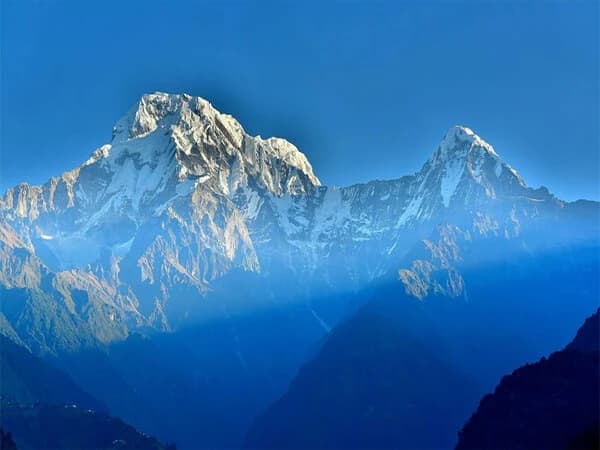
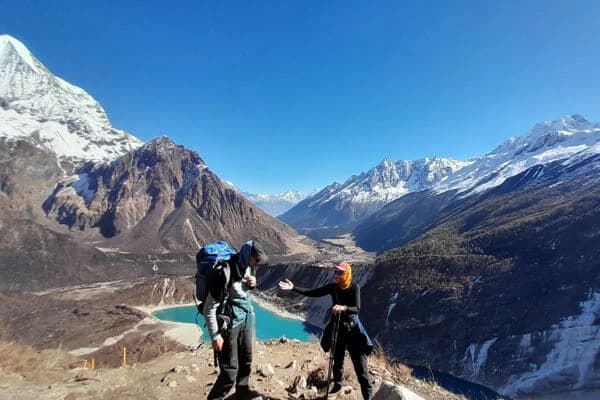
Nepal is famous worldwide for trekking mountains and rich cultural experiences. Low Altitude Trekking in Nepal offers beautiful scenery without extreme high altitude challenges. You walk through villages, forests and rivers while enjoying views of the Himalayas. These scenic trekking routes in Nepal is known for feeling peaceful and refreshing.
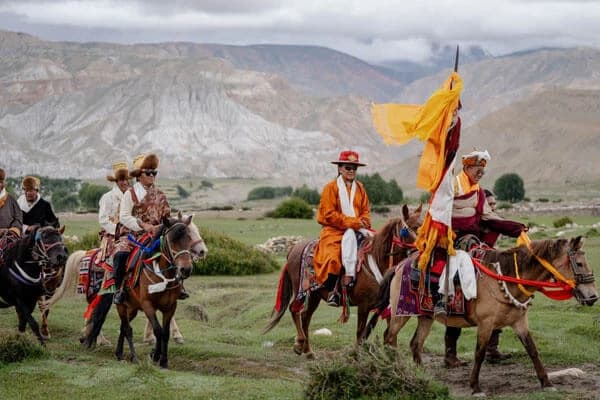
Low Altitude Trekking in Nepal also allows travelers to experience cultural trekking in a very personal way. You can visit traditional villages, interact with friendly communities and observe daily Himalayan life up close. Local teahouses offer home-cooked meals and a chance to learn about regional traditions and festivals. Walking through terraced fields, forests and rivers provide close connection to nature while keeping the pace gentle and enjoyable.
These easy treks in Nepal are perfect for beginners and travelers wanting short treks in Nepal. Many families choose family-friendly trekking Nepal for safe holidays filled with nature and culture. Some routes are ideal for Nepal trekking for seniors who prefer gentle walking days. This makes Low Altitude Treks in Nepal a calm rewarding way to explore mountain life.
What is Low Altitude trekking?
Low Altitude trekking usually means walking on trails that stay below 3,000 to 3,500 meters. At this height, the air feels more comfortable and walking requires less physical strain. Many routes pass through hills, forests, farmland and traditional settlements across Nepal. These landscapes provide rich nature and culture without extreme mountain exposure. That is why travelers choose trekking below 3000 meters in Nepal for relaxed outdoor experiences.
The main difference between low and high altitude treks is physical demand and environment. High altitude routes often include glaciers, steep climbs, and thinner oxygen levels. Low altitude journeys focus more on scenery, culture, and steady walking days. They are often beginner-friendly Himalayan treks with well-developed paths and simple navigation. Many are also short trekking routes in Nepal, making them ideal for limited travel schedules.
Another major benefit is the lower risk of altitude sickness and easier daily recovery. Trekkers can sleep comfortably, eat well, and adjust naturally to the surroundings. Most trails have cozy teahouses with warm meals, friendly hosts, and comfortable resting spaces. These easy treks in Nepal are popular choices for family trekking holidays in Nepal because they feel safe and manageable. Overall, low altitude trekking offers a balanced mix of comfort, scenery, and cultural connection.
Benefits of Low Altitude treks in Nepal
Low altitude treks offer a perfect mix of comfort, nature, and cultural experiences for all travelers. You can enjoy mountain views without extreme physical stress or high altitude risks. Trails are easier to walk, making the journey relaxing and enjoyable every day. Many routes pass beautiful villages, forests, and peaceful landscapes across Nepal. These treks are flexible, accessible, and suitable for different ages and fitness levels. They provide adventure while still feeling safe, comfortable, and rewarding.
Less Risk of Altitude Sickness
Low altitude Hiking take place where oxygen levels are natural, reducing the chances of altitude sickness. Trekkers can walk steadily without needing long acclimatization days. Energy levels remain stable, and the body recovers faster after each trek. You can sleep better, eat normally, and enjoy daily walks without strain. This makes trekking safer and more enjoyable across Nepal.
Because the body adjusts easily, even longer walks feel comfortable. Travelers can focus more on scenery and culture rather than health concerns. The risk of headaches, nausea, or fatigue is minimal. Trekkers gain confidence as each day feels manageable and relaxed. Overall, this ensures a smooth and rewarding trekking experience.
Suitable for Beginners and Families
Low altitude hiking trails are gentle and easy to follow, making them ideal for first-time trekkers. They do not require advanced trekking skills or intense physical training. Families with children can enjoy walks through nature safely. Older travelers also find the pace manageable and enjoyable. Everyone can share the adventure together without stress or exhaustion.
These treks encourage a relaxed experience where the focus is on scenery and culture. Daily walks are steady, allowing time to explore villages and surroundings. You can enjoy the Himalayas without pressure or rushing. Group trekking feels safer and more enjoyable. It is a perfect choice for beginners and family holidays.
Shorter Duration (3-8 days option)
Many low altitude treks are ideal for travelers with limited time. Most routes can be completed within three to ten days. This flexibility suits busy schedules and short holidays. Trekkers can enjoy meaningful mountain experiences without committing weeks of travel. Shorter treks are also easier to plan and budget.
Even within a few days, these routes offer diverse scenery and cultural encounters. You can walk through forests, rivers, and traditional villages in a compact itinerary. Daily walks are moderate, keeping the journey enjoyable and stress-free. Travelers return refreshed and fulfilled without feeling exhausted. Low altitude trekking perfectly balances adventure and convenience.
Cultural and Scenic Diversity
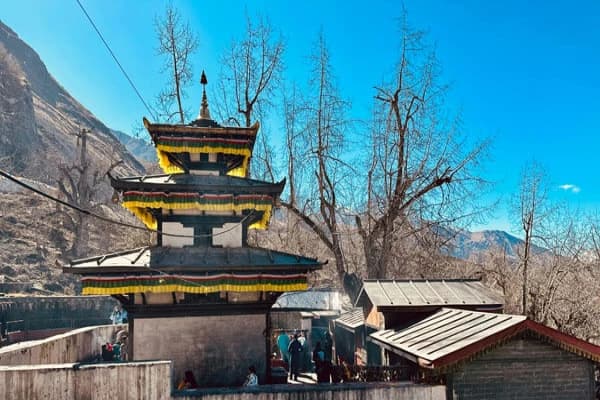
Low altitude trekking routes pass through forests, farmland, rivers, and traditional villages. Trekkers witness daily mountain life and changing landscapes along the trail. The journey offers both natural beauty and cultural immersion. You can explore local temples, monasteries, and village markets. Every day brings new experiences and memorable sights.
Friendly communities along the trail welcome trekkers with hospitality and warmth. You gain insight into traditional lifestyles and local customs. Walking through these areas feels peaceful and enriching. Scenic viewpoints provide panoramic mountain views without strenuous effort. Low altitude trekking combines culture and scenery in an accessible way.
Comfortable Accomodation and Accessibility
Most low altitude trails feature well-established teahouses along the route. Trekkers enjoy warm meals, clean rooms and comfortable resting spaces. This makes daily walks easier and more relaxing. Access to roads or nearby towns is usually convenient. The overall experience feels safe and smooth for all travelers.
Friendly teahouse hosts add a personal touch to the trekking experience. You can rest, recharge, and interact with local communities daily. The combination of comfort and convenience ensures a stress-free journey. Even beginners or seniors feel confident exploring these routes. Low altitude trekking balances adventure with ease and comfort.
Best Low Altitude Trekking Routes in Nepal
Nepal offers several fantastic low altitude trekking routes that are perfect for beginners, families, and travelers seeking short yet rewarding adventures trekking. These treks stay below 3,500 meters, allowing you to enjoy stunning Himalayan scenery without extreme physical challenges. Each trail provides a mix of natural beauty, cultural experiences, and comfortable trekking conditions.
Ghorepani Poon Hill Trek
The Ghorepani Poon Hill Trek is one of Nepal’s most popular low altitude trekking routes and is ideal for first-time trekkers. The trail passes through lush rhododendron forests, terraced farmlands and small gurung villages which gives trekkers a glimpse of traditional Himalayan life.
One of the main highlights is the sunrise from Poon Hill, offering panoramic views of Annapurna, Dhaulagiri and Machhapuchre. The trek is relatively short, usually completed in 4 to 5 days, making it perfect for travelers with limited time. Daily walking distances are moderate, allowing trekkers to enjoy the scenery without feeling rushed.
The route is beginner-friendly with well-established teahouses and lodges providing warm meals and cozy accommodations. Along the way, trekkers can interact with local communities and learn about Gurung culture and traditions. The trail also features a mix of forested paths, small rivers, and open viewpoints, adding variety to the journey.
Its accessibility from Pokhara makes the trek convenient to plan and execute, even for short holidays. Overall, Ghorepani Poon Hill combines scenic beauty, cultural experiences, and comfort, making it a perfect introduction to Himalayan trekking.
Mardi Himal Trek (Low camp Option)
The Mardi Himal Trek, especially the Low Camp option is a perfect low altitude trekking route for trekkers seeking close-up himalayan views without high-altitude challenges. This trail takes you through rhododendron and oak forests, terraced fields and small villages which provide a mix of natural beauty and local culture.
From Low Camp, you get stunning views of Machapuchare, Annapurna South, and Hiunchuli without climbing above 3,500 meters. The trek usually takes 5-7 days, with moderate daily walking distances that are manageable for beginners and families.
Along the route, trekkers enjoy cozy teahouses with warm meals, clean rooms, and friendly hospitality. The trail offers a variety of landscapes, including rivers, viewpoints, and open meadows, making the journey visually rewarding. Local villages provide opportunities to interact with the Gurung and Magar communities, giving insight into Himalayan traditions.
Accessibility from Pokhara makes the trek convenient for short holiday plans. Overall, the Mardi Himal Low Camp trek is ideal for travelers who want adventure, scenic mountain panoramas, and cultural experiences without extreme physical strain.
Langtang Valley Trek (Lower Section)
The lower section of the Lantang Valley Trek is a perfect low altitude trekking route for beginners, families and travelers seeking scenic yet manageable Himalayan adventures. This trek takes you through the cultural heart of the Tamang communities, allowing trekkers to experience traditional villages, local festivals, and daily Himalayan life.
The trail passes through forests, rivers, and alpine meadows, with glimpses of glaciers and snow-capped peaks in the distance. Staying below 3,500 meters, the route avoids high-altitude challenges while still offering stunning mountain scenery. Typically completed in 6 to 8 days, the trek provides moderate walking distances suitable for most fitness levels.
Along the journey, trekkers enjoy well-established teahouses with warm meals and cozy rooms for rest after each day. The variety of landscapes from dense forests to open meadows keeps the trek visually rewarding. Interacting with Tamang villagers gives cultural insight and a sense of local hospitality.
Accessible from Kathmandu, the trek is easy to combine with other short Himalayan adventures. Overall, the lower Langtang Valley Trek balances nature, culture, and comfort, making it an ideal introduction to the Himalayas.
Helambu Trek
The Helambu Trek is a popular low altitude trekking route located close to Kathmandu which makes this trek an ideal for short holidays or quick himalayan getaways. The trail passes through dense forests, terraced farmland and small villages offering a peaceful trekking experience with beautiful scenery.
Trekkers also get to explore the rich sherpa and Hyolmo Culture, observing traditional lifestyles, monasteries and local festivals along the way. Staying below 3,500 meters, the trek avoids high-altitude challenges while providing rewarding mountain views. With moderate daily walks, it is suitable for beginners, family and senior travelers.
Along the route, cozy teahouses provide warm meals, clean rooms and comfortable resting spots after each day of walking. The trail combines scenic viewpoints, rivers and local villages providing both nature and cultural immersion. Interacting with the friendly Sherpa and Hyolmo communities allows trekkers to gain insights into Himalayan traditions.
Its close proximity to Kathmandu makes logistics simple and accessible. Overall, the Helambu Trek is a gentle, culturally rich, and scenic introduction to Nepal’s Himalayan landscapes.
Royal Trek
The Royal trek is a short and accessible low altitude trekking route in Nepal, ideal for travelers with limited time. Named after Prince Charles, the trail offers a gentle Himalayan adventure with scenic forests, rivers, and traditional villages. The trek stays below 3,500 meters, making it beginner-friendly and suitable for families and seniors. Despite its short duration of 3-4 days, trekkers can enjoy panoramic views of the Langtang and Himalayan ranges along the way. Moderate daily walks make it easy to experience nature and culture without physical strain.
Along the route, trekkers stay in cozy teahouses that serve warm meals and provide comfortable rooms. The trail passes through peaceful villages where you can observe local traditions and interact with friendly communities. Its close proximity to Kathmandu makes it convenient for short holiday plans. The Royal Trek combines natural beauty, cultural exposure, and comfort in a relaxing Himalayan journey. It is perfect for travelers who want a rewarding trekking experience without high-altitude challenges.
Dhampus and Australian Camp Trek
The Dhampus & Australian Camp Trek is a short and easy low altitude trekking route in the Pokhara region, making it perfect for families, beginners, and travelers with limited time. The trail stays below 1,700 meters, so it is very gentle and beginner-friendly. Along the route, trekkers pass through terraced fields, small villages, and pine forests while enjoying panoramic views of Annapurna, Machhapuchhre, and the Pokhara valley.
The trek usually takes 2-3 days, making it ideal for short excursions or quick Himalayan getaways. Its moderate walking distances allow ample time for photography and sightseeing without rushing.
The trail features cozy teahouses and lodges where trekkers can rest, enjoy local meals, and interact with friendly villagers. The route provides several scenic viewpoints, perfect for capturing sunrise and mountain panoramas. Local culture can be observed in the villages along the trail, giving travelers insight into rural life in Nepal.
Its proximity to Pokhara makes it easily accessible and convenient for short trips. Overall, the Dhampus & Australian Camp Trek combines breathtaking views, gentle walking, and cultural immersion, making it a highly rewarding low-altitude trekking experience.
Ghandruk Trek
The Ghandruk Trek is one of the popular low altitude trekking routes in the Annapurna region, ideal for travelers seeking cultural immersion and easy trekking. The trail reaches a maximum altitude of around 2,100 meters, keeping it beginner-friendly while still offering stunning himalayan views. Trekkers walk through traditional gurung villages, terraced farmland and forested trails, experiencing the local lifestyle firsthand.
The route usually takes 4 to 5 days with moderate daily walks that make it suitable for families, beginners and travelers on short holidays. One of the main highlights is the panoramic views of Annapurna and Machhapuchre from Gandruk Village.
Along the trek, well-established teahouses and lodges provide warm meals, cozy rooms, and a comfortable resting place after each day of walking. Villagers welcome trekkers, allowing insight into Gurung Culture, traditions and festivals. The trail also features scenic viewpoints, rivers, and open meadows, adding variety and visual reward to the journey.
Its accessibility from Pokhara makes planning and transportation convenient. Overall, the Ghandruk Trek offers a perfect balance of easy trekking, cultural experiences, and breathtaking Himalayan scenery for travelers seeking a gentle yet enriching adventure.
Best Time for Low Altitude Trekking in Nepal
Choosing the right season is important for enjoying low altitude trekking comfortably and safely. Although many low altitude trails can be visited throughout the year, weather conditions affect visibility, trail comfort, and overall experience. Clear mountain views, stable temperatures, and dry paths make trekking more enjoyable. Seasonal changes also influence forests, landscapes, and cultural activities along the trail. Understanding Nepal’s trekking seasons helps you plan the best possible journey.
Spring and autumn are widely considered the best seasons for low altitude trekking in Nepal. Spring, from March to May, brings blooming rhododendron forests, pleasant temperatures, and clear mountain views. Autumn, from September to November, offers stable weather, fresh air, and excellent visibility after the monsoon rains. These seasons provide comfortable walking conditions and vibrant natural scenery, making them the most popular trekking times.
Winter trekking is also possible at low altitude, especially from December to February. The weather is colder, but trails are quieter and peaceful with fewer crowds. Clear skies often provide beautiful mountain views, especially during sunny days. However, mornings and evenings can be chilly, so warm clothing is essential. This season suits travelers who prefer calm and less crowded trekking experiences.
The monsoon season, from June to August, brings heavy rainfall and slippery trails in many regions. Clouds may block mountain views and leeches can appear in forested areas. However, landscapes become lush and green, and villages feel vibrant with agricultural activity. Some rain-shadow regions receive less rainfall and remain suitable for trekking. With proper planning, even monsoon trekking can offer a unique and peaceful experience.
How Difficult is Low Altitude Trekking?
Low altitude trekking is generally considered easy to moderate in difficulty, making it suitable for most people. These trails usually stay below 3,500 meters, where oxygen levels are comfortable and walking feels more natural. You do not need technical climbing skills or intense physical training to complete most routes. Daily walks typically last four to six hours on well-marked trails with gradual ascents and descents. With basic fitness and preparation, most travelers can complete these treks comfortably.
Compared to high mountain expeditions, low altitude trekking is much less physically demanding. The risk of altitude sickness is lower, and acclimatization days are usually not required. However, trekkers should still be prepared for uphill climbs, uneven paths, and changing weather conditions. Carrying a light backpack and maintaining a steady walking pace helps make the journey easier. Proper hydration, comfortable shoes, and rest breaks are important for an enjoyable experience.
Overall, low altitude trekking offers a gentle introduction to Himalayan adventure without extreme challenges. It is ideal for beginners, families, seniors, and travelers on short holidays. Many trails have good infrastructure, including teahouses, clear paths, and accessible starting points. This makes trekking safe and manageable for people with average fitness levels. For most visitors to Nepal, it is an enjoyable and achievable outdoor experience.
Cost of Low Altitude Trekking in Nepal
Low altitude trekking in Nepal is generally affordable compared to high-altitude expeditions. Since these treks are shorter and easier to access, costs remain lower for permits, guides and daily expenses. The budget depends on trek duration, comfort level, and services you choose. Most low altitude treks lasting 3–10 days are reasonably priced for both domestic and international travelers. With proper planning, you can enjoy a scenic Himalayan journey without spending too much.
On average, low altitude trekking packages range from about USD 300 to USD 900 for a full guided trip. This usually includes accommodation, meals, permits, and transportation. Budget travelers who arrange things independently may spend less, while luxury options cost more. Overall, low altitude trekking offers excellent value for money with rewarding mountain and cultural experiences.
Main Cost Breakdown
The main cost breakdown helps trekkers understand where their money goes during a low altitude trek. Expenses usually include permits, guides, food, accommodation, and transportation to and from trailheads. Prices vary depending on route, season, and comfort level chosen by the traveler. Careful planning helps control spending while still ensuring safety and comfort throughout the journey. Understanding these costs makes trekking in Nepal easier to budget and manage.
Permits and Entry Fees
Most trekking regions require official permits before entering protected areas. These permits help conserve nature, support local communities, and manage tourism responsibly. The cost depends on the trekking region, conservation area, or national park you visit. Some popular trekking zones may require more than one permit.
Permit fees are usually paid in Kathmandu or Pokhara before starting the trek. You may need passport photos and identification to obtain them. Organized trekking packages often include permit arrangements in the total cost. Independent trekkers should check requirements carefully to avoid delays. Permit rules can change, so it is always best to confirm before traveling in Nepal.
Guide and Porter Fees
Most trekking regions require official permits before entering protected areas. These permits help conserve nature, support local communities, and manage tourism responsibly. The cost depends on the trekking region, conservation area, or national park you visit. Some popular trekking zones may require more than one permit.
Permit fees are usually paid in Kathmandu or Pokhara before starting the trek. You may need passport photos and identification to obtain them. Organized trekking packages often include permit arrangements in the total cost. Independent trekkers should check requirements carefully to avoid delays. Permit rules can change, so it is always best to confirm before traveling in Nepal.
Accomodation and Food
Low altitude trekking usually involves staying in teahouses or small lodges along the trail. These provide simple but comfortable rooms with basic beds and blankets. Prices vary depending on location, season, and available facilities. Popular trekking routes may have slightly higher accommodation costs.
Meals are prepared fresh and often include local and international options. Common dishes include dal bhat, noodles, soups, rice, and tea. Food prices increase at higher or more remote locations because supplies are carried in by porters or animals. Many teahouses offer warm dining spaces where trekkers relax and socialize. Budgeting for food is important because you will eat three meals daily during the trek.
Transportation
Transportation costs depend on how far the trailhead is from major cities. Some trekking routes require local buses or shared jeeps, which are affordable but may take longer. Private vehicles offer comfort and flexibility but cost more. Short domestic flights may be needed for certain regions, increasing the overall budget.
Travel expenses also include return transport after completing the trek. Road conditions and travel time vary depending on terrain and season. Popular routes near Kathmandu or Pokhara are usually cheaper to access. Planning transportation in advance helps manage both time and expenses. Comfortable and reliable transport ensures a smooth start and finish to your trekking journey.
How to Prepare for a Low Altitude Trek in Nepal?
Preparing properly for a low altitude trek means building comfort with walking long hours, packing smart and understanding the trail conditions before you go. Start by taking short practice hikes with a light backpack to improve endurance and test your fitness. Also, it’s important to learn about daily walking distance, accommodation types and weather patterns, so there are no surprises during your journey. It also helps to begin with well-marked and beginner-friendly routes where trails, facilities and support services make the experience smoother.
Basic Fitness Preparation
Even though low altitude trekking is easier than high mountain trekking, basic fitness is still important. Regular walking, light jogging or stair climbing helps build stamina before your trip. Strengthening your legs and improving balance will make uphill and downhill trails more comfortable. Try short practice hikes with a small backpack to prepare your body. Good physical preparation helps you enjoy trekking more and reduces fatigue.
Acclimatization and pacing
Even on low altitude treks, your body still needs time to adjust to continuous walking and gradual elevation gains. Start each trekking day at a comfortable pace instead of rushing and take regular breaks to stay energized and prevent fatigue. Listen to your body, mild tiredness in normal but dizziness, unusual breathlessness or headaches should be ignored. Plan realistic daily distances so you can enjoy the scenery rather than pushing yourself too hard. Steady pacing helps maintain stamina and makes the overall trekking experience far more enjoyable.
Researching weather and season
Weather conditions can change quickly in mountain regions, so checking seasonal patterns is essential before planning your trek in Nepal. Spring and autumn usually provide clear skies, stable temperature and best visibility for mountain views. During monsoon season, trails may become muddy and slippery, while winter can bring cold mornings and occasional snowfall at higher elevations. Understanding local climate conditions helps you pack suitable clothing and choose the safest travel dates. Proper timing also improves trail conditions and overall comfort.
Local culture and trail etiquette
Many trekking routes pass through traditional villages where local customs and lifestyles are an important part of the experience. Show respect by greeting locals politely, asking permission before taking photos and dressing modestly in rural communities. Follow basic trekking etiquette such as yielding to pack animals on narrow trails and keeping noise levels low in peaceful areas. Supporting local teahouses, guides and small businesses also helps sustain mountain communities. Being culturally aware makes your trek more meaningful and respectful.
Travel insurance and safety planning
Even on easier trekking routes, safety playing should never be overlooked. Travel insurance that covers trekking activities, emergency medical care and evacuation services provides peace of mind in unexpected situations. Share your itinerary with someone back home and keep the emergency contact number accessible. Carry a basic first aid kit, stay hydrated and be aware of your surroundings throughout the journey. Good preparation reduces risk and ensures you can focus on enjoying the trek with confidence.
Conclusion: Low Altitude Trekking in Nepal
Low altitude trekking in Nepal is the perfect way to experience the Himalayas without the extreme challenges of high-altitude expeditions. These treks provide a unique combination of scenic beauty, cultural immersion and physical comfort. You walk through forests, rivers, traditional villages and terraced farmlands while enjoying panoramic mountain views. The trails are beginner-friendly, family-friendly and suitable for seniors, making them accessible for almost every type of traveler.
Overall, low altitude trekking offers an ideal introduction to Nepal’s natural and cultural wonders. With manageable daily walks, well-established teahouses, and moderate elevations, trekkers can focus on enjoying nature, local culture, and photography rather than struggling with physical strain. Low altitude routes also reduce the risk of altitude sickness and allow for steady pacing, making the journey safer and more relaxing. Planning your trek with proper fitness, weather awareness, and safety measures ensures a smooth and memorable experience.


.webp&w=1200&q=75&dpl=dpl_4U3CaZUV3Y5iKdBNPJmVMATJy3AB)