Why would anyone choose to bathe under 108 streams of icy water in the middle of the Mustang mountains, one after another, when the cold itself is enough to make you hesitate before stepping outside? At Muktinath Temple in Nepal, however, pilgrims deliberately stand beneath each of these stone spouts as part of a centuries old religious ritual. For someone seeing it for the first time, the scene can be difficult to understand. Why 108, and why does this particular ritual matter so much?
The cold is only one part of what makes the ritual striking when you see it for yourself. People come to Muktinath as part of a pilgrimage with a reason for going through all 108 spouts, and for many pilgrims, the bath is one small part of a much larger act of devotion. There is also something about seeing people arrive at this remote mountain temple with such strong faith that makes you look at the place differently.
That devotion is linked to the religious significance of Muktinath, a sacred site in Mustang revered by both Hindus and Buddhists. Before getting into the history of Muktinath Temple, though, there is one thing worth asking. Why did this particular spot in the mountains become sacred in the first place?
What is Muktinath Temple?
Muktinath Temple is a sacred pilgrimage site in Mustang, Nepal, standing at around 3,800 metres in the Himalayas. Hindus worship here as Muktinath, or Mukti Kshetra, and the main deity is Lord Vishnu. The same sacred place is known to Tibetan Buddhists as Chumig Gyatsa and is associated with Avalokitesvara. Both traditions have continued to share the site for generations.
The temple itself is a small pagoda style shrine. The present structure is believed to have been built in the early 19th century, while the image of Vishnu inside the temple is considered much older. Muktinath is also connected with the Kali Gandaki River and its Shaligram stones, which are regarded as sacred by Hindus and associated with Lord Vishnu.
For many Hindu pilgrims, Muktinath is a place of religious importance connected with liberation, while for Buddhists it is an important sacred site in its own right. The temple is part of a larger pilgrimage area, including the 108 water spouts and Jwala Mai Temple nearby, making Muktinath Temple one of the most important sacred sites in Mustang.
Where is Muktinath Temple Located?
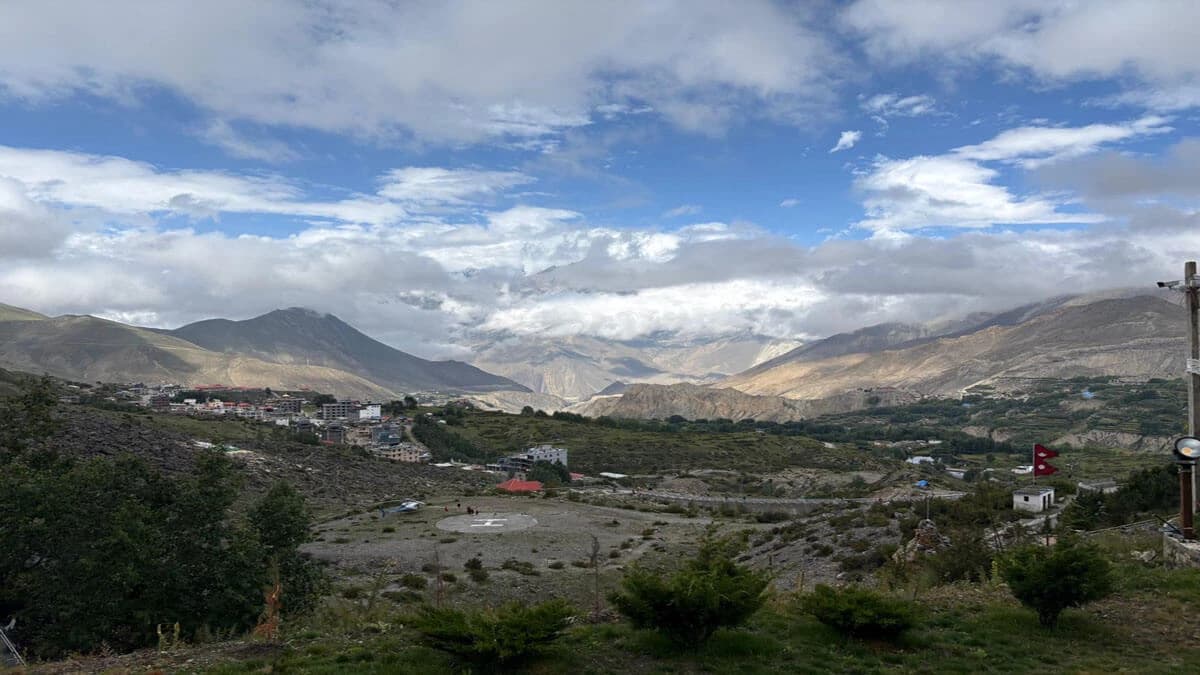
Muktinath Temple is in Muktinath, Mustang District, Gandaki Province, Nepal, in the trans Himalayan region of northern Nepal. The temple is at about 3,800 metres above sea level, although the Muktinath Development Committee lists the elevation as 3,710 metres. This makes Muktinath one of the highest major pilgrimage sites in Nepal.
The temple area falls within Varagung Muktichhetra Rural Municipality Ward No. 1. Jomsom, the administrative centre of Mustang, is the nearest major town and the main access point for the Muktinath pilgrimage. From Jomsom, visitors can continue toward Muktinath by road or on foot, making Jomsom to Muktinath an important travel route for pilgrims.
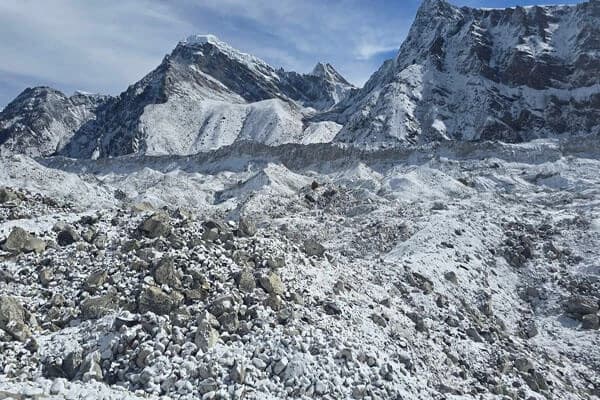
Muktinath is also on the Annapurna Circuit trek route, near the route crossing Thorong La Pass. Its location in the upper Kali Gandaki Valley places the temple among the dry mountain landscapes of Mustang, close to the Himalayan border region with Tibet.
Why is Muktinath Temple So Sacred?
The name Muktinath comes from Mukti, meaning liberation, and Nath, meaning lord, and is commonly understood as “Lord of Liberation.” For Hindu devotees, this is connected with moksha, the freedom from the cycle of birth and rebirth. This belief is central to the religious significance of Muktinath and is one reason the temple remains an important Hindu pilgrimage site in Nepal. Muktinath is also regarded in the Vaishnava tradition as one of the eight Svayam Vyakta Kshetras, sacred places where Vishnu is believed to have manifested himself. Many pilgrims therefore come here with a hope that goes beyond the temple visit itself.
One of the oldest stories connected with the Muktinath pilgrimage tells of Lord Vishnu and Brinda, also known as Tulasi. According to the legend, Brinda cursed Vishnu, after which his association with the sacred Shaligram stones at Muktinath became part of the religious tradition surrounding the temple. The Kali Gandaki River is famous for these ammonite fossils, which are worshipped by Vaishnavas as natural forms of Vishnu. This connection with Vishnu, Shaligram and the Kali Gandaki gives Muktinath an important place in Vaishnava pilgrimage.
For Tibetan Buddhists, the sacred landscape has another important connection. Guru Rinpoche, or Padmasambhava, is traditionally believed to have meditated in the Muktinath area while making his way toward Tibet. These Hindu and Buddhist traditions developed around the same mountain sanctuary, giving Muktinath a religious significance that cannot be reduced to a single belief or legend. It is this shared Hindu and Buddhist heritage that makes Muktinath one of the most significant sacred sites in Nepal.
History of Muktinath Temple
The history of Muktinath goes back much further than the pagoda temple that visitors see today, although no reliable source gives an exact date for when the original shrine was first established. The wider area has been associated with the sacred Gandaki and Mukti Kshetra traditions in Hindu religious literature for centuries. For this reason, it is more accurate to describe Muktinath as an ancient pilgrimage site whose religious history predates its current temple building rather than assign a definite founding date to the shrine itself.
The present Muktinath Temple belongs to a much later period. The pagoda style structure was initiated in 1815 by Queen Subarna Prabha Devi, the second wife of King Rana Bahadur Shah. A bronze plaque at the temple is associated with the 1815 construction, while the image inside the shrine is considered older, dating to the 16th century.
This has led historians and researchers to conclude that a place of worship existed here before the present building was constructed. In other words, the 1815 Muktinath Temple is not the beginning of the site's religious history; it is the surviving structure of a much older sacred place.
Another important record comes only three years later. In 1818, the Tibetan Buddhist yogi Shabkar Tsokdruk Rangdrol visited Muktinath and recorded his experience of the pilgrimage site. His account is valuable because it places Muktinath within the written travel and religious history of the early 19th century, at a time when the present temple was still relatively new. It also reflects the long connection between the Muktinath area and Buddhist practitioners traveling through the Himalayan region.
Today, the 1815 structure is an important part of Muktinath heritage, but it represents only one chapter in the site's much longer religious history. The older traditions surrounding Mukti Kshetra, the sacred landscape and centuries of pilgrimage are what give this historical site its importance, while the temple built under Queen Subarna Prabha remains the clearest surviving landmark of its 19th century history.
The 108 Water Spouts at Muktinath
The 108 water spouts at Muktinath, known as Mukti Dhara or 108 Dhara Muktinath, are an essential part of the Muktinath pilgrimage. They are arranged in a curved row behind the main shrine, with water emerging through bull headed spouts. Hindu pilgrims traditionally pass beneath all 108 streams as a form of ritual bathing before or during their worship at Muktinath Temple.
The importance of the ritual comes from both the water and the number 108. In Hindu religious tradition, 108 appears repeatedly in sacred practice, including prayer beads, names of deities and systems of worship. At Muktinath, devotees associate bathing beneath the 108 streams with purification and the removal of sins or negative karma. This belief connects directly with the meaning of Mukti Kshetra, the place associated with liberation.
What makes the ritual particularly meaningful is that pilgrims willingly endure intensely cold water at an altitude of nearly 3,800 metres. The physical discomfort is not the purpose of the pilgrimage, but it becomes part of the act of devotion. For a devotee, the Muktinath bathing ritual is not about proving endurance; it is about completing a religious practice at a place believed to hold exceptional spiritual importance.
There is also an important distinction for anyone researching the Muktinath Temple significance. The belief that bathing under the 108 spouts cleanses sins or contributes to salvation belongs to religious faith and tradition, not to a scientifically proven property of the water. That distinction does not make the ritual less important. In fact, it explains why the Muktinath 108 water spouts remain such a powerful part of the Muktinath religious significance for Hindu pilgrims visiting this remote Himalayan shrine.
Jwala Mai Temple and the Eternal Flame
Jwala Mai Temple lies within the Muktinath sacred complex, close to the main shrine, and is known for the natural flame associated with the Tibetan Buddhist Dhola Mebar Gompa. The shrine is also called Mebar Lhakang, while Hindu worshippers know it as Jwala Mai. This site is sacred to both Hindus and Buddhists and notes the presence of a blue flame within the temple.
The Muktinath eternal flame is associated with natural gas emerging from the ground, with the shrine traditionally described as having fire appearing alongside water. Within the religious traditions of the site, this unusual combination carries spiritual meaning. The fire gompa is associated with the presence of fire, water, earth and stone, giving Jwala Mai Gompa an important place within the religious heritage of Mustang.
The natural flame at Muktinath also reflects the shared Hindu and Buddhist traditions found throughout the sanctuary. Hindu worshippers associate Jwala Mai with sacred fire, while the Buddhist tradition surrounding Dhola Mebar Gompa gives the flame its own religious interpretations. Including the shrine during Muktinath darshan brings the visit beyond the main Vishnu temple and 108 water spouts and into the wider group of sacred sites that surrounds Muktinath.
Shaligram Stones and the Kali Gandaki River
Shaligram stones are naturally occurring fossil stones found in the Kali Gandaki River valley of Nepal. Many are ammonite fossils preserved within dark limestone and can have distinctive spiral or wheel like markings. In Vaishnava Hinduism, these stones are regarded as natural manifestations of Lord Vishnu, so they are worshipped without being carved into the form of a deity.
The connection between Muktinath and Shaligram stones comes from the sacred Kali Gandaki landscape surrounding the temple. The river cuts through rock formations containing ammonite fossils, and water and erosion gradually expose the fossils along the riverbed and surrounding areas. The markings on individual stones also have religious interpretations, with particular forms traditionally associated with different manifestations of Vishnu.
The Kali Gandaki River therefore has religious importance beyond being a river flowing through Mustang. Its association with Shaligram has made the wider valley an important Vaishnava pilgrimage site, linking Muktinath with the worship of Vishnu in a way that is both religious and geological. The nearby Damodar Kunda is also associated with the Shaligram tradition and lies farther north in the upper Kali Gandaki region.
How to Visit Muktinath Temple
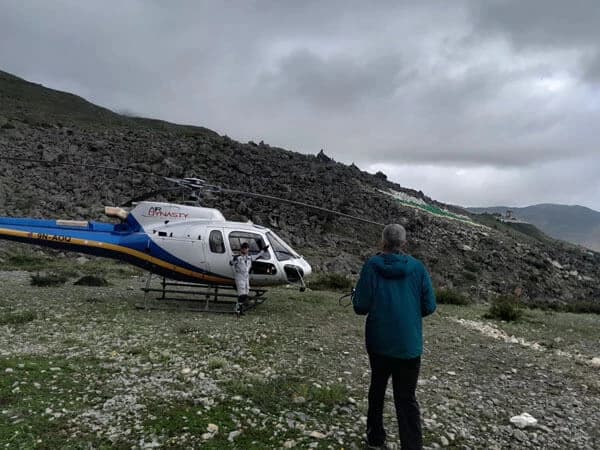
Most visitors travel to Muktinath Temple from Pokhara. There are two main ways to reach the area: flying from Pokhara to Jomsom or traveling by road through the Kali Gandaki Valley. Jomsom is the main transport hub for Muktinath, and from there, road transport is available to Ranipauwa, the village below the temple.
The flight from Pokhara to Jomsom takes around 20 minutes when operating, although flights depend heavily on mountain weather. The road journey takes much longer and passes through Beni, Tatopani, Marpha and Jomsom before reaching the Muktinath area. Travelers who prefer a private vehicle can arrange a jeep for the journey, and the same route can be included in a Mustang Overland Tour.
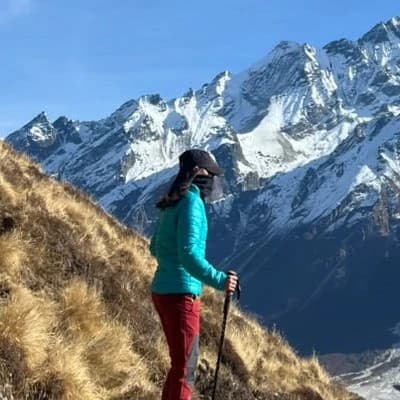
Muktinath is also an important stop on the Annapurna Circuit Trek. After crossing Thorong La Pass, trekkers descend toward Muktinath before continuing south through the Kali Gandaki Valley. The temple can also be included in an Upper Mustang Trek, while a dedicated Muktinath Trek Package is suitable for travelers whose main purpose is the pilgrimage and surrounding sites.
Flying is the faster choice when Jomsom flights are operating, while road travel takes more time but gives travelers a longer journey through Mustang. Trekking is another option for those who want Muktinath to form part of a longer Himalayan route.
What to Do If You Get Altitude Sickness at Muktinath
Altitude sickness can affect visitors at Muktinath, especially when they arrive quickly from a much lower place. Headache, dizziness, nausea, unusual tiredness, loss of appetite or difficulty sleeping can be early warning signs. Do not ignore these symptoms or try to push through them just to complete the pilgrimage.
If you start feeling unwell, stop going higher and rest. Drink enough water and let your body adjust. If the symptoms become worse, going down to a lower elevation is the most important step. Severe headache, repeated vomiting, confusion, difficulty walking or shortness of breath while resting require immediate medical attention and descent.
Anyone who develops altitude sickness should tell their guide, driver or travel companion rather than staying alone. The condition can become serious, and getting help early is much safer than waiting for the symptoms to pass.
Muktinath Temple Opening Hours
The latest detailed timetable published by the Muktinath Development Committee lists temple hours from 7:00 AM to 12:00 noon and from 1:00 PM to 6:00 PM during the summer period. The afternoon session ends at 5:00 PM during the winter period, with the temple closed between noon and 1:00 PM.
These hours should be treated as a general guide rather than a permanently fixed schedule. The detailed timetable available from the committee covered March 15, 2025 to March 14, 2026, so it is not safe to present those times as a confirmed schedule for every visit in 2026 or later. Religious festivals, special ceremonies and changes made by the temple authorities can also affect normal darshan hours.
Arriving in the morning is the best choice because it leaves enough time to visit Muktinath Temple, take part in the 108 water spouts ritual and see Jwala Mai before the midday closure.
Religious Festivals and Major Celebrations at Muktinath
The religious calendar adds another dimension to a visit to Muktinath. Certain dates attract larger numbers of devotees, particularly when important Hindu observances fall during the period when travel through Mustang is possible. Janai Purnima is one of the better known occasions associated with pilgrimage in Nepal. The festival falls on the full moon of Shrawan and is marked by the renewal of the sacred thread, ritual bathing and prayers.
Janai Purnima is also known as Gunhi Punhi among Newars and carries different customs among Nepal's communities. For Hindu pilgrims, the day has associations with purification, protection and religious renewal. A pilgrimage to Muktinath during this period therefore forms part of a wider tradition of travelling to sacred places on auspicious days rather than being a festival created specifically for the temple.
Another important celebration in Mustang is Yartung. Traditionally observed around the full moon period, Yartung is associated with horse racing, music, feasting and community gatherings. It reflects the cultural traditions of the Mustang region and is different from the formal worship carried out at the shrine.
Festival travel can also change the practical experience of visiting Muktinath. Accommodation around Ranipauwa can become busier, transport demand can increase and more time may be required for religious activities. Visitors planning a Muktinath pilgrimage during a major festival should check the dates before travelling rather than assuming that normal visitor conditions will apply.
These occasions show that Muktinath is not only a destination visited by individual pilgrims throughout the year. Its religious calendar connects the shrine with wider Hindu traditions in Nepal, while festivals such as Yartung bring the cultural life of Mustang into the pilgrimage experience.
Muktinath Heritage and the Muktinath Valley Caves
The heritage of Muktinath extends beyond the temple and the religious structures surrounding it. The wider valley contains cave architecture that has attracted archaeological and cultural interest, giving the area another historical dimension that is often overlooked by visitors.
UNESCO includes the Cave Architecture of Muktinath Valley of Mustang on Nepal's Tentative List of potential World Heritage sites. Nepal submitted the property in 1996 under the cultural category. This is an important distinction that Muktinath is not currently a UNESCO World Heritage Site, but the cave architecture of the Muktinath Valley has been identified as a potential candidate for future consideration.
The caves form part of the much larger tradition of cliffside and rock cut architecture found throughout Mustang. Researchers have documented extensive cave systems in the district, along with evidence of past human activity and religious use. Some Mustang caves contain paintings, manuscripts and other archaeological material, although these discoveries should not automatically be attributed to the immediate temple complex at Muktinath.
This distinction matters when discussing Muktinath archaeological heritage. The temple is an active religious site, while the caves represent a much broader archaeological landscape. They should not be treated as though every cave in Mustang belongs to the Muktinath shrine itself.
The inclusion of the Muktinath Valley caves on the UNESCO Tentative List gives the area significance beyond pilgrimage. It places the valley within Nepal's wider heritage record and recognises the cultural value of its distinctive mountain architecture. To those who are interested in Muktinath cultural heritage, the caves provide another way to understand the history of Mustang beyond the rituals performed at the temple.
Muktinath in Vaishnavism and the Divya Desam Tradition
Muktinath has a particularly important place in Sri Vaishnava tradition, where the shrine is known as Thiru Saligramam. It is traditionally counted among the 108 Divya Desams, the sacred Vishnu temples praised in the hymns of the Alvar poet saints. Muktinath is regarded as the only Divya Desam located outside India.
The connection gives Muktinath a distinct place in Vaishnava pilgrimage. The temple is not important only because it is dedicated to Vishnu. In the Divya Desam tradition, the shrine has its own sacred identity, name and liturgical history. The Alvar tradition specifically associates the site with Thiru Saligramam, linking the temple with the sacred geography of Vishnu worship.
This tradition should be understood separately from the Char Dham pilgrimage of India. Muktinath is sometimes described loosely in tourism material as a Char Dham destination, but it is not one of the four Indian Char Dham temples of Badrinath, Dwarka, Puri and Rameswaram. The Divya Desam classification is a more precise way to describe Muktinath's place within Sri Vaishnava religious tradition.
For Vaishnava devotees, the journey to Muktinath therefore has significance beyond visiting a remote Himalayan temple. The shrine forms part of a much larger network of Vishnu pilgrimage sites, while its location in Nepal gives it a geographical importance that is unusual within the Divya Desam tradition.
This is one reason Muktinath has a wider religious following than its remote location might suggest. It is both a major Hindu pilgrimage destination in Nepal and a sacred Vishnu site recognised within a specific Vaishnava tradition that extends beyond the Indian subcontinent.
Final Thoughts
Muktinath remains one of Nepal's most distinctive destinations for religion, heritage and Himalayan culture. Its location in Mustang also makes it a valuable addition to trekking in Nepal, particularly when the journey includes the landscapes and communities of the upper Kali Gandaki region.
Muktinath also fits naturally into cultural tours in Nepal, adding a different perspective to the country's diverse heritage. The combination of sacred traditions, local culture and its remote mountain setting gives the site an identity that extends well beyond the temple itself.


.webp&w=1200&q=75&dpl=dpl_4U3CaZUV3Y5iKdBNPJmVMATJy3AB)
.webp&w=1200&q=75&dpl=dpl_4U3CaZUV3Y5iKdBNPJmVMATJy3AB)