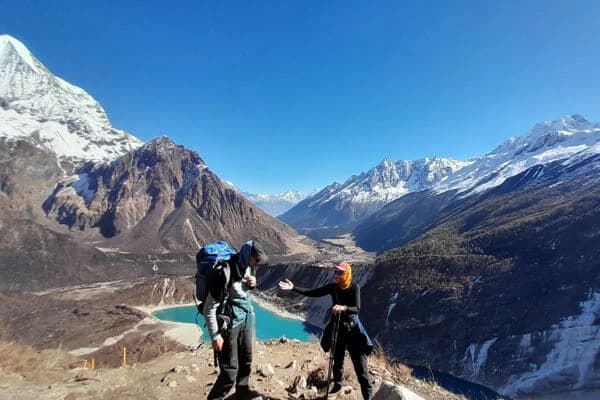
Most people hear “Mount Everest Trek” and instantly assume it’s only for experienced trekkers or people with serious mountain background. But that is not really how it is on the trail. A lot of first time trekkers do this route every year, which is why the EBC Trek for beginners is a topic so many people search before planning their first trip to the Himalayas.
It is not a technical climb. You are not using ropes or special gear for mountaineering. The main difficulty comes from walking day after day at high altitude, where your body just feels slower and everything takes a bit more effort.
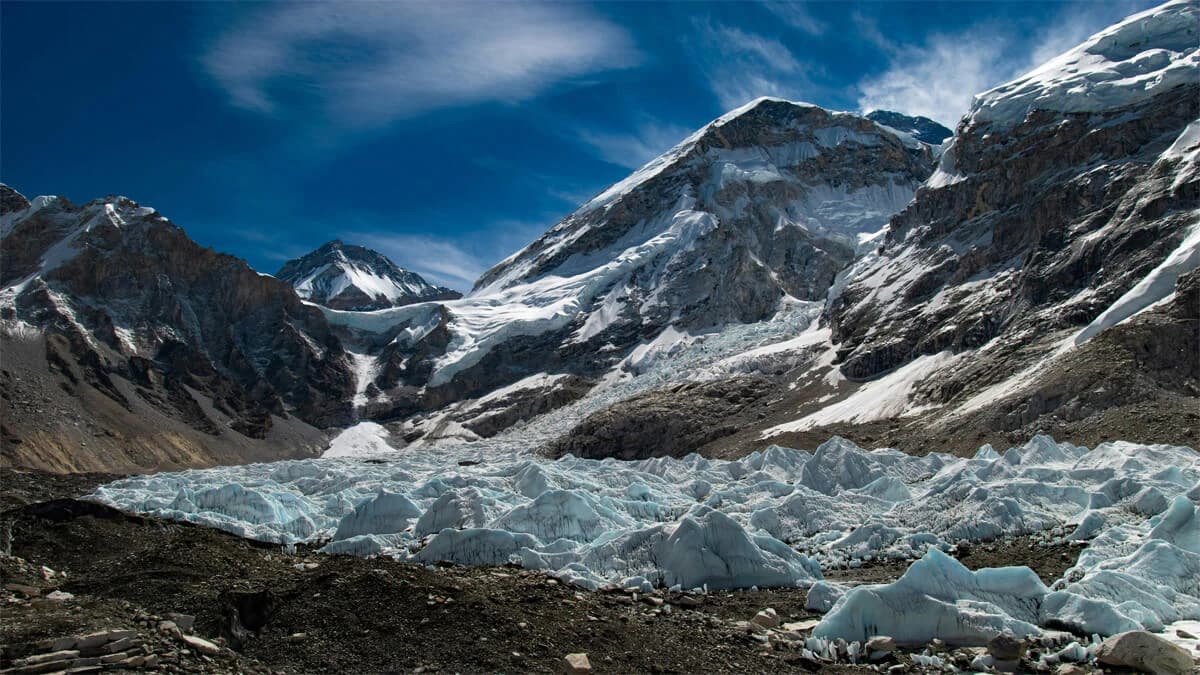
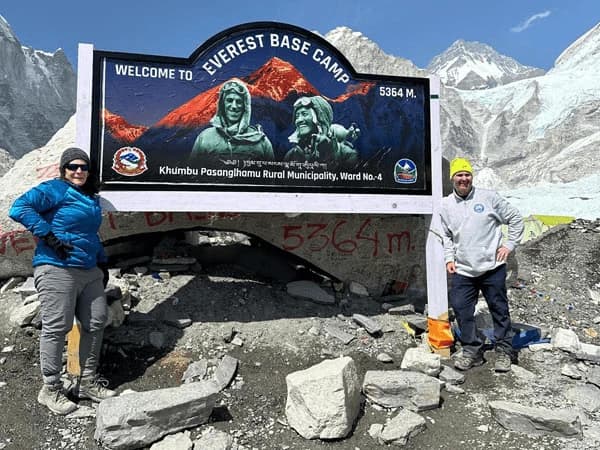
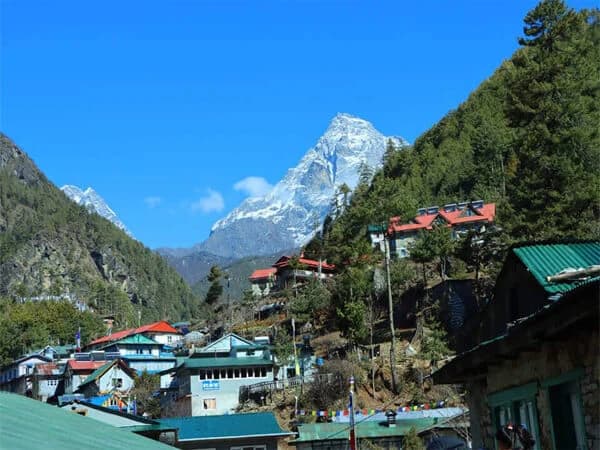
The route takes you through the Khumbu region, passing places like Namche Bazaar, Tengboche, and Dingboche before finally reaching Everest Base Camp at 5,364 meters. The landscape keeps shifting as you go higher. Forests and rivers at the start, then open valleys, and later it turns more rocky and cold with big peaks all around.
One thing beginners usually don’t expect is how organized the trail feels. You are not alone in the middle of nowhere. There are teahouses along the way, other trekkers on the route, and a clear path to follow most of the time. That makes it feel more manageable than people imagine before arriving in Nepal.
This blog breaks down what the Guided Everest Base Camp Trek for beginners is actually like, how hard it feels day by day, what kind of preparation helps, and whether it is something you should realistically consider doing.
Why Everest Base Camp Trek is Popular Among Beginners?
Everest Base Camp Trek first time hiker susually brings up this picture of freezing weather, heavy gear, and people struggling through rough conditions. That’s what most first-time trekkers imagine before they even look into it properly. But once you actually talk to people who’ve done it, the story sounds a bit different.
A lot of beginners Everest base camp trekkers end up completing this trek without much efforts. Not just completing it, but actually enjoying the process along the way. That alone says a lot about how the route really is.
The pace is probably the biggest reason. You don’t just keep climbing every day without stopping. The itinerary is set up in a way that slows things down on purpose, with acclimatization days in places like Namche and Dingboche. Those breaks matter more than people think, especially when the altitude starts to affect you.
Day to day life is fairly simple on the trail. Walk for a few hours, stop somewhere for food, reach a teahouse, and call it a day. It becomes a routine pretty quickly.
And that’s usually what surprises beginners the most. You don’t really need trekking experience or extreme fitness. If anything, it is more about keeping a steady pace and not trying to rush the whole thing.
Everest Base Camp Trek Route Overview for Beginners
At first, 12 days Everest Base Camp trek sounds like a lot, especially if you are new to trekking. It feels long on paper. But once you actually break it down, it is not one continuous tough stretch. It is just a series of short walking days with stops in between.
You usually start with the flight to Lukla, then the trail slowly moves through the Khumbu Valley. Places like Phakding, Namche Bazaar, Tengboche, Dingboche, Lobuche… all of them come one by one as you go higher. It is the same main route for everyone, just walked at different speeds.
Some people do it in about 12 days. Others stretch it to 15 or even more. That really depends on how fast they walk and how their body reacts to the altitude. Beginners especially tend to take it slower, and that is normal on this route.
There is no fixed pressure to stick to a perfect timeline. The mountains don’t really care about your schedule. You just move, rest when needed, and continue the next day.
The Sherpa Culture on the EBC Trekking Trail
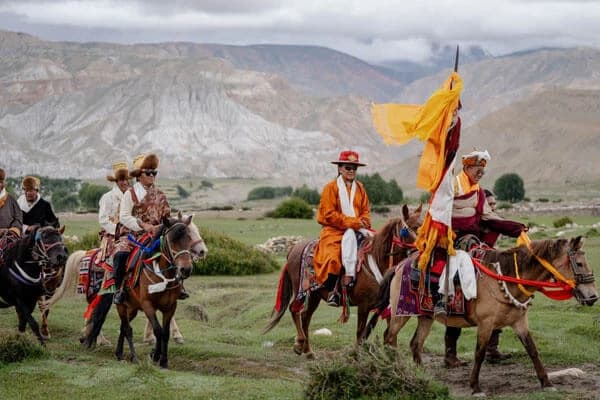
The Sherpa culture in the Khumbu region is one of the most meaningful parts of the Everest Base Camp trekking in Nepal, adding depth beyond just the mountains and landscapes. The Sherpa people are an ethnic group who originally migrated from Tibet and settled in the high Himalayan valleys of eastern Nepal centuries ago. Their lifestyle is shaped by altitude, weather, and strong spiritual beliefs, and over time they have become closely connected with life and trekking in the Everest region.
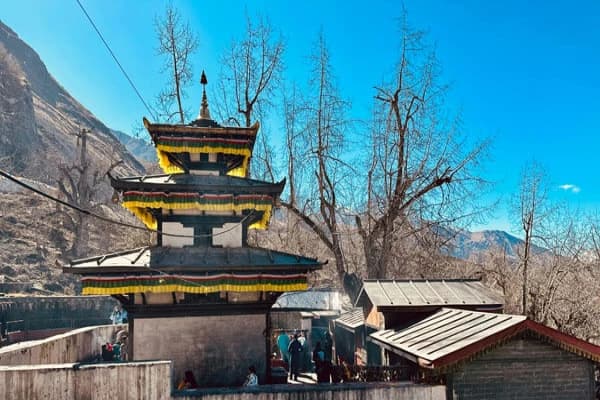
Most villages along the trail still reflect this traditional way of living, where Buddhism plays a central role in daily life. You’ll see monasteries, prayer wheels, mani stones, and colourful prayer flags everywhere, showing how deeply spirituality is connected with the mountains. For the Sherpa community, the Himalayas are not just scenery, but sacred spaces that guide their way of living and thinking.
Beginners Friendly EBC Trek Cost and Package
Nepal Everest Base Camp trek 15 days doesn’t come with a fixed price. It really depends on what kind of package you go for and how comfortable you want the journey to be. Once you break it down, it becomes easier to understand.
On the lower end, EBC budget Trek packages usually sit somewhere around $1050 to $1,400 per person. These cover the basics like a guide, simple teahouse stays, meals during the trek, and group arrangements. Nothing fancy, just what you need to complete the route. A lot of first timers go for this because it keeps things simple and affordable.
Most beginners end up choosing something in the middle range. EBC Standard Trek packages are usually around $1,400 to $2,200. The organization feels a bit smoother here, and the guides are often more experienced. Accommodation is still basic, but usually more comfortable compared to the cheapest option. It still feels like a proper trekking experience, just with less stress about planning everything yourself.
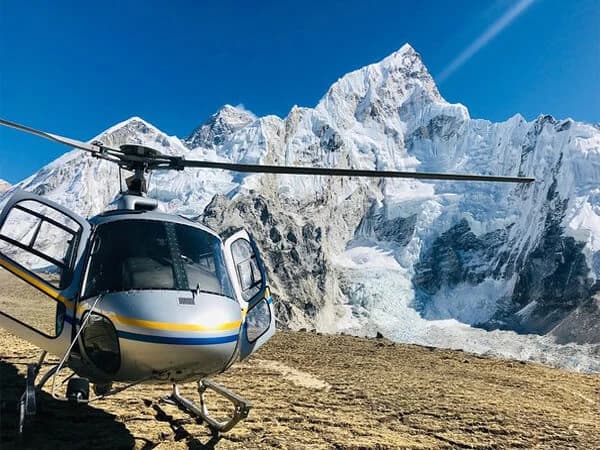
At the higher end, luxury EBC Trek packages start from around $2,500 and can go much more depending on what is included. Some offer better lodges where possible, and even helicopter returns instead of walking back the same route. But the trail itself doesn’t change. You are still walking through the same villages and mountain paths. The difference is mostly in comfort, not the actual experience of the trek.
Best Time for Beginners to Trek Everest Base Camp
Just like most trekking routes in Nepal, spring and autumn are considered the best seasons for Everest Base Camp trek, especially for beginners. During these months, the skies are usually clearer, the trails is in better condition, and mountain views are more consistent throughout the journey. In spring, the weather feels slightly warmer, and parts of the lower trail become colorful with blooming rhododendrons. The route also feels more lively during this season because many trekkers choose this time for the trek.
Autumn is another popular trekking season because the air is usually clearer after the monsoon. This is when trekkers often get some of the sharpest views of Mount Everest and other surrounding peaks in the Khumbu region. For beginners, these seasons feel more manageable because weather conditions are generally more stable compared to winter or monsoon months.
But, Can Beginners Do the EBC Trek in Off-Season?
Yes, beginners can still do the Everest Base Camp trek during the off-season, but it becomes more challenging. During Winter Season, the temperature becomes more cold, especially at higher elevations, while the monsoon season can make trails more wet because of the rainfall, the enironment becomes more cloudy, and the weather is less predictable.
At the same time, off-season trekking also means fewer crowds and quieter trails. Some trekkers actually prefer that slower atmosphere. The main thing is being more prepared for changing weather and understanding that mountain views may not always stay clear every day.
What are the Most Difficult Parts of the EBC Trek for Beginners?
The Everest Base Camp Trekking Tour has this reputation that sits in people’s heads long before they ever reach Nepal. Most beginners arrive thinking it is all about steep climbs, freezing winds, and some kind of survival effort every day. The reality feels a bit different once you are actually on the trail.
Altitude is usually what catches people first. Not the difficulty of the route itself, but the way your body reacts as you go higher. You feel it slowly rather than suddenly. Even simple uphill sections start to feel heavier, especially once you are around places like Namche Bazaar or Dingboche. It is not dramatic, just a gradual shift in how everything feels.
The walking is steady more than anything else. Long hours, stone steps, suspension bridges, and that constant up and down rhythm the Himalayas are known for. It does not feel extreme in a technical sense, but doing it day after day changes the experience. Beginners often expect one hard moment, but what actually happens is a slow build-up of fatigue that you only notice after a few days.
Weather adds its own layer to it. Mornings can be sharp and cold, and evenings drop quickly in temperature once you are higher up. The conditions do not stay predictable, which is something many first-time trekkers underestimate. It is not just physical discomfort either. It can wear on your mood a little, especially when the days start to feel similar.
Then there is that middle stretch of the trek where energy dips without much warning. Nothing feels specifically wrong, but everything feels slower. This is usually when beginners realize that the trek is not really about pushing through, but about staying consistent even when your body wants to ease off.
How to Prepare for the Everest Base Camp Trek as a Beginner?
Preparation for Everest Base Camp does not need to be complicated, even though it often gets overthought. Most of it comes down to getting used to being active regularly. Walking more, climbing stairs, short hikes when possible. Nothing intense, just enough so your body is not surprised by long days on your feet.
Packing is another area where people usually carry too much. It feels safer at first, but once you are on the trail, extra weight becomes something you feel every single day. Layers, a solid pair of trekking shoes, and basic essentials end up being enough for most people. Everything else just adds load without real use.
Altitude awareness matters more than training plans. Not in a technical sense, just understanding that your body needs time to adjust. Slowing down, drinking enough water, and not rushing between stops makes more difference than any workout routine before the trek.
Mentally, the trek is not a constant highlight reel. Some days feel repetitive. You walk, you eat, you rest, and repeat. When beginners expect variety every day, that is usually when they struggle. When they expect repetition, it becomes easier to settle into.
Is the Everest Base Camp Trek Safe for Beginners?
The Everest Base Camp trek is generally safe for beginners, as long as it is done at the right pace. It is one of the most established trekking routes in Nepal, and you are never really far from other trekkers, teahouses, or local support along the way.
The main concern is altitude, not the trail. Most issues come from moving too quickly or ignoring early signs of fatigue. The trekkers who handle it well are usually not the fittest ones, just the ones who keep a steady pace and allow their body time to adjust instead of trying to push through.
If You Get Altitude Sickness During Nepal Trekking, Then What Should You Do?
Altitude sickness is one of those things people don’t really think about seriously until they are actually on the Nepal trekking trail. At first it can feel like normal tiredness from walking all day. A headache that does not go away, feeling a bit dizzy, losing appetite, or just not feeling like eating much. Most trekkers brush it off in the beginning because it does not feel serious right away.
But at higher altitude, you cannot really ignore it for long. If it gets worse and you keep going up, it can turn into something more serious like HAPE or HACE. That is when things move beyond normal discomfort. Breathing becomes harder even when you are resting, or you might feel confused and off balance. At that point, the only real option is to go down. Not later, not after a few hours, just descend.
The tricky part is that most of this can be avoided if you do not rush. Acclimatization days exist for a reason. Walking slowly, taking proper rest stops, and letting your body adjust makes a big difference on this trek. Some people also carry medication like acetazolamide, but that is something to discuss with a doctor before the trek, not something to experiment with on the trail.
If symptoms start, the simple rule is to stop going higher. Stay where you are, rest, and see how your body responds. Sometimes that alone is enough. But if things feel like they are getting worse, going down is always the safest move.
Hydration matters more than people expect too. Drink water regularly, even if you do not feel thirsty. Eat something even when your appetite drops. It is better to avoid alcohol completely because it only makes things worse.
Most importantly, do not try to hide it or handle it quietly. Just tell your guide or someone you are trekking with as soon as something feels off. On high altitude trails, reacting early is what actually keeps things under control.
If you are looking for Preventions tips for Altitude Sickness, please go through the Altitude sickness prevention tips
Is a Guide and Porters Necessary for the Everest Base Camp Trek?
A trekking guide and portersare not legally required for the Everest Base Camp hiking, but they can make a big difference, especially for beginners.
The route is popular and fairly well-marked, so it is possible to trek independently if you have experience and feel confident navigating mountain trails. Many trekkers do complete the journey on their own each year.
But for beginners, the situation is usually different. Having a guide is very helpful because they take care of navigation, daily planning, and pacing the trek according to altitude and your condition. They also know how to respond if someone starts feeling unwell and when it is safer to rest or add an extra acclimatization day to the itinerary.
Porters are optional, but having one can make the trek much more comfortable. They carry the heavy backpack, which allows you to walk more freely and focus on your steps and breathing instead of weight. For beginners especially, this can make a noticeable difference, since your body is already adjusting to long walking days and higher altitude.
Permits and Travel Insurance Required for EBC Trek
You cannot trek in Khumbu region without permits. There are a few mandatory permits you need for the easy Everest Base Camp trek, and they are checked at different points along the trail.
The main one is the Sagarmatha National Park Permit. This permit is required because the route passes through a protected national park area. It is usually checked around Monjo when you enter the park section.
Another important permit is the Khumbu Pasang Lhamu Rural Municipality Permit. This is a local permit for entering and trekking to Everest region. You can get this permit from Lukla or Monjo, and you don’t need to worry too much about it because it can be arranged along the way.
Besides these, you may also need a TIMS card, depending on the current regulations and how your trek is organized. It is a basic trekking registration system in Nepal used for tracking and safety purposes.
Along with the permits, travel insurance is extremely important, especially since the trek goes above 5,000 meters. If any serious health issue happens, emergency evacuation is usually done by helicopter, and without insurance, the cost can be very high.
So your insurance should clearly cover high-altitude trekking and also include emergency helicopter rescue and medical expenses.
What to Pack for the Everest Base Camp Trek for Beginners?
Packing list for the Everest Base Camp trek is something most beginners overthink at first. It usually starts with a big list and a lot of “just in case” items. But once you actually start walking, you realize pretty quickly that carrying too much only makes the trek harder than it needs to be.
Warm layers are non-negotiable though. A proper down jacket is something you’ll actually use, especially in the mornings and at higher altitude when the temperature drops without much warning. Under that, it’s usually just a mix of light trekking shirts, a couple of thermal layers, and comfortable pants you can move in easily for long walking days.
Footwear matters more than people expect. Good trekking boots that are already broken in make a big difference on this trail. The route is long, and some sections are rocky and uneven, so new shoes are almost guaranteed to cause trouble. A few pairs of warm socks, gloves, and a simple hat also end up being more useful than people think once you start gaining altitude.
Most people also carry a small day backpack for the things you actually use during the walk. Water, snacks, sunscreen, lip balm, maybe a light jacket. The rest of the luggage is usually handled by porters if you are on a guided trek, so you do not have to worry about everything at once.
A basic first aid kit is worth having too. Nothing complicated, just enough for small things like headaches or blisters that can slow you down if ignored. And a headlamp is one of those items people forget about until they need it. Teahouses can get quite dark in the evenings, and power is not always consistent in remote villages.
Conclusion: Everest Base Camp Trek for Beginners
The Everest Base Camp trekking in Nepal is not really about extreme difficulty. It is more about adjustment. Adjustment to altitude, to slower walking, to long days on the trail, and to a life that feels very different from normal routines.
Nothing on the route is technically complicated. You are not climbing steep rock faces or dealing with advanced mountaineering skills. Instead, the challenge builds slowly. A bit of breathlessness here, a longer walking day there, colder mornings, lighter appetite, and gradually more tired legs. It all adds up in a quiet way that beginners only fully understand once they are on the trail.
In the end, reaching Everest Base Camp is less about pushing your body to the limit and more about staying consistent for nearly two weeks. Step by step, day by day, the mountains slowly open up in front of you, and by the time you reach the final point, it feels less like a single achievement and more like the result of a long, steady journey you grew into along the way.