For years, the monsoon has been treated as the season to avoid trekking in Nepal. Guidebooks warn about rain, muddy trails, leeches, poor visibility, and travel disruptions. Much of that advice is justified. The best monsoon treks in Nepal are not the ones most people book first, and there’s a reason for that. Rainy season trekking in Nepal has a bad reputation, and in many places that reputation is earned.
There are parts of the country where trekking in July feels unreasonable, and then there are regions where the season barely behaves like the same system. It’s just about what kind of experience you are looking for while trekking in Nepal.
This blog makes sure you do not end up without useful options when you think about trekking in Nepal during the rainy season. Nepal still has enough possibilities that the monsoon does not completely stop trekking plans in the country.
What Trekking in Nepal During the Monsoon Season Is Really Like
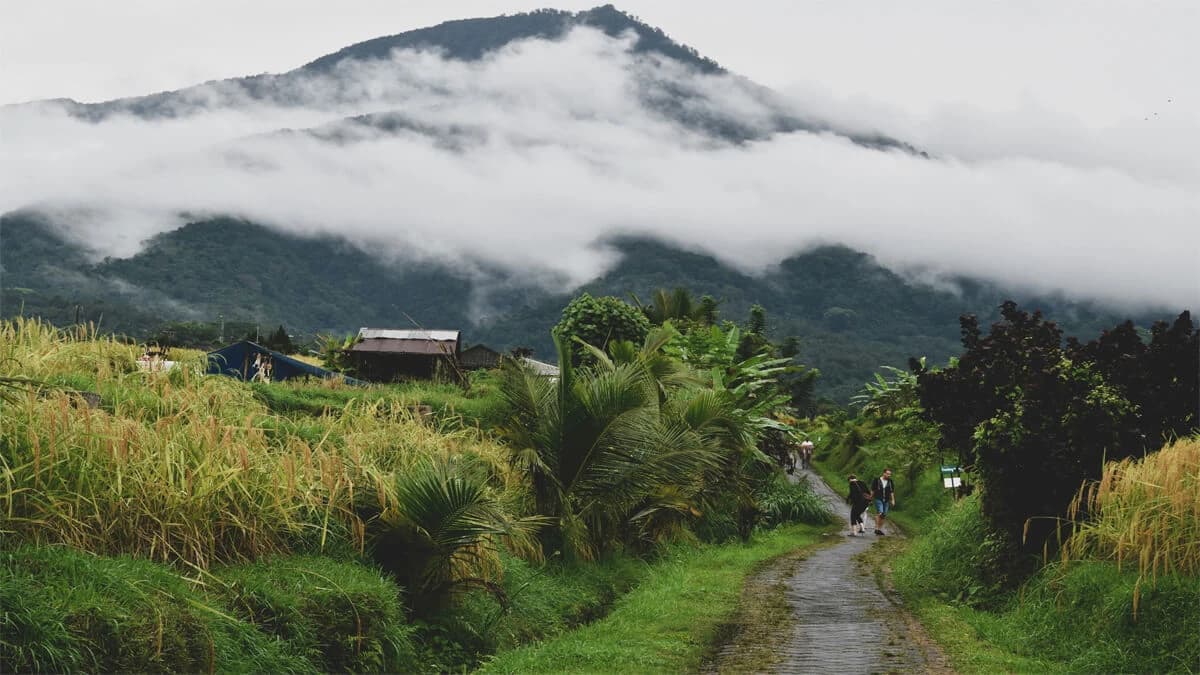
Trekking in Nepal during monsoon is not the same across the country, and that is the first thing to understand before planning anything for this time of year. In many lower altitude areas, rain is frequent and it changes how the trails feel while walking. Footing can get slippery, rivers can rise quickly after heavy rain, and travel between towns or trailheads can take longer when roads are affected.
Then there are places where the situation is different. Upper Mustang, Nar Phu Valley, and Upper Dolpo do not receive the same level of rainfall because of their position behind the main Himalayan range. It is still monsoon there, just not in the same way people usually imagine it from the southern side of Nepal.
That difference is really what this whole topic comes down to. Some trekking routes become less practical during June to September, while others continue operating without major disruption. That is also why searches like best monsoon treks in Nepal or rain shadow treks in Nepal end up pointing to only a few specific regions.
Best Monsoon Treks in Nepal
Once you filter out the regions that get heavy monsoon rain, the list of workable trekking routes in Nepal becomes much shorter. Most popular trails are affected in some way during June to September, so the remaining options are mostly defined by geography rather than popularity.
Upper Mustang Trek
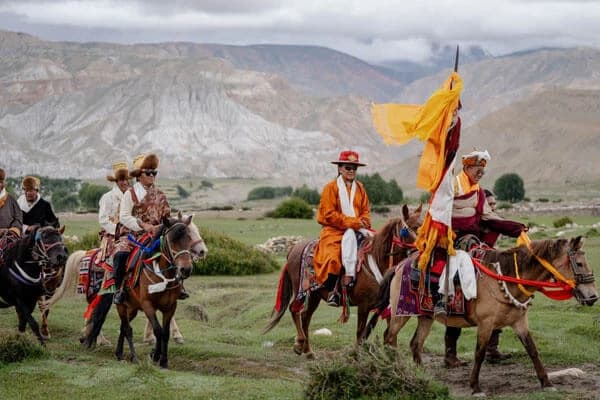
If you are looking for the best monsoon trek in Nepal, Upper Mustang deserves to be at the top of the list. Unlike most trekking regions, Upper Mustang receives very little rainfall during July and August because it falls within the Himalayan rain shadow. This allows trekking to continue even when heavy rain affects much of central Nepal.
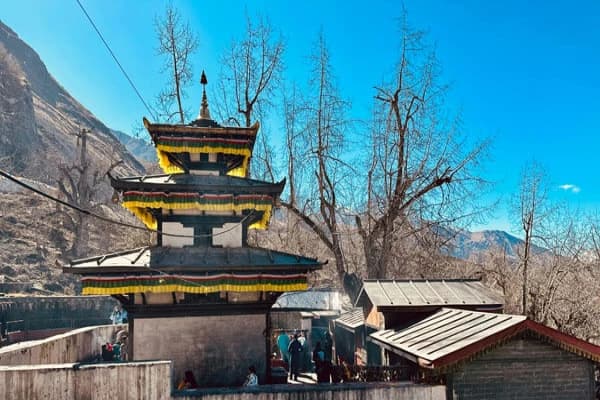
You will go through Lo Manthang, Kagbeni, Ghami, Tsarang, and several old Buddhist monasteries that reflect the area’s strong Tibetan influence. The landscape is dry throughout most of the year, with sandstone cliffs, deep valleys, and colorful rock formations replacing the forests found on many other trekking routes. Since Upper Mustang is a restricted area, trekkers need a Restricted Area Permit and must travel with a licensed trekking guide through a registered trekking agency.
Upper Dolpo Trek
Upper Dolpo is even more remote than Upper Mustang and much harder to access. It also lies in the rain shadow area, so monsoon rain is not a major issue in the way it is in central and eastern Nepal.
This is a long and demanding trek with high passes, isolated villages, and Shey Phoksundo Lake as one of the main highlights. Facilities are limited and the walking days are long. Permits are required and you must go through an agency with a trekking guide. It works as a perfect monsoon destination in Nepal.
Nar Phu Valley Trek
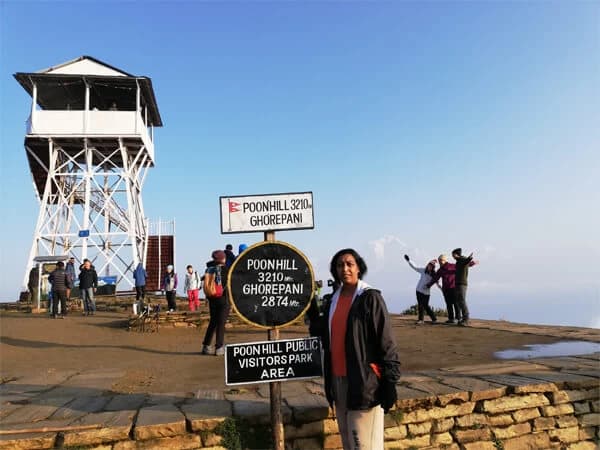
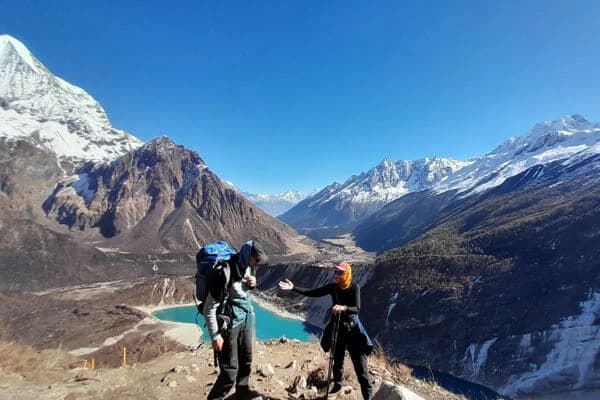
Nar Phu Valley is located north of the Annapurna region and receives less rainfall than popular routes like Annapurna Base Camp or Ghorepani. It is not completely dry during monsoon, but the weather is more trustworthy compared to lower Himalayan trails.
The trail has fewer trekkers, and villages such as Nar and Phu still follow traditional mountain lifestyles. Stone houses, narrow pathways, and monasteries are part of everyday life here. The route is also combined with Kang La Pass into the Annapurna Circuit. Permit restrictions still apply, and a guide is required for this valley.
Everest Base Camp Trek
We know you might have not expected Everest Base Camp trek to appear in a list of best monsoon treks in Nepal. Most people avoid it during this season, and that is mainly because of one thing, the flight to Lukla.
That part is true. Flights get delayed or cancelled mostly in monsoon. Weather around Lukla changes quickly and there is no fixed pattern you can rely on. Morning flights have a slightly better chance, so most people who still attempt Everest Base Camp in monsoon season try to secure early slots and keep extra days in Kathmandu.
Once you are on the EBC trail, the situation feels different from what people assume. Rain is there, especially below Namche, but the route itself keeps moving. It does not break or close in the way some lower hill trails do during heavy monsoon weeks.
The lower valley around Lukla and Phakding looks completely different from autumn photos. Rivers are stronger, hills are full again, and everything feels wetter but not unusable. However, mountain views depend on the time. You might get clear mornings or clouds may cover the view for days.
If you are fine with accepting delays, working around Lukla, and dealing with weather as it comes then EBC in monsoon is for you. That is the reality of trekking in Nepal during monsoon season.
Khopra Danda Trek
Khopra Danda is one of the most workable trekking options in the Annapurna region during monsoon. Rain still affects the lower forest parts, but compared to busier routes, the overall movement is less interrupted and there is less pressure from crowds during this season.
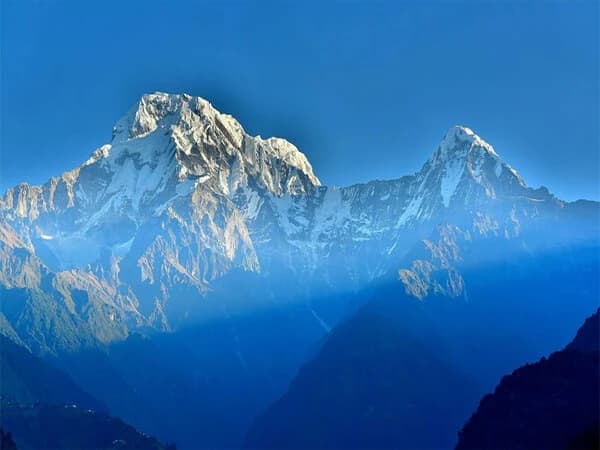
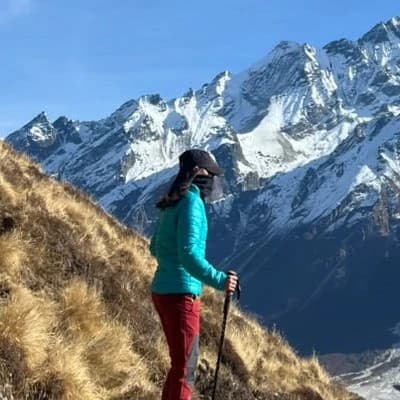
The main draw is the ridge above Khopra, which offers views of the Annapurna and Dhaulagiri ranges when weather is favorable. The side route toward Khayer Lake is possible, but monsoon weather decides whether that part is realistic on any given day. It is a good option for people looking for a quieter Annapurna experience without going into remote restricted areas.
Panchase Trek
Panchase is a short trek near Pokhara and can be done during monsoon because it does not depend on high altitude conditions or long remote access. Rain is the main factor affecting the experience rather than the difficulty.
The route takes you through forested hills and small villages above Pokhara. It is mostly chosen for short trips in Nepal when time is limited or when longer treks are not practical due to the monsoon across Nepal. It is simple to access and does not require permits.
Damodar Kunda Trek
Damodar Kunda is far less known than trekking routes such as Upper Mustang, Nar Phu Valley, or Everest Base Camp, which is one reason it sees very few trekkers even during the main trekking seasons. Located in northern Mustang near the Tibetan border, the region receives less rainfall than most parts of Nepal during monsoon.
The trek leads to Damodar Kunda, a group of high altitude lakes that hold religious importance for both Hindus and Buddhists. Reaching the lakes requires several days of walking through remote terrain where settlements and facilities are limited.
Damodar Kunda is not mostly chosen by first time trekkers. The route demands more preparation than many other monsoon trekking options in Nepal, but for those specifically looking for a remote journey during the rainy season, it remains a viable choice.
What Monsoon Trekking in Nepal Feels Like on the Ground
Trekking in Nepal during monsoon changes how things actually feel on the trail. The same route that is easy in autumn can take more time and effort because rain keeps coming in and out during the day. Trails do not always stay in one condition for long, especially in forest areas and lower hills.
The most noticeable difference is often under your feet. After a few days of rain, stone steps can stay slick even when the weather looks clear, so descents usually require more attention than usual. In forested sections and lower valleys, muddy patches are common and can slow progress, especially on narrow trails where there is little room to move around them.
A few practical things matter more during this season:
- Rain protection that actually works in continuous wet weather is important because staying dry is difficult once clothes get soaked for long hours.
- Shoes with good grip make a real difference on wet stone and uneven ground, especially on downhill sections.
- In some trekking villages, food choices can be more limited during heavy rain periods since supply movement is not always regular.
- Road journeys can take longer than planned when rain affects highways or hill roads, even if the trekking route itself is unaffected.
- Phone signals are not always stable in remote areas, and weather can make weak coverage drop in and out more often.
One thing that helps is keeping your expectations flexible. Rain can slow things down, views may come and go, and some days simply do not go exactly as planned. People who enjoy monsoon trekking are usually the ones who accept these changes and work with them rather than trying to stick to a fixed schedule.
Which Monsoon Trek in Nepal Should You Actually Choose?
If you want to avoid rain as much as possible, Upper Mustang is the one that actually works in monsoon. You are still at high altitude and you still feel the wind, but you are not walking in rain most of the time like in other parts of Nepal during this season.
Upper Dolpo and Damodar Kunda are on a different level. People do not go there for comfort. Everything takes effort, distances are long between villages, and if something goes wrong, help is not nearby. Monsoon does not really change that.
Nar Phu Valley is in the middle as you can walk it in monsoon, but after rain some parts get slow and a bit tiring, especially where the trail is rocky or goes along narrow paths. It is not extreme, just not always smooth.
Helambu and Panchase are what people usually pick when they want a short trek during monsoon. You will get rain, and the trail can be wet and muddy. You might also see leeches in some parts. But the good thing is you are never too far from roads or towns, so it is easy to adjust plans.
Everest Base Camp is possible in monsoon, but it depends a lot on flights to Lukla. Delays are common. Once you start walking, you can continue, but clouds often block the mountain views, so it does not always look like the pictures people expect.
What to Know Before Trekking in Nepal During Monsoon
Before you decide to trek in Nepal during monsoon, there are a few things that actually matter and something you actually should know.
- You cannot plan your plan around rain. A dry morning can turn into heavy rain later, or you might lose half a day just waiting for it to ease.
- Going down stone steps when they are wet is where people usually feel it most. It is not dangerous in every case, but it slows things down and forces more care with every step.
- Lukla flight delays can happen for hours or days depending on weather, and hill roads can extend travel time.
- You do not really get guaranteed mountain views in this season. Even on clear moments where you are standing in a good spot, clouds gather around the peaks and block everything for hours.
- You will encounter leeches in lower parts of trails after rain. Most people notice them when they stop for a break or when the pace drops for a while.
- What you expect in terms of distance rarely matches what actually happens. Wet ground changes how fast you naturally move, even if the trail itself does not change.
- Staying dry matters more than carrying extra things. Once clothes stay wet for too long, everything else feels harder than it should.
- Plans will change more than usual in monsoon. It is normal for the day to change based on weather instead of sticking to a fixed schedule.
- Upper Mustang behaves differently from most trekking regions in Nepal during this season and stays much drier than popular routes.
Month by Month Guide to Monsoon Trekking in Nepal
Even the monsoon period in Nepal does not stay the same through the season. June, July, August, and September all feel different on the trail. Here is the month by month breakdown.
June
Rain starts picking up in Kathmandu and Pokhara, but it still comes in patches rather than all day. You can get a clear morning, then a heavy shower later, or sometimes nothing for a while. Higher trekking areas do not fully shift into monsoon conditions yet, so some routes still feel close to shoulder season travel.
Lower trails are where you notice the change first. Forest trails stay wet after rain and do not dry quickly. Stone steps get slippery, especially in shaded sections. Rivers also run stronger than in spring, which starts affecting crossings in some regions.
July
Mid hill trekking regions in Nepal spend most of July under regular monsoon influence. Rain returns often enough that long clear periods are uncommon.
Langtang Valley Trek, Mardi Himal Trek, and lower Annapurna routes stay wet for extended periods, and cloud cover often blocks mountain views through the day. Weather changes even within a few hours, which affects visibility and conditions on the trail.
Upper Mustang Trek and Nar Phu Valley Trek remain less affected because they lie in rain shadow zones behind the main Himalayan range. These areas continue to operate through the monsoon season with far less rainfall.
August
The heaviest monsoon rainfall in Nepal usually arrives in August. This affects both travel and trekking logistics across the country.
Access roads to trekking regions take longer to travel due to rain and occasional landslides in hilly areas. Lukla flights for Everest Base Camp Trek face more delays and rescheduling during this month.
Trail conditions in most non rain shadow regions stay wet throughout the day. Forest sections remain saturated, and stone steps become more difficult to descend after continuous rain. Upper Dolpo Trek and Upper Mustang Trek remain among the few regions where rainfall impact stays limited.
September
Monsoon influence starts easing through September, although early weeks still carry similar conditions in many trekking regions.
Weather patterns begin opening up more in higher areas as rainfall reduces gradually. Mountain visibility improves in parts of Nepal toward the later half of the month.
The weather starts changing toward autumn season patterns by the end of September, especially in regions like Annapurna Circuit Trek and Everest Base Camp Trek routes.
Final Verdict: Best Monsoon Treks in Nepal
Monsoon Nepal trekking is possible, but most regions are affected by rain during this season. Trails get wet, and clear views are not something you can depend on in many places.
Upper Mustang is the most reliable option since it gets much less rain than the rest of the country. Other treks like Nar Phu, Upper Dolpo, and parts of Annapurna can still be done, but the experience changes a lot depending on weather.
There is no perfect monsoon trekking choice in Nepal. You either go to the dry regions or accept that rain will affect the plan.